Texas Gardeners Are Replacing Agapanthus With These Drought-Smart Natives
Agapanthus has been a Texas garden staple for years. Those tall globe-shaped blue and white blooms look striking in summer, and the plant earned its reputation as a reasonably low maintenance choice.
But as water restrictions tighten and drought becomes a more regular reality, agapanthus is showing its limitations.
It needs more water than most people account for, struggles through extended dry stretches, and offers very little to native wildlife in return for the resources it demands. Texas gardeners who have been paying attention are making a change.
There are native Texas plants that require far less supplemental water once established and can tolerate prolonged dry periods. They also support native pollinators and birds in ways that agapanthus simply cannot.
Here’s what Texas gardeners are planting instead and why the switch makes sense right now.
1. Purple Coneflower
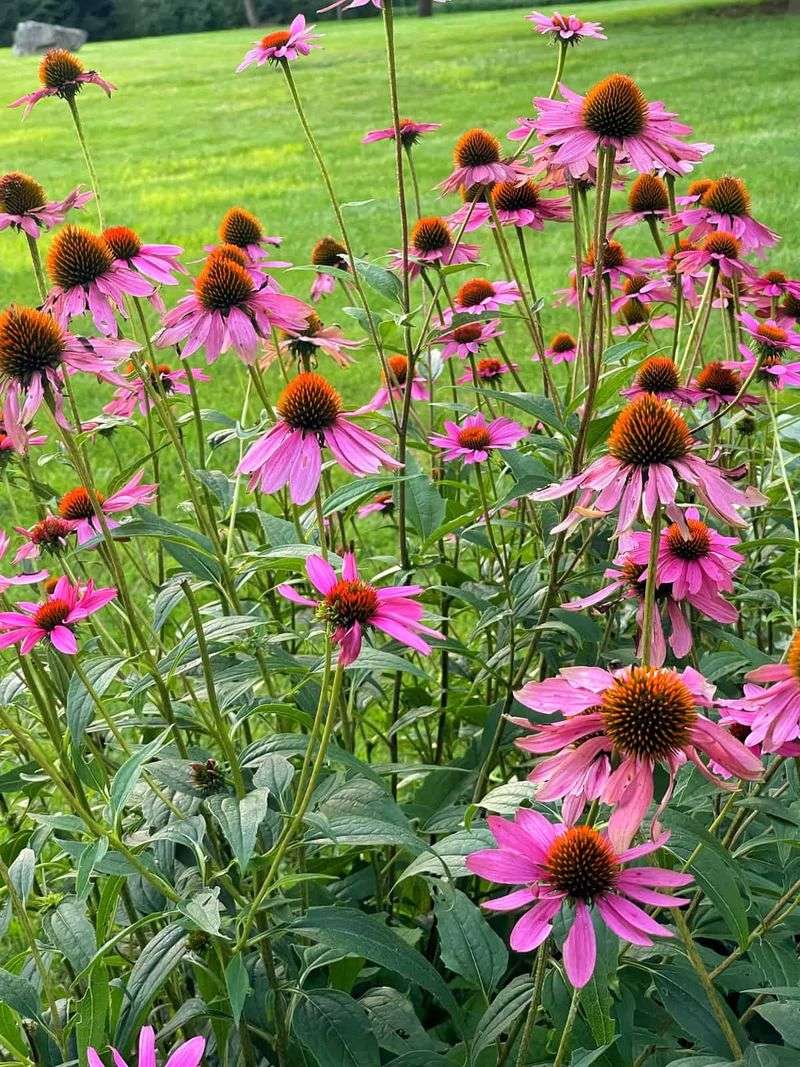
Bees and butterflies flock to purple coneflower like it is throwing a party. Those pinkish-purple petals fan out around a spiky orange center, giving the plant a cheerful, daisy-like look that fits right into any Texas yard.
Once this plant settles in, it barely asks for anything. Deep roots let it search for water far below the surface, so you can skip most of the summer watering that agapanthus demands. It handles rocky soil, clay, and full sun without complaint.
Gardeners love that coneflower keeps blooming from late spring all the way into fall. You can snip a few stems for a vase, or leave the seed heads standing so goldfinches can snack on them in winter. Either way, the plant earns its spot.
Planting is simple. Space each one about a foot and a half apart, water them during their first season, and then let nature take over.
They spread slowly over the years, filling in gaps and giving you free new plants to share with friends.
Fun fact: Native Americans used coneflower as a healing herb long before it became a garden favorite. Today you still see echinacea listed on cold-remedy bottles at the store.
If you want a low-fuss flower that pulls double duty by feeding wildlife and brightening your beds, this one belongs on your list. It shrugs off heat, laughs at drought, and rewards you with months of color.
Swapping thirsty agapanthus for coneflower is one of the easiest upgrades a Texas gardener can make.
2. Blackfoot Daisy
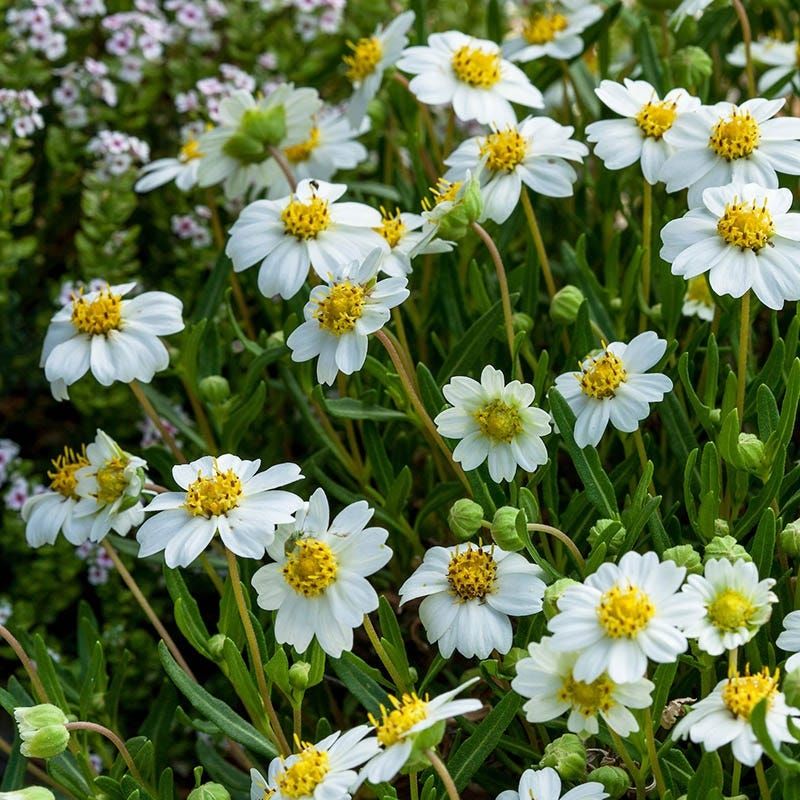
Picture a low, rounded mound covered in tiny white daisies that smell faintly like honey. That is blackfoot daisy, one of the toughest little bloomers a Texas gardener can grow.
Heat that wilts other plants seems to make this one happy. It thrives in gravelly, poor soil where fancier flowers would sulk, and it needs almost no extra water once its roots reach down. In fact, too much watering is the main way people struggle with it.
The blooms show up in spring and keep coming through fall, sometimes lasting nearly the whole year in warmer parts of the state. Each plant stays small, around a foot tall and wide, so it works beautifully along walkways, in rock gardens, or tucked into containers.
Your Texas Garden Changes Every Week. Your Plan Should Too.
Gardening in Texas changes quickly throughout the season. Every Friday you’ll receive a simple weekly plan showing exactly what to plant, prune, fertilize, harvest, and protect so you never miss the right timing.
Bees and small butterflies drop by often, drawn to the sweet scent. Because the plant stays neat and tidy, you rarely need to trim it, though a light shearing in late winter keeps it looking fresh.
Here is a handy tip: plant blackfoot daisy on a slope or in a raised bed so water drains away quickly. Soggy roots are the one thing it truly dislikes.
Compared to agapanthus, this native gives you more blooms over a longer season while sipping far less water. It is a wonderful choice for busy gardeners who want steady color without a lot of fuss.
If your garden gets baked by afternoon sun and you are tired of babying thirsty plants, blackfoot daisy will feel like a breath of fresh air. Plant a few and watch them shine.
3. Texas Sage
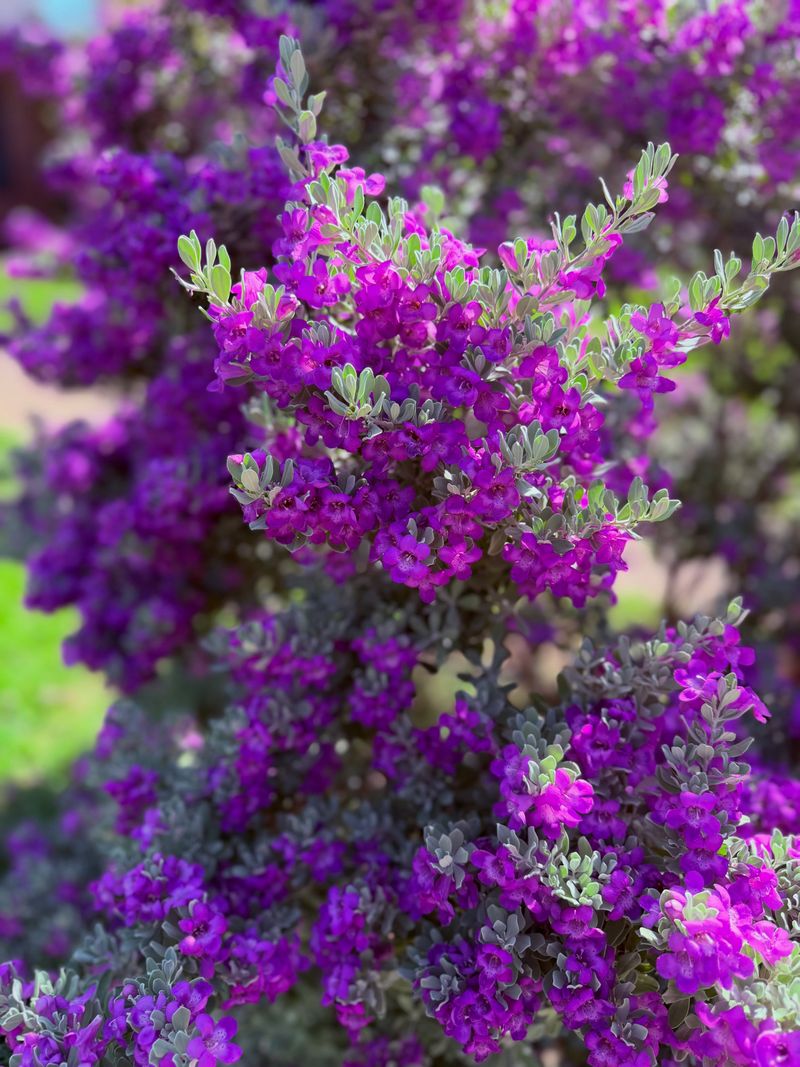
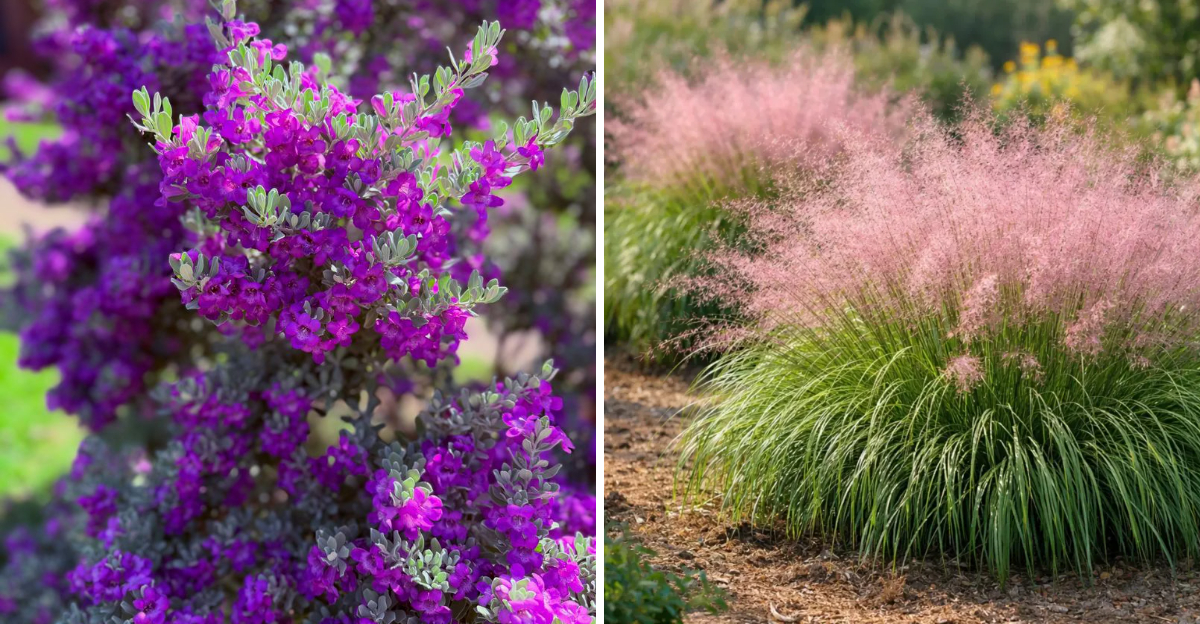
Some folks call Texas sage the barometer bush because it bursts into purple flowers right before or after a good rain. Watching it bloom feels like the plant is celebrating the weather.
Silvery-gray leaves cover this rounded shrub year-round, giving your yard a soft, cool look even in the hottest months. When those violet blooms open, the whole plant seems to glow, and bees rush over to visit.
Drought is no problem here. Texas sage grows wild across the dry parts of the state, so it expects long stretches without rain.
Once established, it can go weeks without water and still look great, which makes it a smart stand-in for thirsty agapanthus.
Give it a spot with plenty of sun and soil that drains well. It grows into a nice-sized shrub, so plant it where a bigger bush makes sense, like a hedge, a corner, or the back of a flower bed. You can trim it to keep it shaped, but many gardeners let it grow naturally.
Because it needs so little care, Texas sage is popular in low-water landscapes and along highways. If it survives roadside neglect, it will surely handle your garden.
One thing to remember: avoid heavy fertilizer and overwatering, since both can make it leggy and reduce blooms. Lean and dry is exactly how this shrub likes to live.
For anyone who wants year-round silver foliage plus surprise bursts of purple after storms, Texas sage delivers big rewards for almost no effort. It is a true workhorse of the Texas garden.
4. Autumn Sage
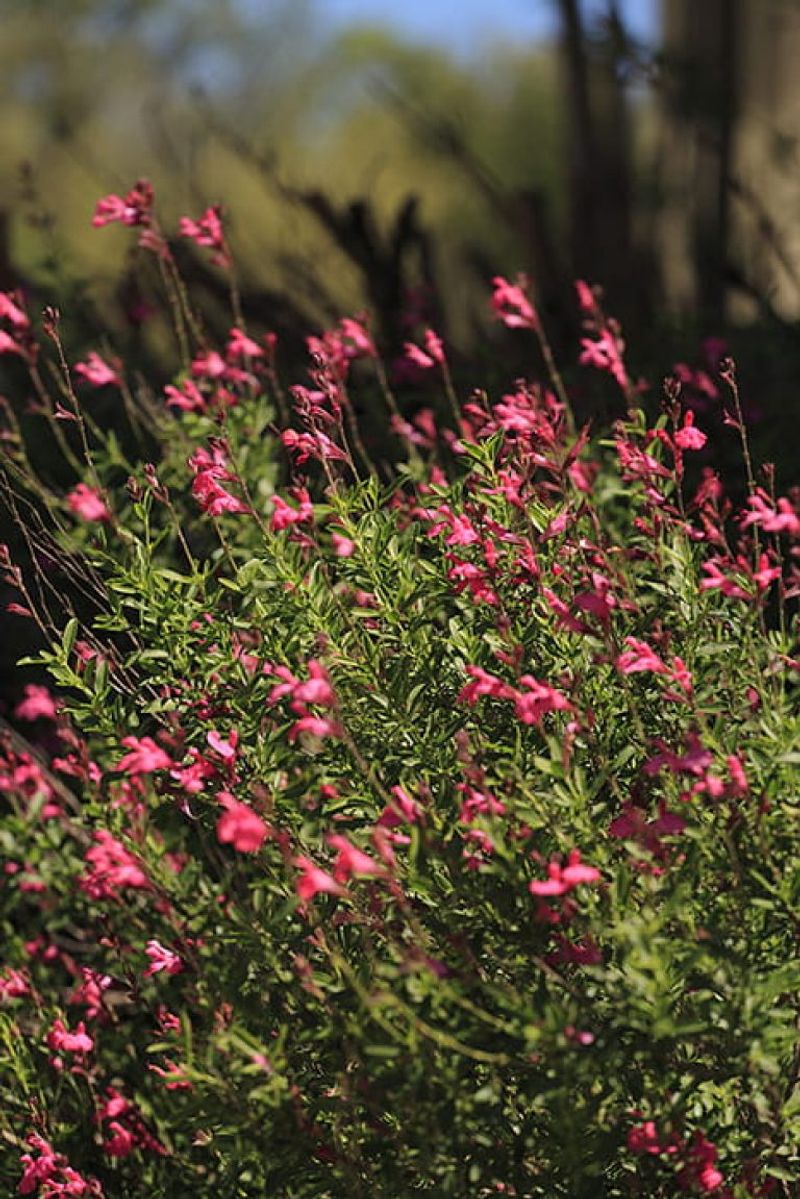
Hummingbirds treat autumn sage like their favorite diner, zipping in all day to sip from its little tubular flowers. If you love watching those tiny fliers, this plant will keep you entertained for hours.
Despite the name, autumn sage blooms far longer than fall. In much of Texas it flowers from spring through the first cool nights, offering shades of red, pink, coral, and white depending on the variety you pick.
Water needs stay low once the roots settle in. The plant prefers dry, well-drained soil and plenty of sunshine, making it a natural swap for water-hungry agapanthus.
A deep soak now and then during extreme heat is all it usually asks. It grows into a soft, bushy shape about two to three feet tall. To keep it full and blooming, give it a light trim in late winter and again in midsummer if it looks tired.
Those quick haircuts spark fresh rounds of flowers. Bees and butterflies join the hummingbirds, turning your garden into a busy, buzzing spot. Because it feeds so many pollinators, autumn sage is a favorite in wildlife-friendly yards.
Here is a bonus: deer usually leave it alone, thanks to its slightly minty scent. Gardeners in deer country cheer about that.
Pair it with other natives like coneflower and blackfoot daisy for a colorful, low-water bed that hums with life. The mix of textures and colors looks great from spring to fall.
For steady blooms, happy pollinators, and easy care, autumn sage earns a proud spot in any Texas landscape. Once you plant it, you will wonder why you waited.
5. Flame Acanthus
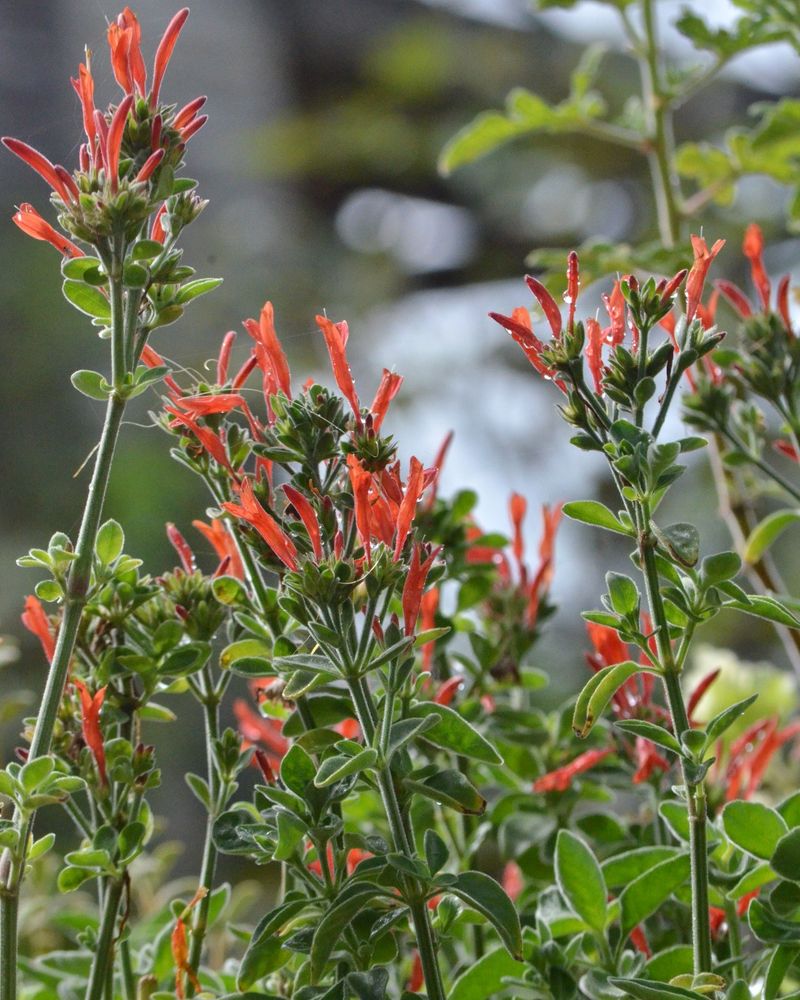
Bright orange-red blooms that look like tiny flames give this plant its fun name. Flame acanthus lights up the late summer garden right when many other flowers are fading in the heat.
Timing is one of its best tricks. While spring bloomers take a break during August scorchers, flame acanthus keeps pumping out color through the hottest stretch of the year. Hummingbirds and butterflies adore the sweet nectar hidden in those slender tubes.
Toughness runs deep here. The plant handles poor soil, reflected heat from walls or driveways, and long dry spells with ease.
Once established, it barely needs watering, which is exactly what a water-wise Texas gardener wants.
It grows as a loose, airy shrub that can reach three or four feet tall and wide. If you like a tidier shape, cut it back hard in late winter. Do not worry, it bounces back quickly and blooms on new growth.
Because it wakes up late in spring, do not panic if your neighbors’ plants leaf out first. Flame acanthus simply takes its time, then rewards your patience with a summer-long show.
Plant it in full sun near a patio or path where you can enjoy the hummingbird visits up close. The constant traffic of buzzing wings makes it a real crowd-pleaser.
Fun detail: it also goes by the nickname hummingbird bush, a title it clearly earns every single day.
Swapping in flame acanthus for fussy agapanthus means less watering and more wildlife action during the toughest part of summer. For hot, dry spots that need a splash of fiery color, this native is hard to beat.
6. Gulf Muhly Grass
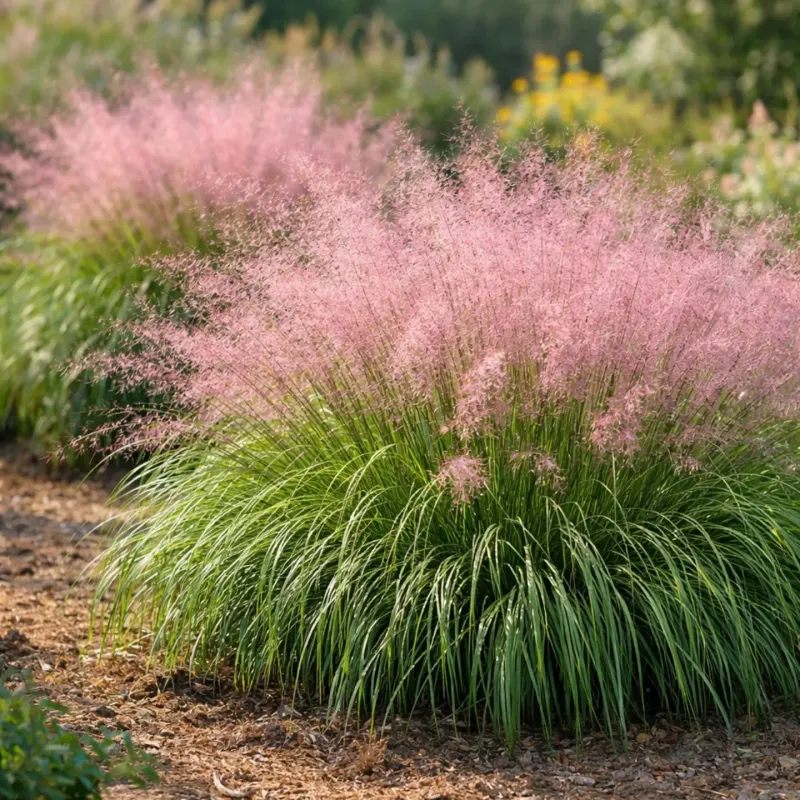
Every fall, gulf muhly grass turns into a cloud of pink cotton candy that seems to float above the ground. When the low sun hits those airy plumes, the whole plant glows, and passersby cannot help but stare.
Beyond the beauty, this grass is a champion at handling tough conditions. It shrugs off heat, drought, and even salty coastal air, making it useful in nearly every part of Texas. Once its roots grow deep, extra watering is rarely needed.
The green, thin blades form a neat clump about two to three feet tall during most of the year. Then autumn arrives and the magic happens as those famous pink flower heads appear and last for weeks.
Care could not be easier. Cut the clump back to a few inches in late winter, and it regrows fresh each spring. No spraying, no fussing, no constant watering like agapanthus requires.
Group several plants together for the biggest visual punch. A row or drift of muhly grass in full bloom looks like a soft pink wave rolling through the garden.
It also pairs nicely with flowering natives, adding motion and softness that flowers alone cannot give. A little breeze sets the plumes dancing.
Wildlife benefits too, since small birds use the seeds and the clumps offer shelter for beneficial insects.
For a plant that brings texture, movement, and a jaw-dropping fall display without draining your water bill, gulf muhly grass is a standout. Plant it where the afternoon light can shine through the plumes, and you will fall in love every autumn.
7. Turk’s Cap
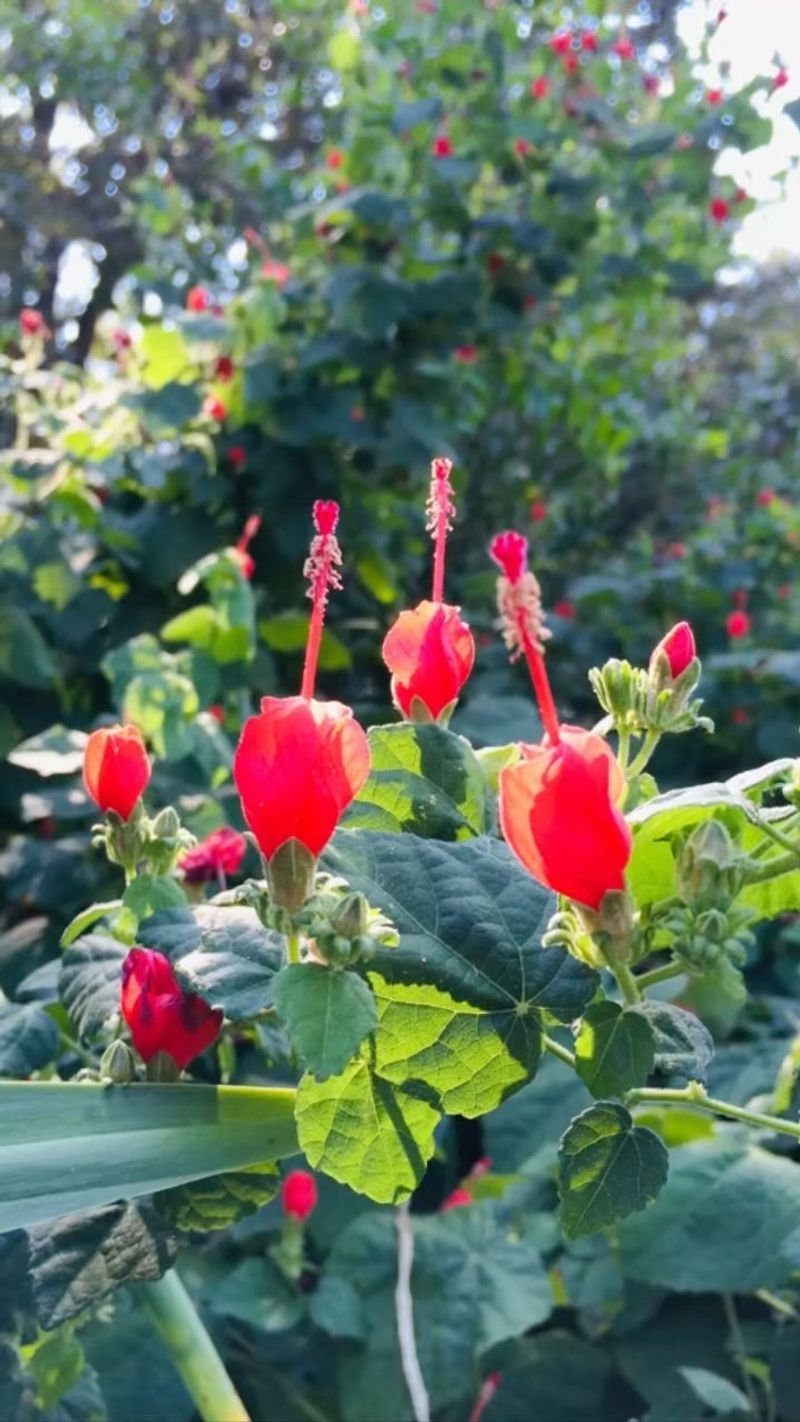
The flowers of Turk’s cap never fully open. Instead, the bright red petals swirl together into a little shape that looks just like a tiny turban, which is how the plant got its name.
Shade lovers, rejoice. Unlike most drought-tough natives that crave blazing sun, Turk’s cap actually thrives in part shade, filling those tricky spots under trees where agapanthus often flops. It handles sun too, giving you real planting flexibility.
Hummingbirds and butterflies line up for the nectar, and later in the season small red fruits appear that birds happily gobble up. Some people even nibble the mild fruit, which tastes a bit like apple.
Water needs stay modest once the plant is settled. It appreciates a drink during long dry spells but generally takes care of itself, growing lush and green with big soft leaves.
Expect a bushy plant two to four feet tall, sometimes larger in rich soil. If it gets leggy, a quick trim keeps it full, and it comes back reliably each spring even after a cold winter.
Because it blooms from late spring into fall, Turk’s cap gives you a long stretch of color in spots where color is usually hard to find. That makes it a garden problem-solver.
Try planting it along a shady fence, beside a porch, or beneath tall trees where grass refuses to grow. It will brighten those dim corners with cheerful red all season.
For gardeners who need a tough, wildlife-friendly plant that thrives in shade and sips little water, Turk’s cap is a smart and charming pick that outshines thirsty agapanthus every time.