How To Protect Young Pennsylvania Trees From Buck Rubs This Fall
Who stripped the bark off your newest sapling overnight? Look closely at the ragged ribbons dangling from the trunk.
Pennsylvania bucks start rubbing antlers in early September, and your tree became a target. Velvet is gone, so rubbing becomes marking.
Thin trunks about as wide as your wrist draw him in. He leaves scrapes, scent marks, and a message for rival bucks.
Torn soil nearby means he stomped around, announcing his claim. Damage can girdle a young trunk and cut off its water supply.
Protect it fast with a cylinder of wire mesh wrapped around the base. Stake the guard deep so he cannot shove it aside.
Tall fencing works better for young orchards across Pennsylvania. Wrap trunks by late August, before rubbing begins, and you keep your investment. Meet your nighttime visitor before his rubbing season reaches full swing.
1. Wrap Trunks With Plastic Tree Guards
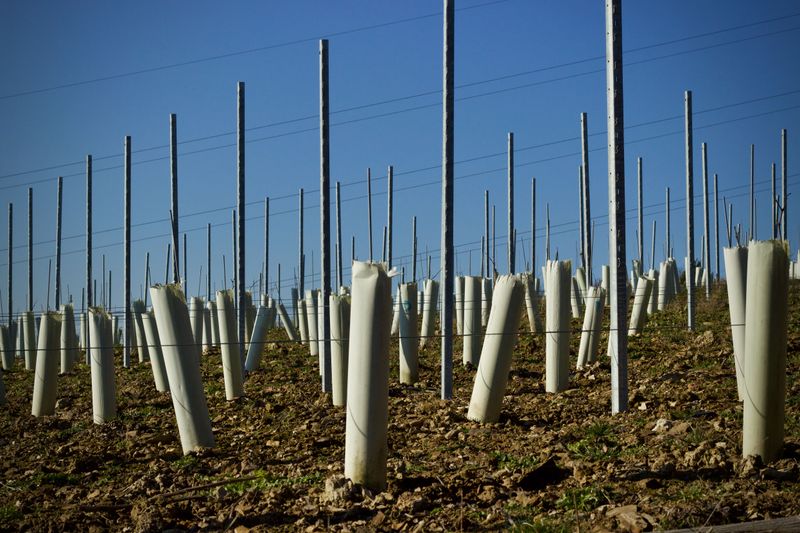
Picture a young maple wearing a snug plastic raincoat around its skinny trunk. That coat is a spiral tube guard, one of the most affordable protections available.
Bucks rub their antlers on smooth, flexible trunks between one and four inches wide. They do it to mark their presence, signal dominance to rival bucks, and prepare for breeding season.
In Pennsylvania, rubbing begins in early September and peaks from October through November. So late August is the right time to install guards before damage starts across your yard.
Spiral guards wrap around the trunk like a coiled phone cord. Solid tubes slide over the top and give more coverage, especially for saplings under six feet tall.
Pick guards that reach at least four feet high, since a buck rubs higher than you might expect. Look for light colors with small air holes so heat and moisture escape easily.
Slip the guard on gently so it does not scrape tender bark during installation. A quick check after windy days keeps it sitting straight and snug.
Remove the guards each spring once rutting season ends. Leaving them on all year can trap bugs, hold dampness, and pinch bark as trunks grow wider.
Many garden centers in Pennsylvania sell guards in packs, and prices vary by size and brand. For a homeowner with three or four new trees, that is a small price for big peace.
Think of it like a bike helmet for your tree. Few people enjoy wearing one, but it helps when trouble shows up.
2. Drive Sturdy Stakes Around Each Trunk
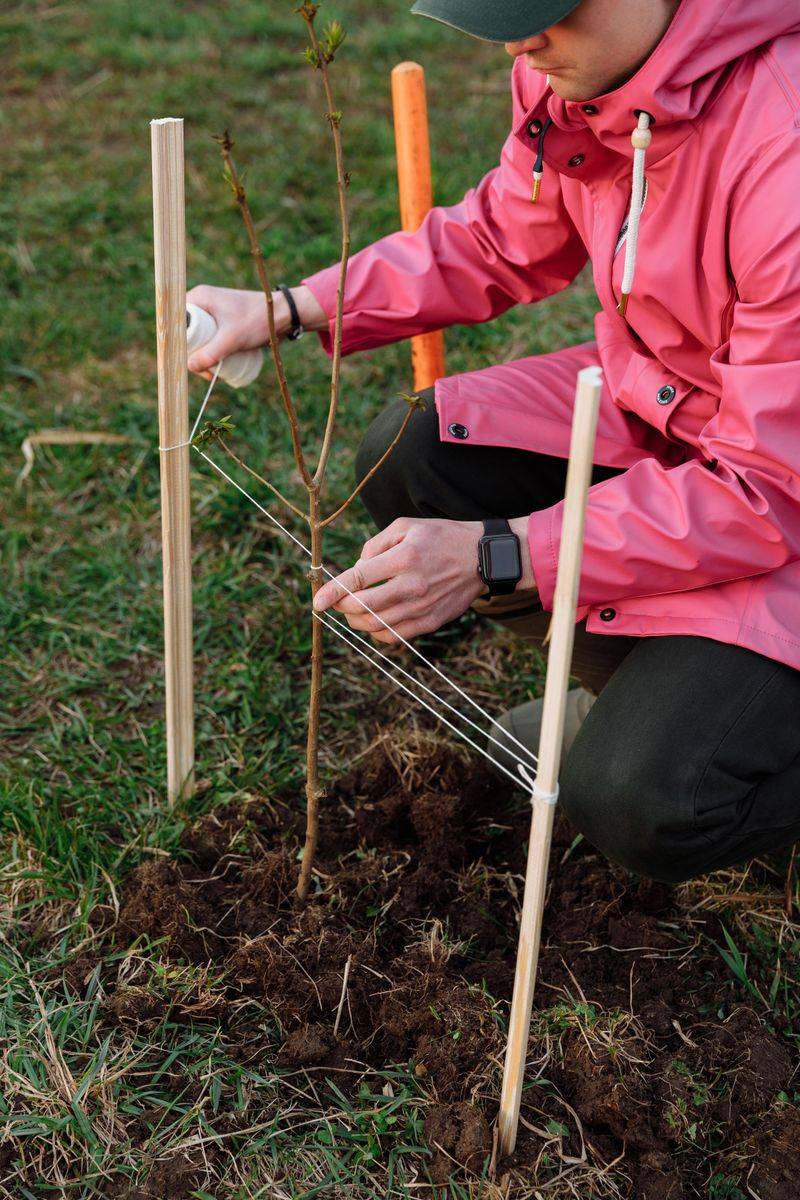
Many orchard owners use a simple trick for young apple trees. They pound three tall stakes around each trunk and call it a day.
His idea likely worked because bucks need room to swing their heads. When stakes crowd the trunk, those wide antlers bump into wood before reaching the bark.
Set three or four stakes in a triangle or square shape around the tree. Keep them about a foot away from the trunk and roughly five feet tall.
Metal fence posts or thick wooden stakes both do a solid job. Thin bamboo poles snap too easily, so skip them for this particular task.
Your Pennsylvania Garden Changes Every Week. Your Plan Should Too.
Gardening in Pennsylvania changes quickly throughout the season. Every Friday you’ll receive a simple weekly plan showing exactly what to plant, prune, fertilize, harvest, and protect so you never miss the right timing.
Drive each stake at least a foot into the ground so it stays put. A loose stake gets knocked over fast once a buck starts testing it.
For extra strength, wrap a strand of twine or wire between the stakes. That turns your setup into a mini fence without much cost or effort. Stakes work best as a deterrent, so pair them with guards or wire for stronger protection.
Stakes blend into the landscape better than bright plastic guards. If you care about looks, this old-school method keeps your yard tidy and natural.
Orchards that use this method often show scarred stakes beside healthy trunks. Those weathered posts absorb the wear so the trees do not have to.
Sometimes the plainest tools turn out to be the wisest ones. A hammer, some posts, and an hour of work can save years of growth.
3. Circle Saplings With Wire Mesh Cages
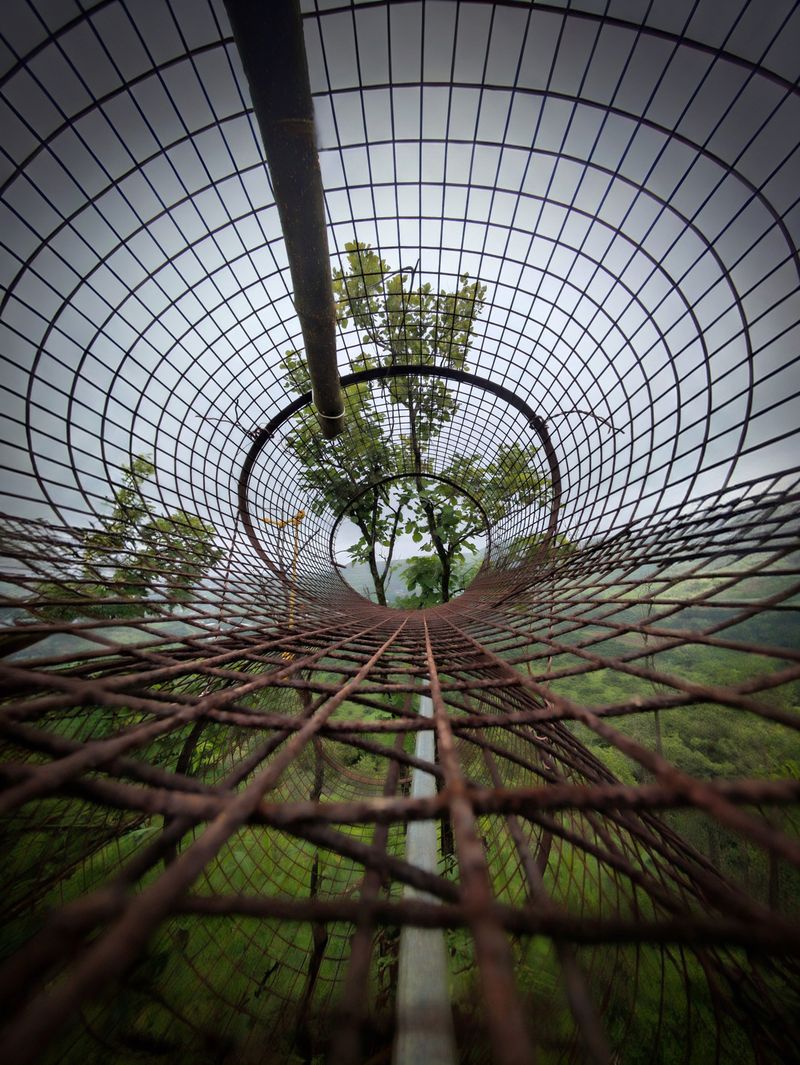
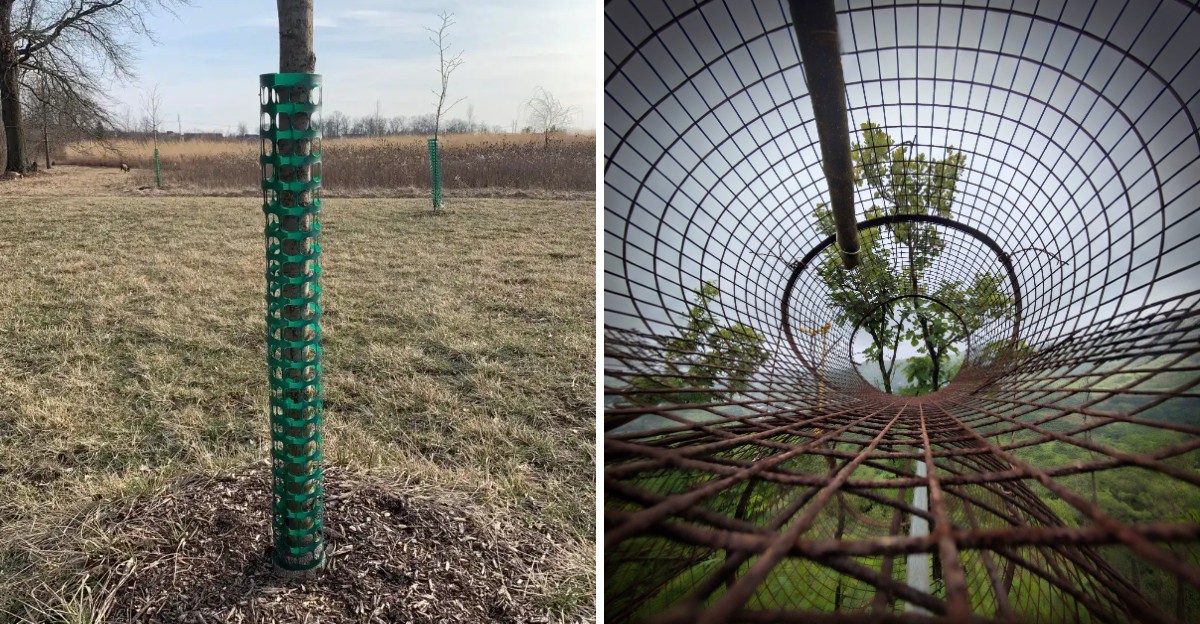
Ever seen a sapling surrounded by a wire cylinder? Simple as it looks, that cage is one of the sturdiest defenses a young tree can get.
Bucks are strong, and a determined one can shove aside flimsy barriers. Sturdy welded wire or hardware cloth stands up to pushing far better than thin plastic netting.
Aim for a cage about five feet tall and at least three feet across. That width matters, because antlers cannot reach the trunk if the wire sits far enough away.
Roll the wire into a circle and fasten the ends with zip ties or hog rings. Then anchor it with two or three metal or wooden stakes pounded firmly into the soil.
Set the bottom edge flush with the soil, or bury it an inch or two, so rabbits cannot sneak in during winter. Keep mowers and trimmers a safe distance from the cage.
Wire cages last for years, so you can reuse them on new plantings later. Orchard growers often keep spare cages on hand for each new season.
Gloves are a smart idea, since cut wire ends can be sharp. Bend those pointy tips inward to keep fingers and pets safe while you work.
Once the tree grows taller and its bark turns rough, you can retire the cage. Until then, let your young tree grow safely inside its protective cage.
4. Spray Scent Repellents Before The Rut
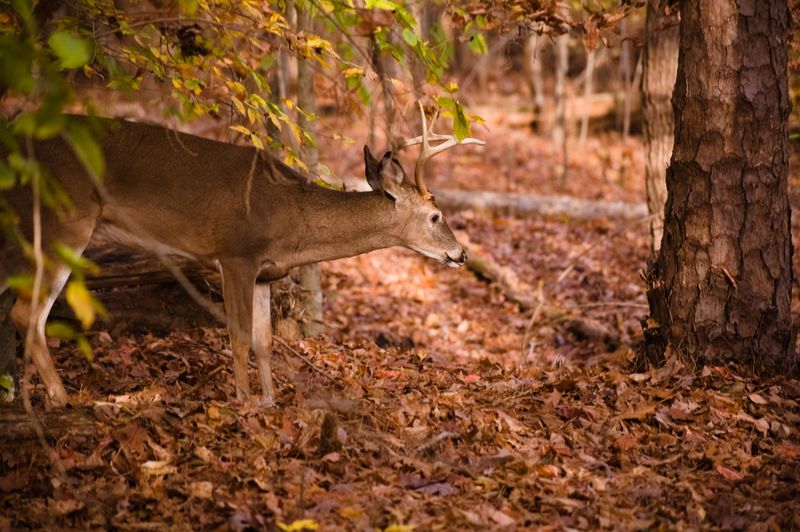
Bucks have an excellent sense of smell, so a stinky spray can send them looking elsewhere.
Many repellents use rotten eggs, garlic, hot pepper, or predator urine. They smell awful to deer, and honestly, they smell pretty awful to people too.
Timing matters with these products. Start spraying in late August or early September, before bucks pick their favorite rubbing spots.
Spray the trunk from the ground up to about four feet high. Cover the lower branches as well, since bucks sometimes thrash those while rubbing.
Rain washes many sprays away, so check the label for how long each coat lasts. Plan to reapply every two to four weeks, or after heavy storms.
Switching between two different brands can help a lot. Deer get used to one smell over time, so a change keeps them guessing.
Wear gloves and old clothes when you apply these products, since the odor is strong. Check the label first, because some products are not approved for edible parts of fruit trees.
Repellents are designed mainly to stop browsing, so they work best as a backup, not a solo act. Pair them with guards or stakes for a defense that hits both the nose and the antlers.
On the bright side, your yard might smell funky for a day. Your saplings will thank you by keeping their tender bark intact.
5. Hang Bars Of Strong Soap
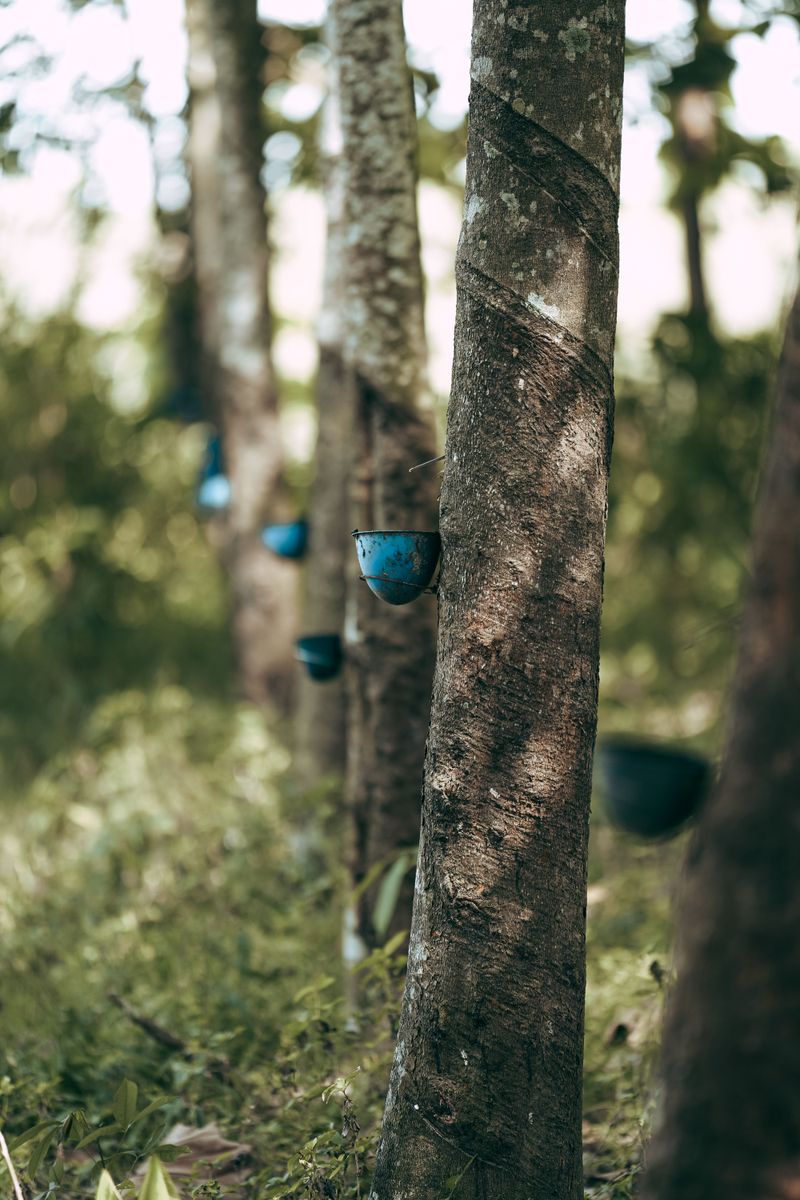
Hanging soap is a folk method with a loyal following. Bars of strongly scented soap can help keep curious bucks at a distance.
Gardeners have used this method for generations. Strongly scented soaps are the usual choice, though results are mixed.
Drill a small hole through each bar, or slip it into a mesh onion bag. Then tie it to a low branch or stake about three feet off the ground.
Leave the wrapper off so the scent can drift freely through the air. One bar usually covers a single small tree or a tight cluster of saplings.
Results vary from yard to yard, so do not expect miracles. Hungry or bold deer may ignore the smell, especially during peak rutting weeks.
Still, soap is cheap, easy to find, and lasts for months outdoors. A pack from the dollar store can protect a whole row of young trees.
Swap old bars when they shrink or lose their smell. Rain slowly melts them away, leaving behind a faint, flowery puddle under your tree.
Kids love helping with this project, since it feels like decorating. Let them pick the soap and tie the strings for a fun family afternoon.
Your backyard may end up smelling like a fancy hotel bathroom. That beats the sight of shredded bark.
6. Build Tall Fences Around Young Plantings
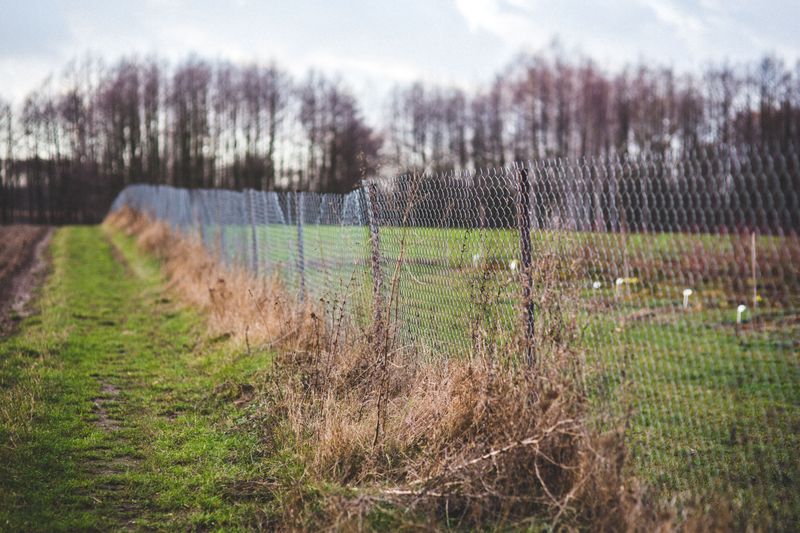
When you have a dozen young trees or more, single guards get tiring fast. A tall fence around the whole planting can save hours of work.
Deer can jump as high as about eight feet. That means your fence needs real height to keep them on the outside.
Black polypropylene mesh is popular because it is light and nearly invisible. Woven wire costs more but holds up better against strong winds and heavy snow.
Some Pennsylvania landowners use two shorter fences spaced a few feet apart. Deer struggle to judge the gap, so they often refuse to jump at all.
Electric fencing is another choice for big properties or tree farms. A light shock teaches deer to stay away, especially with a little peanut butter bait.
Check local rules before building, since some townships limit fence height. A quick call to your municipal office can prevent headaches down the road.
Walk the fence line every few weeks to look for gaps or sagging spots. Deer will exploit any weak section they find.
Yes, a fence takes a weekend and some money to install. But for a young orchard or windbreak, that effort pays off for many seasons.
Picture your saplings growing tall and strong inside their private club. Bucks stay on the outside.
7. Choose Rougher-Barked Trees For New Plantings
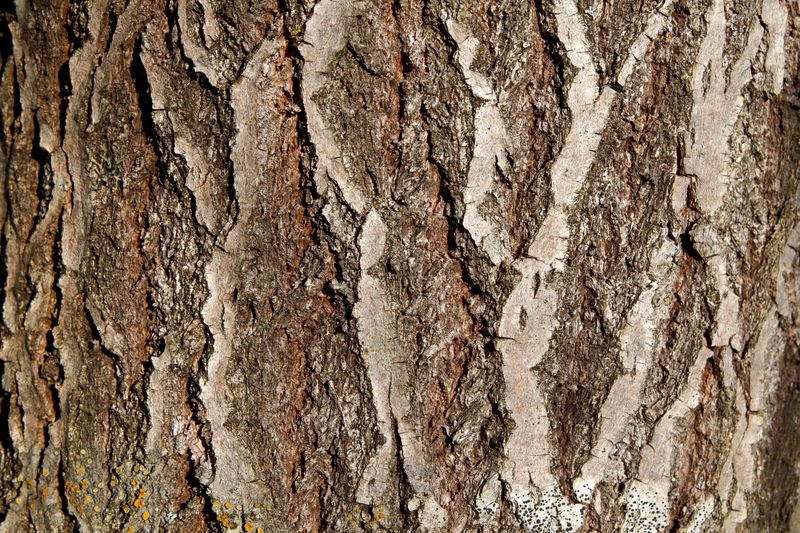
Not every tree is equally tempting to a rubbing buck. Some trunks feel like a smooth scratching post, while others are about as inviting as sandpaper.
Bucks often choose young trees with thin bark and a strong scent. Maples, cherries, pines, and young fruit trees are frequent targets in Pennsylvania.
Aromatic trees like cedars and spruces are also big targets. The strong scent may make these trees stand out to rubbing bucks.
If you are planning new plantings, think about rougher-barked choices. Bucks rub many species, but native oaks and hickories are sturdier picks near deer trails.
Native shrubs with prickly stems may help screen young trees from view. Hawthorn is one option, but avoid Japanese barberry, which is invasive in Pennsylvania.
Placement matters as much as the type of tree you pick. Plant your most precious saplings close to the house, where deer may feel less safe.
Watch where deer travel on your property before choosing a planting spot. Worn paths, droppings, and old rubs are clues about their favorite routes.
Of course, you should still plant the trees you love most. Just know that a smooth young cherry may need extra protection for a few years.
Smart planning now means fewer surprises next October. Your future self will be glad you thought like a buck before digging that first hole.
8. Check Your Defenses Weekly
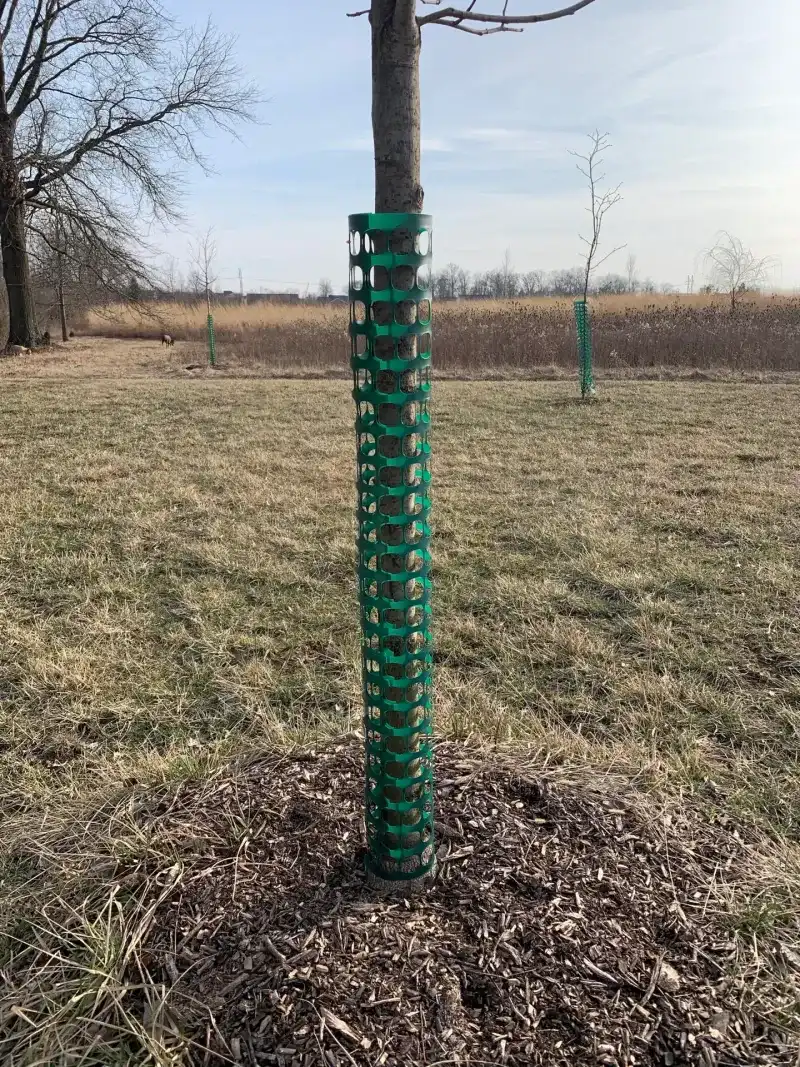
Protecting young trees is not a set-it-and-forget-it chore. A quick weekly stroll through your yard can catch small problems before they grow large.
Grab a mug of cider and make it a relaxing October routine. Walk past each sapling and look closely at the bark, guards, and stakes.
Fresh rubs show pale, shredded wood and torn bark hanging in strips. You might also spot scrapes, which are patches of bare dirt pawed by bucks.
If you find early damage, act fast to stop it from getting worse. Add another guard, move stakes closer, or try a stronger repellent.
Small wounds on a trunk can often heal, though results depend on species and wound depth. Trim loose bark edges cleanly, but skip wound paint, which can trap moisture.
Badly girdled trees, with bark stripped all the way around, may not recover. In that case, plan to replant and add better protection next season. An arborist can tell you whether bridge grafting is an option.
Keep a simple notebook or phone log of what you find each week. Over time, you will learn which spots the local bucks favor.
Rutting activity usually slows down by early December in Pennsylvania. That gives you a clear finish line to look forward to.
Think of yourself as a friendly security guard for your yard. Your patrols may feel small, but they add up to healthy trees for decades.