Fruit-Peel Water and Arizona Roots: What the Evidence Actually Shows
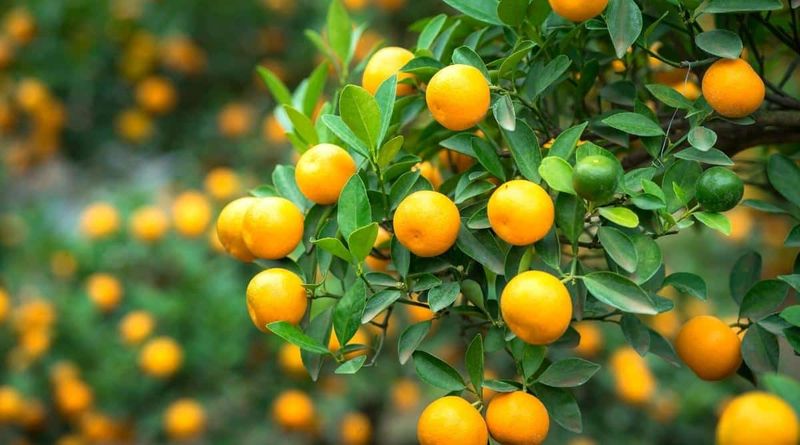
Soaking orange or banana peels in water and pouring it on your plants sounds like a clever, free way to feed your Arizona garden. The idea has spread quickly online, especially among gardeners dealing with tough desert soil.
Before you fill another jar with peels, though, it is worth knowing what Arizona soil research actually says about this practice and what approaches are better supported for building healthier roots in the low desert.
Fruit-Peel Water Has No Proven Root Benefit in Arizona Landscapes
Plenty of Arizona gardeners have heard that steeping fruit peels in water creates a root-strengthening tonic for desert plants. The appeal makes sense: peels are free, the method is simple, and anything that might help plants survive Arizona’s brutal summers is worth considering.
The problem is that no reliable Arizona evidence establishes fresh fruit-peel water as a treatment that actually strengthens roots in low-desert landscape soil.
Research on fruit-peel fertilizers does exist, but the details matter. A study published in MDPI Engineering Proceedings tested banana and orange peel formulations on lettuce in a hydroponic system, using unusually high peel-to-water ratios under controlled conditions.
That controlled hydroponic experiment does not establish that overnight kitchen soaking improves roots of landscape plants growing in Arizona soil. Formulation, growing system, and plant type all matter, and a jar of peels left on a countertop is a very different thing from a precisely designed hydroponic nutrient solution.
Arizona extension guidance points to site-specific root-zone problems, including caliche layers, compaction, and limited organic matter, as the real barriers to healthy roots. Addressing those conditions through physical correction, appropriate compost use, and smart irrigation is a more reliable direction than hoping a peel infusion fills the gap.
The rest of this article walks through what Arizona root-zone conditions can actually involve and what steps are better supported by local evidence.
Alkalinity Is Only One Possible Arizona Root-Zone Issue
Arizona gardeners often hear that alkaline soil is the main obstacle to healthy plants, but root-zone conditions in the low desert can involve several separate or overlapping problems. A Phoenix or Tucson planting site might present alkaline pH, elevated salinity, limited organic matter, compaction, poor drainage, unsuitable texture, or some combination of these.
Alkaline soil is not automatically poor or nutrient-deficient; some Arizona soils are alkaline yet contain adequate or even excessive amounts of certain nutrients.
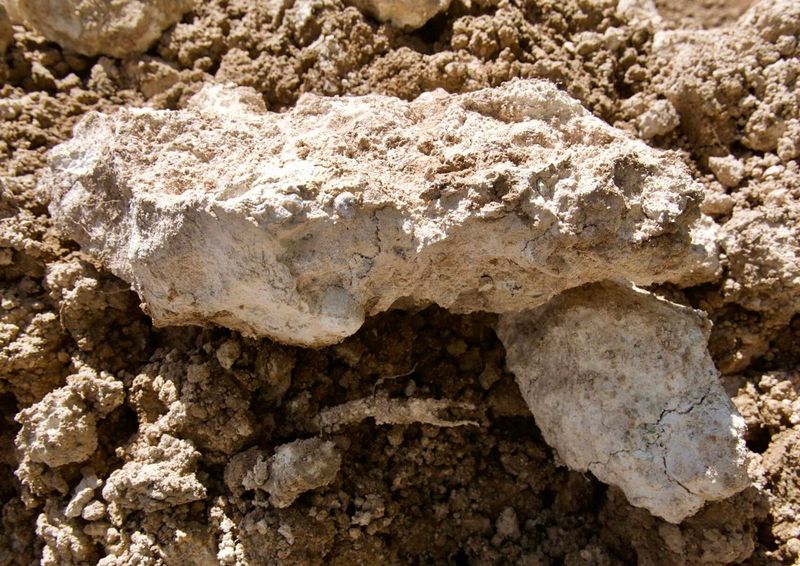
Caliche deserves its own explanation because it is frequently misunderstood. Caliche is a cemented calcium carbonate layer that can form at various depths in Arizona soils.
According to University of Arizona Cooperative Extension guidance on managing caliche, this layer can physically restrict root growth and block water movement downward. Liquid nutrients poured on top of a caliche layer cannot substitute for correcting that physical barrier.
Depending on the depth and thickness of the layer, correction may require breaking through it with a digging bar, removing material from the planting hole, or designing a raised planting area with improved drainage.
Salinity is another Arizona-specific concern that peel water does not address. Soils with elevated electrical conductivity can stress roots regardless of pH or nutrient content.
Your Arizona Garden Changes Every Week. Your Plan Should Too.
Gardening in Arizona changes quickly throughout the season. Every Friday you’ll receive a simple weekly plan showing exactly what to plant, prune, fertilize, harvest, and protect so you never miss the right timing.
Identifying which condition is actually limiting your Arizona plants requires looking at the site carefully, not assuming that alkalinity alone explains the problem or that a single kitchen remedy can fix what may be a physical or structural issue.
Fresh Peel Water Delivers an Unpredictable Dose
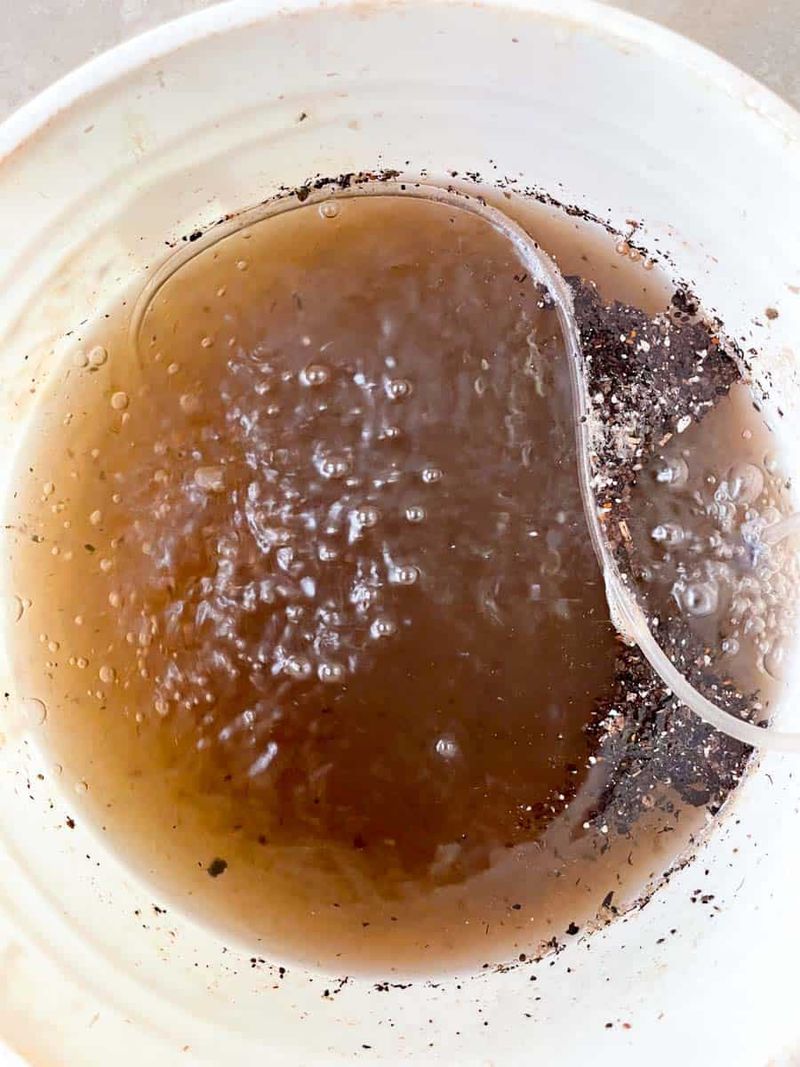
One of the practical problems with fruit-peel water is that no two batches are alike. The nutrient content of a household peel infusion can shift with the type of peel used, the quantity, the temperature of the water, how long the peels soak, and whether the mixture sits in sun or shade.
There is no standard recipe, no label, and no way to know how much of any nutrient ends up in the liquid or in a form that plants can actually use in Arizona’s alkaline soil.
Compost tea is sometimes offered as a comparison, but the two are not the same thing. Compost tea starts with finished compost, a material that has already broken down through a managed biological process.
Fresh fruit-peel water starts with incompletely decomposed material, and the two products behave differently. Even compost tea is variable: research published in Applied Soil Ecology found that nutrient concentrations in compost teas shift substantially with recipe, brewing conditions, aeration, and source material.
Colorado State University Extension describes compost tea as generally low in nutrient concentrations and notes that the final product varies with compost source, water, temperature, aeration, additives, and soaking time. Evidence about compost tea does not prove a benefit for fresh peel water.
Processed formulations from laboratory studies add another layer of confusion. Some research has tested dried peel powders or concentrated extracts rather than simple household steeping.
Results from those systems should not be read as confirmation that a jar of peel water has a predictable nutrient content or a reliable effect on Arizona landscape plants.
Put Arizona Fruit Peels Into Finished Compost
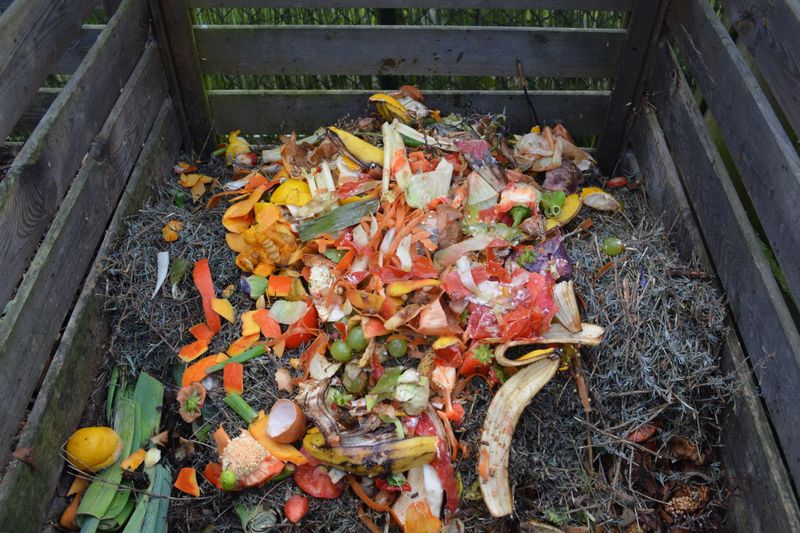
Fruit peels have a genuinely useful role in Arizona gardening, just not as a liquid infusion. Citrus rinds, banana peels, vegetable scraps, and similar kitchen waste are appropriate green inputs for a backyard compost pile.
University of Arizona Cooperative Extension guidance on small-scale composting in the low desert recommends combining moist green materials such as kitchen scraps with carbon-rich brown materials like dry leaves or cardboard, then maintaining adequate moisture and turning the pile regularly to support decomposition.
The distinction between finished compost and a fresh peel infusion is practical, not technical. Finished compost has gone through a biological transformation that breaks down raw organic matter into a stable, humus-rich material.
When worked into Arizona soil, finished compost can improve soil structure, increase water-holding capacity, and support the nutrient cycling that plants depend on over time. A fresh peel infusion skips that transformation entirely and delivers none of the structural benefits that make compost useful in low-desert gardens.
Arizona’s heat can speed up composting during warm months, which is an advantage. A well-managed pile that receives fruit peels, yard trimmings, and appropriate browns can produce usable compost faster than gardeners in cooler climates might expect.
That finished material, incorporated into the root zone at planting or used as a top dressing, gives Arizona soil a real, measurable improvement that no jar of peel water can replicate.
Test Arizona Soil Before Adding Nutrients
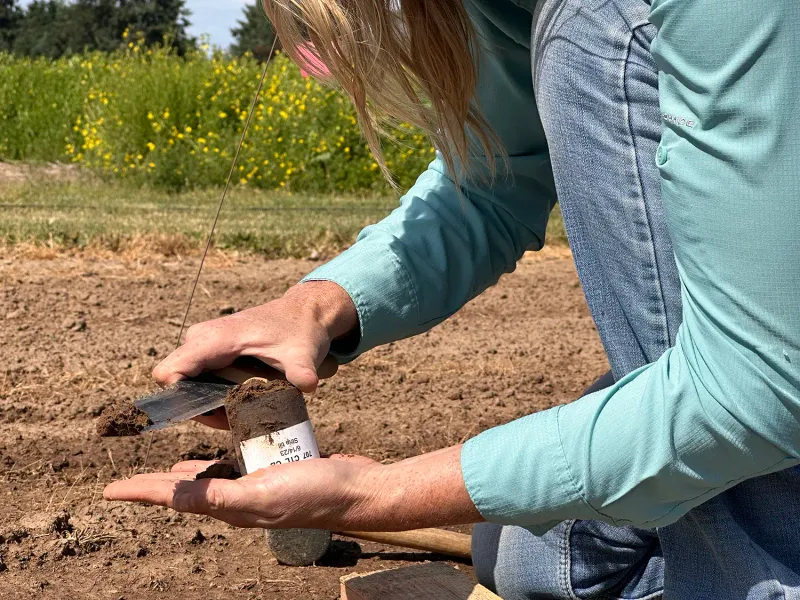
Before adding any fertilizer, amendment, or homemade infusion to an Arizona planting area, a soil test gives you actual information to work with. Arizona soils can vary considerably from one yard to the next and even from one corner of a yard to another.
An appropriate soil test for Arizona conditions can assess nutrient levels, pH, electrical conductivity, sodium content, and other factors that affect plant performance.
Testing prevents mistaken diagnoses. Some Arizona soils already contain adequate or even elevated amounts of certain nutrients, and adding more can cause imbalances or salt buildup rather than improvements.
Yellowing leaves, for example, are often blamed on nutrient deficiency, but in Arizona they frequently reflect iron chlorosis caused by high pH making iron unavailable rather than an actual shortage of iron in the soil. University of Arizona Cooperative Extension guidance on recognizing and treating iron deficiency explains this distinction and shows why the right response depends on knowing what is actually happening in the root zone.
University of Arizona Cooperative Extension guidance on soil sampling and analysis recommends matching any fertilizer or amendment application to the test results, the plant type, and the site conditions. That approach applies whether you are considering a labeled fertilizer, a bag of compost, or a kitchen remedy.
Acting on test results rather than assumptions keeps Arizona gardeners from spending time and money on treatments that the soil does not need and may not benefit from.
Use Deep Irrigation and Mulch to Support Arizona Roots
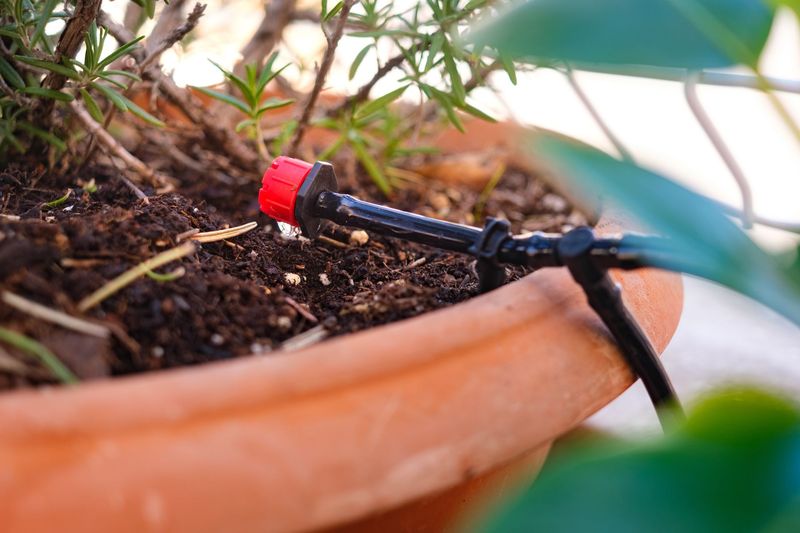
Root depth in Arizona landscapes is shaped more by irrigation habits than by what nutrients are dissolved in the water. Roots tend to grow where moisture is available, so the way you water has a direct effect on how deep and drought-tolerant your plants become.
Light, frequent watering keeps moisture near the surface and encourages roots to stay shallow, where they are more vulnerable to Arizona’s intense heat and rapid soil drying.
Deep, infrequent watering applied at the plant’s drip line, the outer edge of the canopy, encourages roots to follow moisture downward and outward. University of Arizona Cooperative Extension guidance on watering trees and shrubs explains this approach and notes that watering needs vary by species, establishment stage, soil type, weather, and season.
There is no single schedule that works for every Arizona plant, so adjusting for those variables matters.
A 3- to 4-inch layer of organic mulch spread over the root zone, but kept a few inches away from the trunk or plant base, can reduce soil surface temperatures, slow evaporation, and reduce how often you need to water. In Phoenix and Tucson summers, that temperature reduction at the soil surface makes a meaningful difference for root health.
Mulch does not replace appropriate irrigation, but the two practices together create better root-zone conditions than either one alone and require no unproven liquid supplements to work.
If You Experiment, Restrict Peel Infusions to Ornamentals
Some Arizona gardeners will still want to try peel water after reading about its limitations, and that is a reasonable choice as long as the expectations and the precautions are realistic. The key is to limit any experiment to ornamental plants rather than edible crops and to treat the practice as casual observation, not as a proven fertilizer technique.
If you try it, use clean tap water and fresh peels, and keep the mixture dilute rather than concentrated. Apply it to the soil around the plant, not on leaves or edible portions, and pour it at the drip line where roots are active.
Stop immediately if you notice odor, mold, leaf discoloration, or a white salt crust forming on the soil surface. University of California Agriculture and Natural Resources compost tea guidance cautions that homemade liquid biological amendments can have variable microbial content, and some guidance specifically warns against using unvalidated teas or extracts near edible crops.
That caution applies to fresh peel infusions as well.
Stronger or longer-fermented mixtures are not demonstrated to work better and can create unpredictable risks including higher acidity, elevated salt concentration, and uncontrolled microbial activity. Arizona pest guidance also points out that unmanaged food waste can generate odors and attract rodents or other animals, so leaving fruit scraps loosely around plants is not a safe practice.
If the infusion shows no visible benefit after a few applications, that is useful information too, and moving on to better-supported Arizona practices is always the right next step.
Build a Site-Specific Arizona Root-Zone Plan
A practical Arizona root-zone plan starts with observation and a few simple steps before anything goes into the ground or onto the soil. Check the planting area for signs of caliche or compaction by probing the soil with a metal rod or digging bar.
If resistance stops you within 12 to 18 inches, a physical barrier may be limiting root depth and drainage, and correcting it before planting will matter far more than any liquid amendment applied afterward.
From there, run a soil test, then use the results to decide whether finished compost, a labeled fertilizer, or neither is appropriate for that specific Arizona site and plant. University of Arizona Cooperative Extension guidance on low-desert composting and xeriscape practices both emphasize matching inputs to actual site conditions rather than following a one-size-fits-all routine.
Water deeply at the drip line, mulch the root zone to 3 to 4 inches, and adjust the schedule as plants establish and seasons change.
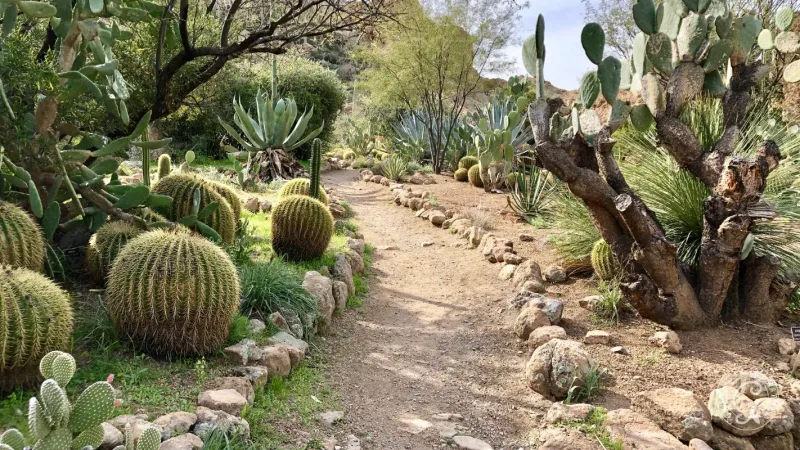
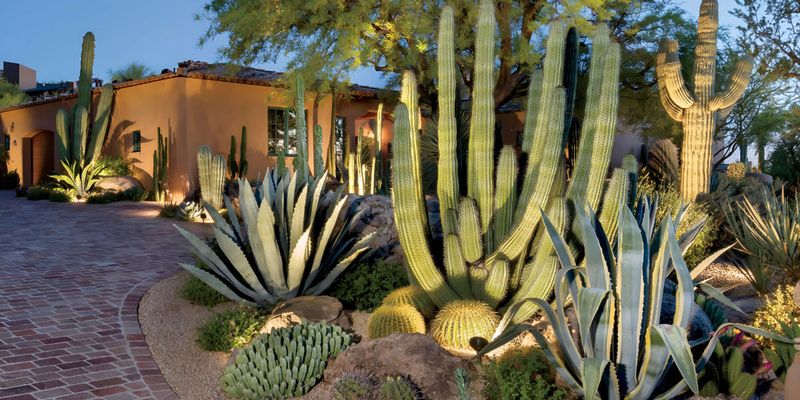
Established desert-adapted plants such as palo verde, mesquite, agave, and native cacti typically need little or no routine fertilizer once they are settled in Arizona soil. Fruit peels belong in a managed compost pile, where they contribute to a finished product that genuinely improves soil structure over time.
That combination of physical site correction, testing, appropriate organic matter, and smart irrigation gives Arizona roots a foundation that no jar of peel water can replicate.