A Summer-Long Invasion Of New Jersey’s Trees Is Finally Revealing Itself
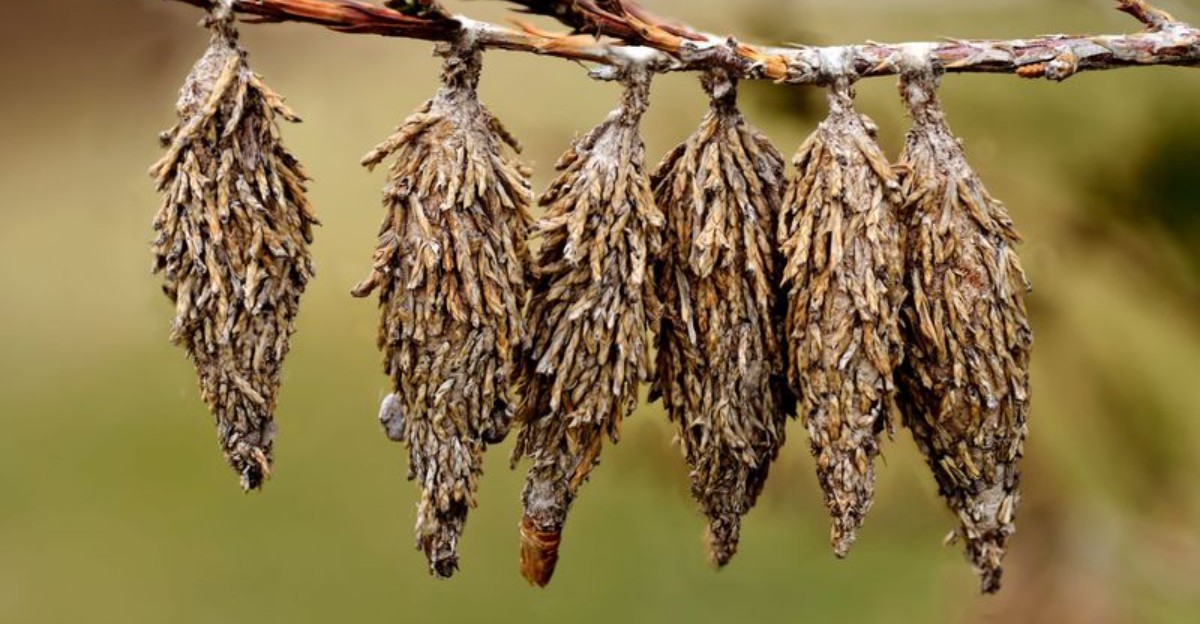
Brown bundles have taken over your hedges since early summer. Nobody noticed because the work happened without a sound. New Jersey shrubs became the stage for a stealthy operation.
Those swinging shapes are not decorations, no matter how tidy. Papery rustling near your plants signals ongoing, quiet activity.
Dust keeps drifting onto your patio furniture for a reason. Summer handed this pest an extended, uninterrupted feast.
Disguise kept it hidden while your hedges quietly changed shape. Autumn light now exposes what summer shadows concealed.
Homeowners across New Jersey are only just catching on. Branches will soon go bare, taking the evidence along.
Careful legs, not hands, spun these strange little cocoons. Excellent camouflage let this invader thrive undetected for months. Your window to act is closing faster than expected.
Each small detail ahead changes how you see your own yard. What you learn next changes how you view that bundle.
Those Tiny Hanging Cones Are Not Pinecones
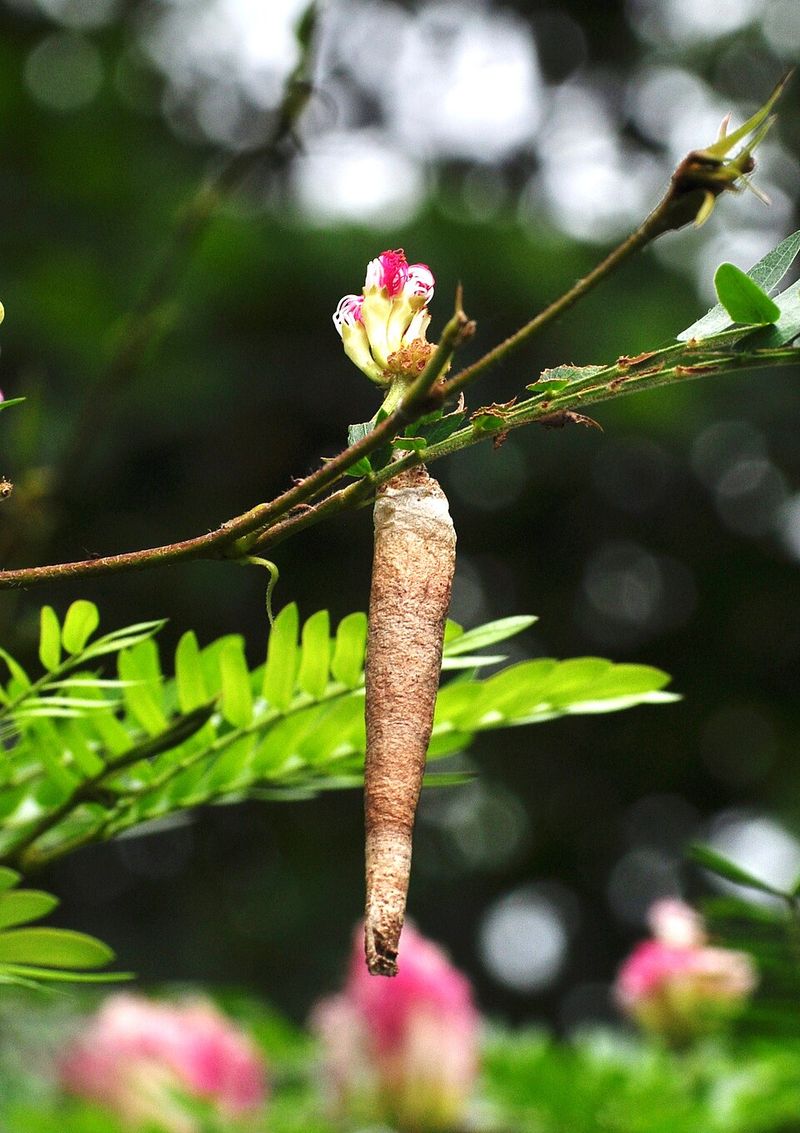
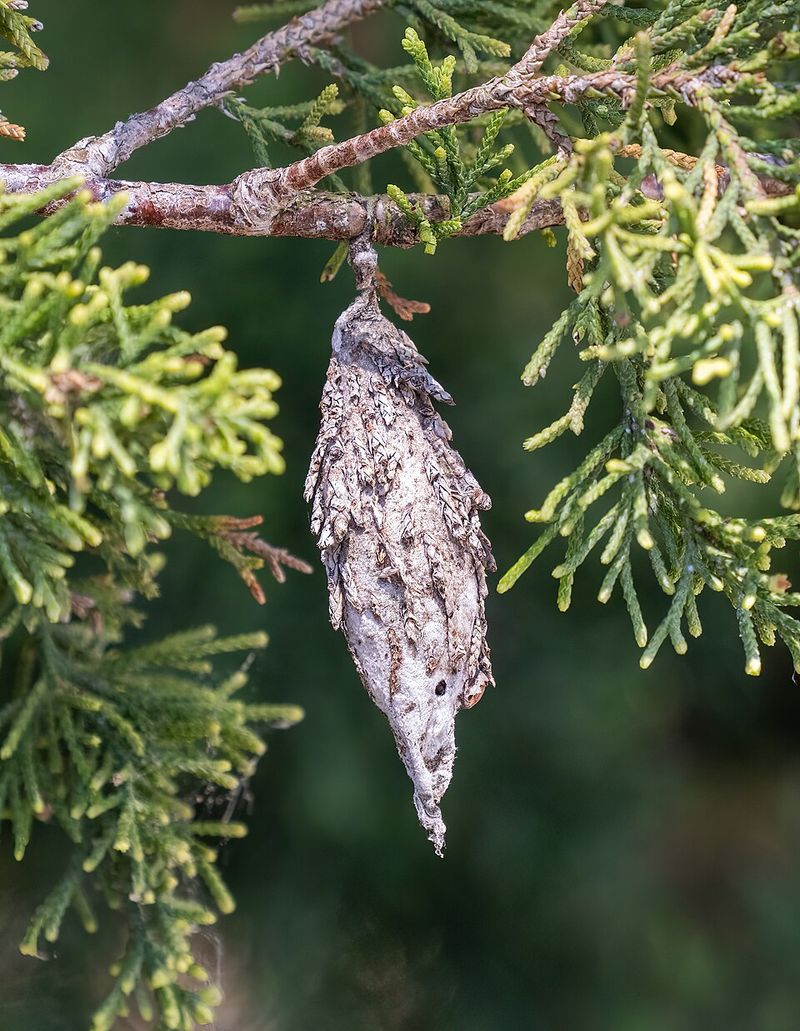
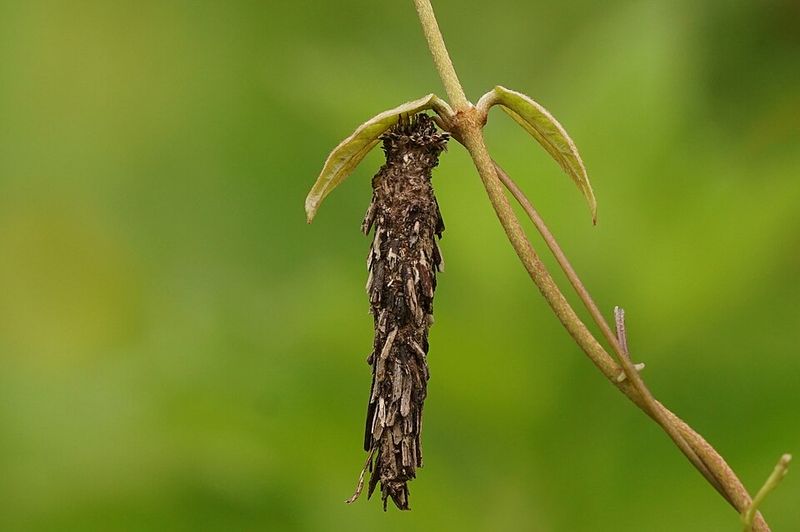
Walk past an arborvitae this month and you may swear someone decorated it with miniature ornaments. Those brown, spindle-shaped bundles hanging from the branch tips are not cones at all.
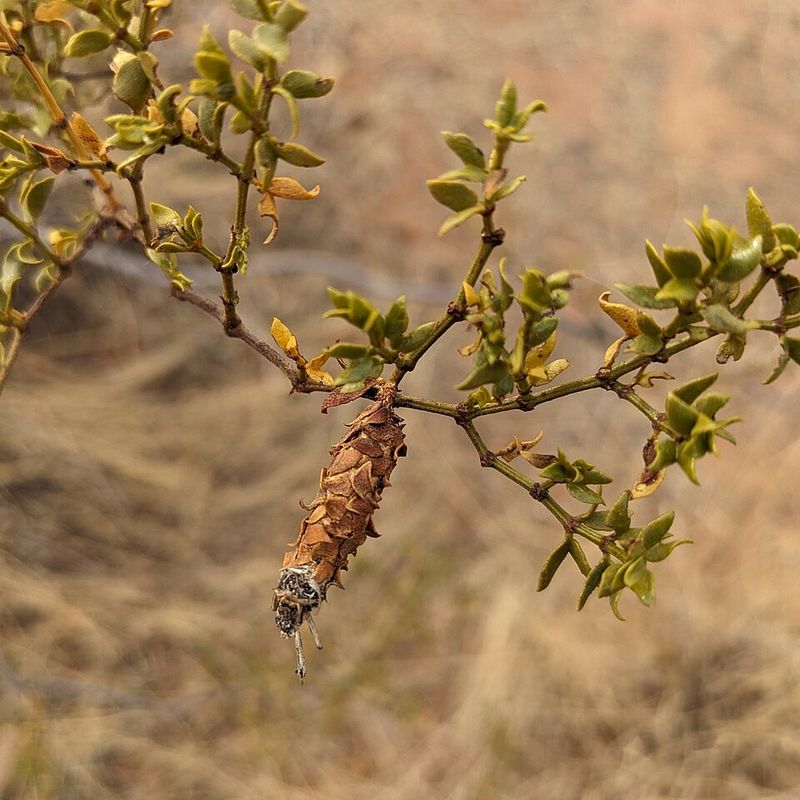
Each little bag is a portable shelter, stitched from silk plus bits of the very plant it hangs on. A caterpillar built it over the summer, adding needles and twig fragments as camouflage. That disguise is why so many New Jersey homeowners walk right past them for weeks.
Size gives them away. A fresh bag in spring is barely the size of a grain of rice, while a September bag can stretch close to two inches long.
Try a gentle tug on one. A cone snaps off with a woody crack, but a bag feels leathery and clings to the twig by a tough silk band that can girdle the branch.
Color matters too. Bags fade to a dusty gray-brown once feeding wraps up, and they often cluster on the sunniest, breeziest side of a shrub.
Inside, the story shifts by sex. Females stay put in their bags, while males emerge as small, smoky-winged moths in late summer and go looking for them.
Fun fact: the silk band is so strong that gardeners who yank bags off in a hurry sometimes snap the twig instead. Snipping is the kinder option for your shrub.
So if the cones on your evergreen seem to be in strange places, look closer. Spruce and juniper rarely dangle cones from thin outer tips.
Why Evergreens Take The Hardest Hit
Arborvitae, juniper, spruce, and Leyland cypress top the menu in New Jersey yards. There is a reason these plants keep showing up in the worried photos people send to their county extension office.
Needled evergreens do not push out a fresh flush of leaves the way maples and oaks can. When a branch loses its needles, it often stays bare, because many conifers hold few dormant buds along older wood.
Your New Jersey Garden Changes Every Week. Your Plan Should Too.
Gardening in New Jersey changes quickly throughout the season. Every Friday you’ll receive a simple weekly plan showing exactly what to plant, prune, fertilize, harvest, and protect so you never miss the right timing.
Deciduous trees, by contrast, shrug off a summer of chewing. Honeylocust, sycamore, and crabapple all host these caterpillars, then leaf out fine the following May.
Hedges make things worse in a quiet way. Rows of identical arborvitae planted three feet apart give the caterpillars an easy walk from one plant to the next, so a small pocket can travel down a whole property line.
Heat and dry spells raise the stakes. A shrub already struggling in a hot strip of mulch beside a driveway has fewer reserves for pushing new growth after heavy feeding.
Watch the tops first. Feeding tends to start high, where tiny caterpillars land after ballooning in on silk threads, then works its way downward as summer rolls on.
Practical tip for anyone planting a screen: mix in a few species instead of one. A blend of holly, spruce, and viburnum breaks up the buffet and keeps one hungry season from thinning the entire hedge.
Your reward is a screen that bounces back faster and looks far less patchy when trouble shows up.
Signs Your Spruce Has Bagworms
Homeowners usually notice the color before the culprit. A patch of arborvitae turns a tired straw-brown while the rest of the shrub stays green.
Look for thinning at the branch tips. Young caterpillars scrape the surface of needles, leaving little tan windows that make foliage look sunburned from across the lawn.
Older caterpillars chew entire needles, so twigs end up bare and bristly. Run a hand along the branch and you may feel stubble instead of soft growth.
Then there is the debris. Fine, sawdust-like specks called frass collect on lower branches, on mulch, and on anything parked beneath the tree.
Movement is a giveaway in June and July. A bag that seems to walk along a twig is a caterpillar dragging its case, head poking out of the top opening.
By September the bags go still and the tips seal shut. Quiet bags usually hold eggs, which is exactly why fall is such a useful time to go looking.
Grab a flashlight and check the interior of dense shrubs, not just the outside. Bags favor the shaded middle of arborvitae where nobody bothers to peek.
Count what you find and jot it down. Ten bags on a big spruce is a manageable chore, while a hundred signals a problem worth planning around for spring.
One more clue: check fences, siding, gutters, and patio umbrellas. Wandering caterpillars attach bags to hard surfaces, and those strays hint at how crowded the nearby plants have become.
Hand-Picking Is Slow, Simple, And Oddly Satisfying
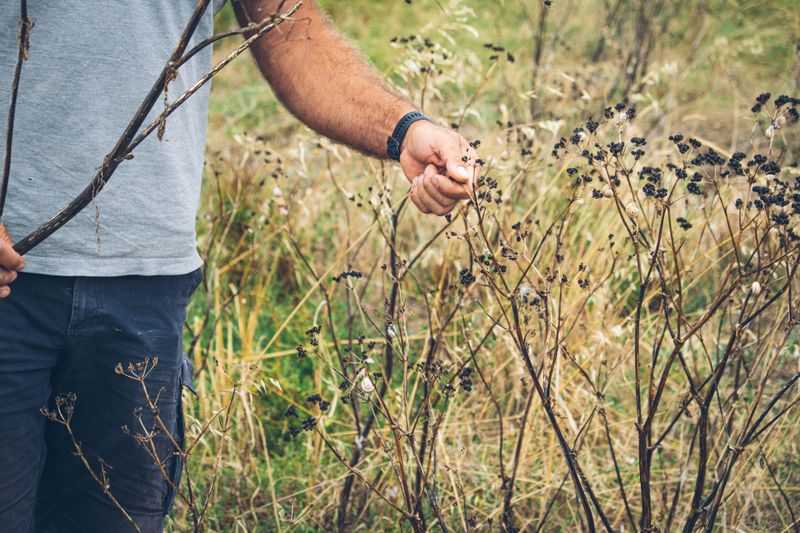
There is a reason old-school gardeners swear by a bucket of soapy water and a sharp pair of snips. Pulling bags off by hand is the cheapest control method going, and September through March is prime time.
Each female bag can hold several hundred eggs, sometimes closer to a thousand. Removing twenty bags in October can reduce the population significantly by June.
Use pruners or scissors to cut the silk band rather than tugging. That band wraps tight around twigs and can girdle growth if it stays behind.
Drop what you collect into soapy water or seal it in a bag for the trash. Tossing bags into the compost pile or the woods behind the fence simply relocates the problem.
Make it a two-person job with a ladder spotter for tall spruce. Anything above comfortable reach is worth handing to a licensed tree company instead of balancing on a rung.
Kids often enjoy the hunt, believe it or not. Offering a penny per bag turns a dull Saturday chore into a treasure hunt, and small hands reach into dense arborvitae with ease.
Winter timing brings a bonus. With bare deciduous trees nearby and no new growth screening the branches, gray bags stand out sharply against green needles.
Mark heavily hit plants with a ribbon while you work. Come late spring, those flagged shrubs are the ones to inspect first, and you will already know where to look.
Timing Sprays So They Actually Do Something
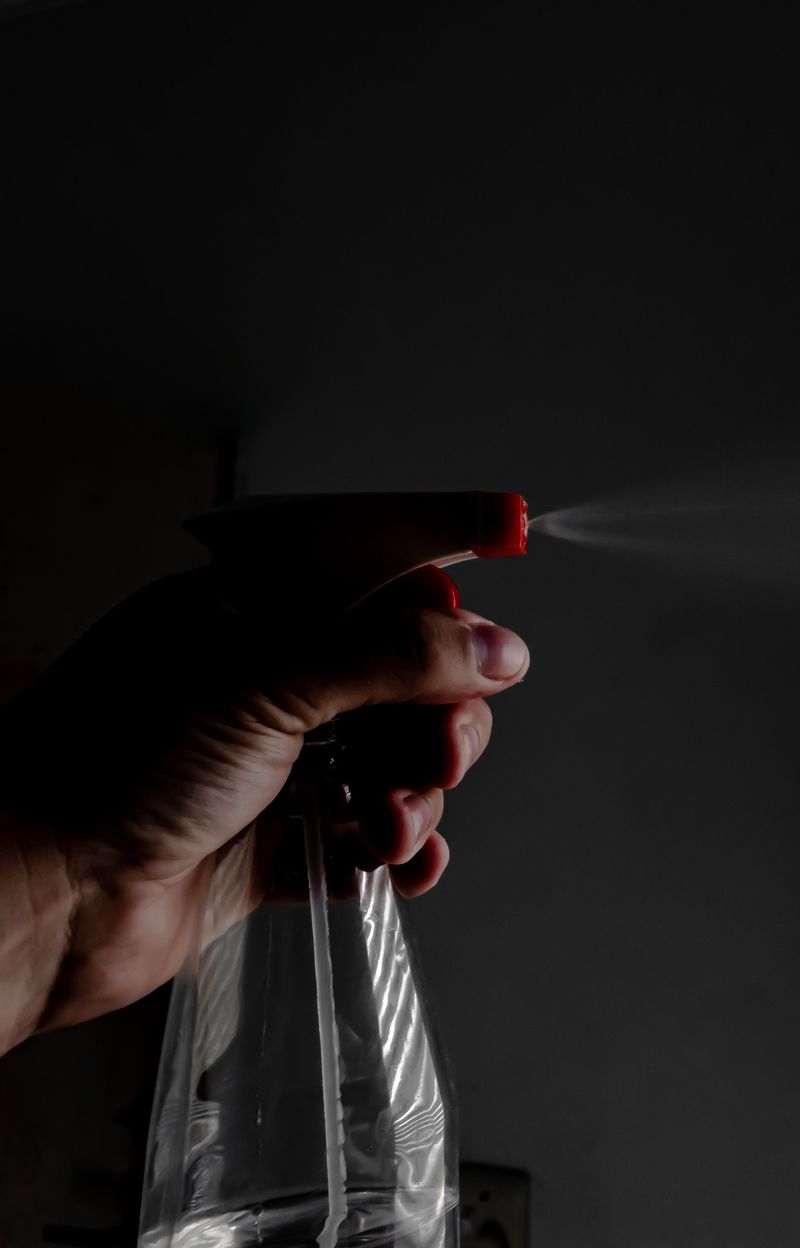
Here is the limitation with September timing: spraying now does very little. Sealed bags shield the insects inside, and the foliage has already taken its hit.
The window that matters typically opens in mid to late June across much of New Jersey, though timing can shift slightly by year and region. Tiny caterpillars hatch, float in on silk threads, and begin building while still just a few millimeters long.
Bacillus thuringiensis, sold as Bt, works nicely on those newly hatched larvae. It is a naturally occurring soil bacterium that shuts down feeding in young caterpillars while sparing bees and ladybugs.
Coverage beats strength with any product you choose. Spray has to reach the inside of the shrub and the undersides of branches, since the caterpillars hide in shaded pockets.
Larger bags in August shrug off Bt, because those caterpillars feed less and stay tucked away. Switching to a harsher product late in the season often disappoints folks expecting fast results.
Read the label for your specific plant, especially with spruce and juniper. Some formulations can mark waxy blue foliage, and a test on one branch saves regret later.
Set a phone reminder for the first week of June. Then check the tips of last year’s problem plants weekly, looking for pencil-tip specks that move.
Hiring help makes sense for big trees. Licensed applicators in New Jersey can reach a forty-foot spruce safely and track local hatch timing better than a guess.
Keeping Next Summer’s Batch Off Your Branches
Prevention here leans on habits more than products. A yearly walk-around in fall does more for a hedge than any single treatment.
Start with water. Deep soaking during dry stretches, especially for shrubs near pavement, helps evergreens push new growth and bounce back from a rough summer.
Skip heavy nitrogen fertilizer on stressed plants. Lush, soft growth feeds caterpillars well and can leave a shrub tender heading into winter.
Encourage the helpers already living in your yard. Tiny parasitic wasps, ichneumonids among them, seek out these bags, and broad-spectrum insecticides knock back their numbers along with the pests.
Birds may help too. Chickadees, nuthatches, and sparrows are known to forage on overwintering insects, so a feeder and a water source near a hedge could offer some support.
Prune out badly thinned branches in early spring rather than now. Cuts made in fall can expose interior wood to winter wind, and you may be trimming limbs that still hold buds ready to push.
Check new nursery plants before they go into the ground. Bags ride into yards on balled-and-burlapped spruce and container arborvitae, which is one common way a clean property picks up a colony.
Talk with neighbors when a shared property line is involved. Caterpillars balloon on silk across fences, so one treated hedge beside an untreated one gets recolonized quickly.
Keep simple notes: dates, plants, bag counts. A single page in a garden notebook turns guesswork into a plan you can repeat each year.