September Is The Right Time To Divide These Georgia Perennials
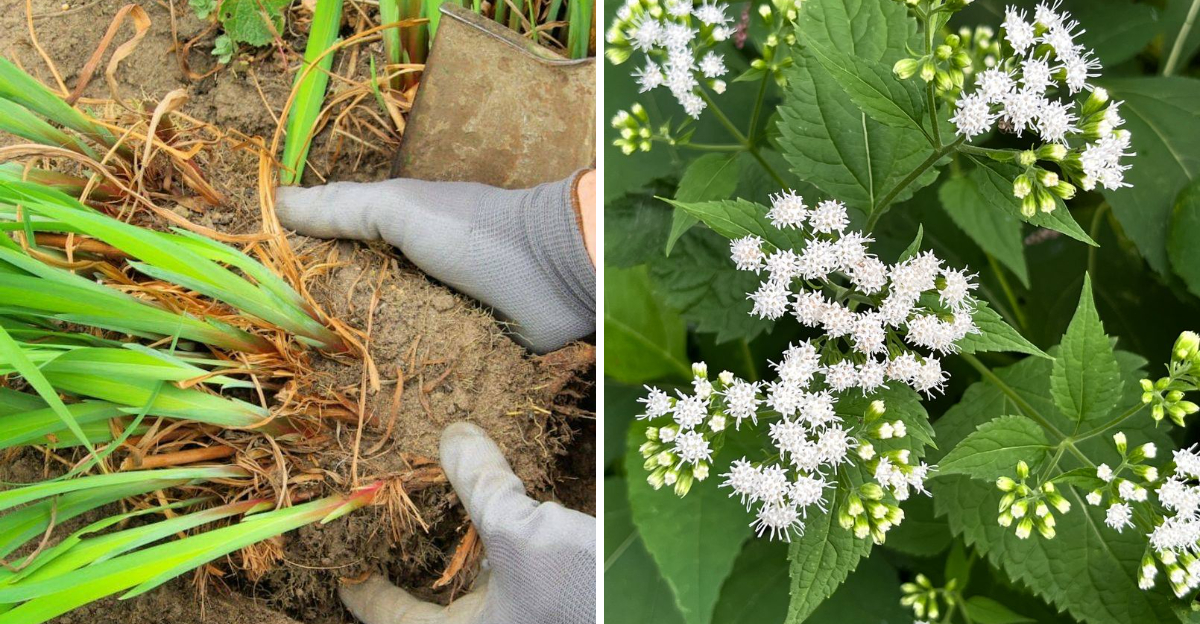
Some perennials quietly tell you when they have outgrown their space, even if they still look healthy from a distance. September gives you a useful chance to respond before another growing season begins.
Crowded centers and weaker flowering can signal that established clumps need more room.
That is where division becomes useful, but timing matters just as much as the job itself. Georgia’s shift toward milder fall conditions gives certain perennials a better opportunity to recover after being moved.
Not every plant should be lifted now, so choosing the right ones makes all the difference.
Divide suitable clumps carefully, and each new section gets space to establish roots before winter. That preparation can lead to healthier growth when spring returns.
September may be the reset your crowded flower beds need.
1. September Is A Good Time To Divide Bearded Irises
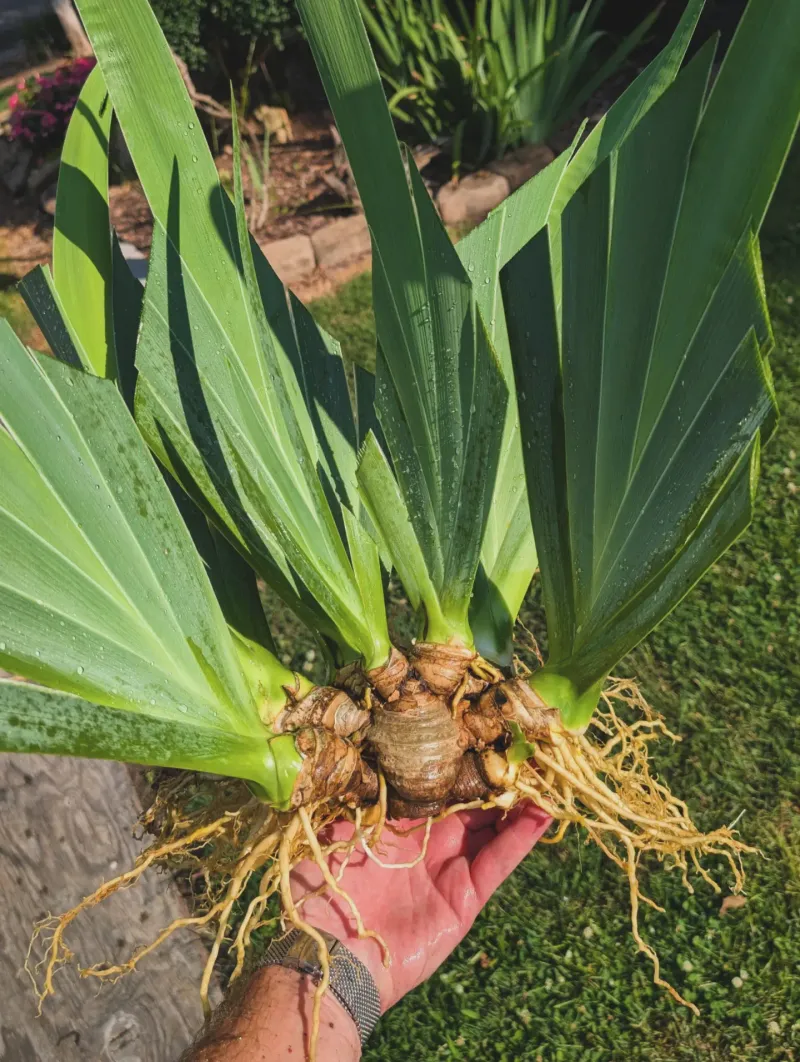
Bearded irises tell on themselves. When the middle of a clump goes bare and blooms crowd the edges, division is overdue.
Rhizomes grow outward year after year, and the old center simply quits producing.
Lift the clump carefully and hose off enough soil to inspect each rhizome. You want firm, plump pieces with visible leaf fans.
Toss anything soft, hollow, or smelling sour.
Snap or cut the rhizomes apart at the narrow joints. Each division needs one healthy fan plus a section of rhizome roughly the length of your thumb.
Dust cut surfaces and let them air-dry for a few hours in the shade.
Trim leaves into a fan about six inches tall. Shorter foliage cuts down on wind rocking while roots re-establish.
Replant shallow, and this part trips up plenty of Georgia gardeners.
The top of the rhizome should sit just barely exposed, like a potato half-buried in the soil. Bury it fully and rot becomes a real risk in our humid conditions.
Space divisions eight to twelve inches apart, fans pointing the same direction.
Water once at planting, then go easy. Irises resent soggy ground far more than dry spells.
Blooms may skip the following spring while plants rebuild.
Keep mulch away from the exposed rhizomes so they stay dry and receive plenty of air. Choose a sunny spot with good drainage when moving divisions to a new part of the bed.
Healthy divisions should begin settling in before cooler fall weather slows their growth.
2. Divide Overgrown Astilbes Before Fall Moves Along
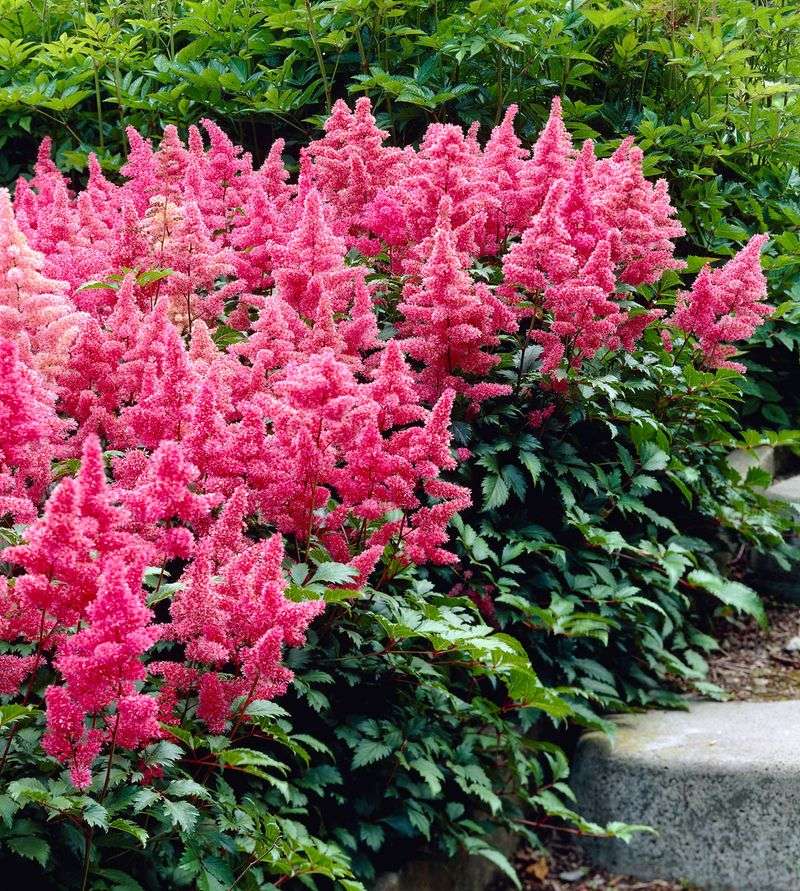
Astilbes struggle in most of the state, so anyone growing them well has probably found a shady, moist pocket worth protecting.
Those spots are common in the north Georgia foothills, where summers run a little cooler.
Crowding shows up as fewer plumes and foliage that browns early. Woody, congested crowns stop pushing new growth from the middle.
Dig wide and deep, since astilbe roots form a dense mat.
Lift the clump whole, then rinse the root ball slightly to find natural divisions. A sharp knife works better here than pulling.
Aim for pieces with three or four growth buds each.
Replant immediately. Astilbe roots dry out fast, and a sunny afternoon can undo careful work in under an hour.
Your Georgia Garden Changes Every Week. Your Plan Should Too.
Gardening in Georgia changes quickly throughout the season. Every Friday you’ll receive a simple weekly plan showing exactly what to plant, prune, fertilize, harvest, and protect so you never miss the right timing.
Work compost into the planting hole before setting divisions in.
These plants are heavy drinkers, and September dry spells in the Southeast can be brutal. Consistent moisture during establishment matters more than fertilizer.
Set crowns level with the surrounding soil, not below.
Mulch with two inches of shredded leaves or pine bark to hold dampness. Skip heavy mulch piled against the stems.
Expect modest growth this fall and a stronger showing next June.
Divided plants may need extra attention during warm September afternoons while their roots settle into the bed. Check the soil regularly and water thoroughly whenever the upper layer begins to dry.
3. Carefully Separate Columbines During The September Window
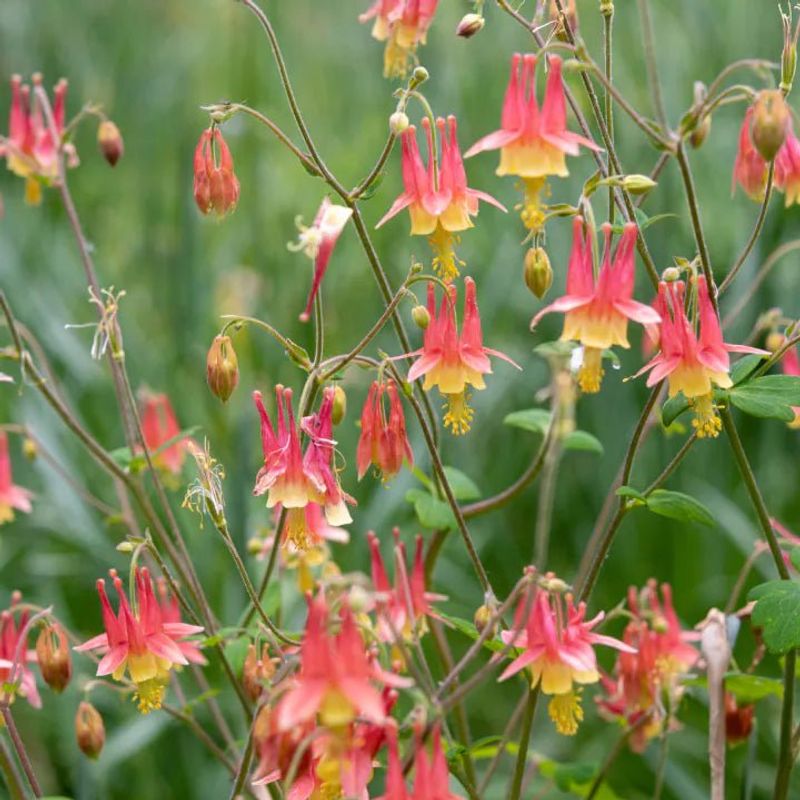
Columbines are fussier about division than most perennials, and honestly, some gardeners skip it altogether.
Their roots run deep and taproot-like, which means damage happens easily.
Still, an old clump that has spread into several crowns can be split with reasonable success. September works because cooler soil reduces transplant stress.
Water the plant well a day before you dig.
Use a narrow spade and go deeper than feels necessary. Slicing the taproot short is the main reason divisions fail.
Look for separate crowns joined at the top rather than one solid mass.
Pull those crowns apart by hand, keeping as much root length intact as you can. Two or three good divisions from one mature plant is a realistic goal.
Replant right away at the same depth.
Shade for the first week helps, and an overturned pot or a piece of shade cloth does the job fine. Georgia sun in early September still carries plenty of punch.
Keep the soil evenly moist without letting it stay soggy.
Worth knowing: columbines seed themselves freely, so collecting seed is often easier than dividing. Volunteers pop up in gravel paths and bed edges without any help from you.
Newly divided plants may look unimpressive for a while as they put energy into rebuilding their roots. Avoid pushing fresh growth with fertilizer during this period, since steady establishment matters more.
Once cooler fall conditions arrive, successful divisions should settle in with less need for extra attention.
4. Liriope Handles Early Fall Division With Little Fuss
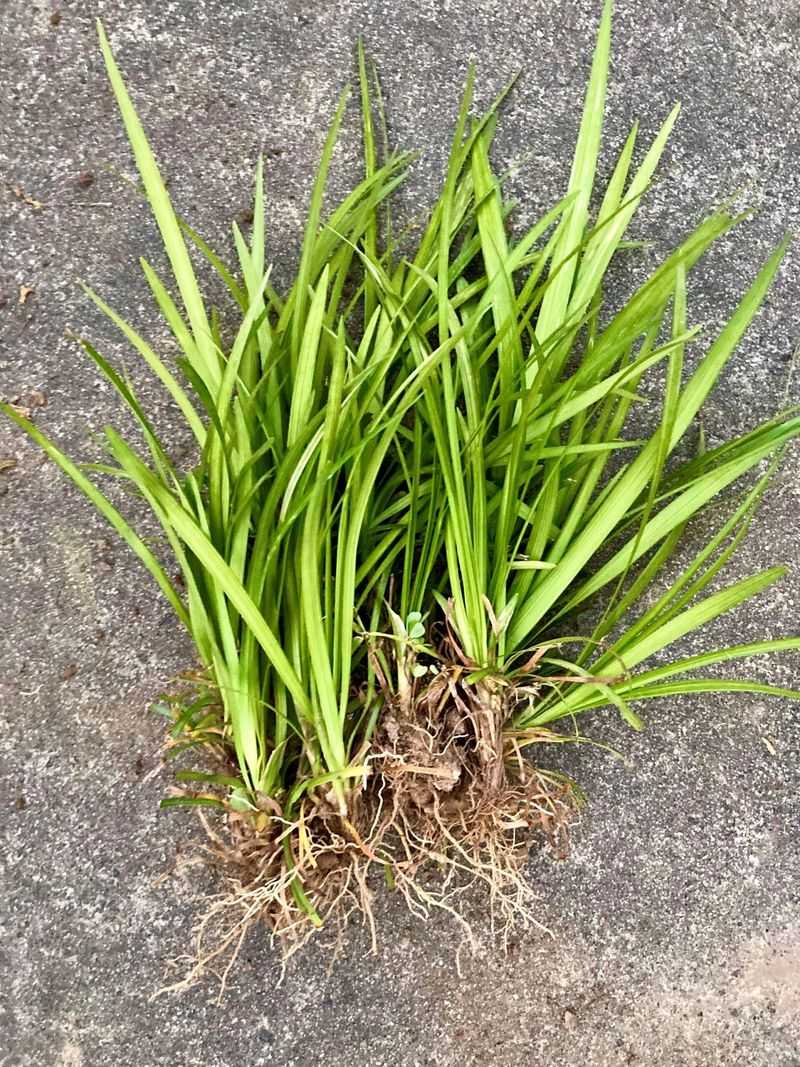
Nothing about splitting liriope is delicate. Grab a shovel, chop through the clump, and it keeps growing.
Monkey grass edges nearly every walkway in the state, and September division keeps those borders looking sharp.
Clumps get humped and woody in the center after four or five years. Dividing resets the whole planting.
Cut the foliage back to about four inches first so you can see the crowns.
Dig sections out with a spade, then slice the root mass into fist-sized pieces. Each piece should have several shoots and visible roots.
A pruning saw handles the toughest old clumps without much drama.
Replant six to ten inches apart depending on how quickly you want them to knit together. Closer spacing fills in faster but costs more plants.
Water in well and mulch between the divisions.
Variegated types tend to grow slower than the plain green ones. Keep that in mind when you space them out.
Georgia gardeners often reuse divisions along driveways or under trees where turf refuses to grow.
Liriope spreads on its own too, and the running types can push into lawn areas. Choose clumping varieties for tidy edges if that bothers you.
Fresh divisions usually begin settling in quickly while the soil is still warm. Keep them watered during dry stretches until new roots spread into the surrounding soil.
By the following growing season, properly spaced pieces should start filling the gaps and rebuilding a fuller border.
5. Overgrown Coneflowers Are Ready To Be Divided This Month

Three or four years in, purple coneflowers start looking tired in the middle.
Stems get floppy, blooms shrink, and the crown crowds itself. Division fixes most of it.
Cut stems back to roughly six inches so the plant is easier to handle. Leave a few seed heads standing elsewhere in the bed for goldfinches.
Dig around the clump about eight inches out from the crown.
Coneflower roots are thick and somewhat brittle, so lift slowly. Some breakage is normal and rarely a problem.
Separate the clump into pieces with two or three crown buds each.
A knife helps with tight sections. Rinse soil away if you cannot tell where one crown ends and the next begins.
Replant at the original depth in full sun and well-drained ground.
Heavy clay holds too much water over winter, and coneflower crowns dislike sitting wet. Mixing in compost or planting slightly high improves the odds.
Water deeply once, then weekly if rain stays scarce.
Divisions planted now usually bloom the following summer, though the first year may be lighter than normal. That is typical and not a sign of trouble.
Named cultivars sometimes lose vigor faster than straight species echinacea.
Give newly divided plants enough space for air to move between them as the clumps expand again. Avoid heavy feeding after replanting, since fresh divisions benefit more from steady root development.
By the next growing season, healthy sections should begin producing fuller foliage and stronger stems.
6. Common White Snakeroot Handles Division Well In Fall
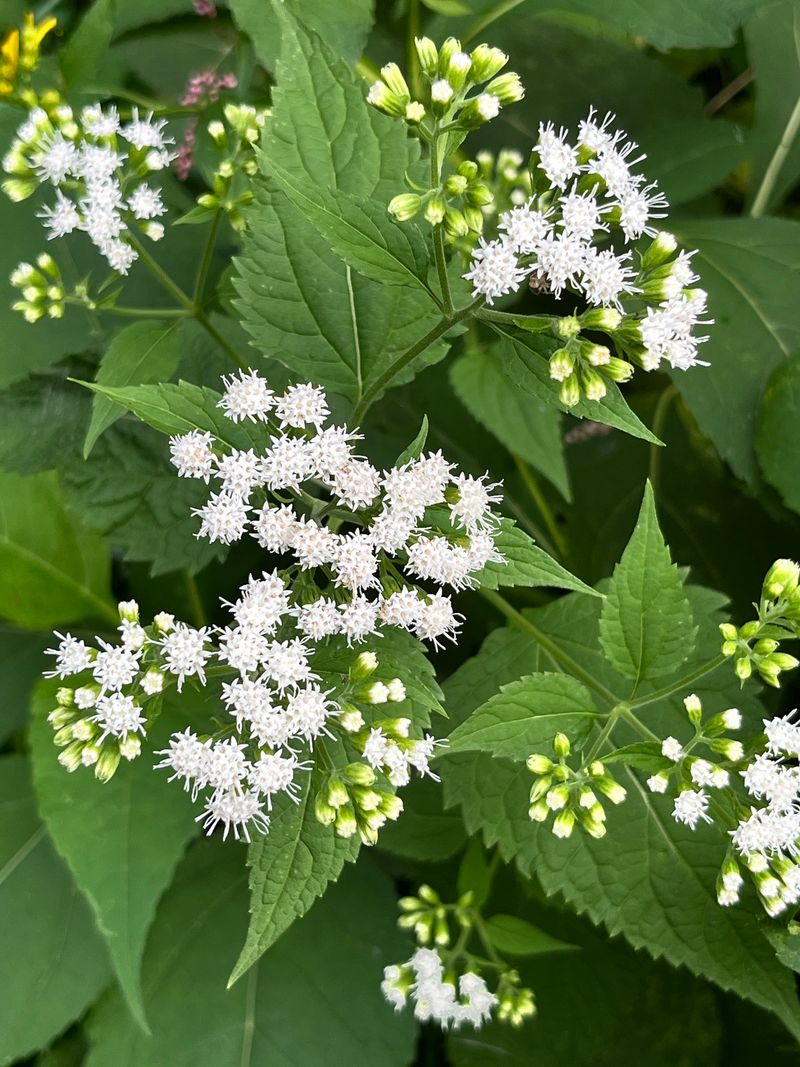
White snakeroot blooms when almost nothing else in the shade garden bothers to.
Those fuzzy white clusters light up woodland edges in September, and pollinators find them quickly.
Roots are fibrous and shallow, which makes division genuinely simple. No wrestling required.
Wait until flowering winds down before digging, or clip the flower heads off to reduce stress.
Slide a hand fork under the clump and lift. Sections pull apart with light pressure.
Give each division a few stems and a fist of roots.
Replant in partial to full shade with soil that holds some moisture. Snakeroot tolerates dry shade better than many natives, though growth stays shorter there.
One caution worth repeating: the plant contains a toxin harmful to livestock.
Keep it away from pasture areas and grazing animals. Home garden beds are a different situation entirely.
Seeding happens readily, so expect volunteers around the parent plant. Pull the extras or move them where you want more.
Native shade gardens across north Georgia benefit from this one because late-season nectar sources are limited under tree canopy.
Water new divisions for a couple of weeks, then mostly leave them alone.
A light layer of mulch can help the shallow roots hold moisture while the divisions settle in. Give each section enough room to spread without immediately crowding its neighbors.
By next season, established divisions should begin forming fuller clumps of their own.
7. Black Cohosh Can Be Divided As Cooler Fall Weather Arrives
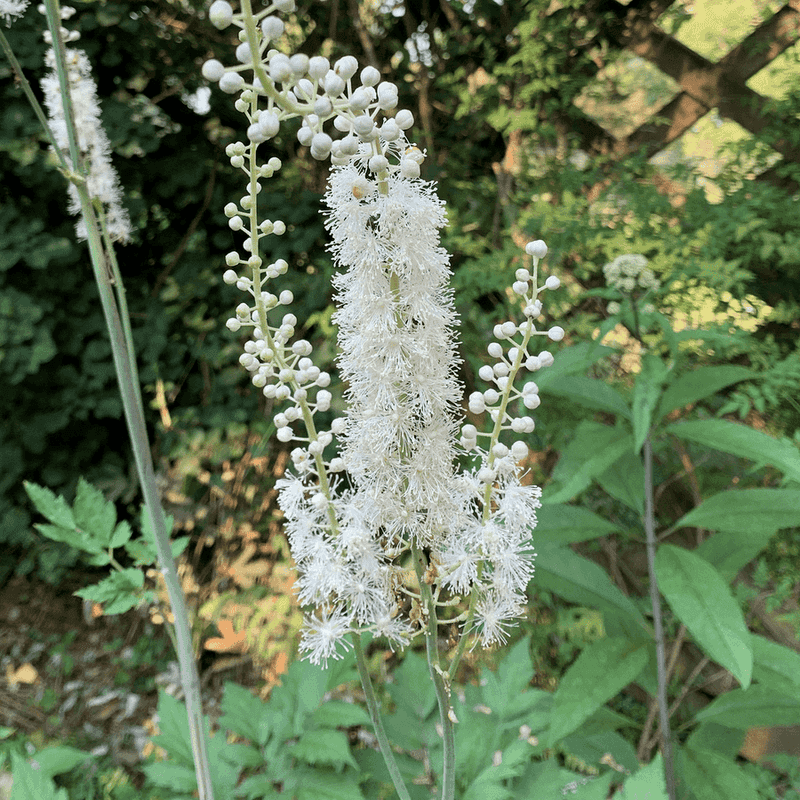
Black cohosh grows wild in the Appalachian woods, and it brings that mountain-forest look into shady home beds.
Tall white flower spikes rise well above the foliage in early summer.
Division happens through the rhizomes, which are knobby and dark. Late September into October works once temperatures ease.
Dig a wide circle and lift the whole root mass gently.
Look for growth buds along the rhizome. Each division needs at least one bud plus attached roots.
Cut between buds with a clean, sharp knife.
Plant the pieces two to three inches deep in rich, moist soil with plenty of leaf litter worked in. Deep shade to dappled light suits them best.
Space divisions about two feet apart since mature plants get sizable.
Growth is slow, and a division may take two or three years to flower. Patience is part of the deal with this species.
Georgia gardeners in the northern counties have the easiest time, since cooler summers match its native range.
Consistent moisture matters most in the first season. Dry, hot spots lead to scorched leaves and stunted plants.
Mulch around new divisions with shredded leaves to help keep the root zone cool and evenly damp. Check them during dry fall stretches rather than assuming cooler weather will provide enough moisture.
Once established, the rhizomes can gradually expand into substantial clumps without frequent division.
8. Give Daylilies More Room With September Division
Daylilies take neglect better than almost anything else in a Georgia bed, but even they get too tight eventually.
Watch for smaller flowers and thinner scapes. Both usually mean the clump has packed itself solid underground.
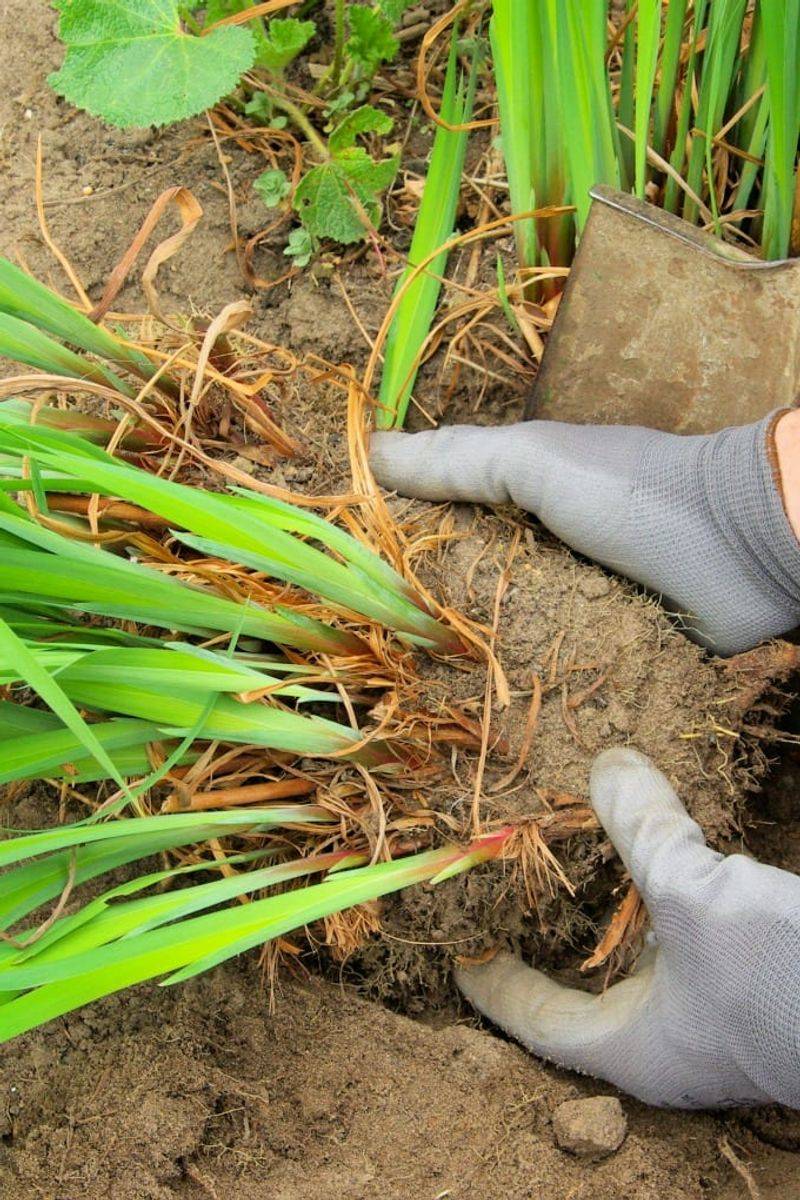
Dig the whole thing with a spading fork rather than a shovel. A fork slides between roots instead of slicing through them.
Shake off loose soil so you can actually see what you are working with.
Fans separate by hand more often than people expect. Grab two sections, twist gently, and they tend to pull apart at natural seams.
Stubborn centers may need a knife or two forks worked back to back.
Each new division should carry at least three fans and a decent handful of roots. Single fans survive, but they sulk and skip a bloom season.
Trim the foliage back by about half before replanting.
Set the crown right at soil level. Planting too deep is the most common reason transplants stall out.
Water thoroughly, then keep the soil damp for two or three weeks. September rain in the Southeast is unpredictable, so check by hand instead of guessing.
Mulch lightly around the base, keeping it off the crown itself.
Extra divisions make good trades with neighbors.
Label each division if you grow more than one variety. Once the foliage is trimmed back, different daylilies can be surprisingly hard to tell apart.