What Texans Should Know When Bobcats Start Visiting Their Yard
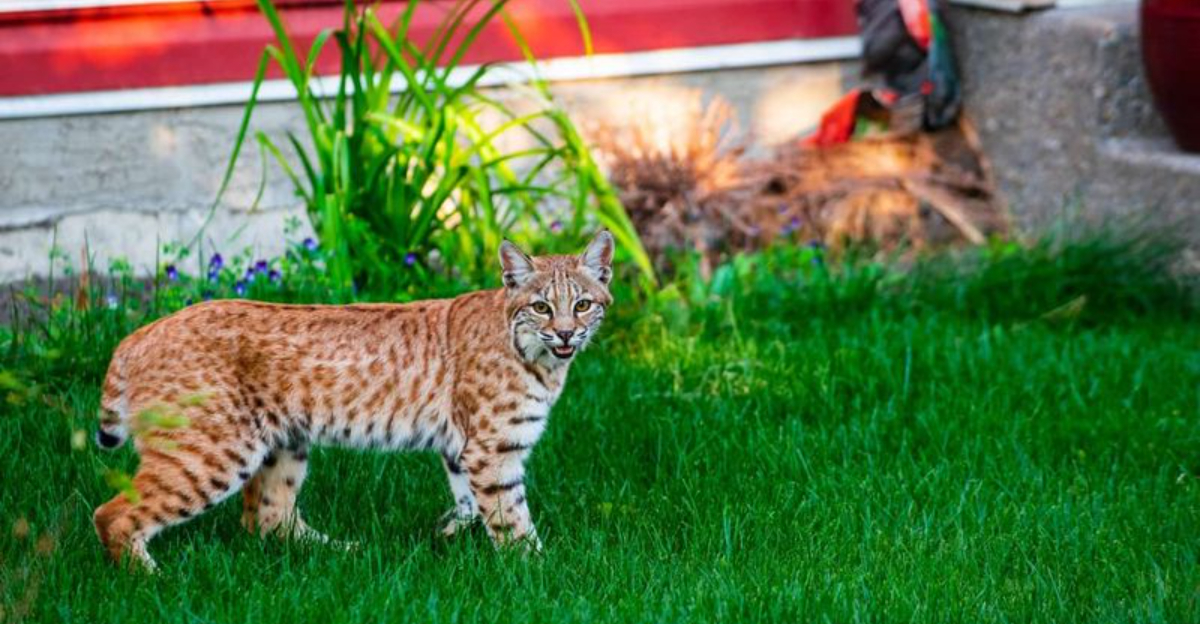
A bobcat in your Texas yard is not something most homeowners are prepared for when it happens.
Whether you spot one moving along the fence line at dusk or sitting in the open watching you from a distance, a bobcat commands attention in a way that most other wildlife simply doesn’t.
And if one has started visiting regularly, there’s more going on than a wild animal passing through.
Bobcats are territorial and purposeful. They don’t return to the same location without a reason.
A yard that keeps attracting one is offering something specific, and understanding what that is gives you real, practical information about your property and how to respond effectively.
Most Texas homeowners who suddenly find themselves sharing space with a bobcat have the same questions. Is it dangerous?
What does it want? And what should I actually do about it? Here’s what Texans need to know when a bobcat starts showing up in the yard.
1. A Bobcat In Your Yard Usually Isn’t A Sign Of Danger
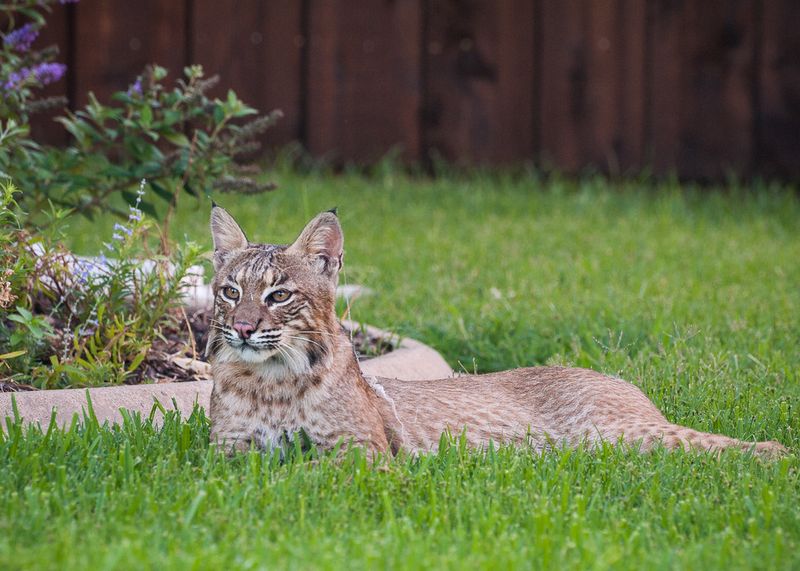
Spotting one of these spotted cats near your patio can send a jolt through you. Take a breath, because their presence rarely spells trouble.
Bobcats have called Texas home for thousands of years. They roam nearly every county, from the Piney Woods to the deserts out west.
Most of the time, a bobcat crossing your yard is simply passing through. It might be hunting a mouse or looking for a shady spot to rest.
These cats are naturally shy and want little to do with people. When they notice you, their instinct is to slip away quietly.
An adult bobcat weighs about 15 to 30 pounds, roughly twice the size of a house cat. Their spotted coats and short, black-tipped tails make them easy to recognize.
Attacks on people are extremely rare in Texas. A healthy bobcat views humans as something to avoid, not approach.
Seeing one during the day does not mean something is wrong either. They sometimes hunt in daylight, especially when prey is active.
Instead of panic, try to appreciate the moment from a safe distance. You are watching a piece of wild Texas doing what it has done for generations.
Teaching kids to stay calm and respectful helps too. Explaining that the cat is just visiting can ease worries quickly.
Fun fact: bobcats get their name from their short, bobbed tails. That little stub sets them apart from their bigger cousins.
Understanding their gentle, secretive habits makes these visits far less scary. With a bit of knowledge, curiosity can replace fear.
2. Why Bobcats Are Showing Up Around Texas Homes
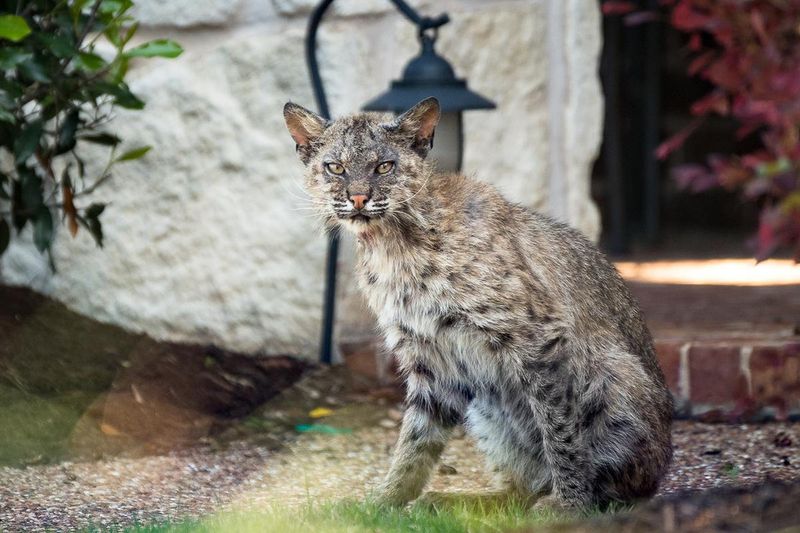
Ever wonder what draws a wild cat toward your neighborhood in the first place? The answer usually comes down to food, water, and space.
Texas keeps growing fast, and new homes stretch into what used to be open land. As neighborhoods expand, bobcats find their old territory overlapping with ours.
These cats are clever and adaptable. When their natural habitat shrinks, they learn to make the most of yards and greenbelts.
Your Texas Garden Changes Every Week. Your Plan Should Too.
Gardening in Texas changes quickly throughout the season. Every Friday you’ll receive a simple weekly plan showing exactly what to plant, prune, fertilize, harvest, and protect so you never miss the right timing.
Prey is a huge draw for them. Rats, mice, rabbits, and squirrels gather where people leave food scraps or birdseed.
A yard full of rodents becomes an easy buffet. Bobcats simply follow their next meal wherever it leads.
Water matters too, especially during hot, dry Texas summers. Pet bowls, birdbaths, ponds, and leaky spigots can all attract thirsty wildlife.
Brushy areas offer shelter and cover. Overgrown corners, woodpiles, and dense shrubs give a bobcat a comfy place to rest or hide.
Green belts and creek beds act like wildlife highways. Cats travel these natural paths and pop into nearby yards along the way.
Cities such as Austin, San Antonio, and Dallas sit close to plenty of wild land. That mix of nature and neighborhoods keeps sightings steady.
None of this means your home is being targeted. The bobcat is only responding to easy resources in the area.
Recognizing these draws helps you understand the visits. Once you see what attracts them, you can start making smart changes.
Bobcats are opportunists, not planners. They go where survival is simplest, and sometimes that path runs through Texas backyards.
3. What To Do When You See A Bobcat Near Your Home
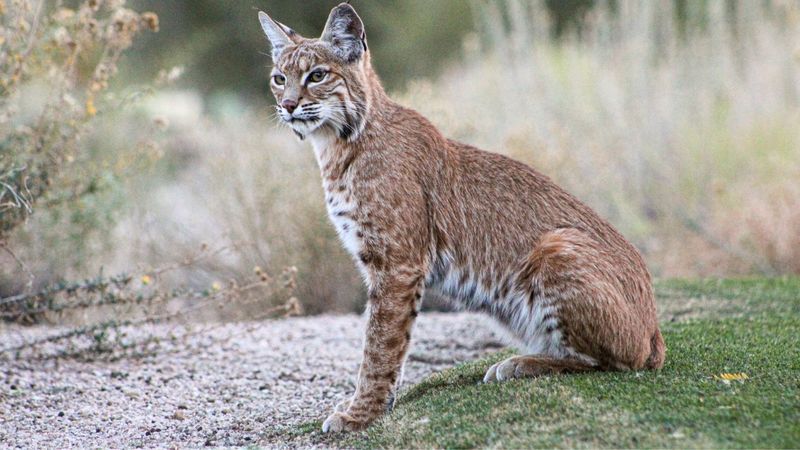
So the moment arrives and a bobcat is standing right there in your yard. Your first move should be to stay calm and keep your distance.
Give the cat plenty of room to leave on its own. Crowding or cornering an animal is what makes it feel threatened.
Never try to feed a bobcat, not even out of kindness. Food teaches the animal to return and lose its natural wariness of people.
Bring pets inside right away. Small dogs and cats can look like prey, so keeping them safe indoors protects everyone.
Keep children calm and close to you. Explaining what to do ahead of time makes these moments smoother.
If the bobcat lingers and you want it to move along, make yourself look big. Wave your arms, clap loudly, or use a firm voice.
Spraying a garden hose or banging pots can help too. These gentle scare tactics remind the cat that your yard is not a comfy hangout.
Avoid running or turning your back suddenly. Slow, steady movements keep the situation relaxed for both of you.
Do not chase the animal or throw objects at it. Harassment can cause stress and unpredictable behavior.
Once the cat wanders off, take a moment to check your yard. Look for anything that may have drawn it in, like open trash or pet food.
Most encounters end quietly with the bobcat leaving on its own. Your calm reaction sets the tone for a safe outcome.
Respect and space are your best tools. Handled well, a surprise sighting becomes just another Texas story to tell.
4. How To Make Your Yard Less Attractive To Bobcats
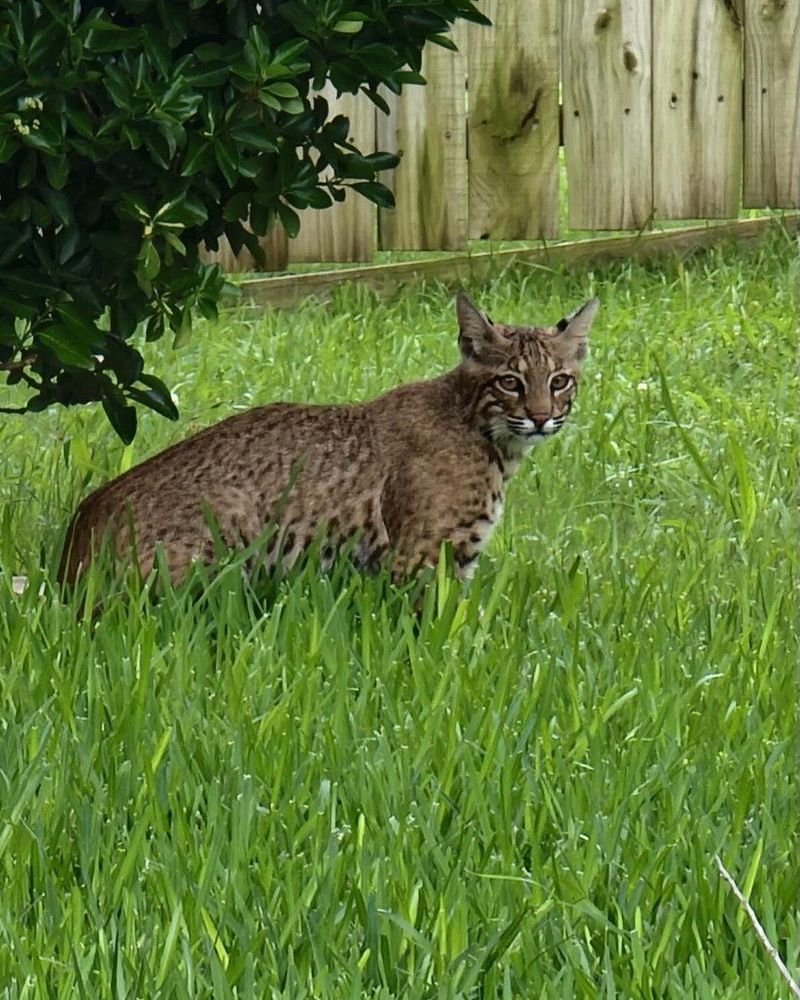
The best way to reduce bobcat visits is to make your yard boring to them. Remove the food, water, and shelter, and they lose their reasons to stop by.
Start with your trash. Use bins with tight, locking lids so raccoons and rodents cannot spread scraps around.
Feed pets indoors whenever possible. Leftover kibble in outdoor bowls invites both prey animals and the cats that hunt them.
Clean up fallen fruit and spilled birdseed. These crumbs attract rodents, and rodents attract bobcats.
Bird feeders can be a hidden problem. Consider moving them or cleaning up the seed that scatters on the ground.
Keep grass trimmed and shrubs neat. Open, tidy yards give small critters fewer places to hide and nest.
Clear away brush piles, tall weeds, and stacked wood. Removing these hideouts makes your yard less cozy for wildlife.
Protect small pets with a covered, sturdy enclosure. A secure run keeps cats, small dogs, and chickens out of reach.
Fix leaky faucets and empty standing water. Cutting off easy water sources removes another reason to visit.
Motion-activated sprinklers or lights can surprise and discourage wandering cats. A sudden burst of water sends most of them looking elsewhere.
Sturdy fencing helps, though bobcats are excellent climbers. Adding a roller bar or angled top makes fences harder to scale.
Talk with neighbors about doing the same. When a whole street removes attractions, the entire area becomes less inviting.
Small, steady habits add up quickly. With a few changes, your yard stops looking like a five-star bobcat resort.
5. When A Bobcat Visit Becomes A Concern
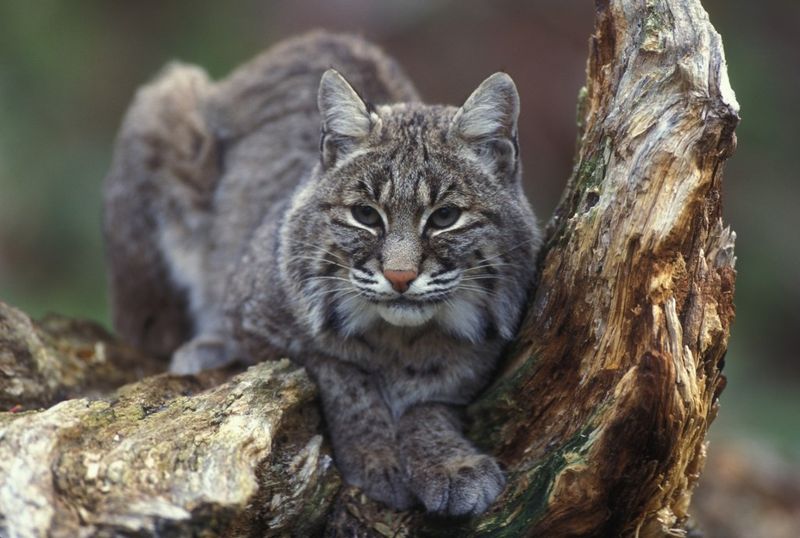
Most bobcat sightings are harmless, but a few situations deserve closer attention. Knowing the warning signs helps you act wisely.
Watch for a cat that shows no fear of people. A bobcat that stands its ground or approaches you is behaving unusually.
Repeated close encounters are another red flag. If the same animal visits daily and lingers near doors, something is drawing it too close.
Signs of illness matter too. A bobcat that stumbles, drools heavily, or acts confused may be unwell.
Rabies is rare in bobcats, but it does occur in Texas wildlife. Any strange, bold, or aggressive behavior should be taken seriously.
Look at the animal’s body condition. A cat that appears very thin, injured, or unable to move well may need professional help.
Daytime activity alone is not a worry. It only becomes concerning when paired with boldness or clear signs of sickness.
If a bobcat threatens people or pets, keep everyone inside. Do not try to handle or trap the animal yourself.
Contact Texas Parks and Wildlife or your local animal control. Trained experts know how to respond safely and legally.
Report bobcats that seem sick or injured rather than approaching them. Getting close can put both you and the animal at risk.
Keep pets vaccinated and up to date on rabies shots. That simple step adds a strong layer of protection.
Trust your instincts if something feels off. A quick call to professionals is the smartest move when a visit crosses the line. Staying alert to these signs keeps your family and the wildlife safer.
6. Living Safely With Bobcats In Texas
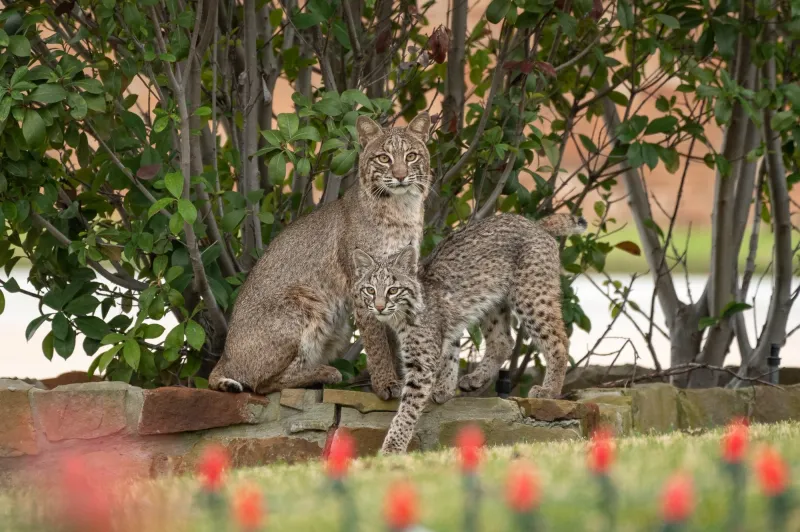
Here is the good news: people and bobcats can share Texas just fine. Coexistence is not only possible, it is already happening every day.
These cats play a valuable role in the ecosystem. By hunting rodents and rabbits, they help keep pest populations in check.
Respecting wildlife starts with giving it space. Watching from afar lets you enjoy the animal without causing it stress.
Keep protecting your pets as part of everyday life. Supervising them outdoors and bringing them in at night makes a big difference.
A balanced yard supports peaceful coexistence. Native plants, tidy spaces, and secure food storage keep the whole environment healthy.
Learning about local wildlife builds appreciation. The more you understand bobcats, the less intimidating they become.
Share what you know with neighbors and kids. A well-informed community handles sightings calmly and responsibly.
Remember that bobcats were here long before the neighborhoods. Making room for them honors the natural heritage of Texas.
Simple habits protect both sides. Removing attractions and keeping distance lets everyone go about their day in peace.
Fun fact: a bobcat’s territory can stretch across several square miles. Your yard is likely just one small stop on its route.
Enjoy the rare gift of spotting one. Few states offer such a close look at thriving native wildlife.
With respect, awareness, and a few smart choices, you and these spotted neighbors can thrive together. Texas has plenty of room for both of you to call home.