The Spider Mite Damage Ohio Gardeners Mistake For Drought Stress This Month
Your leaves are showing signs worth a closer look. Ohio gardeners blame the heat, the drought, the season. Pale speckles spread across foliage that already gets plenty of water each week.
Something microscopic is feeding quietly while you sleep. Undersides hide the real evidence, away from casual glances. Flip a leaf over slowly and check the underside for movement.
Tiny mites cluster there, quietly sipping chlorophyll cell by cell. Populations surge fast once September heat settles over Ohio. Paper tricks instantly reveal what your eyes miss outdoors, fast and free.
Hold a sheet beneath a branch and tap firmly. Specks fall loose, then start crawling across the white surface. That crawling motion confirms an infestation, not simple summer stress.
Damage spreads quickly while you decide what to do next. Waiting costs you healthy foliage now and next year’s growth too. Ignore this signal, and your garden may lose more leaves than necessary.
Dusty Speckles, Not A Thirsty Plant
Water-deprived leaves and mite-fed leaves can sit side by side and look like twins from six feet away. Step closer, though, and the story splits in two.
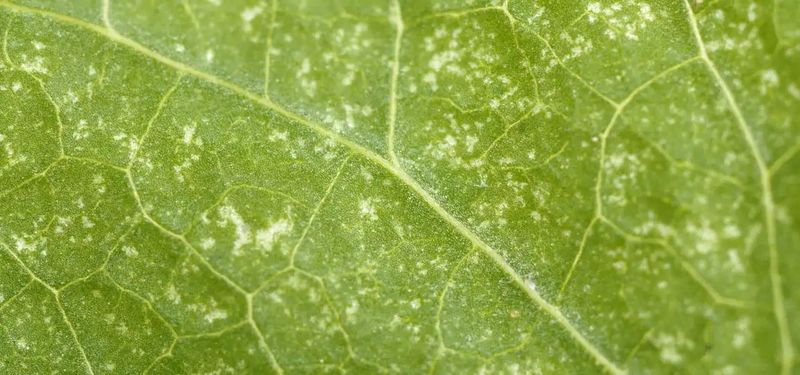
Drought fades a leaf evenly, dulling the whole blade and curling the edges as moisture pulls back. Mite feeding leaves a scatter of pale pinpricks, each dot marking one emptied cell.
Tilt the leaf toward the sun and the difference jumps out. A stippled surface looks sanded, sprinkled with flour, or lightly airbrushed in yellow and white.
Another clue is timing, since a well-watered bed that still looks bleached is sending a different message. Soil that feels damp two inches down while leaves keep speckling points away from thirst.
Ohio gardeners get fooled in early September because both problems peak at once. Warm afternoons, low rainfall, and dusty soil create the exact conditions mites enjoy while plants also run short on water.
Checking both boxes takes about a minute with a trowel and a hand lens. Dig, look, and flip a leaf before you reach for the hose or the sprayer.
Getting the diagnosis right saves money and effort, because extra water will not erase stippling. It can even encourage lush new growth that mites find tender and easy to tap.
Keep a note in your Ohio garden journal with the date and the plant name. Patterns across weeks help you spot which beds need closer watching next season.
A phone camera zoomed in tight works nearly as well as a magnifier. Snap a photo of the leaf underside and pinch to enlarge it.
Speckles That Crowd Along The Midrib First
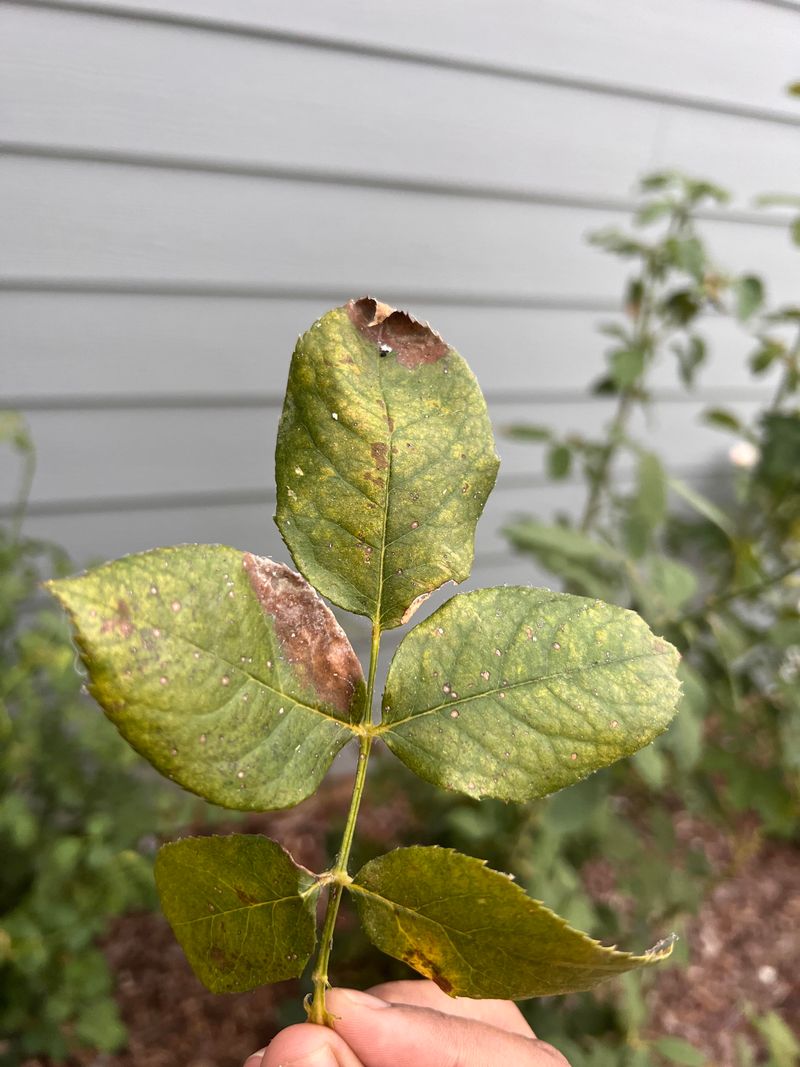
Look at a speckled leaf up close and the dots rarely spread out in a tidy, even wash. They tend to gather near the midrib and the larger veins, where sap runs closest to the surface.
Feeding starts there because the tissue is thin and the meal is easy. From those seams the stippling creeps outward, thickening until the leaf takes on a bronze or grayish cast.
Drought damage behaves differently, showing up at leaf tips and margins where water arrives last. Brown, crisp edges around a greener center usually mean the plumbing ran short, not that something was feeding.
Your Ohio Garden Changes Every Week. Your Plan Should Too.
Gardening in Ohio changes quickly throughout the season. Every Friday you’ll receive a simple weekly plan showing exactly what to plant, prune, fertilize, harvest, and protect so you never miss the right timing.
On tomato and bean leaves, the vein-hugging pattern looks like someone shook salt along the ribs. Hold the leaf up and light passes through those spots because the cells beneath are hollow.
Older, lower leaves usually freckle before the young top growth does. Mites often start low and inside the plant, then move upward as the season dries out.
Tracking that upward march tells you how long the trouble has been building. A speckled bottom third with clean upper leaves suggests you caught things fairly early.
Mark the highest speckled leaf with a loose piece of yarn. If fresh stippling appears two nodes above the yarn next week, the population is expanding.
Photograph the same leaf every few days from the same angle for a quick comparison. Side-by-side shots reveal spreading dots long before your memory does.
Vein-first speckling also helps rule out sunscald, which bleaches broad patches rather than pinpoints. Knowing the shape of the damage narrows your options fast.
Turn The Leaf Over Before You Blame The Weather
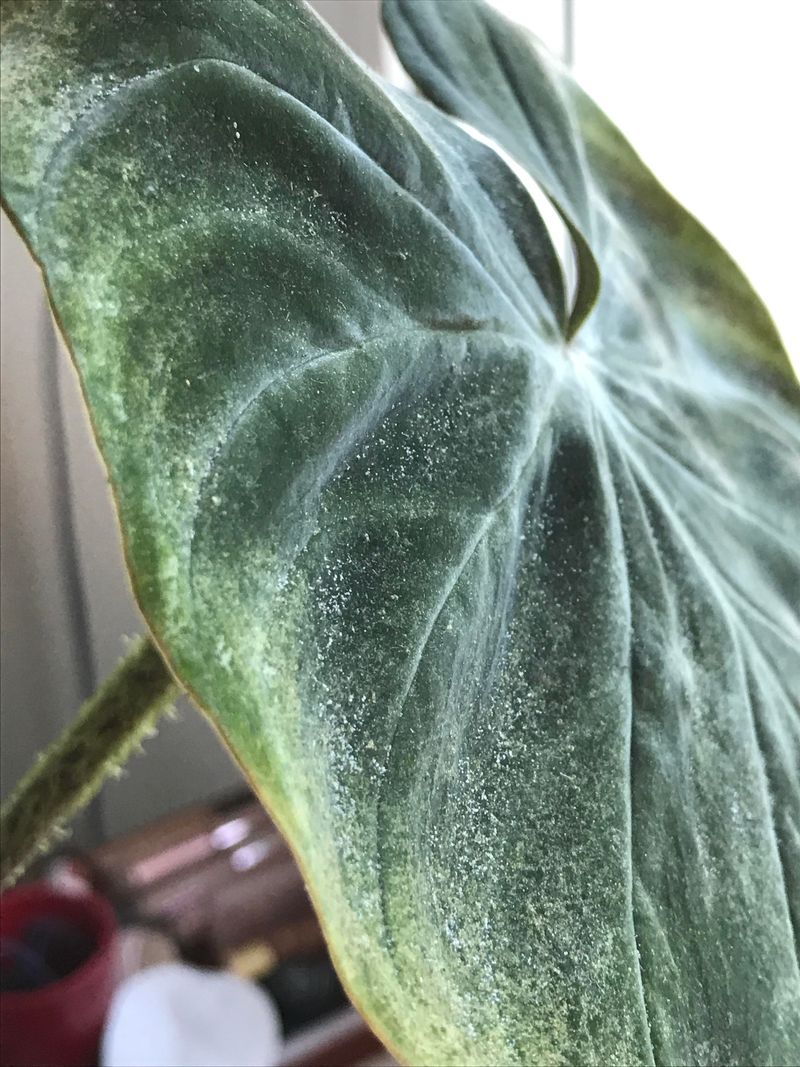
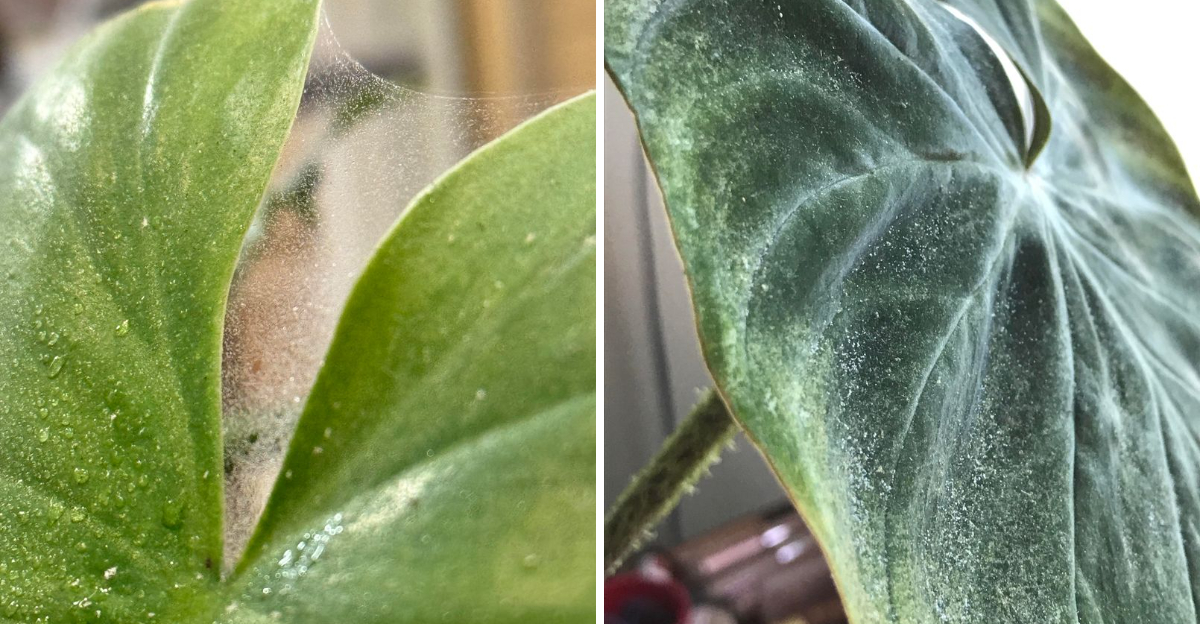
Flip a suspicious leaf over and you see the real evidence. Undersides hold fine webbing, shed skins, and specks that shuffle when disturbed.
Adults measure about the size of a period on this page, so a hand lens helps enormously. Look for oval bodies with two dark patches, creeping slowly across the surface.
Two-spotted spider mites favor sheltered undersides because it stays warmer and less breezy there. Rain and sprinklers rarely reach that side, which is part of why numbers climb during a dry stretch.
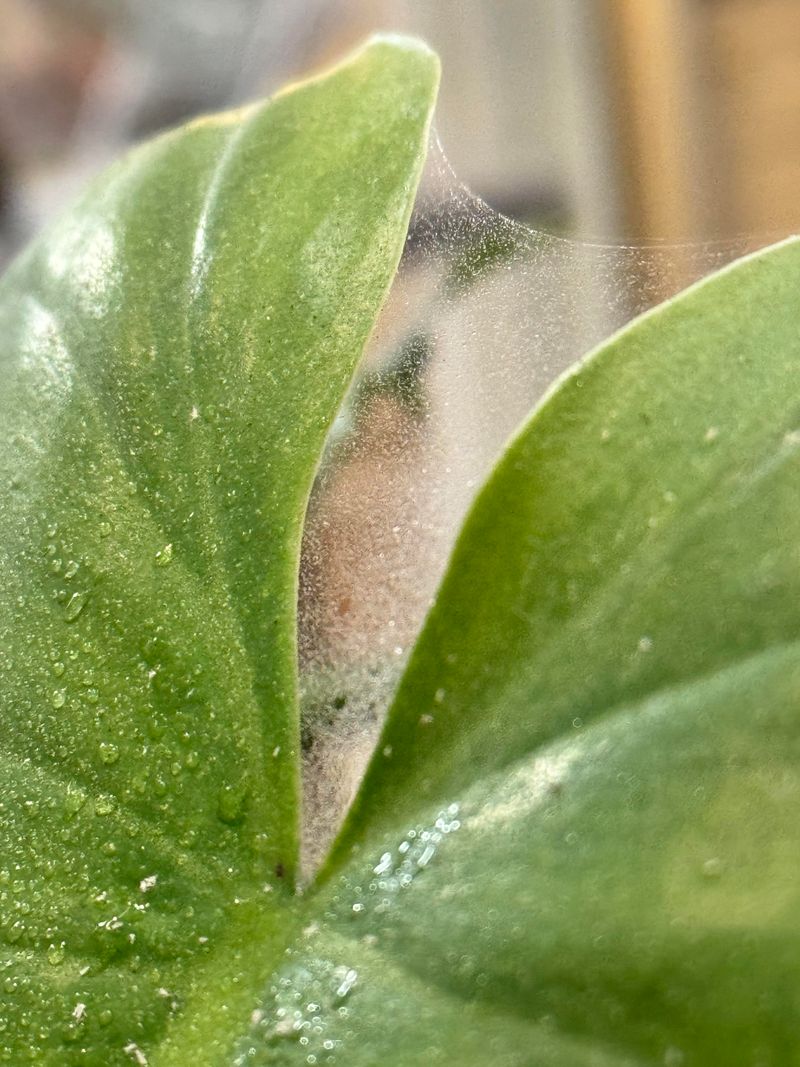
Webbing is thinner than spider silk and collects dust, giving leaves that dusty look. Run a fingertip along the underside and it may feel slightly sticky or gritty.
Tiny round eggs, clear to pearly, sit near vein junctions in loose clusters. Spotting eggs means a fresh generation is on the way, and generations can turn over in about a week during warm weather.
Drought-stressed leaves show none of this hardware on the back side. A clean underside with faded, limp tissue points squarely at watering habits.
Sample three or four leaves from different heights instead of judging by one. A single leaf can mislead you, while a small handful shows the real pattern.
Keep a cheap 10x loupe in your Ohio garden bucket or jacket pocket. Once you watch mites move, you rarely mistake stippling for thirst again.
Morning checks work best, since low light and cool air make webbing easier to notice. Dew catches on the strands and outlines them clearly.
The White Paper Tap Test Takes Ten Seconds
Here is a trick that costs nothing and clears up the confusion quickly. Slide a sheet of white paper under a speckled branch and tap the stem sharply three times.
Watch the paper for ten seconds without blinking too much. Dislodged mites look like moving grains of pepper, drifting in slow, aimless lines.
Dust and pollen sit still, so movement is your signal. Smear a few specks with your thumb and greenish or rusty streaks confirm what fell.
Repeat the tap on three or four branches around the plant for a fair count. Ten or more crawlers per tap on a garden plant usually means action is worthwhile.
That number shifts depending on the plant, so treat it as a starting point rather than a fixed rule.
Try the test at midday when mites are active and easier to spot. Cool mornings slow them down and can make a busy plant look calm.
Plain white paper works better than a lined notebook page, which hides the crawlers. A paper plate or index card is easy to stash in your tool tote.
Compare a stippled plant with a healthy one nearby for perspective. A blank sheet from the healthy plant gives you a helpful baseline.
A thirsty plant drops no crawlers at all, which makes this test clear. Empty paper plus damp soil sends you looking for another cause, like root trouble or heat.
Jot the tap counts and the date right on the card. Two cards a week apart show whether numbers are climbing or settling.
Kids enjoy this one, so hand them the paper and let them count. Extra eyes turn scouting into a five-minute family habit.
Ohio Plants That Freckle Earliest In September
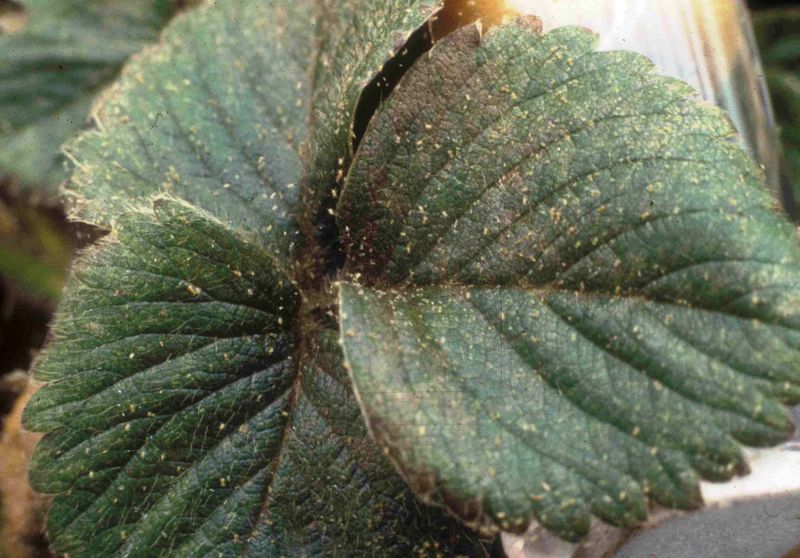
Some plants in an Ohio yard show symptoms early, and knowing the list shortens your search. Tomatoes, beans, cucumbers, and eggplant tend to freckle first in September.
Along fences and foundations, burning bush, arborvitae, and dwarf Alberta spruce commonly show a bronzed, dusty haze. Needled evergreens hide damage well, then look faded almost overnight.
Raspberry canes and strawberry beds also collect stippling once the soil surface bakes. Both sit low, catch reflected heat, and dry quickly along walkways.
Marigolds, salvia, and butterfly bush near warm brick often pick up speckles sooner than plants in open beds. Heat bouncing off siding and driveways creates pockets that mites appreciate.
Houseplants staged outdoors for the summer are a sneaky source. Check them carefully before they move back inside for the cooler months.
Beans deserve a special note, since a speckled bean patch can bronze within a week or two. Harvest often and inspect a few leaves each time you pick.
Dusty driveway and roadside edges tend to see trouble first during dry weeks. A light rinse of nearby foliage helps more than you would guess.
Walk the same loop through your Ohio yard twice a week with a mental checklist. Familiar plants make small changes obvious.
Fun bit of trivia: mites are relatives of ticks and spiders rather than insects, which is why some bug sprays do little for them. Eight legs, no wings, and a fondness for hot, dry leaves.
Keep your trouble spots on a short list and check those first next August. Repeat offenders tend to repeat.
Rinse, Refresh, And Help New Leaves Bounce Back
Fixing that dusty look starts with water aimed in an unusual direction: upward. A firm spray to leaf undersides knocks mites loose and washes away webbing and dust.
Rinse in the morning so foliage dries by evening, and repeat every few days depending on how heavy the infestation looks. Consistency matters more than water pressure.
Deep, steady soil moisture helps too, since stressed plants make sweeter, more inviting sap. A soaker hose beats a quick sprinkle for smoothing out that stress.
Hold off on high-nitrogen feeding right now, because a flush of soft growth invites more feeding. Compost and mulch offer steadier support in early autumn.
Insecticidal soap or horticultural oil, applied to undersides on a cool, cloudy day, brings numbers down safely. Coverage is the whole game, so spray until leaves drip.
Broad-spectrum insecticides often backfire by knocking out predatory mites, ladybug larvae, and tiny pirate bugs. Those helpers keep populations in check for free.
Speckled leaves stay speckled, since emptied cells cannot refill. New growth tells you whether your plan is working, so judge success by fresh leaves.
Clip the heavily bronzed lower leaves and bag them rather than adding them to the compost pile. Then mulch, water deeply, and let the plant push clean foliage.
September rain and cooler nights tend to slow mite reproduction naturally. A few good soakings can turn the tide on their own.
Rinse tools and gloves after working in a speckled patch to avoid carrying hitchhikers. A quick soap wash is plenty.