Native Ohio Plants To Grow Instead Of Ornamental Kale In Fall Pots
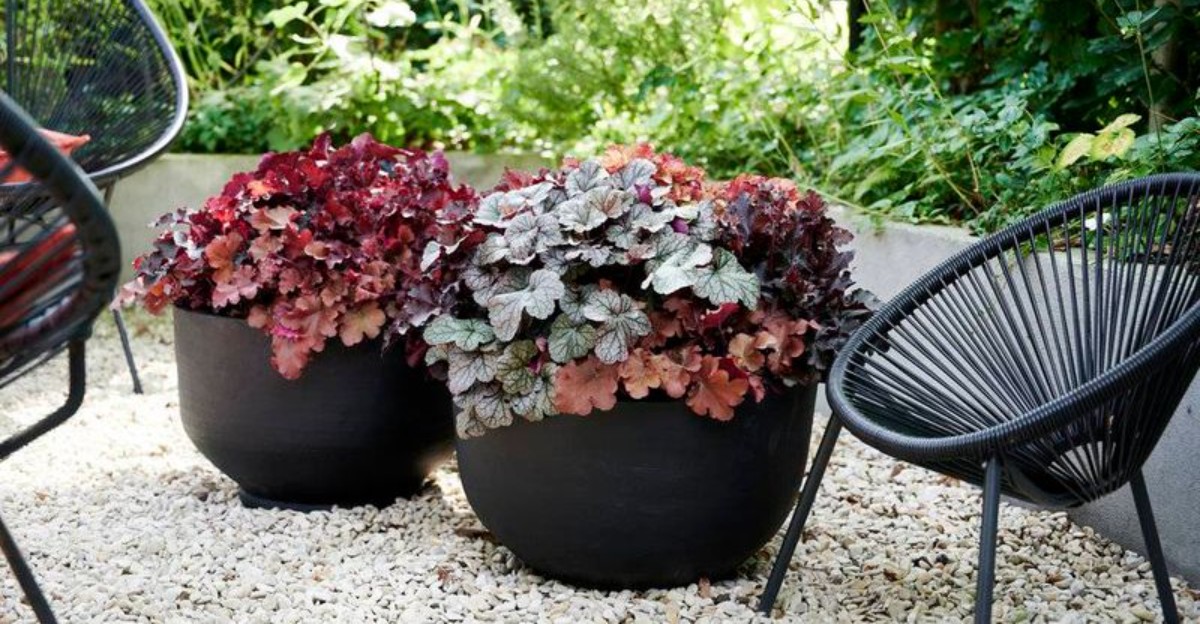
Ornamental kale shows up in every fall display like it’s contractually obligated, same purple ruffles, same pots outside every storefront, year after year.
Ohio’s got better options sitting right under everyone’s nose. Several native plants fill a container just as well, holding color and texture through that same fall stretch.
They skip the predictable look that’s worn out its welcome after a decade of identical porches.
These natives pull in actual value too, feeding pollinators and birds that kale was never built to support. Purely ornamental, functionally empty, beyond looking nice in a pot.
Swap at least one container this year for something native instead of reaching for the same purple ruffles again. Fall decor doesn’t have to mean copying every other porch on the block.
1. Aromatic Aster Blooms Into Late Fall
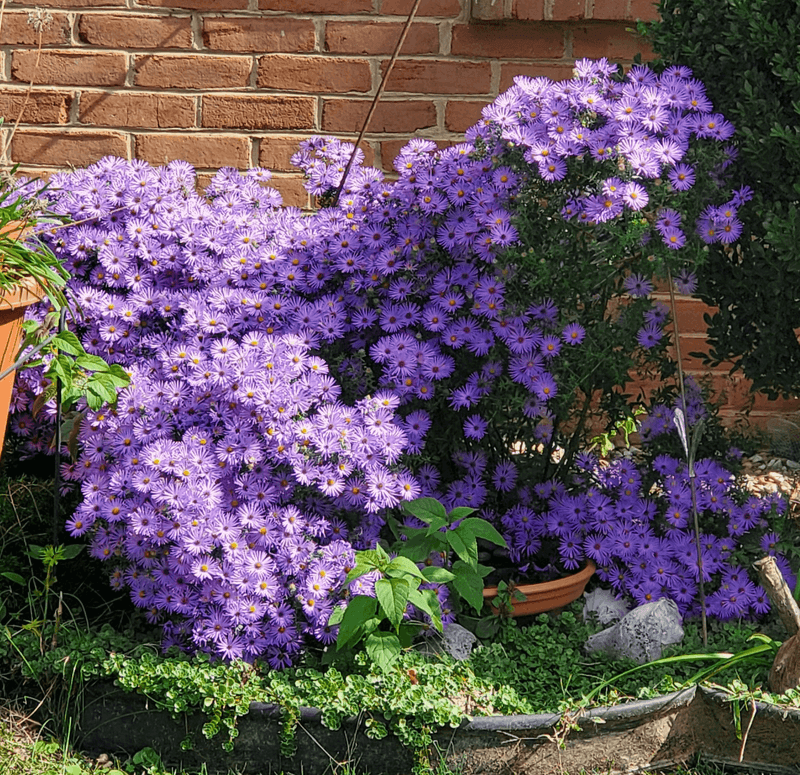
Brush your hand across this plant and you get a surprise. The narrow gray-green leaves give off a minty, piney scent, like a walk through a balsam forest.
Aromatic aster is a true late bloomer. Its lavender-blue daisies with amber-gold centers can open in late September and keep going into November.
By then, most other flowers on the block have packed up for the year, so your pot becomes the main attraction for bees and butterflies.
Plant it in a sunny spot where it gets at least six hours of light. Very light shade is fine, but more sun means more flowers.
Use a gritty potting mix with some sand or fine gravel, since this aster likes sharp drainage and does not enjoy soggy roots.
Another perk is its toughness against powdery mildew, that gray dust that coats many asters in fall. Plants can reach about three feet tall in the ground, so choose a wide, heavy pot to keep it from tipping.
Pinching the stems back once in early summer will give you a fuller, rounder mound.
Once the show ends, move it into a garden bed before the ground freezes. Next year, it will come back bigger and bring that minty scent and late color to your yard again.
2. New England Aster Brings Purple To The Patio
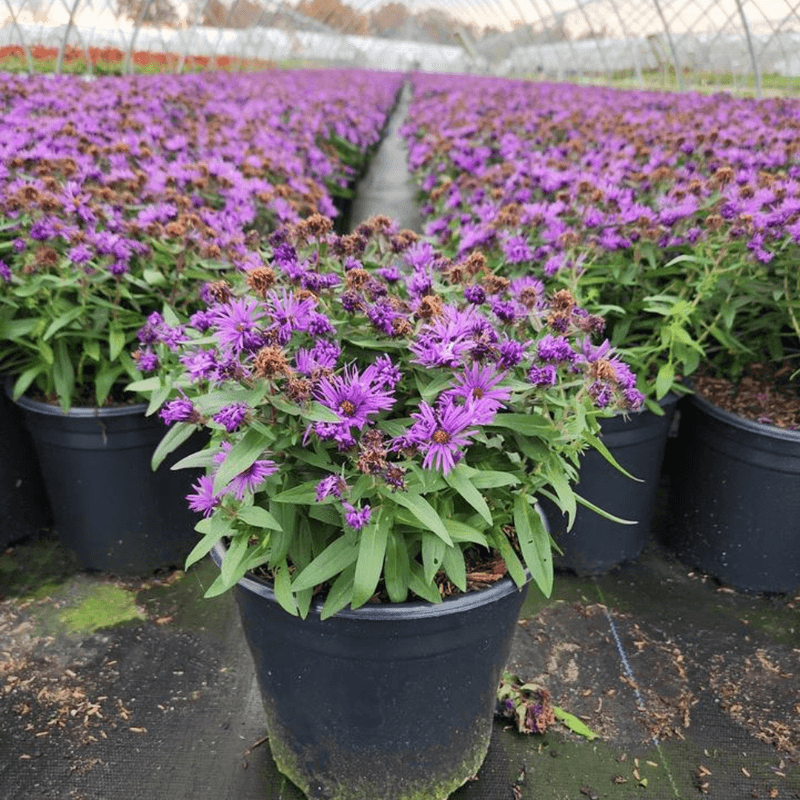
Royal purple is a bold color, and few plants wear it as proudly. New England aster turns an ordinary patio into a party for pollinators in late summer and fall.
Wild versions can grow tall and floppy, so look for compact types when shopping for pots. Purple Dome forms a neat, rounded mound that gets buried in purple blooms.
Fun fact for Ohio gardeners: the hot pink Vibrant Dome was discovered right here in the state, and it flowers from August into mid-fall.
Give this aster full sun or part shade and soil that stays moist but drains well. A pot with a drainage hole is a must.
Check the soil with your finger every few days, and water when the top inch feels dry.
Monarchs heading south love to stop for a sip of nectar from these flowers. Bumblebees will also crawl from bloom to bloom on chilly afternoons.
Your Ohio Garden Changes Every Week. Your Plan Should Too.
Gardening in Ohio changes quickly throughout the season. Every Friday you’ll receive a simple weekly plan showing exactly what to plant, prune, fertilize, harvest, and protect so you never miss the right timing.
Set a chair nearby and you will have free entertainment all season.
For a fun combo, pair it with a golden plant or a grass that turns bronze. The purple pops against warm fall colors.
After frost, cut the stems back or leave a few seed heads for birds, then plant the clump in the garden for next year.
3. Showy Goldenrod Adds A Golden Spike
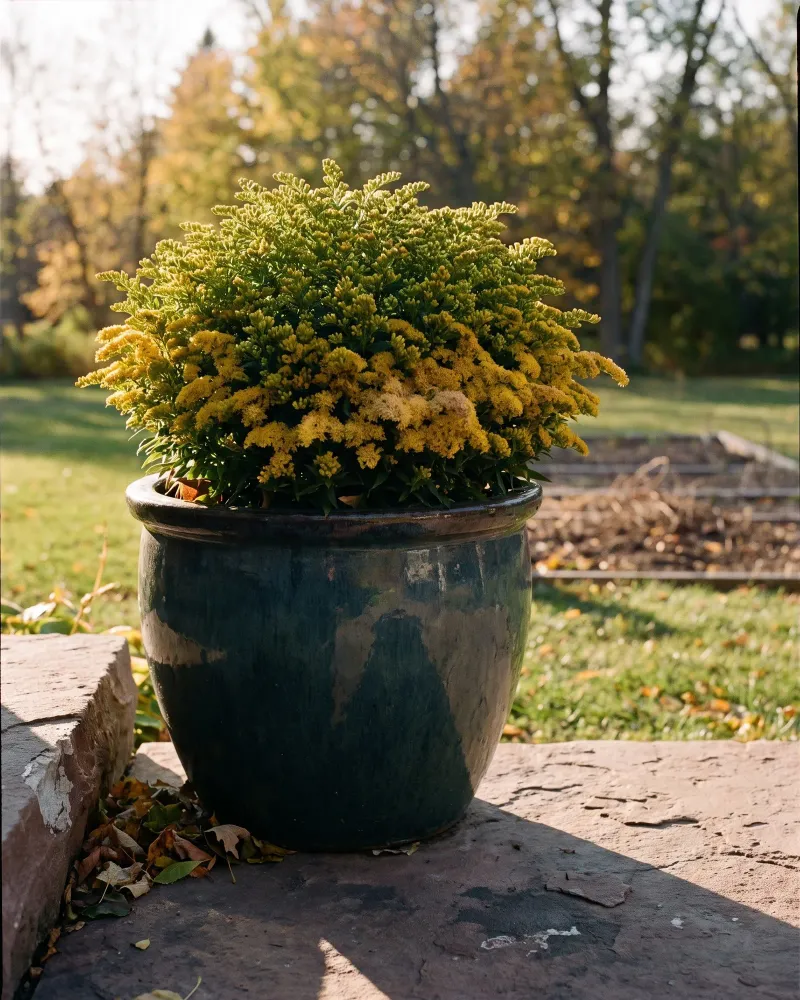
Let’s clear up a common mix-up first. Goldenrod gets blamed for sneezing season, but ragweed is the real culprit, since goldenrod pollen is heavy and carried by insects, not wind.
With that rumor out of the way, meet showy goldenrod. It sends up bright yellow flower spikes up to a foot long, glowing like torches from mid-summer into fall.
Stems are sturdy and upright, and the lance-shaped leaves stay a fresh green.
Height is the big thing to plan for. This plant can grow three to five feet tall, so it works best as the tall centerpiece in a large, deep container.
Add a few rocks at the bottom for weight on windy days.
Sun is its best friend. Use a well-drained mix, even a sandy or rocky one, and avoid overwatering once it settles in.
Deer tend to leave it alone, which is handy if they roam your neighborhood at night.
Unlike some pushy goldenrods, this one spreads slowly into polite clumps. Migrating monarchs depend on its nectar to fuel their long trip.
Watching an orange butterfly land on a gold spike might be the best fall view your deck will ever have.
4. Little Bluestem Works In A Sunny Pot
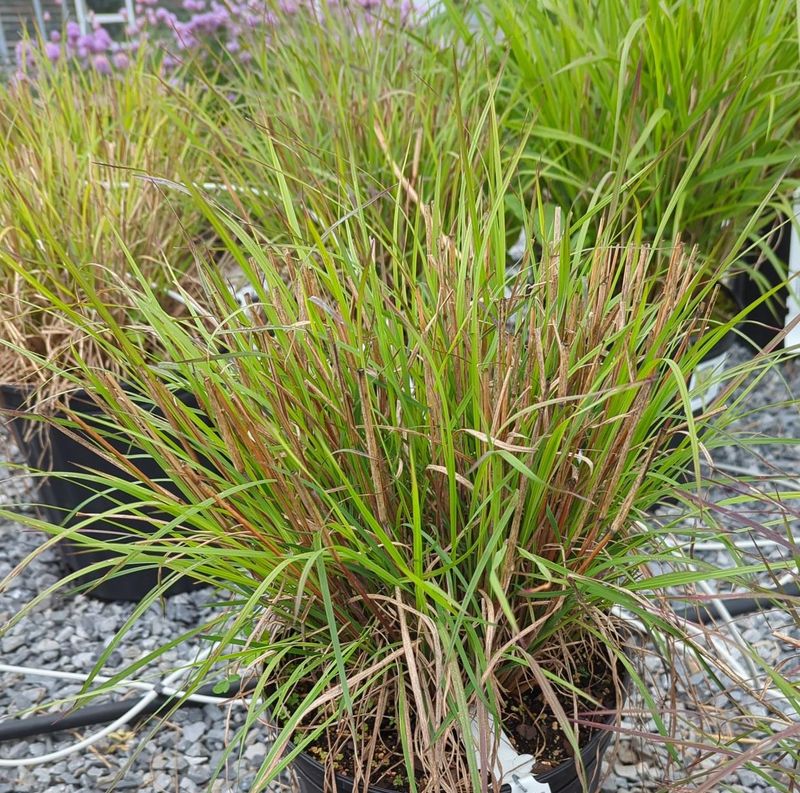
Imagine a grass that changes outfits like it is getting ready for a big dance. In summer it wears cool blue-green, and in autumn it switches to coppery bronze with hints of red.
Little bluestem is one of the easiest native grasses to grow in a pot. By fall, fluffy silver seed tufts catch the low sunlight and seem to glow.
The warm color holds through much of winter, so your container still looks good when snow shows up.
Here is the one rule you cannot skip: full sun. In too much shade, the blades turn thin and flop over like wet noodles.
Pick your sunniest corner, maybe near the driveway or a south-facing step.
Drainage matters too. Choose a pot with holes and a mix that drains fast, yet holds some moisture.
Once it settles, little bluestem shrugs off dry spells and even road salt, which makes it great near sidewalks.
Each clump reaches about three feet tall and wide, so give it room or let it stand alone in a sleek planter. Tuck a few smaller flowers around the base for extra color.
Trim it to a few inches in early spring, and fresh blue shoots will pop up soon after.
5. Black-Eyed Susan Keeps The Color Going
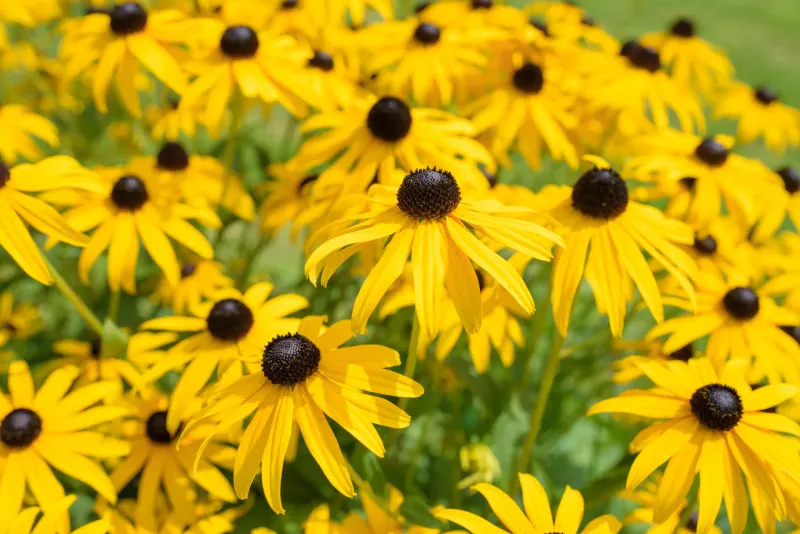
Grandma’s garden probably had a patch of these sunny faces by the fence. Black-eyed Susan has that old-fashioned charm that makes any porch feel like home.
Golden-yellow petals circle a dark brown or purplish cone, and the blooms can last from early summer well into fall. Set a pot of them next to a pile of pumpkins and you have an instant harvest scene.
They also look sweet in a galvanized bucket or an old wooden crate.
Growing them is about as easy as gardening gets. Give them six to eight hours of sun each day.
They are not picky about soil, but a quality potting mix helps them thrive in a container. Choose a pot that holds at least one gallon, though bigger pots dry out more slowly.
Snip off faded flowers to encourage more buds. Near the end of the season, stop trimming and let the cones ripen.
Goldfinches and other songbirds will swing by to snack on the seeds, which is a treat to watch from the window.
Bumblebees and butterflies visit often too. Black-eyed Susans can reseed themselves, so if you move them into the yard, you may find little surprise seedlings next spring.
6. Alumroot Adds Native Foliage
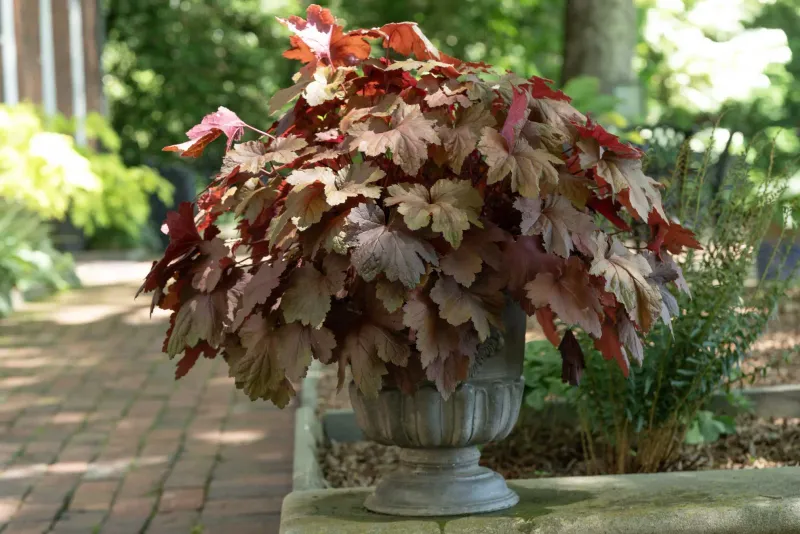
Who says a fall pot needs flowers to shine? Alumroot proves that leaves alone can steal the spotlight.
Also called coral bells, this plant grows in tidy clumps of rounded, ruffled leaves. American alumroot, the wild species, is native to Ohio woods and often shows silvery patterns on green leaves.
Garden centers also sell versions in purple, copper, orange, and deep burgundy, though most of these are hybrids bred from western species rather than true Ohio natives.
Many types keep their foliage well into winter. That gives your container color long after flowers fade.
Group a few different shades together in one pot for a patchwork quilt effect.
Light needs are flexible, from sun to shade, though most do best with some afternoon shade in hot weather. Use rich potting soil that drains well, because soggy roots cause trouble.
Water when the top of the soil feels dry, but do not let it sit in a puddle.
Alumroot is low-fuss and pairs nicely with ferns, asters, or grasses. Small window boxes and shady porch corners are great spots for it.
In spring, it sends up thin stems with tiny bell flowers that hummingbirds visit. Later, you can plant it in a shady bed where it will keep spreading color.
7. Christmas Fern Stays Green Into Winter
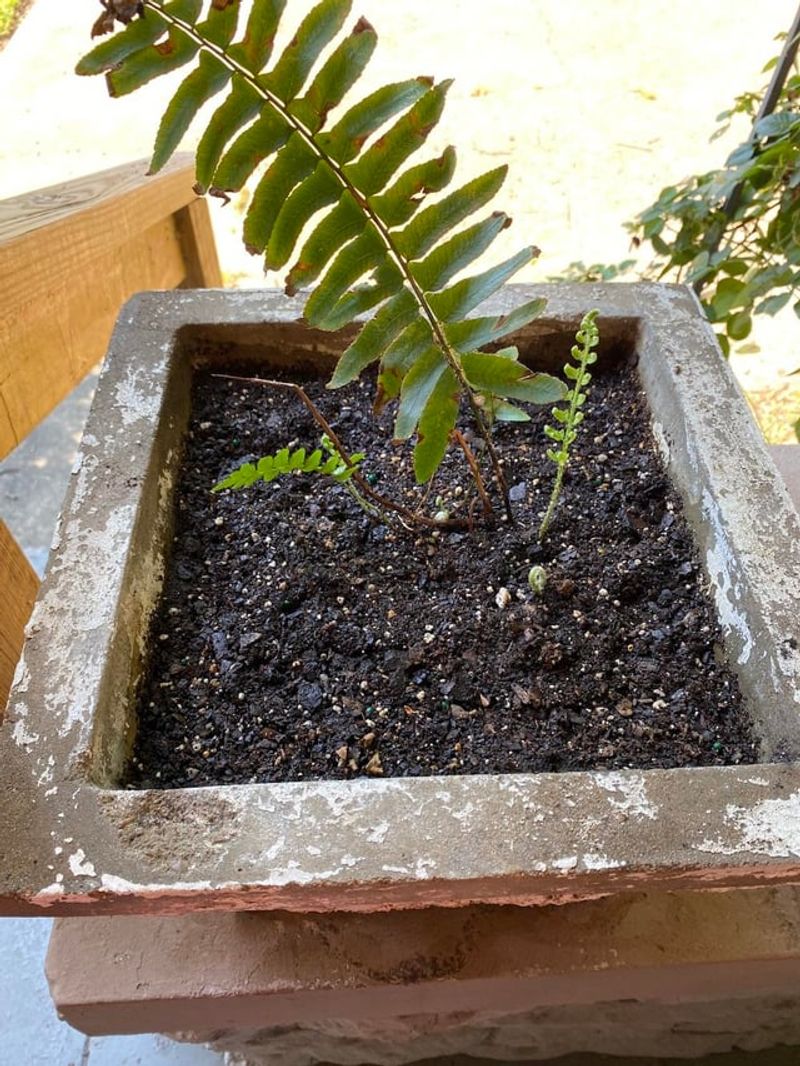
Early settlers would gather this fern to decorate their homes for the holidays. Its fronds stayed green when almost everything else outside had turned brown.
That is how Christmas fern got its name. Another story says each little leaflet looks like a tiny stocking or a sleigh, and once you see it, it is hard to unsee.
Either way, the glossy, dark green fronds hold their color through winter.
This fern grows in a graceful, fountain-shaped clump about one to two feet tall and wide. It fits nicely in a medium pot by a shady front door.
Pair it with alumroot or wintergreen for a woodland look that lasts for months.
Shade is where it feels happiest, from part shade to full shade. Use a potting mix rich in compost and keep it lightly moist, not soaked.
It can handle short dry spells once it settles in.
Deer usually pass it by. As the holidays arrive, tuck in a few pinecones or a red bow for an easy, natural display.
In spring, silvery fuzzy fiddleheads uncurl from the center, a fun sight for kids. Plant it under trees later, and it will stay with you for years.
8. Wintergreen Brings Red Berries To Fall Pots
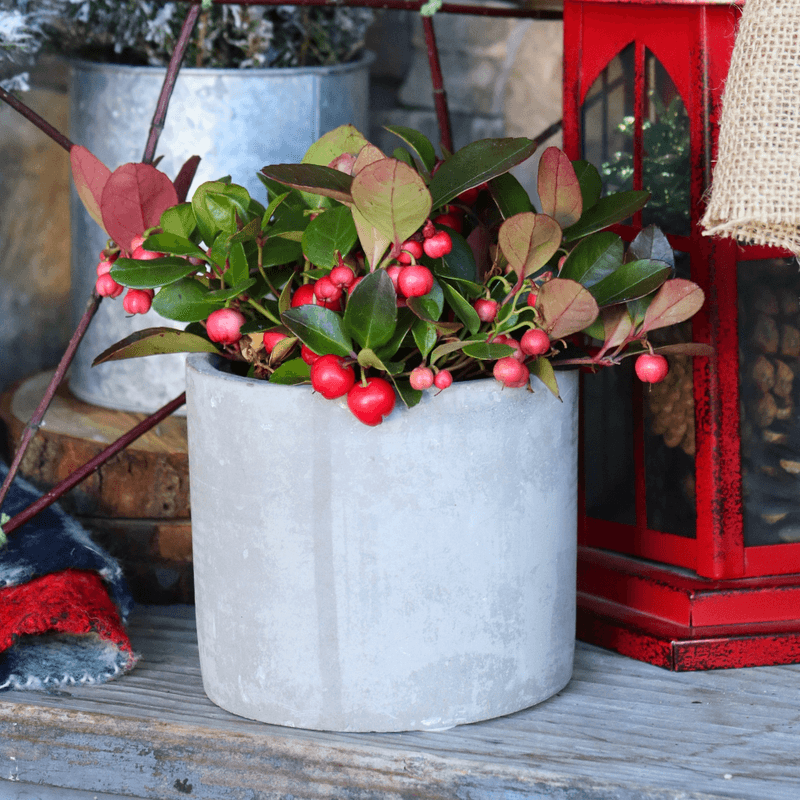
Crush one leaf, take a sniff, and you might think of gum or toothpaste. That classic minty smell comes from wintergreen, a tiny native plant with a big personality.
Wintergreen grows only four to ten inches tall, so it works best along the edge of a pot or in a window box. In fall, it puts out bright red berries that hang on through winter.
The glossy green leaves blush to purple-red as temperatures drop, giving you two colors in one small plant.
These berries look like little holiday ornaments, and birds enjoy them in the cold months. It is a smart pick for anyone who wants a festive look without buying plastic decorations.
Care is a bit different from the other plants here. Wintergreen likes part to full shade and soil that is moist, well-drained, and acidic.
Mix some peat-free acid potting mix or pine bark into your soil to keep it happy. Keep it watered during dry weeks.
For a cozy combo, place it at the feet of a Christmas fern. The red berries pop against the dark fronds.
Just remind young kids that berries are for looking, not tasting. Later, it can carpet a shady spot under pines or oaks.