Why You Should Let Your Ohio Basil Flower For The Bees
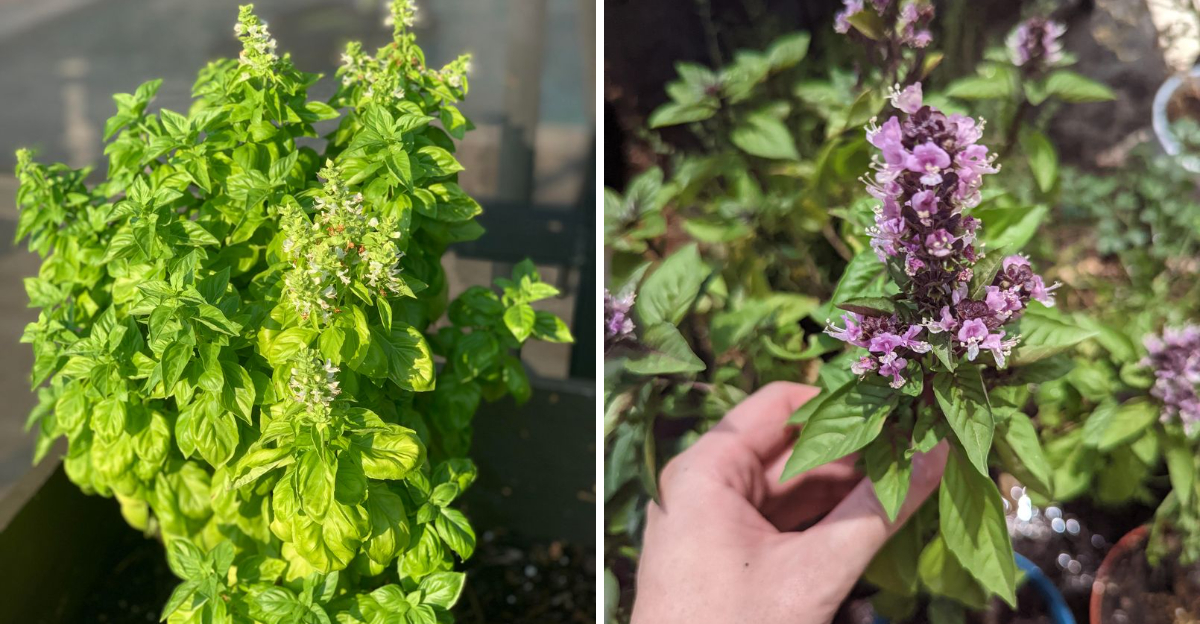
Your basil has flower spikes again.
You pinched them last week. You pinched them the week before. They’re back, taller this time, and the plant is clearly done taking suggestions.
That feels like a loss, since nobody grows basil for the flowers.
Here’s the reframe worth considering.
By late August in Ohio, a lot of gardens have thinned out. Early summer flowers have finished, fall bloomers haven’t arrived yet, and pollinators are working harder for less.
Those small white and pale purple basil blooms fill that gap.
Bees find them reliably, and the plant produces them for weeks once it commits.
You don’t have to choose between pesto and pollinators either, which is the part most gardeners miss.
The middle path is simpler than the constant pinching you’ve been doing.
Curious what your bolting basil is actually worth?
1. Flowering Basil Feeds Late Season Bees
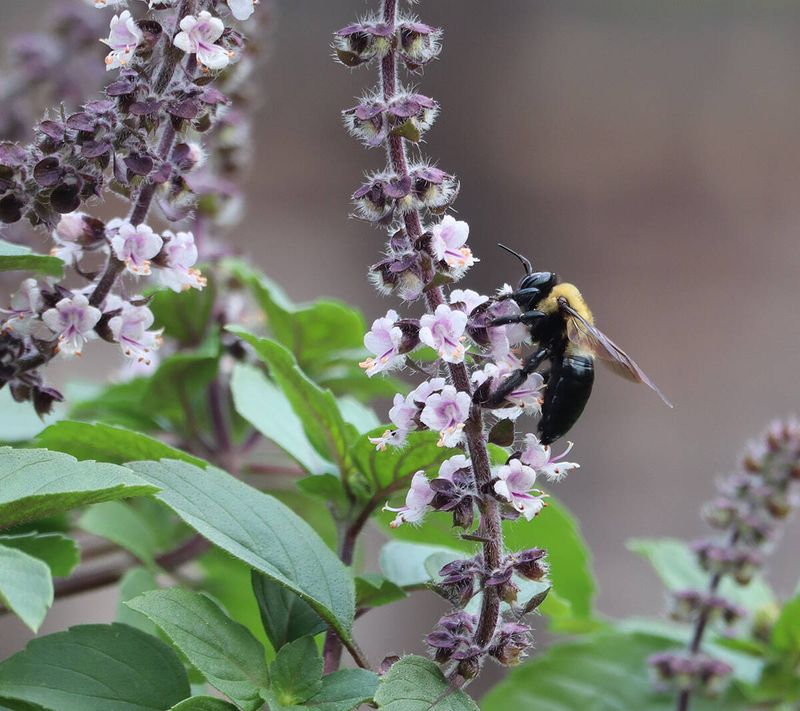
By late August in Ohio, many gardens start looking tired while basil becomes one of the more active spots in the yard.
Those small white or pale purple flowers offer nectar and pollen just as earlier summer blooms finish.
Flowering herbs attract pollinators reliably, and bees visit basil blooms regularly.
Honey bees, small native bees, and various other beneficial insects all stop by, particularly on warm sunny afternoons.
That timing matters because late season food sources aren’t always easy to find.
Leaving a few basil stems to bloom gives bees something close to home, and a patio pot or garden bed becomes part of a larger network.
Rather than treating flowers as the end of harvest, they’re worth seeing as a small contribution from the garden.
One plant won’t feed every bee in Ohio, and several blooming stems still help during a stretch when pollinators work hard with fewer options.
Basil grown near tomatoes, peppers, or zinnias draws additional insect activity into that corner.
Hover flies show up too, and their larvae eat aphids, which makes them worth attracting for practical reasons.
For a choice that requires essentially nothing from you, letting some basil flower supports bees when every dependable bloom starts to matter more.
The plant does the work while you simply stop interrupting it.
2. Bolting Basil Still Has Plenty To Offer
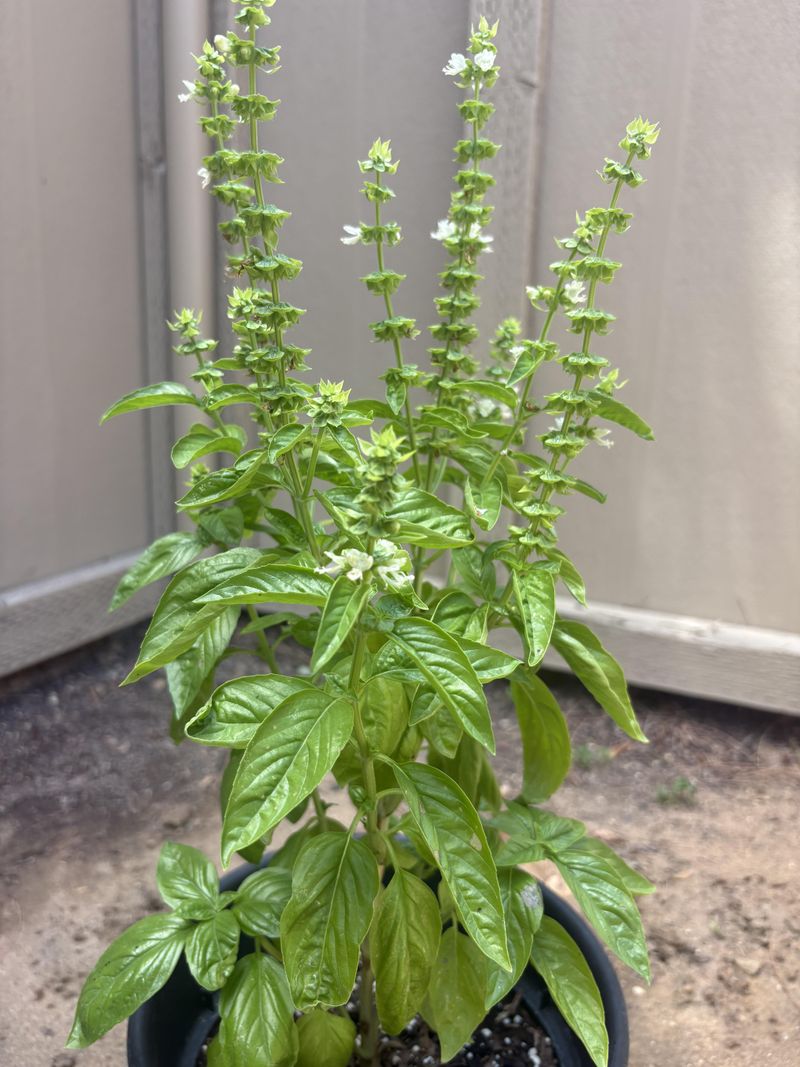
A basil plant sending up flower spikes feels like bad news, particularly when you were counting on more pesto.
Bolting doesn’t mean the plant has become useless though. It means basil has moved into a different stage of growth.
Pinching flower buds keeps leaf production going longer, while flowering shifts energy toward blooms and seed.
That shift changes what the plant gives you without erasing its value in the garden.
Bees use the flowers. The tall airy spikes look good in their own right. Seed becomes available later.
A bolting basil plant isn’t failing, it’s doing what annual herbs are built to do before the season ends. Heat and long days both trigger bolting, so Ohio’s July and August conditions make it essentially inevitable.
Your Ohio Garden Changes Every Week. Your Plan Should Too.
Gardening in Ohio changes quickly throughout the season. Every Friday you’ll receive a simple weekly plan showing exactly what to plant, prune, fertilize, harvest, and protect so you never miss the right timing.
For home gardeners, balance is the productive response.
Harvest tender leaves from younger plants or lower stems, then leave one plant, or part of one, to flower for pollinators.
Your kitchen still gets fresh basil and the garden still offers late summer food. Treating bolting as total loss leads people to cut everything down prematurely.
Waiting gets more from the same plant in a different form.
Garden space in Ohio often needs to serve two purposes, and basil handles both better than most gardeners expect once they watch bees work those tiny flowers for days.
3. Pollinators Rely On Late Summer Blooms
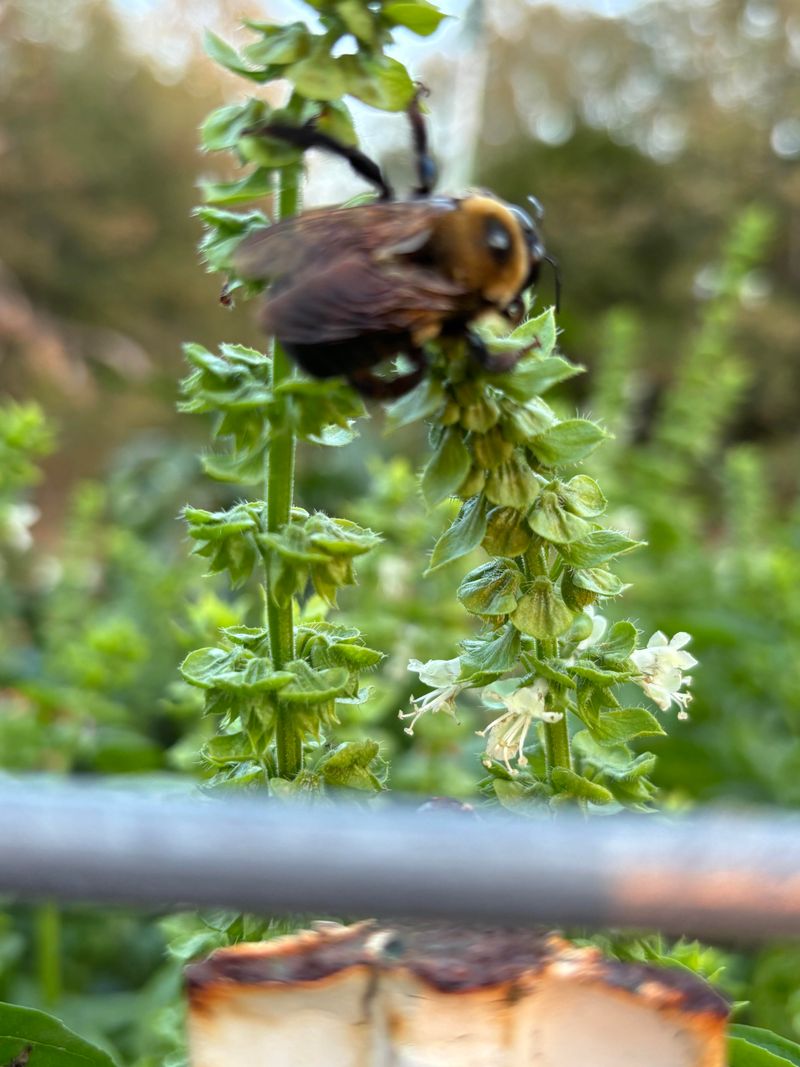
Picture a bee working through an Ohio garden in September, moving between blooms with obvious purpose.
That trip isn’t casual. Late summer flowers supply the food pollinators need as seasons shift. Some bees are still raising young, and many are building energy reserves from nectar and pollen.
Continuous bloom matters considerably, since gaps in flowering leave insects short on resources.
Basil isn’t the only plant that helps, and in Ohio it functions as one more useful stop during a leaner stretch of the year.
Letting a few stems bloom adds to what’s available rather than removing something.
That contribution matters most in neighborhoods full of lawns, pavement, and tidy beds offering little nectar after midsummer.
A flowering herb pot on a porch seems small to us and reads differently to a bee moving yard to yard.
Gardeners tend to think about spring pollinators first, and late season support carries real weight too. Bees keep needing food after evenings start cooling.
Native bees in particular benefit, since many are active well into fall and rely on whatever remains blooming.
Keeping some basil flowers around helps bridge the gap between summer abundance and shorter days. That single choice turns a common kitchen herb into timely food across your block.
4. Seeds Form For Next Year Planting
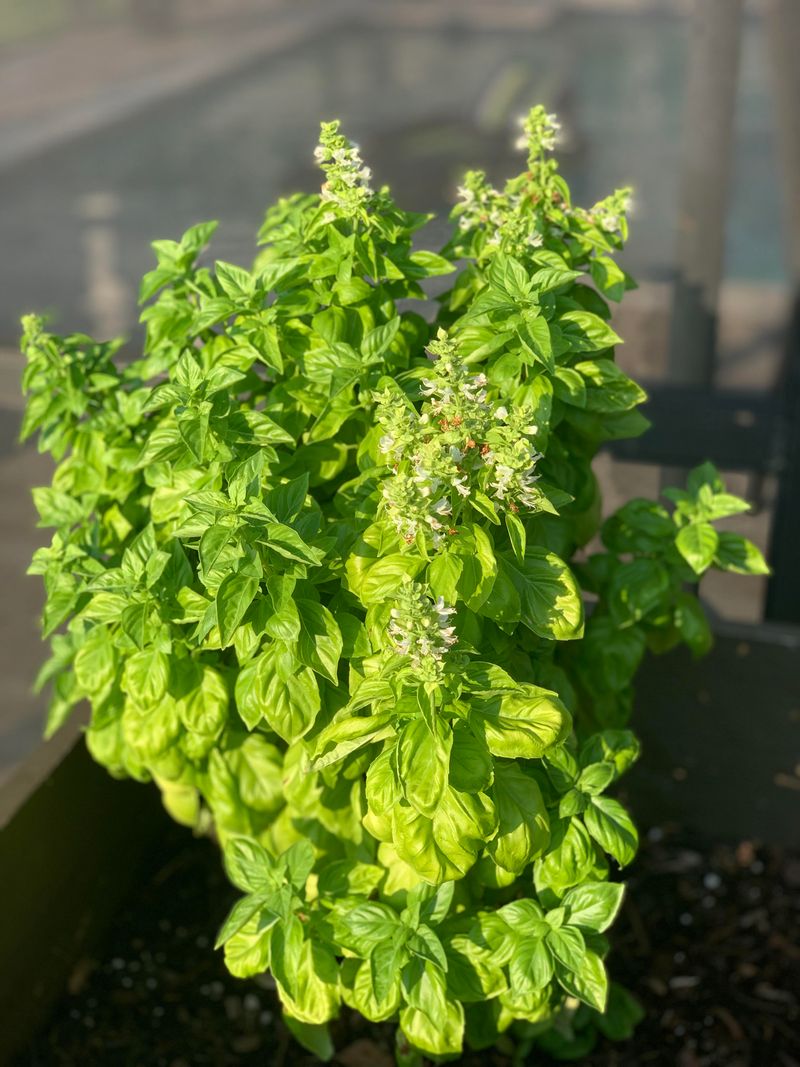
Some gardeners welcome basil flowers because they see next year’s plants developing. Once blooms are pollinated and dry down, seeds form, which lets you save part of your crop for spring.
That helps in Ohio, where gardeners replant basil annually after frost danger passes.
Seed saving isn’t difficult and does require patience. Flower spikes need to mature, turn brown, and finish completely before you collect them.
A paper bag, a dry location, and a label with the variety name cover the whole setup.
Rubbing dried spikes between your fingers releases the small black seeds, which separate from the chaff fairly easily.
If you grew a variety that handled Ohio heat well, saving seed keeps a plant you already liked.
One caution applies. Saved seed may not come true if different basils crossed, so results vary from year to year.
Genovese, Thai, and lemon basil growing near each other will cross readily. Even so, collecting seed from flowering stems is a practical return on leaving part of the plant alone.
Bees get blooms now and you get free starts later.
Basil seed generally stays viable for several years when stored somewhere cool and dry, so one good collection covers multiple seasons.
5. Flavor Changes But Leaves Stay Useful
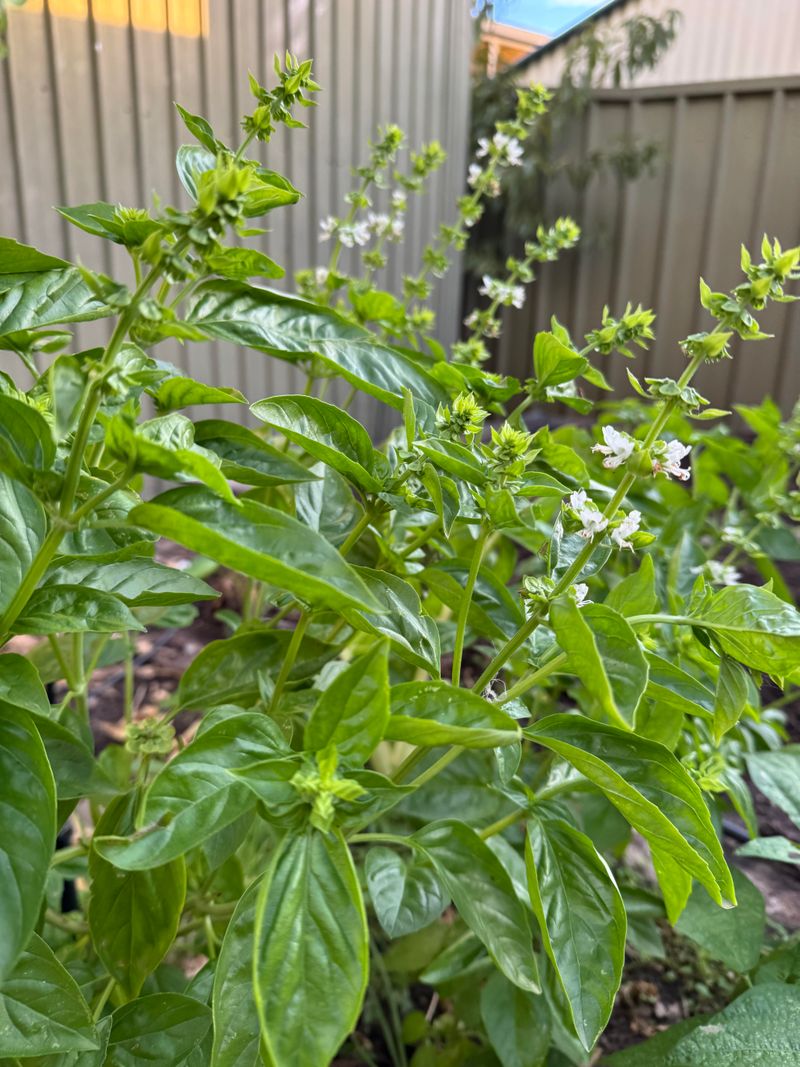
Here’s the honest part gardeners learn eventually. Once basil flowers, the leaves often taste stronger and tougher, sometimes with more bitterness.
Pinching buds keeps leaf quality going longer, which is the whole reason that advice exists.
Those leaves don’t belong in the compost though. They work well in cooked dishes, where garlic, olive oil, tomatoes, or cheese soften the sharper flavor considerably.
A flowering plant won’t produce your best fresh caprese, and it still earns a place in sauce, soup, or infused vinegar.
Pesto made from post-bolt leaves comes out stronger, which some people prefer and others find too assertive.
Many Ohio gardeners solve this with a split plan.
Harvest frequently from one or two plants intended for eating, and let another plant or a few upper stems bloom for bees.
That approach removes the choice between flavor and pollinator support entirely.
Trimming flowers after bees have had time with them can encourage some additional leaf growth. Results vary once basil has fully bolted, and a light reset still helps sometimes.
The point is balance rather than perfection.
Flowering changes the harvest without ruining the plant, and smart timing lets you use the leaves while keeping the garden working for both dinner and the bees.
6. Cutting Back Delays Bee Friendly Blooms
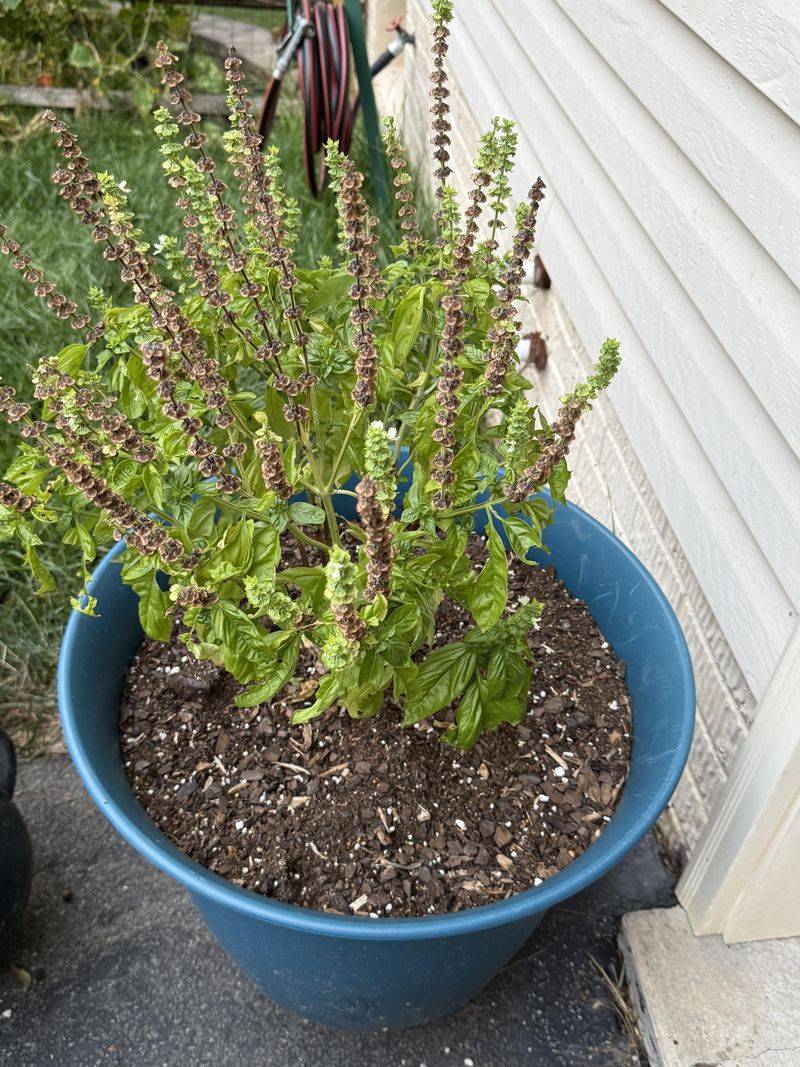
Pinching basil is the classic gardener move for good reason.
Removing top buds keeps the plant bushier and leafier considerably longer, which serves anyone focused on pesto.
Every pinch also delays flowers bees could be using later in the Ohio season.
Standard guidance recommends removing flower buds to maintain leaf production, which means gardeners are actively choosing leaves over blooms with each cut.
Nothing wrong with that decision through much of summer. The issue arises when we forget pollinators benefit from flowers too.
A plant held in constant leafy mode never opens the blooms it would otherwise produce.
Matching your pruning to actual goals works better than pinching on autopilot. Early in the season, pinch frequently if leaves are the priority.
By late summer, consider stopping on one plant or a few stems so flower spikes can rise and feed bees.
You keep control of the garden while making room for a second purpose. That shift turns a strictly culinary herb into shared space.
It also lets you observe the plant’s full cycle rather than only the parts ending up in a bowl.
Sometimes good gardening means harvesting less aggressively for a stretch so something nearby benefits.
7. A Few Stems Make A Real Difference
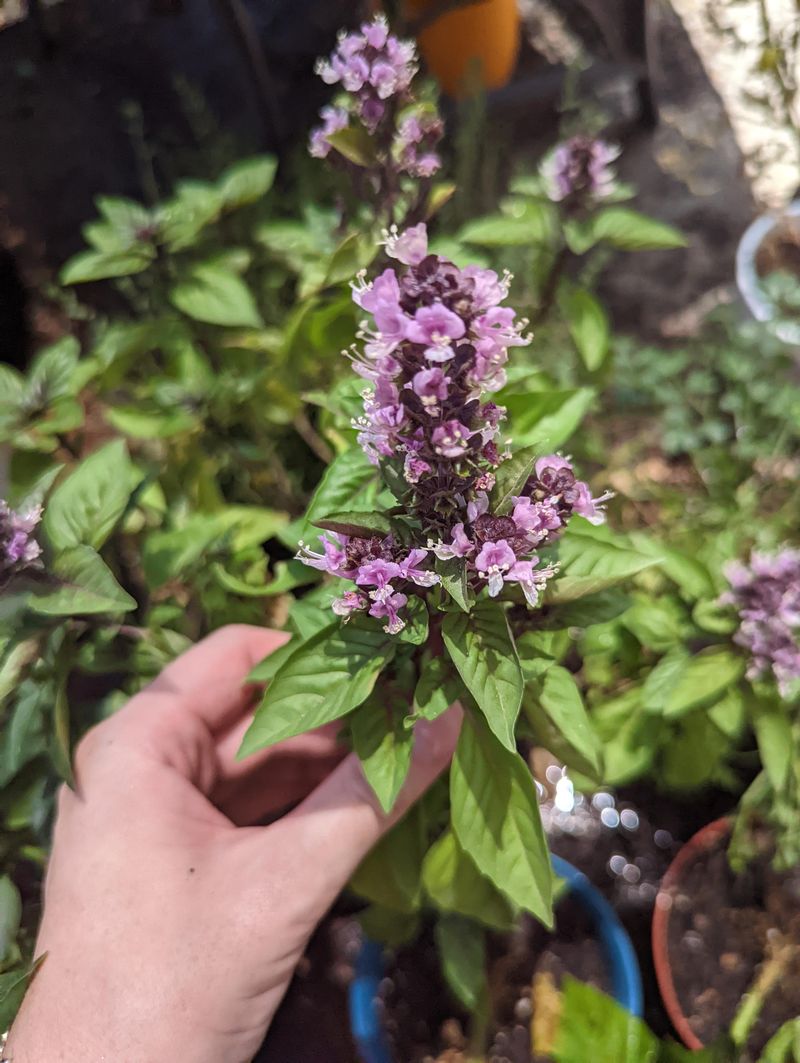
Good gardening rarely requires all or nothing. Turning every basil plant into a bee station isn’t necessary, and neither is removing every bud that appears.
A few blooming stems create a workable middle path.
That compromise fits actual life. Maybe you cook with basil weekly while also wanting your Ohio yard or balcony to help pollinators.
Let one container plant flower, or leave top growth on one side of a larger plant while harvesting the rest.
Bees don’t need a field to notice useful flowers. Repeated visits happen on a handful of spikes, particularly during warm late summer weather.
For you, a small habit change brings visible activity to the garden without affecting dinner plans.
Try watching at the same time each day for a week. You may spot honey bees, tiny native bees, hover flies, and other visitors stopping in.
That kind of observation often changes how a gardener feels about a plant that bolted. What looked like a lost harvest starts reading as shared abundance.
Different basil varieties bloom at slightly different times too, so growing a couple types stretches the flowering window further.
Leaving even a modest number of flowers makes room for both food and life, which is a reasonable trade in Ohio’s late season.
8. How To Manage A Flowering Basil Plant
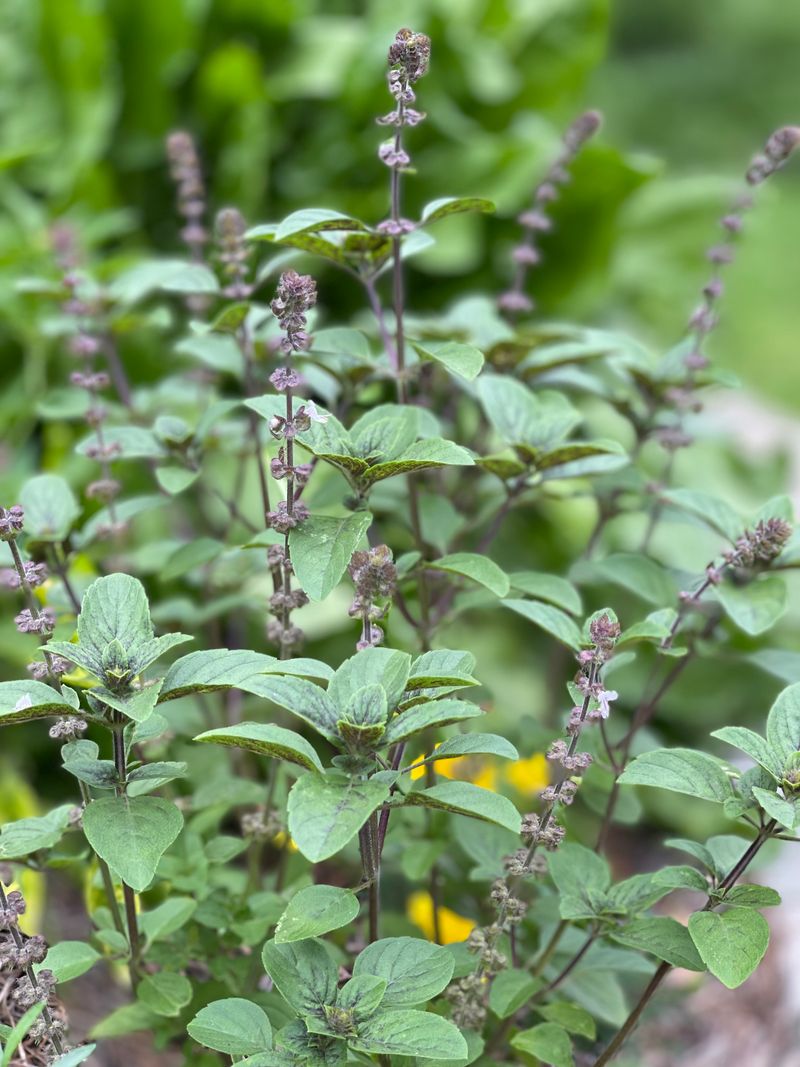
Letting basil bloom works better with a small amount of planning.
Start by deciding which plants do which job. Two or three plants kept pinched supply the kitchen while one or two left alone handle the flowering.
Container plants make good candidates for the bloom role, since you can position them where you’ll actually see the bees.
Timing matters more than most people realize.
Stop pinching around late July or early August in Ohio, which gives spikes time to open before cooler weather slows insect activity.
Basil left to flower keeps producing new spikes for weeks rather than blooming once and quitting.
Water and light still matter during that stretch. A stressed plant produces fewer flowers, so keep soil consistently moist and leave the plant in full sun.
Skip fertilizer at this point, since nitrogen pushes leaf growth against what you’re trying to encourage.
Frost ends the whole arrangement, so watch the forecast if you want seed from those spikes. Basil is genuinely tender and the first frost finishes it completely.
Cutting a few spikes for a vase indoors is worth doing before that happens.
One last note on placement: basil flowering near vegetables draws pollinators to that whole area, which can help fruit set on nearby squash, cucumbers, and beans.
That secondary benefit makes the decision easier for anyone still hesitant about giving up leaves.