Why Oregon Gardens Can Dry Out Faster Than Expected Late In Summer
You’ve watered all summer.
Every few days, sometimes daily, without missing much. The hose has earned its keep.
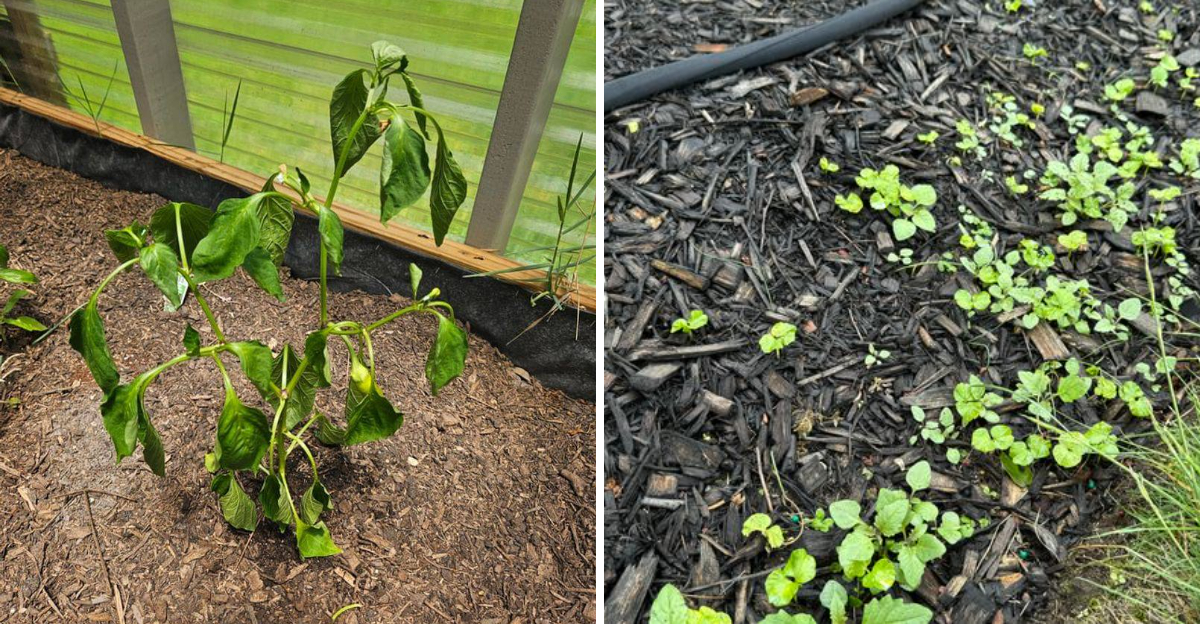
Then one evening in late August you walk out and the tomatoes are drooping. The hydrangeas look exhausted. Something in the back bed has crisped at the edges.
That doesn’t add up, until you dig down a few inches.
Here’s what happens in Oregon that catches people off guard.
Western Oregon runs a dry-summer pattern, which means many gardens go months with essentially no rain. Soil starts the season holding moisture from spring and gradually spends it down.
Regular watering replaces some of that. Often not all of it.
So a deficit builds quietly across July and August while everything above ground looks fine. By late summer the gap shows up all at once.
Curious why your garden dried out faster than expected?
1. Soil Moisture Drops After Months Without Rain
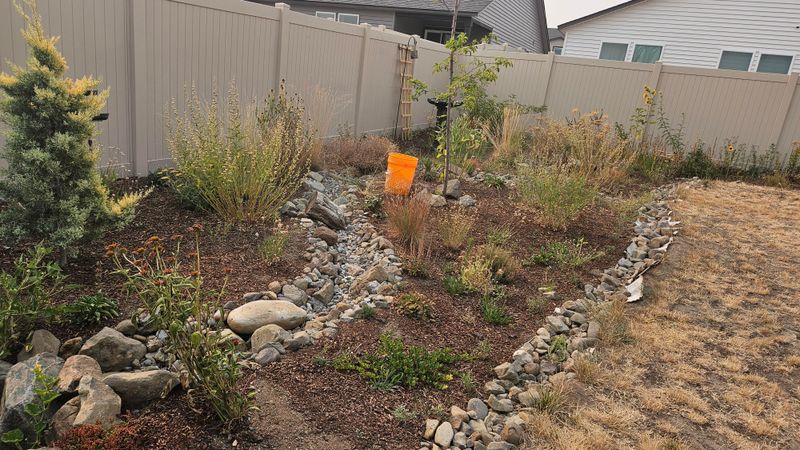
By late summer, Oregon gardens can look reasonable on top while the soil below runs low. Much of western Oregon follows a dry-summer Mediterranean pattern, with many areas going weeks or months without meaningful rain.
That long stretch matters in a specific way. The ground keeps losing stored moisture gradually rather than all at once, which makes the problem hard to notice until it’s advanced.
Early in summer, soil often still holds water from spring rain. As July turns into August, plants keep drawing on it while sun heats the surface and evaporation removes the rest.
Regular watering may only replace part of that loss. Gardeners frequently see the top inch dampen and assume the root zone is handled.
Deeper layers often stay dry, particularly in sandy soil or beds near foundations and sidewalks where reflected heat adds to the demand.
A trowel check a few inches down settles the question. It reveals whether moisture is actually reaching roots or stopping at the surface.
The answer usually isn’t more frequent watering. Slower deeper application that soaks farther down works considerably better.
Soil type shapes the approach too. Clay holds water longer while accepting it slowly, so runoff wastes what you apply if the flow rate exceeds absorption.
A rainless Oregon summer creates a deficit that keeps building long after the season first felt warm.
2. Established Roots Still Need Deep Watering
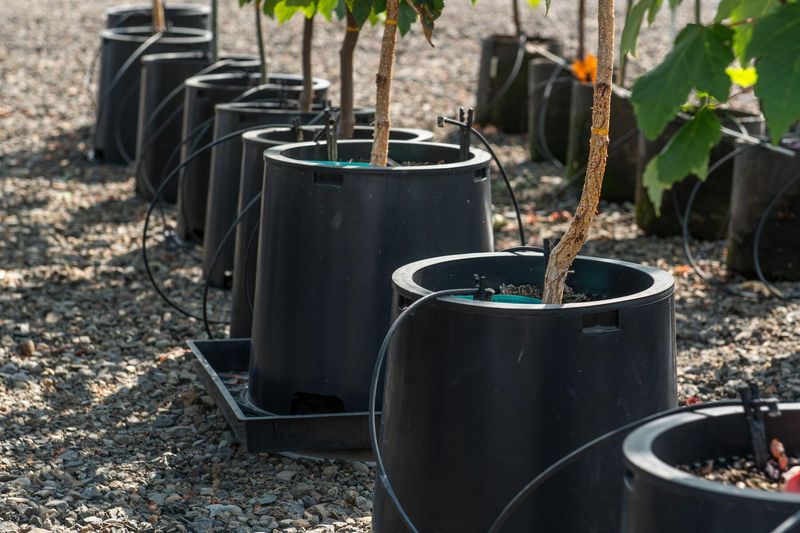
A plant that sailed through June can look worn out by August. That shift confuses gardeners because established plants get described as drought tolerant so often.
A useful distinction applies here. Established doesn’t mean never needing water through a long dry spell.
Roots on older shrubs, perennials, and even tough natives generally spread wider and deeper than roots on new plants. That helps them handle dry weather without making them unlimited.
After months without rain, the soil those roots depend on dries well below the surface. Shallow watering compounds the problem by training roots to stay near the top where soil dries fastest.
Deep watering moves moisture lower, where plants can access it for longer stretches. A slow soak from drip lines, soaker hoses, or a gentle hose trickle beats a quick spray consistently.
Your Oregon Garden Changes Every Week. Your Plan Should Too.
Gardening in Oregon changes quickly throughout the season. Every Friday you’ll receive a simple weekly plan showing exactly what to plant, prune, fertilize, harvest, and protect so you never miss the right timing.
Leaves offer clues worth reading. Dull color, curled edges, slowed growth, and afternoon droop persisting into evening all suggest deeper moisture is running short.
Daily watering isn’t the answer here. It wastes water and encourages the shallow root systems that cause trouble later.
Native plants deserve a note. Many Oregon natives handle summer drought naturally and prefer dry conditions, so watering them like a vegetable bed causes its own problems.
Occasional long drinks based on soil checks serve established plants best.
3. Container Plants Dry Out Even Faster
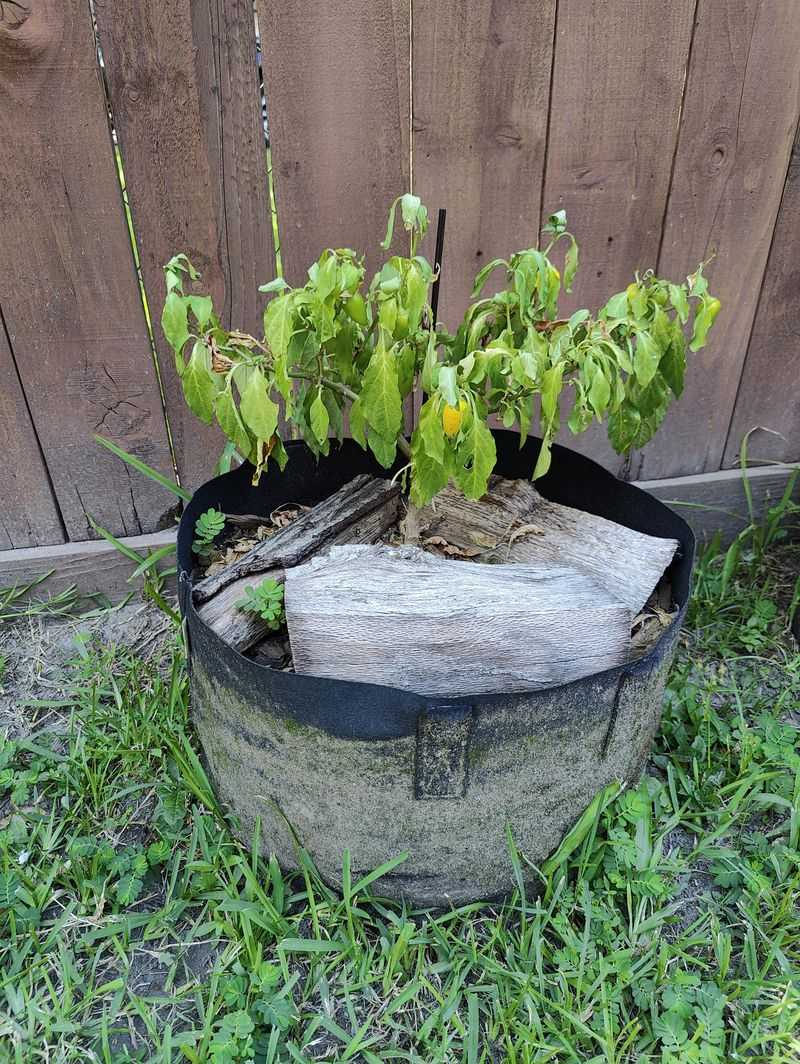
Anyone growing plants in pots knows the late-summer pattern. You water in the morning and by evening the leaves already look tired.
Containers dry faster than beds for structural reasons. They hold less soil and expose more surface area, so sun and air warm the pot from every direction.
Oregon’s long dry stretch compounds that as summer progresses. By August, roots may fill most of the container, leaving less soil to store water at all.
Tightly packed roots use available moisture very quickly, especially on hot decks, driveways, and balconies where reflected heat adds to the load.
Pot material affects the rate considerably. Terra-cotta loses water through its walls while black plastic heats rapidly in direct sun.
Hanging baskets run thirstiest of all. Wind reaches them from every side and water drains straight through the bottom.
Checking pot weight by hand works well as a habit. A light pot generally needs water while a heavier one may still hold enough.
Water until it drains from the bottom, then empty saucers if standing water could cause problems.
Grouping containers together, moving fragile ones into afternoon shade, and mulching the potting surface all slow drying. Repotting into a larger container helps a root-bound plant more than any watering adjustment will.
Some Oregon container plants need water twice daily during hot windy spells.
4. Wind And Heat Pull Moisture Quickly
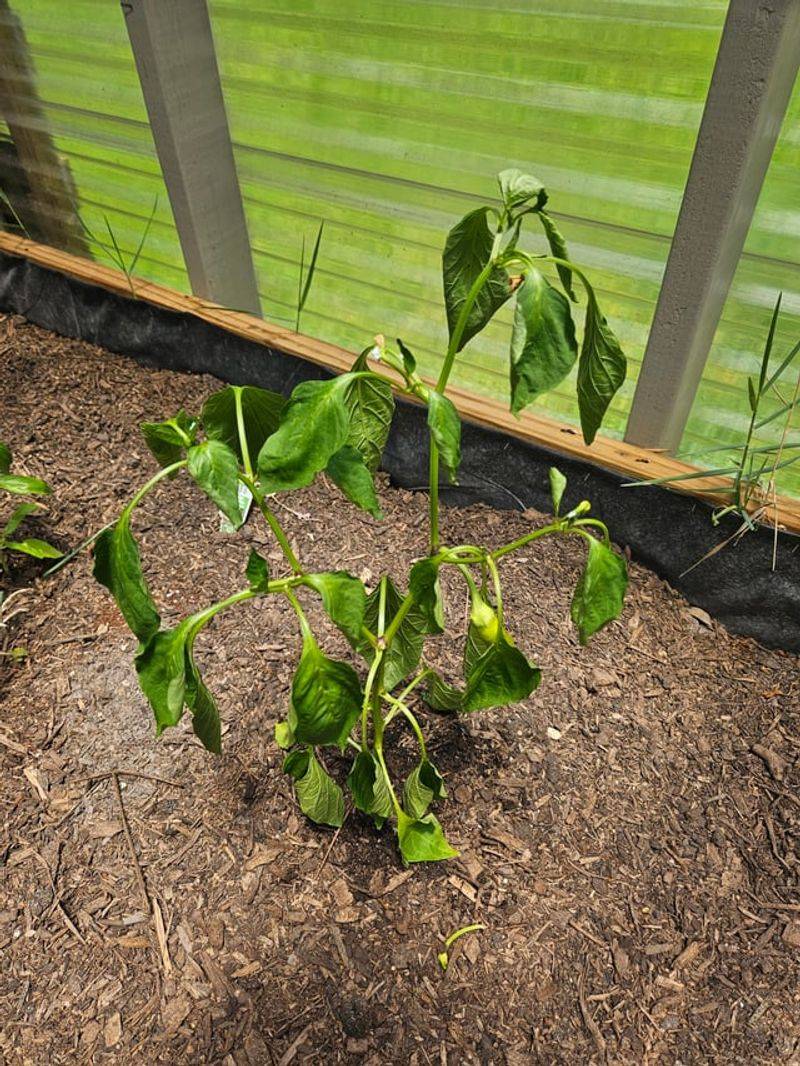
Heat takes most of the blame while wind does more damage than people credit. A garden doesn’t need record temperatures to lose water fast.
Warm air moving across leaves and soil increases evaporation from the ground and transpiration from the plant simultaneously. That combination explains why some Oregon gardens dry faster on breezy eighty-degree days than on calm hotter ones.
Exposed yards, hilltops, and gardens near open fields feel this most strongly. Raised beds dry quickly too, since more soil surface sits open to moving air on every side.
Plants release water through small openings in their leaves as part of normal function. When roots can’t replace that moisture fast enough, leaves droop, curl, or develop dry margins.
Stress typically shows in the afternoon first, then lingers longer as late summer continues.
East wind events in the Willamette Valley deserve specific attention. Dry offshore flow can strip moisture from plants remarkably fast, sometimes within a single afternoon.
A simple windbreak helps considerably. Fences with small gaps, well-placed shrubs, and temporary shade cloth all reduce loss without eliminating airflow entirely.
Morning watering gives roots time to absorb moisture before the hottest windiest part of the day.
Mulch contributes here too, shielding the soil surface from both sun and moving air.
5. Mulch Loss Exposes Soil To The Sun
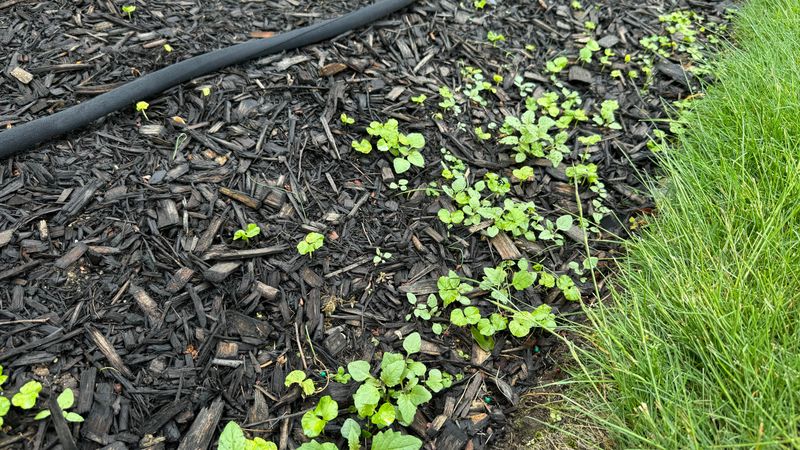
Mulch usually starts summer looking generous, then thins out before anyone notices. By late summer that missing layer makes a measurable difference.
Sun reaches bare soil directly, the surface warms faster, and water escapes sooner after each irrigation.
Mulch ranks among the more practical tools for conserving soil moisture. A good layer of bark, compost, leaves, or similar material functions as a shield over the ground.
It slows evaporation, moderates temperature swings, and reduces the surface crusting that causes runoff.
Over time mulch breaks down, blows away, or gets displaced during planting and weeding. Sloped beds and areas near sprinklers lose coverage faster than flat protected spots.
Once soil is exposed, roots in the upper zone experience more heat and dry out between waterings.
Refreshing mulch in late summer is one of the easiest water-saving jobs in a yard. Aim for two to three inches covering the soil without piling against stems or trunks.
Leaving space around crowns and woody bases prevents rot problems.
Material choice matters. Bark holds up longer than compost, which breaks down faster while improving soil structure more as it goes.
If water disappears quickly after irrigation, check mulch depth before overhauling your whole schedule.
6. Established Trees Compete For Ground Water
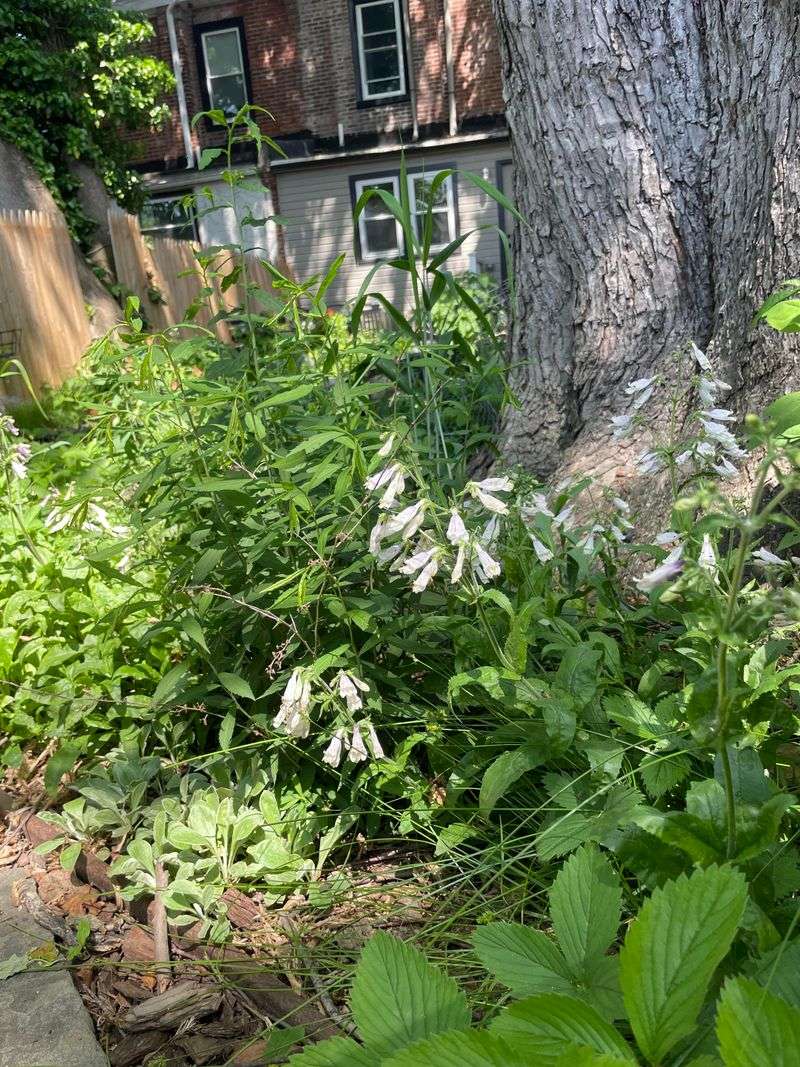
A flower bed can appear well watered and still struggle when a large tree sits nearby. Mature trees have extensive root systems searching for available water across a wide area.
By late summer, those roots compete directly with shrubs, vegetables, and perennials growing under or near the canopy.
Gardeners expect competition only close to the trunk. Feeder roots actually spread well beyond that, often reaching past the outer branches.
Many of those roots occupy the same upper soil layers where smaller plants are trying to draw moisture. After months without rain, that shared supply becomes limited and the larger system generally wins.
Results look puzzling from the surface. Plants in one part of the yard perform fine while the bed near a maple, birch, or fir wilts first.
Soil there stays drier partly because the canopy intercepts overhead watering and blocks light rain from reaching the ground.
Douglas fir is worth mentioning specifically. Dense canopy plus aggressive root competition makes planting underneath one genuinely difficult in Oregon yards.
Extra care helps. Water smaller plants deeply and slowly so moisture sinks below the surface, and choose species that handle dry shade.
Digging aggressively through tree roots harms the tree without solving the problem.
7. Watch For Wilting Before Damage Sets In
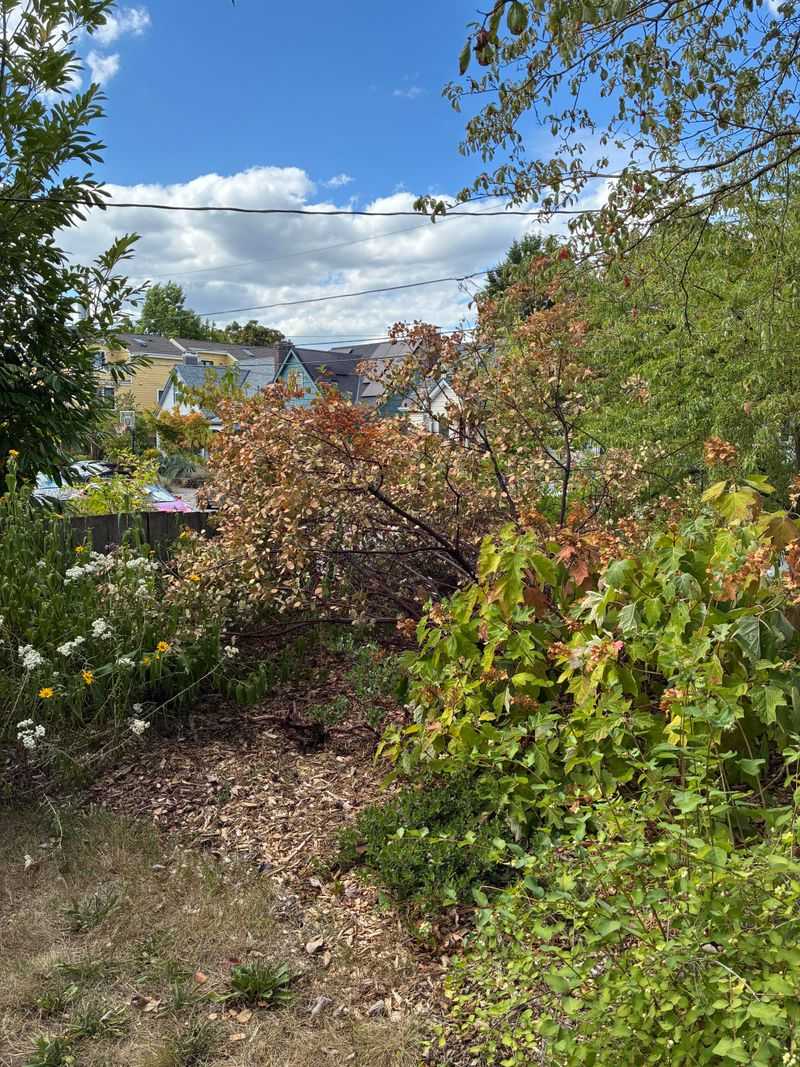
Plants rarely go from healthy to badly stressed overnight. Most provide quiet warnings first, and late summer is when those warnings matter most.
Some afternoon droop is normal on hot days. Leaves staying limp into evening usually indicate the root zone has run too dry.
Other signs are easier to overlook initially. Look for dull or grayish leaf color, crisp edges, slowed growth, smaller fruit, dropped blossoms, and older leaves yellowing earlier than usual.
Hydrangeas, vegetables, shallow-rooted perennials, and young shrubs all show stress quickly. Even established plants fade after a long Oregon dry spell.
Checking soil beats guessing from appearance. Push a trowel or screwdriver into the ground, or feel several inches down with your finger.
Dry soil where roots are active calls for deep slow watering rather than a brief sprinkle.
One complication is worth knowing. Overwatered plants wilt too, since saturated soil limits oxygen to roots, so checking moisture distinguishes the two situations.
Morning inspection works best, since stress shows clearly before the day heats up.
Notes on which beds dry first reveal patterns caused by wind, tree roots, containers, or thin mulch. Quick response prevents leaf scorch and stalled growth that takes weeks to recover from.
8. Adjust Your Watering Before Fall Rain Returns
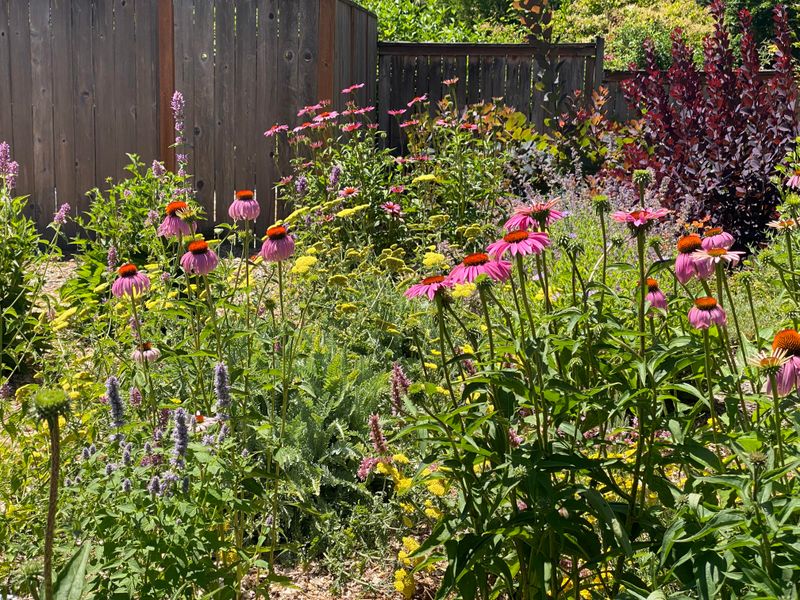
September in Oregon plays tricks on gardeners. Cooler mornings suggest the dry season has ended while afternoon temperatures and low humidity keep pulling moisture from soil.
That gap between how the air feels and what plants experience causes real problems. Watering often gets reduced weeks before the ground actually needs less.
Day length matters here too. Shorter days mean plants use somewhat less water, and the soil deficit built over summer hasn’t resolved just because the calendar turned.
Established trees and shrubs benefit from continued deep watering into fall. Roots stay active well after top growth slows, and plants entering winter with dry soil handle cold considerably worse.
Evergreens deserve particular attention in Oregon. They lose moisture through their foliage all winter, and frozen or dry soil prevents replacement.
Watch what rain actually delivers rather than what the forecast promised. A quarter inch of drizzle wets the surface without reaching the root zone at all.
Rain gauges cost almost nothing and settle these questions definitively. Checking soil moisture after a shower usually reveals less penetration than expected.
Irrigation timers need attention as the season shifts. Systems running a July schedule through October waste water and can keep soil wetter than plants prefer once real rain arrives.
Once consistent fall rain begins, shut irrigation off entirely rather than supplementing it. Oregon winters supply plenty without help.
Newly planted trees and shrubs stay on the watering list longest, since their limited roots can’t reach much soil yet.