Ways To Stop White-Tailed Deer From Eating Your Newly Planted Georgia Fall Crops
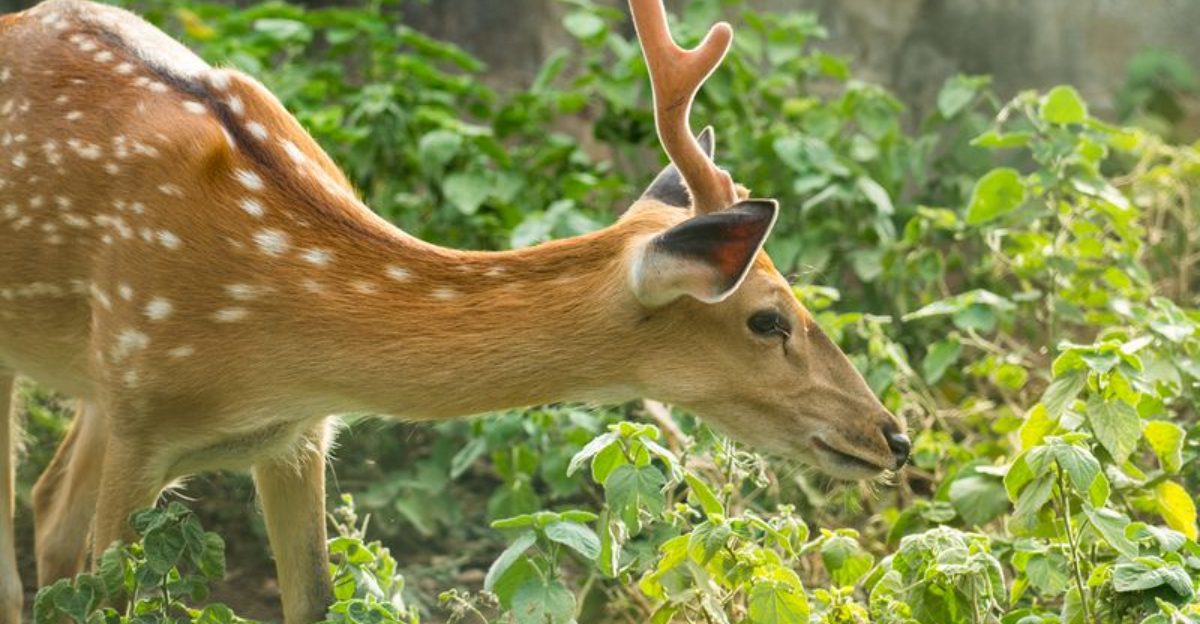
A leaf snapped off at a clean forty-five-degree angle, three inches above the soil, rules out rabbits, their bites tear ragged and low. By morning, an entire row of young Georgia seedlings looks like someone ran garden shears down the bed.
The print pressed into the mud beside the hose settles the question: two narrow, heart-shaped hooves, spaced wide enough to belong to something patient and unhurried.
Fall planting season in this state has quietly turned into a nightly standoff between your seed packets and a browser with sharper hearing than any watchdog. Georgia gardeners have been holding their ground in that standoff for generations.
Here are the tactics that actually work this weekend, most of them built from what’s already sitting in your shed.
1. Installing Tall Woven-Wire Fencing Around Autumn Garden Beds
Ask a longtime Georgia gardener about their first collard patch, and you will likely hear a tale about a fence that came up short. Whitetails clear five feet with room to spare, so height beats muscle every time.
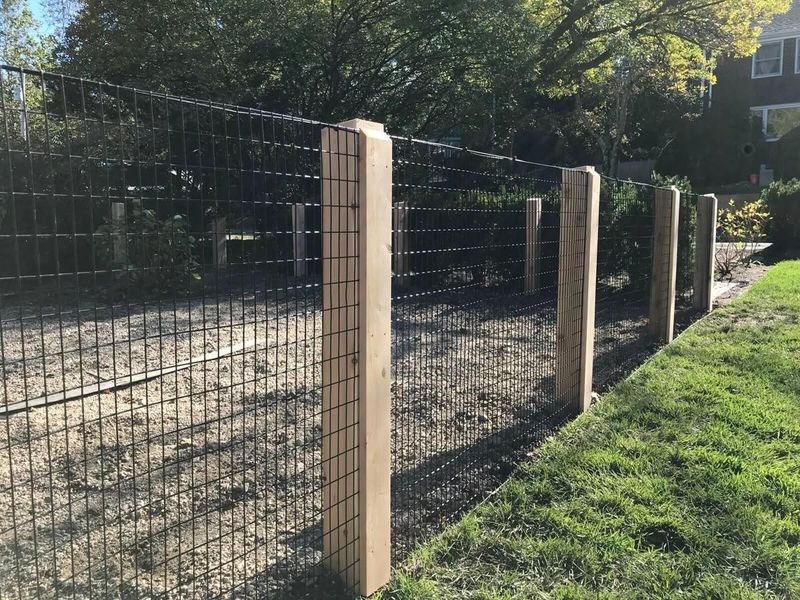
Woven wire at seven or eight feet gives the steadiest protection for a fall garden. If that height feels like too much, set two shorter fences about four feet apart, since the animals struggle to judge depth.
Sink your posts before autumn rain turns the red clay into pudding, and tamp each one firmly. Metal T-posts spaced eight to ten feet apart hold woven wire steady through winter wind and the weight of wet vines.
Angling the top foot outward at roughly forty-five degrees adds another layer of doubt, because a jumper reads the slant as a wider obstacle. Pin the bottom edge tight to the soil so nothing squeezes underneath.
Small raised beds do fine with a cattle panel bent into an arch. Gardeners around Athens and Macon often split a bundle of panels, which trims the cost nicely.
A single strand of electrified polytape at nose height, baited with a dab of peanut butter on foil, teaches a memorable lesson without harm. Many growers use it as a first line and save tall wire for the main plot.
Walk the perimeter weekly, looking for bent wire, loose clips, or a gate left open by a helpful relative. Quick fixes in October spare you from reseeding turnips in November.
2. Layering Scent-Based Repellents On Tender New Growth
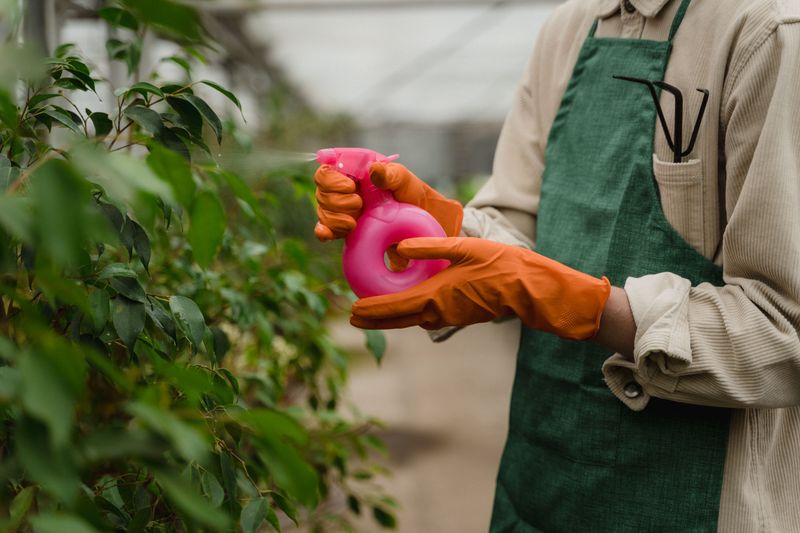
There is one smell that turns a browsing whitetail around, and it usually involves rotten eggs. Egg-based sprays coat leaves with a sulfur odor that reads as danger to a nose built for sniffing out trouble in the woods.
Garlic, hot pepper, and soap-based mixes work too, although each one fades on its own schedule. Georgia autumns bring warm afternoons and sudden downpours, so plan on reapplying every ten to fourteen days.
Rotation is the real secret here. Animals learn quickly, and one scent used all season fades into background noise, so switching products every few weeks keeps noses uncertain.
Spray in late afternoon when leaves are dry and no rain sits in the forecast overnight. Focus on tender new growth along the outer edge of each bed, since that is what gets sampled first.
Your Georgia Garden Changes Every Week. Your Plan Should Too.
Gardening in Georgia changes quickly throughout the season. Every Friday you’ll receive a simple weekly plan showing exactly what to plant, prune, fertilize, harvest, and protect so you never miss the right timing.
Homemade blends stay easy on the wallet. Whisk three eggs into a gallon of water, add a spoon of dish soap and a spoon of cayenne, then strain the mix before it reaches your sprayer.
Read the label before treating anything headed for your kitchen, because some commercial products are meant for ornamental plants only. Rinse harvested greens well, and write the spray date on a wooden stake so the schedule stays clear.
Scent performs best as a partner rather than a solo act. Combine sprays with a physical barrier, and the pair holds up much better through the hungry weeks of late autumn.
3. Stringing Fishing Line At Chest Height For Confusion
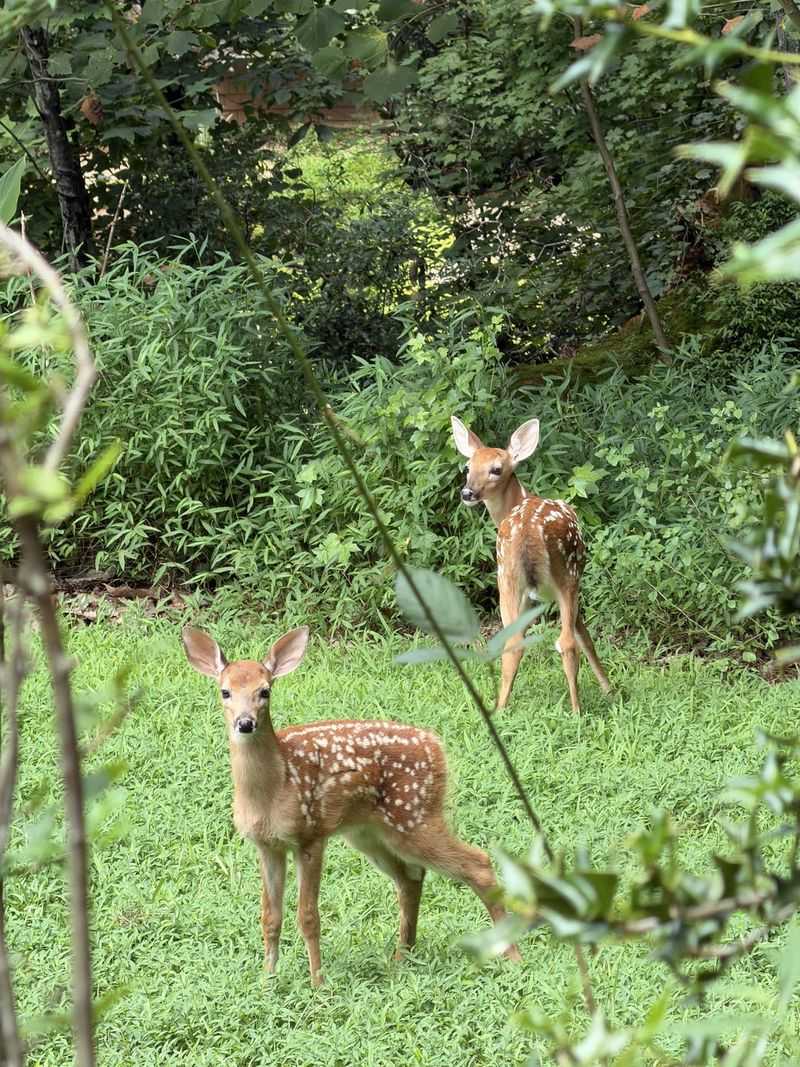
Here is a trick borrowed from Georgia orchard growers: one spool of monofilament fishing line, cheaper than a bag of seed, can turn a bold browser into a nervous one that keeps its distance.
Whitetails lean on their noses and ears far more than their eyes, so an unseen strand pressing against the chest feels like a trap. Most animals back off instead of shoving through something they cannot identify.
Run twenty-pound test line around your beds at three heights, about eighteen, thirty, and forty inches off the ground. Fiberglass stakes or wooden posts work fine, and each strand should be taut enough to hum when you tap it.
Tie short strips of surveyor tape every few feet so relatives, meter readers, and children spot the line in daylight. The strips flutter in the breeze as well, which adds a second layer of unease for a cautious visitor.
The method shines around modest plots of greens, herb rows, and freshly seeded carrot beds. Bigger fields usually call for real fencing, though line can guard a weak corner while you budget for woven wire.
Retighten everything after storms, since falling limbs and heavy dew leave strands sagging by morning. A quick tug test each Saturday keeps the whole setup honest.
Combining line with a scent spray raises your odds, because one deterrent speaks to the nose while the other speaks to the body. Growers in Gwinnett County lean on that pairing through the busiest browsing weeks.
4. Adding Motion-Activated Sprinklers Near Vulnerable Rows
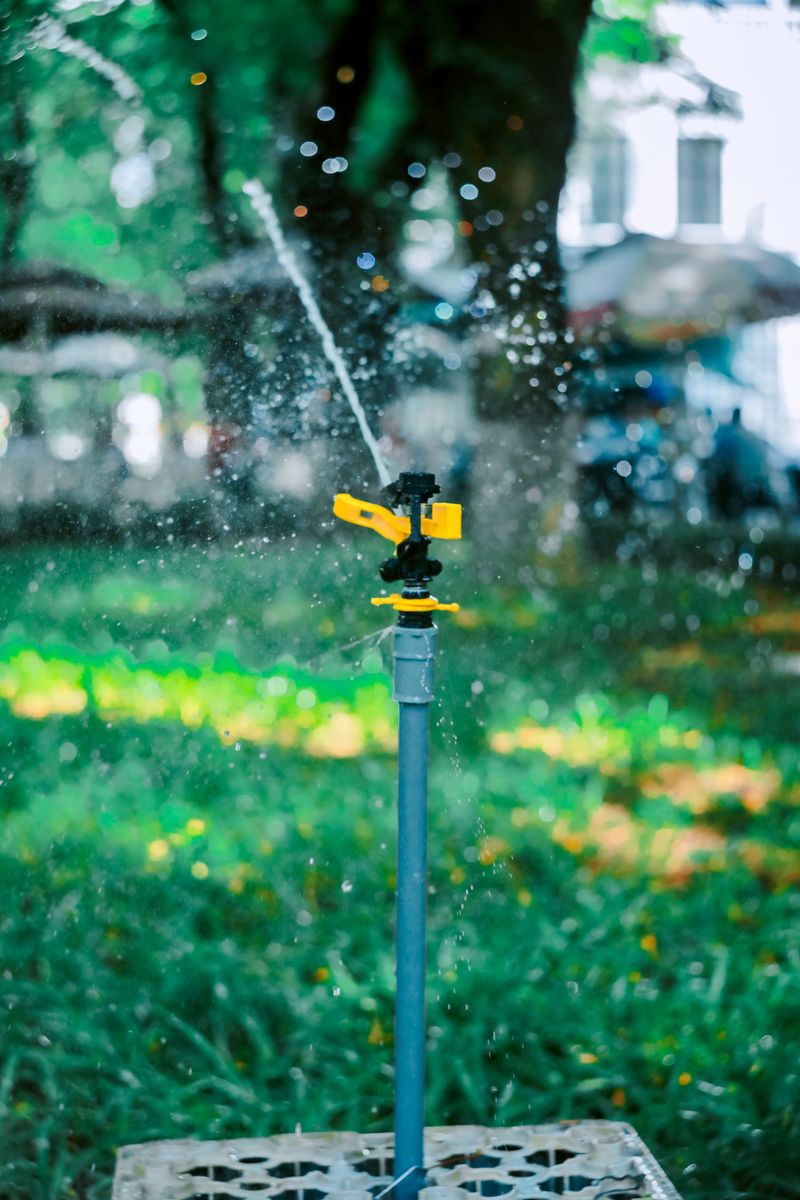
Picture a young buck strolling toward your broccoli at two in the morning, then picture a sudden cold spray across his shoulder. He leaves in a hurry, and he remembers the spot.
Motion-activated sprinklers read body heat and movement, then fire a short burst of water in an arc covering roughly thirty to forty feet. The clack of the valve does as much work as the water itself.
Set units along the trails you find pressed into the grass, usually the path between a wood line and your garden gate. Point the nozzle across the bed rather than at the walkway you use.
Steady hose pressure matters, so test the throw before trusting it overnight. Fresh batteries and a clean sensor lens keep the trigger quick during humid Georgia evenings.
Move each sprinkler a few feet every week or so. Animals map out safe routes with impressive speed, and a shifting hazard stays convincing much longer.
Drain the lines and store the units before the first hard freeze rolls through north Georgia, usually sometime in December. Cracked plastic in January is a sad way to lose good gear.
One friendly warning: label the sprinkler for guests, because a surprise shower at the mailbox makes for awkward conversation. Solar models exist too, which spares you the battery routine.
Two units usually cover a typical backyard plot, and a third helps if your yard backs up to timber. Gardeners often notice calmer nights within the first week.
5. Covering Seedlings With Floating Row Cover And Hoops
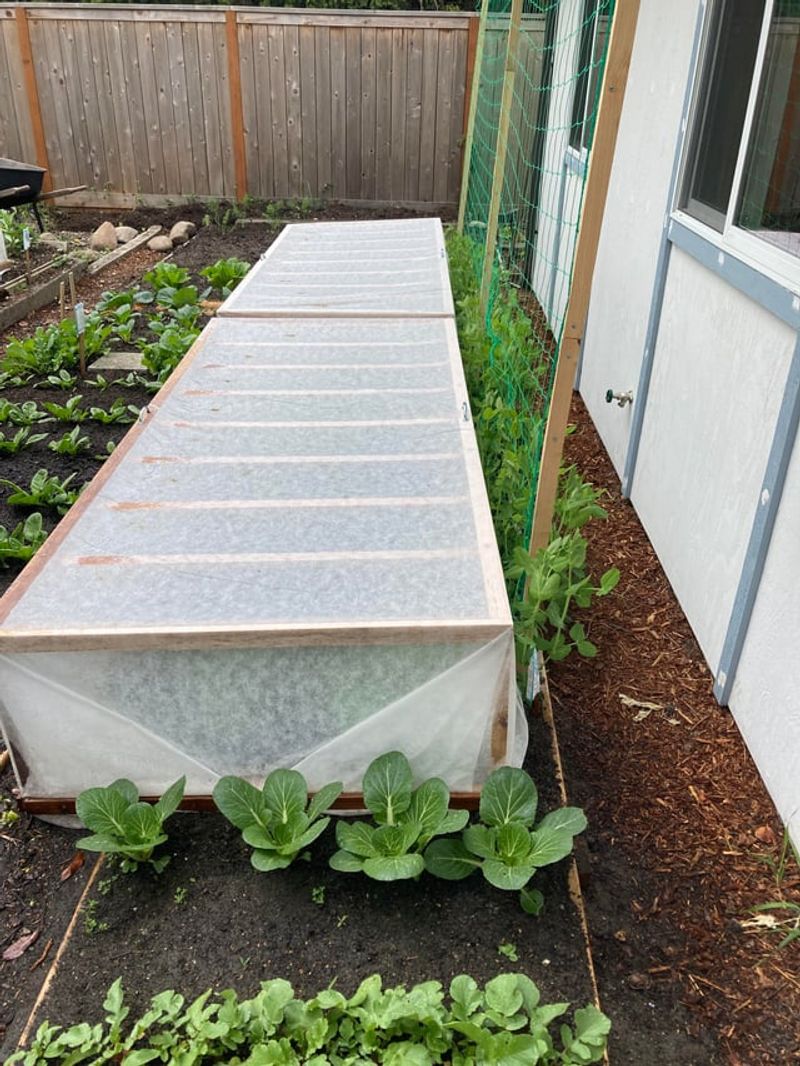
Floating row cover looks like a bolt of gauzy cloth, and it earns its keep twice over in a Georgia autumn. Leaves stay hidden from browsing mouths and stay warmer during a surprise cold snap.
Support the fabric on wire hoops so it floats a few inches above the plants. Cloth resting directly on collard leaves gives a curious muzzle something to grab right through the weave.
Bury the edges in soil, or clamp them to hoops and weigh the sides with sandbags and scrap lumber. Loose corners flap in the wind, and a flapping corner is an open invitation.
Lightweight grades pass most sunlight and rain, so daily removal is unnecessary for leafy fall crops. Heavier frost blankets hold warmth down toward the upper twenties, handy for spinach and kale up in the mountains.
Bonus benefit: the same barrier blocks cabbage loopers, harlequin bugs, and armyworms that pester brassicas from September onward. Fewer holes in your mustard greens is a fine side effect.
Peek underneath once or twice a week to check moisture, growth, and any hitchhiking caterpillars. Slip the cover back on before dusk, since browsing traffic picks up at twilight.
Cover rolls fold small and last several seasons when stored out of direct sun. Many Piedmont gardeners buy one wide roll and cut it to fit each bed.
For taller crops like staked peas, build a simple frame from PVC and drape the fabric over it. That extra ten minutes of building pays off by Thanksgiving.
6. Choosing Less Appealing Crop Varieties For Georgia Plots
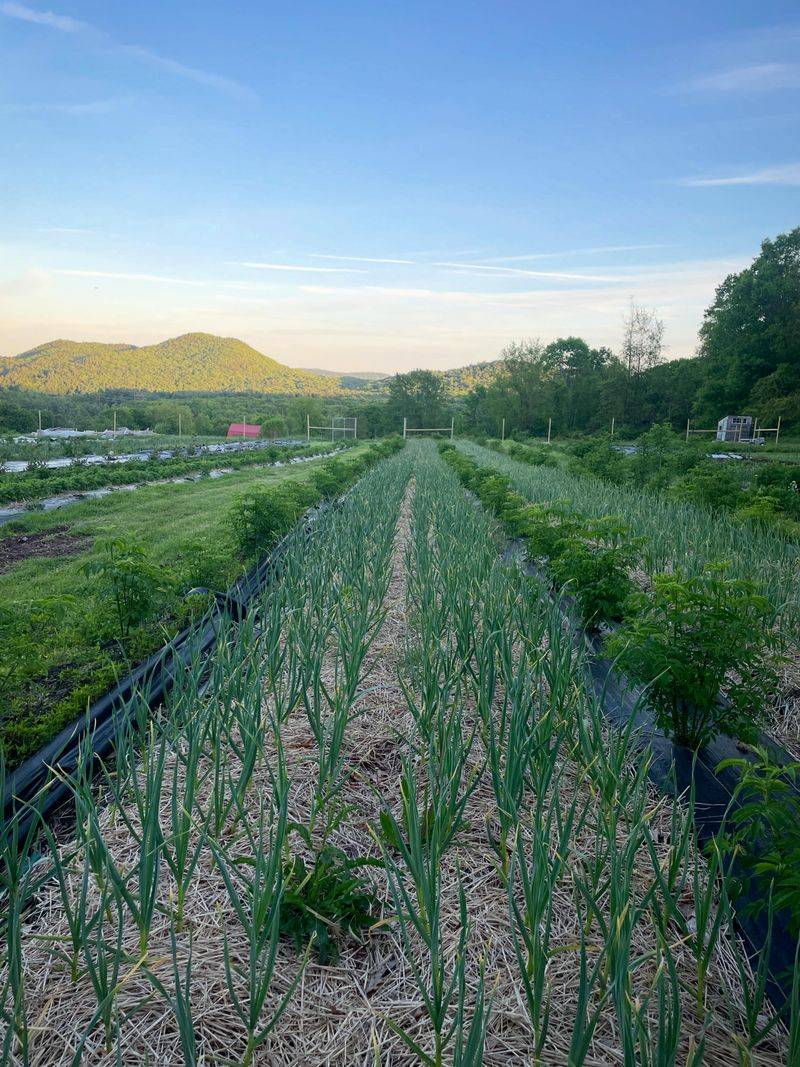
Not every seed packet looks equally tempting to a whitetail, and that difference can shape your whole fall plan. Tender collards, turnip greens, mustard, lettuce, and sweet peas rank near the top of their menu.
Strong smells and fuzzy or bitter leaves tend to get skipped. Garlic, onions, leeks, shallots, chives, rosemary, sage, thyme, and fennel usually stand untouched through the season, which is why old farm gardens often wore an onion border.
Plant the crowd pleasers inside your protected space, then ring the outside with the pungent stuff. A hedge of alliums and woody herbs works like a scented doormat that says move along.
Root crops offer another workaround. Beets, rutabaga, and carrots hide most of their value below the soil line, so a nibbled top rarely spoils your harvest.
Hunger changes the rules, though. During a dry October or after a poor acorn year in the Georgia hardwoods, animals will sample things they normally pass by.
Keep a small garden notebook and mark what got browsed and what stood tall. Two seasons of notes will teach you more about your own yard than any general chart.
Local extension agents through the University of Georgia keep regional lists worth requesting. A quick call to your county office costs nothing and often turns up variety tips for your exact soil and elevation.
Timing helps as well, since seedlings are most attractive during their first three weeks. Staggering plantings gives you a fresh crop coming along if an early sowing takes a hit.
7. Planting Sacrificial Food Plots Away From Main Garden
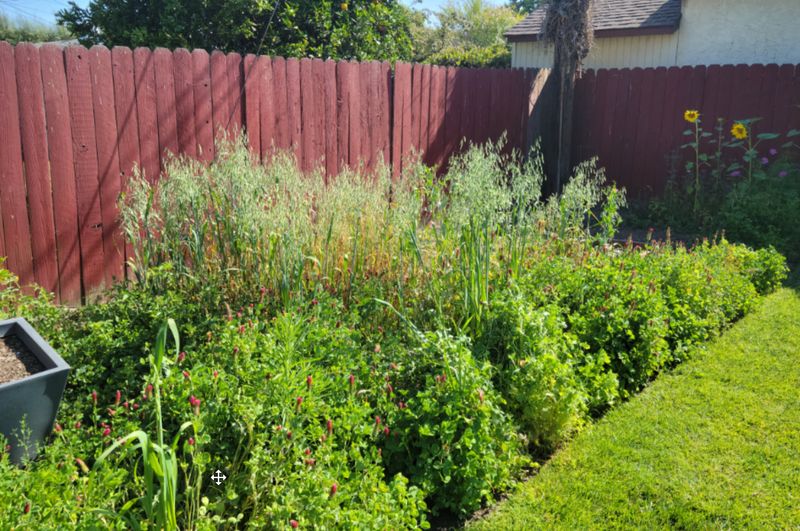
Hunters across south Georgia have a habit worth borrowing: give the herd a better restaurant than your vegetable bed. A planted food plot set well away from the garden pulls traffic in a new direction.
Cereal rye, oats, wheat, and crimson clover germinate fast in September and October rains. Whitetails favor those tender blades, and the mix also builds soil where you sow it.
Distance is the whole point, so aim for a spot at least a hundred yards out, ideally near a wood line with easy cover. Animals prefer feeding close to an escape route.
Broadcast seed on scratched-up soil, roll or rake it lightly, and let the autumn showers handle the rest. A soil test and a little lime pay off in red clay that leans acidic.
One honest caution: a decoy plot can invite more animals onto the property overall. Place it downwind and downhill from your rows, and keep the barrier around your greens in good repair.
Georgia rules draw a line between planted forage and bait piles, so check current DNR regulations before planting if hunting happens nearby. A quick annual check on current rules saves headaches.
Neighbors sometimes split seed and labor on a shared plot along a property line. Cheaper for everyone, and it moves browsing pressure off several gardens at once.
Mow or lightly disk the plot in late winter to keep it productive for the following season. A well-tended patch of rye can serve you for years with modest upkeep.
8. Rotating Noise, Light, And Visual Deterrents Weekly
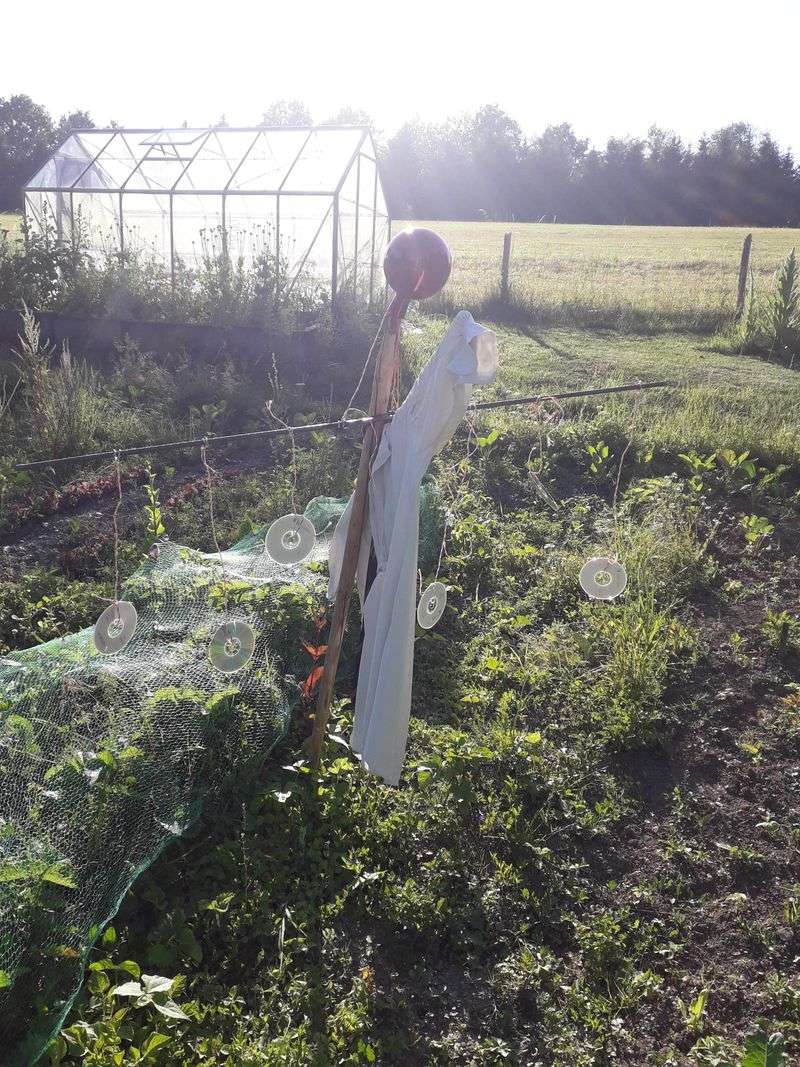
Whitetails are creatures of habit with excellent memories, which means any single scare tactic loses its punch. Rotation keeps them uncertain, and uncertainty is what protects your rows.
Build a small toolbox of surprises: strips of mylar tape, a battery radio tuned to a talk station, motion lights, wind chimes, and a couple of pinwheels. Swap two items every week.
Late October through November brings the rut across most of Georgia, when bucks travel far more than usual. Expect fresh visitors during those weeks and step up your rotation.
A dog with yard access ranks among the strongest deterrents around. Even a short evening patrol leaves scent that reads as risky territory, and a bark at dusk does plenty of convincing.
Human activity counts as well. Working in the garden at odd hours, hanging laundry nearby, or parking the truck beside the beds all scramble the routine a browser was counting on.
Keep a cheap notepad by the back door and jot down which item sits where. Rotation falls apart when nobody remembers what got moved last Sunday.
Stack your methods rather than betting on one. A fence, a scent, and a moving surprise together turn your fall garden into more trouble than the woods next door.
Neighbors on nearby streets usually see the same herd moving through, so trading notes about timing and tactics helps everybody. A group effort spreads the pressure and gives every garden a breather.