The Fire Ant Mistake That Turns Small Georgia Mounds Into Yard-Wide Colonies Overnight

A small fire ant mound is easy to ignore when it first appears. It does not seem like much, especially if it is tucked along the edge of the lawn or hidden beneath a shrub.
That is where many people make their biggest mistake. One well-intended action can cause the colony to spread instead of solving the problem.
Fire ants respond quickly when their nest is disturbed. Rather than disappearing, they may split into multiple colonies and establish new mounds nearby.
This happens in many parts of Georgia, especially during the warm months when colonies are active and expanding.
Knowing what not to do is just as important as knowing how to deal with fire ants. Avoiding one common mistake can save you from turning a small problem into a much larger one.
1. Waiting Too Long Gives Fire Ants More Time To Spread
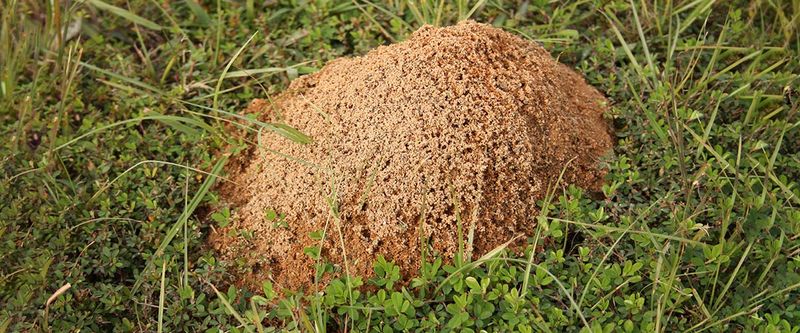
A small mound today can become a serious yard problem within days. Fire ant colonies move fast, especially when conditions are warm and the soil is moist.
Waiting even a week to act gives the colony time to expand underground and push up new satellite mounds nearby.
Satellite mounds are smaller offshoots that branch off from the main colony. Once those form, you are no longer dealing with one problem.
You are managing several at once, and that is where most homeowners fall behind.
Spotting a mound early and acting on it right away keeps the situation manageable. Bait treatments work best when the colony is still small and foraging workers are actively moving around.
A large, established colony tends to respond more slowly to treatments.
Warm afternoons, roughly between 70 and 85 degrees Fahrenheit, are when fire ants forage most actively. Applying bait during those windows gives it the best chance of being carried back into the nest.
Timing matters just as much as the product you choose.
Procrastinating is one of the most common mistakes Georgia homeowners make. A mound that sits untreated for two or three weeks can spread significantly.
Acting within the first day or two after spotting a mound is the most practical approach for keeping fire ants under control.
2. Disturbing A Mound Can Make The Problem Worse
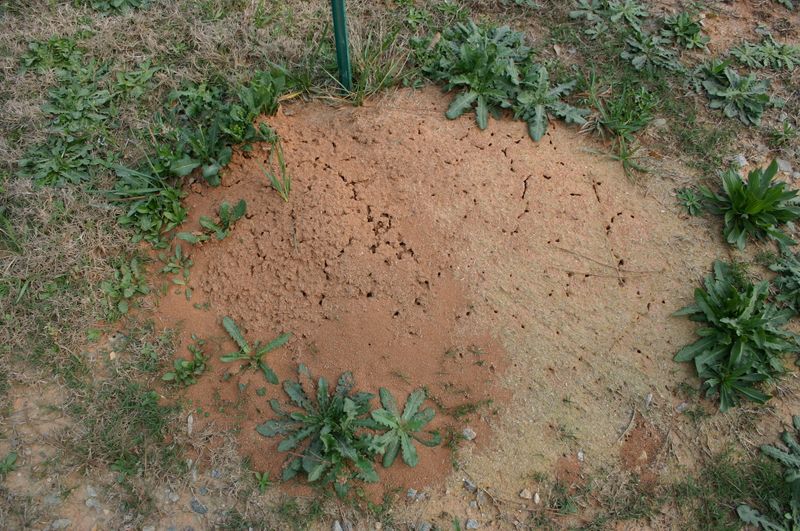
Kicking or poking a fire ant mound might seem like a quick fix, but it often backfires. When a mound gets disturbed, the colony reads it as a threat and shifts into survival mode fast.
Workers scatter in every direction, and the queen can be relocated deeper into the soil within minutes.
Once the queen moves, the colony does not simply go away. It rebuilds.
Sometimes it splits into multiple groups and forms new mounds in different parts of the yard. What started as one problem can quickly become three or four.
Disturbing a mound also puts you at personal risk. Fire ants respond aggressively when they sense vibration or movement near the nest.
A sudden swarm can cover your feet and legs before you have time to step back.
Liquid drenches applied carefully around and over the mound are a more controlled approach. The goal is to get the treatment into the colony without triggering a mass scatter.
Your Georgia Garden Changes Every Week. Your Plan Should Too.
Gardening in Georgia changes quickly throughout the season. Every Friday you’ll receive a simple weekly plan showing exactly what to plant, prune, fertilize, harvest, and protect so you never miss the right timing.
Moving slowly and staying calm around the mound reduces the chance of spreading ants across your yard.
Bait treatments placed around the mound, rather than directly on top, also limit disturbance. Ants pick up the bait naturally during foraging.
Patience with the method matters more than speed when dealing with fire ant mounds in residential yards.
3. Fresh Mounds Deserve Immediate Attention
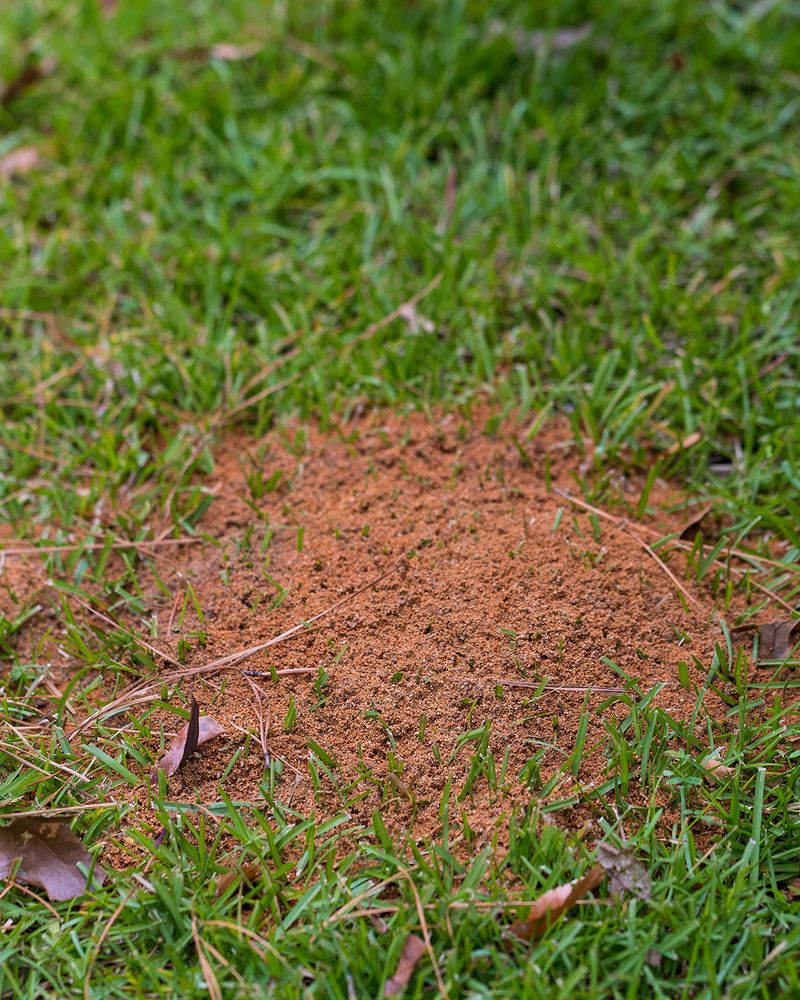
Fresh mounds are the ones most people underestimate. A new mound often looks small and harmless, maybe just a loose pile of soil a few inches wide.
But underground, the colony can already be well established with thousands of workers actively tunneling.
Catching a mound in its early stage is actually an advantage. Younger colonies tend to have fewer workers and a less complex tunnel network.
Treatments reach deeper into the nest more effectively before the colony has time to reinforce its structure.
One practical tip is to check your yard after rain. Fire ants often push up fresh mounds following heavy rainfall as they rebuild and ventilate the nest.
Post-rain mornings are a reliable time to spot new activity before it gets out of hand.
Granular bait applied around a fresh mound works well because foraging is usually high after wet weather. Workers are out looking for food, and they will carry bait back into the nest at a higher rate than on dry, hot days.
Skipping a fresh mound because it looks minor is a mistake that compounds quickly. In Georgia’s warm months, a colony can grow noticeably within two weeks if left alone.
Treating early is not just easier, it is also more effective and requires less product overall compared to treating a large, mature colony.
4. Small Colonies Are Simpler To Manage

Size matters a lot when it comes to fire ant control. A colony with fewer workers is easier to reach, easier to treat, and more likely to respond well to common bait products.
Waiting for a colony to grow before taking action works against you every time.
Smaller colonies also have less food stored and fewer tunnels to retreat into. When bait is applied around a small mound, workers pick it up quickly because foraging demand is high relative to the colony’s size.
Larger colonies can sometimes sustain themselves even when some workers are affected.
Another factor is queen count. Young colonies in Georgia often start with a single queen.
Larger, older colonies can develop multiple queens over time, which makes complete control significantly harder. Catching a colony early, before it reaches that stage, is a real advantage.
Contact treatments like liquid drenches tend to work faster on small mounds. The volume of product needed is lower, and the treatment can reach the queen more reliably when the nest is shallow and compact.
Deeper, older nests require more product and more precise application.
Keeping a bottle of mound drench or a bag of bait on hand means you can act the same day you spot a new mound. Waiting until you can get to a store gives a small colony extra time it does not need.
Being prepared shortens the response window considerably.
5. Look Beyond The First Mound You Find

Spotting one mound and treating only that spot is a very common oversight. Fire ant colonies rarely exist in isolation, especially in yards that have not been treated recently.
Where there is one visible mound, there are often others nearby that have not broken the surface yet.
Underground tunnels can connect satellite mounds to a central nest. Treating just the visible mound may not reach the main colony at all.
The ants simply continue using the tunnel network and push up a new mound somewhere else within days.
Walking the full perimeter of your yard after finding the first mound is a smart habit. Check along fences, near garden beds, around the base of trees, and in low spots where water collects after rain.
Fire ants prefer loose, well-drained soil and sunny locations, so those areas deserve extra attention.
Broadcast bait treatments, where granules are spread across the entire yard rather than just around individual mounds, address the problem more thoroughly.
Workers from hidden colonies pick up the bait during normal foraging without you needing to locate every nest.
Treating the whole yard twice a year, once in spring and once in late summer, is a commonly recommended approach for yards in the Southeast.
Focusing only on visible mounds leaves gaps in your coverage and allows hidden colonies to keep growing undetected between treatments.
6. Missed Mounds Lead To Repeat Problems
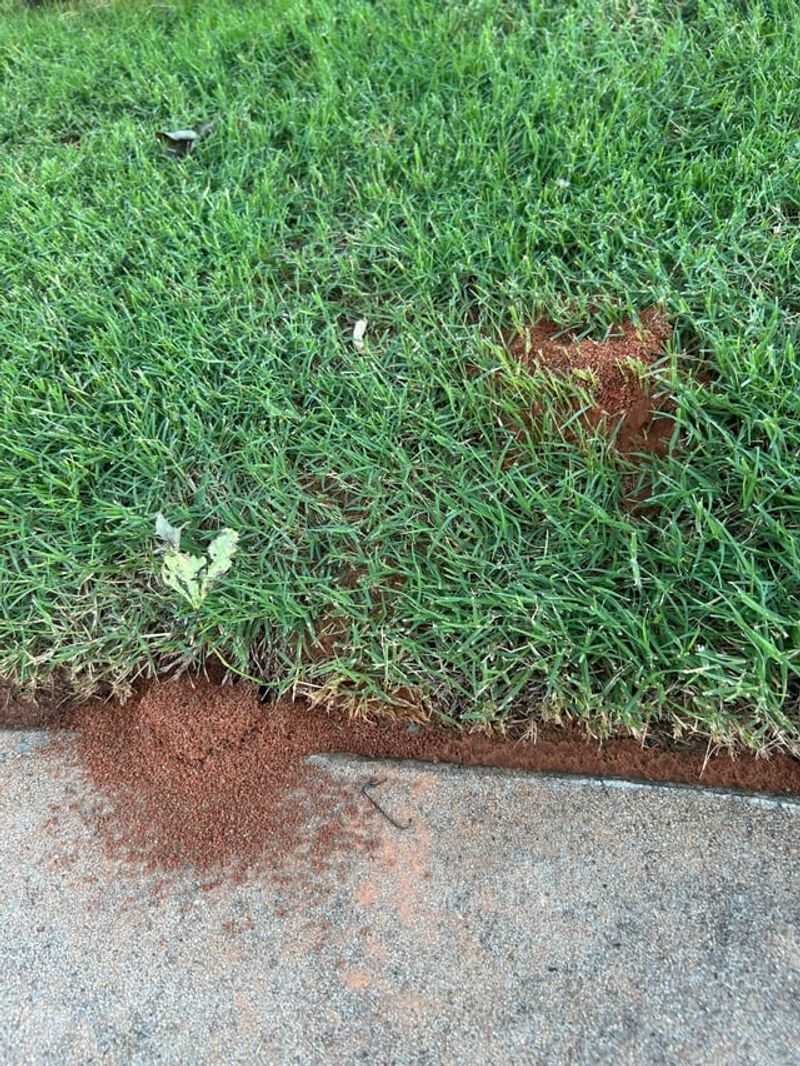
Missing even one mound can reset your progress. Fire ant colonies that survive a treatment cycle have time to recover, and they often do so aggressively.
A single untreated nest can repopulate areas you already addressed within a matter of weeks.
Mounds hidden in tall grass, along fence lines, or tucked under shrubs are easy to overlook. Fire ants do not always build in open, obvious spots.
Shaded edges and garden borders are common hiding places that get skipped during casual yard checks.
Mowing before inspecting your yard helps a lot. Short grass makes mounds easier to spot, especially the smaller ones that have not grown very tall yet.
A quick walk after mowing is one of the most effective ways to catch missed colonies before they establish further.
Check around any object sitting directly on the ground, including flowerpots, lumber, stepping stones, and outdoor furniture. Fire ants frequently nest beneath objects that hold warmth and moisture.
Lifting those items occasionally reveals activity that would otherwise stay hidden.
Repeat problems in the same yard often trace back to one or two mounds that were overlooked during an earlier treatment. Being thorough during each inspection matters as much as the product you use.
A careful, complete yard check is a practical habit that saves a lot of frustration over time.
7. Regular Inspections Catch New Colonies Earlier
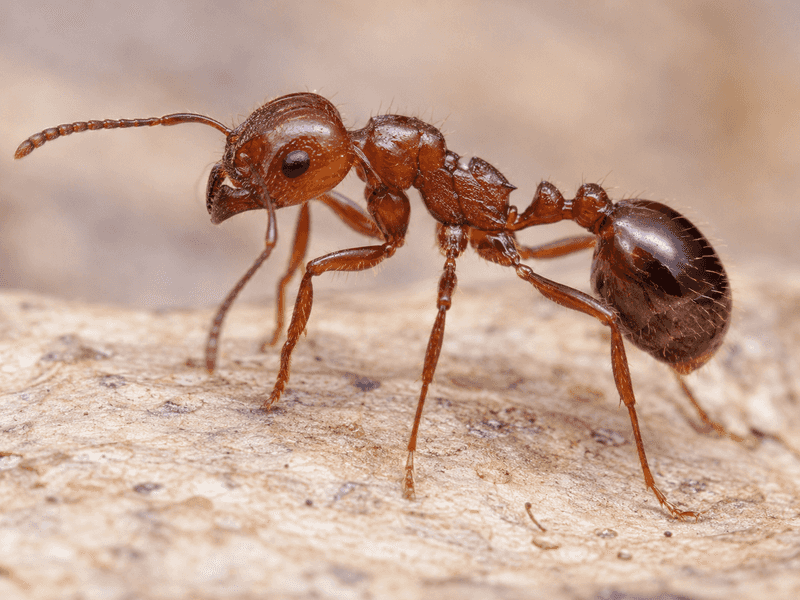
Checking your yard on a regular schedule is one of the most underrated parts of fire ant management. Most people only look for mounds after they have already been stung or noticed a large mound near a walkway.
By that point, the colony has had plenty of time to grow.
A quick walk around your yard once every two to three weeks takes only a few minutes. Consistent checks during spring and fall, when fire ant activity peaks in the Southeast, catch new colonies while they are still small and easier to address.
Early morning is a good time to inspect. Ants are active near the surface, and mounds are easier to spot before foot traffic or wind disturbs the soil.
Mounds also tend to look more defined in the morning before midday heat drives ants deeper underground.
Keeping a simple log of where you have found mounds in the past helps you prioritize areas to watch. Fire ants tend to rebuild in the same general zones if conditions remain favorable.
Knowing your yard’s history makes inspections faster and more focused.
Routine checks paired with timely treatments are the most reliable way to stay ahead of fire ants without major infestations forming.