The Florida Native Wildflowers That Start Stealing The Show In September
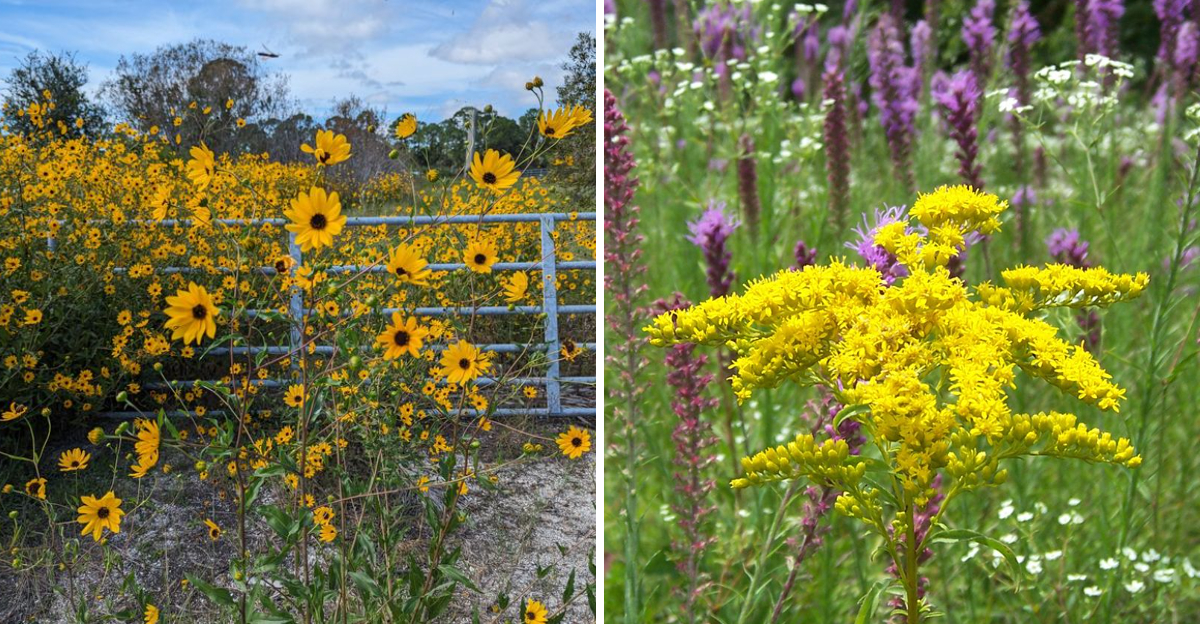
Something shifts in the Florida landscape in September, and once you start paying attention to it, it is hard to unsee.
The relentless heat of summer starts to ease just enough, rainfall patterns begin to change, and native wildflowers that have been quietly biding their time suddenly start showing up with real color and energy.
It is one of those seasonal transitions that sneaks up on you in the best possible way.
Bloom timing varies quite a bit depending on species, region, and local growing conditions, so September is less of a single statewide wildflower moment and more of a genuinely exciting entry point into fall color.
Wet flatwoods, sandy open spaces, roadsides, trails, native garden beds, wildflowers start appearing in all of these places as the season shifts, and the variety on offer this time of year is worth getting excited about.
1. Swamp Sunflower Brings Bright Fall Color
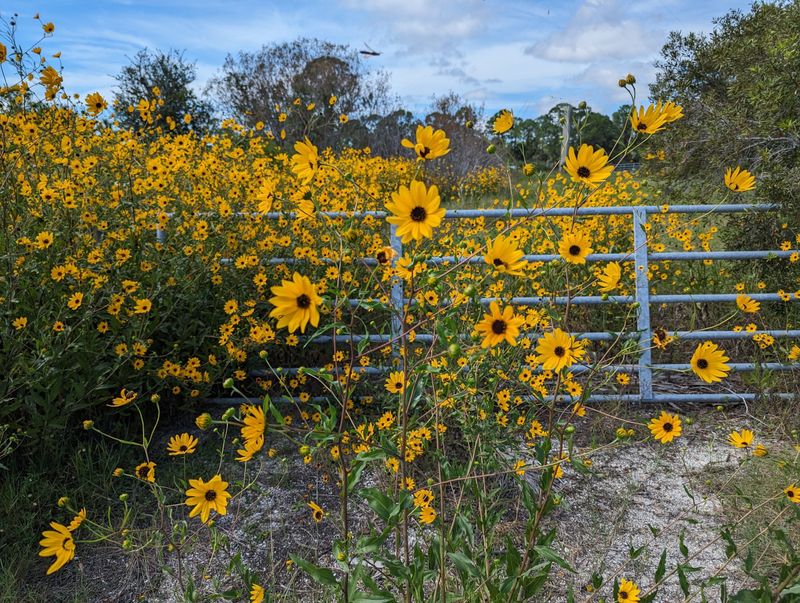
Walk past a wet roadside ditch in North Florida come September and you may catch a flash of bright yellow that stops you in your tracks. That cheerful burst of color often belongs to swamp sunflower, known botanically as Helianthus angustifolius.
UF/IFAS identifies this species as a fall-blooming native, with September through October flowering documented in North Florida wildflower guidance.
Swamp sunflower is native throughout the state, though bloom timing and performance can shift depending on the region and local growing conditions. It thrives in moist habitats, wet flatwoods, pond edges, and roadside ditches where water tends to collect.
The plant can grow quite tall, sometimes reaching six feet or more, and produces cheerful yellow flowers with dark centers that attract pollinators including native bees.
In a home landscape, swamp sunflower works well near rain gardens, retention areas, or low spots that stay moist after heavy rainfall. It can spread naturally over time through rhizomes, so giving it room to grow is a good idea.
Full sun tends to produce the best flowering results, and the plant generally handles humid conditions well once established.
Not every swamp sunflower will begin blooming on the same date across the state, but in suitable conditions, September often marks the start of a rewarding fall display that can last well into October.
2. Rayless Sunflower Adds A Unique Look
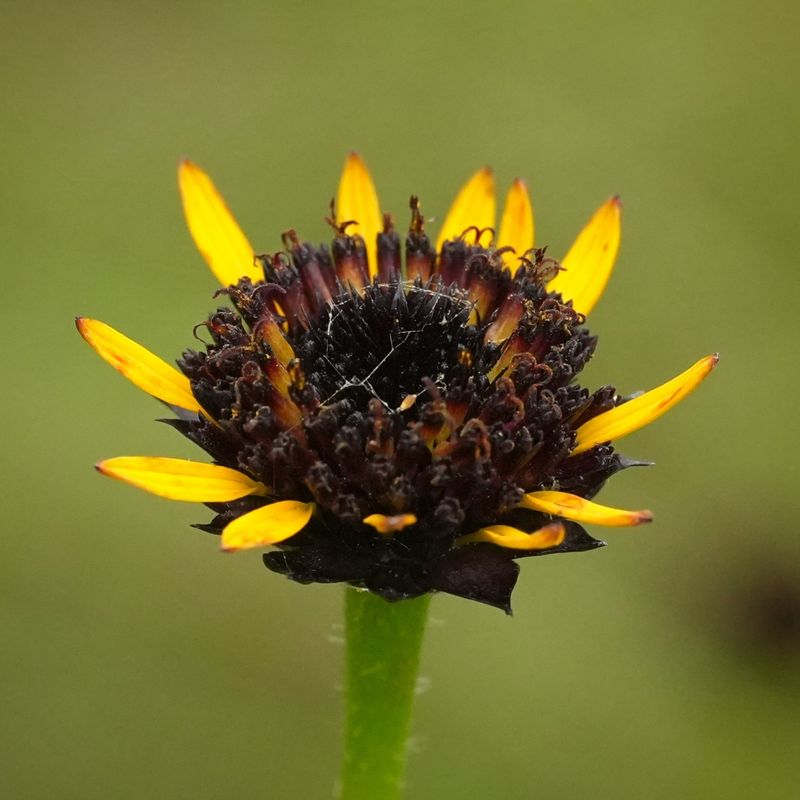
Most sunflowers are recognized instantly by their wide ring of yellow ray petals, so rayless sunflower tends to catch people off guard the first time they see it.
Helianthus radula is a native with flower heads that lack those typical showy ray flowers, giving it a distinctly different appearance compared to its more familiar relatives.
UF/IFAS lists it as blooming from September through November in North Florida.
The flower heads are compact and dark, creating an unusual textured look rather than the bold splash of yellow most people expect from a sunflower.
While it may not be the showiest wildflower in a garden setting, rayless sunflower has a quiet, understated character that pairs well with other native fall bloomers.
Its modest appearance makes it a plant that rewards close observation rather than distant admiration.
Your Florida Garden Changes Every Week. Your Plan Should Too.
Gardening in Florida changes quickly throughout the season. Every Friday you’ll receive a simple weekly plan showing exactly what to plant, prune, fertilize, harvest, and protect so you never miss the right timing.
Rayless sunflower is naturally associated with open, sunny habitats and tends to do best in well-drained soils with good light exposure.
It is generally found in the northern part of the state, so gardeners in Central or South Florida should research regional suitability before planting.
Like other native sunflowers, it can provide habitat value for insects and other wildlife, though specific pollinator relationships should be confirmed through current credible sources.
For native plant enthusiasts looking to add botanical variety to a fall garden, this species offers something genuinely different from the usual lineup.
3. Slender Blazing Star Sends Up Purple Blooms
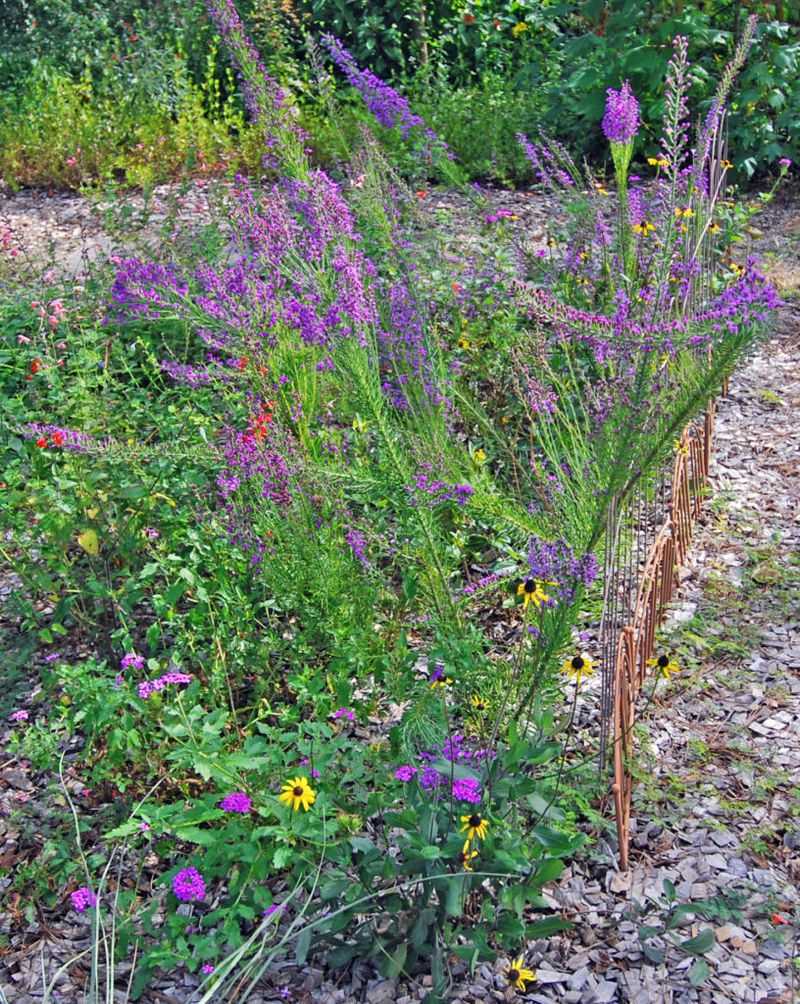
Few wildflowers add vertical drama to a Florida native planting quite like a blazing star in full bloom.
Slender blazing star, Liatris gracilis, is a native that can produce upright purple flower spikes during September and October, creating a striking contrast against the warm yellows and golds that tend to dominate the fall landscape.
UF/IFAS associates this species with habitats including sandhills, flatwoods, bogs, and woodland edges.
The flower spikes open from top to bottom, which is characteristic of the Liatris genus, and the color ranges from light lavender to a deeper purple depending on the individual plant and growing conditions.
In natural settings, slender blazing star often grows among wiregrass and longleaf pine communities, where it benefits from open sunlight and good soil drainage.
Sandy, well-drained soils tend to suit it well.
Gardeners who want to incorporate this plant into a home landscape should focus on matching those natural conditions as closely as possible. It may not thrive in every yard, particularly in areas with heavy clay soils or poor drainage.
Regional performance can also vary, so gardeners in Central or South Florida should check with local native plant resources before planting.
When grown in suitable conditions, slender blazing star can provide real visual interest in September and attract pollinators that are active during the fall season.
4. Pinkscale Blazing Star Lights Up Open Spaces
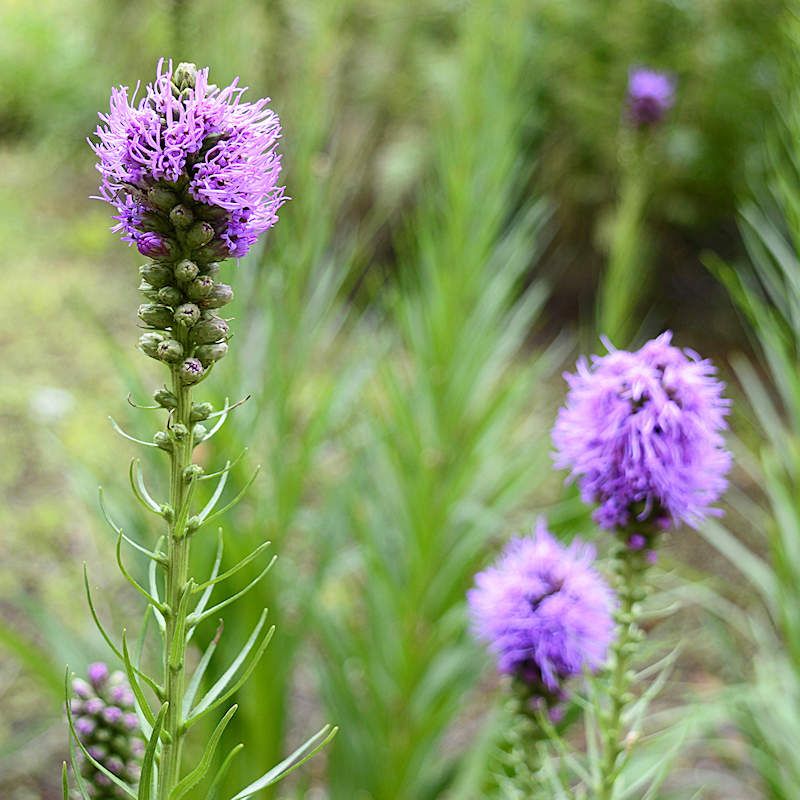
Sandy open spaces in North and Central Florida can look remarkably different in September once pinkscale blazing star comes into bloom.
Liatris elegans is a native with pinkish-purple flower spikes that have a soft, feathery texture, making them stand out from other fall wildflowers.
Its documented September through October flowering period gives it a meaningful role in the fall native plant calendar for parts of the state.
Pinkscale blazing star is naturally associated with sandhills, longleaf pine communities, and dry woodland edges. These are open, sunny habitats with well-drained sandy soils, and those conditions tend to reflect what the plant needs to perform well.
It is generally considered more suited to North and Central Florida, and gardeners in South Florida should consult current regional resources before attempting to grow it.
In a native landscape, pinkscale blazing star pairs well with other sandhill or pine flatwoods species that share similar soil and light requirements.
The soft color of its blooms can complement the yellow tones of goldenrods and sunflowers that may be flowering around the same time.
Like other Liatris species, it flowers from the top of the spike downward, and the blooms can attract butterflies and other pollinators active in fall.
Giving it the right soil conditions from the start is probably the most important factor in getting it established successfully in a garden.
5. Vanilla Plant Brings Fragrant Fall Interest
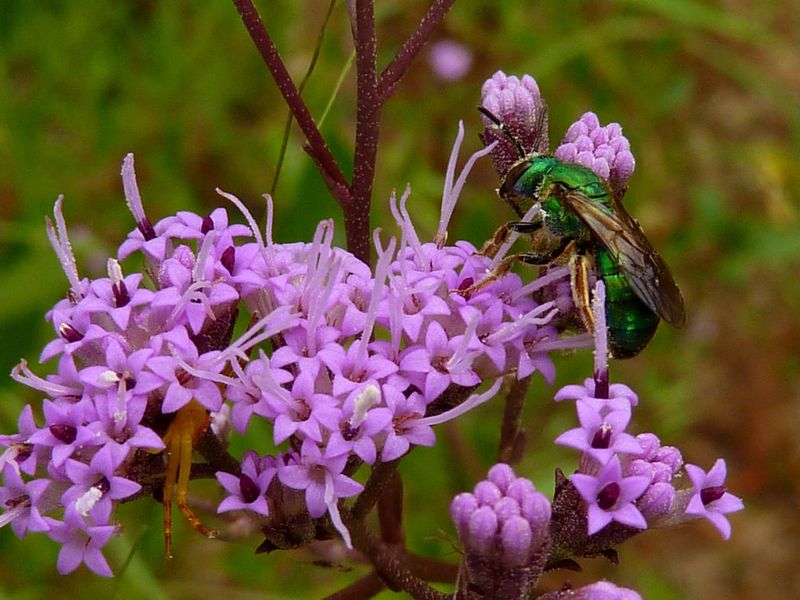
One of the more intriguing fall wildflowers found in North Florida flatwoods and savannas, vanilla plant earns its common name from the sweet, hay-like fragrance that the foliage produces when dried or bruised.
Carphephorus odoratissimus is a native perennial, and despite the name, it has no botanical relationship to culinary vanilla.
The scent comes from a compound called coumarin found in the plant’s tissues, not from any connection to the vanilla orchid.
UF/IFAS documents a September through November flowering period for this species in North Florida.
The flowers are small and clustered, typically appearing in shades of pinkish-purple, and while they are not showy in the way that sunflowers or blazing stars are, they add a delicate texture to the fall wildflower mix.
The plant tends to grow in moist to moderately dry flatwoods, wet prairies, and pine savannas where fire has historically maintained open conditions.
In a home landscape, vanilla plant may be best suited to gardeners in the northern part of the state who can provide conditions that reflect its natural habitat, including good sunlight and soils that are not heavily amended or enriched.
It is not typically recommended as a general-purpose ornamental for every yard.
The fragrant foliage can be a genuine sensory highlight in a native garden, especially in the cooler months when the dried leaves release their characteristic scent most noticeably.
6. White Crownbeard Adds Airy White Blooms
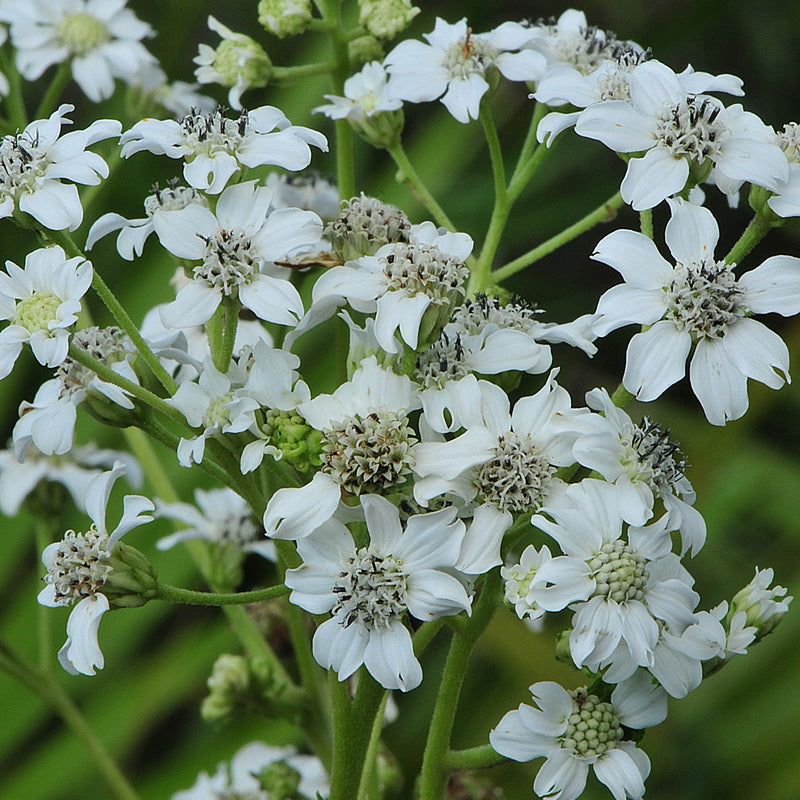
Yellow tends to dominate the fall wildflower palette in this part of the world, which makes white crownbeard a refreshing change of pace when it begins producing its clusters of small white flowers.
Verbesina virginica is a native fall-blooming wildflower that can grow quite tall, often reaching four to six feet, with winged stems that give it a distinctive structural quality even before it comes into bloom.
The white flower clusters create a light, airy visual effect that contrasts nicely with the bolder colors of nearby fall bloomers.
White crownbeard is typically associated with woodland edges, roadsides, and disturbed areas where it gets a reasonable amount of light. It tends to do well in moist to moderately dry soils and can handle partial shade better than some other fall wildflowers.
Its growth habit and height make it better suited to larger planting areas or naturalized spaces rather than small, manicured garden beds.
Bloom timing and performance can vary across different parts of the state, so gardeners outside of North Florida should look for current regional guidance before planting.
The plant’s tall form and white flowers can attract various insects during the fall season, adding wildlife value to a native planting.
For gardeners who want to move beyond the standard yellow-and-purple fall color scheme, white crownbeard offers a softer, more layered visual texture that works well when combined with taller grasses or other native understory plants.
7. Goldenrods Create A Burst Of Yellow
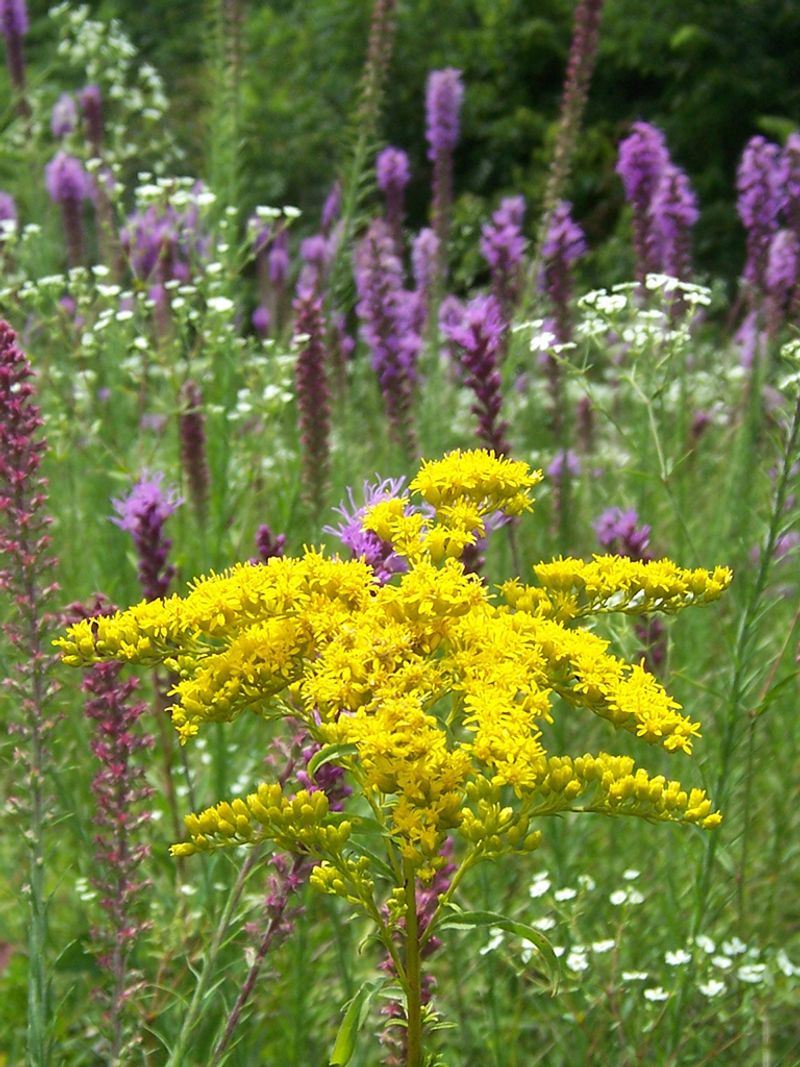
Few plants announce the arrival of fall quite as boldly as goldenrods, and the state is home to multiple native species in the genus Solidago that contribute yellow color to the fall wildflower season. Goldenrod is not a single uniform plant.
Different Solidago species vary in height, habitat preference, bloom timing, and appearance, so it helps to know which species you are working with before making planting decisions.
Some Florida native goldenrod species, including Solidago odora, Solidago fistulosa, and Solidago stricta, are associated with flatwoods, wet prairies, and open sandy habitats.
Bloom periods across the group generally span summer into fall, with many species producing their best flower displays from late summer through October.
The bright yellow flower plumes are a familiar sight along roadsides and in open natural areas during this period.
In a home landscape, goldenrods can work well in sunny spots with well-drained to moderately moist soils, depending on the species.
They often spread naturally over time, which can be a benefit in a naturalized planting but may require some management in a more structured garden.
Goldenrods are widely recognized as valuable plants for native bees and other pollinators, particularly during the fall when flowering options begin to narrow.
Choosing a species appropriate for your specific region and site conditions gives you the best chance of a successful planting.
8. Tampa Verbena Extends The Fall Flower Show
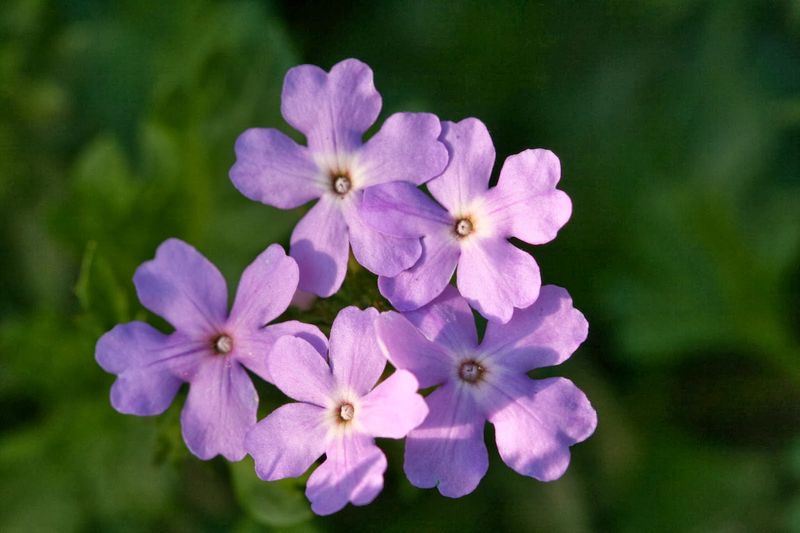
Named for the city near which it was first documented, Tampa verbena is one of the more regionally specific wildflowers on this list, and that makes it a particularly interesting find for native plant gardeners.
Glandularia tampensis is a Florida native perennial, and UF/IFAS documents a September through October flowering period for this species.
Its native range is more limited compared to some other wildflowers found across the state, so it is not a plant that occurs naturally everywhere.
Tampa verbena produces clusters of small bright flowers in shades of pink to purple, and it tends to grow low and spreading, creating a ground-level display that softens the edges of planting beds or fills in open sandy areas.
It is generally associated with well-drained sandy soils and sunny conditions, which reflects the open habitats where it naturally occurs in parts of the state.
For gardeners in areas where Tampa verbena is regionally appropriate, it can serve as a useful September-blooming option that extends the fall flower season at a lower visual layer than taller plants like sunflowers or blazing stars.
Its compact growth habit and relatively long fall bloom period give it practical value in a well-planned native planting.
As with any native plant, matching it to the right site conditions is more important than simply adding it because it carries a Florida native label.