Why Your Ohio Lawn May Turn Orange Or Rusty As Fall Approaches
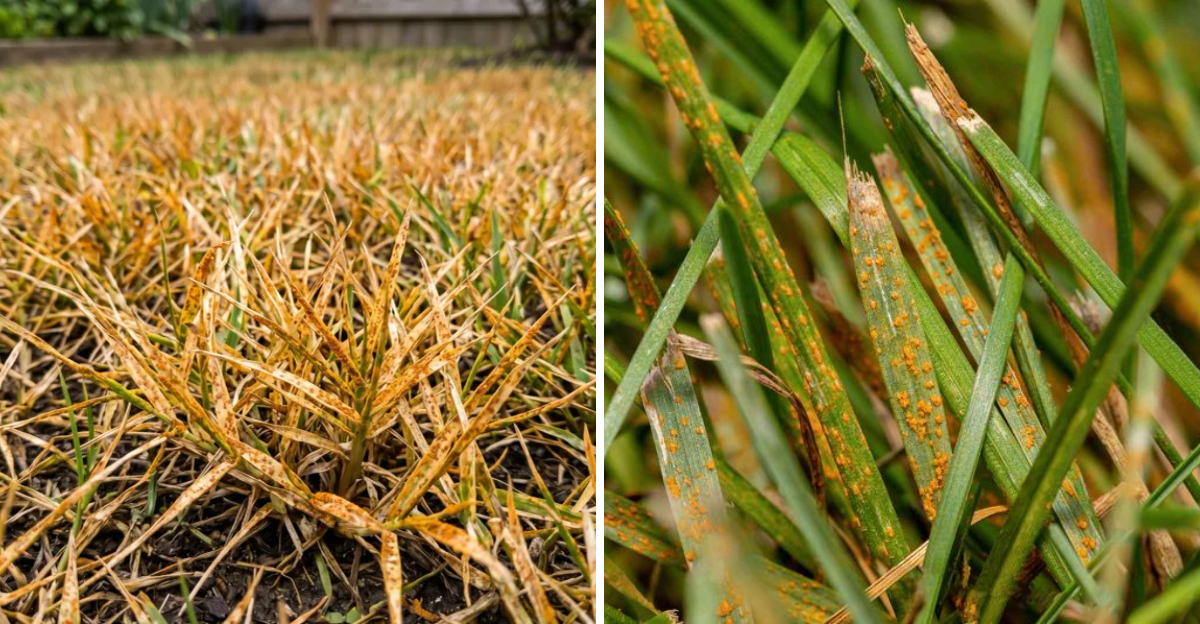
You step outside on a late summer morning, glance at the lawn, and something just looks off. There is an orange tint out there that was definitely not there a few weeks ago.
Interesting. Then you walk across the grass and look down at your shoes, and now they are covered in orange powder.
At this point you have two very reasonable reactions: concern about your lawn and mild frustration about your shoes. Both are valid.
The good news is that an orange lawn in early September has a pretty common explanation, and it is a lot less alarming than it looks.
Turfgrass rust is a fungal condition that shows up regularly on Ohio lawns this time of year, and once you know what you are dealing with, the path forward becomes much clearer.
1. Turfgrass Rust Can Give Ohio Lawns An Orange Appearance
Mowing the lawn on a warm afternoon and noticing that the clippings look oddly orange or yellowish-rust colored can stop you in your tracks.
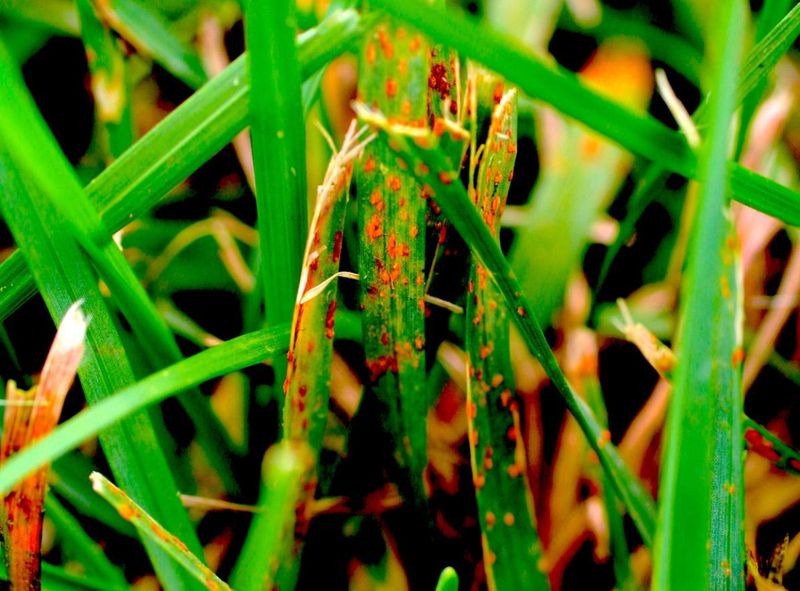
That unusual color may be a sign of turfgrass rust, a fungal disease caused by rust fungi that includes species in the genus Puccinia.
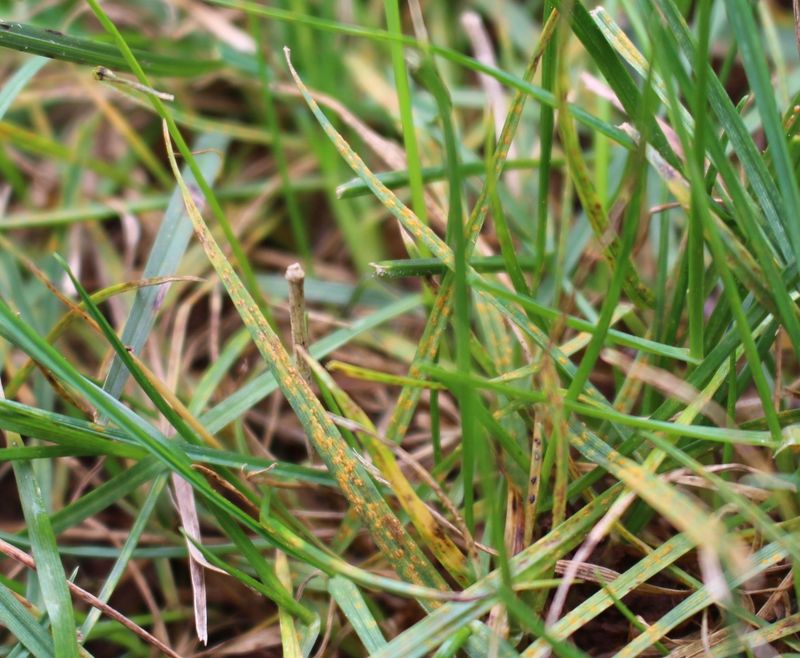
Infected grass blades can develop small raised pustules that are yellow-orange or reddish-brown, and these pustules contain thousands of tiny spores.
From a distance, a lawn affected by rust may simply look pale, yellowish, or washed-out orange. Up close, though, the individual pustules on the grass blades tell a more specific story.
Running your hand or a white tissue across the blades can reveal that powdery orange or rust-colored residue, which is a much more useful clue than color alone.
Other lawn problems can also cause an orange or yellow appearance. Drought stress, heat, nutrient deficiencies, and even dormancy can shift a lawn’s color in ways that might look similar from the curb.
Checking for the characteristic orange spore powder or pustules on individual blades can help you figure out whether rust is actually involved before drawing any conclusions about what your Ohio lawn needs.
2. Slow-Growing Grass Is More Vulnerable To Rust
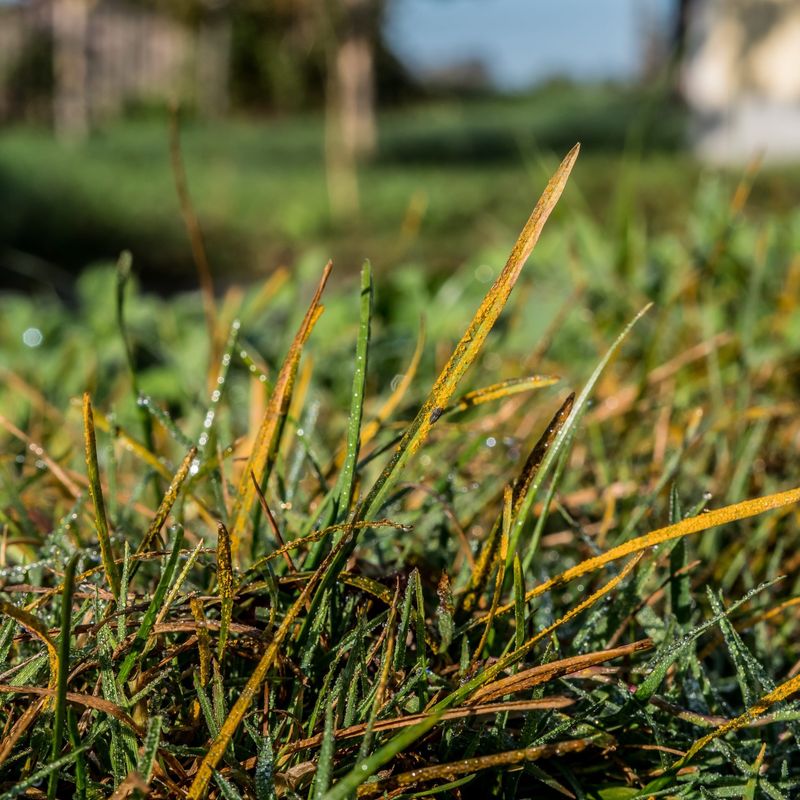
Cool-season grasses go through natural growth slowdowns during the hottest parts of summer, and that slowdown can set the stage for rust to become noticeable.
When turf is actively growing and producing new leaf tissue at a healthy rate, rust infections may be outpaced by the grass simply growing through the problem.
But when growth slows significantly, infected tissue stays on the plant longer and rust can become much more visible.
Stressors like drought, high temperatures, low soil fertility, and compacted soil can all reduce how fast lawns grow. A lawn dealing with multiple stressors at once may slow down considerably, making rust easier to spot and harder to shake.
Low mowing height can also stress grass and reduce its ability to recover from disease pressure.
Understanding this connection helps explain why rust seems to appear out of nowhere in late summer. The grass was not necessarily growing vigorously enough to keep up with the fungal activity.
Your Ohio Garden Changes Every Week. Your Plan Should Too.
Gardening in Ohio changes quickly throughout the season. Every Friday you’ll receive a simple weekly plan showing exactly what to plant, prune, fertilize, harvest, and protect so you never miss the right timing.
Improving conditions that support healthy growth can help turf move through a rust episode more effectively.
Addressing soil compaction, adjusting mowing height, and ensuring the lawn has appropriate nutrients can all support better turf growth and reduce how severely rust shows up during stressful stretches of Ohio’s warm season.
3. Late Summer And Early Fall Favor Rust Development
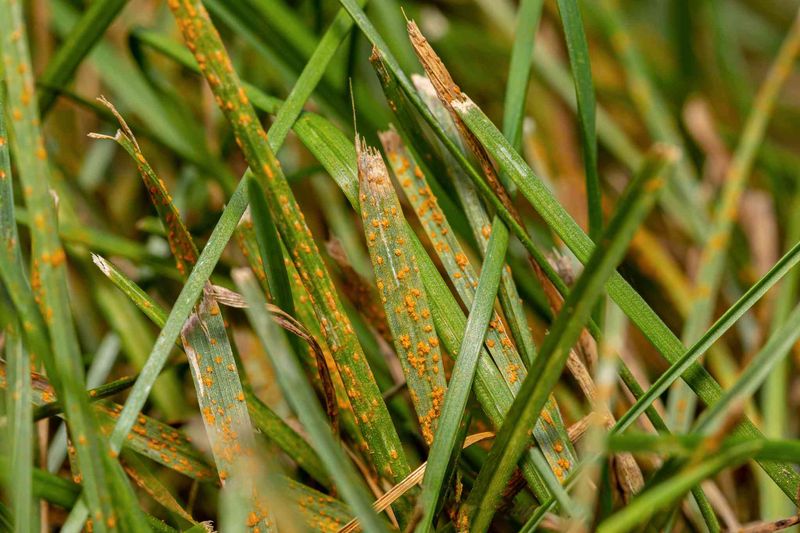
Rust tends to become most noticeable during mid- to late summer and into early fall, and Ohio’s weather during that stretch can sometimes line up well with the conditions the disease prefers.
Moderate temperatures, high humidity, heavy dew, and extended periods of leaf wetness can all support rust development on susceptible cool-season turf.
When nights are cool and mornings are dewy, grass blades can stay wet for hours at a time.
Ohio State’s turfgrass disease resources identify rust as a disease that can occur during summer and fall on susceptible grass species, with timing that depends on local weather and site conditions.
Not every late-summer season will bring noticeable rust, and not every lawn will be affected even when conditions seem right.
The disease develops when the right combination of a susceptible grass, favorable moisture and temperature, and reduced turf growth all come together.
Shaded or low-lying areas of a lawn may stay wetter longer after dew or rain, and those spots can sometimes show rust symptoms earlier or more severely than sunnier sections.
Paying attention to which parts of the yard look most affected can give homeowners useful information about where environmental conditions may be most favorable for rust development during the late-summer and early-fall window.
4. Orange Spores Can Rub Onto Shoes And Clothing
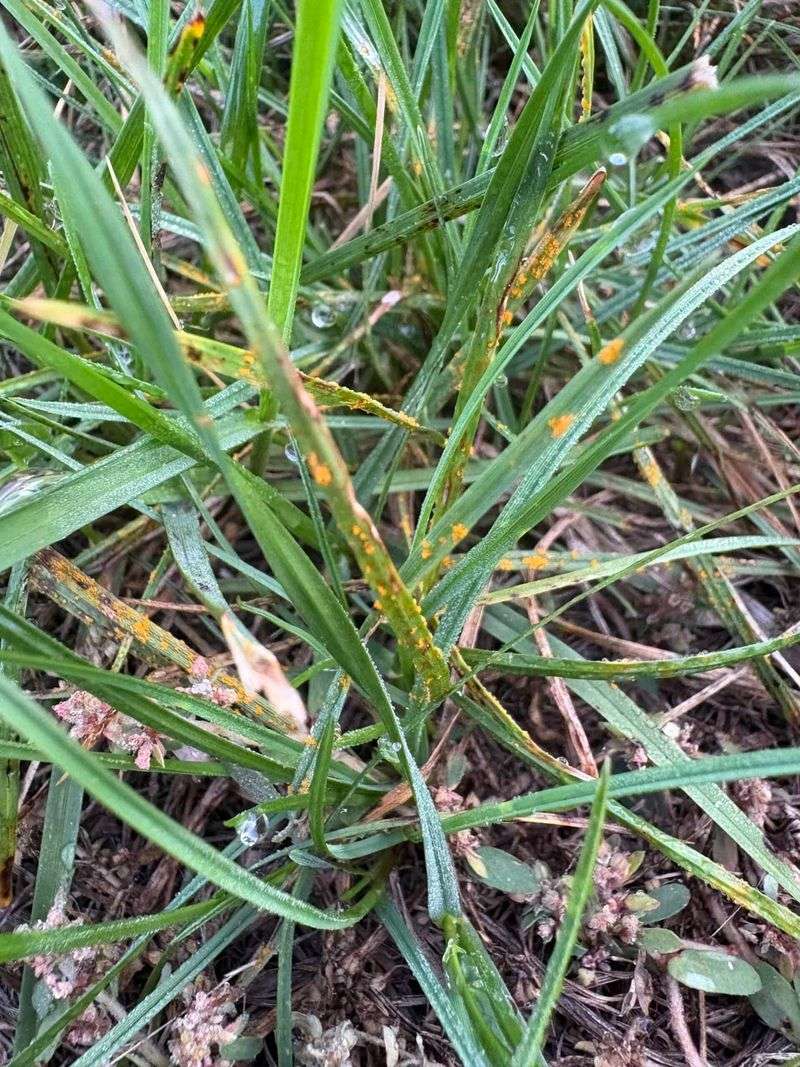
One of the most surprising moments for Ohio homeowners dealing with lawn rust is walking across the yard and coming back inside with orange-stained shoes or pant cuffs.
That bright orange or yellow-orange residue is actually rust spores that have rubbed off infected grass blades onto whatever came into contact with them.
Pets, lawn mowers, and other equipment can also pick up spores the same way.
Noticing orange residue on footwear after a walk through the lawn is one of the more recognizable signs that rust may be present. It is a more specific clue than color alone, since a rusty-looking lawn could have several possible explanations.
The presence of actual orange powder transferring to surfaces is a stronger indicator that rust fungi are active in the turf.
Spores can be carried from one part of the lawn to another on shoes or equipment, though disease development still depends on susceptible grass and suitable environmental conditions.
Seeing orange residue is not a reason to panic, but it is a useful signal to take a closer look at the lawn.
Crouching down to examine individual grass blades for pustules and checking whether multiple areas of the yard are affected can help build a clearer picture of what is going on before deciding on any next steps.
5. Kentucky Bluegrass And Perennial Ryegrass Can Be Susceptible
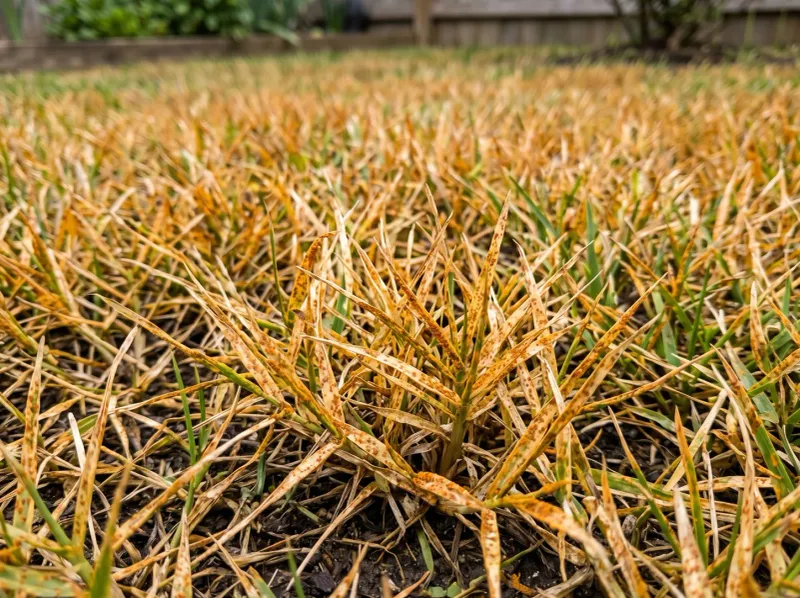
Ohio lawns commonly contain cool-season turfgrasses including Kentucky bluegrass, perennial ryegrass, tall fescue, and fine fescues. Rust susceptibility can vary quite a bit depending on both the species and the specific cultivar planted in a lawn.
OSU turfgrass disease resources identify rust among the diseases that can affect Kentucky bluegrass and perennial ryegrass, though other cool-season grasses may also develop rust under favorable conditions.
Kentucky bluegrass is one of the most widely used lawn grasses across the state, valued for its color and density. When conditions favor rust development and turf growth has slowed, bluegrass lawns can develop noticeable rust symptoms.
Perennial ryegrass, often used in overseeding mixes or for quick establishment, can also show rust when environmental conditions line up with the disease cycle.
Not every cultivar within a species carries the same level of susceptibility. Some newer varieties of Kentucky bluegrass and perennial ryegrass have been developed with improved resistance to certain diseases, including rust.
If you are reseeding or overseeding an Ohio lawn and rust has been a recurring issue, looking at cultivar options with better disease resistance ratings may be worth considering.
Grass seed labels and university variety trial data can help point you toward cultivars that may perform better under typical conditions and disease pressure.
6. Drought, Low Fertility, And Compaction Can Increase Rust Risk
Anything that significantly slows turf growth can create conditions where rust becomes more noticeable and harder for the lawn to manage on its own.
Drought is one of the more common growth-limiting stressors in Ohio during late summer, especially in years when rainfall falls short of what cool-season turf needs to stay actively growing.
High temperatures compound the stress, pushing grass into a slower-growth mode even when some moisture is available.
Low soil fertility can also reduce growth rates and leave turf less able to produce new tissue at a pace that outpaces disease development.
Compacted soil limits root development and water infiltration, which can make drought stress worse even when irrigation is applied.
Mowing too short removes more leaf tissue than the grass can comfortably replace, adding another layer of stress that can make rust more visible.
None of these factors directly cause rust on their own. Rust development still requires the right fungal species, a susceptible grass host, and favorable environmental conditions.
But when several stressors stack up together, the turf may slow down enough that rust gains a visible foothold.
Addressing compaction through aeration, ensuring appropriate nutrient levels based on a soil test, and adjusting mowing height can all support better turf growth and may help Ohio lawns handle disease pressure more effectively during the late-summer stretch.
7. Morning Watering Can Help Keep Grass Blades Drier
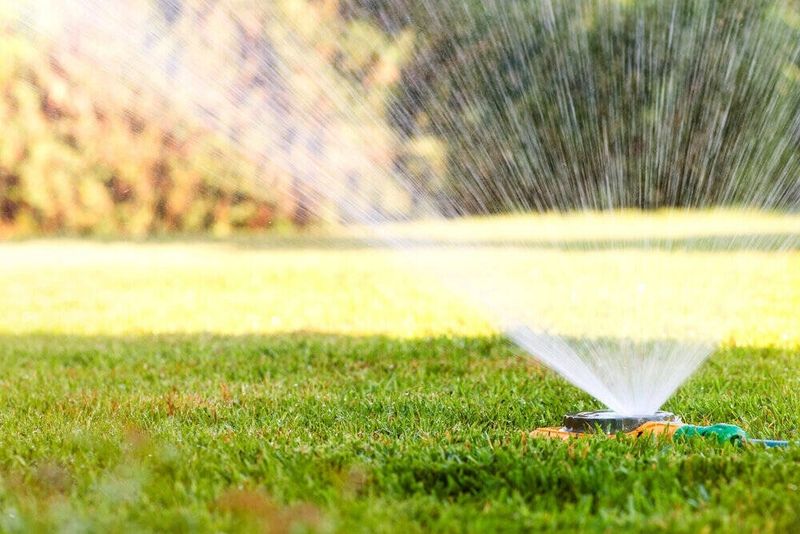
Watering at the right time of day can make a real difference in how long grass blades stay wet, and that matters when it comes to fungal diseases like rust.
Evening irrigation can leave grass wet through the night, extending the period of leaf wetness that can favor disease development.
Watering in the morning allows the sun and increasing temperatures to dry the blades much sooner, reducing the window during which moisture sits on the turf.
Morning irrigation is not a cure for rust, but it is a practical cultural adjustment that can help reduce one of the environmental factors associated with disease development.
Combined with other good lawn-care habits, timing irrigation thoughtfully is part of an overall approach to keeping the lawn in better condition during the late-summer and early-fall period when rust is more likely to appear in Ohio.
Irrigation decisions should be flexible and based on actual conditions rather than a fixed schedule. Rainfall, temperature, soil type, and the visible condition of the turf all play a role in determining whether watering is needed on any given day.
Overwatering can create its own set of problems, including shallow root systems and increased disease pressure from other pathogens.
Checking soil moisture before turning on the sprinklers and adjusting based on recent rainfall can help homeowners water more effectively throughout the season.
8. Healthy, Actively Growing Turf Can Better Resist Rust Problems
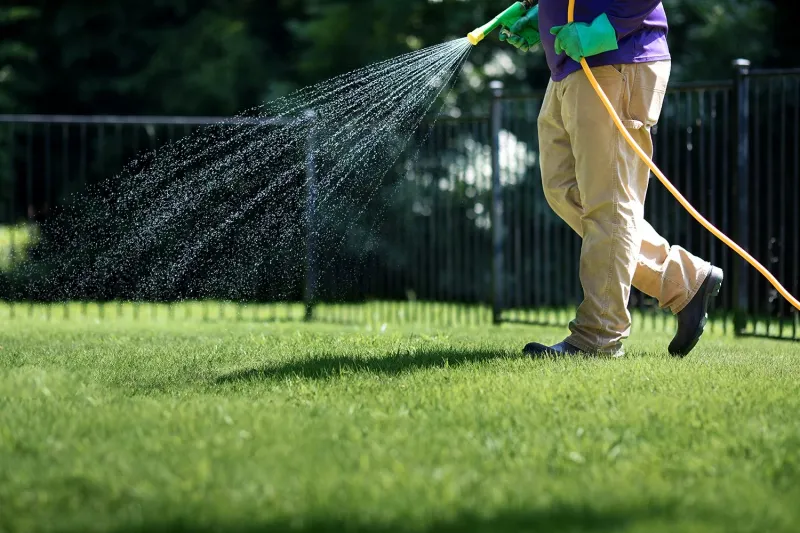
A lawn that is actively growing and well-maintained has a natural advantage when rust pressure increases.
When grass produces new leaf tissue at a steady pace, the infected older tissue gets mowed off regularly, and the overall appearance of the lawn can improve even while some disease activity continues.
Regular mowing at an appropriate height removes spore-laden blades and can be a simple but meaningful part of managing rust on a practical level.
Maintaining healthy turf involves more than mowing.
Appropriate watering based on actual soil moisture needs, fertility management guided by a soil test, and addressing compaction through periodic aeration all contribute to a lawn that grows more vigorously.
A lawn with a well-developed root system and adequate nutrients is generally better positioned to handle stress and recover from disease episodes than one that has been neglected or pushed beyond its limits.
Healthy turf is not immune to rust. Disease development depends on grass genetics, the specific rust fungi present, and environmental conditions that are largely outside a homeowner’s control.
But a lawn that is growing well and receiving appropriate care tends to show less severe rust symptoms and bounce back more quickly when conditions shift.
Focusing on the basics of good lawn care throughout the season is one of the most reliable ways to support Ohio turf through the late-summer and fall period when rust can become an issue.
9. Fungicides Usually Are Not Needed For Typical Lawn Rust
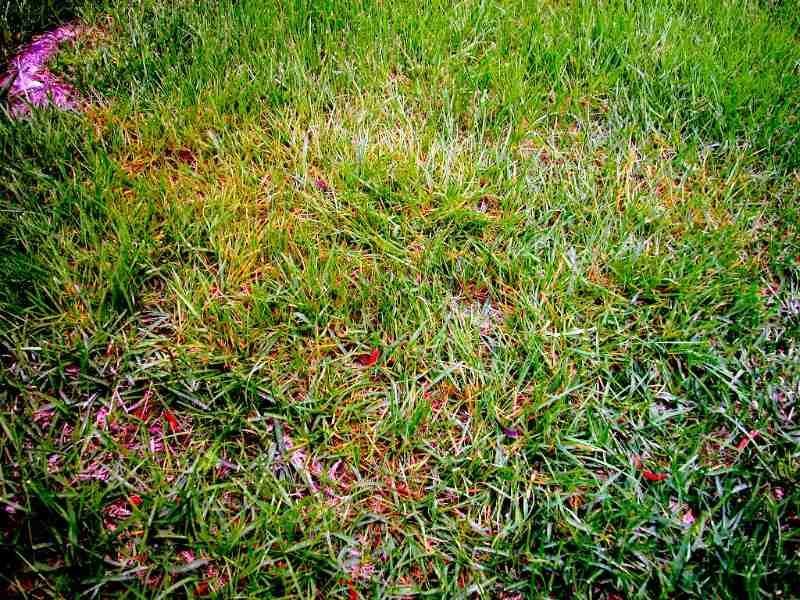
Finding orange powder on your shoes after a walk across the lawn can feel alarming, but rust on an established home lawn is generally considered a cosmetic problem rather than a serious threat to turf survival.
University Extension guidance consistently emphasizes that fungicides are not typically necessary for managing rust in home lawn settings.
Cultural practices that support healthy turf growth tend to be the most practical and effective approach for most homeowners.
Rust often becomes less noticeable on its own as growing conditions change. Cooler fall temperatures, increased rainfall, or a return to more active turf growth can all shift the balance away from visible disease symptoms.
Because rust tends to follow seasonal patterns tied to weather and turf growth rates, many lawns see the orange color fade naturally as conditions change in the fall.
If rust symptoms are severe and persistent, or if a lawn has a history of significant rust problems season after season, consulting with a local Ohio State Extension office or a licensed lawn-care professional may be worthwhile.
They can help evaluate the specific situation and determine whether any additional steps make sense based on the lawn’s condition, grass species, and local environment.
For most established Ohio lawns, though, improving cultural practices and supporting healthy turf growth tends to be the most sensible starting point when rust appears near the end of summer.