Why Michigan Gardeners Should Stop Piling Leaves Directly Against Foundation Beds
One tidy fall habit can turn into a surprisingly expensive little mistake.
Michigan gardeners know the scene. The yard looks sharp. The beds look tucked in. The rake finally gets a rest. You step back, admire the work, and feel like autumn cleanup deserves a gold star.
But one part of that neat finish may be closer to the house than it should be.
It looks harmless. It feels practical. Plenty of people do it every year without a second thought.
So why can such a simple cleanup choice cause trouble long after the yard looks finished?
The answer hides where garden care and home care meet. Moisture, shelter, drainage, and cold weather can all join the same party near your walls.
No panic required. You do not need to waste a useful fall resource or strip your beds bare.
A few small changes can keep the yard attractive, the soil happy, and your house out of the guest list.
Ready to spot the innocent habit that deserves personal space?
1. Wet Leaves Trap Moisture Against Walls
That neat leaf border beside the house can look almost too perfect. Unfortunately, neat does not always mean smart.
Wet leaves press together after rain, frost, or early snow. Once packed, they can hold moisture against brick, siding, trim, and the edge of a foundation bed.
Michigan weather adds another twist. A sunny afternoon may give way to a cold, damp night. Drizzle, condensation, and lake effect moisture can keep that leaf layer wet far longer than expected.
That means the wall behind the pile may get less air and less time to dry.
You do not need to exile every leaf from the garden. Your rake can keep its job and avoid the role of the foundation’s worst roommate.
Pull the leaf line several inches away from the house. Keep leaves from contact with siding and away from window trim, vents, and wood.
Use a lighter layer around plants farther into the bed. Shredded leaves also work well under trees or in compost.
That small gap matters because air reaches the surface more easily. Moisture also gets a better chance to evaporate before another wet spell arrives.
A packed leaf berm may look cozy, but your house does not need an autumn blanket tucked under its chin.
Give the leaves a useful job somewhere else. The plants still get organic matter, and the wall gets some extra space.
2. Foundations Stay Damp Longer Than Expected
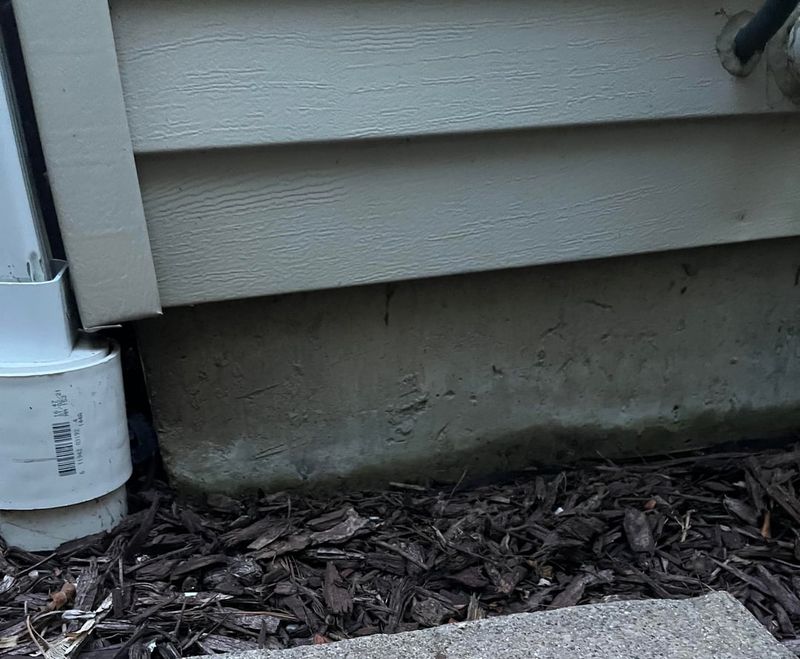
The leaves may be gone, but the damp spot can stay behind like a guest who missed the hint.
Soil beside a house often dries more slowly late in the season. Shade from porches, shrubs, roof overhangs, and the north side of a home can stretch that damp period even longer.
A thick layer of wet leaves adds more moisture to the top of the bed. After removal, the mulch and soil beneath may still feel cool and soggy.
That matters because fall does not offer much help from heat or strong sun. Rain, snowmelt, and chilly days can keep the area damp for quite a while.
Your Michigan Garden Changes Every Week. Your Plan Should Too.
Gardening in Michigan changes quickly throughout the season. Every Friday you’ll receive a simple weekly plan showing exactly what to plant, prune, fertilize, harvest, and protect so you never miss the right timing.
Take a quick look at that narrow strip beside your wall after cleanup. It deserves more attention than the wide lawn, even though it is easy to ignore.
Rake fresh leaf buildup away after windy days. Keep the first several inches next to the foundation clear. Loosen compacted mulch that forms a wet mat.
A visible buffer also makes small problems easier to spot. You can notice puddles, low spots, or mulch that has crept too high before winter settles in.
The fix is not dramatic, and that is part of its charm.
A little extra air and light can help the area dry sooner. Your foundation does not need spa treatment. It just needs less time in the steam room.
3. Pests Find Easy Shelter In The Pile
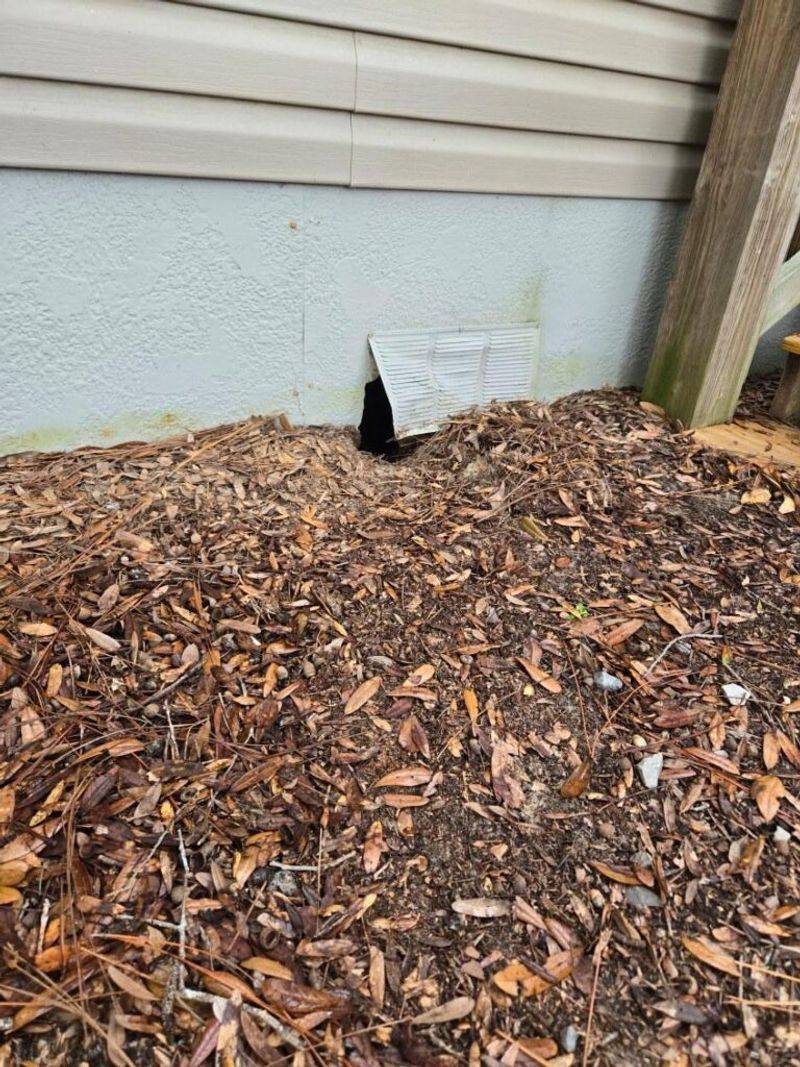
To a mouse or a small garden pest, a leaf pile beside the house can look like prime real estate.
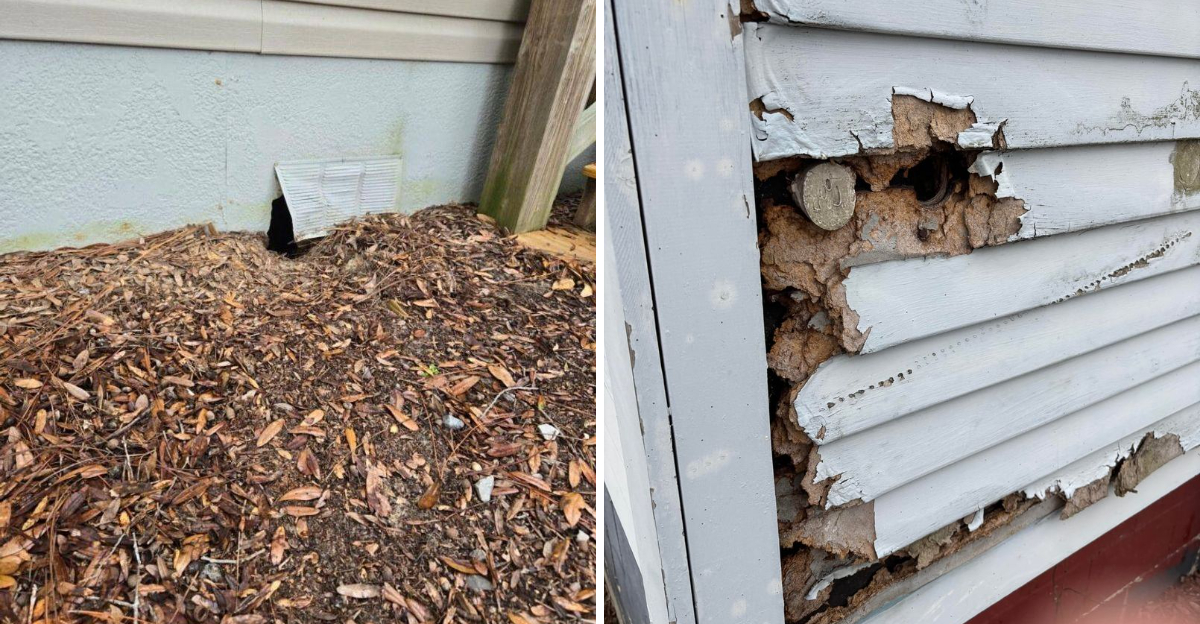
It offers cover from wind, cold snaps, and predators. Add moisture, dense shrubs, or stacked mulch nearby, and the route toward the house becomes even more sheltered.
Earwigs, spiders, sowbugs, and other nuisance pests may use damp debris as cover. Mice and voles may also move through thick material with less exposure.
Not every pile turns into a pest problem. Still, less easy shelter near vents, door thresholds, cracks, and utility openings can make the area less attractive.
This is where a little distance earns its keep.
Move large leaf piles to a compost bin, wire cage, or another spot farther from the foundation. Keep the strip next to the house open enough for easy inspection.
You still get useful organic matter. The difference is location.
A tidy foundation edge also makes signs of activity easier to notice. Small burrows, disturbed mulch, or debris near a gap stand out much faster without a thick leaf layer over everything.
Your garden can stay wildlife friendly, and every tiny traveler does not need a lobby beside the basement.
Give beneficial insects and soil life plenty of leaf habitat farther out in the yard. Near the house, keep the welcome mat a little less attractive.
That is one hotel vacancy worth a small cheer.
4. Rot Risks Rise Near Wood And Siding
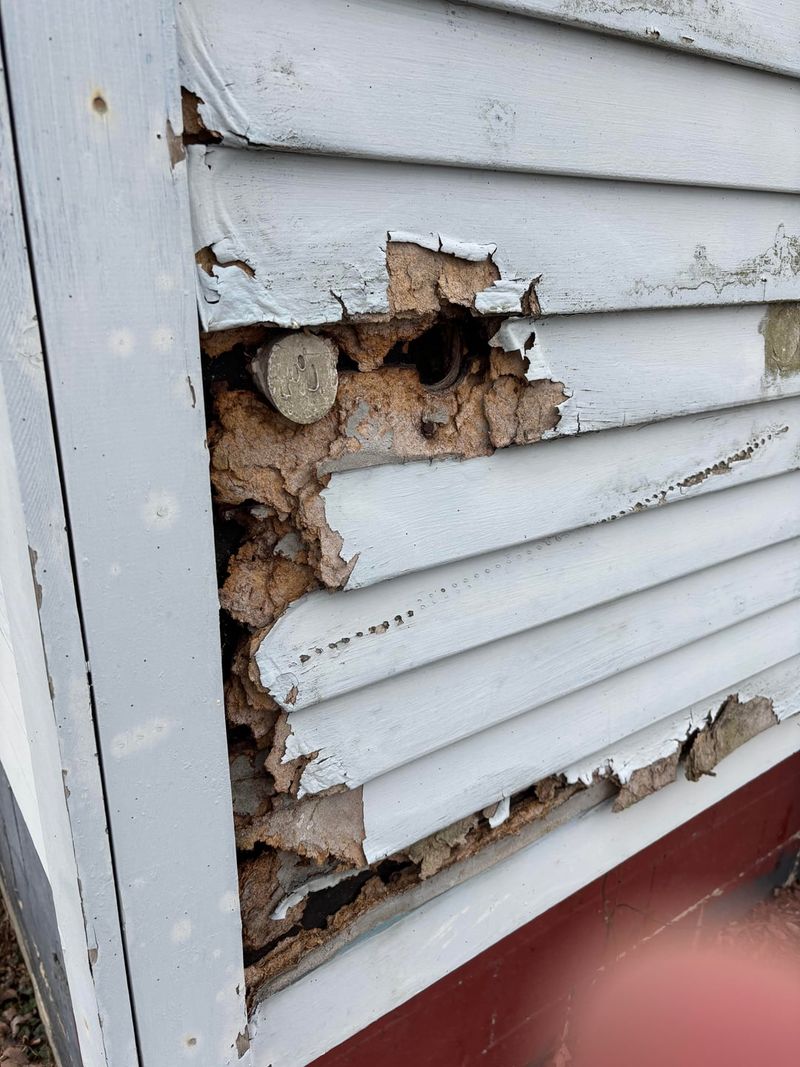
Leaves and wood can get along beautifully in a compost pile. Against your house, the relationship can become far less pleasant.
Soggy leaves hold moisture against low trim, lattice, wooden borders, door frames, and some siding materials. That contact can keep surfaces wet longer after rain or snow.
Michigan homes often have small vulnerable spots close to soil level. They are easy to miss in a fast fall cleanup, especially once a thick leaf layer hides the lower edge of the wall.
Repeated dampness may speed up wear over time. Paint can peel sooner. Caulk may age faster. Wood can soften in spots that rarely get much sun.
Give that area a quick glance while you rake. Your future spring checklist may become much shorter.
Keep wet leaves away from direct contact with exterior materials. Use them under trees, add them to compost, or spread a thin layer around plants farther from the wall.
A clear strip beside the house also makes inspections easier. You can see trim, siding edges, vents, and the foundation line without a pile in the way.
That simple habit costs very little effort.
Leaves belong in plenty of useful places, but they do not need front-row seats against woodwork.
Save the cozy pile for the compost corner. Your siding already has a full-time job and does not need a damp side hustle.
5. Drainage Gets Blocked Right Where It Matters
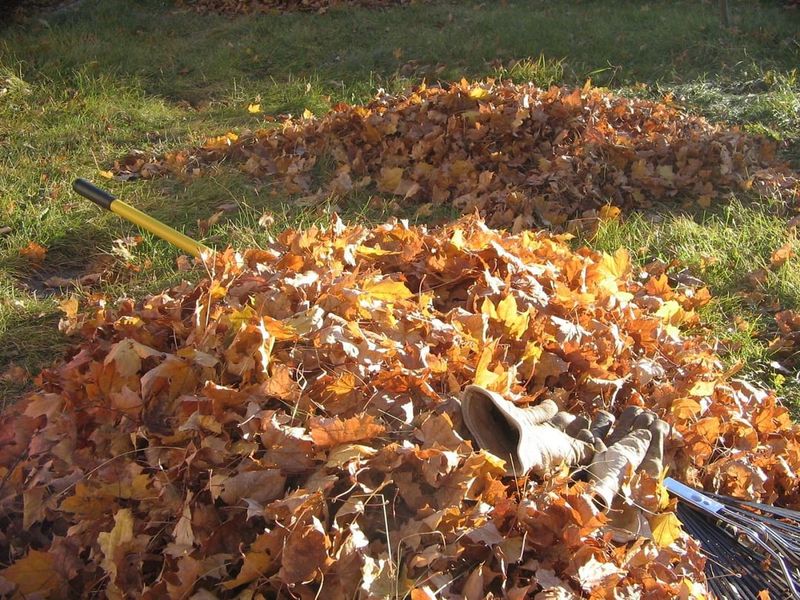
Rainwater likes a clear exit. A wall of wet leaves can turn that exit into rush-hour traffic.
Leaves mixed with mulch, twigs, and soil may form small dams along the edge of a foundation bed. Water can slow down, spread sideways, or linger near the house rather than leave the area.
The problem may look minor at first. A shallow mound does not seem powerful enough to change much.
But small barriers matter in tight spaces, especially around low spots, downspout outlets, bed edges, and areas with a gentle slope away from the home.
Michigan freeze-thaw weather adds another complication. Water that hangs around can soak into the soil, freeze, thaw, and leave the same area messy again.
Take a few minutes after windy weather to clear the route.
Pull leaves away from drains and downspout outlets. Keep the natural slope visible. Remove packed debris that creates little ridges beside the wall.
You do not need a perfectly bare bed. You just want water to have somewhere sensible to go.
This gives the yard a better chance to handle rain and snowmelt without a leafy traffic jam at the foundation.
Your rake becomes less of a cleanup tool and more of a tiny road crew.
Keep the lanes open, let water move on, and save the leaf pile for a place where a puddle does not come with house-sized consequences.
6. A Few Inches Back Makes A Difference
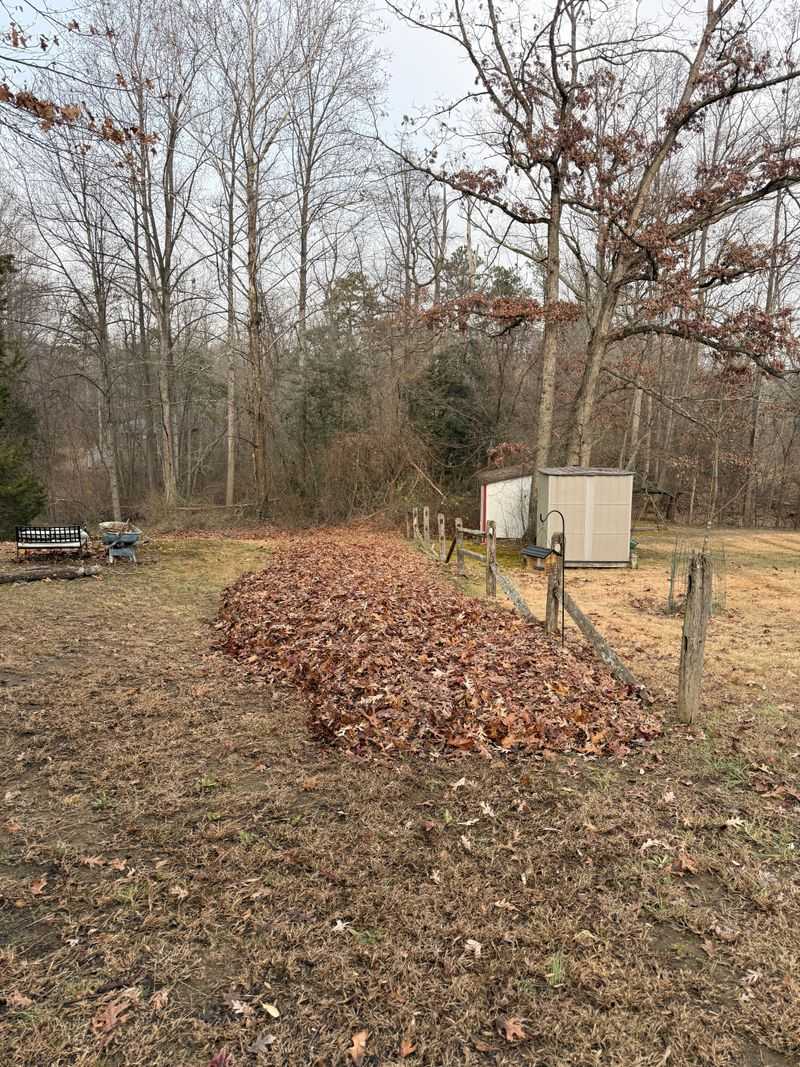
Good news for anyone tired of fall yard work: this fix does not require another Saturday of perfection.
A small gap between the house and the leaf layer can make the foundation bed easier to manage.
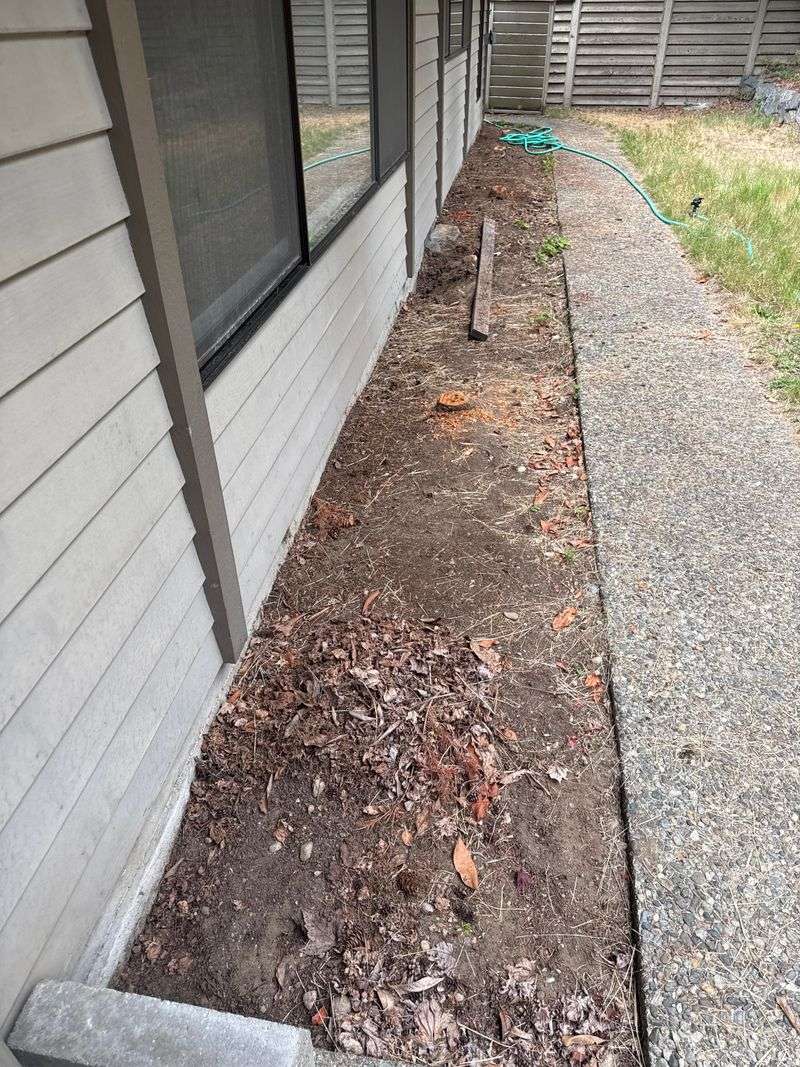
That open strip gives damp soil and mulch more access to air. It also lets some sunlight reach the surface and gives you a clear view of siding, trim, vents, and the base of the wall.
The rule can stay simple.
When leaves touch the house, rake them back. When mulch forms a thick ridge against siding, pull that back too.
You do not need a ruler in one hand and a rake in the other. A visible buffer is the goal.
For Michigan yards with heavy maple, oak, or other fall leaf drop, that approach feels realistic. You still keep useful leaves in the landscape without a packed layer against the structure.
Use the extra material around perennials, under trees, or in a compost area.
The house gets personal space. The garden still gets the good stuff.
That balance matters because fall chores multiply fast. Nobody wants one tiny foundation bed to become a weekend project with its own committee.
A few inches of separation may look almost silly compared with a huge pile of leaves.
Still, tiny boundaries can do useful work. Even your house deserves a polite little “not so close” zone before winter arrives.
7. Compost Leaves Instead Of Stacking Them
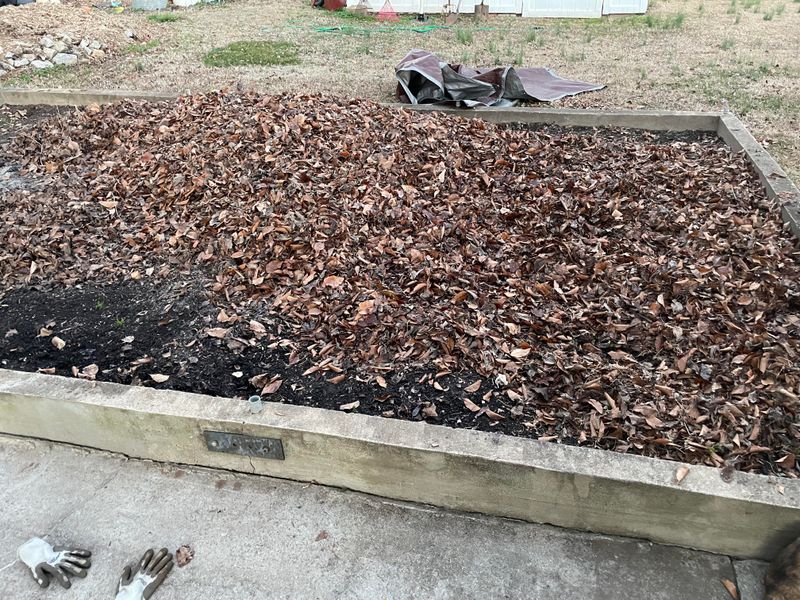
That mountain of leaves is not yard waste. It is future garden material with an awkward schedule.
Rather than stack it against the house, move it to a spot where it can actually earn its keep.
A compost bin or simple wire cage can handle a remarkable amount of fall leaves. Shredded leaves break down faster, so a mower can help before the pile goes into storage.
Add some fresh green material when you have it. Keep the pile moist rather than soaked, and let air move through it.
No elaborate setup is required.
You can also spread shredded leaves under trees or across cleared vegetable beds. A light layer around established plants can help cover soil through the colder months.
The important part is location. Keep the bulk of that material away from the foundation, siding, vents, and drainage routes.
You get two wins from the same rake session. The house gets a cleaner edge, and the garden keeps a valuable source of organic matter.
That beats the chore of bag removal just to buy compost later.
Fall already gives you the ingredients for next season. You only need to move the pile to the right kitchen.
By spring, that pesky leaf avalanche may look a lot more like garden currency.
Let the compost corner take the overflow. Your foundation has enough on its plate without a maple-leaf casserole pressed against the wall.