The Ohio Wildflowers Now Considered Prohibited Noxious Weeds
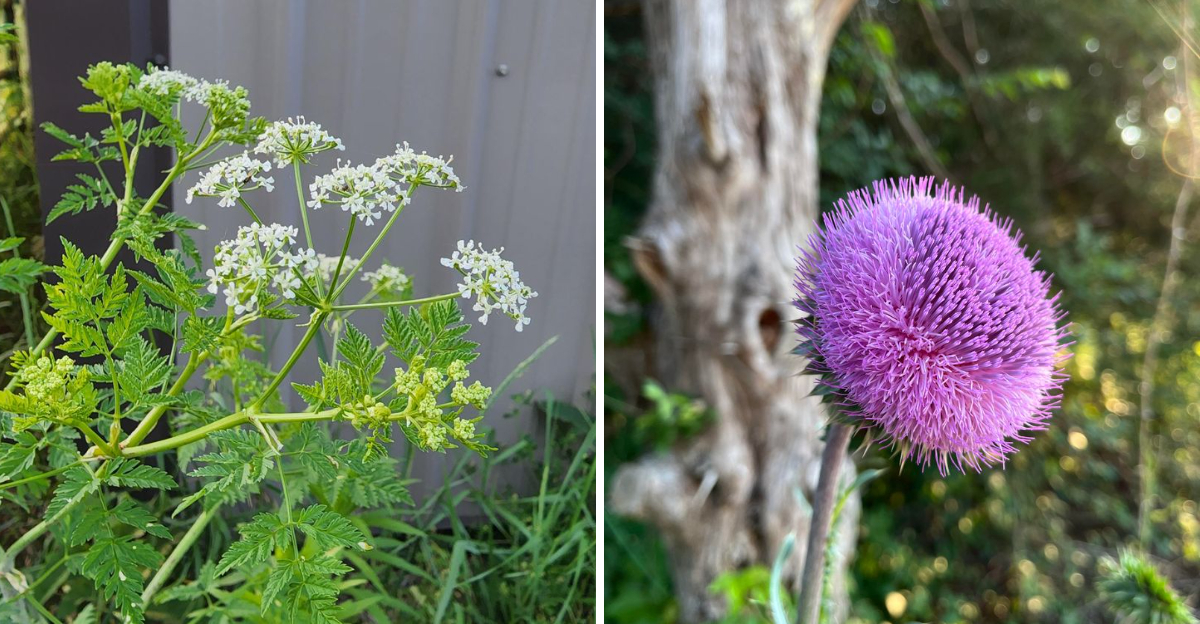
A homeowner stops by a roadside ditch to admire a patch of tall purple flowers.
Nice color. Looks like something worth having in a rain garden.
That plant appears on Ohio’s noxious weed list, and the state requires landowners to control it.
Here’s what makes this genuinely surprising. Several plants on that list look exactly like something you’d want.
Bright yellow spring flowers. Delicate white lace-cap blooms. Purple spikes that photograph beautifully.
A couple of them are also better admired from a distance than handled, which is not something most people associate with wildflowers.
Ohio maintains a formal list, and the obligations attached to it are legal rather than advisory.
Knowing which plants qualify saves you real trouble down the road.
Curious what’s growing along your property line?
1. Purple Loosestrife Tops The Banned List
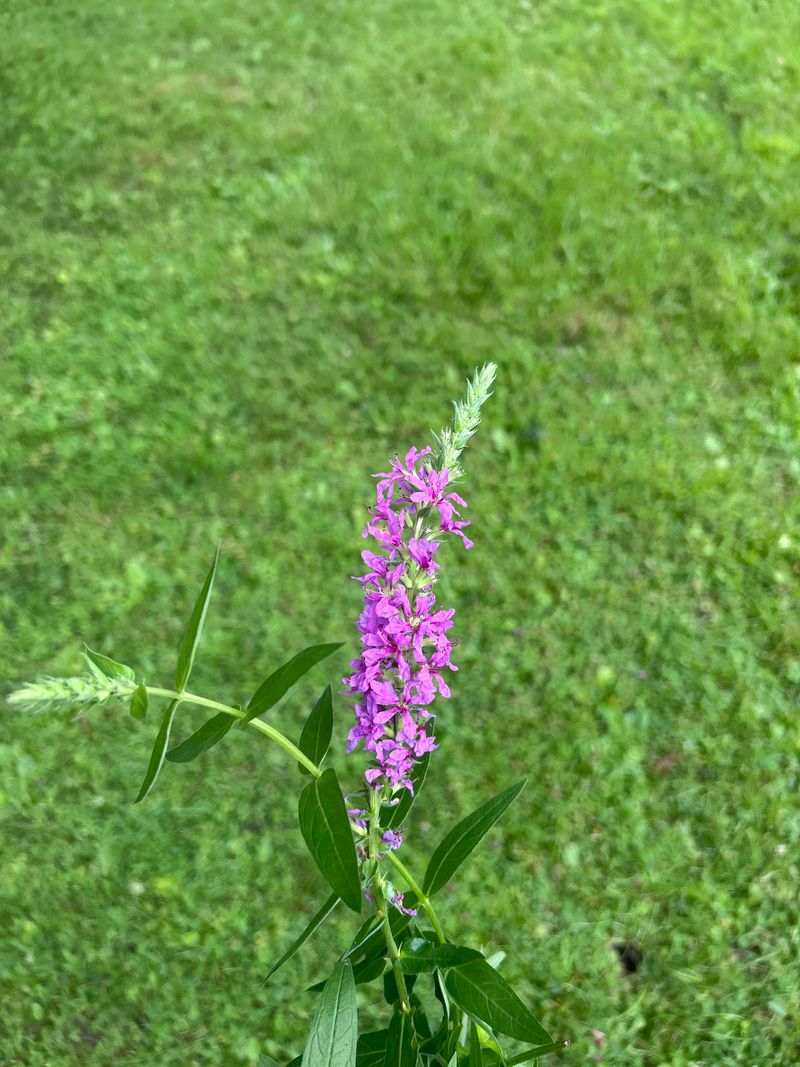
At first glance, purple loosestrife looks like something a gardener would proudly keep.
Tall stems and bright purple flower spikes make a wet ditch or pond edge genuinely attractive.
Ohio lists it as a prohibited noxious weed because it invades wetlands and displaces native vegetation.
Once established, the situation escalates quickly.
A mature plant can produce enormous quantities of seed, and those seeds travel through water, mud, boots, and equipment, which makes control considerably harder than homeowners expect.
Wildlife habitat quality declines where thick stands replace the mix of native sedges and wetland plants.
Ohio law focuses on control and removal rather than treating this as a garden option.
Finding purple loosestrife on your property means avoiding digging or mowing after seed forms, since that spreads it further.
Bag plant material carefully, clean tools afterward, and contact your county extension office or soil and water district for guidance.
Biological control using specific beetles has been used in Ohio and elsewhere with some success on established stands.
Checking labels before buying anything for a rain garden or pond border helps too.
Some cultivars sold as sterile have proven capable of producing viable seed, which is why the species remains prohibited regardless of variety.
Compare leaf shape, stem structure, and flower arrangement against Ohio Department of Agriculture or extension guides before assuming a purple flower is safe.
2. Handle Giant Hogweed With Real Caution
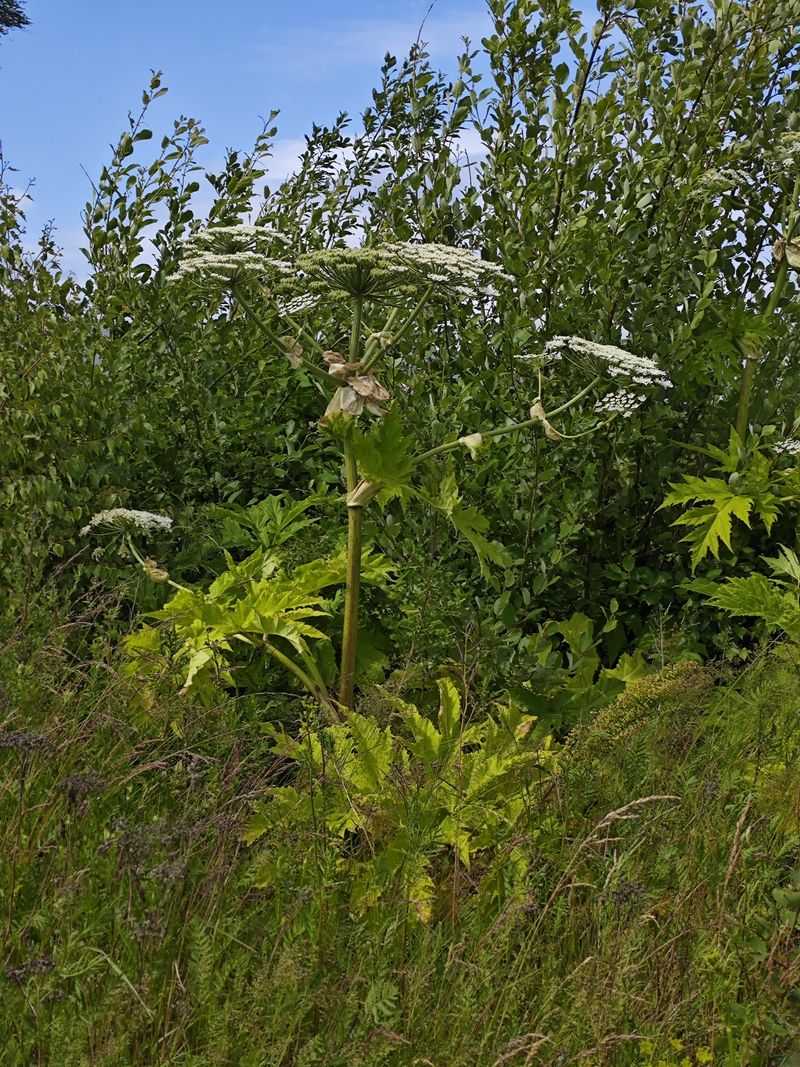
Some plants look dramatic enough to belong in a storybook, and this is one of them.
Giant hogweed can tower well over a person, with enormous leaves and broad white flower clusters reaching several feet across.
Ohio classifies it as a prohibited noxious weed, and it comes with a skin sensitivity concern that goes beyond ordinary garden nuisances.
The sap can cause a strong skin reaction when it contacts skin that later meets sunlight.
Irritation and lingering light sensitivity may follow, which is why nobody should handle suspected giant hogweed bare-handed.
Children, hikers, and yard workers all face exposure where the plant grows along trails, roadsides, or unmanaged property edges.
Eye contact is worth avoiding carefully as well, which strengthens the case for leaving it alone entirely.
Early identification matters given both the spread potential and the handling concern.
Your Ohio Garden Changes Every Week. Your Plan Should Too.
Gardening in Ohio changes quickly throughout the season. Every Friday you’ll receive a simple weekly plan showing exactly what to plant, prune, fertilize, harvest, and protect so you never miss the right timing.
Look for massive size, thick hollow stems with purple blotches, coarse white hairs, and umbrella-shaped flower heads.
Confusion with cow parsnip and other carrot family members happens regularly, so guessing is a poor approach.
Suspected giant hogweed should be reported to local authorities or extension educators rather than handled.
Keep people and pets away from it entirely.
Do not cut, mow, or pull it without expert direction and protective equipment, since damaging the plant releases more sap.
Ohio’s noxious weed designation requires control, and the skin sensitivity issue makes professional involvement the sensible route.
3. Poison Hemlock Hides Among Pretty Blooms
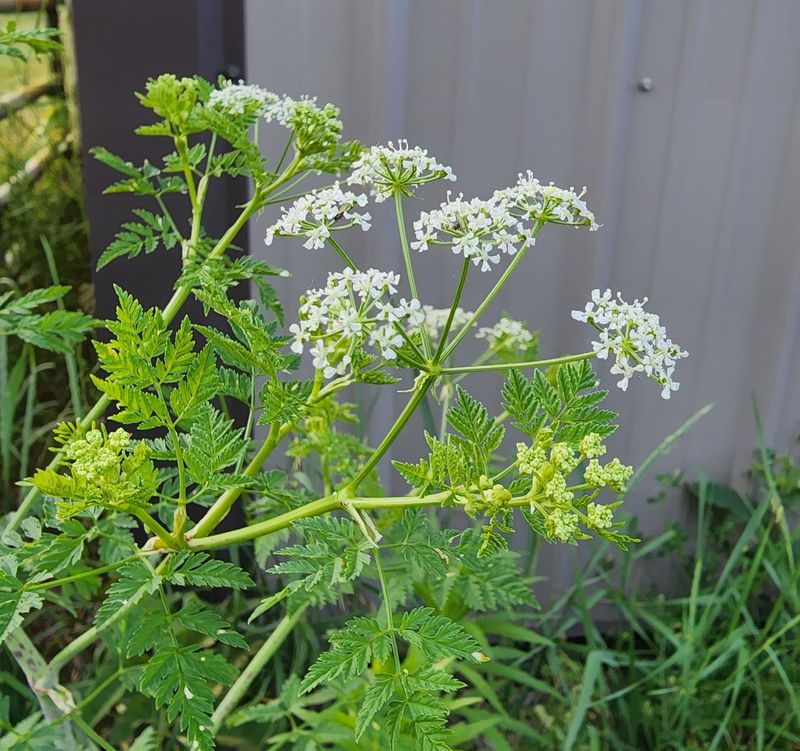
Among the sneakier plants on Ohio’s prohibited list, poison hemlock deserves particular attention.
From a distance, lacy foliage and clusters of small white flowers read as soft and harmless, almost like a cottage garden plant.
Every part of the plant is toxic to people, pets, and livestock.
Most problems occur because poison hemlock grows where people pass daily.
Roadsides, fence rows, field edges, drainage areas, and neglected yard corners all host it readily, and it has expanded significantly across Ohio in recent decades.
A key identification clue is the smooth stem marked with purple blotches, which distinguishes it from several look-alikes.
Touching poison hemlock doesn’t produce the sun-triggered reaction that giant hogweed and wild parsnip cause.
Careless handling remains a poor idea, since sap can be absorbed through skin.
The larger concern involves ingestion or plant material getting mixed into hay or animal feed, which is part of why Ohio requires control.
Wild carrot and elderberry both get confused with it, and neither has the purple-blotched smooth stem.
White umbrella-shaped flowers appearing where you can’t identify them warrant a pause before pulling or mowing.
Gloves, long sleeves, and eye protection make sense regardless.
Trusted identification guides from the Ohio Department of Agriculture or extension resources settle the question.
Burning it is specifically inadvisable, since smoke carries the compounds.
4. Cressleaf Groundsel Threatens Grazing Animals
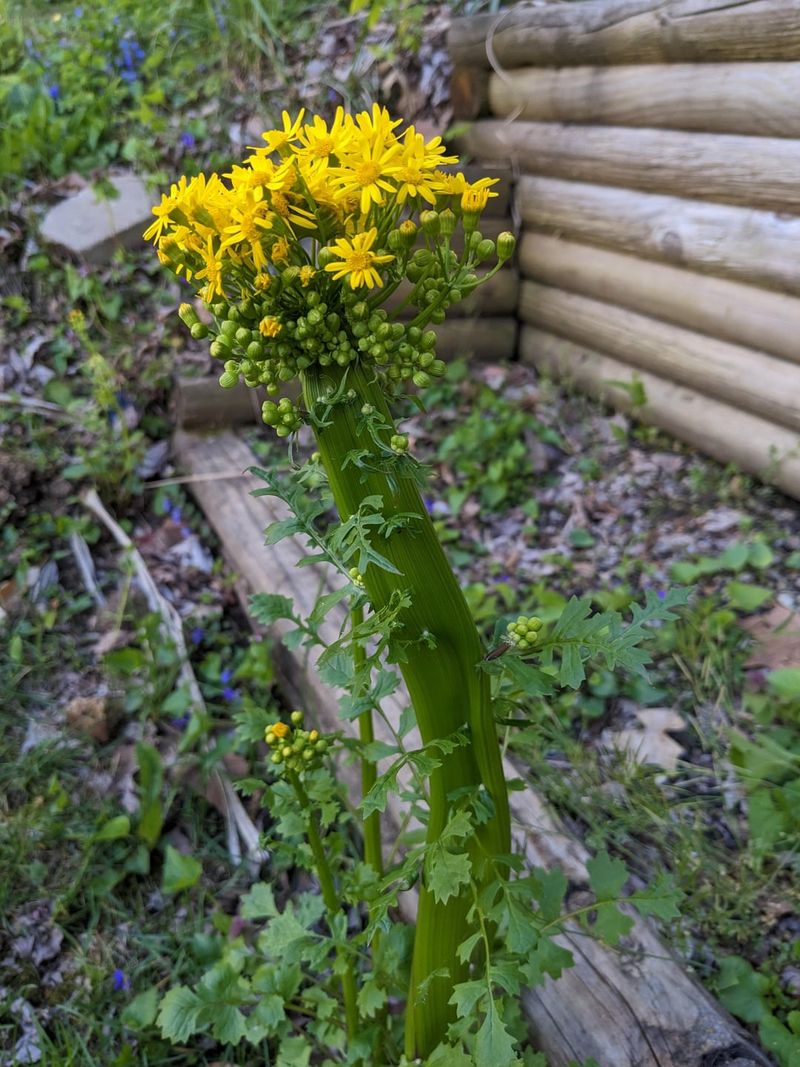
Spring fields can glow with cheerful yellow flowers, and cressleaf groundsel fools people that way regularly.
Also called butterweed, it looks sunny and harmless while appearing on Ohio’s prohibited noxious weed list.
The concern involves spread in pastures and hay fields plus a real risk to grazing animals.
Livestock face the primary issue, with cattle and horses most affected.
Fresh plants taste bitter, so animals typically avoid them when better forage is available.
Dried material in hay presents the actual problem, since it becomes much harder to detect and animals consume it along with everything else.
Compounds in the plant cause cumulative liver damage over time, which turns a colorful patch into a serious management concern.
Cressleaf groundsel favors wet or poorly drained ground, field edges, and thin forage stands where bare soil allows establishment.
Those yellow daisy-like blooms and deeply lobed leaves stand out in spring, making that season ideal for scouting.
Worth noting that this plant is native to parts of North America, which sometimes confuses people about its listed status.
Native and problematic aren’t mutually exclusive when livestock are involved.
Homeowners near rural land should prevent it from setting seed regardless of how pleasant it looks briefly.
Improved drainage, thicker grass cover, and timely mowing all help depending on the situation.
5. Wild Parsnip Deserves Gloves And Long Sleeves
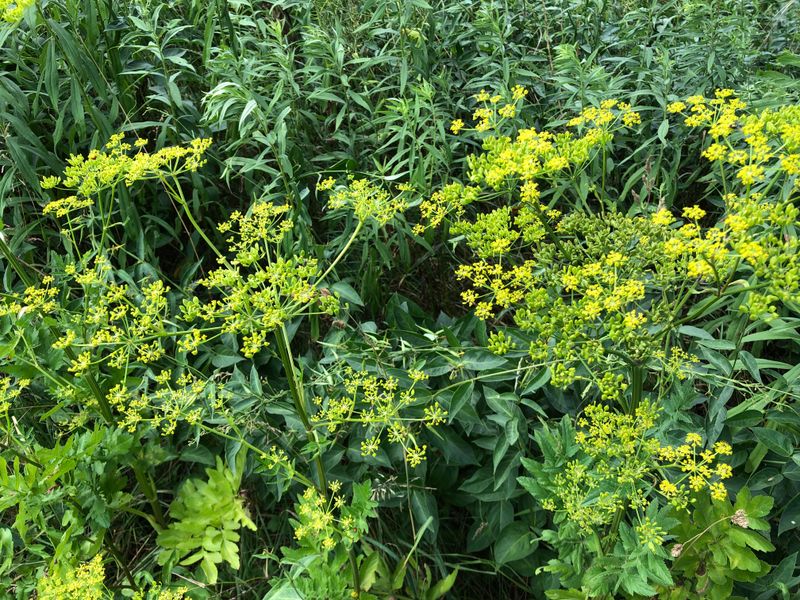
Wild parsnip doesn’t demand attention the way giant hogweed does, and it leaves an impression anyway.
Ohio includes it on the prohibited noxious weed list, and the sap can irritate skin once sunlight reaches the area.
The reaction is called phytophotodermatitis, and it may leave redness and darker marks that linger for a while.
People typically encounter wild parsnip while trimming roadsides, walking through tall grass, or weeding without recognizing what they touched.
Summer is when that combination shows up most, since the plant is active and skin is often uncovered.
Look for clusters of small yellow flowers in flat-topped arrangements, along with grooved stems and compound leaves.
Carrot family membership means confusion with other species happens, so careful identification matters before cutting anything.
Gloves, long sleeves, and eye protection are sensible whenever handling an unfamiliar weed.
Golden Alexanders is a native look-alike with similar yellow flowers, which makes correct identification worth the effort.
Avoid pulling it bare-handed or mowing through a patch in shorts.
Sap contact calls for prompt washing and keeping the area out of sunlight for a couple of days.
Cutting the root below the crown before seed set works for individual plants.
Ohio’s rule addresses a prohibited noxious weed, and the skin sensitivity issue justifies extra caution from first sighting.
6. Musk Thistle Spreads Aggressively Through Fields
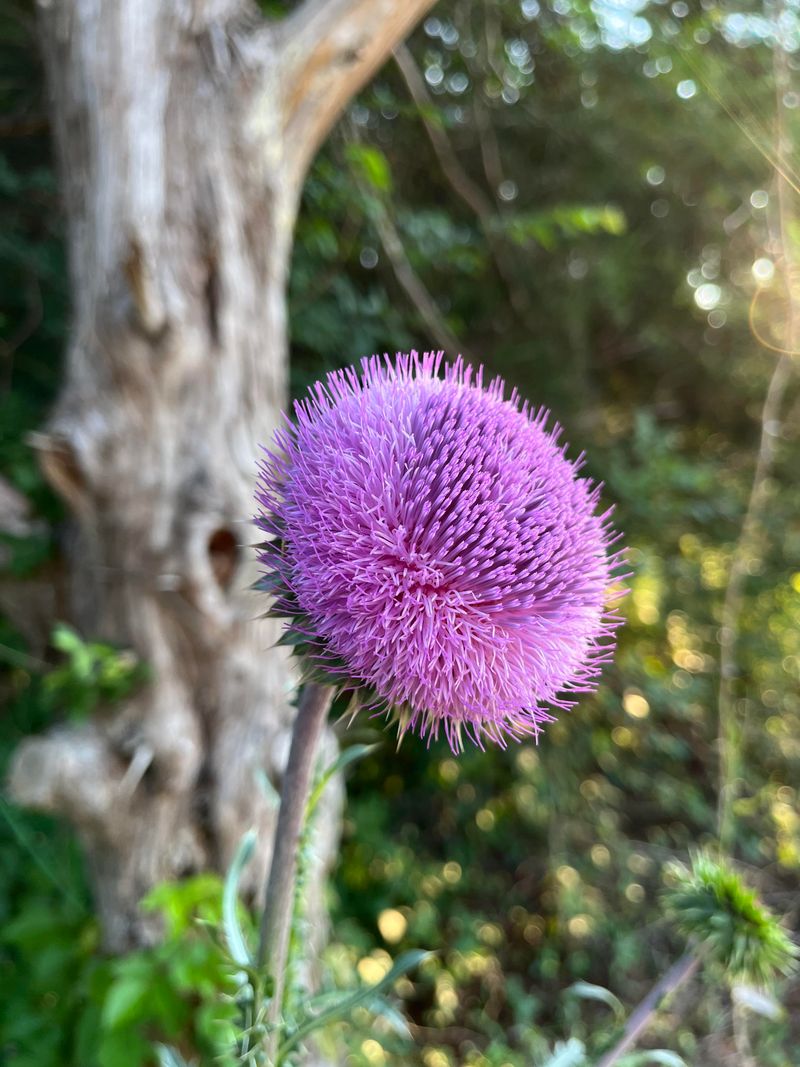
A musk thistle patch starts with one striking purple bloom and ends with a genuine field problem.
Ohio lists it as a prohibited noxious weed because it spreads aggressively, competes with useful forage, and creates a prickly barrier both animals and people avoid.
This plant is built for expansion rather than good behavior.
Seed production runs high, and wind carries seed into pastures, roadsides, and disturbed ground readily.
The plant forms a spiny rosette close to the ground first, then bolts later with large nodding flower heads that catch attention before releasing more seed.
Biennial life cycle means most plants spend a full year as a rosette before flowering.
Farmers watch musk thistle closely because infestations reduce grazing value and complicate land management.
Homeowners should care too, particularly on property bordering open land where seed travels freely.
Cutting or pulling before seed set helps considerably, and gloves plus sturdy clothing are necessary given how sharp the foliage runs.
Timing matters most. Removing plants at the rosette stage or before flowers open prevents the seed release that perpetuates a patch.
Introduced weevils provide some biological control in parts of the state.
Native thistles exist in Ohio and support pollinators, so identification before removal prevents eliminating something beneficial.
Field thistle and swamp thistle are both native and shouldn’t be treated as targets.
7. Japanese Knotweed Takes Over And Refuses To Leave
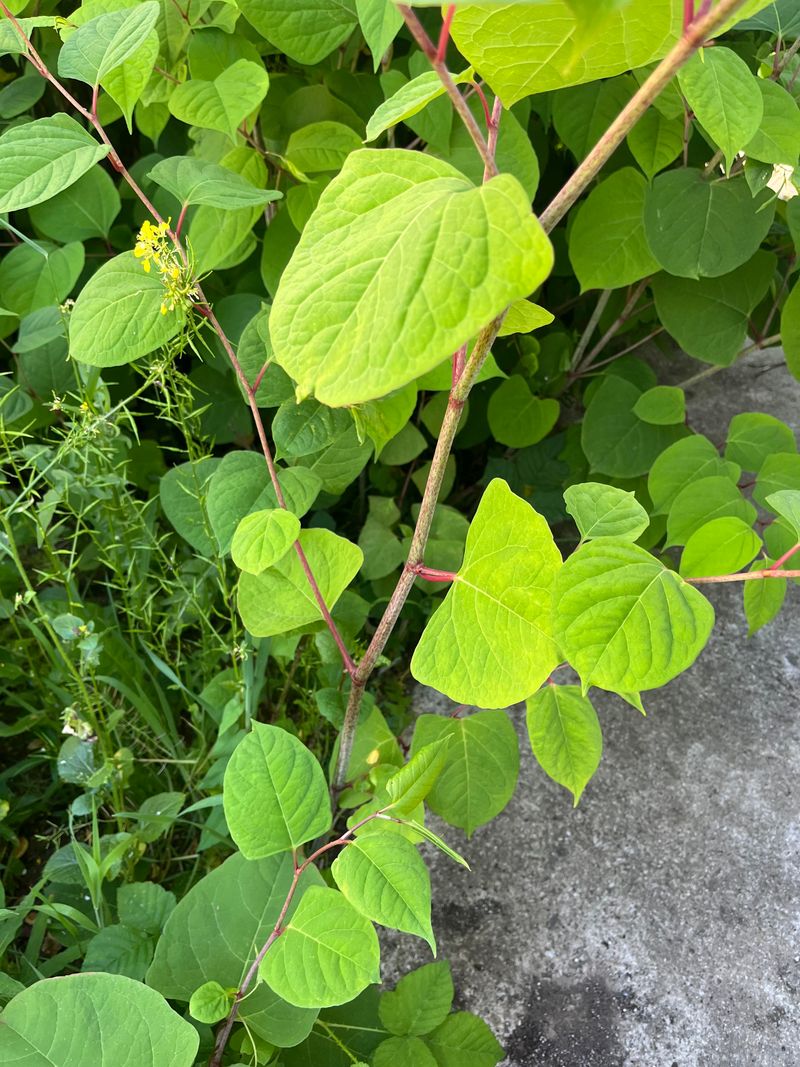
Japanese knotweed looks almost tropical, with hollow bamboo-like canes and broad leaves reaching eight feet or more.
Ohio lists it as a prohibited noxious weed, and it has invaded stream corridors across much of the state.
Spread happens through rhizomes and stem fragments rather than primarily seed, which changes everything about management.
Small pieces of root or stem can establish new plants, so any soil movement or careless disposal creates new infestations.
Water carries fragments efficiently, which explains the pattern along creeks and rivers.
Established stands crowd out native vegetation completely and reduce stream bank stability once top growth drops away each season.
The plant can damage pavement and foundations by exploiting existing cracks, though claims about it breaking through sound concrete are overstated.
Never compost or dump cut material, since fragments regenerate readily.
Mowing spreads it by scattering stem pieces, which makes that approach counterproductive.
Control generally requires repeated treatment across multiple growing seasons, and a single effort accomplishes very little.
Cut stem or foliar herbicide applications in late summer, when the plant moves resources to its roots, work better than spring treatment.
Extension guidance covers current recommendations and timing.
Suspected knotweed warrants documentation and a call to your county extension office rather than a weekend with a chainsaw.
8. Canada Thistle Runs Underground And Keeps Going
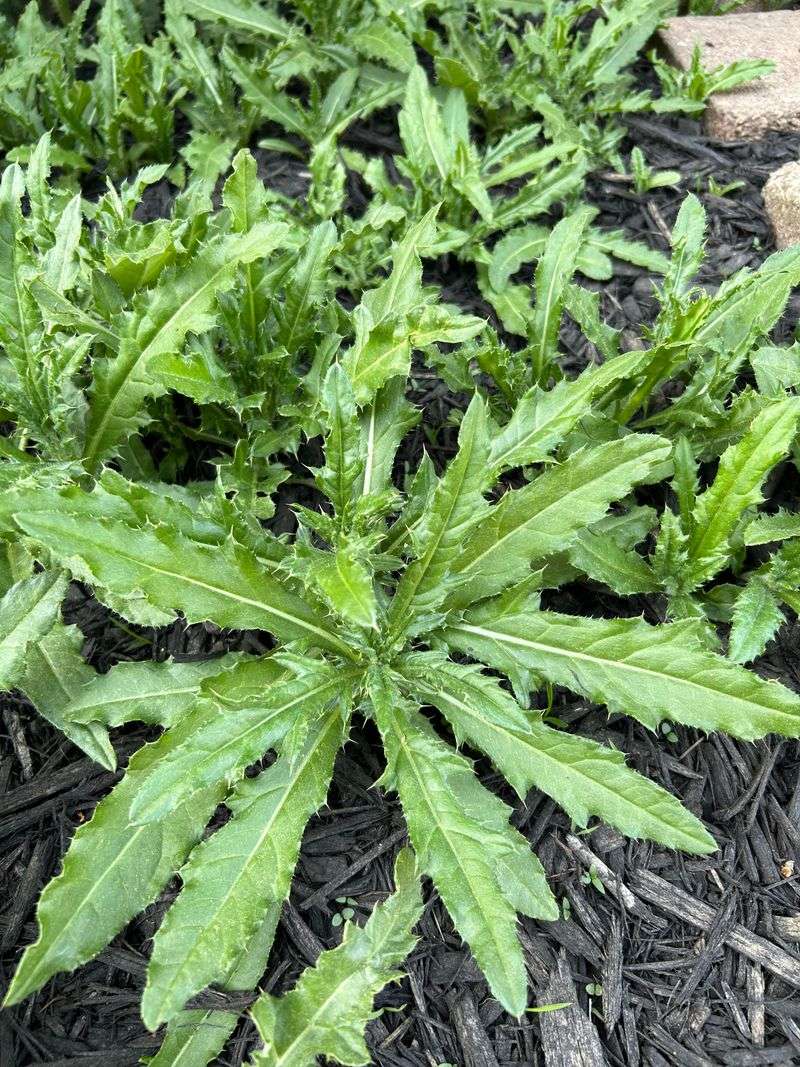
Canada thistle appears on Ohio’s prohibited noxious weed list, and the name misleads people since it actually came from Europe.
Purple flower heads sit smaller than musk thistle’s, and the plant grows shorter overall, typically two to four feet.
What makes it difficult is the root system.
Canada thistle spreads by extensive horizontal roots, sending up new shoots across considerable distances from the original plant.
That habit means a patch you pull returns from root fragments left behind, similar to knotweed in persistence if not in size.
Seed production adds a second route, with wind carrying it into new ground.
Crop fields, pastures, roadsides, and garden beds all host it, and it competes strongly for water and nutrients.
Spiny leaves discourage grazing, which lets patches expand in pastures while livestock eat around them.
Repeated cutting weakens the root system over time, though single efforts accomplish nothing lasting.
Timing helps considerably. Cutting or treating in early bloom, when root reserves run lowest, sets the plant back most.
Fall treatment also works well since resources move downward then.
Maintaining thick competitive grass cover limits establishment in pastures and lawns.
Hand pulling in garden beds requires persistence across several seasons rather than one thorough afternoon.
Extension guidance covers current control options, and county offices can advise on specific situations.