The Invasive Shrub Georgia Gardeners Should Remove Before It Crowds Out Natives
One ordinary-looking shrub can quietly take over the edges of a yard while blending in with everything growing around it. By fall, its presence may become harder to ignore.
What looks like harmless greenery can gradually claim space that native plants could otherwise use.
That matters beyond one crowded corner because the shrub can spread into nearby natural areas. Georgia gardeners who recognize it early have a better chance to keep that spread under control.
Before removing anything, though, make sure you have identified the right plant.
Several shrubs can look similar from a distance, so leaves, berries, and growth habits deserve a closer look. Once the identification is clear, you can choose the right way to handle it.
Catching this aggressive shrub early can protect valuable space for native growth.
1. This Fast Growing Shrub Can Quietly Take Over Open Areas
Autumn olive does not creep. It moves into open ground with speed that catches most people off guard.
Old pastures, roadside banks, and cleared lots are its favorite landing spots in Georgia. Sunny, disturbed soil is all it really asks for.
Growth of several feet in a single season is common on good sites, though the pace slows in heavy shade or very poor ground.
What helps it along is a root system that partners with soil bacteria to pull nitrogen from the air. Thin, rocky, worn-out soil that stalls other plants still supports it.
Plants can reach fifteen to twenty feet tall and spread just as wide, forming a rounded mass with arching branches.
Mature shrubs often carry short, stiff spurs along older stems. Reaching into the middle of one is not pleasant work.
A single plant left alone for a few years turns into a screen that blocks the view across a field.
The change is easy to miss because it happens between mowings. Skip a couple of seasons on a back corner and the shape of that space is different.
Walking your property line once or twice a year is the cheapest control method there is.
Catching a shrub at knee height saves hours of sawing later. That single habit prevents most of the headaches described in the sections ahead.
2. Silvery Leaf Undersides Make Autumn Olive Easier To Identify
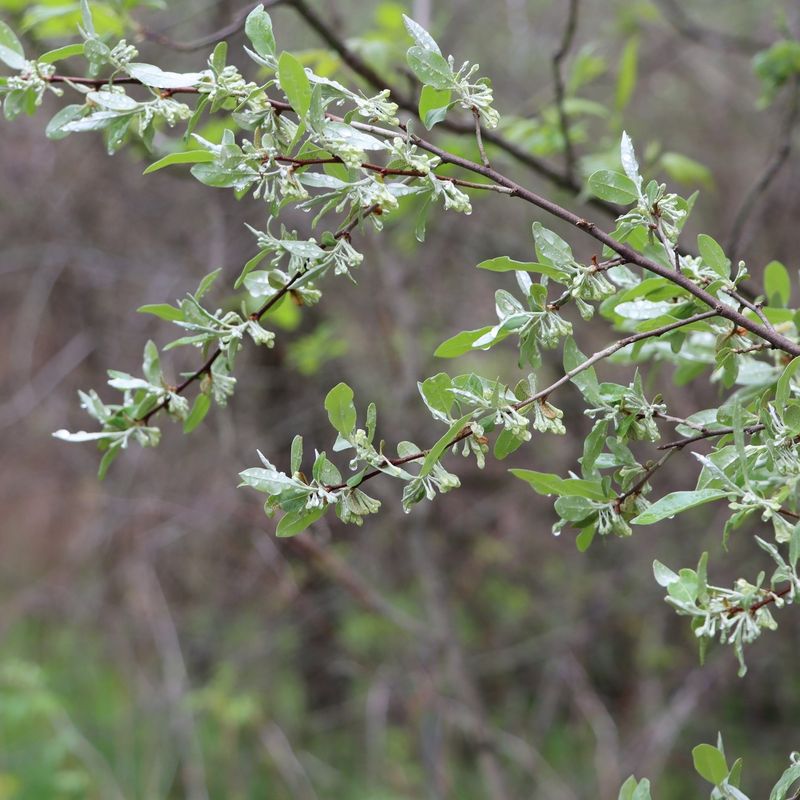
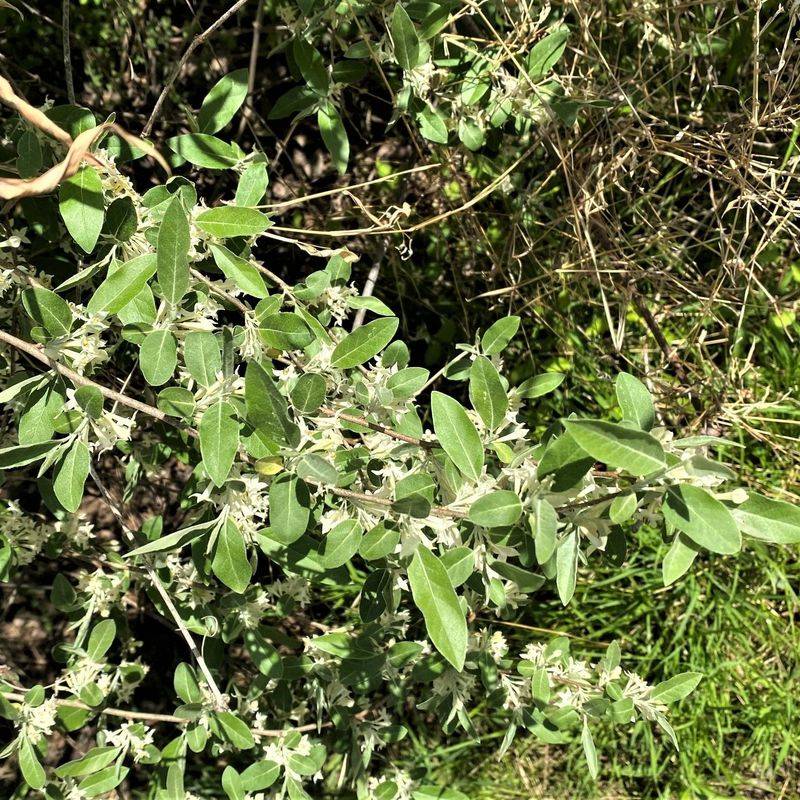
Flip a leaf over. The bottom flashes silver, and that one detail settles most identification questions.
Top surfaces are a dull grayish green with wavy edges. Undersides look almost metallic, covered in tiny scales that catch light.
Rub a leaf between your fingers and the scales feel slightly gritty rather than fuzzy.
Young twigs share the same treatment, showing silver or coppery speckles along their length. Older bark turns gray and rougher.
Leaves grow alternately along the stem, never directly across from each other.
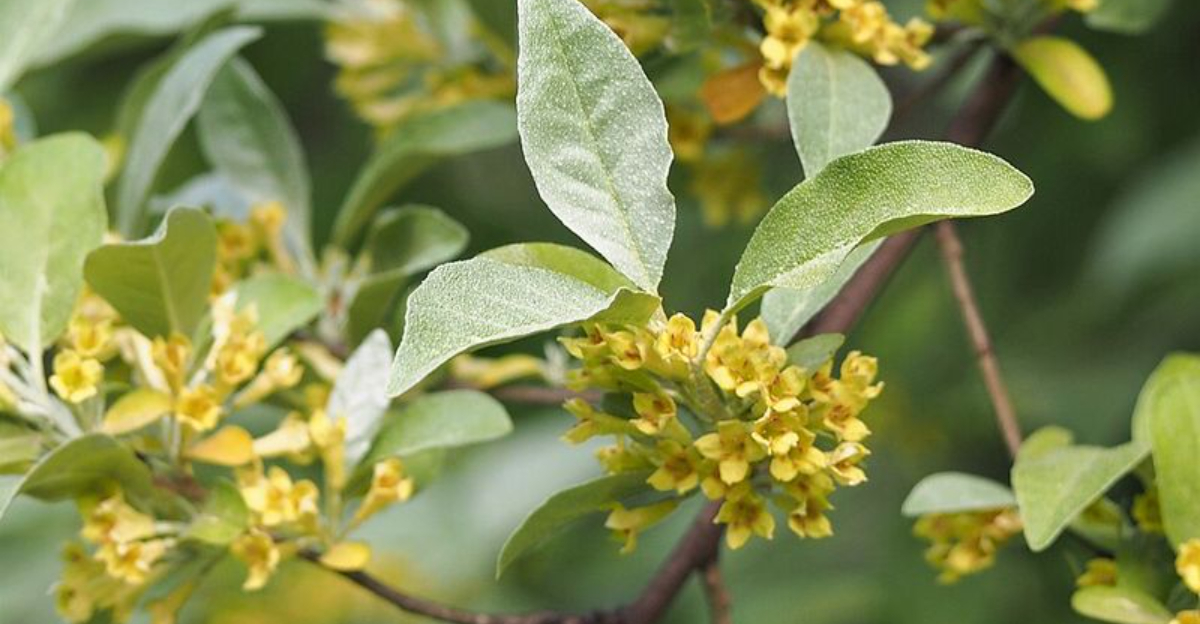
Spring brings small cream to pale yellow tube-shaped flowers clustered near the leaf joints. The scent carries a fair distance on warm April afternoons.
Sometimes people confuse it with Russian olive, which has narrower, more strongly silver leaves on both sides.
Your Georgia Garden Changes Every Week. Your Plan Should Too.
Gardening in Georgia changes quickly throughout the season. Every Friday you’ll receive a simple weekly plan showing exactly what to plant, prune, fertilize, harvest, and protect so you never miss the right timing.
Native alternatives rarely cause mix-ups once you know the trick. Silverberry relatives are uncommon in wild settings across Georgia.
Autumn olive also leafs out early and holds foliage late, which makes it stand out in dormant hedgerows.
That extended season is part of why it competes so well. Longer leaf time means more growth stacked up each year.
Take a photo of a confirmed plant on your phone for reference.
Comparing new finds against a known example beats guessing from memory. County extension offices will also confirm samples if you are unsure.
3. Red Berries Help This Invasive Shrub Spread Into New Areas
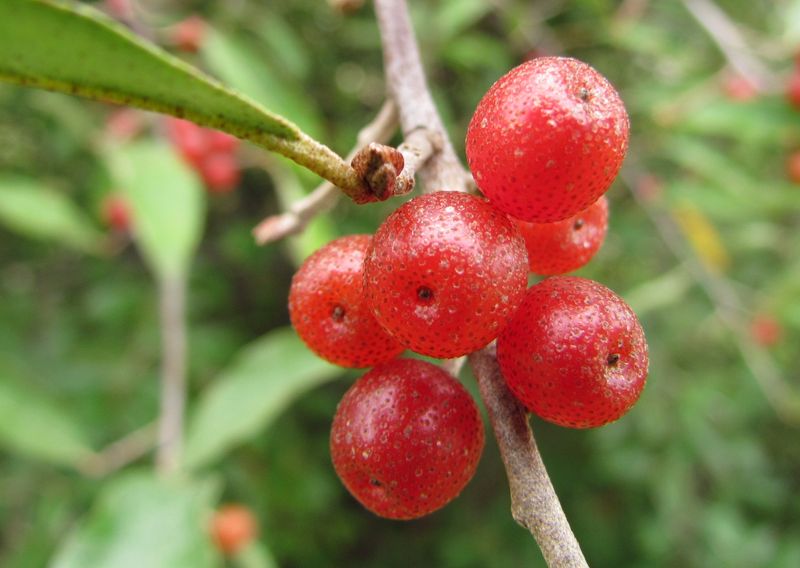
Birds do the planting. That is the honest answer to how autumn olive keeps showing up in places nobody touched.
Berries ripen red in late summer through fall, each one dotted with tiny silver flecks. Clusters can be heavy enough to bend branches.
Mockingbirds, robins, cedar waxwings, and others eat them freely and carry seeds far from the parent shrub.
Fence lines and utility corridors collect the most seedlings for exactly that reason. Birds perch, then move on.
A large plant may produce thousands of fruits in a strong year, though yields swing with weather and plant age.
Seeds germinate well in bare or lightly disturbed soil. Freshly cleared land and old logging tracks fill in quickly.
Fruit is edible for people and slightly tart, which is part of why the shrub was once promoted for wildlife plantings.
Good intentions aside, that history explains why so many rural corners of Georgia now deal with it. Plants escaped the sites where they were installed.
Removing shrubs before berries ripen cuts down on new seedlings nearby.
Late spring and early summer work is worth scheduling for that reason. You are dealing with one plant instead of a future patch.
Bagging any fruit you do knock loose keeps it from sprouting in the mulch pile.
4. Dense Growth Can Leave Native Plants With Less Room
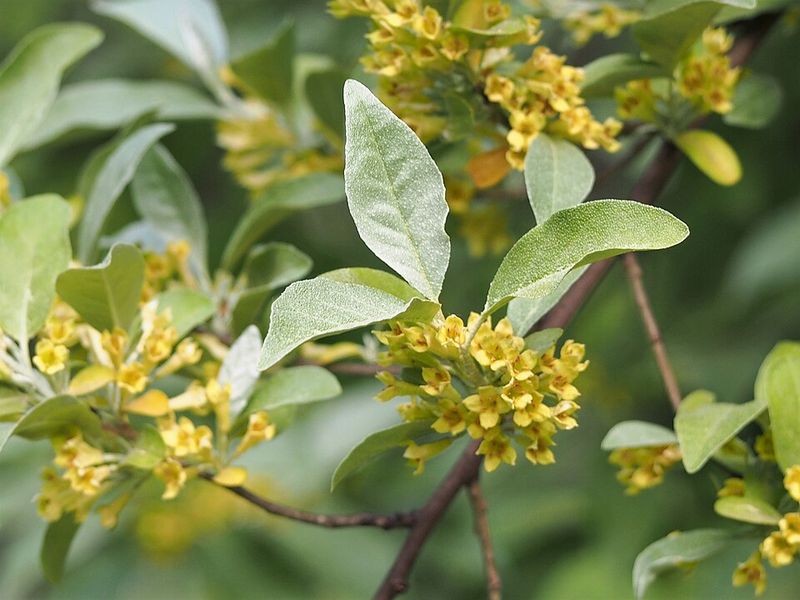
Step under a mature autumn olive and the ground beneath it looks bare. Very little grows there.
Branches spread wide and layer over each other, cutting light before it reaches the soil. Seedlings of oak, dogwood, and sumac struggle in that shade.
Wildflowers that need open sun simply drop out of the mix.
Nitrogen added by the roots changes soil chemistry over time. Some native species handle lean soil better than enriched soil, so the shift can favor weedy competitors.
Results vary by site, and soil type plays a big role in how noticeable the change becomes.
Meadow edges and pine savanna openings across Georgia are especially sensitive. Those habitats depend on sunlight reaching the ground.
Wildlife value is thinner than it looks, too. Berries offer sugar but less fat than native fruits like viburnum or spicebush.
Birds still eat them, though a landscape built mostly on autumn olive supports fewer insect species overall.
Insects matter because songbirds feed caterpillars to their young. Fewer native plants generally means fewer caterpillars.
Thickets also make mowing, fencing, and walking harder on rural property.
Access problems tend to be what finally pushes landowners to act. The ecological reasons are real, but the practical ones get attention first.
5. Small Plants Are Easier To Pull Out By The Roots
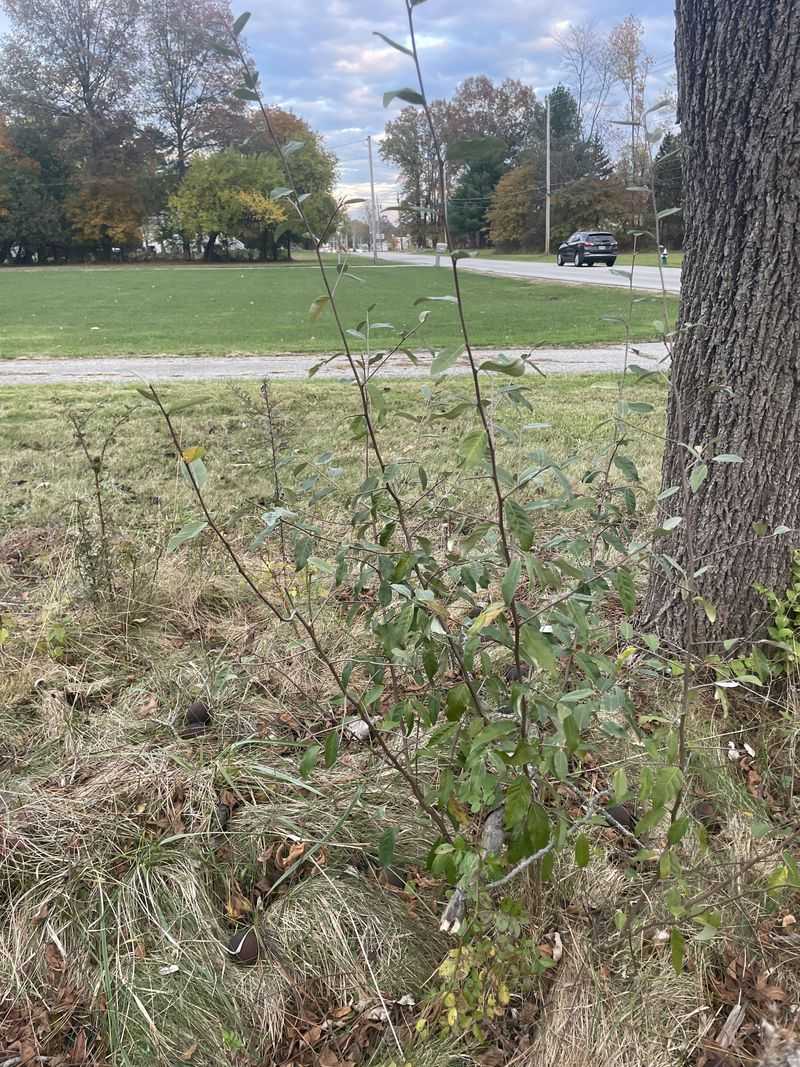
Seedlings come out with a firm tug. Wait three years and you need tools, sweat, and a free afternoon.
Moist soil after rain makes hand pulling far easier. Dry clay grips roots and snaps stems instead.
Grab low, close to the base, and pull steadily rather than yanking.
Plants under about an inch thick usually respond well to a weed wrench or similar leverage tool. Those tools grip the stem and lift the root mass with it.
Renting one through a local conservation group is often cheaper than buying.
Leftover root fragments can resprout, so check the hole and pull what you find. Follow-up visits matter more than perfect first attempts.
Spring walks through fields and fence rows in Georgia turn up new seedlings every year. Bird traffic keeps refilling the seed bank.
Marking spots with flagging tape helps you find them again in tall summer growth.
Pulled plants should go somewhere they cannot re-root, especially if berries are attached. Dry stems on a tarp or bag the fruit.
Filling and tamping the disturbed soil reduces the bare patches that invite new seedlings.
Tossing native seed into those spots gives something else a head start.
Small, regular passes beat one giant clearing project. Steady attention is what actually keeps a property manageable.
6. Cutting Larger Shrubs Alone May Not Be Enough
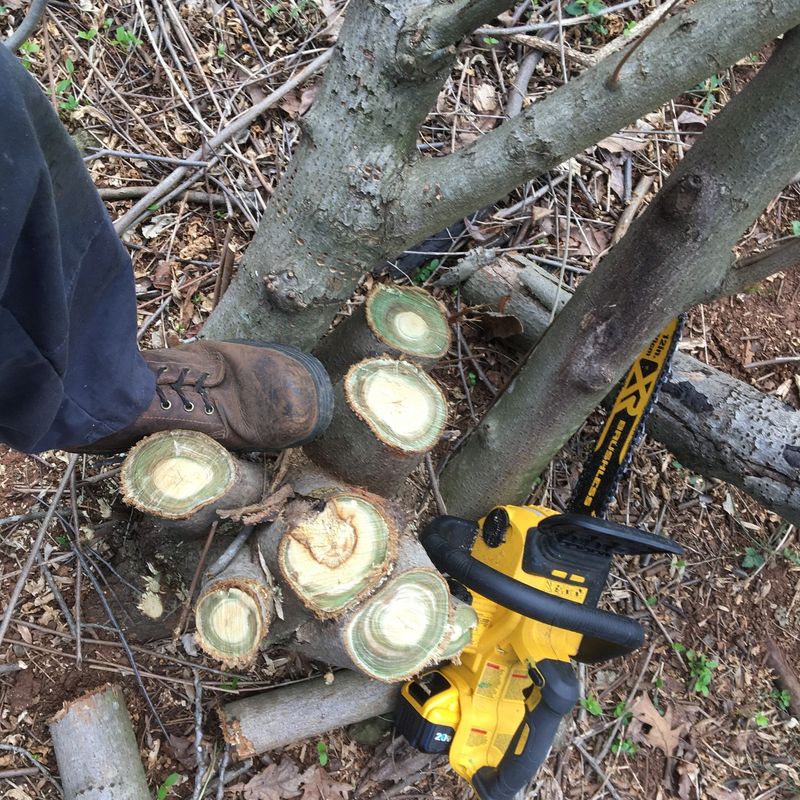
Cut a big autumn olive to the ground and it often comes back thicker. Stumps push out a ring of new shoots.
Resprouting is the main reason mowing alone rarely solves the problem. One stem becomes a dozen.
Repeated cutting can weaken a plant over several seasons, but it takes real persistence.
Cut-stump herbicide treatment is the method most extension programs recommend for large shrubs. Herbicide is applied to the fresh cut surface within minutes.
Late summer through fall is generally the better window, since plants move resources downward then.
Product choice, concentration, and timing all matter, so read the label and follow it exactly. Rules differ near water, ditches, and wells.
Homeowners across Georgia can call their county extension office for current, local guidance. Recommendations change, and local staff know the specifics.
Anyone uncomfortable with chemicals can hire a licensed applicator instead.
Digging out stumps works on smaller shrubs and in soft ground. Heavy equipment handles bigger ones, though it disturbs a lot of soil.
Whatever method you use, plan on checking the site for two or three years.
Missed sprouts grow fast and quietly rebuild the thicket. Short follow-up visits each spring usually catch them.
Record what you treated and when. Notes save guesswork the following season.
7. Native Shrubs Can Fill The Space After Autumn Olive Is Removed
Bare ground never stays bare. Something fills it, and you get to decide what.
Planting soon after removal gives natives a real head start. Waiting invites another round of weedy seedlings.
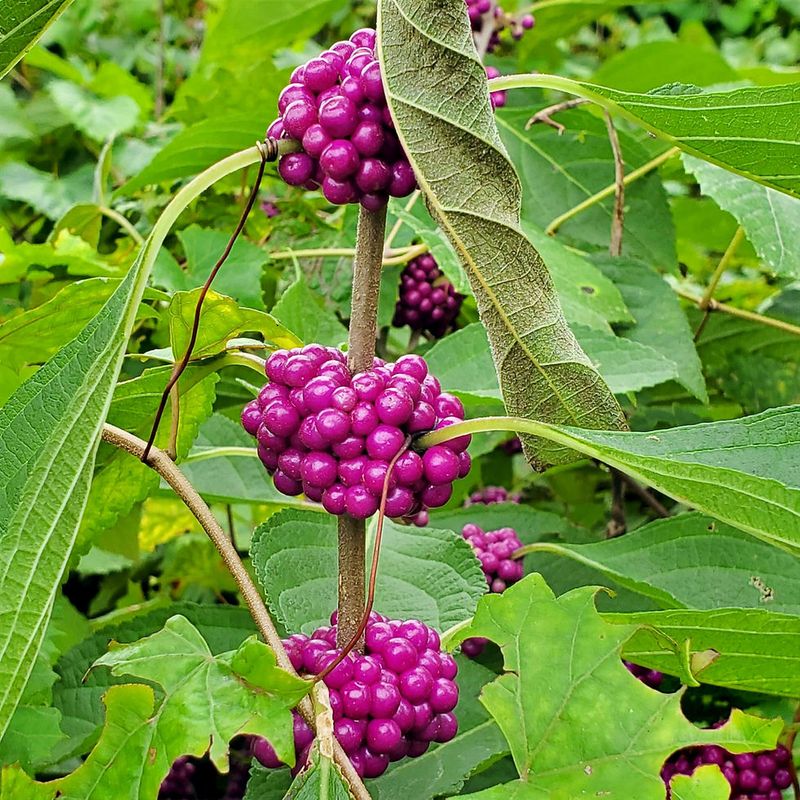
American beautyberry handles sun or part shade and produces bright purple fruit that birds work over in fall.
Elderberry suits damp spots and low areas. It grows quickly, which helps cover open ground.
Arrowwood viburnum offers dense structure and blue-black fruit with better fat content than autumn olive berries.
Spicebush thrives in shadier corners and hosts spicebush swallowtail caterpillars. Foliage smells sharp and clean when crushed.
Wax myrtle works well as a screen along property edges and tolerates a range of soils across Georgia.
Serviceberry gives spring flowers, early summer fruit, and good fall color in one plant.
Water new shrubs through their first summer, since heat and dry stretches hit young roots hard. Mulch a few inches deep, kept off the stems.
Mixing several species spreads risk and supports more wildlife than a single planting.
Keep watching the area while natives establish. Autumn olive seeds already in the soil can sprout for years.
Pull those seedlings on sight and the new planting gradually takes over.
Progress feels slow at first, then one season the shrubs close in and the work pays off.