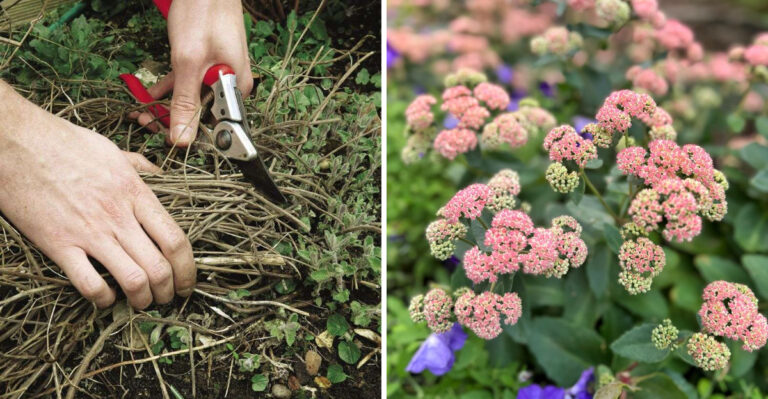
Pruning Hydrangeas This Fall Can Cost Georgia Gardeners Next Year’s Blooms
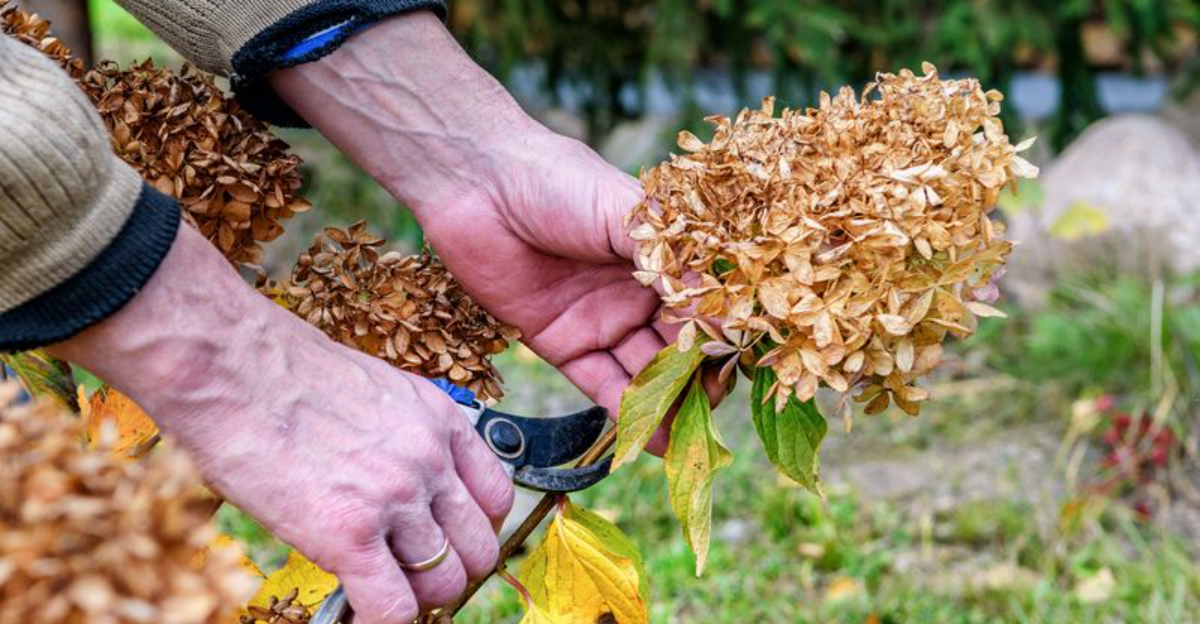
Those sprawling hydrangea stems may look ready for a fall trim, especially when the flowers have faded and the garden feels untidy. Cutting them now, however, could remove more than expected.
The reason is hidden along branches that may already be carrying next year’s flower buds.
Certain hydrangeas prepare their future blooms well before spring arrives, so fall pruning can interrupt that process. In Georgia gardens, knowing which type you grow makes all the difference.
That means your first job is identification, not reaching for the pruners.
Some hydrangeas handle pruning differently because they form flowers on newer growth. Learn how yours blooms, and you can choose the right time without sacrificing next year’s display.
Leaving those messy stems alone this fall could reward you with far more color later.
1. Fall Pruning Can Remove Next Year’s Flower Buds
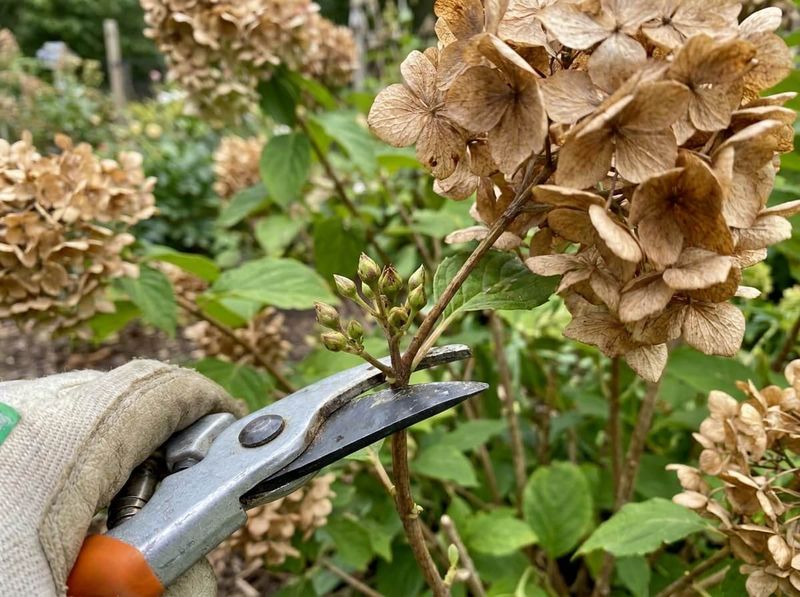
A clean cut in October can quietly erase June. That is the part most gardeners miss.
Bigleaf and oakleaf hydrangeas carry next season’s flower buds on stems that already exist. Cutting those stems removes the buds along with them.
The stems give almost no clue. They look brown, plain, and finished for the year.
Georgia yards make this worse because our fall stays warm well into November. The shrubs still look green and active, so pruning feels reasonable.
What you lose is not obvious right away. The plant leafs out normally in spring and grows plenty of green.
Flowers are the only thing missing. By then the cut stems are long gone and the cause is hard to trace.
Old blooms can stay on the shrub through winter without harming anything. Some gardeners like the dried heads, and they offer a small amount of cover for the buds below.
If the faded flowers bother you, snip just the flower head itself. Stop right above the first pair of healthy buds.
Weather still plays a role, so a bloom-free spring is not proof of a pruning mistake. Late freezes can damage buds too.
Skipping the pruners in fall removes one variable you can actually control.
2. Those Buds Begin Forming Earlier Than Many Gardeners Expect
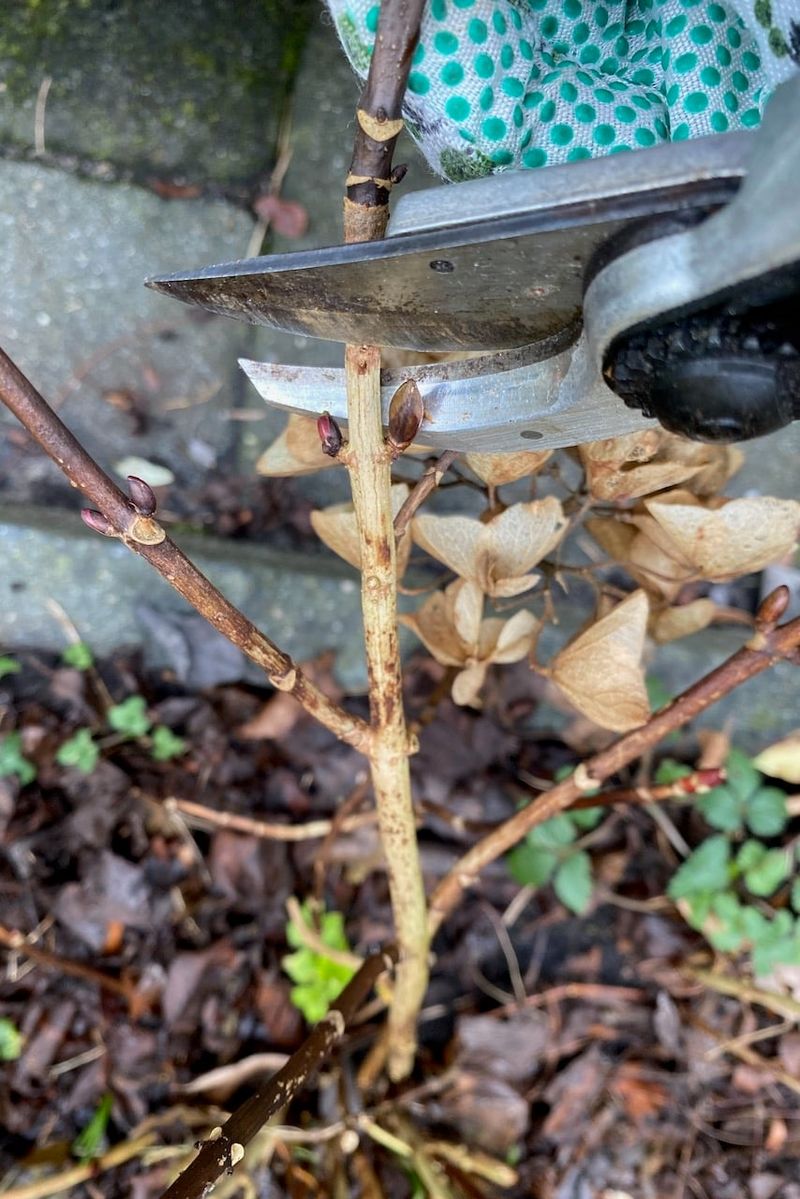
Next summer’s flowers start forming while this summer is still going. That timing surprises almost everyone.
Bigleaf hydrangeas generally set buds in late summer and early fall, often from August into September depending on the season.
By the time cool weather arrives, the work is already done. Those buds simply wait out the winter on the stems.
Warm falls in Georgia can stretch that window slightly, though the general schedule holds year to year. Soil moisture, heat, and shrub health shift things a little.
Gardeners who prune in September are often too late already. The buds have formed and are riding on the wood being removed.
Checking is easier than guessing. Look along a stem for small, rounded swellings sitting where leaves attach.
They are tiny and firm, nothing dramatic. Leaf buds and flower buds can look similar, so avoid heavy cutting if you are unsure.
Your Georgia Garden Changes Every Week. Your Plan Should Too.
Gardening in Georgia changes quickly throughout the season. Every Friday you’ll receive a simple weekly plan showing exactly what to plant, prune, fertilize, harvest, and protect so you never miss the right timing.
Understanding this timing also explains why summer feeding matters more than fall feeding. A shrub under drought stress in August may set fewer buds regardless of how you prune.
Deep watering during dry Southern summers helps more than most gardeners realize.
Treat late summer as the plant’s planning season. What happens then shows up in the flowers you get months later.
3. Old Wood Hydrangeas Carry Their Flowers Through Winter
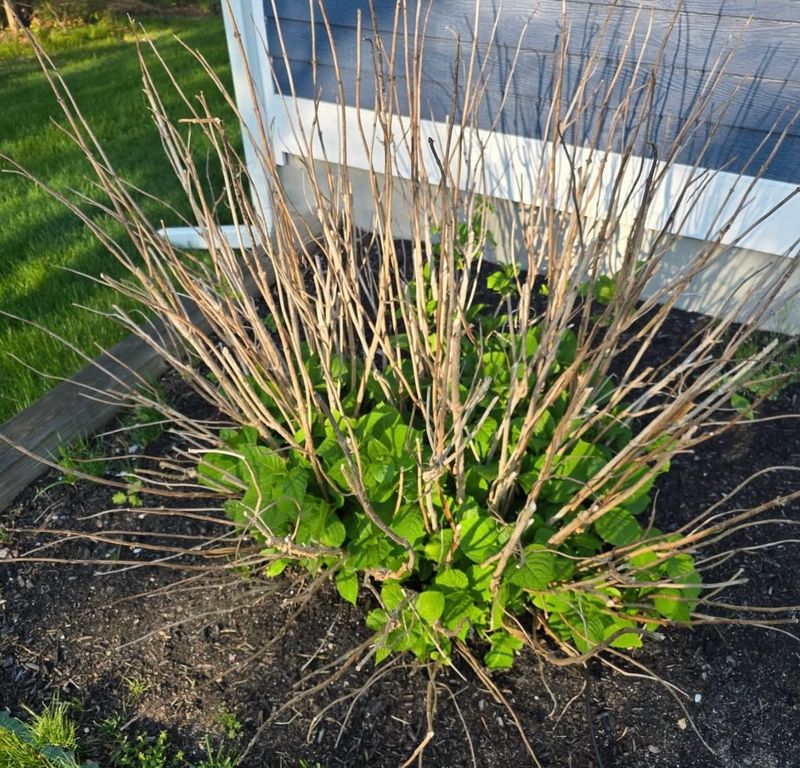
Old wood means last year’s stems. Those brown, woody canes are holding everything.
Bigleaf hydrangeas, oakleaf hydrangeas, and climbing hydrangeas fall into this group. They flower on growth that hardened off the previous season.
Winter is basically a holding pattern for them. The buds sit tight and wait for warmth.
Cold snaps can still cause trouble, especially in north Georgia where temperatures swing hard in February. Buds that break early during a warm stretch may get nipped by a following freeze.
That risk is out of your hands. Pruning damage is not.
A shrub covered in bare sticks in January looks lifeless, and that appearance tempts people to cut. Resist it until spring shows you what is happening.
Scratch a small spot on a stem with your fingernail. Green underneath means the wood is still viable.
Mulch helps protect the crown and roots through winter, though it does not shield buds sitting higher up. A few inches of pine straw around the base is plenty.
Avoid piling mulch against the stems themselves.
Once you accept that the stems are the flower supply, winter cleanup looks different. Leaving them standing is not neglect, it is protection for the display coming in early summer.
4. Cutting Healthy Stems Can Take Those Future Blooms With Them
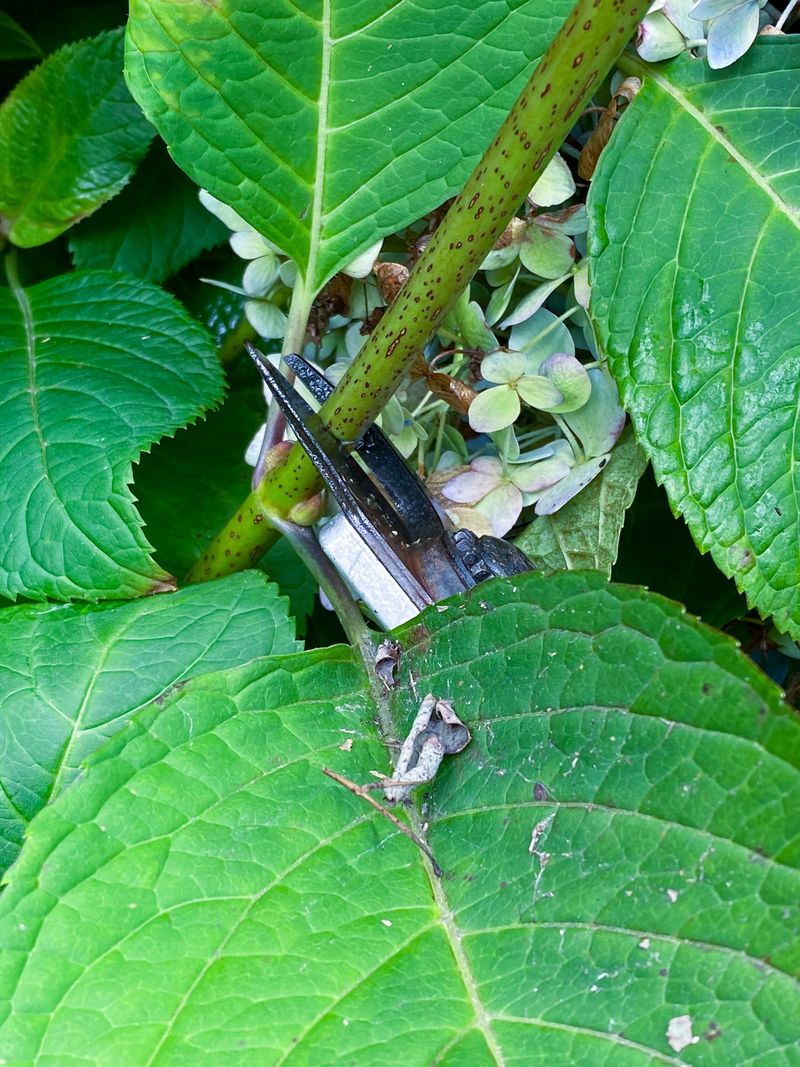
Every healthy stem removed in fall is a flower cluster you will not see. The math is that direct.
A hard cutback might take out dozens of buds at once. The shrub recovers, but the blooms do not return until the following year.
Shaping is where most damage happens. Rounding a shrub with hedge shears removes the exact tips where buds sit.
Bigleaf types often flower from the top few sets of buds on each stem. Trimming the top removes the most productive part.
Homeowners in Georgia neighborhoods with strict landscape standards run into this often. Crews shear everything the same way in fall, hydrangeas included.
Worth mentioning to whoever handles your yard.
Damaged or broken wood is a different story. Removing these stems is fine at almost any point and does not cost you flowers.
Tell the difference by looking for brittleness, peeling bark, or stems that snap cleanly with no green inside. Anything firm and flexible should stay.
Size control is the usual reason people cut. If a shrub keeps outgrowing its spot, moving it or replacing it with a smaller variety solves the problem better than yearly shearing.
Repeated hard pruning tends to create a shrub that grows well and flowers poorly.
5. Not Every Hydrangea Faces The Same Fall Pruning Risk
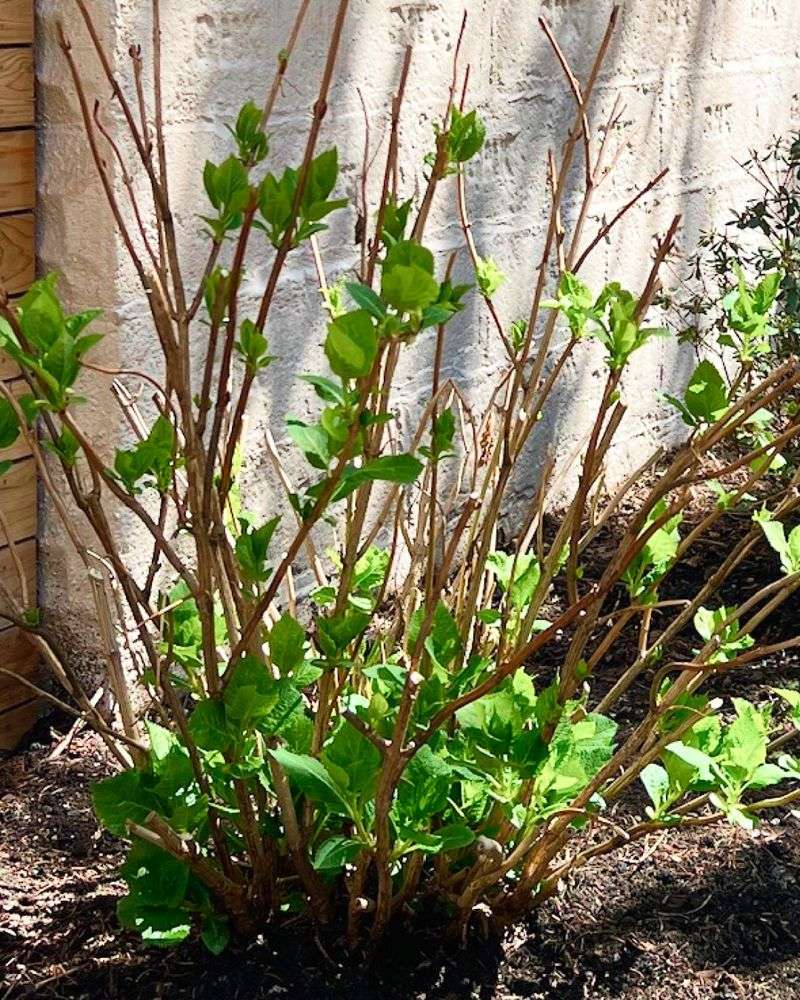
Some hydrangeas shrug off pruning entirely. Knowing which one you have changes everything.
Panicle hydrangeas and smooth hydrangeas bloom on new wood. They form buds in spring on growth produced that same season.
Cutting them back while dormant does not remove flowers. Many gardeners prune them in late winter for sturdier stems.
Flower shape is the quickest clue. Panicle types show cone-shaped clusters, while bigleaf types produce rounded mopheads or flat lacecaps.
Smooth hydrangeas, including the familiar Annabelle, make big rounded white flowers on softer stems. Oakleaf hydrangeas have lobed leaves that look like oak foliage and turn deep red in fall.
Panicle hydrangeas handle Georgia sun better than bigleaf types, which is why you see them thriving in exposed front yards.
Reblooming varieties add a wrinkle. They flower on both old and new wood, so late pruning may reduce the early flush but not eliminate flowers.
Results vary by variety and by how cold the winter runs.
If you inherited a shrub and have no idea what it is, photograph the flowers next summer. Compare shape, timing, and leaf form before touching it with pruners.
One season of watching saves years of guessing wrong.
6. Old Wood Hydrangeas Are Better Pruned After They Finish Flowering
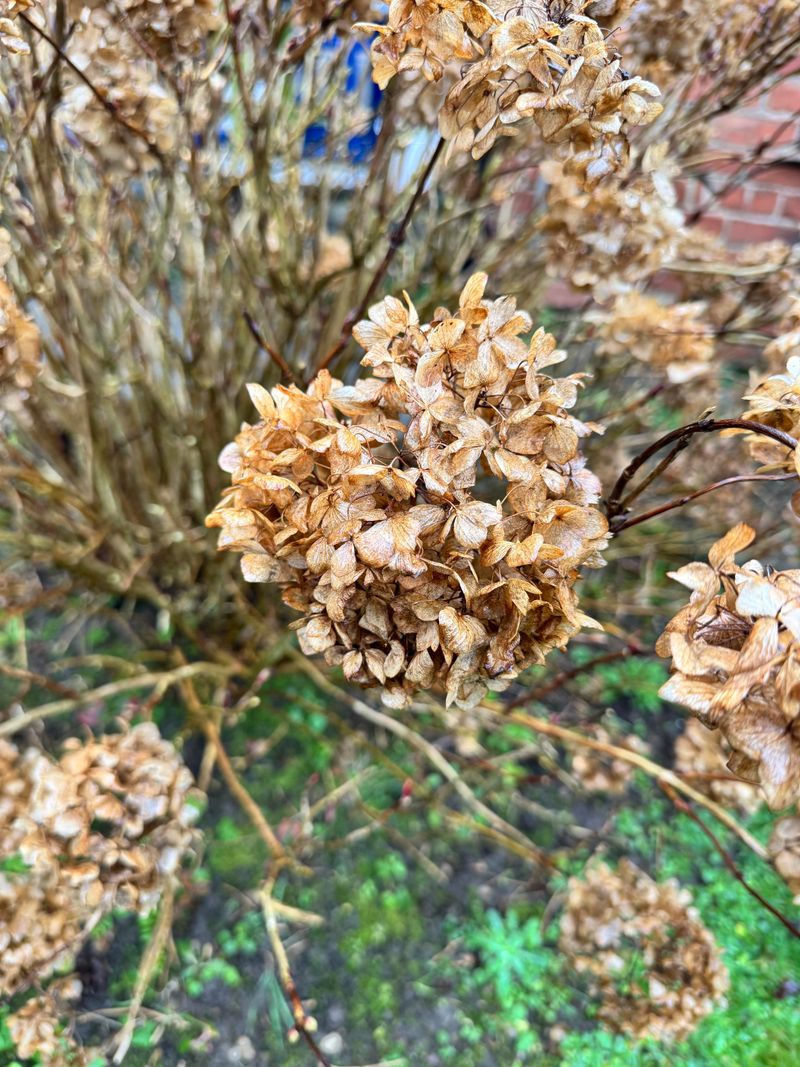
Timing beats technique with these shrubs. Prune right after the flowers fade and you stay ahead of bud set.
Mid to late summer usually works, roughly July into early August in most Southern gardens. That window gives the plant time to grow and set buds before fall.
Waiting longer starts eating into next year’s flowers.
Keep the work light. Remove spent flower heads, thin out crowded interior stems, and cut back anything crossing or rubbing.
Older canes can be taken to the ground occasionally. Removing one or two of the oldest stems per year keeps the shrub renewed without stripping it.
Heat matters when you are pruning in a Georgia July. Water the shrub well beforehand and work in the early morning.
A stressed plant in full afternoon sun does not need extra trimming on top of it.
Sharp, clean tools make better cuts and reduce the chance of spreading problems between plants. Wipe blades with rubbing solution between shrubs if any look diseased.
Cut just above a healthy pair of buds facing outward.
Results depend on weather and plant health, so a light hand is usually smarter than an aggressive one. Pruning less often gives these shrubs their best chance at a full display.
7. Leaving Healthy Growth Alone This Fall Protects Spring Blooms
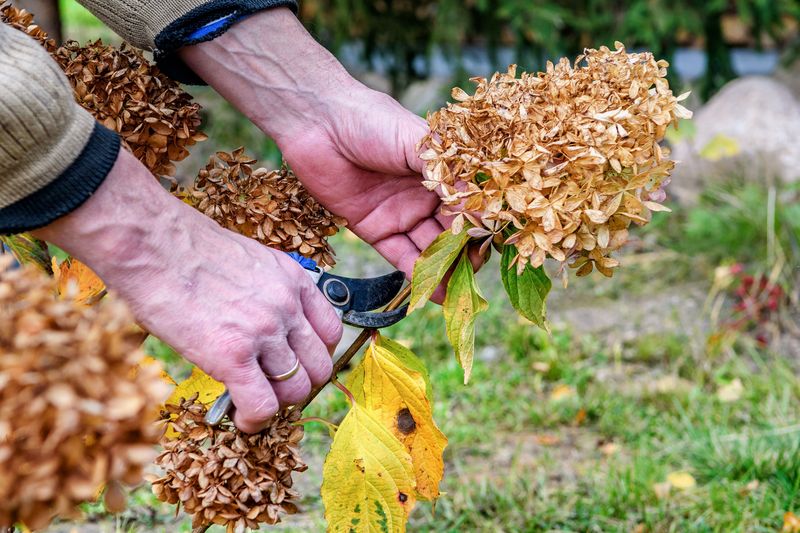
Doing nothing is a real strategy here. Hydrangeas reward patience more than effort.
Fall cleanup can focus on everything else. Rake leaves, refresh mulch, pull weeds, and walk past the hydrangeas.
The shrub does not need tidying to stay healthy.
Dried flower heads left in place add some winter texture to the bed. They also give a bit of cover to the buds sitting beneath them.
Georgia winters swing between mild spells and sudden cold snaps, so that small buffer can help during rough stretches. It is not a guarantee, just a minor advantage.
Save the real assessment for spring. Once buds swell and leaves emerge, you can see clearly which stems made it through.
Cut back only what failed to leaf out.
Watering still matters in fall, especially during dry autumns. Shrubs going into winter with dry roots tend to struggle more the following season.
Skip heavy nitrogen feeding late in the year. It pushes soft growth at a time when the plant should be slowing down.
A shrub left intact through fall gives you the best shot at flowers, though weather always has the final say. Put the pruners away, mark your calendar for next summer, and let the plant handle the rest.