Why Georgia Homeowners Should Avoid Moving Established Crape Myrtles
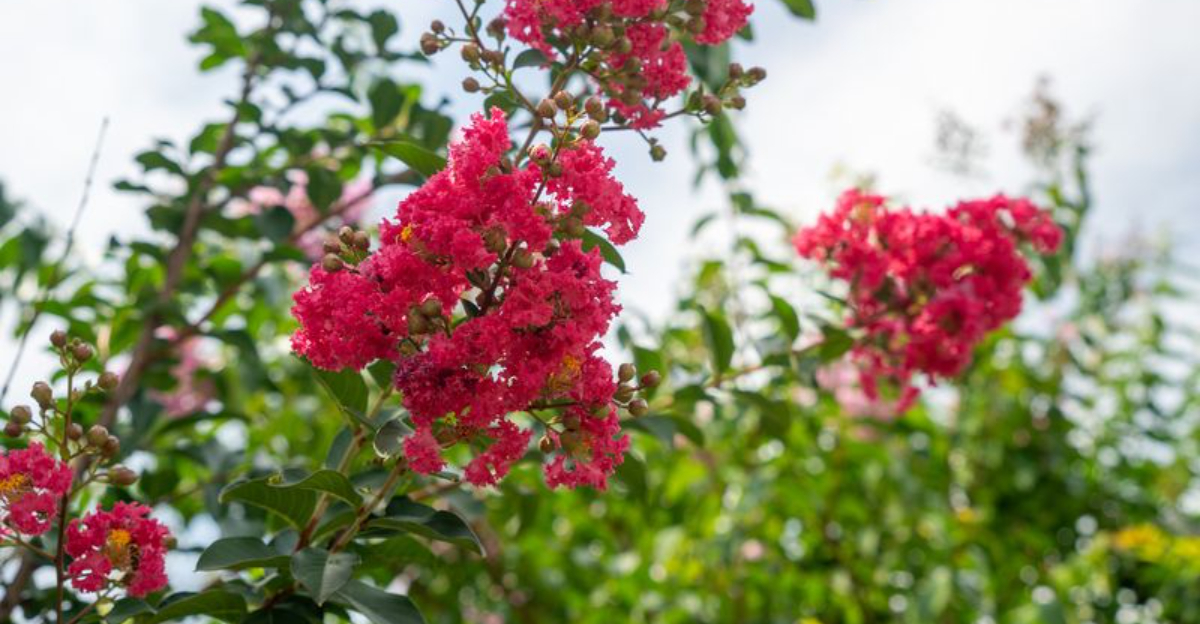
An established crape myrtle in the wrong spot can tempt you to move it instead of starting over with another tree. That solution sounds easier than it often turns out to be.
Years in the same location allow a crape myrtle to develop roots far beyond the trunk.
Digging it up means disturbing much of that established root system, which can put serious stress on the tree. For Georgia homeowners, the challenge becomes greater as the crape myrtle grows larger.
Before reaching for a shovel, consider whether moving it is truly necessary.
Sometimes working around the tree is far easier than asking an established specimen to adjust to another location. If relocation cannot be avoided, careful planning becomes especially important.
The longer your crape myrtle has settled in, the more complicated moving it can become.
1. Moving A Mature Crape Myrtle Can Disturb More Than You Expect
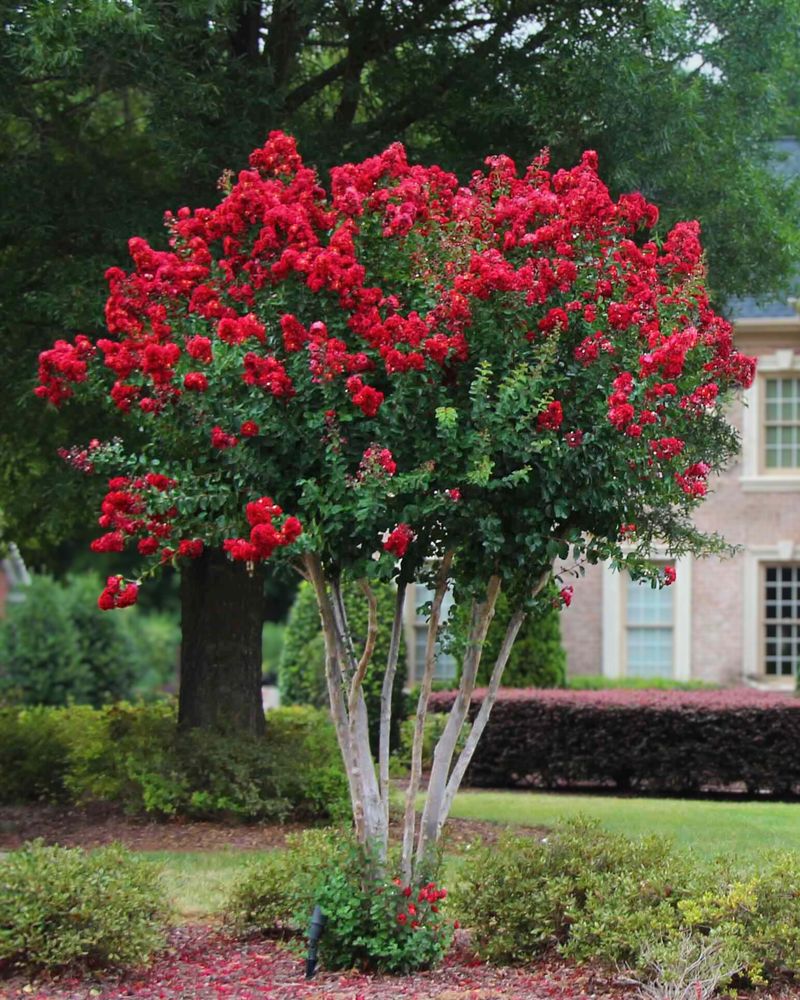
Digging up one tree rarely stays a one-tree project. The disturbance spreads through the soil, the lawn, and everything planted nearby.
Crape myrtle roots run shallow and wide. In Georgia clay, they often spread well beyond the branch spread instead of going deep.
That means a shovel line drawn close to the trunk still slices through feeder roots hiding under grass and mulch several feet away.
Nearby shrubs feel it too. Azaleas, hollies, and perennials sharing that soil can lose roots during the dig without anyone noticing until they start wilting weeks later.
Heavy equipment adds another layer of trouble.
Clay compacts fast under a tractor tire or a loaded wheelbarrow. Compressed soil holds less air, drains poorly, and makes root regrowth slower for everything in the area.
Irrigation lines, shallow utility runs, and old drain pipes often sit closer to the surface than homeowners remember.
Then there is the hole itself. A mature tree leaves a crater that settles unevenly for months, and filling it with loose topsoil usually creates a soft, sunken spot in the lawn.
None of this means relocation is impossible. It just means the job touches far more of the yard than the tree’s footprint suggests, and the cleanup work often outlasts the move itself.
2. Years Of Growth Make An Established Tree Harder To Relocate
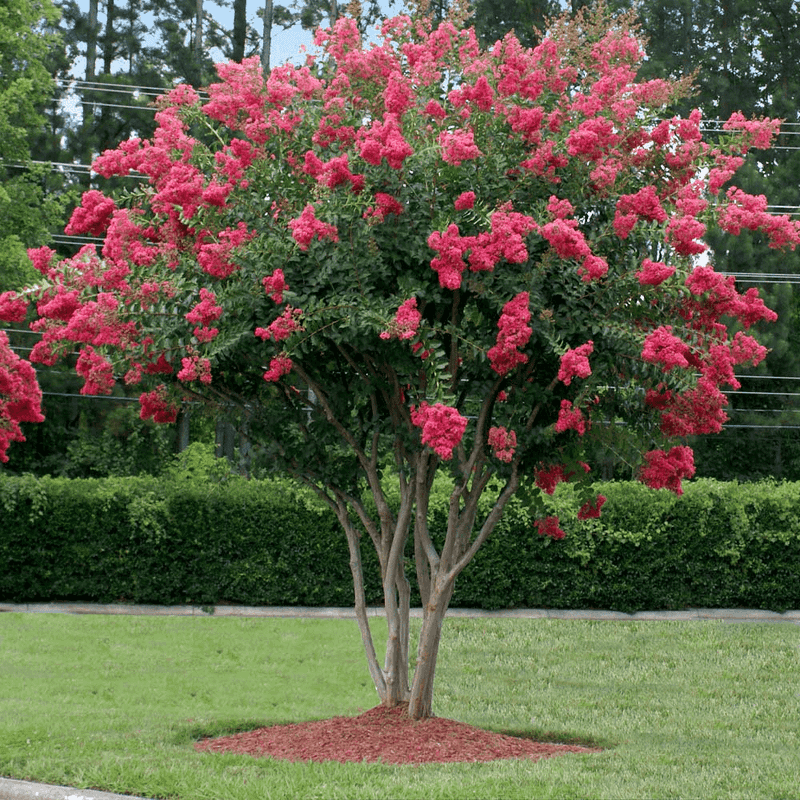
Age changes the math. A three-gallon crape myrtle from the nursery slips into a new hole in ten minutes, while a fifteen-year-old specimen fights back every step.
Trunk caliper is the honest measuring stick. Once a trunk passes about two inches across, the root ball needed for a safe move grows heavy and awkward.
Multi-trunk crape myrtles complicate things further, since each stem pulls from its own share of the root system.
Older wood also stores less flexibility. Mature branches snap rather than bend when a tree gets tipped, wrapped, and hauled across a yard.
Established trees have settled into a routine with their soil.
Root tips have found the pockets of moisture and nutrients that work, and rebuilding that relationship in a new spot takes seasons, not weeks.
Homeowners around Savannah and the coastal plain sometimes have better luck because sandy soil releases roots more cleanly than dense clay does.
Your Georgia Garden Changes Every Week. Your Plan Should Too.
Gardening in Georgia changes quickly throughout the season. Every Friday you’ll receive a simple weekly plan showing exactly what to plant, prune, fertilize, harvest, and protect so you never miss the right timing.
Still, size wins the argument most of the time. A tree over eight or ten feet tall usually needs professional equipment, and even then survival is not something anyone can promise.
Replacing a large crape myrtle with a young one often costs less than moving it. The new tree may also catch up faster than the transplanted one recovers, which is worth weighing honestly.
3. Digging Can Remove A Large Part Of The Root System
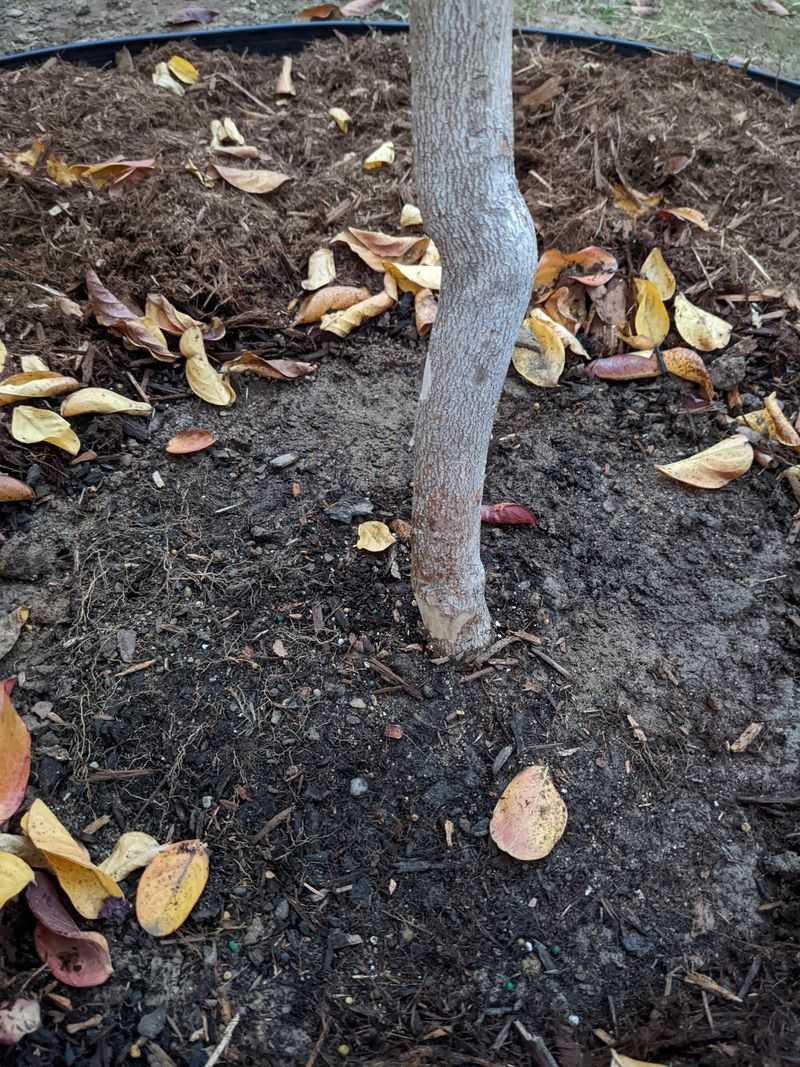
Most of the root system stays in the ground. Even a careful dig lifts only a fraction of what the tree spent years building.
Fine feeder roots do the real work. Water and nutrients enter through those thin tips, and they live mostly in the outer edges of the root zone.
Cutting a root ball two or three feet across leaves the majority of those feeders behind in the old planting hole.
Think of it as sending a tree into summer with a fraction of its plumbing. Leaves keep asking for water that roots can no longer deliver.
Georgia summers make the timing gap worse.
Heat arrives early, rainfall gets spotty by July, and a freshly moved tree faces peak demand with reduced supply. Even steady irrigation cannot fully replace lost root surface.
Clean cuts help more than torn ones, so sharp spades and pruners matter during any dig.
Rebuilding takes patience. New feeder roots grow slowly, and a mature crape myrtle may need two to four growing seasons to regain anything close to its old capacity.
Bloom quality usually suffers during that stretch. Flowers come smaller and fewer while the tree spends its energy underground instead of on show, which surprises people expecting a quick return to normal.
4. Heavy Root Loss Can Lead To Serious Transplant Shock
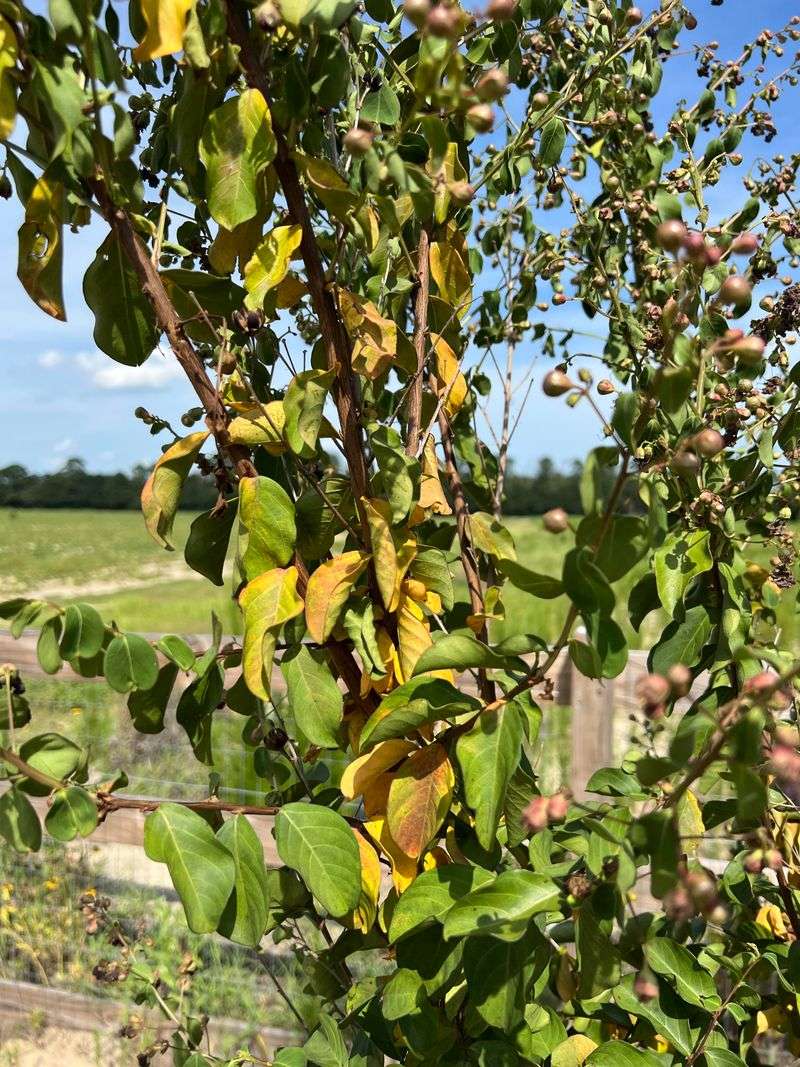
Wilting leaves in June tell the story fast. Transplant shock shows up when roots cannot keep pace with what the canopy demands.
Signs vary. Scorched leaf edges, early leaf drop, thin new growth, and weak flowering all point toward a tree struggling to settle in.
Some trees hold their leaves through the first summer, then leaf out late and patchy the following spring.
Stress also opens the door to other problems. Aphids, sooty mold, and powdery mildew tend to hit weakened crape myrtles harder than vigorous ones.
Watering helps, but overwatering hurts too.
Clay soil holds moisture long after the surface looks dry, and soggy roots on a shocked tree recover slowly. Checking soil moisture a few inches down beats watering on a schedule.
Mulch spread two to three inches deep, kept off the trunk, moderates soil temperature and reduces surface drying.
Skip the fertilizer at first. Pushing new top growth on a tree with limited roots adds demand it cannot meet, so most arborists suggest waiting until the tree shows steady recovery.
Outcomes differ with soil, weather, and aftercare. Some relocated crape myrtles in north Georgia settle in fine within a couple of years, while others limp along and never quite regain their old shape.
5. Large Root Balls Make The Move Even More Difficult
Weight sneaks up on people. A root ball two feet across can top two hundred pounds once wet clay clings to it.
Standard guidance calls for roughly ten to twelve inches of root ball width per inch of trunk caliper. A four-inch trunk points toward a ball around forty inches wide.
Balls that size move with machinery, not muscle, and rental tree spades need clear access to reach the tree.
Access is where backyard projects fall apart. Fences, patios, raised beds, and narrow side yards block equipment on plenty of Georgia properties.
Wrapping matters as much as lifting.
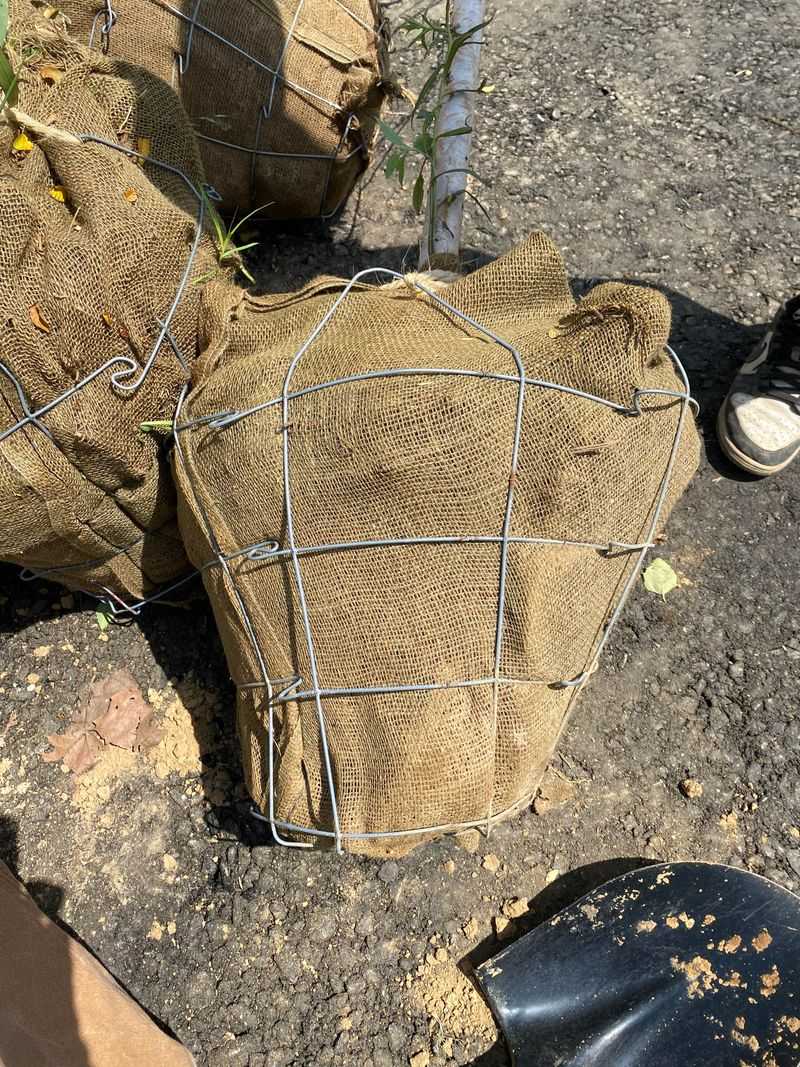
Burlap and a wire basket hold the ball together during transport, because a ball that crumbles mid-move loses soil contact with the roots inside it. Dropping the tree even once can shear off what survived the dig.
Timing the dig for damp, not soaked, soil keeps the ball intact better than working in dust or mud.
Cost climbs quickly too. Crew time, equipment rental, hauling, and site repair often push a single relocation past the price of buying and planting a healthy replacement tree.
Balancing that expense against uncertain results is worth doing before the first shovel goes in the ground. Plenty of homeowners decide the math does not work.
6. Root Pruning May Be Needed Before Moving A Mature Tree
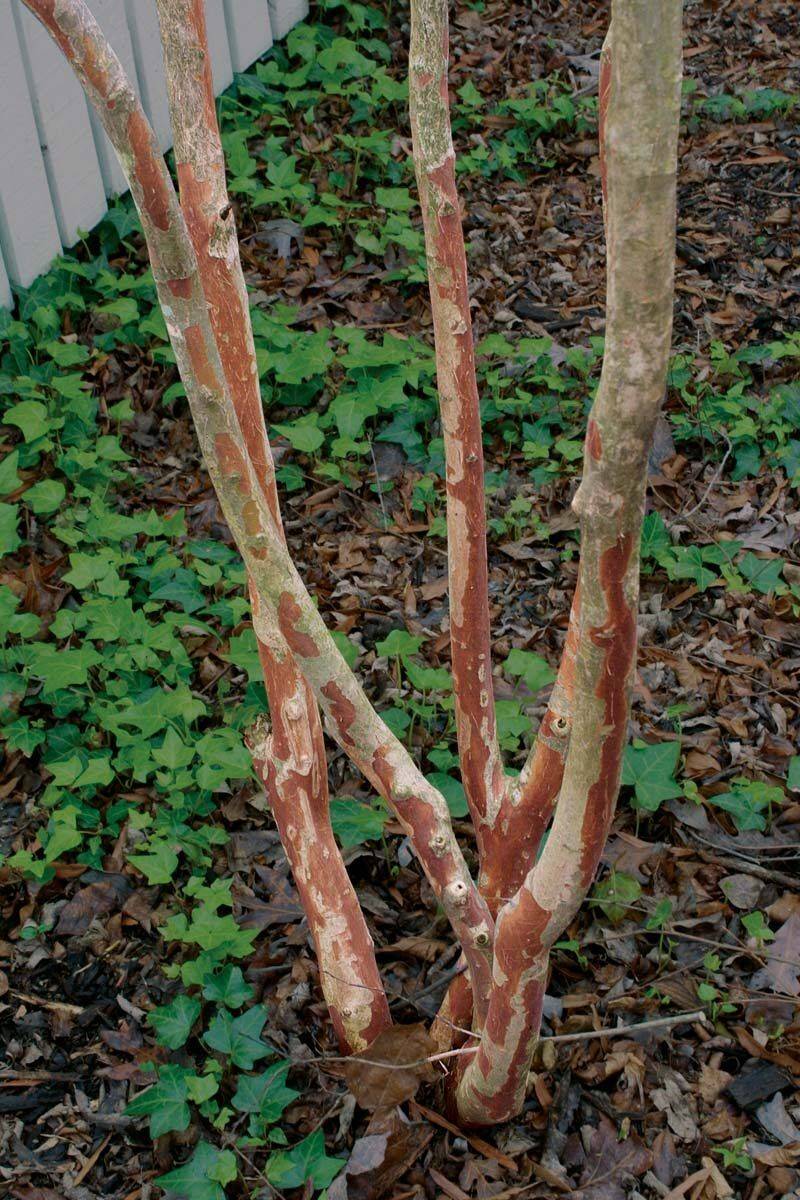
Patience beats brute force here. Root pruning prepares a tree months ahead so the eventual move takes less of a toll.
Technique is straightforward. A trench gets cut in a circle around the tree, slicing roots at the edge of the future root ball while leaving the tree in place.
Cut roots respond by branching into denser clusters closer to the trunk, which means more feeder roots travel with the ball later.
Timing usually runs a full season ahead. Late winter pruning sets up a move the following winter, giving roots a full growing year to regenerate.
Some crews split the circle into halves.
Half the trench gets cut one winter and the remaining half the next, spreading the stress across two seasons instead of one. Trees often handle that gentler approach better.
Watering through the summer after root pruning supports the new growth, though heavy clay still needs careful monitoring.
Reality check on scheduling: most homeowners want the tree moved this weekend, not next January. Skipping the prep step is exactly what leads to poor results.
Winter remains the preferred window across Georgia, when the tree is leafless and demand on roots is low. Even with perfect prep and timing, recovery still depends on aftercare, rainfall, and a bit of luck.
7. Leaving A Healthy Crape Myrtle In Place Avoids These Risks
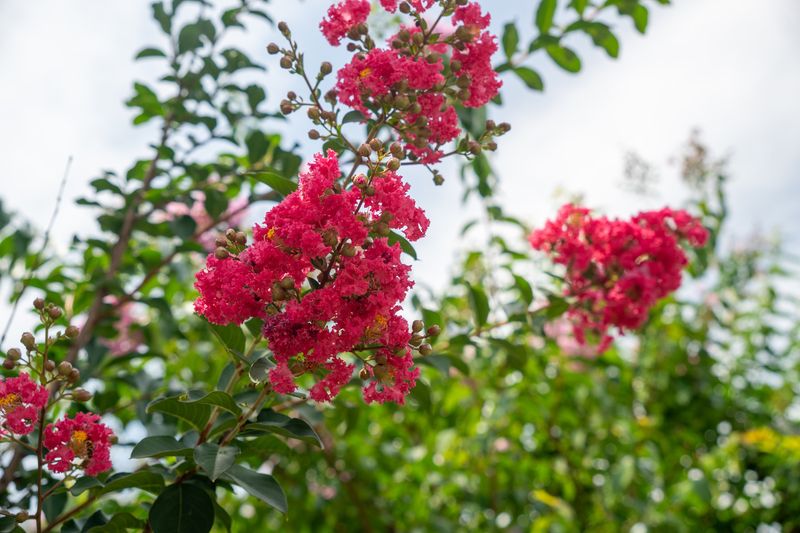
Sometimes the smartest landscaping move is no move at all. A thriving crape myrtle already knows its soil, and that head start is hard to replace.
Work around it instead. Selective thinning of crossing branches opens up a view without wrecking the tree’s natural vase shape.
Removing lower limbs and suckers can free up sight lines near driveways and windows while leaving the canopy intact.
Avoid topping. Cutting mature trunks back to stubs, the practice locals joke about as crape murder, creates weak regrowth and knobby, awkward branch structure.
Redesign the space beneath the tree.
Widening the mulch ring, adding shade-tolerant plantings, or shifting a walkway a few feet often solves the original problem for far less money. Landscape beds are easier to reshape than trees are to relocate.
If the tree genuinely sits in the wrong place, moving a young one nearby and removing the old tree later is a practical compromise.
Georgia gardeners get long bloom seasons from established crape myrtles, sometimes running from June into September depending on cultivar and weather. Losing that display for several uncertain years is a real cost.
Keep the routine simple: water during dry spells, mulch lightly, prune with restraint. A settled tree usually rewards that low-key care better than any relocation ever will.