These Georgia Plants Can Attract Eastern Box Turtles To Your Yard
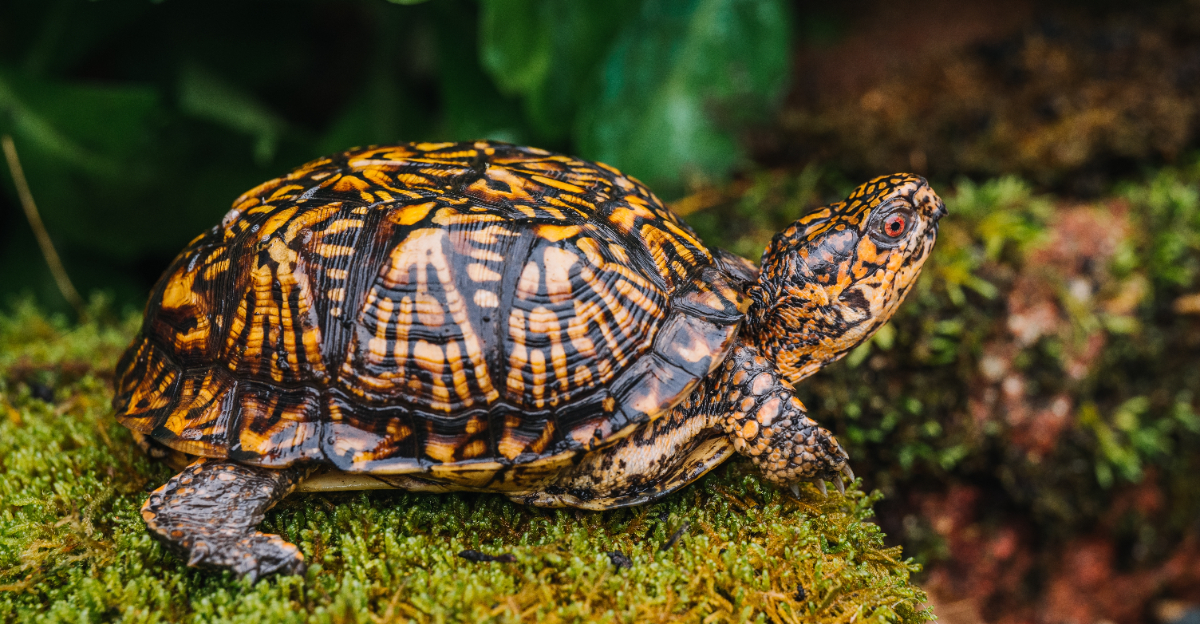
Not every welcome visitor arrives with wings or bright feathers. Sometimes the most exciting backyard sight moves a little slower and quietly appears when you least expect it.
Spotting an Eastern box turtle can turn an ordinary day into a memorable one, especially if you have never seen one wandering through your yard before.
Many people assume it is pure luck, but your landscape may have had something to do with the visit.
Wildlife pays close attention to the places that provide food, shelter, and comfort. Even small planting choices can make a property more appealing than the surrounding area.
That is why some yards seem to attract fascinating native animals while others rarely see them.
In Georgia, certain plants create the kind of habitat Eastern box turtles naturally seek. A few thoughtful additions may encourage these gentle visitors to stop by and stay a little longer.
1. Wild Strawberry Gives Eastern Box Turtles A Seasonal Food Source
Few plants pull double duty quite like wild strawberry. It spreads low across the ground, produces real edible fruit, and requires almost no attention once it gets established.
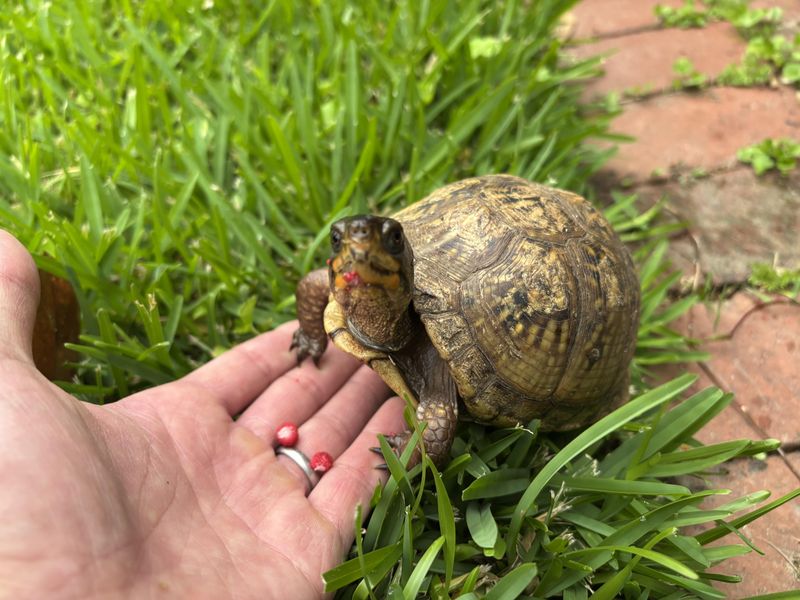
Eastern box turtles are known to eat wild strawberries when they ripen in late spring and early summer. The fruit is small but packed with nutrition, and turtles can find it right at ground level without any effort.
Wild strawberry grows well in partial shade, which makes it a natural fit under trees or along the edge of a wooded area. It prefers moist, well-drained soil, but it can handle some dry spells once rooted.
Planting it in clusters gives turtles a better chance of finding the fruit before birds get to it first. You can start from nursery transplants or allow it to spread naturally via runners.
One thing worth knowing is that fruiting can vary based on how much sun the plant gets. More sun usually means more berries, but the plant still survives in shadier spots.
Finding the right balance for your specific yard may take a season or two of observation.
Beyond turtles, wild strawberry also attracts pollinators and other small wildlife.
It is a low-maintenance, high-reward plant that fits naturally into any wildlife-friendly yard across the Southeast.
2. Mayapple Keeps The Forest Floor Cool And Shaded
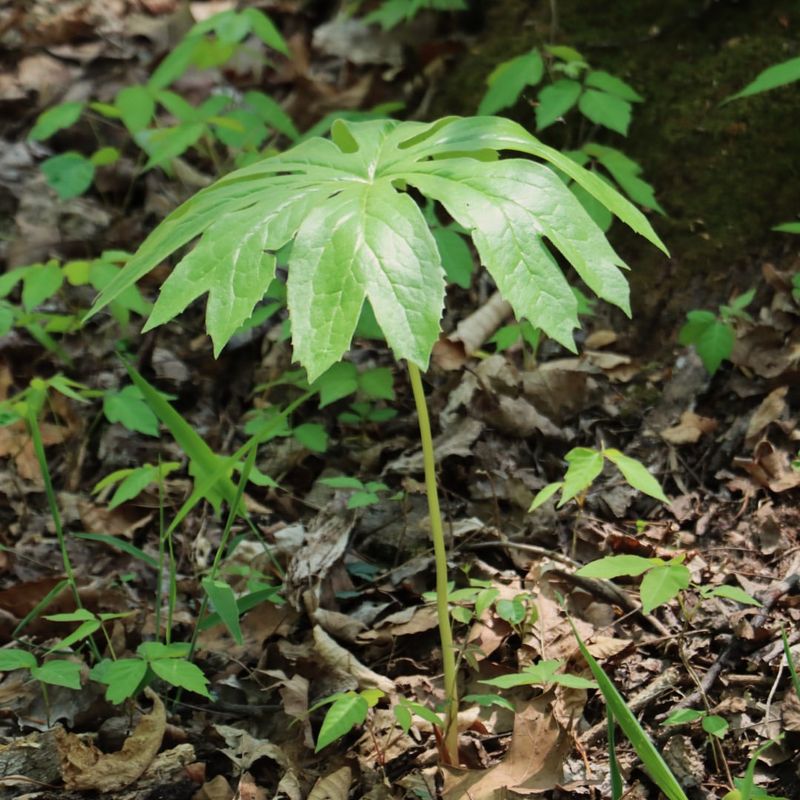
Mayapple is one of those plants that instantly transforms a yard into something that feels genuinely wild. Its large, umbrella-shaped leaves spread wide and create dense patches of shade close to the ground.
Eastern box turtles love cool, shaded spots, especially during hot summer days. Mayapple patches give them exactly that kind of refuge without requiring any extra landscaping effort from you.
Beyond shade, mayapple does produce a small yellow fruit in late summer. Box turtles have been documented eating ripe mayapple fruit in the wild.
The fruit is only safe for wildlife consumption when fully ripe, so it is worth knowing that unripe fruit is not suitable for animals or people.
Mayapple grows best in rich, moist, well-drained soil with partial to full shade. It naturally thrives in woodland settings, making it ideal for the shaded corners of a yard that other plants struggle to fill.
Your Georgia Garden Changes Every Week. Your Plan Should Too.
Gardening in Georgia changes quickly throughout the season. Every Friday you’ll receive a simple weekly plan showing exactly what to plant, prune, fertilize, harvest, and protect so you never miss the right timing.
It spreads slowly through underground rhizomes and tends to form dense colonies over time. Once established, it needs very little care.
Just keep the area free of heavy foot traffic so the plants can spread undisturbed.
Across the Southeast, mayapple is a classic native plant that supports multiple species of wildlife.
Adding it to a shaded bed is one of the simplest ways to make your yard feel more like a natural woodland habitat.
3. Muscadine Vines Drop Fruit They Readily Eat
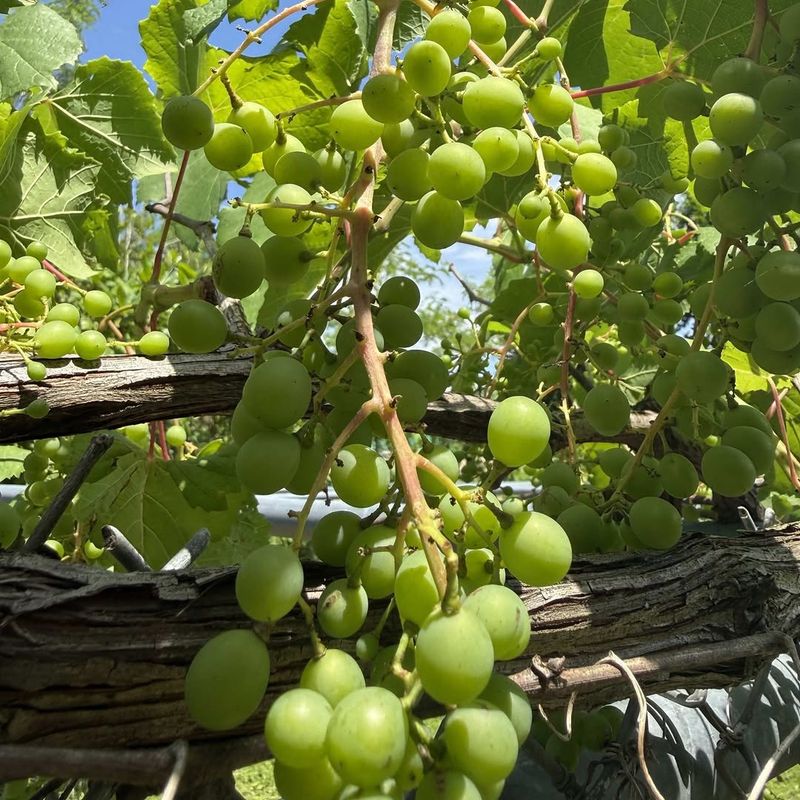
Muscadine vines are practically built for the Southern climate. They are tough, productive, and perfectly suited to the warm, humid summers that define this region.
When the grapes ripen and fall to the ground in late summer and early fall, eastern box turtles are right there to take advantage of them. Fallen fruit is exactly what box turtles look for since they forage at ground level.
Muscadines grow vigorously and can cover a fence, trellis, or arbor in just a few seasons. They prefer full sun to partial shade and do best in well-drained soil.
Sandy loam works especially well, though they adapt to a range of soil types found throughout the region.
Planting muscadine near a woodland edge or a fence line gives turtles easy access to fallen fruit without putting them out in the open where they feel exposed. A little natural leaf litter under the vine makes the spot even more inviting.
Keep in mind that fruit production depends on pollination. Some varieties are self-fertile, while others need a second plant nearby.
Checking the variety before planting saves a lot of guesswork later on.
Muscadine is genuinely one of the most rewarding vines you can grow for wildlife.
It feeds turtles, birds, and several other animals while also being a productive plant that many gardeners enjoy harvesting for themselves.
4. Blackberry Brambles Provide Food And Shelter
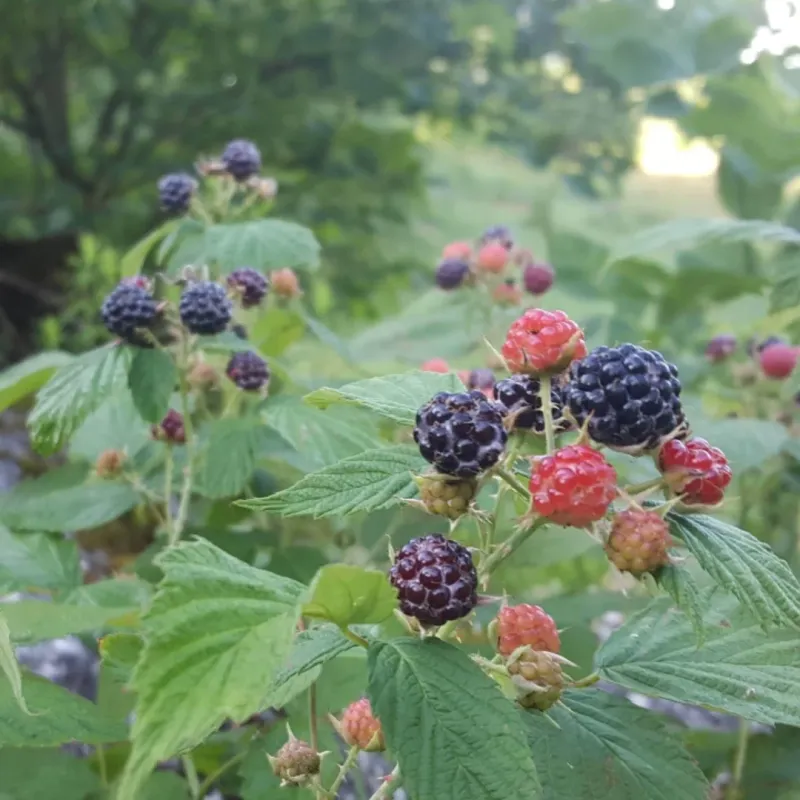
Blackberry brambles are a powerhouse for wildlife, and eastern box turtles know it. When berries ripen in early summer, fallen fruit lands right where turtles can reach it without any climbing required.
Beyond the fruit, the dense canes create natural shelter that turtles genuinely appreciate. A thick bramble patch gives them a shaded, protected area to retreat into when temperatures climb.
Blackberries grow in a wide range of conditions across the Southeast. They tolerate full sun and partial shade, handle various soil types, and spread aggressively once established.
That spreading habit can be a challenge in a manicured garden, but in a wildlife-focused yard, it is actually an asset.
Letting a corner of your yard go a little wild with blackberry growth creates the kind of layered habitat that box turtles seek out. Add some leaf litter underneath and you have a spot that feels genuinely natural.
One practical note: blackberry canes are thorny, so wear gloves when managing them. Cutting back old canes after fruiting keeps the patch productive and prevents it from completely overtaking nearby plants.
Fruit production can vary depending on sun exposure and soil moisture. Plants in full sun with consistent moisture tend to produce the most fruit.
Even in shadier spots, though, the shelter value alone makes blackberry brambles worth planting for turtle habitat.
5. Partridge Berry Produces Berries They May Feed On
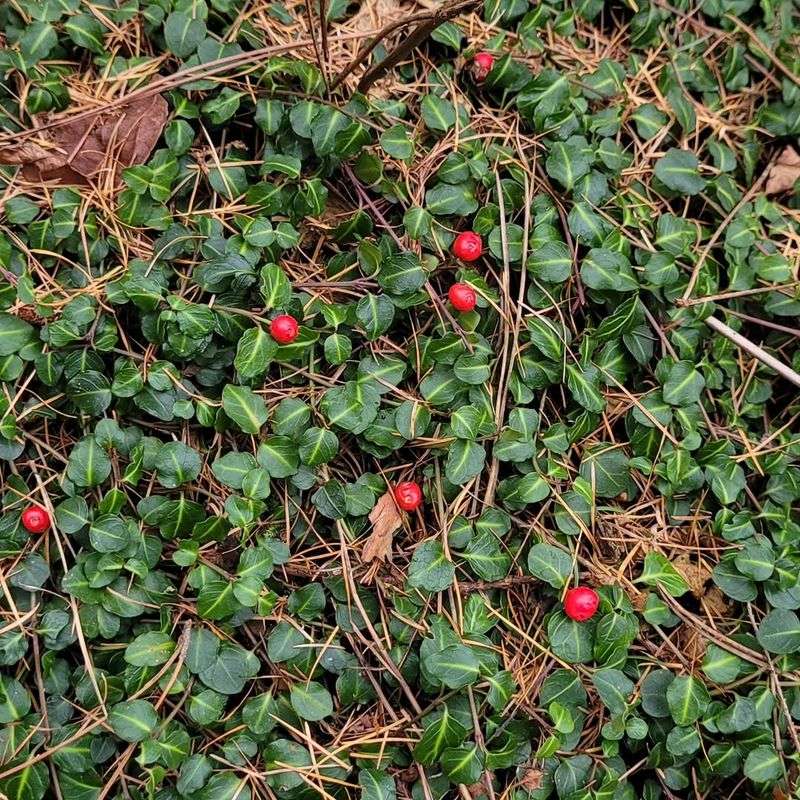
Partridge berry is one of those quiet, understated plants that does a lot for local wildlife without ever demanding much attention.
It creeps low across the forest floor, stays green year-round, and produces small bright red berries that persist well into winter.
Eastern box turtles may feed on partridge berries, particularly in late fall and winter when other food sources become harder to find. The berries are small, but they are right at ground level and easy for turtles to access.
Partridge berry thrives in shaded, moist conditions. It grows naturally under deciduous trees and along stream banks across the eastern United States.
In a yard setting, it works well as a ground cover under large trees where other plants struggle to survive.
It spreads slowly by trailing stems that root at the nodes, gradually filling in bare patches of soil. Because it grows so low and spreads without becoming aggressive, it pairs well with other shade-loving plants like ferns and mayapple.
Soil moisture matters quite a bit with this plant. It prefers consistently moist, acidic soil rich in organic matter.
Letting fallen leaves accumulate around it naturally helps maintain the moisture and soil quality it needs.
Keep expectations realistic about berry production. Output varies based on light levels and soil conditions.
Even in lower-production years, the dense mat of foliage alone creates useful ground-level habitat for box turtles seeking a cool resting spot.
6. Christmas Fern Makes A Cool Resting Spot
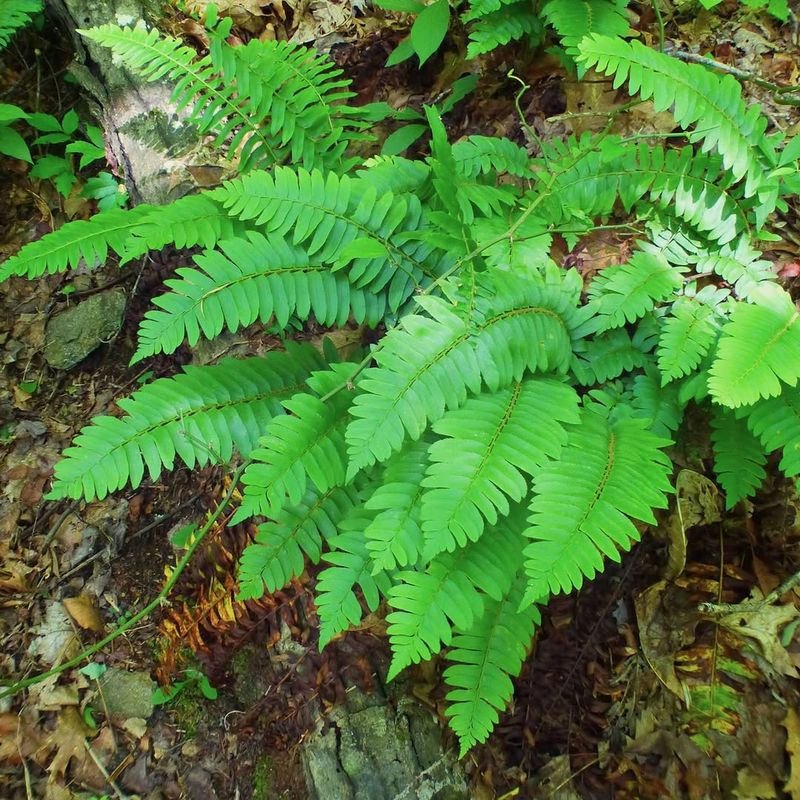
Christmas fern is one of the toughest native ferns you can plant in a shaded yard. It stays green all year, handles drought better than most ferns, and grows in spots where little else wants to grow.
For eastern box turtles, the real appeal is the cool, shaded microclimate that fern clumps create. Turtles seek out spots where the temperature drops noticeably, and a dense patch of Christmas fern does exactly that on a hot afternoon.
Turtles are also known to rest under or among fern fronds. The low, arching leaves create a natural canopy just above ground level, offering both shade and a sense of cover that makes turtles feel secure.
Christmas fern grows best in partial to full shade with moist, well-drained soil. It handles slopes and hillsides well, which makes it useful for areas prone to erosion.
Once established, it requires almost no maintenance beyond occasional removal of old fronds in early spring.
Planting it in clusters rather than single plants creates a more effective habitat patch. Groups of three or more plants spaced about a foot apart will eventually merge into a solid, lush colony.
It is worth noting that ferns do not produce fruit or berries, so they will not serve as a direct food source. Their value is entirely about habitat, shade, and shelter.
Paired with fruiting plants nearby, though, Christmas fern rounds out a well-balanced turtle-friendly garden space.
7. Foamflower Helps Keep The Ground Cool
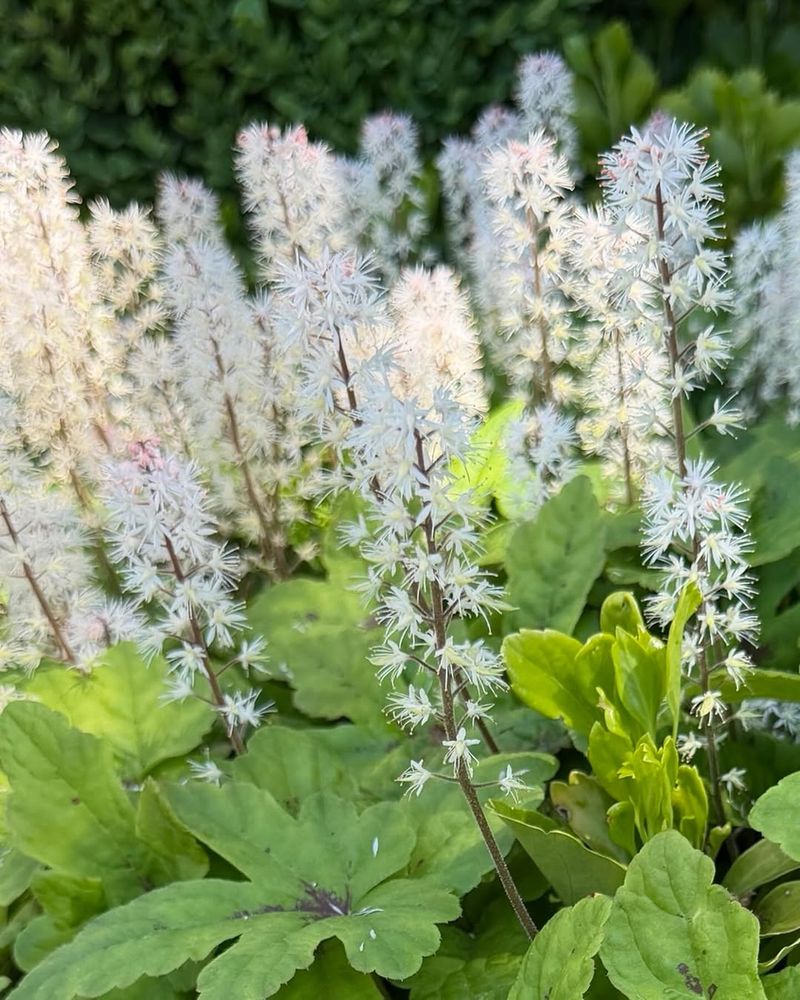
Foamflower is a native wildflower that most people overlook, but box turtles seem to appreciate what it offers. Its low, spreading leaves blanket the ground and help keep soil noticeably cooler than bare earth.
Eastern box turtles are cold-blooded, so managing their body temperature matters a lot. Shaded, cool ground cover like foamflower gives them a comfortable place to rest during the warmest parts of the day.
Foamflower blooms in spring with delicate white to pale pink flower spikes that rise just above the foliage. After blooming, the plant settles back into a low mat of attractive, lobed leaves that persist through the growing season.
It grows best in partial to full shade with consistently moist, rich soil.
Woodland gardens and shaded borders suit it perfectly.
It spreads gradually through stolons, slowly filling in bare ground under trees and shrubs without becoming invasive.
Pairing foamflower with taller shade plants like mayapple or ferns creates a layered ground cover effect that mimics natural forest understory.
That kind of layering is exactly what box turtles look for when choosing where to spend time.
Soil moisture is the main factor that determines how well foamflower performs. Dry soil will cause it to struggle and spread slowly.
Adding a layer of leaf mulch around the plants helps retain moisture and keeps the root zone cool, which benefits both the plant and any turtles resting nearby.
8. Virginia Creeper Produces Berries They May Feed On
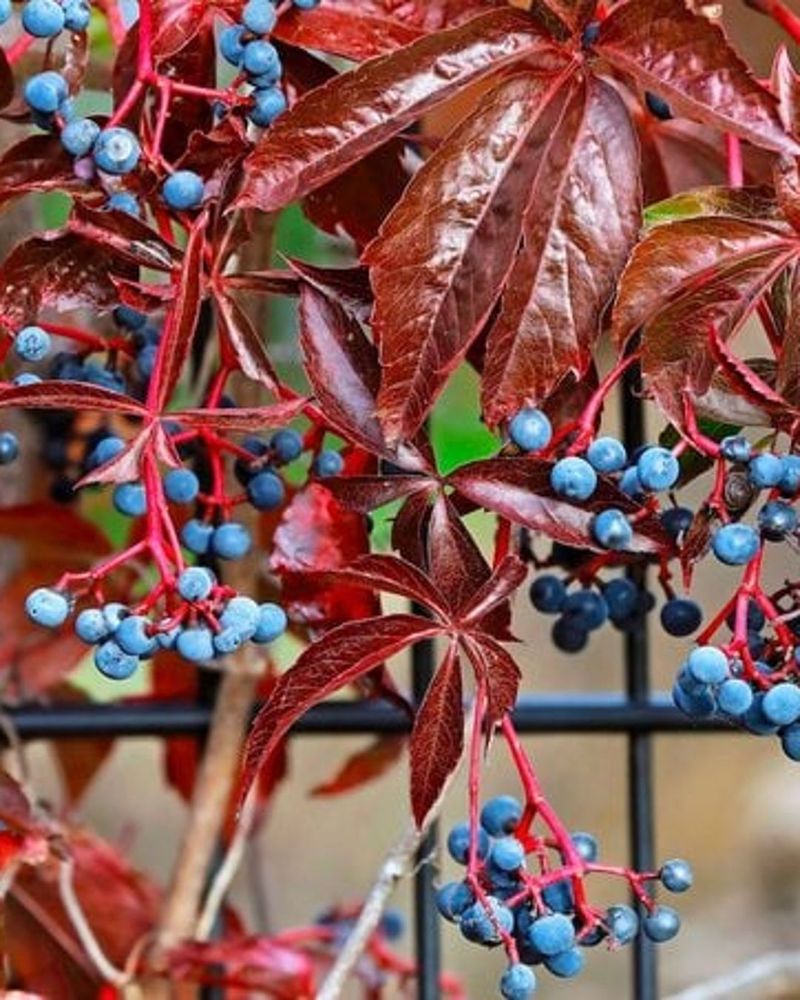
Virginia creeper is one of the most recognizable native vines across the eastern United States. Its bold fall color gets most of the attention, but the small dark blue berries it produces are genuinely valuable to wildlife.
Eastern box turtles may feed on Virginia creeper berries, particularly in late summer through fall. Berries that drop to the ground are the most accessible since turtles forage at ground level and cannot climb to reach higher clusters.
Planting Virginia creeper along a fence, up a tree trunk, or across a trellis allows it to grow vertically while still dropping fruit to the ground below.
Letting some vines trail along the ground also increases the chances that berries land where turtles can find them.
Virginia creeper tolerates a wide range of conditions. It grows in full sun to full shade and handles various soil types reasonably well.
That adaptability makes it one of the easier native vines to establish in a yard without a lot of fuss.
One important note: the berries are not safe for humans or pets, though wildlife consume them without issue. Planting it in an area where children or pets do not regularly roam is a reasonable precaution.
Beyond berries, the dense foliage provides cover that benefits multiple wildlife species.
Combined with other fruiting plants in a wildlife garden, Virginia creeper adds another layer of seasonal food availability that keeps box turtles coming back throughout the year.