This Evening Watering Habit Can Bring Fungus To Georgia Lawns
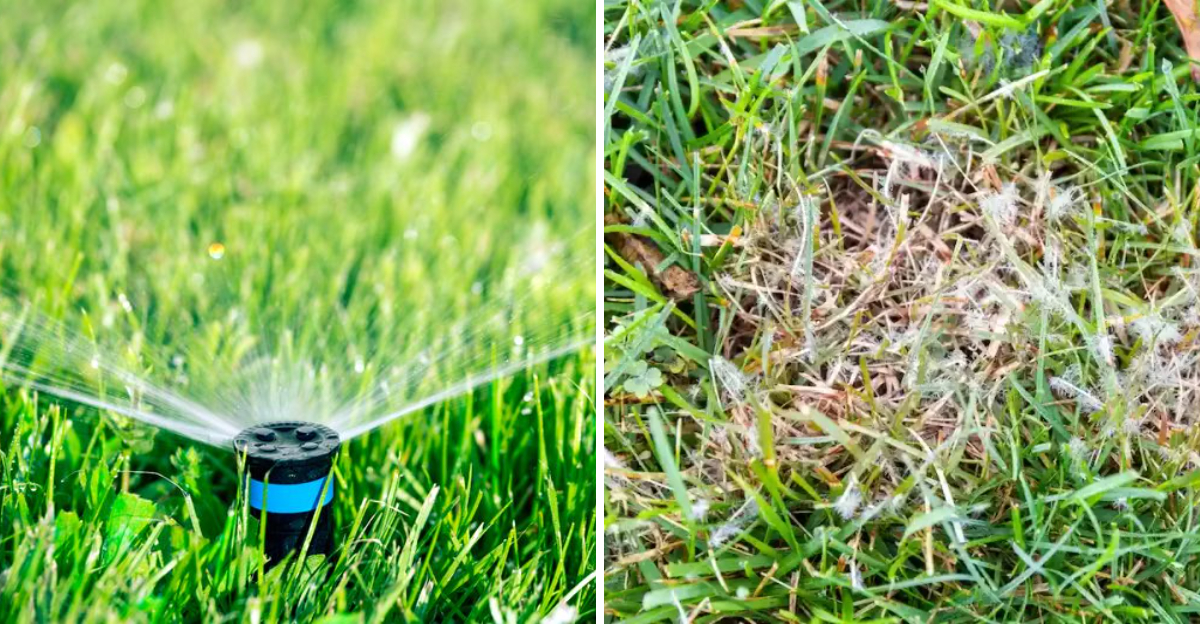
Watering after a hot day can seem like a smart way to help tired grass recover overnight. The problem begins when lawn blades stay wet for hours after sunset.
Without daytime warmth and sunlight, that moisture can linger much longer than you expect.
Those damp conditions can favor certain lawn diseases, especially when warm nights already create a humid environment. Georgia lawns can be particularly vulnerable when evening watering repeatedly keeps the grass wet overnight.
Changing the timing of your watering can reduce that unnecessary risk.
Give the lawn time to dry instead of sending it into every night covered in moisture. Morning watering usually gives grass that opportunity while still allowing water to reach the roots.
Your lawn still gets the moisture it needs, but the timing can make a meaningful difference.
1. That Evening Watering Routine May Be Keeping Grass Wet Too Long
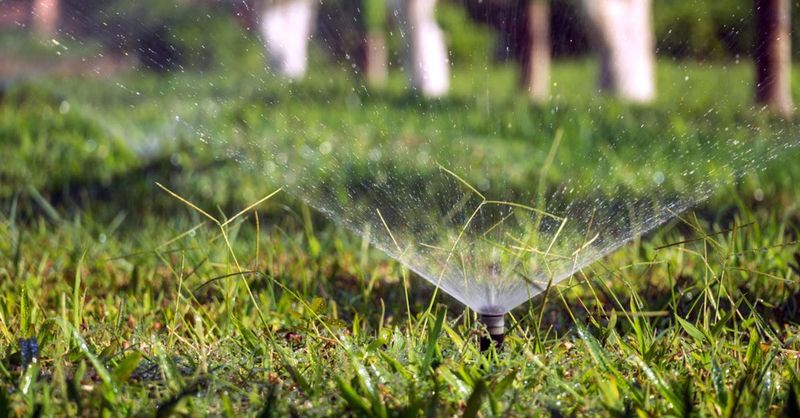
Sunset watering feels efficient. It usually is not, at least not for the health of the grass.
Grass blades need time to dry, and drying depends on sunlight, warmth, and air movement. After dark, all three are missing.
Water applied at 8 p.m. can sit on the leaf surface until the next morning. Add natural dew, and the blades may stay damp for well over ten hours.
Long periods of leaf wetness can create better conditions for fungal problems. The longer the grass stays damp, the easier it is for those problems to develop.
Georgia summers make this worse because nighttime humidity stays high. Air that is already near saturation cannot pull moisture off the blades.
Homeowners sometimes assume the water soaks straight into the soil. In reality, a good portion clings to the leaves and thatch layer first.
Evening watering does reduce evaporation loss, which is why the habit spread in the first place. That benefit is real, but it comes with a tradeoff most people never hear about.
Not every lawn will develop disease from a late soak. Sandy soil, full sun, and good airflow can offset a lot.
Shaded lawns and heavy clay yards carry more risk, and both are common across the state. If your turf already struggles, timing deserves a second look.
2. Wet Grass Through The Night Gives Fungus Better Conditions
Fungi are not picky. Give them moisture, moderate temperatures, and a leaf surface to land on, and they get to work.
Most turf pathogens need free water on the blade to infect. Dry leaves stop the process before it starts.
Overnight is prime time.
Temperatures settle into the range many lawn fungi prefer, and the moisture stays put for hours.
Dew already does part of this job on its own. Adding sprinkler water on top of natural dew simply stretches the wet window longer.
Thatch complicates things further. A thick spongy layer holds water near the crown of the plant and dries slowly.
Air circulation matters as much as timing. Fences, dense shrubs, and tree canopies all trap humid air close to the turf.
Your Georgia Garden Changes Every Week. Your Plan Should Too.
Gardening in Georgia changes quickly throughout the season. Every Friday you’ll receive a simple weekly plan showing exactly what to plant, prune, fertilize, harvest, and protect so you never miss the right timing.
Lawns in Georgia often sit near mature hardwoods and pines, which shade the ground until midmorning. That delay pushes drying time even later.
Grass that stays wet is also softer and easier for fungus to penetrate. Stressed turf recovers more slowly from any damage.
None of this means one late watering ruins a yard. Conditions have to line up, and weather plays a big role.
Still, repeated overnight wetness stacks the odds against you. Cutting that pattern is one of the cheapest lawn improvements available.
3. Fall Is A Common Time For Dollar Spot To Develop
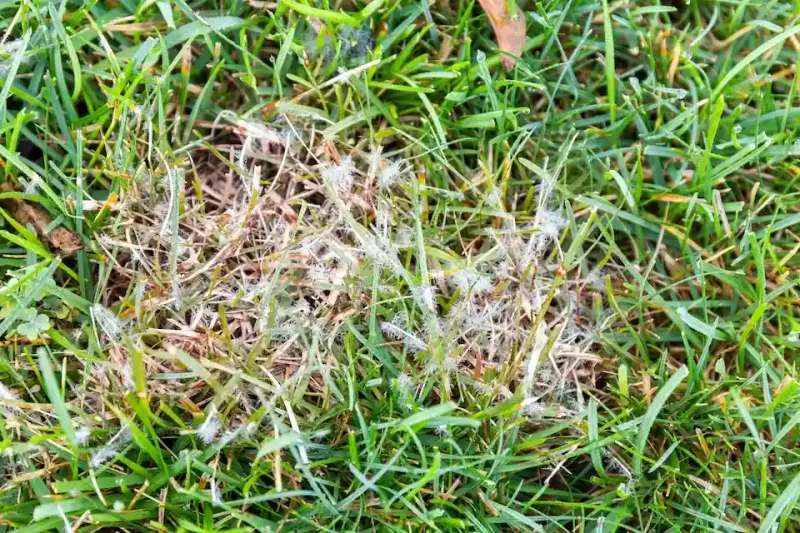
Cool nights, warm days, heavy dew. Dollar spot loves that mix, and fall delivers it reliably.
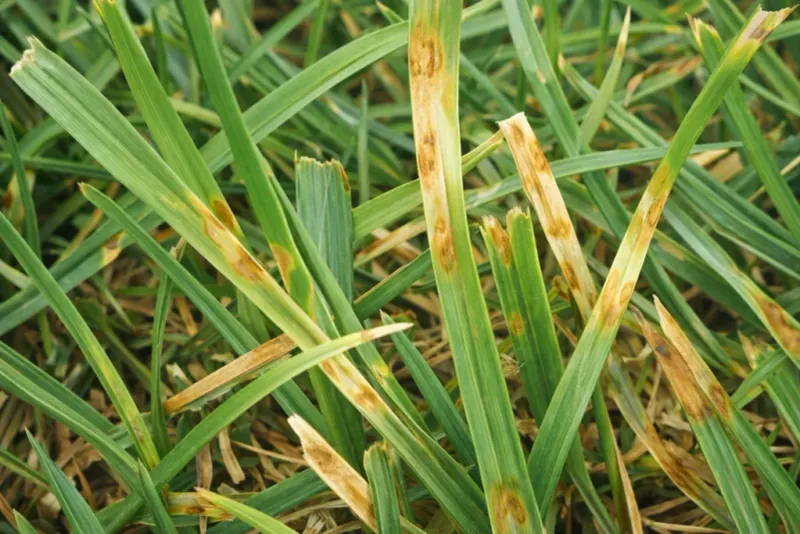
The disease shows up as small bleached patches, roughly the size of a coin. On closer inspection, individual blades often carry tan lesions with reddish edges.
Bermuda and zoysia are both susceptible.
Centipede and tall fescue can show symptoms too, depending on conditions.
Low nitrogen is a known contributor. Turf that is underfed tends to show dollar spot more readily than well-nourished grass.
Autumn in Georgia brings temperature swings that keep dew on the lawn until late morning. Add evening irrigation, and the wet period barely breaks.
Spring can bring outbreaks as well, especially during damp stretches. Fall just tends to catch homeowners off guard.
Mowing with dull blades makes matters worse. Torn leaf tips give fungus an easier entry point.
Dragging a hose or rope across a dewy lawn in the morning knocks off moisture. Old-school greenkeepers used that trick long before fungicides existed.
Fungicides are available, but they work best paired with better cultural practices. Timing your irrigation earlier costs nothing and helps year-round.
Recovery from dollar spot is usually possible once conditions dry out. Grass fills back in as growth resumes.
4. Small Lawn Spots Can Be An Early Sign Of Trouble
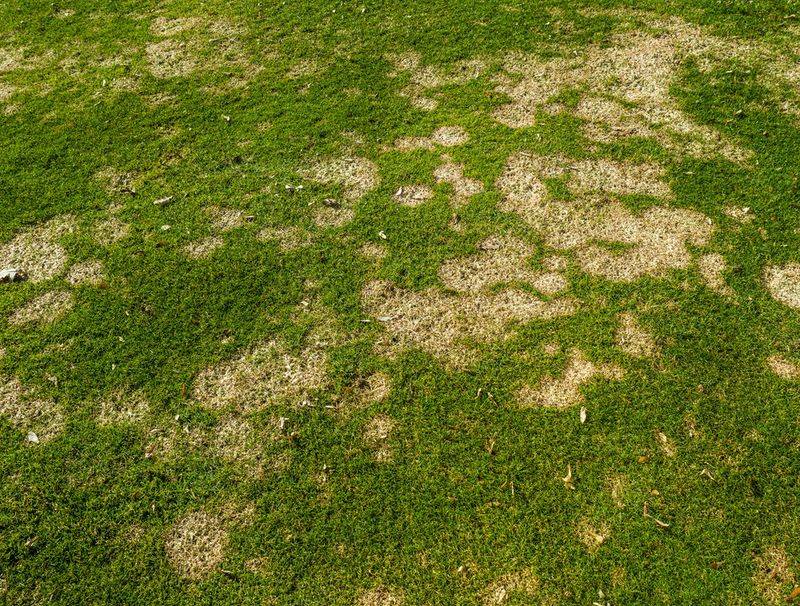
Little tan spots rarely stay little. Left alone, they merge into larger blotchy areas that take weeks to fill in.
Catching problems early gives you options. Once patches join together, repair takes far longer.
Walk the yard in the morning while dew is still down. Fungal activity is easiest to see then, sometimes as fine webbing on the blades.
Look closely at individual leaves rather than the patch as a whole. Lesion shape and color help separate disease from drought stress or pet damage.
Drought spots tend to follow sun exposure and slope. Fungal spots appear more random and often show clear lesions on the leaf.
Take a photo when you first notice something. Comparing images a week later tells you whether the area is spreading.
County extension offices across Georgia can help with identification, and some offer sample testing. Accurate diagnosis prevents wasted money on the wrong treatment.
Guessing is the expensive route. Fungicides do nothing for insect damage or compacted soil.
Check irrigation coverage while you are out there too. Overlapping sprinkler heads sometimes soak one area far more than the rest.
Small changes made early often keep a minor spot from becoming a summer-long project.
5. Frequent Watering Can Create Problems Beyond Wet Grass
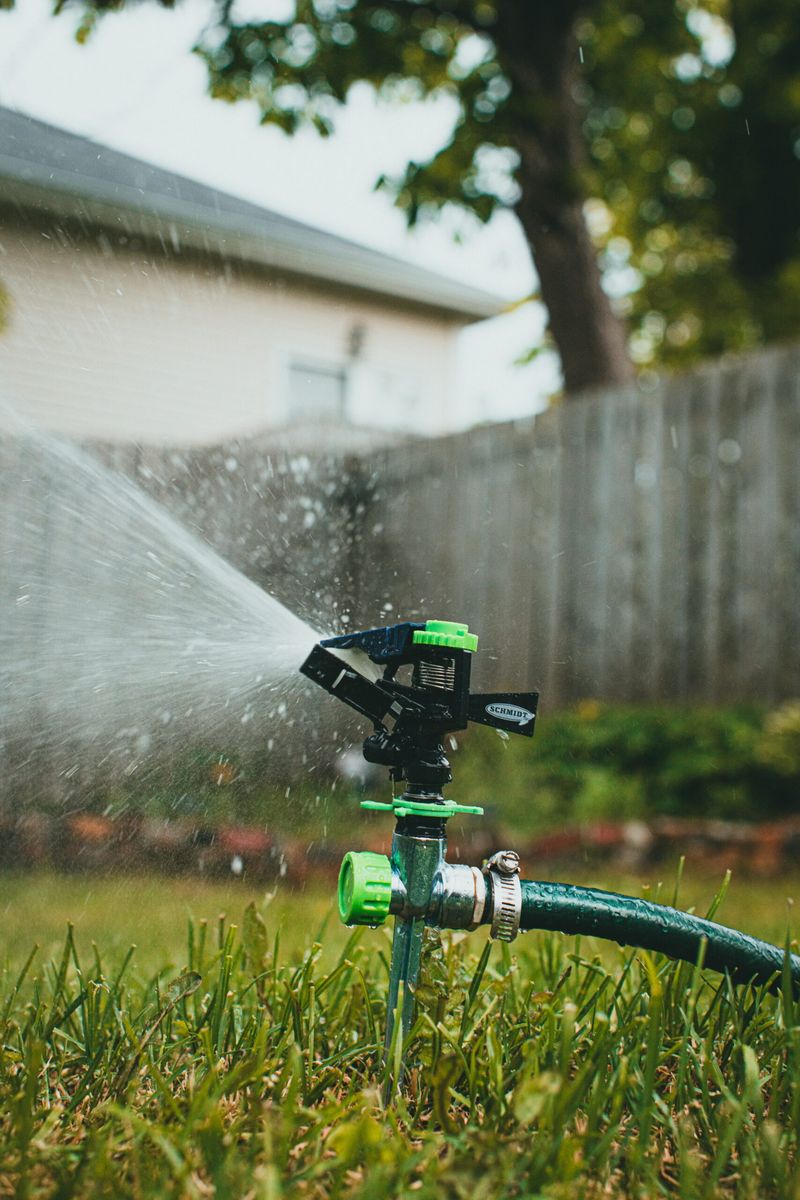
Daily sprinkling trains grass to be lazy. Roots stay near the surface because water is there every single day.
Shallow roots handle heat poorly. When a dry spell hits, that turf wilts fast.
Constantly damp soil also holds less air. Roots need oxygen, and saturated ground limits it.
Weeds benefit too. Crabgrass and nutsedge both establish well in ground that stays consistently moist near the top.
Mosquitoes find breeding spots in low areas that never fully drain. Anyone who spends summer evenings outdoors in Georgia knows how quickly that becomes an issue.
Fertilizer moves faster through wet soil. Nitrogen can leach past the root zone before the grass ever uses it.
Red clay makes this trickier. Water sits on the surface, runs off, then leaves the deeper layers surprisingly dry.
Checking soil moisture beats guessing. Push a screwdriver into the ground, and if it slides in easily, watering can wait.
Compaction develops more easily in soft wet soil, especially where kids and pets play. Mowing damp turf adds ruts and tears.
Cutting back frequency while watering longer per session usually solves several of these issues at once. Grass adjusts within a few weeks.
6. Early Morning Gives Grass More Time To Dry
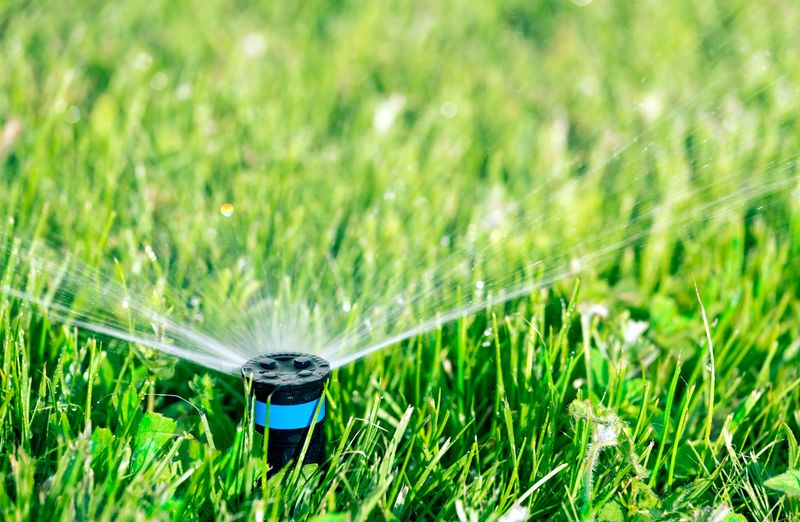
Six in the morning beats six in the evening. Grass gets watered, then spends the day drying in sun and breeze.
Dew is already present at dawn, so irrigation is not adding a new wet period. It simply extends one that was happening anyway.
Wind is usually calmer early, which means less spray drift. More water lands where you aimed it.
Municipal water pressure tends to be steadier before the neighborhood wakes up. Sprinkler heads perform better with consistent pressure.
Aim to finish before the sun gets high. Blades that dry by midmorning spend most of the day disease-free.
Watering at noon is not ideal either. Evaporation losses climb, and coverage becomes uneven.
Timers make early watering painless. Set it once, and the schedule handles itself while you sleep.
Many Georgia counties have outdoor watering rules with permitted hours, so check local guidelines before setting your controller. Restrictions can change during dry periods.
Sloped yards may need cycle-and-soak settings. Two shorter runs spaced apart let water absorb instead of running down the driveway.
Morning irrigation will not fix every lawn problem, but it removes one of the easier risk factors homeowners control.
7. Deep Less Frequent Watering Helps Reduce Disease Pressure
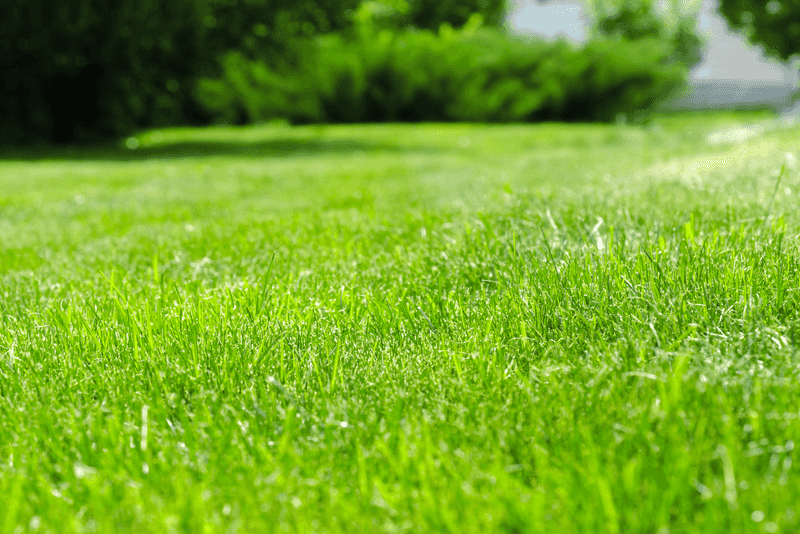
One good soaking beats five light sprinkles. Roots chase moisture downward, and deeper roots handle stress better.
Most warm-season lawns do well with about an inch of water per week, including rainfall. Split that into one or two sessions rather than daily runs.
Measuring output is easy. Set a few tuna cans around the yard and time how long the sprinkler takes to fill them a half inch.
Rain counts toward the total. Skipping irrigation after a storm saves money and keeps soil from staying saturated.
Soil type shifts the math. Sandy ground drains quickly and may need shorter, slightly more frequent watering than heavy clay.
Watering deeply also lets the surface dry between sessions. That dry window interrupts fungal development.
Rain sensors and smart controllers help, especially during the unpredictable summer storm patterns common across Georgia. Automatic skips prevent needless watering.
Mowing height plays into all of this. Slightly taller grass shades the soil and holds moisture longer between waterings.
Results take a little patience. Grass adjusting to a new schedule may look slightly stressed for a week or two before rooting deeper.
Weather, shade, and soil will always affect outcomes, so watch your own lawn and adjust as needed.