The September Lawn Watering Mistake That Keeps California Grass Weak Into Fall
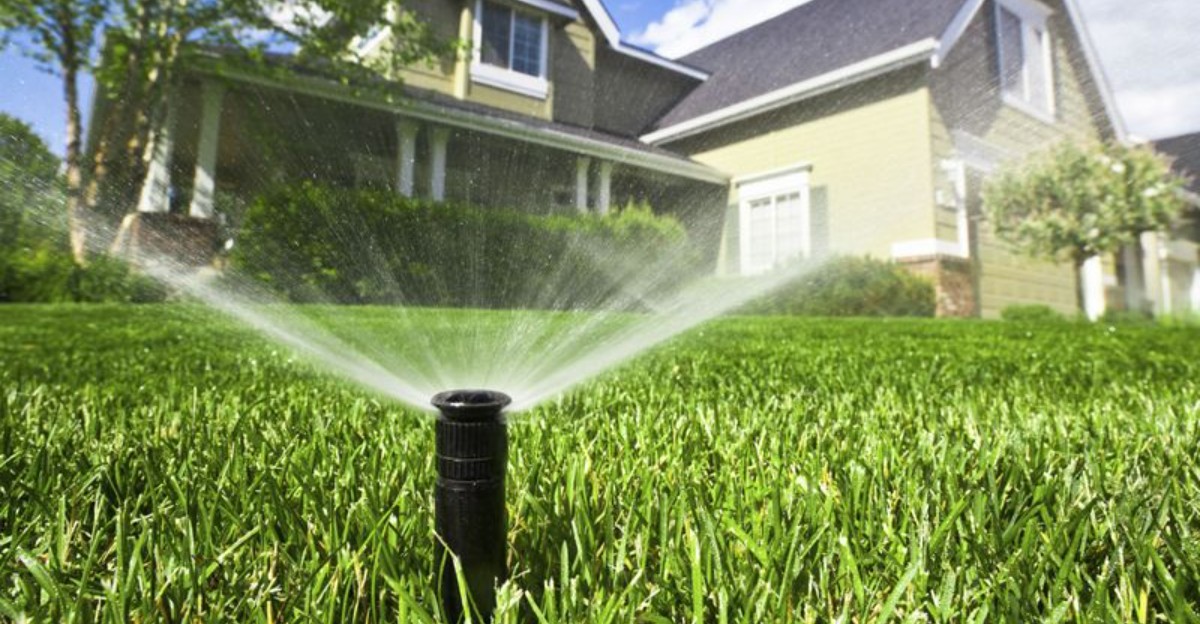
The light comes in at a lower angle in September, and the evenings cool off faster than they did a month ago. Your lawn looks tired, and you feel a little tired of it too.
So you do what feels kind. You leave the controller alone and let it carry on doing what it has done all summer.
That small act of generosity is where things quietly go sideways. The grass stops reaching, the roots get lazy, and by October the whole yard feels thin underfoot.
California autumn plays by different rules than California summer, and most lawns pay for the mismatch. One simple change below the surface can turn a struggling lawn into one that stays thick and green through fall.
The Habit Of Watering September Like It Is Still August
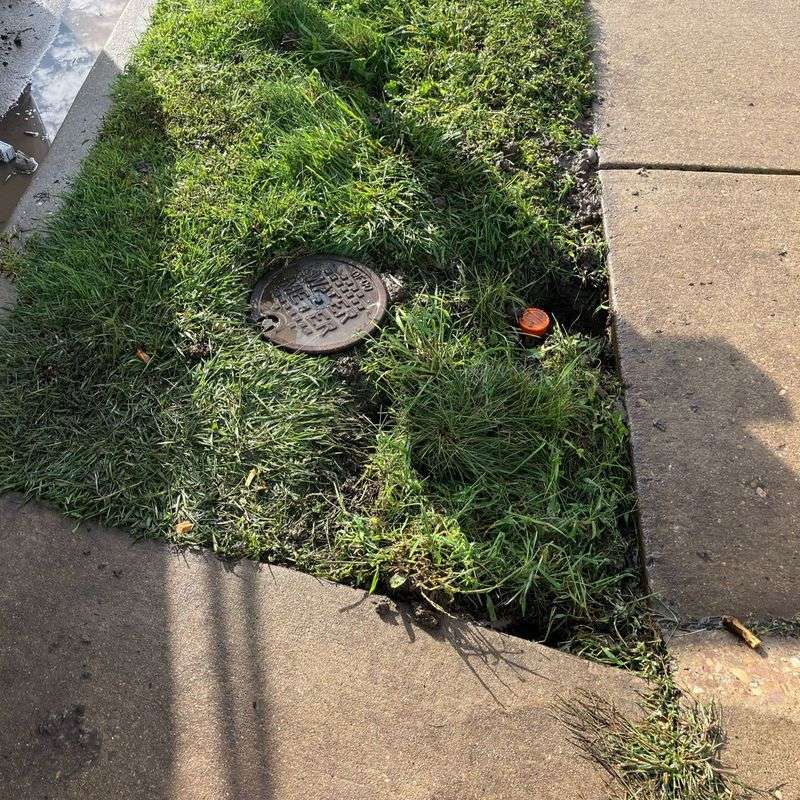
Most California lawns get watered on autopilot. The controller was set back in June when temperatures were climbing, and many have not been touched since.
September looks like summer from the porch, but the numbers tell another story. Days are shorter by more than an hour compared to late June, the sun sits lower, and nighttime temperatures drop several degrees. Grass simply uses less water when the sun works fewer hours.
Keeping the same run times means the soil stays wet far longer between cycles. Wet soil pushes out air, and roots need air as well as moisture. Starved of oxygen, roots slow their downward growth and tend to stay in the top inch or two of soil.
That shallow root system is the real problem. A lawn with roots two inches deep has almost no reserve when a late heat spike rolls through, and inland and Southern California can still deliver a stretch of 95 degree days in October.
The fix starts with awareness rather than tools. Walk out early in the morning and press a screwdriver into the soil. If it slides in easily and comes out damp and dark, the soil still holds enough moisture, and you can skip a cycle.
Cutting run times by roughly a quarter in early September, then another quarter by the end of the month, matches what the grass actually uses. The lawn may look slightly less lush for a week, and then it settles into something far sturdier.
Shorter Days And Cooler Nights Change The Whole Equation
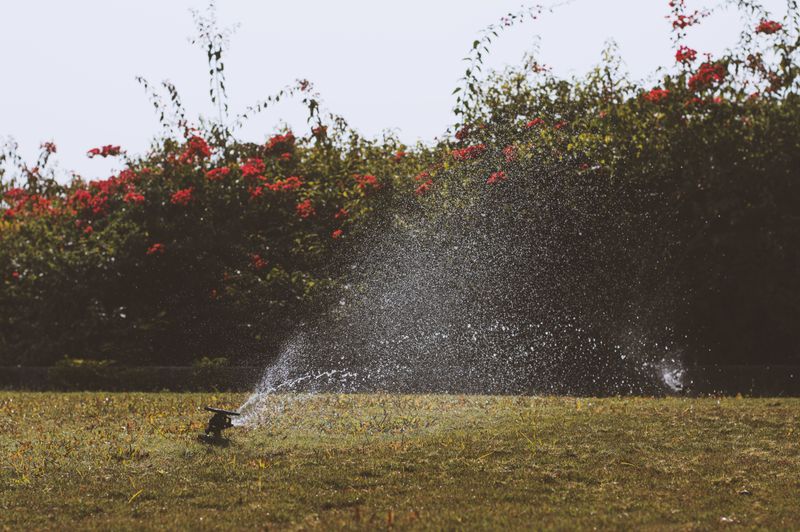
Grass drinks based on demand, not on the calendar. That demand is driven by heat, sunlight hours, wind, and humidity, and most of those shift in September.
Water experts measure this with something called evapotranspiration, or ET. It combines water evaporating from soil with water released by the grass blades themselves. In inland California, July ET often runs close to three tenths of an inch per day, while late September often drops closer to a sixth of an inch.
That difference sounds tiny. Over a month it adds up to inches of water your lawn no longer needs, all of it sitting in the root zone doing more harm than good.
Your California Garden Changes Every Week. Your Plan Should Too.
Gardening in California changes quickly throughout the season. Every Friday you’ll receive a simple weekly plan showing exactly what to plant, prune, fertilize, harvest, and protect so you never miss the right timing.
Cooler nights matter just as much. When evening temperatures fall into the fifties, grass blades stay wet for hours after sunset, and soil holds moisture through morning instead of drying out by ten.
Coastal areas get there by a different route. Cooler air and higher humidity along the Bay Area and Central Coast hold water demand below inland levels, yet sprinklers in those neighborhoods often stay on a July schedule.
Many California water districts publish weekly ET numbers online, and some offer free watering index emails. Checking that once every couple of weeks takes about two minutes.
Better still, a weather based smart controller adjusts run times on its own using local data. Rebates from some California water agencies help offset the cost.
Soggy Soil And The Shallow Roots It Encourages
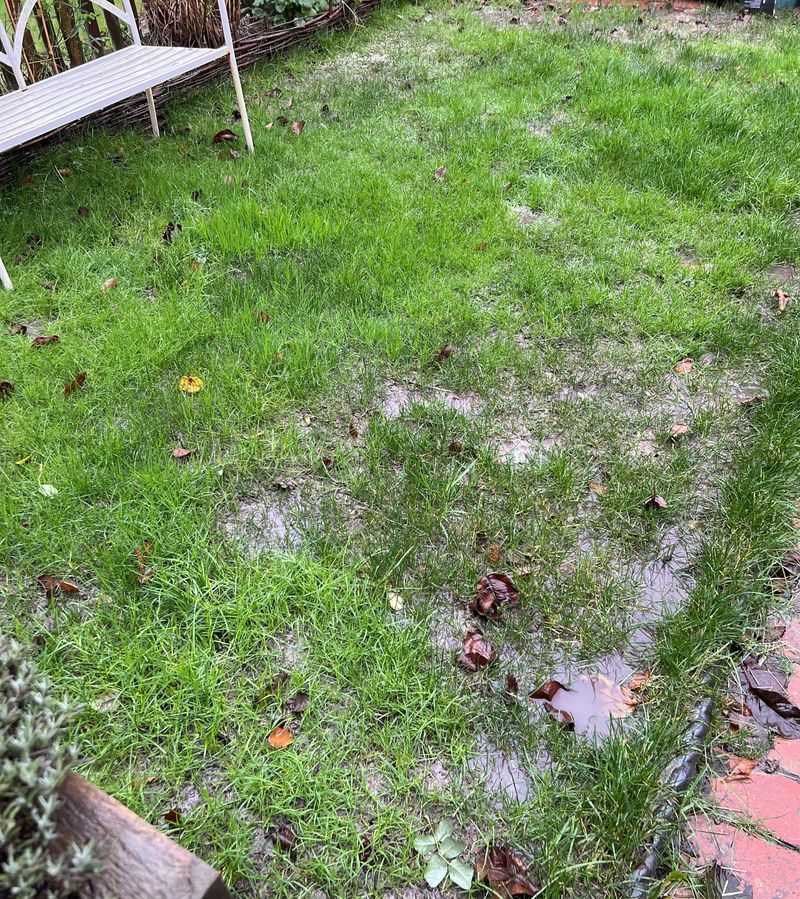
Picture two lawns side by side. One gets a light sprinkle every single morning, the other gets a long soak twice a week.
The daily sprinkle lawn looks fine in September. Its roots had little reason to travel, because water arrived at the surface like clockwork. Those roots sit in the top inch, which is the first place to bake when temperatures climb.
The twice weekly lawn tells a different story. Between soakings the top layer dries slightly, and roots chase the remaining moisture downward, sometimes six or eight inches into cooler soil.
Depth is insurance. A deeply rooted lawn shrugs off a missed watering, handles foot traffic, and stays green when the surface crusts over.
Constant surface moisture also invites trouble beyond weak roots. Compacted, airless soil favors shallow rooted weeds like annual bluegrass and nutsedge, and both love a lawn that stays damp.
Switching over takes patience. Add a few minutes to each run time while dropping one watering day per week, and give the grass two or three weeks to adjust before judging results.
Watch for runoff along the sidewalk. Clay soils common across Sacramento and the inland valleys absorb water slowly, so splitting a long run into two or three short cycles twenty minutes apart lets everything soak in.
Core aeration in early fall helps enormously on cool season lawns. Pulling small plugs opens channels for air and water, though warm season grasses are better aerated in late spring or early summer.
Cool Season And Warm Season Grasses Want Opposite Things Now
Here is where a lot of well meaning advice falls apart. California yards contain two very different kinds of grass, and September pulls them in opposite directions.
Tall fescue, ryegrass, and bluegrass are cool season types, common in Northern California and coastal neighborhoods. September is their comeback season, when they push new roots and recover from summer stress.
Bermudagrass, St. Augustine, zoysia, and kikuyu are warm season types that dominate Southern California and the hot valleys. As nights cool, these grasses begin slowing down toward winter rest.
Treating both the same is the trap. A fescue lawn benefits from steady, deep moisture through fall, because it is actively growing and building strength for spring.
Warm season lawns need the opposite. Watering bermudagrass heavily as it winds down can invite fungal problems, thin patches, and a soft surface that lingers into winter.
Identifying your grass is usually straightforward. Fescue has wide, flat blades growing in clumps, while bermudagrass spreads by runners across the surface and feels finer underfoot.
For fescue owners, September is also the ideal month to overseed thin spots. Seed germinates well in warm soil with cool air, and light frequent watering is justified for the first two to three weeks, until seedlings are established.
Once new seedlings reach mowing height, shift right back to deep and infrequent. That transition is easy to forget, and skipping it undercuts the earlier progress.
Rebuilding A Smarter Fall Watering Schedule
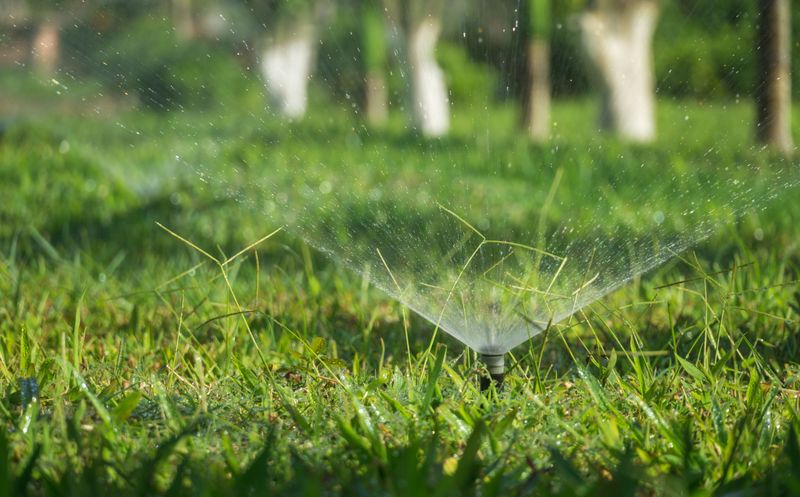
Time for the practical part. Building a fall schedule does not require an app subscription or a landscape degree, just a little measuring.
Start by learning how much water your sprinklers actually deliver. Set five or six empty tuna cans around the lawn, run a zone for fifteen minutes, then measure the depth with a ruler.
Fixed spray heads often put down a third to half an inch in that window, while rotors deliver much less, sometimes closer to a tenth of an inch. From there you can calculate how long it takes to apply the roughly three quarters of an inch a fescue lawn wants per session in fall.
Aim for two sessions weekly in September for cool season grass, dropping to one by late October in most regions. Warm season lawns can often go to once every ten days by mid fall.
Run everything before sunrise, ideally finishing by seven. Early water soaks in before the sun climbs, and blades dry quickly, which discourages fungal problems.
Skip watering entirely after any real rain, and give it a few days afterward before restarting. A simple rain sensor handles this automatically and is one of the cheaper upgrades on the shelf.
Keep an eye on the grass itself rather than the calendar. Footprints that linger instead of springing back mean the lawn wants a drink, and a bluish gray cast means the same thing.
Write the new schedule on masking tape stuck inside the controller door. Future you will appreciate the reminder next spring.
The Payoff Waiting In November And Beyond
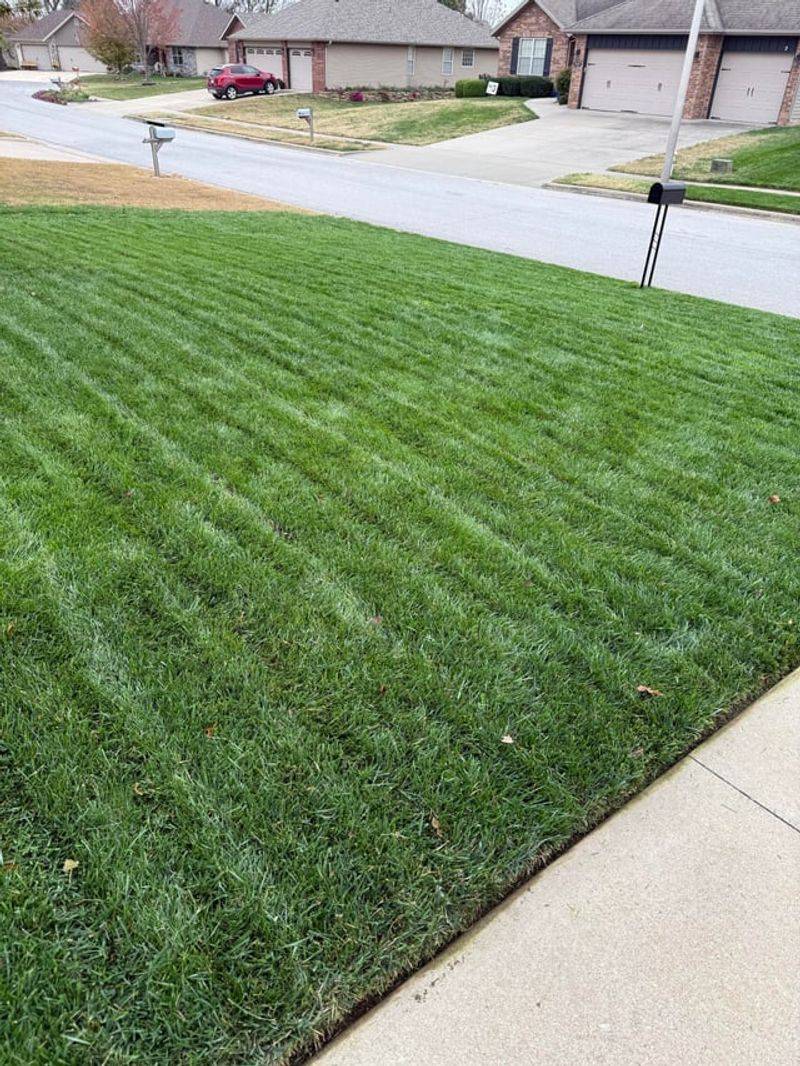
Lawns that get the September adjustment right look noticeably different by Thanksgiving. Color holds deeper, the surface feels springy instead of spongy, and bare patches fill in on their own.
Deep roots are doing that work. Grass that reached down through fall taps moisture and nutrients the shallow rooted neighbor lawn cannot touch.
Water bills tell part of the story too. Trimming outdoor use by a quarter or more through September and October saves real money in a state where irrigation often accounts for half of household water.
Weeds notice the change as well. Nutsedge and annual bluegrass thrive in soggy, compacted ground, so drier surfaces between soakings quietly reduce next year’s weeding chores.
Winter rain arrives to a lawn ready to receive it. Soil with open pore space and deep root channels absorbs storm water instead of shedding it into the gutter, which helps during those intense atmospheric river weeks.
Come February and March, the difference really shows. A lawn that entered winter strong greens up sooner and needs less patching, less fertilizer, and less fussing.
Small habit, large return. Adjusting a controller takes maybe ten minutes on a Saturday morning, and the grass repays that attention for months.
One last thought worth holding onto. Lawns respond to what you teach them, and September sets the pattern California grass follows, either reaching deep or settling near the surface.