How To Finish Renovating Michigan Strawberry Beds For Next Year’s Crop
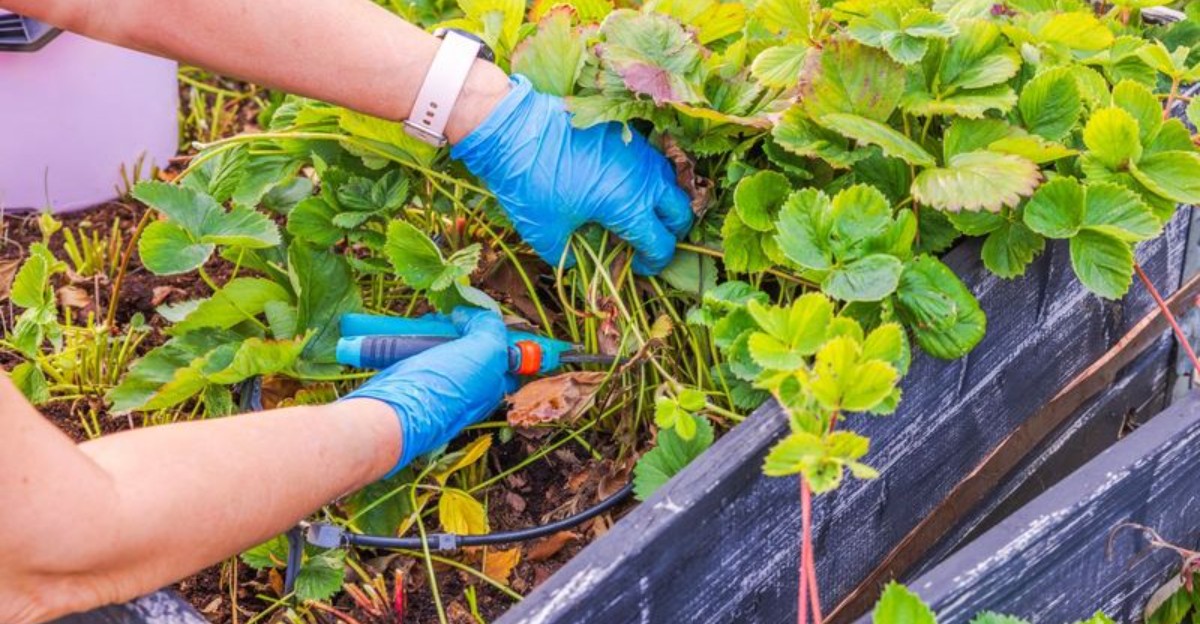
The last berry has been picked, the bowls are washed, and the patch looks a little tired. That worn-out row is actually asking you for something, and the timing matters more than most gardeners realize.
Michigan summers move fast, and the window for this job is narrower than most gardeners expect. Wait too long and next June’s picking is thinner than it should be.
There is a rhythm to getting a berry patch ready for another season. Mowers hum, soil gets crumbly underfoot, and rows slowly look tidy again.
What follows is a clear, step-by-step plan you can finish over a couple of weekends. Grab your gloves, because next June’s harvest starts with the work you do right now.
1. Timing The Final Renovation Window In Michigan
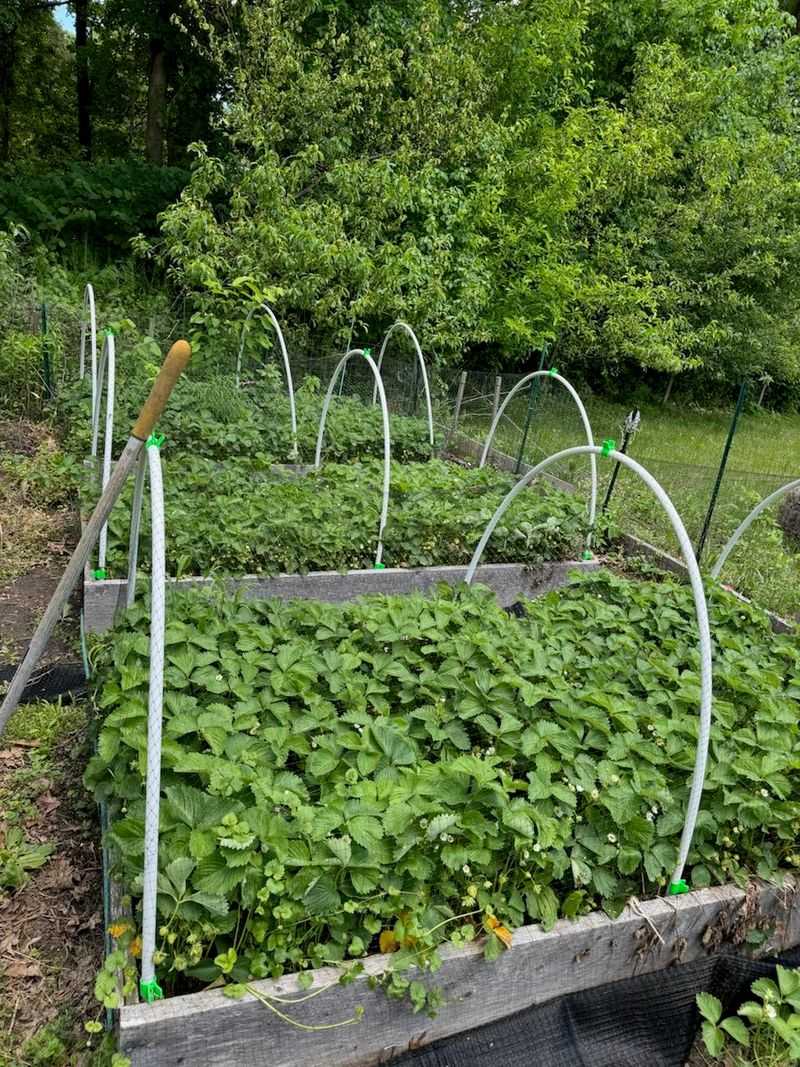
Michigan growers work to a simple rule: finish the patch within ten days of your last pick. June-bearing beds set their flower buds in late summer, so every week you delay steals blossoms from next spring.
For most of the Lower Peninsula, that means renovation work happens between late June and the third week of July. Up north near Traverse City or in the Upper Peninsula, harvest ends later, so mid to late July is normal.
The reason behind the rush is simple. Plants need roughly eight to ten weeks of good growing weather to rebuild leaves, push runners, and store energy before shorter days trigger bud formation in September.
Try to pick a stretch of weather that is warm but not baking. Working on a cloudy day, or right before a soft rain, helps stressed plants bounce back quicker.
Should you be running behind schedule, skip the hardest steps rather than skipping everything. Mowing a bed in early August can still help, though heavy tilling that late may leave roots too shaken to recover.
Keep a note in your phone or on the shed wall with the date you finished your last picking. Gardeners who track that one detail rarely miss the window twice.
Day-neutral varieties like Albion follow different rules and are not mowed. Know which type you planted before the mower goes anywhere near those leaves, since treating them alike leads to a disappointing spring.
2. Mowing The Old Leaf Canopy Down To Size
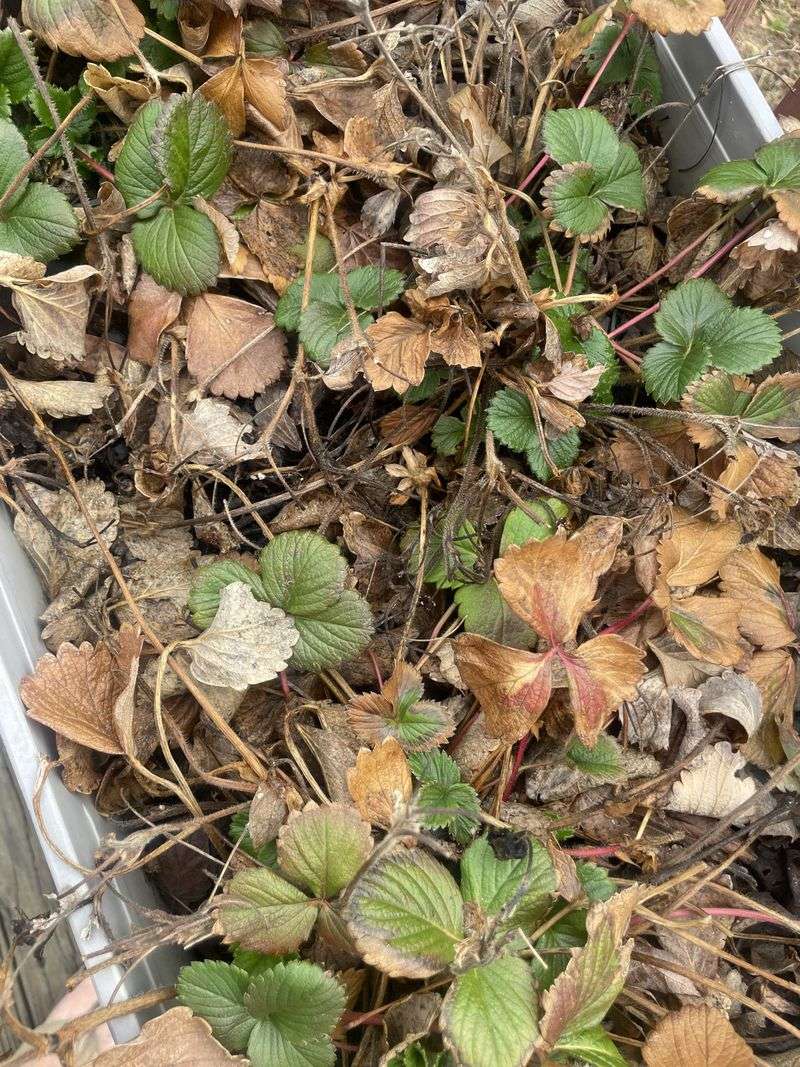
Cutting the tops off a strawberry row feels wrong the first time you do it. Then July rolls around and a flush of fresh, clean leaves shows up, and the doubt disappears.
Set your rotary mower high enough that the blade passes about an inch above the crowns, usually its top setting, and walk the rows slowly. The goal is removing old foliage while leaving crowns untouched, since a nicked crown rarely recovers.
Older leaves carry leaf spot, leaf scorch, and mite eggs picked up over a long, humid Michigan spring. Taking that canopy away removes a huge share of the trouble before it multiplies.
Kneel down and check a few plants before mowing the whole bed. If crowns sit high on mounded soil, lift the deck another notch or use hand shears in those spots.
Your Michigan Garden Changes Every Week. Your Plan Should Too.
Gardening in Michigan changes quickly throughout the season. Every Friday you’ll receive a simple weekly plan showing exactly what to plant, prune, fertilize, harvest, and protect so you never miss the right timing.
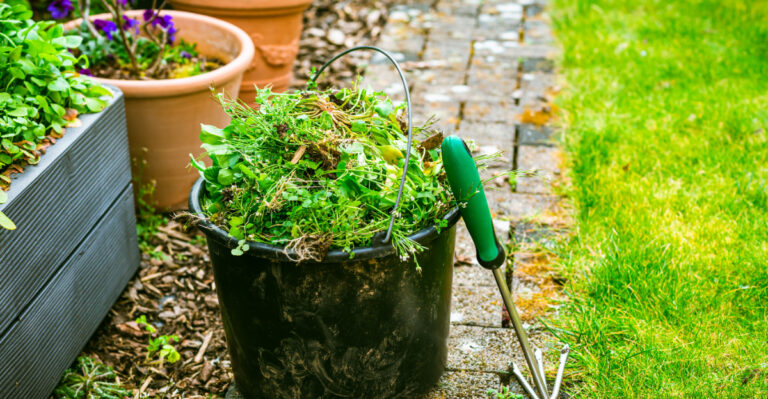
Rake the clippings off the bed instead of leaving them in place. Piles of damp leaves block new growth and give fungal spores a cozy place to hang around.
Those clippings can go into a hot compost pile far from the patch, or into yard waste pickup. Skip using them as mulch anywhere near berries.
Small beds do fine with a string trimmer or even hedge shears if you have patience and a podcast. Precision matters more than speed here.
Within two weeks you should see bright new leaves unfurling. That green flush is your sign the patch is awake and building strength for next June.
3. Narrowing The Rows Back To Workable Width
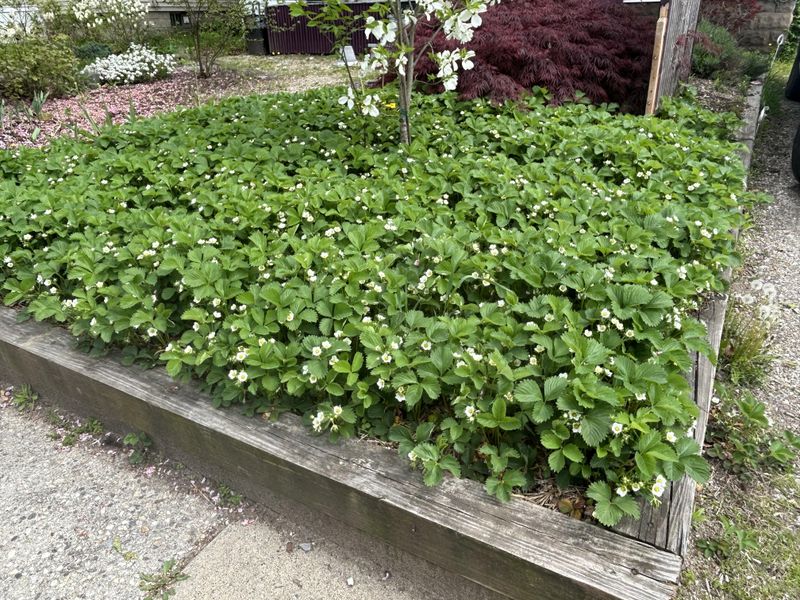
A matted row left alone turns into a crowded mess by its second summer. Plants elbow each other for light, air stops moving, and berries shrink to thimble size.
Aim to cut rows back to roughly ten to twelve inches wide. Use a rototiller, a sharp hoe, or a spade to slice away the outer edges and reopen the aisles.
Michigan State University Extension guidance suggests tilling from both sides so the strongest, most productive center plants remain. Those middle crowns are usually the oldest and best rooted.
Aisles should end up around eighteen inches across. That gap gives you room to kneel, room for air to dry the leaves, and room for new runners to settle later.
Sandy soils in western Michigan work up easily, while heavier clay in the southeast may need the tiller run twice. Do not force it when the ground is soggy, since compacted clay can set roots back for several seasons.
Toss the removed plants rather than replanting them elsewhere in the bed. Older crowns carry more disease and produce less fruit than the runners you will get this season.
Some gardeners mark row edges with string before starting, and it genuinely helps you keep lines straight. Wandering rows make future weeding awkward.
Once the aisles are clean, the bed looks almost bare. That empty space is on purpose, and runners will fill it in beautifully by September.
4. Thinning Crowded Crowns For Stronger Plants
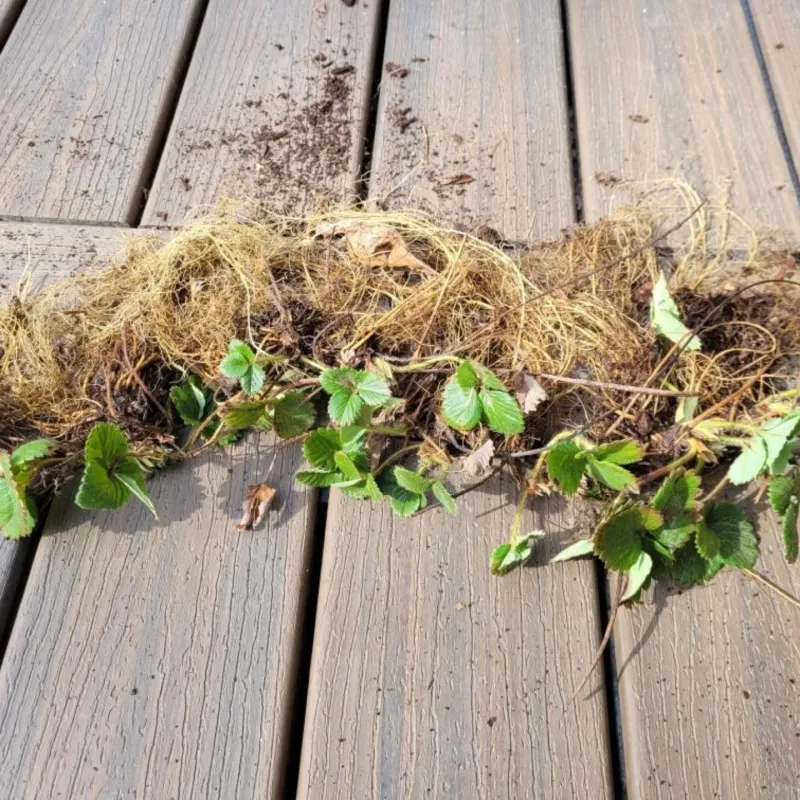
Picture five people trying to share one small umbrella. That is what an unthinned strawberry row looks like from a plant’s point of view.
After narrowing the rows, walk the bed and pull out extra crowns until survivors sit about five to six inches apart. Roughly four to six plants per square foot is a solid target.
Weak, spindly plants and any with mushy brown centers should be the first to go. Healthy crowns feel firm and show pale roots when you tug one loose.
Thinning feels wasteful, and honestly it stings a bit. Yet spaced plants make larger berries, dry off faster after rain, and shrug off gray mold better than a packed row does.
Michigan’s humid summers make airflow a big deal. Fungal problems love still, damp leaves, and thinning is a free way to reduce that risk without spraying anything.
Keep an eye out for plants with wilted, stunted centers, which can point to root problems like red stele in poorly drained ground. Remove those and note the spot for future reference.
Beds older than three or four years may simply be worn out no matter how carefully you thin them. When more than half the crowns look tired, plan a fresh planting in a new location next spring.
Water the bed lightly once thinning wraps up. Settling the soil around remaining roots helps them recover within days.
5. Clearing Weeds Before They Take Over
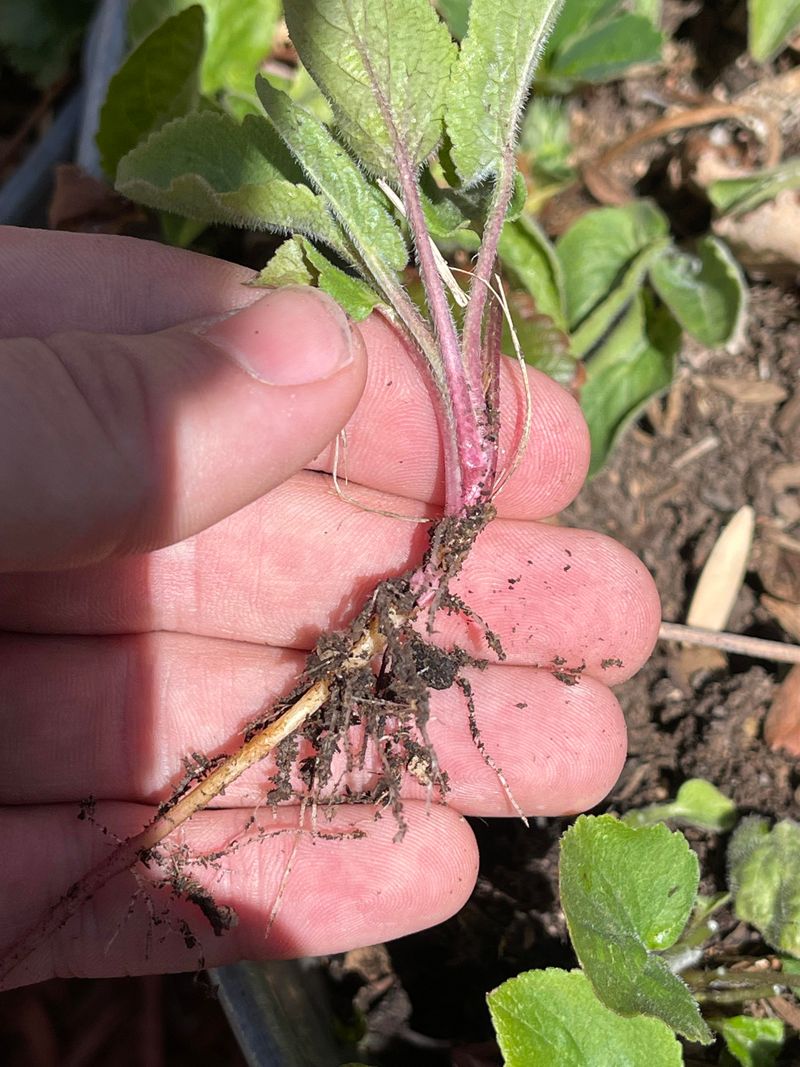
Weeds treat a freshly mowed strawberry bed like an open invitation. Quackgrass, purslane, and dandelions in particular seem to sense the sunlight the moment the canopy comes off.
Right after mowing is the easiest time to see what you are dealing with. Bare soil means nothing is hiding, and small weeds pull out with barely a tug.
Hand pulling works best for perennial troublemakers with running roots. Grab low, pull steadily, and get the whole underground piece rather than snapping off the top.
A stirrup hoe skimmed just under the surface handles seedlings in the aisles quickly. Shallow strokes protect strawberry roots, which sit closer to the surface than most people expect.
Creeping charlie often works its way in from the surrounding lawn. Edging the bed with a spade creates a barrier that slows its spread considerably.
If you use a preemergence herbicide, read the label for strawberry-approved products and timing. Renovation is the standard application window, but the rules vary by product and by your harvest plans for next season.
Weed control now pays off twice. Clean beds mean runners root into open soil instead of fighting for it, and next spring’s picking goes much faster.
Set a reminder to walk the rows every two weeks through August. Ten minutes of pulling beats an hour of hard digging later, and the patch stays presentable all fall.
6. Feeding The Bed With Balanced Fertilizer
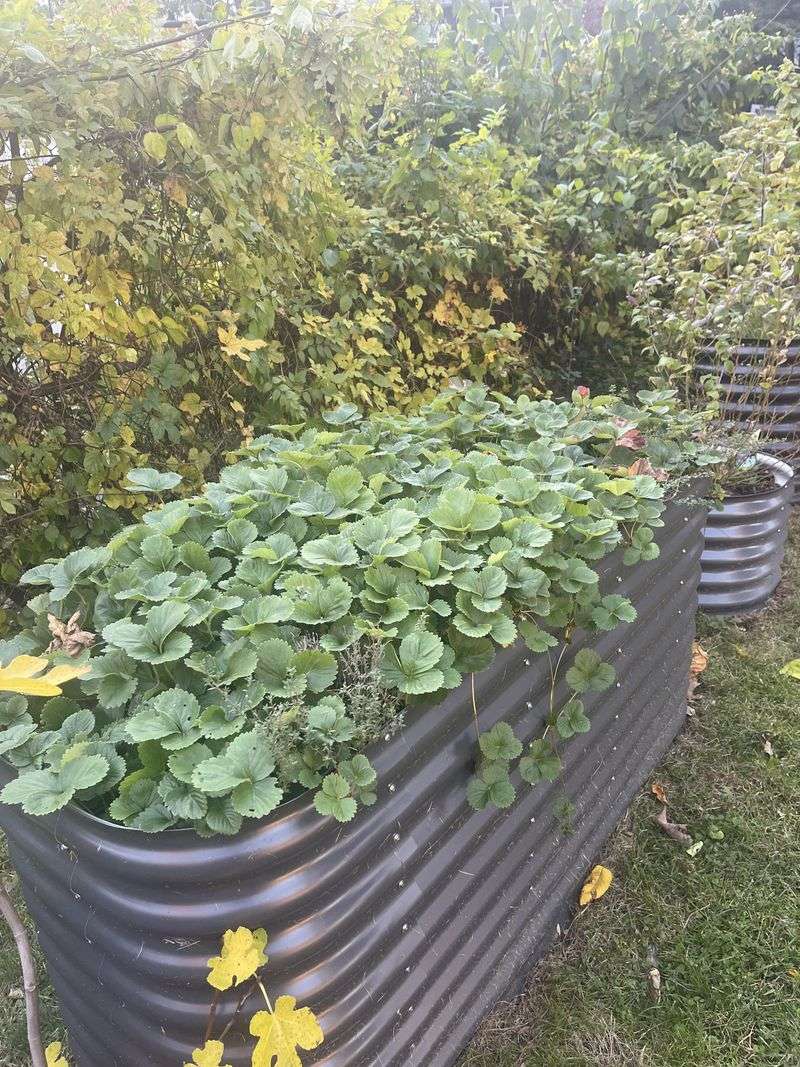
Hungry strawberry plants have a job ahead of them: regrow every leaf they just lost, then build next year’s flower buds. Fertilizer is the fuel for both.
A balanced granular product such as 12-12-12 works well for most home beds. Around one pound per one hundred square feet of row is a common Michigan recommendation.
Spread it evenly over the row, not in clumps against the crowns. Concentrated granules sitting on plant tissue can burn tender new growth.
Water the fertilizer in right away, either with a hose or ahead of expected rain. Nutrients need moisture to travel down to the root zone where they matter.
Soil tests take the guesswork out of the whole thing. Michigan State University Extension offers affordable mail-in tests, and results tell you exactly what your sandy or clay ground is missing.
Skip heavy nitrogen in late August and September. Lush, soft growth going into fall is more easily damaged in a cold snap, and it can encourage soft fruit later.
Compost is a fine addition alongside granular feed. A half-inch layer worked into the aisles improves moisture holding in sandy soils along the lakeshore.
Some growers split the feeding, applying half at renovation and half in mid-August. That approach keeps nutrients steady without overwhelming the plants at any single point.
Watch the new leaves. Deep green growth within three weeks tells you the timing and rate were right.
7. Guiding Runners Into Their New Spaces
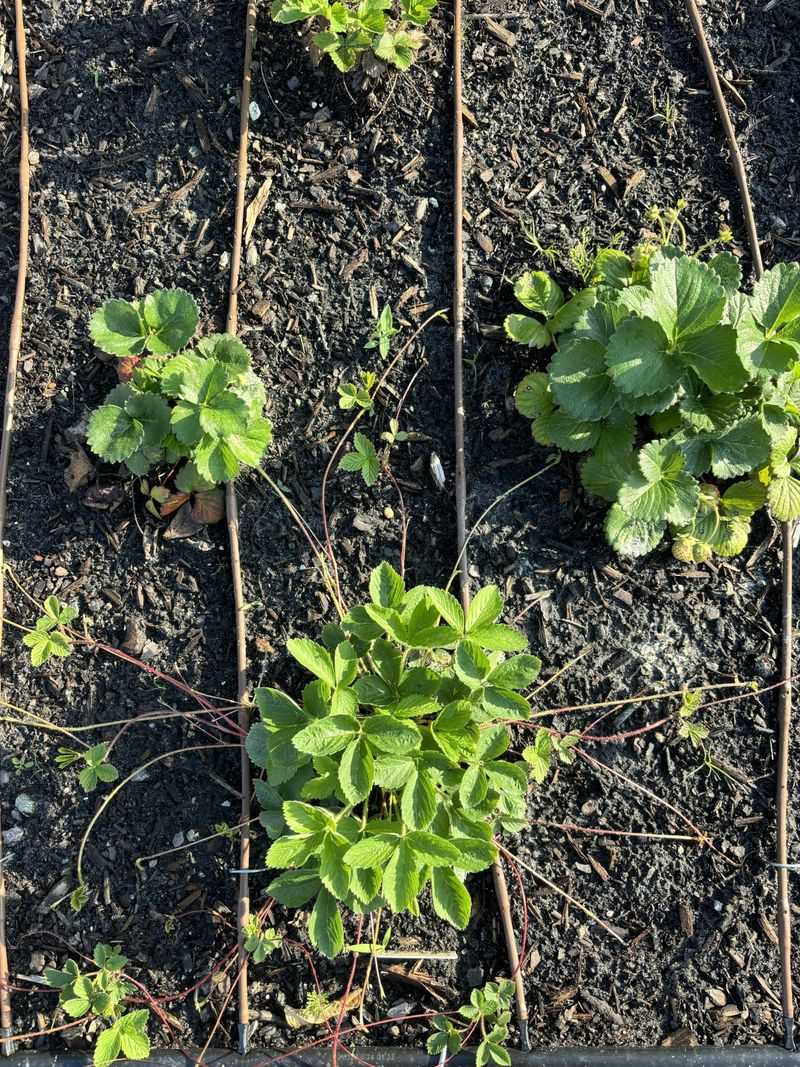
Runners are the free plants that rarely get much attention. Each one that roots this summer becomes a fruit-producing crown next June, at zero cost.
Once the bed greens back up, long stems will start creeping across the aisles. Nudge them into the open soil beside the parent row instead of letting them sprawl randomly.
A small landscape pin, a rock, or even a bent paperclip holds a runner tip in contact with the ground. Roots form within a week or two when soil stays moist.
Aim to fill the row back to about twelve inches wide by early fall. Runners that push into the aisles should be snipped, since crowding is what caused the problem in the first place.
Early runners are the valuable ones. Plants that root in July and August have time to develop strong crowns, while September stragglers rarely fruit well.
Keep the soil evenly damp during this stretch, because dry ground makes rooting slow and patchy. About an inch of water weekly usually covers it in a typical Michigan August.
Do not let runners wander into the walking paths. Stepping on them all fall damages crowns and makes the bed harder to manage.
By the end of September you should have a tidy green band of new plants. Give the row a gentle look-over and pull any that landed too close together.
8. Setting Up Straw Mulch For Winter Protection
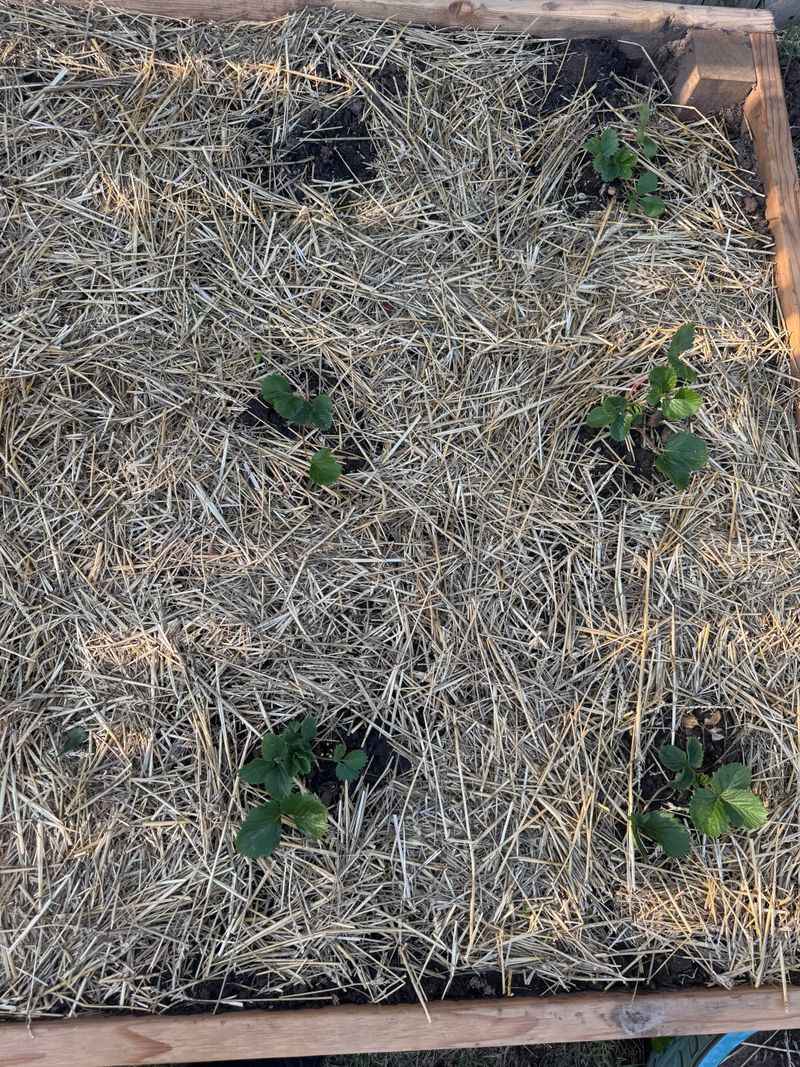
Michigan winters are not gentle on shallow-rooted plants. Crowns can be damaged when temperatures dip below fifteen degrees without snow cover, and freeze-thaw cycles heave whole plants out of the ground.
Straw is the classic answer, and it has been used in berry beds for generations. Wheat or oat straw stays fluffy, breathes well, and carries few weed seeds compared to hay.
Timing matters more than anything else in this step. Wait until plants go dormant after several hard frosts, usually late November through early December depending on where you live in the state.
Covering too early traps warmth and encourages soft growth that struggles in cold weather. Covering too late leaves crowns exposed during the first serious freeze.
Spread three to four inches of loose straw over the entire row. You should barely see green underneath once you are finished.
Plan on roughly two to three bales per one hundred square feet. Shake the flakes apart rather than dropping them in slabs, since packed straw presses down on plants.
Windy spots near open fields may need row cover fabric or light netting over the straw. Losing your mulch to a January gust undoes the whole job.
Come late March or early April, rake most of the straw into the aisles when new growth turns yellow-green underneath. Leaving a thin layer around plants keeps berries clean and holds moisture through spring.