The Best Time Of Day To Water Newly Planted Shrubs In Michigan This Summer
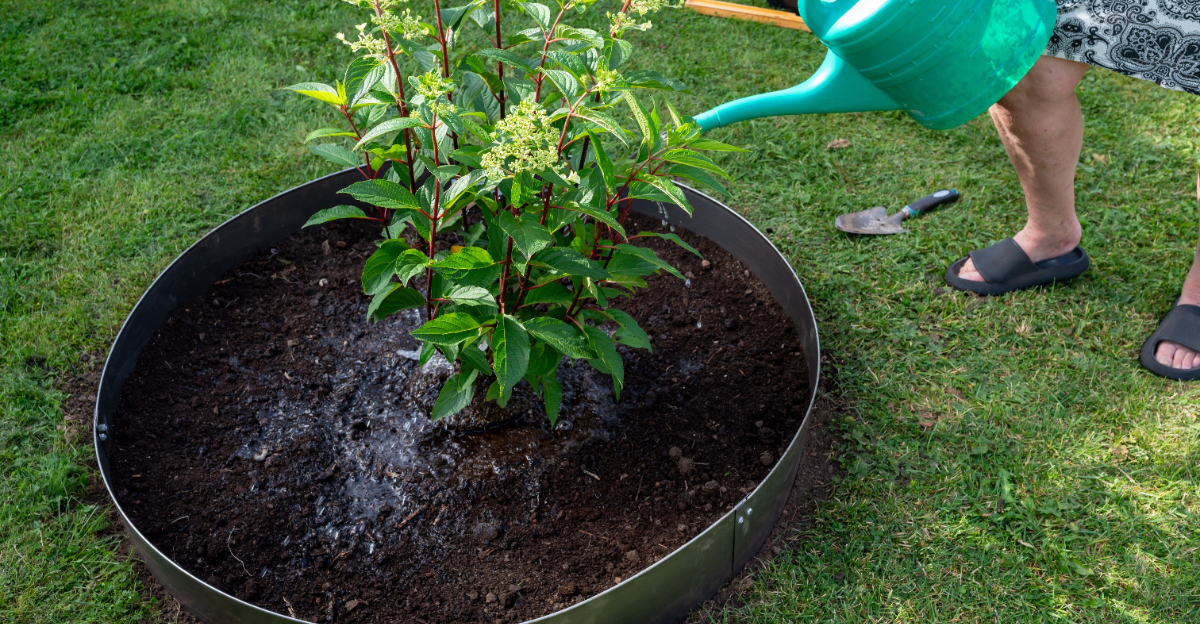
Early morning is by far the best time to water newly planted shrubs in Michigan, especially during the hottest stretches of summer. Watering before the sun gets strong allows moisture to soak deep into the soil before evaporation kicks in.
This timing also gives roots a chance to absorb water throughout the day, supporting healthy establishment. Watering in the evening can leave excess moisture sitting around roots overnight, creating conditions that encourage fungal problems.
Midday watering wastes a surprising amount of water to evaporation before it ever reaches the roots. New shrubs benefit from deep, slow watering rather than frequent light sprinkles that only wet the surface.
Checking soil moisture a few inches down helps confirm water is actually reaching the root zone. Getting this timing right now helps shrubs establish strong roots before Michigan’s colder months arrive.
1. Early Morning Is The Best Watering Time
There is something almost peaceful about watering your garden while the rest of the neighborhood is still quiet.
Early morning is widely considered the best time to water newly planted shrubs in Michigan, and there are solid reasons behind that recommendation.
Cooler air temperatures mean the water you apply has a real chance to soak down into the soil before the sun climbs higher and heat begins pulling moisture upward.
When you water in the morning, the ground is typically at its coolest, which helps slow evaporation significantly. That means more of the water you use actually reaches the root zone where your shrub needs it most.
Roots that stay consistently moist during their first summer have a much easier time spreading outward and anchoring themselves into the surrounding soil.
Another bonus of morning watering is that any moisture accidentally landing on leaves has the entire day to dry off naturally. Wet foliage that dries quickly is far less likely to develop fungal spots or other surface issues.
Michigan mornings can vary quite a bit depending on your location, local shade, and the weather that week, so there is no single perfect clock time to aim for. The general idea is simply to water before the air warms up and the sun gets intense.
Somewhere between first light and mid-morning usually works well for most Michigan gardeners. Making this part of your daily routine helps your shrubs build the strong root system they need to handle summer heat with confidence.
2. Water The Root Ball And The Surrounding Soil
Here is something many first-time shrub planters do not realize until their plant starts to struggle. Watering only the loose backfilled soil around a new shrub can leave the original root ball surprisingly dry, even when the surrounding ground feels moist.
Container-grown nursery plants are often raised in a lightweight, peat-heavy growing mix that absorbs and releases water very differently from native Michigan garden soil.
Because of that difference in texture, water can move through the surrounding soil without ever penetrating the tight, compact root ball at the center of your planting hole.
The roots inside that ball are the ones your shrub is relying on right now, so leaving them dry while the surrounding soil looks fine is a common mistake worth avoiding.
Your Michigan Garden Changes Every Week. Your Plan Should Too.
Gardening in Michigan changes quickly throughout the season. Every Friday you’ll receive a simple weekly plan showing exactly what to plant, prune, fertilize, harvest, and protect so you never miss the right timing.
Applying water slowly and evenly across both the root ball and the nearby backfilled area gives the plant full support while it begins stretching new roots outward.
A good habit is to check moisture in both zones before deciding whether your shrub needs another drink. Push your finger or a small trowel a few inches into the soil right at the edge of the root ball and again a few inches outside of it.
If one area feels dry and crumbly while the other feels damp, focus your water where it is needed most.
Taking this extra minute to check before watering saves you from both under-watering and over-watering, two problems that can slow root development during those critical first months after planting.
3. Avoid Watering During The Hottest Afternoon Hours
Midday and early afternoon in a Michigan summer can get genuinely intense.
Temperatures regularly climb into the upper eighties or even the nineties, and when you add direct sunlight and a warm breeze, exposed soil can lose surface moisture faster than you might expect.
Watering during these peak heat hours is generally an inefficient use of your time and your water, because a significant portion evaporates before it ever reaches the root zone.
Wind speeds up that evaporation even more, especially on open, sunny planting sites with little shade. Sprinklers or hose sprays lose a surprising amount of water to the air when conditions are hot and breezy.
For newly planted shrubs still developing their roots, every drop of water matters, so losing that much to evaporation during the hottest part of the day simply is not the best strategy when you have the option to water earlier.
That said, protecting your plant always comes first. If a newly planted shrub is wilting noticeably and the root zone soil genuinely feels dry, go ahead and water it even if it is two in the afternoon.
Waiting until the next morning when a plant is under serious moisture stress can cause real setbacks to its root development and overall health. The goal is to build a smarter routine around morning watering so those emergency situations happen less often.
But when the choice comes down to watering at a less-than-ideal time or leaving stressed roots dry for hours, always choose to water and protect your shrub.
4. Evening Watering Is Better Than Leaving Roots Dry
Evening watering has a bit of an unfair reputation in some gardening circles.
Many people have heard that watering at night is always a bad idea, but the reality is more nuanced than that, especially when you are dealing with newly planted shrubs that cannot afford to go without moisture.
If your soil is dry and morning is still hours away, watering in the evening is absolutely the right call.
The key is where the water goes. Directing your hose or drip line toward the base of the plant rather than spraying the foliage from above makes a real difference.
Leaves that stay wet through a humid Michigan night, particularly in dense plantings where airflow is limited, can become more vulnerable to fungal issues over time.
Keeping the water at soil level reduces that risk considerably while still getting moisture to the roots where it belongs.
Morning watering should still be your go-to routine throughout the summer because it gives water time to soak in before heat peaks and leaves time to dry if they get splashed.
However, a rigid schedule that ignores a clearly thirsty plant in the name of waiting until tomorrow is not good gardening.
Newly planted shrubs have small, limited root systems that cannot pull moisture from a wide area yet. They depend on you to keep their immediate root zone consistently moist.
If evening arrives and that zone is dry, water it. A well-watered shrub going into the night is in far better shape than one left parched until sunrise.
5. Slow Watering Reaches More Of The Root Zone
Speed is not your friend when it comes to watering new shrubs.
A quick blast from a hose might look like you are giving your plant plenty of water, but if the soil surface cannot absorb it fast enough, that water simply runs off to one side before reaching the roots at all.
Michigan gardens come in all kinds of soil types, and compacted clay or sloped planting beds are especially prone to this kind of runoff problem.
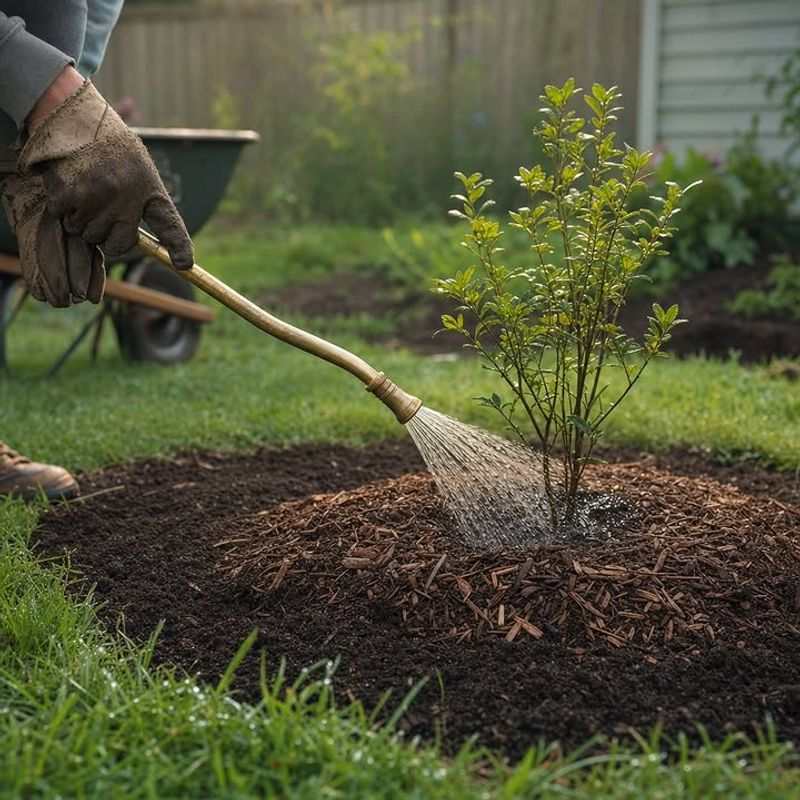
Slow, steady watering gives the soil time to absorb moisture as it moves downward. Tools like a watering wand, a drip line, or a simple soaker hose work really well for this purpose because they release water gently and consistently over a longer period.
Even a regular garden hose turned down to a slow trickle and held near the base of the plant for several minutes can do the job effectively without sending water streaming across the yard.
A practical trick is to pause when you notice water starting to puddle or run away from the planting area. Give it a few minutes to soak in, then continue watering until the root zone feels thoroughly moist several inches below the surface.
This pause-and-soak approach works particularly well on heavy clay soils, which are common across many parts of Michigan. Sandy soils absorb water quickly but also drain fast, so they benefit from a slow, repeated application as well.
Taking your time with watering is one of the most effective habits you can build for helping new shrubs thrive through their first summer.
6. Soil Moisture Matters More Than A Fixed Schedule
Watering on a strict schedule without checking the soil first is one of the most common mistakes gardeners make with newly planted shrubs.
The truth is, two shrubs planted on the same day in the same yard can have very different moisture needs depending on their species, size, the amount of sun they receive, and the type of soil they are growing in.
A one-size-fits-all schedule simply does not account for all those variables.
Michigan soils vary widely from region to region and even yard to yard. Sandy soils found in many parts of the Lower Peninsula drain quickly and can become dry within a day or two after watering, especially during a hot, breezy stretch.
Heavy clay soils, on the other hand, hold moisture much longer and can stay saturated for days after a good rain, which means adding more water too soon can actually work against your plant by reducing oxygen in the root zone.
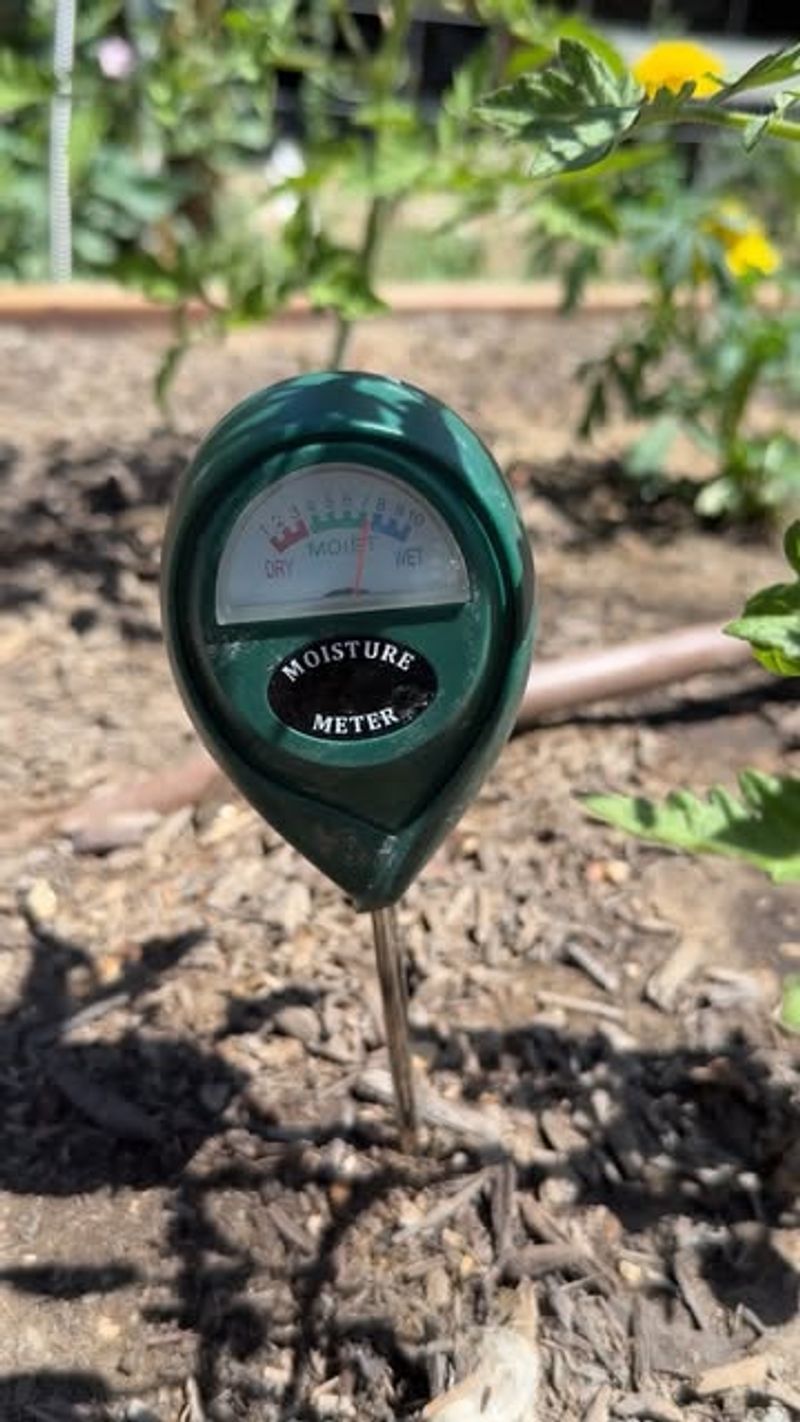
The most reliable method is to check the soil regularly by pushing your finger or a small garden trowel several inches deep near the root ball. Dry, crumbly soil that falls apart easily is a clear signal that your shrub needs water soon.
Soil that feels cool, firm, and slightly damp means it can wait another day. Saturated, muddy soil is a signal to hold off entirely until things dry out a bit.
Building this simple checking habit into your routine takes only a minute and removes all the guesswork from your watering decisions throughout the summer.
7. Mulch Helps Morning Water Last Longer

One of the smartest investments you can make for your newly planted shrubs costs very little and takes maybe twenty minutes to apply.
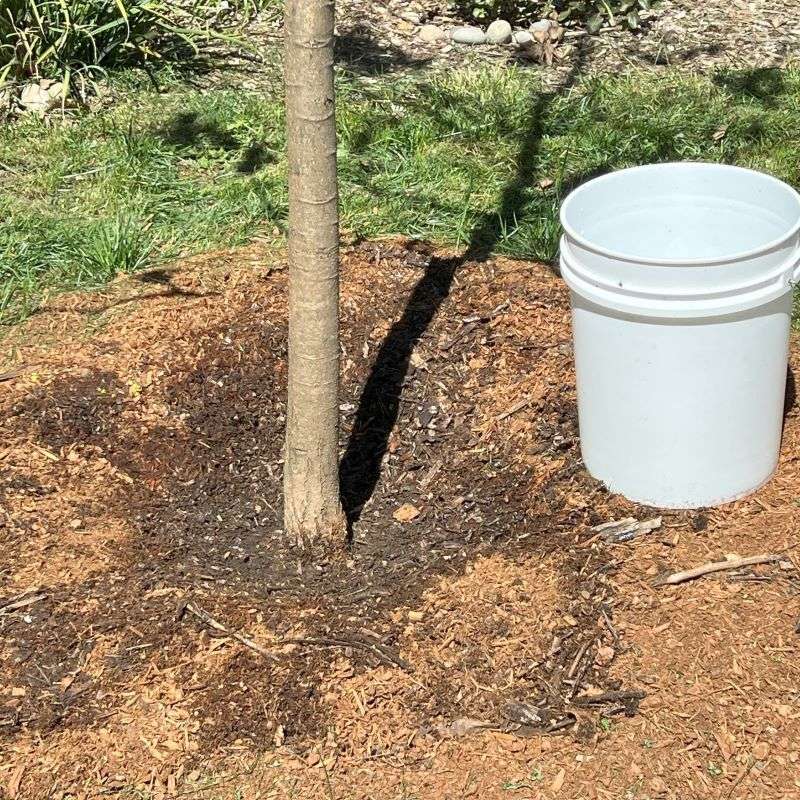
A two-to-three-inch layer of organic mulch spread across the root area can make a noticeable difference in how long morning watering lasts before the soil begins to dry out.
Mulch acts like a protective blanket over the soil, slowing evaporation and keeping soil temperatures more stable throughout the day.
Wood chips, shredded bark, or even shredded autumn leaves all work well as mulch options for Michigan garden beds. They break down gradually over time, adding organic matter to the soil as they do.
When you apply mulch, spread it evenly across the root zone but leave a few inches of open space around the base of the stem or trunk.
Piling mulch directly against the plant can trap moisture against the bark and create conditions that invite rot or pest problems over time.
Mulch does a great job of conserving the water you apply, but it does not replace the need to check the soil and water when things get dry.
During a long stretch of hot, rainless Michigan summer weather, even well-mulched shrubs will need consistent attention. Think of mulch as a helpful partner in your watering routine rather than a substitute for it.
Combined with smart morning watering habits, a good layer of mulch can genuinely reduce how often you need to water while keeping your shrubs more comfortable through the hottest parts of summer.
8. Continue Monitoring After The First Summer
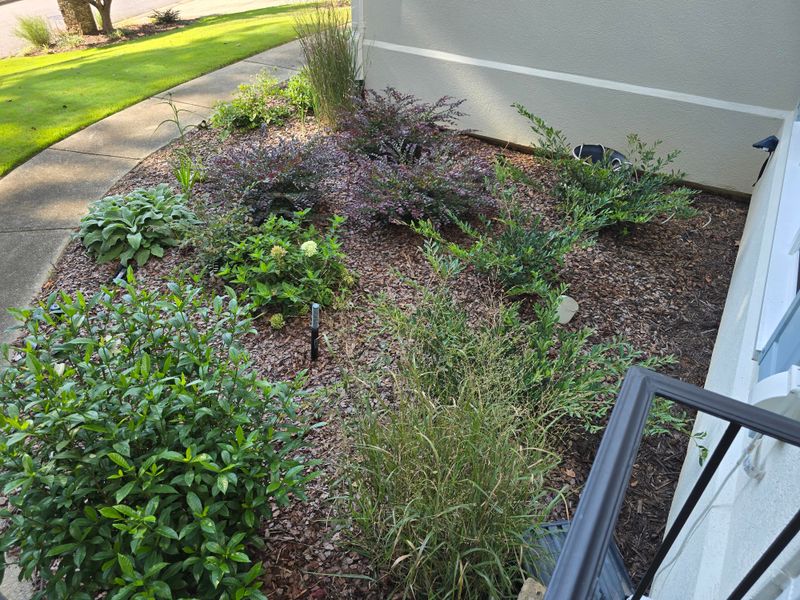
Surviving a few weeks after planting is a great sign, but it does not mean your shrub has fully settled in and can fend for itself.
Root development in newly planted shrubs continues well beyond the first summer, and plants that went into the ground in spring or even the previous fall may still need your help during Michigan’s hotter, drier stretches.
Assuming a shrub is established just because it looks okay can lead to problems later in the season when heat and drought really test its limits.
Wilting leaves, scorched or browning leaf edges, premature leaf drop, and weak or stunted new growth are all possible signs that a shrub is not getting enough moisture.
Spotting these clues early gives you a chance to adjust your watering before the situation gets serious.
Keep in mind, though, that some of these same symptoms can also appear when roots are sitting in waterlogged soil or when root damage has occurred during planting or from pests.
Always check the root zone before reaching for the hose. If the soil is already saturated, adding more water will not help and may make things worse.
If it is dry several inches down, that is your green light to water slowly and thoroughly. Staying observant through the full first growing season and into the second gives your shrubs the best possible foundation for long-term health.
Michigan summers can be unpredictable, and the gardeners who pay close attention to what their plants are telling them are always the ones with the most thriving landscapes.