Harvest Your Arizona Lettuce Once And Fresh New Shoots Come Back In Days – Here’s The Trick
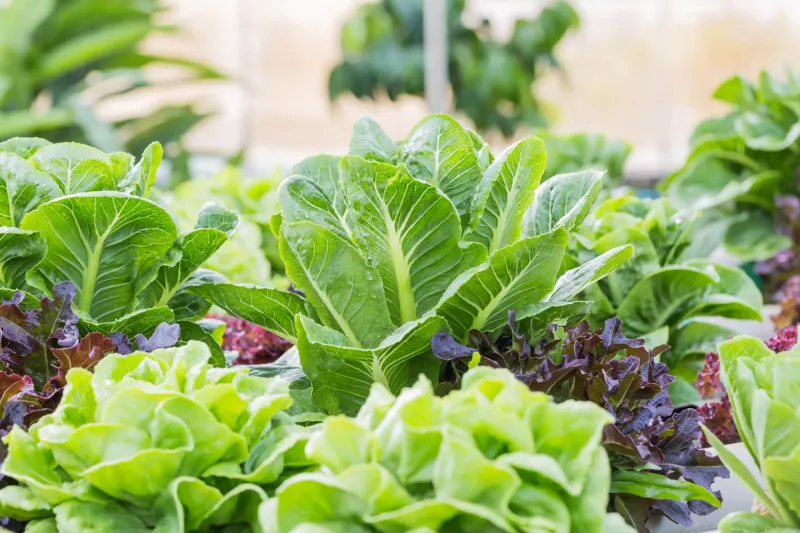
Lettuce is one of the most rewarding crops an Arizona home gardener can grow during the cool season, and the way you harvest it matters more than most people realize. Pulling the whole plant out of the ground every single time means starting over from scratch, but there is a smarter approach that lets you keep cutting from the same plant for weeks.
Loose-leaf and baby-leaf varieties grown in Phoenix, Tucson, Yuma, and similar low-desert communities can bounce back after a careful cut, giving you another useful harvest roughly two to three weeks later. The trick is knowing exactly where to cut, when to cut, and how to keep the plant healthy enough to do it again.
Choose the Right Arizona Season and Lettuce Type
Arizona’s low-desert climate gives lettuce a narrow but productive growing window, and matching your harvest strategy to that window is the first step toward getting multiple cuts from the same plant. Gardeners at higher elevations, such as Prescott, face different frost risks and heat patterns, so the low-desert calendar does not automatically apply to them.
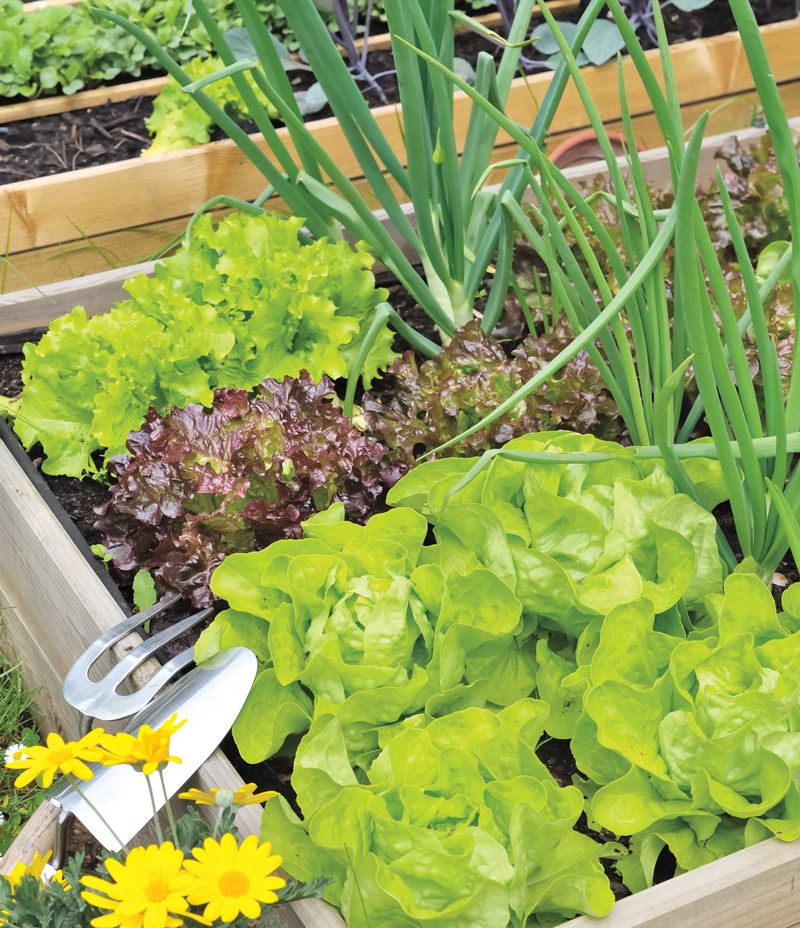
In Arizona’s low-desert zone, loose-leaf and baby-leaf varieties are the clearest fit for repeated cutting. Their growth habit allows the plant to produce new foliage from the crown after a harvest, while head-forming types tend to direct their energy toward building a single compact structure.
Some romaine and butterhead plants can tolerate repeated harvesting, but results vary more widely by variety and growing conditions than they do with loose-leaf types.
The cut-and-come-again method works best while the plant is actively growing in cool Arizona weather. Once daytime temperatures begin climbing in late winter or early spring, the plant’s energy shifts toward flowering rather than leafy growth, and the window for multiple cuts closes quickly.
Timing your plantings to the Arizona cool season is not just helpful background information – it is the foundation the entire technique depends on.
Preserve the Crown to Trigger Regrowth
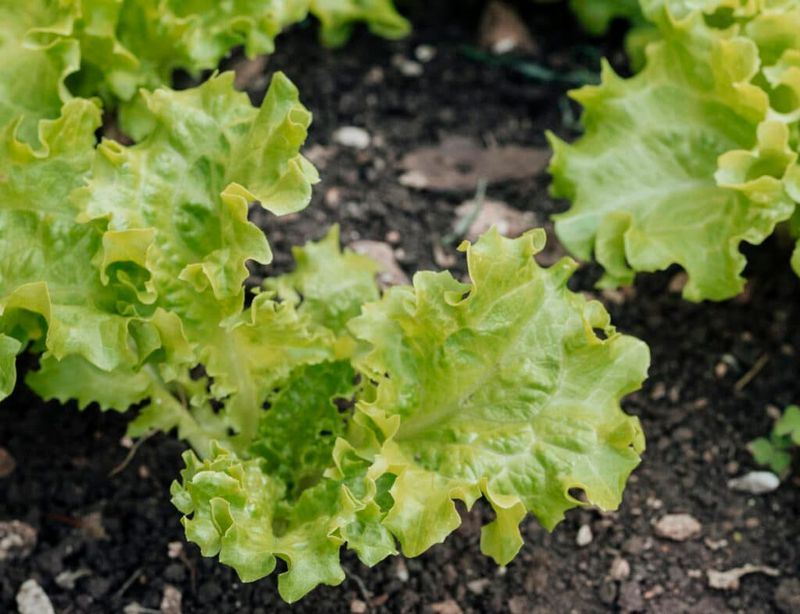
Every time you harvest lettuce in your Arizona garden, one decision determines whether that plant produces again: whether the crown and central growing point stay intact. The crown is the short, dense stem just above the soil surface where leaves emerge, and the central growing point sits at its top.
Leave both undamaged, and the plant has a living foundation from which new foliage can develop. Sever or crush them, and regrowth stops regardless of how healthy the roots below might be.
Pulling the whole plant out of the ground, which many gardeners do without thinking, removes the crown and root system together and eliminates any chance of a second harvest from that plant. Roots alone cannot generate new leafy growth if the growing point above them has been cut through or removed.
A related misconception worth clearing up: regrowing a lettuce base cut from a grocery-store head is a different situation entirely. That method involves a detached piece of stem with no established root system in Arizona soil, and it does not reliably produce a full new crop.
Your Arizona Garden Changes Every Week. Your Plan Should Too.
Gardening in Arizona changes quickly throughout the season. Every Friday you’ll receive a simple weekly plan showing exactly what to plant, prune, fertilize, harvest, and protect so you never miss the right timing.
The cut-and-come-again approach described here applies specifically to a living plant whose roots, crown, and growing point all remain connected and in the ground.
Make a Clean Cut Without Removing the Growing Point
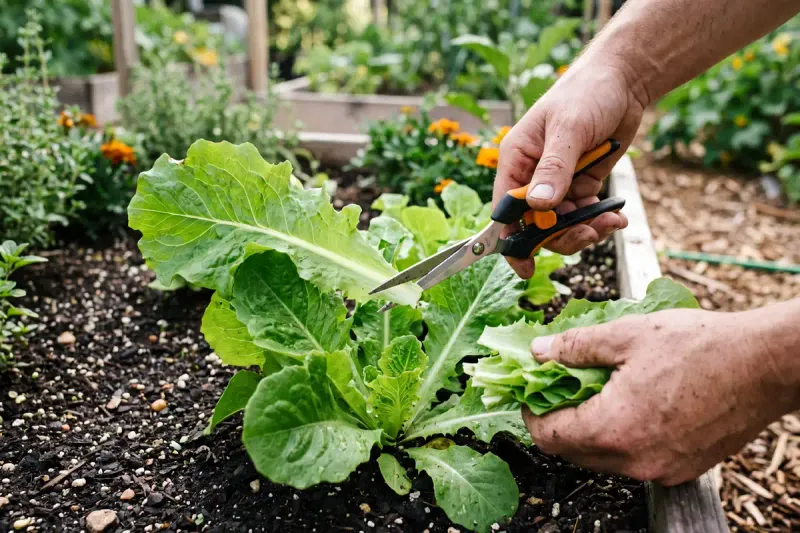
Knowing where to cut is as practical as any other step in the Arizona garden. Wait until the leaves are large enough to be genuinely useful, roughly in the six-to-ten-inch range, before making your first harvest cut.
Cutting too early takes foliage the plant still needs to sustain itself, while waiting too long in Arizona’s warming spring weather risks losing leaves to heat stress or early bolting.
Use clean, sharp scissors or a knife rather than tearing leaves by hand. Ragged cuts invite disease entry points that can shorten an Arizona plant’s productive life, especially when warm, humid monsoon-adjacent conditions arrive.
Two harvesting approaches are both practical for Arizona gardeners, and neither is definitively superior. The first is removing most of the leaf canopy at once while leaving the crown and a short stub of foliage above it.
The second is selectively removing outer leaves while the center of the plant continues growing actively. Whole-canopy cutting produces a larger single harvest, while selective picking extends the time between full harvests but keeps more living leaf area on the plant at any given moment.
Choose the approach that fits your kitchen needs and your garden space in Arizona.
Support the Plant While It Builds Another Harvest
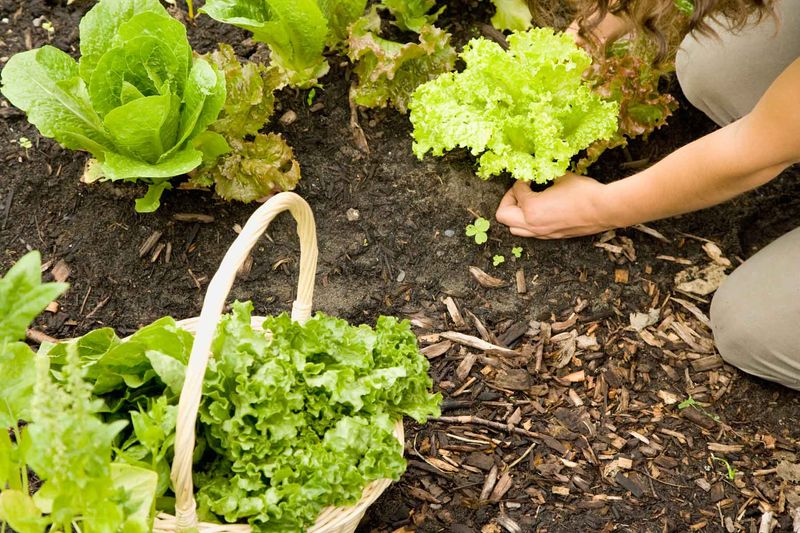
After cutting, the plant’s job is to rebuild leaf mass, and your job in the Arizona garden is to keep conditions favorable while it does. Lettuce has shallow roots that dry out faster than deeper-rooted crops, particularly in Arizona’s low humidity and warm air.
Maintaining consistently moist soil, not waterlogged but never bone-dry, gives the crown the steady supply it needs to push out new growth.
Adequate fertility matters too. A plant that has just given up a large portion of its foliage is drawing on stored resources, and a light application of balanced fertilizer after the cut can help replenish what it needs to grow again.
Avoid heavy feeding that forces fast, soft growth prone to pest damage – steady, moderate nutrition works better for Arizona lettuce through the cool season.
Set a realistic expectation for how quickly the plant responds. Small new growth may become visible within a week or so under favorable Arizona conditions, but a harvest worth cutting again generally takes about two to three weeks.
That timeline can shift based on variety, how much foliage was removed, whether the crown was nicked during cutting, how consistently the soil stays moist, and whether Arizona temperatures remain cool enough to support active growth. No single factor guarantees the next cut, and treating the two-to-three-week window as a rough guide rather than a firm promise will keep your Arizona garden planning grounded in reality.
Manage Arizona Heat Before Lettuce Bolts
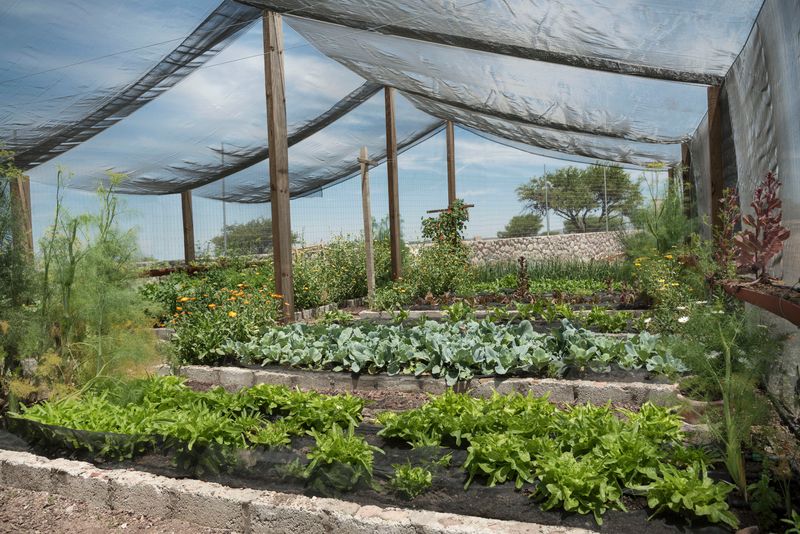
Cutting lettuce correctly does not change what Arizona’s climate does to a plant. Heat, lengthening days, drought stress, and plant age are the primary triggers for bolting, and no harvesting technique removes those pressures.
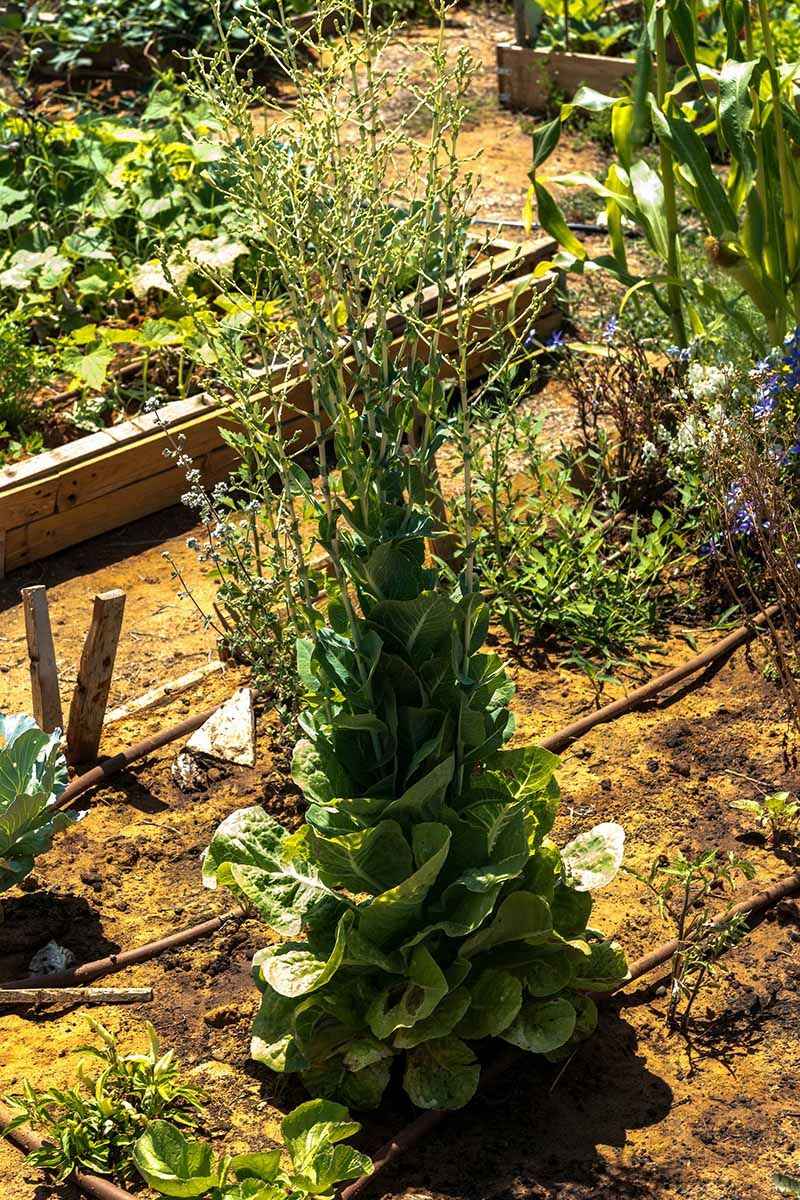
When a lettuce plant bolts, it sends up a flower stalk, and leaf quality typically drops – leaves become bitter, tough, or both, making them far less appealing at the table.
Shade cloth or other heat-management tools can help extend the productive period by a week or two, but they cannot hold off bolting indefinitely once temperatures consistently climb.
Arizona is not a single gardening climate, and that distinction matters here. Low-desert communities like Phoenix, Tucson, and Yuma face earlier heat pressure than gardeners in Prescott or other higher-elevation Arizona locations, where the cool season lasts longer and bolting risk arrives later in the year.
Gardeners in those higher communities have more time to use the cut-and-come-again method before heat ends the season, while low-desert growers need to move quickly once warm weather appears. Shade management, heat-tolerant variety selection, and honest calendar awareness all work together in Arizona to stretch the harvest window as far as conditions allow.
Know When to Stop Cutting the Same Plant
A healthy loose-leaf lettuce plant in an Arizona cool-season garden may support one or two additional cuts after the first harvest, but that supply has a real limit. University of Maryland Extension notes that plants may be cut again and that Ask Extension guidance suggests one or two more harvests are possible from a healthy plant – not an indefinite stream of salads from a single crown.
When quality drops, that limit has been reached.
Watch for these signals that a plant has reached the end of its productive life in your Arizona garden: a visible flower stalk forming at the center, leaves that taste bitter even before bolting, foliage that looks diseased or damaged, or a plant that simply stops pushing out new growth after a cut. At that point, pulling the plant and composting it is the right call.
Keeping a spent or bolted plant in the ground does not produce better lettuce – it just occupies space that could support a fresh transplant.
Succession planting remains necessary for a continuous Arizona salad supply regardless of how well the cut-and-come-again method works. Starting a second bed a few weeks after the first, or staggering transplant dates through the cool season, keeps fresh lettuce coming even as individual plants reach their limits.
The practical rule for Arizona gardeners is straightforward: cut usable leaves, protect the crown, support regrowth with steady moisture and fertility, and have the next planting ready before Arizona heat closes the season for good. A single well-tended plant buys you more time – a well-planned succession planting keeps the harvests coming.