This Spiky Lizard Climbing Georgia Fences Is Harmless And Helpful
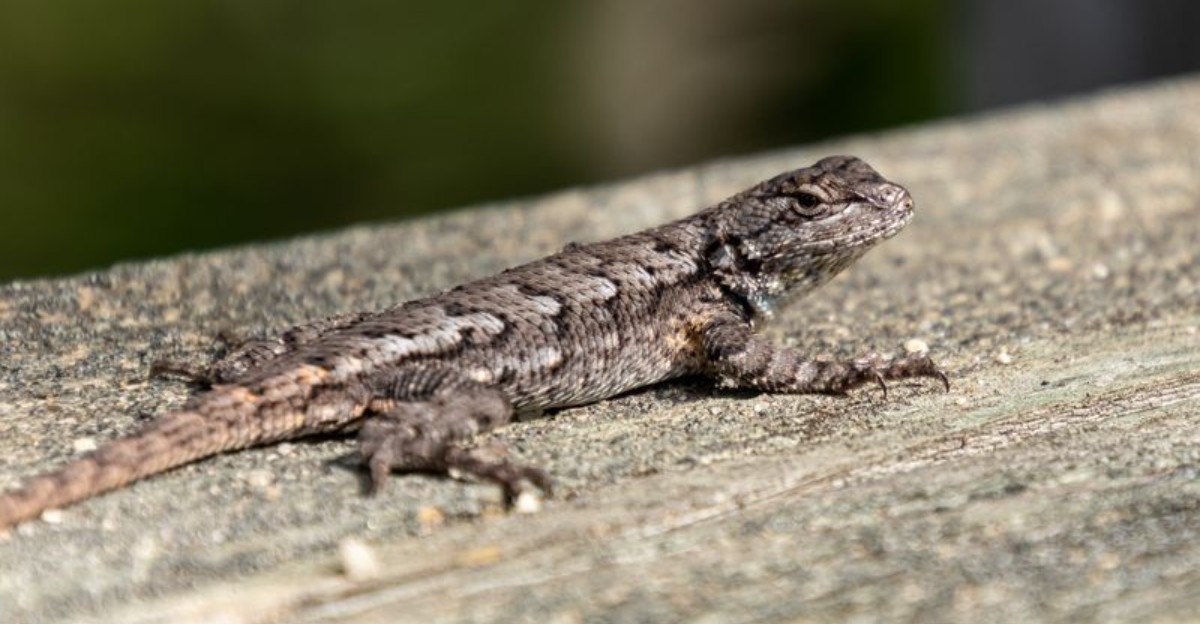
Something spiky clinging to your fence can look surprising when you notice it watching the yard from above. Its rough appearance makes this little visitor seem tougher than it really is.
That first impression changes once you know what the lizard is doing there.
Eastern fence lizards are native to Georgia and often use fences, trees, and other sunny surfaces for basking. From those perches, they also stay close to the insects they eat.
So finding one around your property can be a welcome sign rather than a reason for concern.
Give the lizard space and let it continue using the yard on its own terms. There is usually no need to interfere with its visit.
Learn to recognize this spiky native, and your next fence encounter may feel different.
1. Those Sharp Scales Look More Intimidating Than They Are
Rough, pointed, almost prehistoric. That texture is the first thing people notice, and it is also the reason so many folks assume the lizard is dangerous.
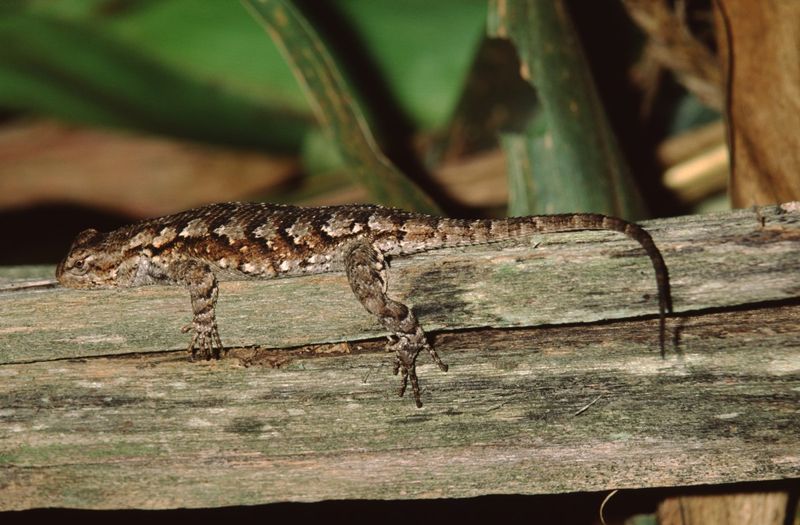
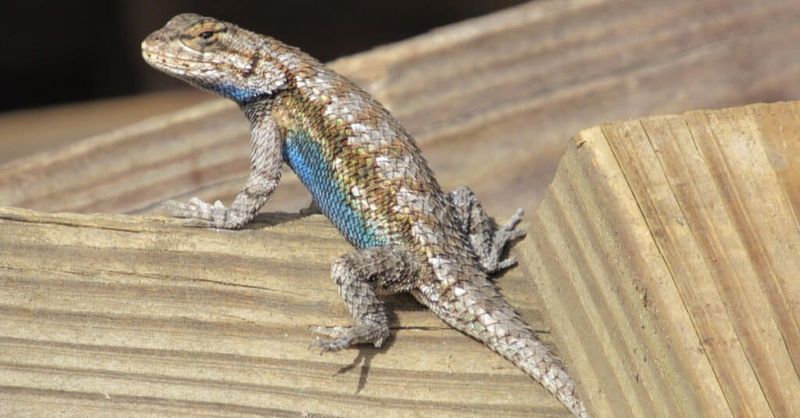
Each scale carries a small ridge down the middle, called a keel. Together those ridges give the back a bristly, pinecone-like look under bright sun.
Nothing about that armor is built for attacking. It helps with camouflage against tree bark and shields the body from scrapes.
No venom exists in this species, and there are no spines that can puncture skin.
Adults usually measure four to seven inches long, tail included, so we are talking about a very small animal. Males often show bright blue patches on the throat and belly during breeding season.
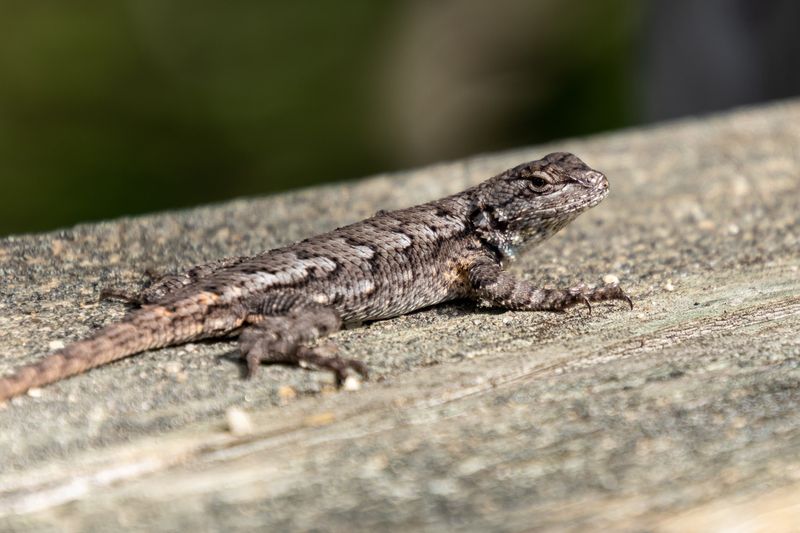
Females tend to look plainer, with dark wavy bars across the back instead of blue coloring.
Plenty of Georgia homeowners mistake them for baby alligators or something exotic, but the resemblance ends at texture. Take a photo from a few feet away and compare it online if you are unsure.
Once you recognize the keeled scales and the quick, jerky movements, identification gets easy. Fear usually fades right along with that first close look.
2. The Eastern Fence Lizard Is A Common Georgia Native
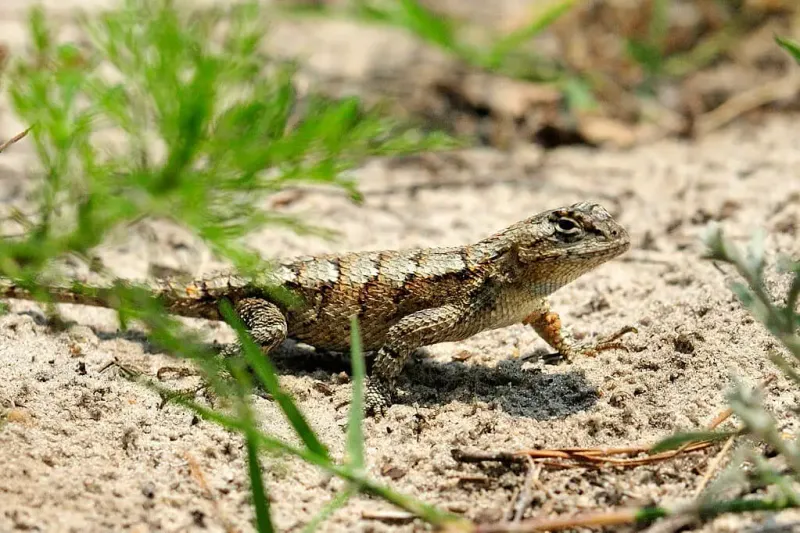
Native, widespread, and older here than any subdivision. Sceloporus undulatus has lived across the Southeast long before fences existed to climb.
Its range stretches through much of the eastern and central United States, and populations do well throughout Georgia, from the mountains down toward the coastal plain.
Pine woods, oak edges, brush piles, and rocky slopes all suit it fine. Suburban yards with wood structures and leaf litter work almost as well.
Because the species is native, it fits into the local food web without causing problems. Nothing about its presence signals an infestation or poor yard hygiene.
Homeowners sometimes confuse it with the brown anole, a non-native species spreading north from Florida. Anoles are smoother, more slender, and often flash a reddish throat fan.
Skinks are another common mix-up, though their scales look glossy and wet rather than rough.
Breeding usually happens in spring, and females lay clutches of eggs in loose, sandy soil or under debris. Hatchlings appear in late summer, tiny versions of the adults.
Your Georgia Garden Changes Every Week. Your Plan Should Too.
Gardening in Georgia changes quickly throughout the season. Every Friday you’ll receive a simple weekly plan showing exactly what to plant, prune, fertilize, harvest, and protect so you never miss the right timing.
Seeing several around one property is normal, especially where sun and cover sit close together.
Learning the name of a familiar backyard resident makes it much easier to appreciate what it does out there every day.
3. Fences Give This Reptile An Ideal Lookout
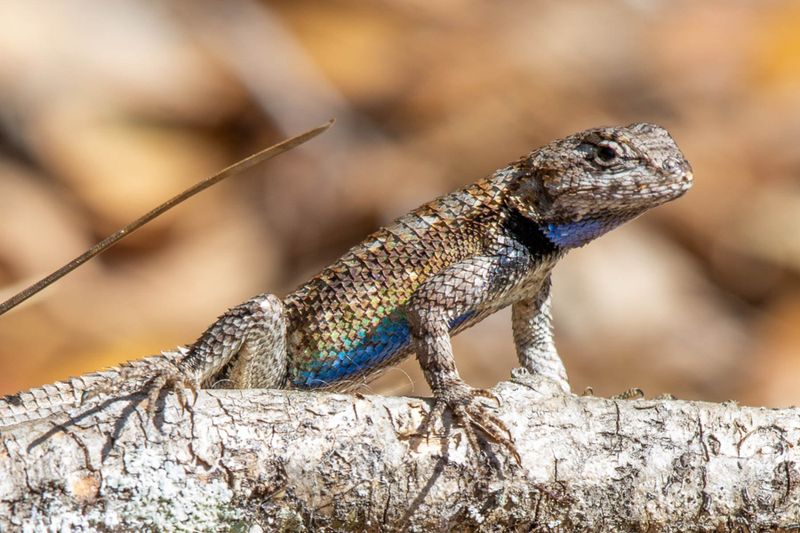
Height means safety. A lizard sitting on a fence rail can watch for hawks, cats, and snakes long before they get close.
Vertical wood also gives it a fast escape route. One quick scramble to the far side puts a solid barrier between the lizard and whatever startled it.
Rough-cut cedar, split rail, and old pressure-treated pine all offer grip that smooth vinyl cannot match.
Watch a post for a few minutes and you may see the same individual return to the exact same spot. Fence lizards keep small territories and defend favorite perches.
Males sometimes bob their heads or do quick push-ups on top of a rail. That display warns rival males and signals fitness to females nearby.
Tree trunks, stacked firewood, brick foundations, and stone walls serve the same purpose when fencing is absent.
Yards across Georgia often combine wood fencing with pine straw beds, which happens to create close to perfect lizard habitat by accident.
If you want more of them around, leave a section of rough wood or a small log pile in a sunny corner.
Keeping a bit of structure near cover gives these climbers exactly what they need without any special effort on your part.
4. Warm Sunny Spots Help It Stay Active
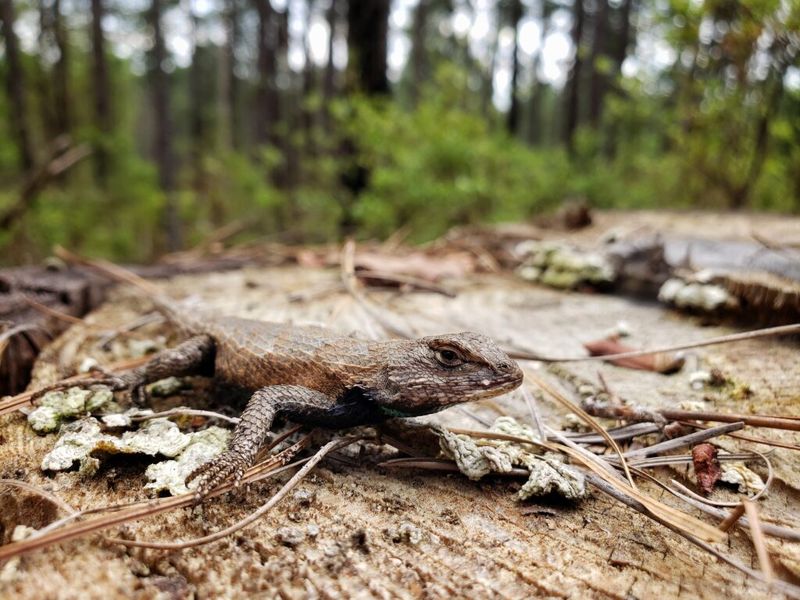
Sunlight works like a battery charger for this lizard. Reptiles cannot generate their own body heat, so warmth from outside controls how fast they move and digest.
Morning basking is common, especially on east-facing surfaces that heat up early.
You will often see one flattened against wood or stone, legs splayed, soaking up as much surface heat as possible. That posture increases contact with the warm material.
Once body temperature rises, hunting begins and the lizard becomes noticeably quicker.
Midday heat in a Georgia summer can get uncomfortable even for a reptile, so many retreat into shade during the hottest hours. Activity often picks back up in late afternoon.
Cool, cloudy stretches usually mean fewer sightings, which worries some homeowners unnecessarily.
Come late fall, these lizards move into brumation, a reptile version of dormancy. They tuck under bark, logs, leaf litter, or loose soil and wait out the cold.
Warm winter days can pull one out briefly, though sightings drop sharply between November and February.
Leaving a few sunny rocks, stumps, or exposed boards in the landscape supports natural basking behavior. Pairing those warm spots with nearby shade lets the lizard regulate its own temperature comfortably.
5. Insects Make Up Much Of Its Daily Menu
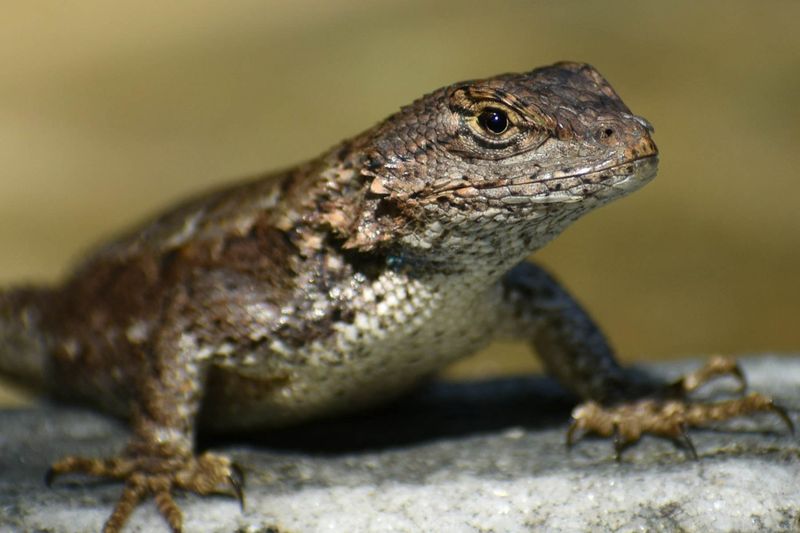
Bugs, and plenty of them. Fence lizards are insectivores, and their diet reads like a list of pests gardeners complain about.
Beetles, crickets, ants, moths, spiders, and small grubs all get eaten regularly. Prey size stays modest, matching the lizard’s small jaws.
Hunting style is mostly sit-and-wait. The lizard holds still on a perch, spots movement below, then darts down to grab it.
No one should expect a lizard to solve a serious pest problem on its own. Still, several working a mulch bed all summer do quietly reduce insect numbers.
Plants themselves are safe. Fence lizards do not chew leaves, fruit, or vegetable seedlings.
Broad-spectrum insecticides create a real problem here, since removing the insect supply also removes the lizard’s food. Pesticide residue on prey can affect them too.
Gardeners across Georgia who cut back on blanket spraying often notice more lizards, frogs, and toads within a season or two.
Water helps as well, especially during dry summer stretches when shallow dishes attract small wildlife.
Think of these lizards as one small piece of natural pest control that costs nothing and asks for very little in return.
6. Quick Retreats Are Its Main Response To Trouble
Running beats fighting. Faced with a person, a cat, or a lawn mower, a fence lizard almost always chooses speed over confrontation.
Its favorite trick is circling to the opposite side of a post or trunk. You step left, the lizard slides right, staying just out of view.
That spiral escape works well against birds and larger predators approaching from one direction.
Freezing is another common tactic, since the mottled gray-brown pattern blends into bark and weathered wood. Stillness often works better than movement.
Tail loss can happen under stress, letting the lizard break away when grabbed. A new tail grows back, though it usually looks shorter and duller than the original.
Bites are rare and weak, and there is no venom involved at any point.
Children who chase them mean no harm, but repeated handling stresses the animal and burns energy it needs for hunting.
Teaching kids in Georgia neighborhoods to watch quietly from a few feet away usually leads to better sightings anyway.
Should one slip into a garage or porch, open a door, dim the lights, and give it space to leave. Gentle guidance with a broom head works if it stalls.
7. Leaving It Alone Lets This Backyard Visitor Do Its Part
Doing nothing is the best plan. No traps, no sprays, no relocation, just a bit of tolerance for a small native reptile.
Fence lizards do not damage siding, chew wires, or nest inside walls. Their presence outdoors creates no structural risk.
Habitat matters more than anything else you could do. Brush piles, stacked wood, leaf litter, and rough wood surfaces all provide shelter and hunting ground.
Outdoor cats remain one of the biggest pressures on backyard lizards. Keeping cats indoors helps reptiles, birds, and small mammals alike.
Reducing pesticide use protects the food chain these lizards depend on.
Native plantings pull in more insects, which in turn supports more lizards, more birds, and healthier soil life. Small changes compound over a few seasons.
Relocating one to a park rarely goes well, since the animal loses its territory and known shelter spots. Leaving it where it lives gives it the best odds.
Yards throughout Georgia can support these reptiles with almost no extra work, just slightly messier corners.
Next time a spiky little climber freezes on your fence rail, take a second to watch instead of reaching for anything. It is working for you, quietly, all season long.