What The Desert Spiny Lizard On Arizona Fences Actually Does For Your Yard
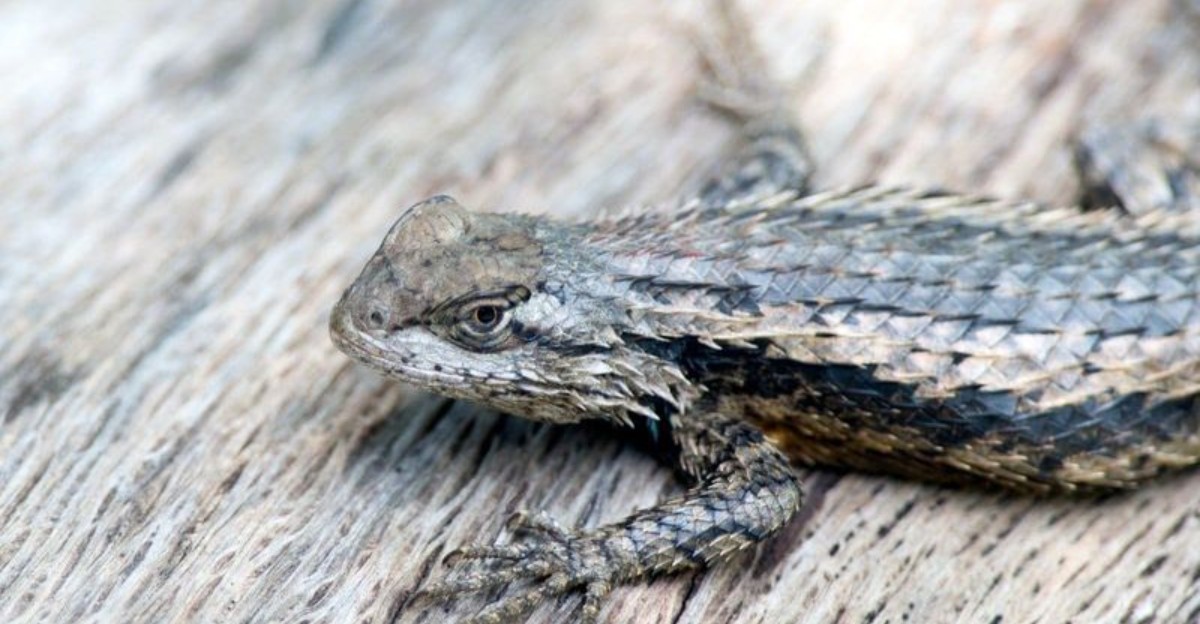
That big, rough-skinned lizard doing push-ups on your Arizona block wall is almost certainly not a random visitor. Across the Phoenix and Tucson areas, homeowners are noticing a stocky, scaly reptile that claims sunny fences, rocks, and walls as its own territory.
Knowing what it is, why it shows up, and what it actually eats can help you make smarter decisions about your yard and your pest management strategy.
The Wall Lizard Is Often a Desert Spiny Lizard
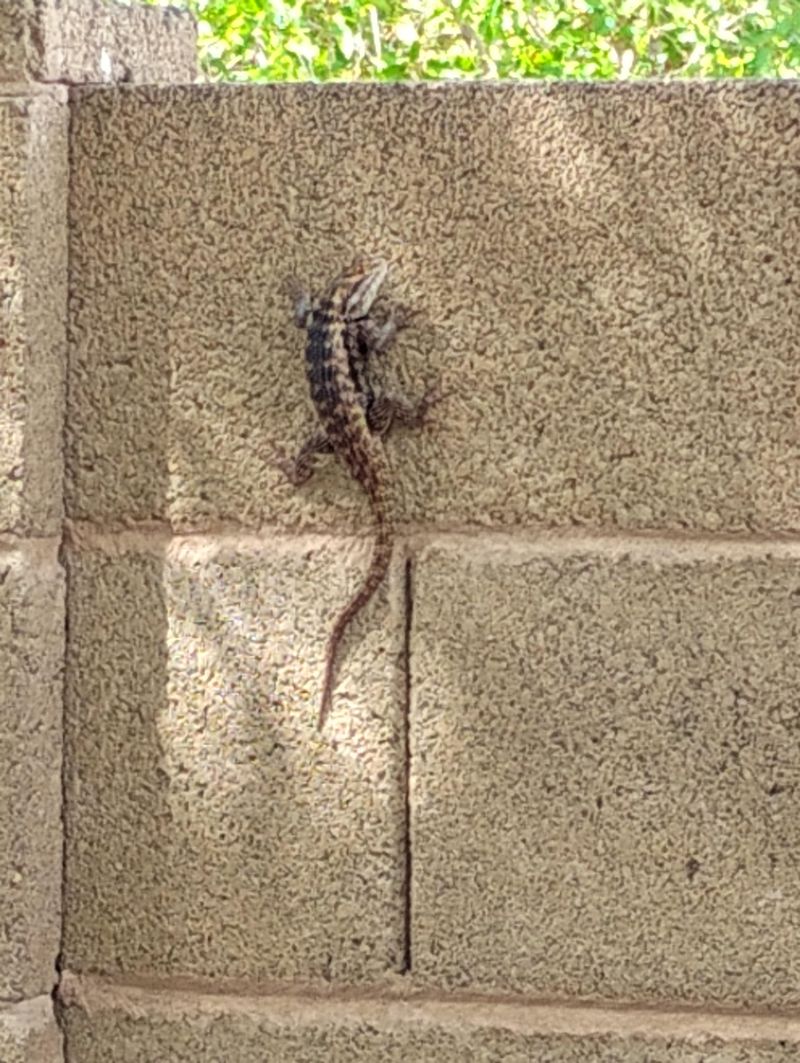
Plenty of Arizona homeowners catch a glimpse of a large, rough-looking lizard gripping a block wall or sunbaked fence and wonder what they are dealing with. The lizard in question is often the desert spiny lizard, known scientifically as Sceloporus magister, a widespread species in low-elevation Arizona desert habitat.
That identification is a reasonable first guess, but it should stay tentative until you get a closer look at a few key features.
Size and texture are the first things to notice. Arizona desert spiny lizards are stocky animals, reaching roughly 5.5 to 6 inches from snout to vent, with a total length that runs well beyond that.
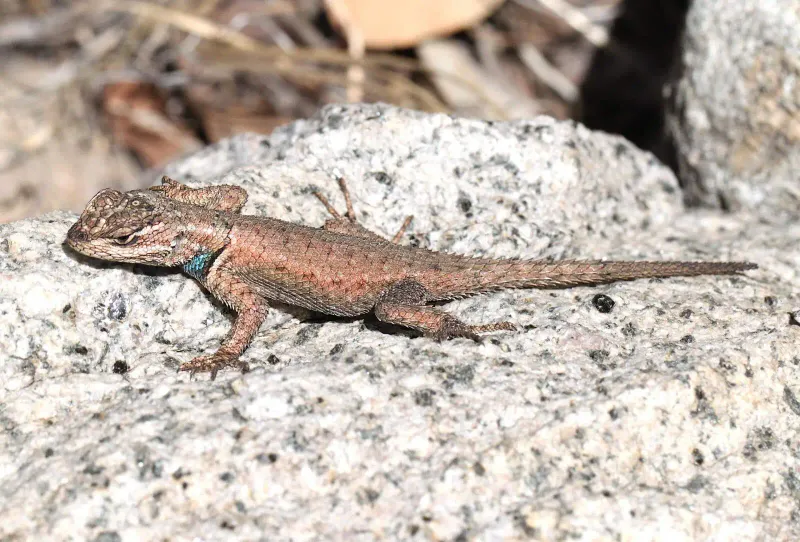
Their scales are large, keeled, and overlapping, giving the body a distinctly pointed, rough feel that sets them apart from the smoother lizards Arizona residents sometimes see near water. According to the Reptiles and Amphibians of Arizona species account, adult males may display blue on the throat and belly, along with patches of orange, yellow, or purple, making them some of the most visually striking lizards in the state.
The most useful field mark is the dark wedge-shaped patch behind each shoulder. If you also notice distinct dark bands on the lower forelimbs, you may be looking at a Clark’s spiny lizard instead.
Yellow-backed spiny lizards, plateau fence lizards, and other Arizona Sceloporus species can look similar at a distance, so location, elevation, and body pattern all matter when making a call.
Why It Basks on Arizona Fences and Block Walls
Spotting one of these lizards on your Arizona fence does not mean your yard is overrun with insects or that something has gone wrong. Block walls and wooden fences in the Phoenix and Tucson areas absorb and radiate heat efficiently, making them prime real estate for a cold-blooded animal that relies on external warmth to regulate its body temperature.
A warm, sunlit surface is simply the most effective way for a desert spiny lizard to get up to operating temperature quickly each morning.
Once warmed up, the wall also serves as a lookout point. From a high perch, a lizard can scan for insects moving below, watch for rivals entering its territory, and spot potential predators with a clear sightline in multiple directions.
Researchers studying Arizona urban lizard behavior note that wall-top and fence-top positions combine thermoregulation with territorial signaling, which is why you often see the characteristic push-up display that communicates dominance to nearby males.
A lizard on your wall may be basking, hunting, defending a patch of territory, fleeing a predator, or moving from one part of its home range to another. None of those behaviors, by themselves, signal that your property has an unusual pest problem.
Your Arizona Garden Changes Every Week. Your Plan Should Too.
Gardening in Arizona changes quickly throughout the season. Every Friday you’ll receive a simple weekly plan showing exactly what to plant, prune, fertilize, harvest, and protect so you never miss the right timing.
What the Desert Spiny Lizard Eats
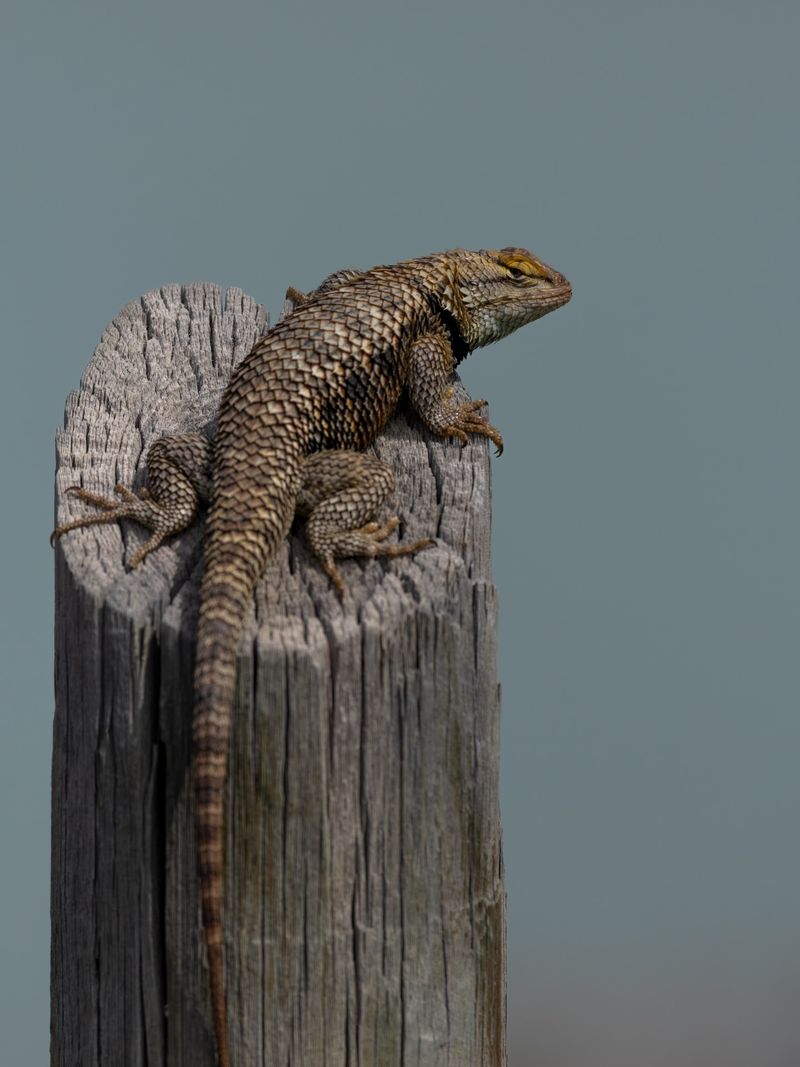
A broad appetite is one reason Arizona homeowners find these lizards interesting from a pest perspective. Documented and reported prey for the desert spiny lizard includes ants, beetles, caterpillars, grasshoppers, spiders, centipedes, other insects, smaller lizards, and occasional plant material.
That list covers a wide range of arthropods that most Arizona gardeners would rather not host in large numbers, and it is the factual foundation behind any conversation linking this species to outdoor pest management.
The key limitation is that a diet list tells you what a lizard can eat, not how many insects it actually removes near a specific home. No reviewed Arizona study has measured how much a single desert spiny lizard reduces local arthropod populations in a backyard setting.
The effect, if any, would depend on how many lizards are present, how much prey is available, what season it is, what habitat the yard provides, and whether pesticide exposure has affected the lizard’s health or behavior.
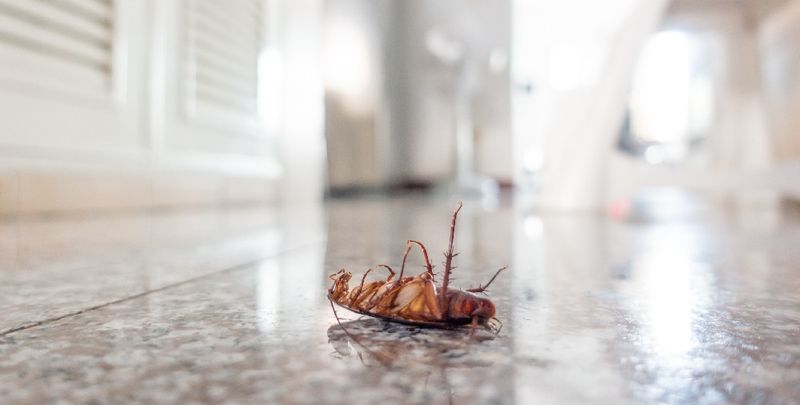
One claim that the reviewed sources do not support is that household cockroaches are a regular or quantified part of this species’ diet. Roaches are not listed among the characteristic prey items in the authoritative Arizona species accounts.
Treating a desert spiny lizard as a cockroach specialist would go further than the evidence allows, and homeowners should not assume that a lizard on the wall is working through an indoor roach population.
Lizards May Support Outdoor Cricket Management
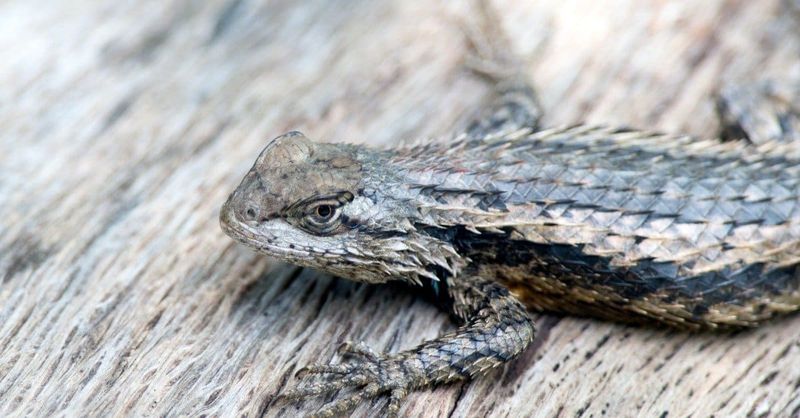
Of all the pest connections tied to desert spiny lizards, the one with the most grounding is the possible role in outdoor cricket management. Crickets are active in Arizona yards, especially during the summer monsoon season, and they can become a real nuisance when they gather around exterior lights, doors, and garage entries.
Unlike cockroaches, crickets spend much of their time outdoors in exposed areas, which puts them in the same space where a foraging lizard might encounter them.
The guidance pairs natural predators with sealing entry points, reducing moisture, and managing outdoor lighting.
How much any individual lizard actually lowers cricket numbers around a particular Arizona home is not something the reviewed research has quantified. The benefit depends on lizard density in the area, how many crickets are present, what the yard looks like structurally, and whether pesticide use has reduced the lizard’s activity or health.
Seeing one desert spiny lizard on a fence is not a reliable indicator that cricket pressure will drop. It is a sign that natural predation is part of the outdoor ecology of your yard, which is worth supporting even if the result is not predictable.
A Wall Sighting Does Not Promise Cockroach Control
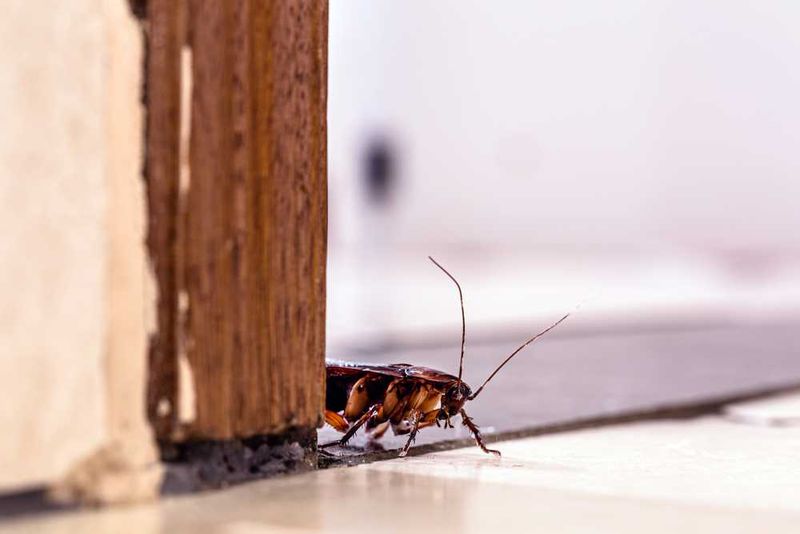
Seeing a large lizard on your Arizona fence is genuinely interesting, but it does not mean your cockroach problem is being handled. No reviewed Arizona research has demonstrated that desert spiny lizards produce a measurable or population-level reduction in household cockroach numbers.
The claim that a wall lizard means fewer roaches is not supported by the evidence, and treating it as fact could lead homeowners to skip steps that actually work.
Cockroaches and crickets are ecologically different in ways that matter here. Crickets move through open outdoor areas, which puts them within range of a foraging lizard.
Many Arizona cockroach species are nocturnal and spend their time in cracks, wall voids, drains, sewer lines, under appliances, in clutter, and inside structures. A daytime basking lizard on the exterior of a home simply does not have access to those hiding places.
Arizona homeowners dealing with roaches need targeted, indoor-focused strategies, and a lizard on the wall cannot substitute for that work.
Effective cockroach management in Arizona starts with correct species identification, because different roaches respond to different treatments. From there, the practical steps are sealing entry points, fixing moisture sources, removing clutter, keeping food stored properly, and applying targeted treatment when an inspection confirms an active population.
These are the measures that actually interrupt cockroach activity. A desert spiny lizard may share the outdoor environment with occasional roaches, but that overlap does not make the lizard a reliable control agent for an indoor infestation.
Create Lizard-Friendly Habitat Without Provisioning Wildlife
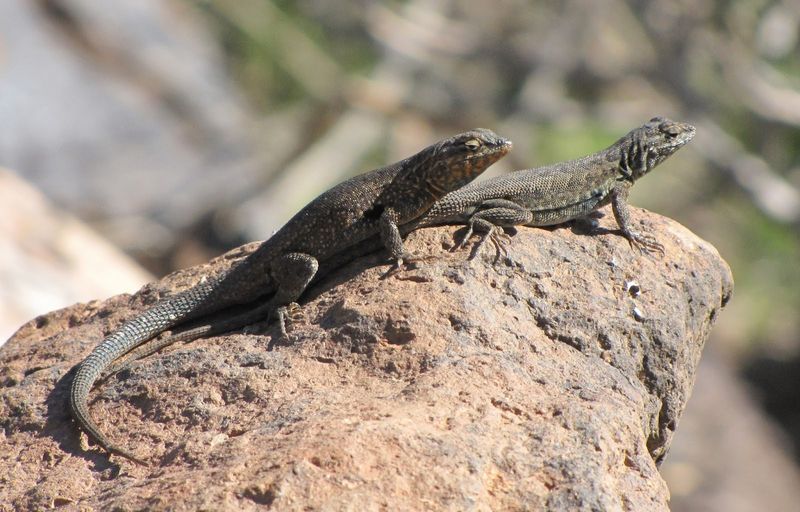
Making an Arizona yard more usable to native lizards does not require elaborate projects or wildlife feeding stations. The most practical approach is to retain structural complexity that already exists or to add it gradually.
Rocks, crevices, native or desert-adapted vegetation, and patches of low cover give lizards places to thermoregulate, hide from predators, and hunt. Arizona urban lizard research, including the University of Arizona Lizard Urban Ecology Project, has documented desert spiny lizards using microhabitats within developed settings, including on and near university campus structures, which shows that even modified urban landscapes can support them when suitable cover is present.
What this habitat guidance does not promise is that desert spiny lizards will move into a yard simply because rocks and plants are present. Lizard presence depends on territory availability, nearby populations, food supply, and seasonal conditions.
Adding habitat features improves the odds and supports the broader Arizona native wildlife community, but it is not a guarantee of occupancy.
The Arizona Game and Fish Department and National Park Service both emphasize observing wild lizards rather than interacting with them directly. Capturing, relocating, handling, feeding, or setting out water for wild lizards is not recommended as a general practice.
Feeding can alter natural behavior, attract other animals, and create sanitation concerns. The safest and most ecologically sound approach is to protect the habitat, reduce disturbance, and let Arizona’s native lizards use the space on their own terms.
Use Integrated Pest Management Around Arizona Homes
Native lizards belong in the picture when Arizona homeowners think about outdoor pest management, but they belong as a supporting presence, not as the plan. Integrated pest management, the approach recommended by University of Arizona Cooperative Extension, combines identification, exclusion, sanitation, habitat modification, and targeted treatment into a coordinated strategy.
Each tactic addresses a specific vulnerability that pests exploit, and none of them can be skipped just because a lizard is visible on the fence.
For crickets in Arizona, the practical priorities are sealing gaps around doors, windows, and utility penetrations; eliminating standing water and moisture near the foundation; and switching exterior lighting to yellow or sodium vapor bulbs that attract fewer insects at night. These steps reduce the conditions that draw crickets toward the home in the first place, which complements whatever natural predation lizards and other wildlife may provide in the yard.
For cockroaches, the work is more intensive and almost entirely focused indoors. Correct identification matters because Arizona hosts multiple species with different habits and treatment responses. Research published on PubMed and in peer-reviewed ecotoxicology literature finds that pesticide effects on reptiles are incompletely studied and can include physiological and behavioral harm depending on the chemical and how the animal is exposed.
Protecting lizard habitat and managing pests carefully are goals that support each other.
Welcome the Lizard Without Expecting Pest Elimination
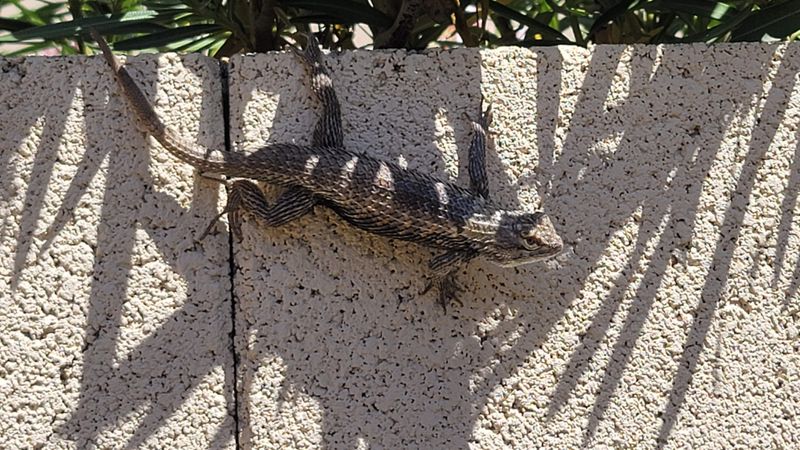
That rough-scaled lizard on your Arizona wall is most likely a desert spiny lizard, and its broad diet means it is an active participant in your yard’s outdoor ecology. It may contribute to natural arthropod pressure outdoors and possibly support cricket management in a modest, unpredictable way.
What it does not do is reliably lower household cockroach populations or guarantee that any pest numbers around your home will drop.
The right response to a sighting is to protect suitable habitat, avoid disturbing the animal, and handle actual pest problems through exclusion, sanitation, moisture control, and targeted treatment when needed. A lizard on a fence is a sign that Arizona’s native wildlife is still active in your neighborhood, and that is genuinely worth something, even without a pest-elimination guarantee.