Why Western Whiptail Lizards Dig Small Burrows Around Arizona Yards
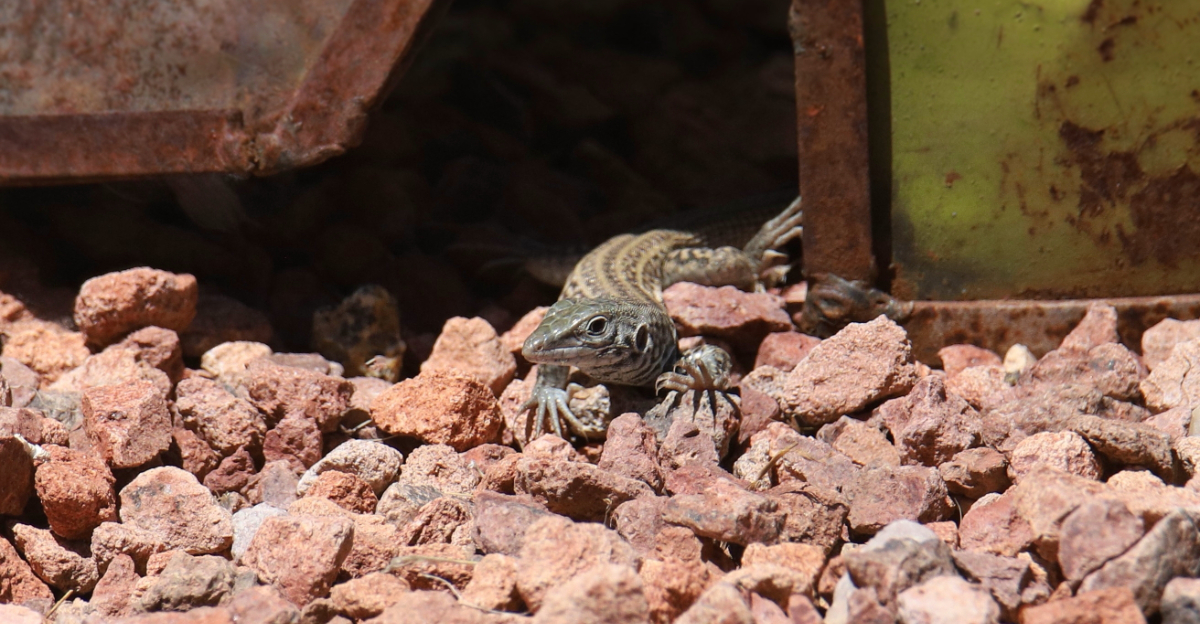
Small holes appearing around your yard might have a surprisingly active visitor behind them. Western whiptail lizards spend plenty of time digging and searching through loose ground.
Watch one for a while, and you may notice how rarely it stays still. These quick lizards scratch through soil and leaf litter while looking for insects and other small prey.
Arizona yards with open ground can give them plenty of places to explore. Their digging can leave shallow holes that are easy to notice near plants and sunny areas.
Those marks do not automatically point to a larger yard problem. They can simply be signs of normal lizard behavior happening close to home.
Leave the area undisturbed when possible and watch from a comfortable distance. The visitor will usually continue searching elsewhere.
Knowing the reason behind those holes can change how you see them.
1. Those Small Holes May Come From A Hungry Whiptail
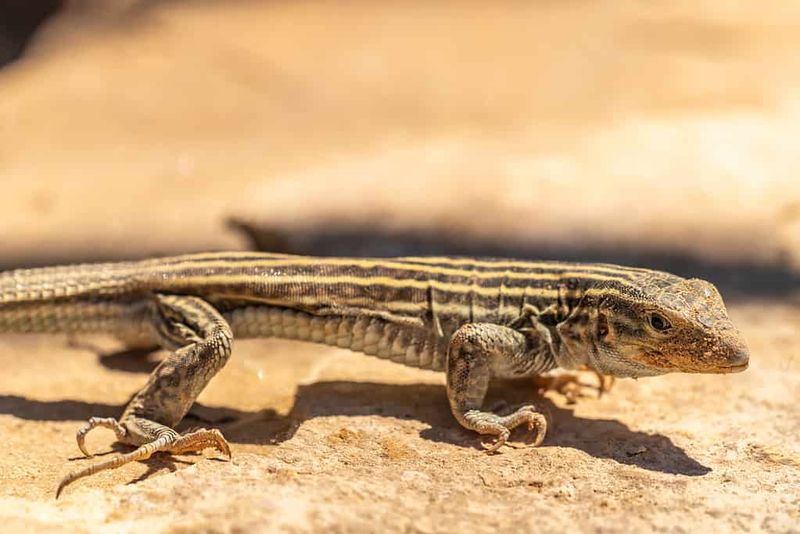
Spotting a small hole in your yard and not knowing what made it can be unsettling. Western whiptail lizards are one of the most likely suspects in dry, sandy Arizona landscapes.
They scratch and probe the ground with their snouts and claws while actively searching for food.
Whiptails are visual hunters. They scan the ground constantly, and when they sense movement or smell something underneath the soil, they start scratching.
A small depression or loose patch of dirt is often a sign that a whiptail stopped here for a quick meal.
These holes are rarely deep. Most are only an inch or two down, just enough for the lizard to reach a beetle larva, ant, or termite hiding below.
Whiptails eat a wide variety of small invertebrates, so they may revisit the same yard repeatedly if food is plentiful.
Yards with mulch, leaf litter, or sandy soil tend to attract more digging activity. Loose material is easier to scratch through and often shelters insects underneath.
If your yard has these features, whiptail visits are more likely.
Noticing these holes is not a sign of a problem. A whiptail hunting in your yard is actually helping keep insect populations in check.
Think of each small hole as a tiny clue that a hungry lizard passed through recently.
2. Loose Soil Makes It Easier To Search Underground
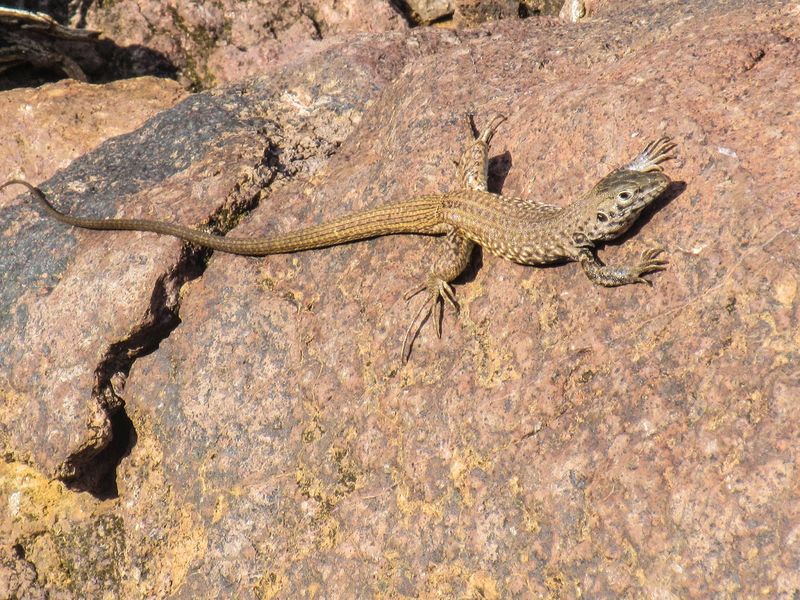
Soil type plays a big role in where whiptails choose to dig. Loose, sandy, or crumbly soil is far easier for a small lizard to scratch through than packed clay or rocky ground.
Arizona yards with sandy patches or garden beds often show the most digging activity.
Whiptails use their front claws to scratch and their snouts to push through the surface. Soft soil gives them quick access without much effort.
Hard, compacted ground tends to stop them faster, so they move on to easier spots.
Irrigated garden areas can become prime digging zones. Watering softens the ground, making it more workable for a lizard searching for insects.
Raised beds, sandy borders, and mulched areas are especially attractive to foraging whiptails.
Gravel yards present a different challenge. Whiptails can still dig around the edges of gravel patches where soil is exposed, but thick gravel tends to slow them down.
Your Arizona Garden Changes Every Week. Your Plan Should Too.
Gardening in Arizona changes quickly throughout the season. Every Friday you’ll receive a simple weekly plan showing exactly what to plant, prune, fertilize, harvest, and protect so you never miss the right timing.
They are adaptable and will find the path of least resistance.
Understanding soil conditions in your yard can help predict where whiptail activity is most likely. Loose or recently watered areas near plants or ground cover are the usual spots.
Noticing these patterns makes it easier to identify lizard activity versus damage from other animals like ground squirrels or insects.
3. Buried Insects Give Them A Reason To Start Digging
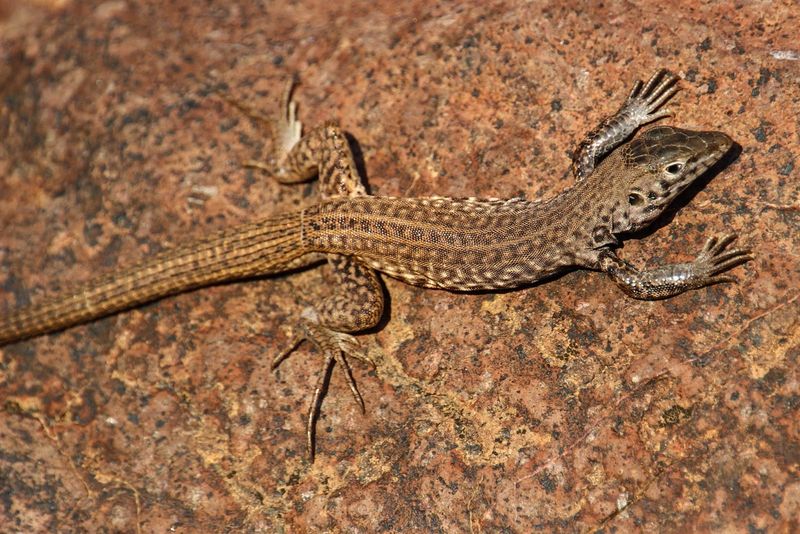
Whiptail lizards do not dig randomly. Buried insects are usually the reason they start scratching at a particular spot.
Termites, beetle larvae, ants, and other small invertebrates live just below the surface, and whiptails are very good at locating them.
Chemosensory ability helps these lizards detect prey underground. They flick their tongues to pick up chemical signals in the air and soil, similar to how snakes detect prey.
Once they lock onto a scent, digging begins almost immediately.
Termite colonies are a particularly strong draw. Arizona has several termite species that nest and forage underground, and whiptails are known to target them.
Yards near wood piles, old stumps, or decaying plant material may attract more lizard digging because those spots often shelter termite activity.
Ant nests are another common target. Whiptails will scratch into the edge of an ant mound to snatch workers or larvae.
The digging is quick and focused, usually lasting only a few seconds before the lizard moves on.
Keeping this behavior in mind can actually be useful for homeowners. If a whiptail is digging repeatedly in one area, it may signal a hidden insect population worth investigating.
Rather than filling the holes and ignoring the pattern, pay attention to what the lizard might be telling you about what is living in your soil.
4. Some Holes Become Shelter From The Desert Heat
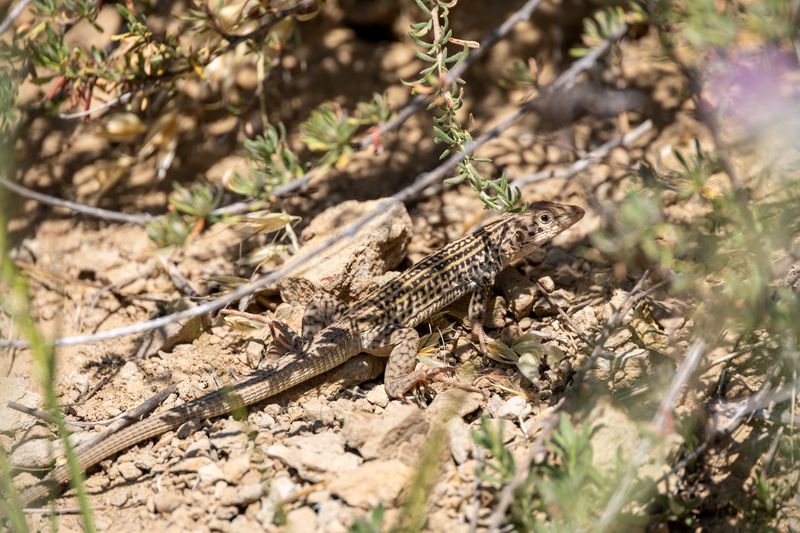
Not every hole a whiptail digs is about food. Some small burrows serve as quick escape spots from the intense desert heat.
When temperatures spike in the middle of the day, a shallow burrow provides cooler ground just a few inches below the surface.
Whiptails are ectotherms, meaning they rely on the environment to regulate their body temperature. Shade, rocks, and shallow burrows all help them manage heat.
A self-dug hole gives a lizard a private, predictable refuge it can return to.
These shelter burrows tend to be slightly deeper than foraging holes. A lizard may spend an hour or more inside during the hottest part of the afternoon.
Once temperatures drop in the late afternoon, it comes back out to continue hunting.
Yard features like patio edges, garden walls, and raised beds create natural shaded zones where whiptails prefer to dig. Soil near these structures is often slightly cooler and more sheltered from direct sun, making them ideal burrow sites.
If you find a small hole near a shaded structure in your yard, it may be a resting spot rather than a feeding site. Whiptails sometimes reuse these locations over several days or weeks.
Leaving these burrows undisturbed gives the lizard a safe place to rest without needing to find a new spot each day.
5. Existing Burrows May Work Just As Well For Shelter
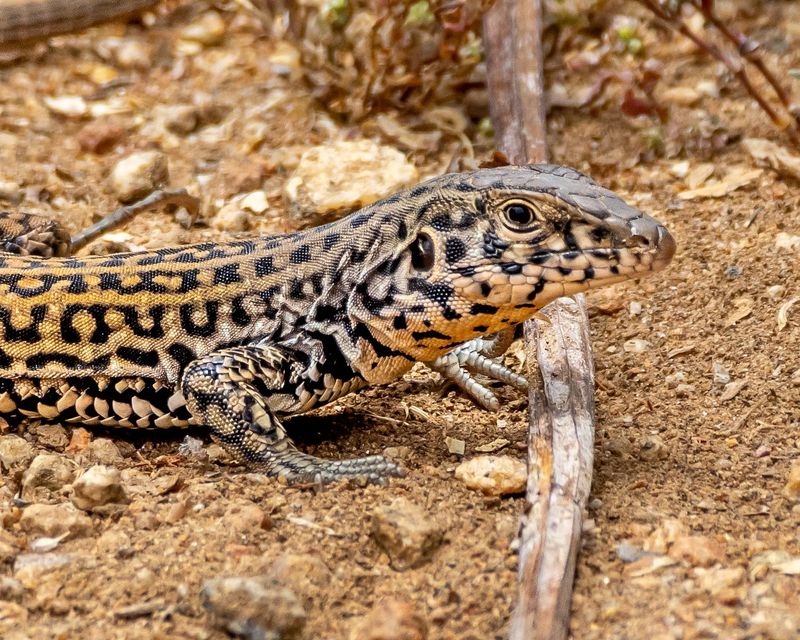
Whiptails are opportunistic. When a suitable burrow already exists, they may use it rather than digging a new one.
Holes left by beetles, ground squirrels, or other small animals can become temporary hiding spots for a lizard looking for shade or safety.
Pre-existing burrows save energy. Digging takes effort, and a lizard that finds a ready-made shelter has more time and energy for hunting.
Whiptails are known to be flexible about where they rest, especially during the hottest months.
Old rodent burrows are particularly useful. They tend to be wider and slightly deeper than what a whiptail would dig on its own.
A lizard can slip in, rest, and exit quickly when needed. Sharing or reusing burrows is common among desert reptiles.
Homeowners sometimes mistake a whiptail using an old hole for a new digging event. If a hole has been in the same spot for a while and shows no fresh soil around the edges, it is likely being reused rather than freshly excavated.
Fresh digging usually leaves loose, disturbed soil nearby.
Watching for these signs can help you understand what is happening in your yard without having to guess. Whiptail behavior is consistent enough that patterns become recognizable over time.
Observing where they enter and exit gives you a clearer picture of how they are using your outdoor space.
6. Morning Warmth Brings These Fast Lizards Back Outside
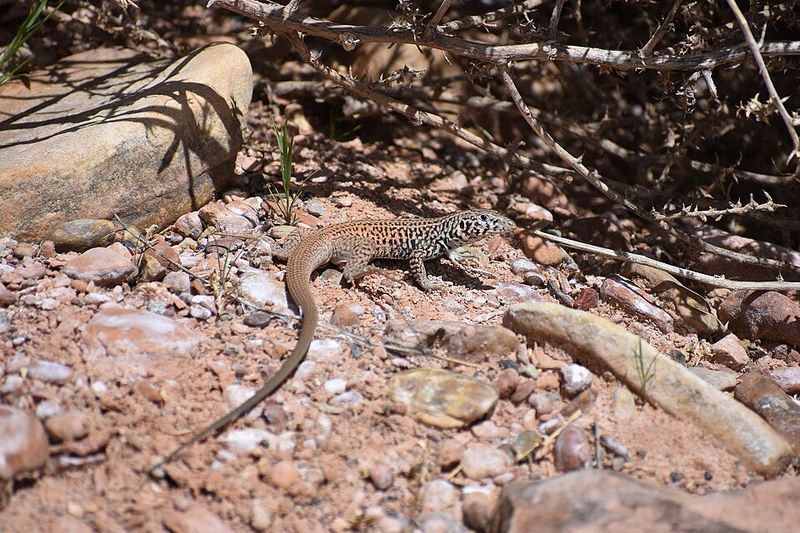
Whiptails are most active during the warmer parts of the morning and early afternoon. After spending the night sheltered in a burrow or under rocks, they emerge as soon as the ground and air warm up enough to get them moving.
Basking comes first. A whiptail will often sit on a warm rock, paved surface, or exposed patch of dirt to absorb heat before it starts hunting.
Yard features like concrete patios, stone borders, and gravel paths become morning warm-up spots for these lizards.
Once the body temperature is high enough, the lizard becomes incredibly fast. Whiptails are among the quickest lizards in North America, and that speed depends entirely on being properly warmed up.
A cold whiptail moves slowly and stays close to cover.
Morning digging activity is usually tied to feeding rather than shelter-seeking. After warming up, a whiptail will begin its daily patrol, scratching at soil and checking familiar spots for insects.
Yards with consistent insect activity will see repeated morning visits.
If you want to observe whiptail behavior, early morning is the best window. Between roughly 7 a.m. and 10 a.m. in warmer months, these lizards are highly active.
Sitting quietly near a known digging spot gives you a good chance of watching one work its way across your yard in real time.
7. Small Digging Spots Are Part Of Normal Whiptail Behavior
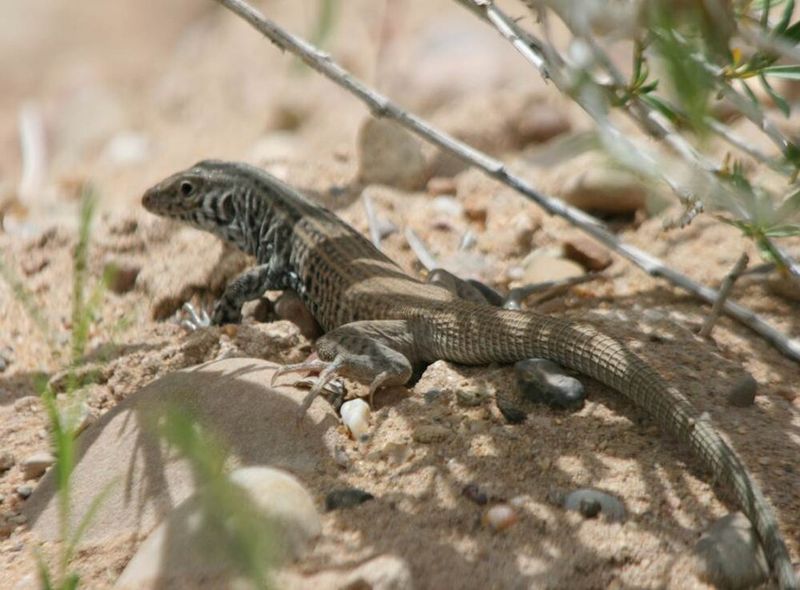
Seeing several small holes scattered across your yard can look alarming at first. With whiptails, scattered digging is completely normal and not a sign of structural damage or a serious pest problem.
These lizards are simply doing what they have always done in desert environments.
Whiptails are native to the desert Southwest and have lived alongside human yards in Arizona for decades. Their habits have not changed much as neighborhoods expanded into desert habitat.
They adapted to yards and continue to behave as they would in the wild.
Consistent digging in the same general area usually means the lizard has found a reliable food source or a comfortable shelter spot nearby.
Whiptails tend to have a home range they patrol regularly, revisiting productive spots over and over throughout the active season.
Filling the holes will not discourage them for long. If the food or shelter that attracted them is still present, they will dig again in roughly the same area.
Changing the underlying conditions, like removing insect habitat, tends to be more effective than patching holes.
Coexisting with whiptails is straightforward for most homeowners. They pose no threat to plants, pets, or structures.
Appreciating them as natural pest controllers makes their digging habits easier to accept. A few small holes in exchange for regular insect control is a pretty fair trade for most desert yards.