A Reddish-Brown Visitor Is Making Its Way Into Alabama’s Basements
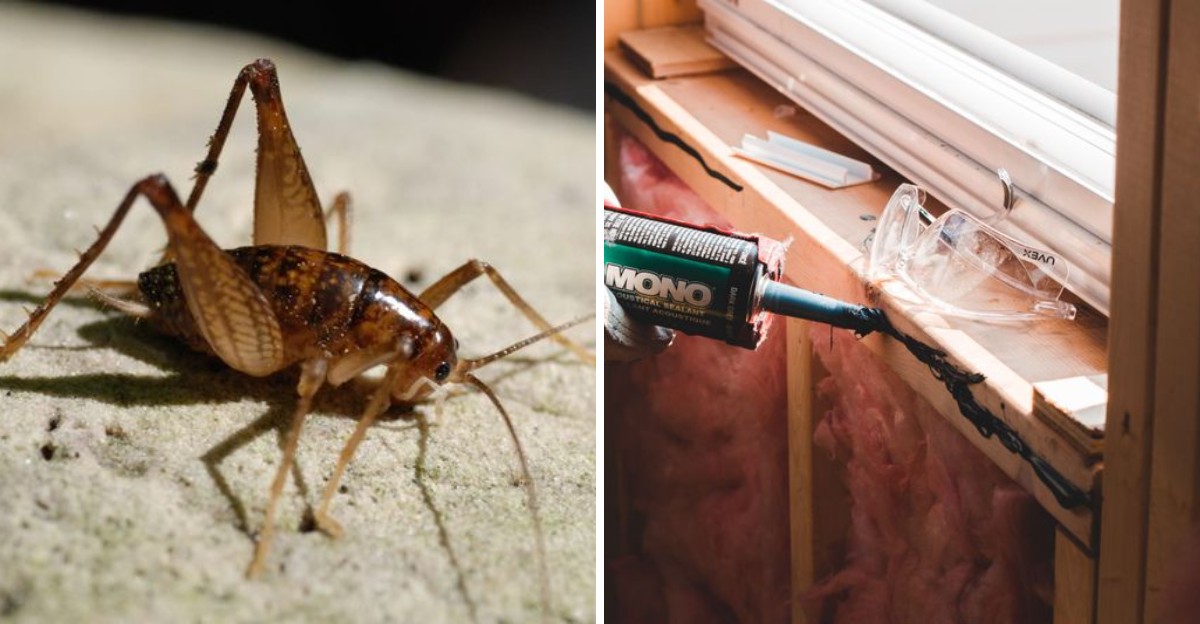
A shadow darts past your ankle before you even blink. Your basement just turned into someone else’s territory overnight. Alabama’s late summer heat pushes strange visitors straight into your home.
Humidity seeps through your concrete floor and turns corners into shelter. Dust-covered edges near your water heater offer the cover they crave. These creatures leap fast, freeze instantly, then disappear before you react.
Silence rides with them wherever they land near you. No bite touches you, no buzz, no telltale chirp reaches you. Legs built long and springy carry them past you in a blur.
Backs arch sharply, giving them a humped, unsettling shape you notice. Crawl spaces and garages across Alabama hide them close to you.
Unease fades quickly once you understand what’s actually happening around you. Curiosity, though, only grows the longer you keep watching them move. Answers wait just ahead, and you won’t want to look away.
Meet The Humpbacked Hopper Behind The Startle
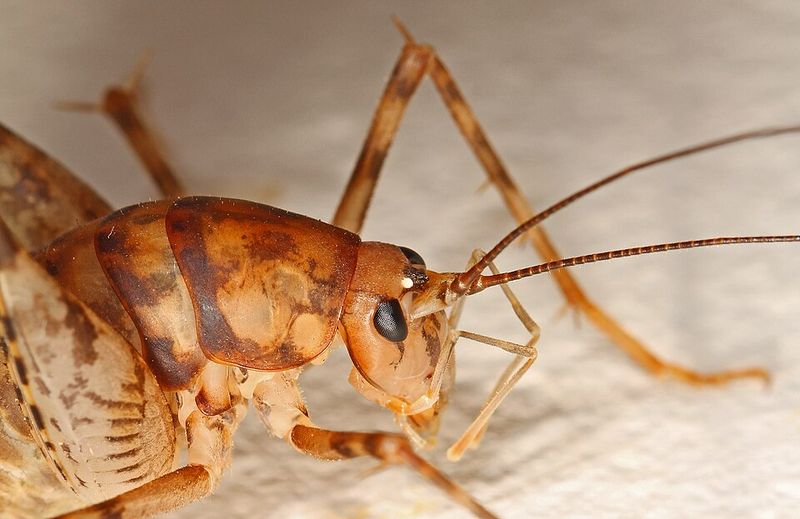
Picture a cricket that skipped the chirping lessons and went straight to gymnastics class. That is the camel cricket, sometimes called a cave cricket or spider cricket by folks who meet one unexpectedly.
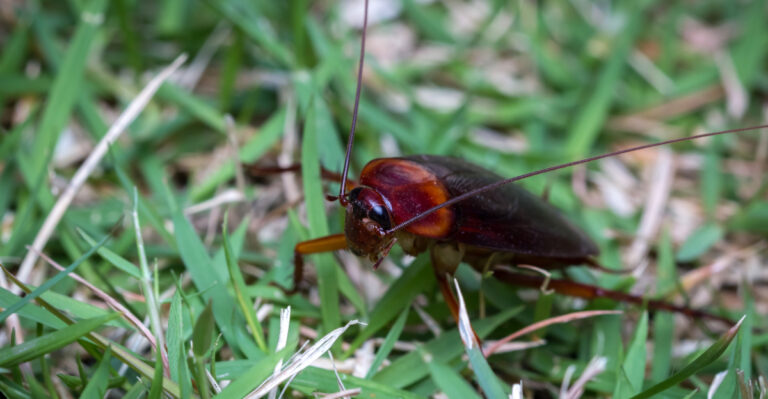
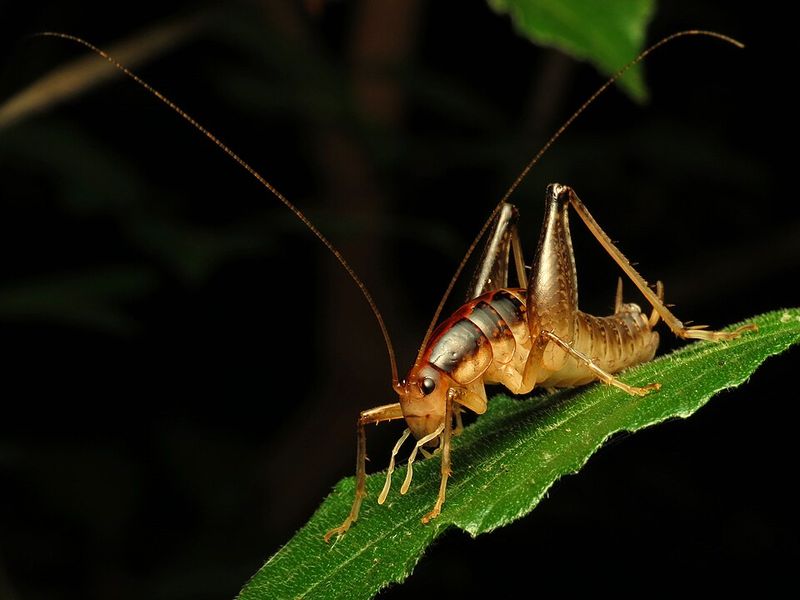
The body runs tan to reddish-brown, arched into a distinct hump that gives the insect its nickname. Adults measure about half an inch to an inch and a half long, though the back legs stretch far beyond that.
Those legs are the whole story. A camel cricket has no wings, so it cannot fly and it cannot rub wings together to make sound.
Its escape plan is a single sudden leap in whatever direction feels right, which is often straight toward the person holding the flashlight.
Long, thread-like antennae sweep the air ahead of it because these insects rely far more on touch than sight. In dark crawl spaces, feeling your way around beats looking around.
A fun detail: the leaping-at-you behavior is not aggression. Scientists think startling a predator buys the cricket a second or two to disappear into a crack.
Alabama is likely home to a few camel cricket species, and the greenhouse camel cricket, an introduced type, tends to show up indoors more often than most. Both share the same hunched silhouette and the same fondness for cool, moist hideouts.
Recognizing the shape matters. Once you can tell a camel cricket from a roach or a spider at a glance, the whole encounter shifts from startling to manageable.
Why September Sends Them Through Your Door
Timing is everything with these hoppers. Alabama’s late summer stays sticky, but the nights start cooling and outdoor leaf litter begins drying out in patches, which nudges camel crickets toward steadier conditions.
Moisture drives the whole migration. A camel cricket has a thin outer shell that loses water quickly, so it hunts for places where the air stays humid and the temperature holds steady.
Your Alabama Garden Changes Every Week. Your Plan Should Too.
Gardening in Alabama changes quickly throughout the season. Every Friday you’ll receive a simple weekly plan showing exactly what to plant, prune, fertilize, harvest, and protect so you never miss the right timing.
Your basement fits the description better than almost anything outdoors in September. Concrete stays cool, condensation gathers on pipes, and stored cardboard soaks up dampness like a sponge.
Crawl spaces under Alabama homes are especially attractive because many sit over bare soil with limited airflow. Add a few weeks of afternoon thunderstorms and the ground underneath stays moist long after the yard dries.
Populations also peak this time of year. Eggs laid in spring have matured into hungry adults, so the sheer number of crickets wandering around your foundation goes up right as they start seeking shelter.
Foundation vents, gaps under exterior doors, utility line openings, and window wells all serve as doorways. A camel cricket does not chew its way in. It simply walks through an opening you forgot existed.
Understanding the seasonal push helps you act at the right moment. Acting in late summer and early fall tends to pay off more, since you’re blocking the arrival instead of managing a crowd that already settled in.
The Damage They Can Actually Do
Good news first: camel crickets are not structural troublemakers. They do not tunnel through wood, they carry no venom, and they show no interest in biting people or pets.
The mischief they cause is smaller and sneakier. Camel crickets are scavengers with flexible appetites, munching on fungus, mold, plant scraps, paper, fabric, and even other insects when food gets scarce.
Stored belongings take the hit. Cardboard box flaps, old newspapers, upholstered furniture, curtains left in a damp corner, and cotton clothing can all end up with tiny ragged holes.
Droppings add another layer of annoyance. A large group leaves dark specks across shelves and floors, and those spots can stain light-colored fabric if they sit long enough.
Homeowners sometimes notice a faint musty odor in heavily populated crawl spaces. Usually that smell comes from the same dampness feeding the mold the crickets are grazing on, so the odor is a clue about moisture more than about insects.
Gardeners occasionally spot chewing on seedlings kept in a greenhouse or garage. Tender young leaves and sprouting seeds make easy meals for a nighttime forager.
The practical takeaway is reassuring. Camel crickets are more of a housekeeping nuisance than a threat, and a heavy indoor population is really a signal pointing at a moisture problem worth solving anyway. Fixing the dampness often helps with both issues at once.
Dry Out The Spaces They Love Most
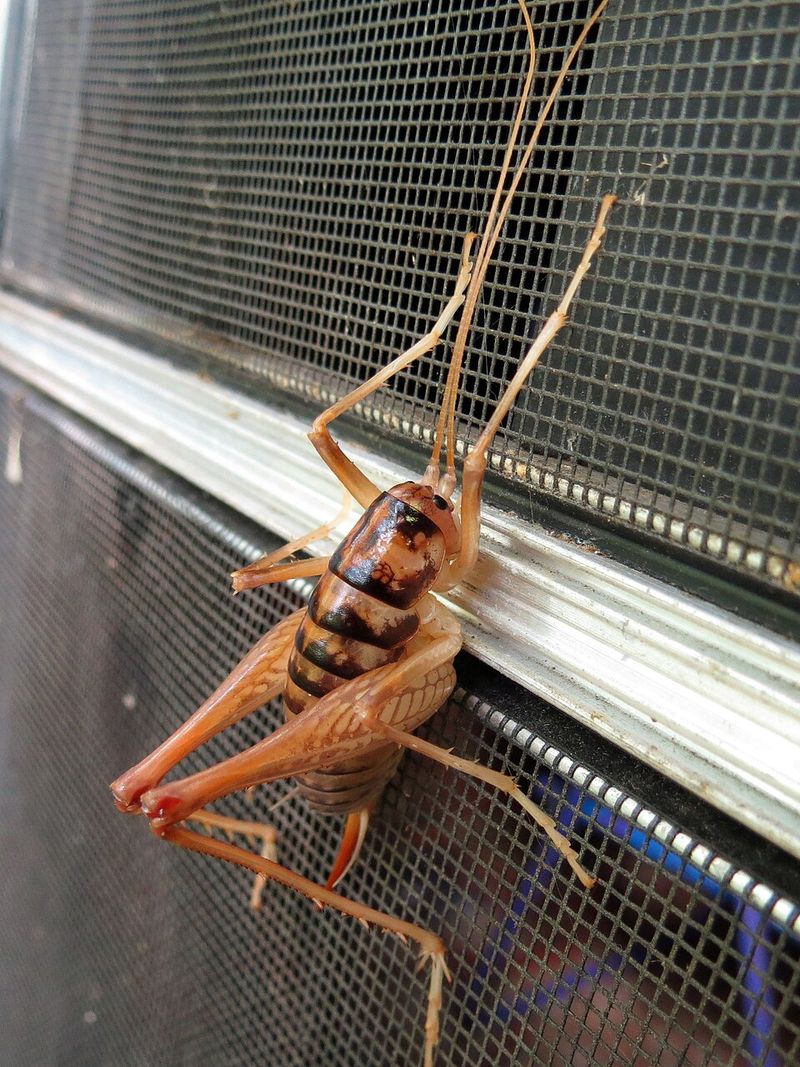
Ask any pest professional what stops camel crickets, and moisture control tops the list before any spray does. Take away the damp and the welcome mat disappears.
A dehumidifier is the workhorse here. Aiming for indoor humidity somewhere around 50 percent makes a basement far less inviting, and it helps with musty smells and mold at the same time.
Check the obvious water sources next. Dripping pipes, sweating cold-water lines, a slow water heater leak, and clogged floor drains all keep the air heavy no matter how hard your dehumidifier works.
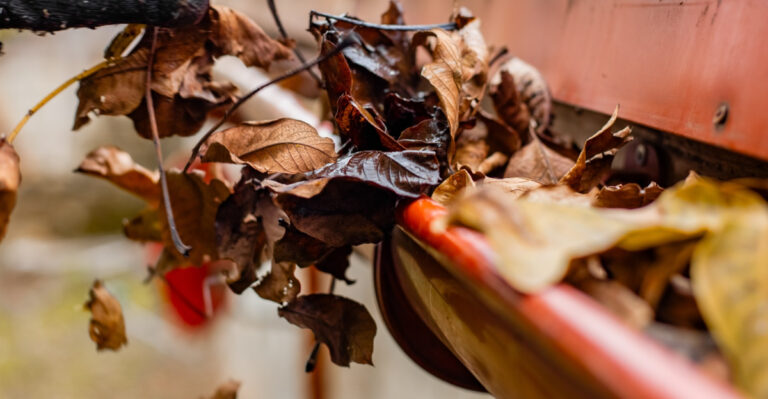
Outside the house, redirect water away from the foundation. Clean gutters, downspout extensions that carry runoff several feet out, and soil graded to slope away from the walls make a real difference during Alabama’s rainy stretches.
Crawl space owners have an extra tool. A heavy plastic vapor barrier laid across bare soil blocks ground moisture from rising, which changes the whole environment under your floor.
Swap cardboard storage for sealed plastic bins while you are down there. Cardboard holds humidity and doubles as cricket food, so removing it takes away shelter and snacks in one move.
Trim back shrubs, pull mulch a few inches off the foundation, and clear stacked firewood or leaf piles near the walls.
Those spots serve as staging areas where crickets gather before finding a way in. Drier surroundings quietly solve the problem long before you reach for anything stronger.
Seal The Sneaky Entry Points
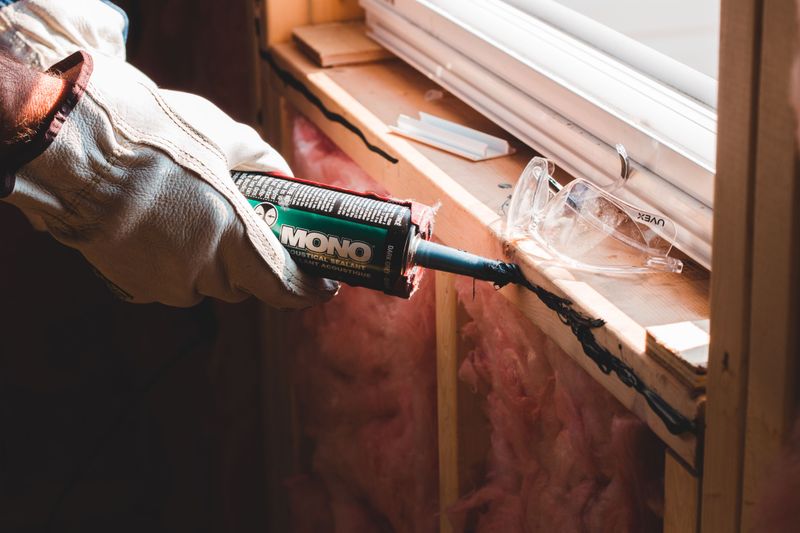
Every camel cricket in your basement walked in through something. Finding those somethings is the most satisfying weekend project a homeowner can tackle in September.
Start at the bottom of doors. A worn threshold or missing door sweep on a garage or basement door leaves a gap wide enough for a cricket to stroll through without slowing down.
Move on to utility penetrations. Pipes, dryer vents, cable lines, and electrical conduits often have gaps around them, and expanding foam or caulk closes those in minutes.
Foundation vents deserve a look too. Screens tear, frames loosen, and a small rip becomes a busy hallway for insects during peak season.
Window wells collect leaves and rainwater, creating a mini habitat right against the glass. Clearing the debris and adding a clear plastic well cover cuts down both moisture and traffic.
Check the sill plate where wood framing meets concrete. Small gaps there are common in older Alabama homes, and a bead of caulk or sealant handles them easily.
Try the flashlight trick after dark. Have someone stand inside a dark basement while you shine a bright light along the exterior walls, and daylight-style beams poking through will reveal openings you would otherwise miss.
Sealing work also lowers your energy bills and blocks spiders, roaches, and mice. Few home projects pay off in this many directions for the price of a caulk gun and an afternoon.
Simple Ways To Move Them Along
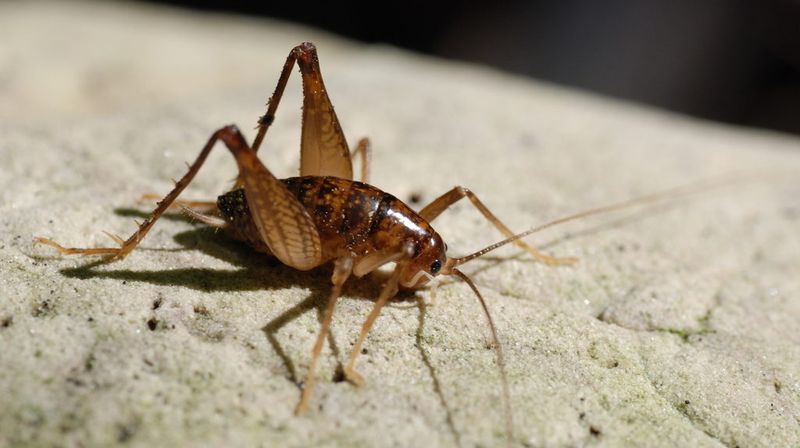
So a few have already settled in. Removing them is easier than most people expect, and it rarely calls for anything dramatic.
Sticky traps do quiet, steady work. Place them flat along baseboards, in corners, behind the water heater, and beside crawl space access doors where crickets travel at night.
A shop vacuum handles the rest. Vacuuming up wanderers, plus any eggs tucked into damp debris, removes them without spraying anything indoors, and it cleans the droppings while you are at it.
For crickets you would rather relocate, a cup and a piece of stiff paper works fine. Slide the paper under, carry the cup outside, and release it well away from the foundation.
Outdoor perimeter treatments help when numbers get high. A granular or liquid product labeled for crickets, applied around the foundation according to the directions, reduces the crowd gathering outside your walls.
Reading the label matters more than picking a brand. Follow application rates, keep products away from pets and vegetable beds, and treat outside rather than fogging living spaces.
When a crawl space is packed with them year after year, a local pest professional can pinpoint the moisture source you keep missing. Local pest professionals see this seasonal pattern often and generally know where to look.
Handled with a little patience, these long-legged visitors become a short chapter rather than a recurring issue. Dry it out, seal it up, sweep them out, and your basement returns to being just a basement.