Alabama’s First Confirmed Sighting Of This Tick Species Is Now A Concern For DeKalb County
A tick smaller than a sesame seed just made headlines. Alabama entomologists confirmed a species missing from state records until now. Cattle owners elsewhere watched them gather in large numbers.
Dogs picked up several after a short walk near trees. You could be sharing your yard with this tick right now. Your dog could carry it home without a single bark of warning.
This discovery changes what September outdoor plans should look like. Farmers now face fresh scrutiny during hay season inspections. Alabama’s cattle industry sits directly in this tick’s path.
Hikers face identical exposure on familiar wooded trails today. Steps through tall grass now carry fresh risk this fall. Its behavior does not match anything you learned about ticks before.
Fence lines and yards now carry a new pest concern. Backyard flocks face exposure too, experts warn quietly. This update includes details worth knowing before your next outdoor day.
The Tick That Traveled Halfway Around The World
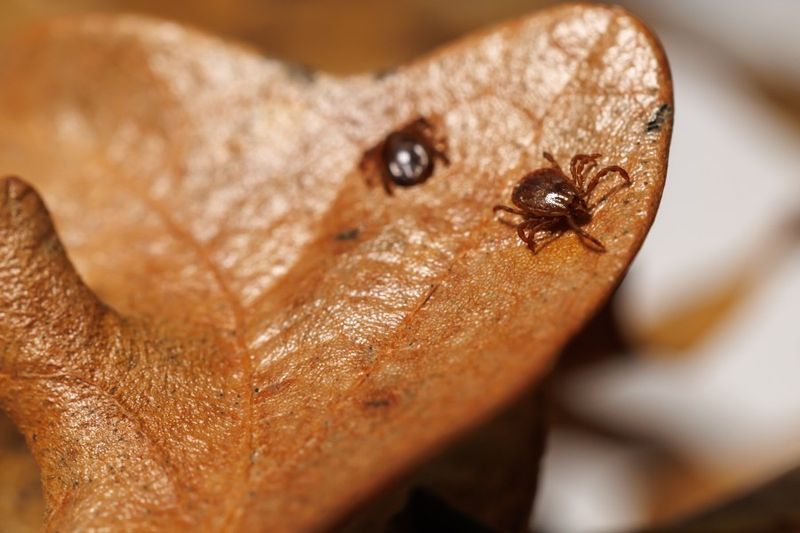
Picture a tiny hitchhiker from eastern Asia turning up in a north Alabama pasture, and you have the story of the Asian longhorned tick. Scientists first recorded it in the United States in 2017, on a sheep in New Jersey.
Since then, the species has been logged in roughly two dozen states. Alabama joined that list thanks to a confirmed find in DeKalb County.
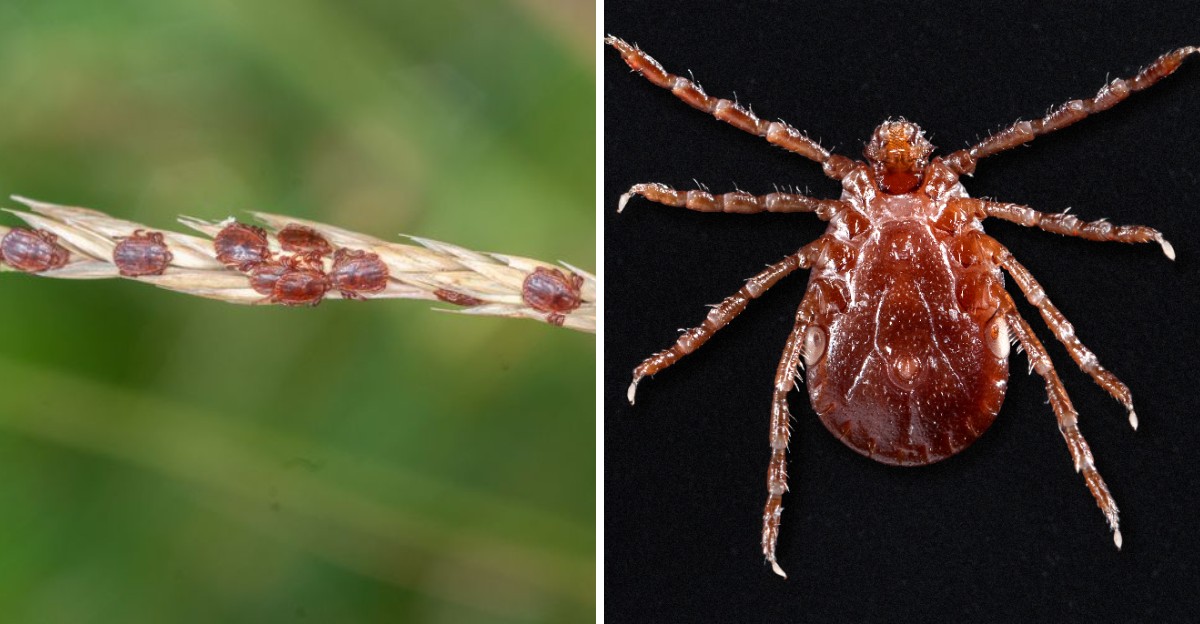
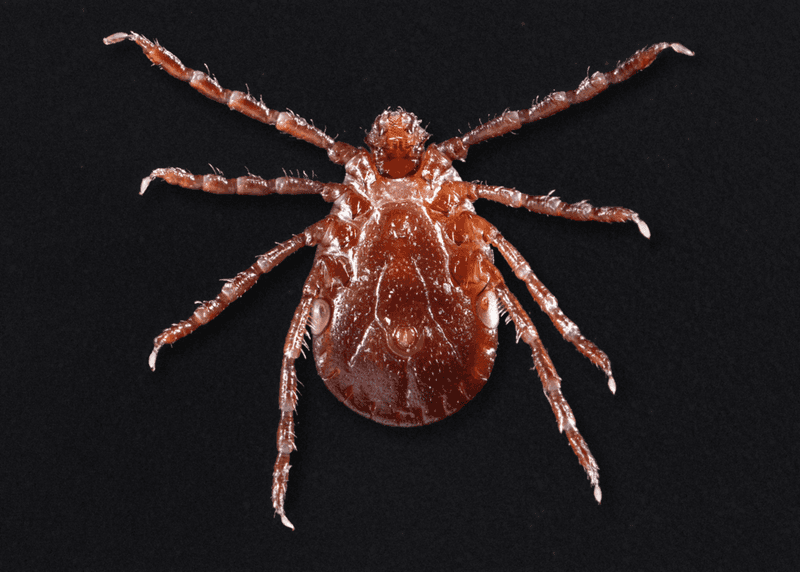
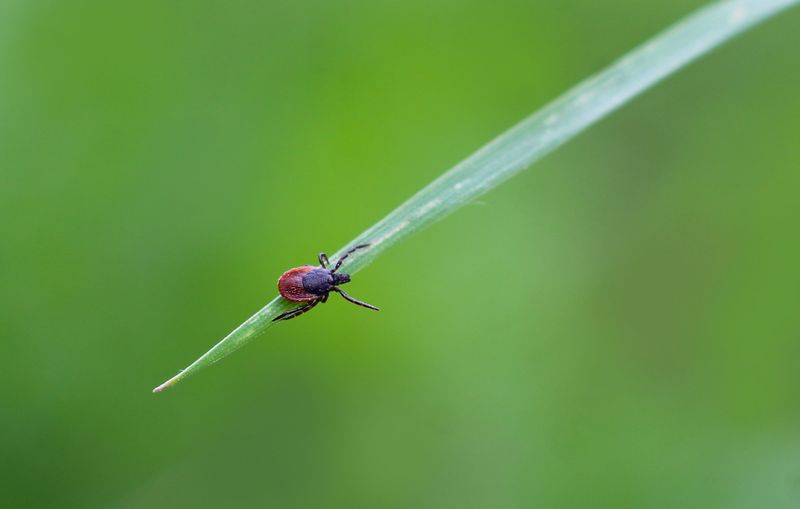
Its plain appearance makes it easy to overlook. Adults are reddish brown, roughly the size of a sesame seed, and they lack the bold white marking that helps people spot a lone star tick.
Nymphs are smaller still, closer to a poppy seed, and they blend into fur and grass with ease. Folks often mistake them for specks of dirt until a magnifier proves otherwise.
Back in China, Japan, and the Korean Peninsula, the species is a familiar pest of livestock. In Australia and New Zealand it picked up the nickname bush tick, and ranchers there have handled it for more than a century.
Fun fact: the word longhorned refers to a pair of elongated, flared mouthpart structures, visible mainly under a microscope. You would need lab equipment, not sharp eyes, for a certain identification.
Wildlife biologists suspect it arrived on imported animals or gear, then spread with deer, raccoons, and roaming dogs. Once a few landed in suitable grassland, the rest was simple arithmetic.
Alabama residents can expect additional sightings as surveys widen this fall. Trained eyes tend to find what they are looking for.
Why DeKalb County Landed On The Radar

DeKalb County sits on Sand Mountain, where cattle pastures, hay fields, and brushy woodland edges stitch together across the plateau. That blend of grass and wildlife is close to ideal for a tick shopping for a new address.
The confirmation came after a specific animal was examined and sampled, not through a broader surveillance sweep. A sample collected in the county went to a lab, and specialists matched it to the Asian longhorned tick.
Alabama officials, along with Auburn University researchers and county extension agents, have watched for the species for several years. Neighboring states such as Tennessee and Georgia reported it earlier, so the arrival was not a shock.
Your Alabama Garden Changes Every Week. Your Plan Should Too.
Gardening in Alabama changes quickly throughout the season. Every Friday you’ll receive a simple weekly plan showing exactly what to plant, prune, fertilize, harvest, and protect so you never miss the right timing.
Ticks pay no attention to county lines, and white-tailed deer wander freely between ridges and hollows. One doe crossing from the north can carry a load of nymphs into fresh territory.
Livestock trailers, hay shipments, and hunting dogs offer rides too. That is why agriculture departments ask people to report odd-looking ticks instead of flicking them away.
For residents near Fort Payne, Rainsville, and Henagar, the takeaway is awareness rather than alarm. Pasture walks, closer looks at cattle ears, and quick checks after yard work carry real value now.
Extension offices can accept specimens for identification, usually in a sealed bag or a small vial of rubbing alcohol. Adding the date and location helps scientists map how far the species has traveled.
Surveys will likely expand across northeast Alabama this autumn. More reports would reflect better searching, not sudden panic.
One Tick Can Start A Whole Population
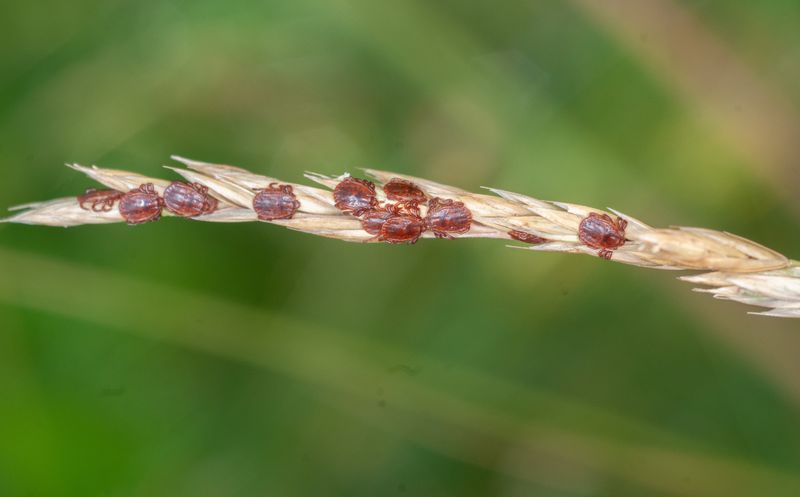
Here is the strange part: females of this species can produce offspring without a male. Biologists call it parthenogenesis, and that single fact explains how one stray tick becomes a founding population.
A single female may lay somewhere around 1,000 to 2,000 eggs in one clutch. Those hatch into larvae that gather on grass tips, waiting for a warm body to brush past.
Producers in New Jersey and Virginia have described animals carrying thousands of ticks at once. Ticks can cluster densely on an ear or leg.
Because mating is optional, the math works in the tick’s favor. One female riding in on a dog, a deer, or a bale of hay can seed a pasture within a season or two.
Larvae, nymphs, and adults may all be active at the same time during warm months. That overlap keeps steady pressure on animals from spring through autumn.
Cold snaps slow them down, though mild plateau winters allow survival in leaf litter and thick thatch. Activity climbs again once soil warms in early spring.
Practical response looks familiar to anyone who works land: mow tall grass along fence rows, store hay off damp ground, and rotate pastures when you can. Reducing shady, humid cover makes the habitat less inviting.
Watching a few sentinel animals closely can reveal trouble early. Finding a small cluster in September beats discovering a large one in November.
Livestock And Pets Feel The Pressure First
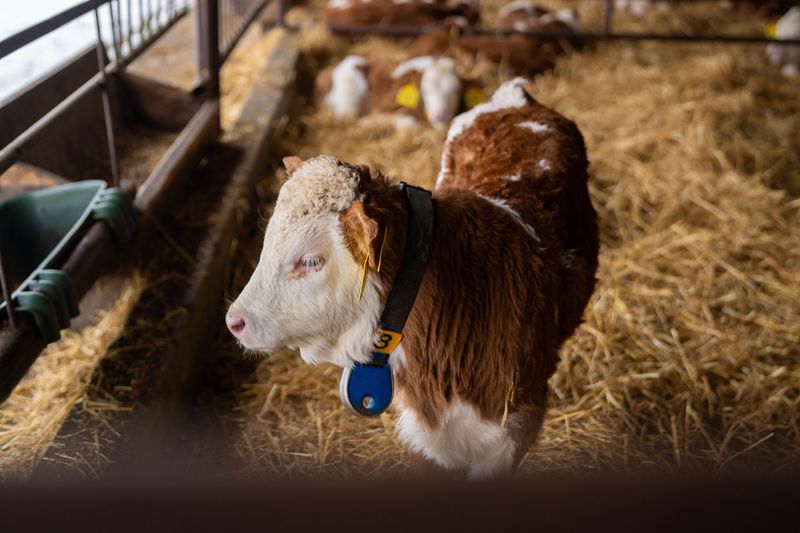
Cattle producers in other states tell a consistent story about heavy infestations on ears, udders, and tailheads. Calves take the hardest hit, since a large tick load can leave them weak, pale, and slow to gain weight.
Veterinarians link severe cases to anemia and reduced milk output in dairy herds. A blood parasite called Theileria orientalis Ikeda, carried by this tick, has caused herd trouble in the eastern United States.
Warning signs in cattle include labored breathing, weakness, and pale gums. Any of those symptoms warrants a call to your veterinarian rather than a wait-and-see approach.
Horses, goats, sheep, and backyard chickens can host the species as well. Barn cats and hunting dogs frequently return from field edges carrying passengers.
Pet owners hold a simple advantage here, which is year-round prevention prescribed by a vet. Chews, topicals, and tick collars perform well when used on schedule.
After outdoor time, run your fingers around ears, between toes, under collars, and along the belly. A fine-toothed comb catches what fingers miss.
For herds, talk with your vet or extension agent about approved pour-ons, sprays, and grazing management. Timing treatments correctly and rotating products improves the outcome.
Record what you find and where you found it. Those notes guide treatment decisions next season and help track spread.
Neighbors comparing observations often spot patterns faster than any single farm can. A quick text with a photo goes a long way.
What Health Experts Say About Risks To People
Straight talk about people: in parts of Asia, this tick is linked to severe fever with thrombocytopenia syndrome, a virus that causes serious illness.
That virus has not been found circulating in the United States. In the U.S., officials also note the tick can carry pathogens linked to Rocky Mountain spotted fever and Heartland virus.
American researchers have tested these ticks for familiar pathogens with mixed findings. Lab work suggests the species is a poor carrier of the bacterium behind Lyme disease.
Federal health agencies still treat it as a species worth close monitoring. Bites on people have been documented, though reported illness from those bites here remains limited.
Ordinary caution applies the same way it does with lone star and American dog ticks. Remove attached ticks promptly and watch the bite area for a few weeks.
Fine-tipped tweezers work best, gripping close to the skin and pulling straight up with steady pressure. Skip folk remedies involving matches or petroleum jelly.
Clean the spot with soap and water or rubbing alcohol afterward. Jot down the date, since timing helps a doctor sort out any later symptoms.
Fever, chills, rash, headache, or aching joints following a bite deserve medical attention. Mention the bite and where you had been outdoors.
Saving the tick in a sealed bag or a vial of alcohol gives professionals something concrete to examine. Your county health department or extension office can point you toward the right lab.
Awareness beats worry here. Knowing the signs keeps a small bite from turning into a big unknown.
Simple September Habits That Keep Ticks Off You
September in northeast Alabama means football, hay cutting, and dove fields, all of which put people shoulder-deep in grass. Tick activity holds steady through warm fall weeks, so routines matter right now.
Clothing treated with permethrin offers strong protection and survives several washes. Repellents registered with the EPA containing DEET, picaridin, or oil of lemon eucalyptus cover exposed skin.
Light-colored pants make crawling specks far easier to notice. Tucking pant legs into socks looks goofy and works anyway.
Stay toward the center of trails and skip the shortcut through waist-high weeds. Ticks tend to wait on grass tips right along those edges.
Once home, do a head-to-toe check within a couple of hours, focusing on the waistband, armpits, backs of knees, and hairline. A shower rinses away ticks that have not attached yet.
Tossing clothes into a dryer on high heat for roughly ten minutes clears ticks from fabric. Washing first actually works less well, since damp ticks tolerate water better than dry heat.
Around the yard, keep grass trimmed, rake leaf litter, and stack firewood neatly in a sunny spot. A three-foot band of wood chips between lawn and woods discourages wandering.
Report unusual ticks to your local extension office with a clear photo or a sealed sample. Sharing what you find helps neighbors and researchers alike.
Small routines, repeated, beat one giant cleanup later. Kids and pets benefit from the same quick checks.