Why Giant Orb-Weaver Webs Suddenly Appear Across California Yards In September
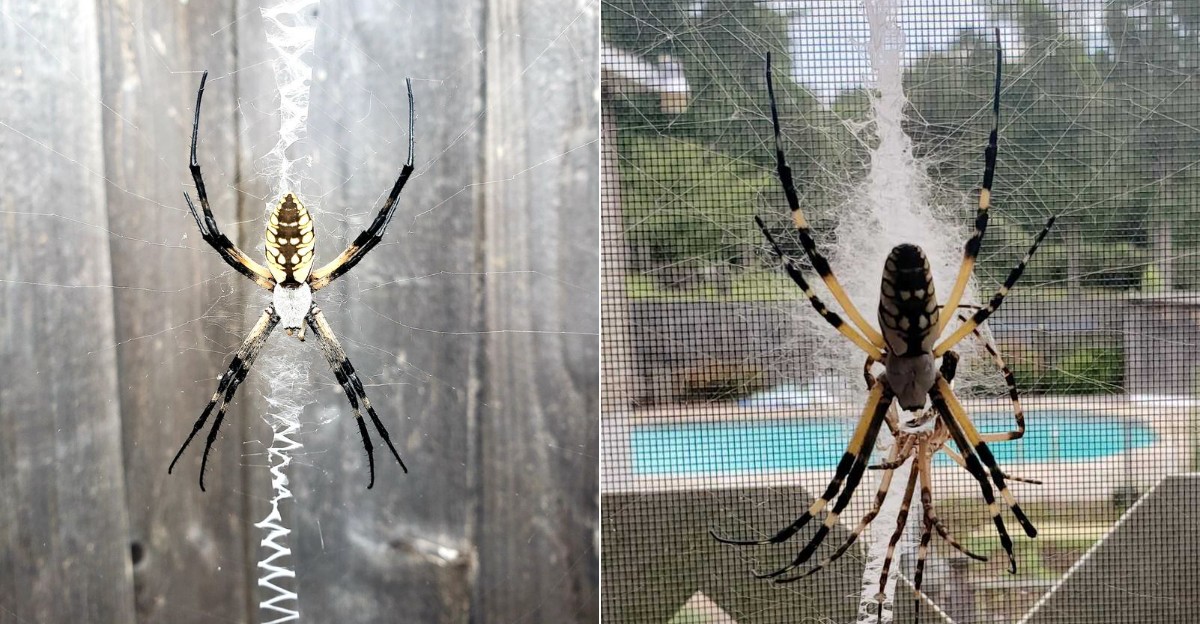
You step outside and suddenly there it is: a huge, intricate spider web stretched across a corner of your yard like someone installed a tiny piece of outdoor artwork overnight.
One day the space looks normal, and the next you are carefully walking around a web that seems far too impressive to have appeared so quickly.
These large orb-shaped webs can catch your attention because of their size, placement, and the spiders often sitting proudly in the middle.
They may look intimidating at first, especially when you discover them near walkways, fences, or garden plants you use every day.
The timing can also feel strange. Your yard may have been quiet for months, yet these webs seem to appear all at once as the season changes.
That sudden increase is not random, and the conditions around your garden can play a role.
Before grabbing a broom or deciding your yard has become a spider headquarters, take a closer look.
These web builders are part of a seasonal pattern, and their arrival can reveal something interesting about what is happening in your outdoor space.
September Is Peak Orb-Weaver Season
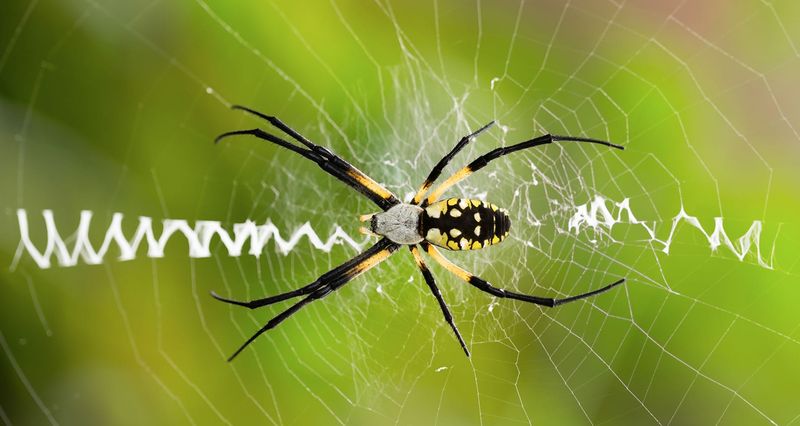
Timing is everything with these spiders, and fall is their big moment. Orb-weavers hatch in spring as tiny babies, so small you might never notice them at all.
Over the warm California summer months, they eat and grow bit by bit. By the time September rolls around, they have reached their full adult size and become impossible to miss.
This is also mating season for many of them. Adults are searching for partners, so they build bigger and bolder webs in open spaces. That is why your yard suddenly seems full of them.
The females are the ones you usually spot, since they grow much larger than the males. They need extra energy to produce their egg sacs before the cold arrives.
Because so many reach adulthood at the same time, the effect feels sudden. It seems like they appeared overnight, but they were growing quietly the whole season.
Fun fact: after laying eggs in fall, the mother’s job is done, and a new group waits to hatch next spring. The cycle starts all over again.
Knowing the timing helps you feel less startled. These webs are simply part of the natural rhythm of the seasons in warmer regions.
The Spiders Are Much Bigger By Now
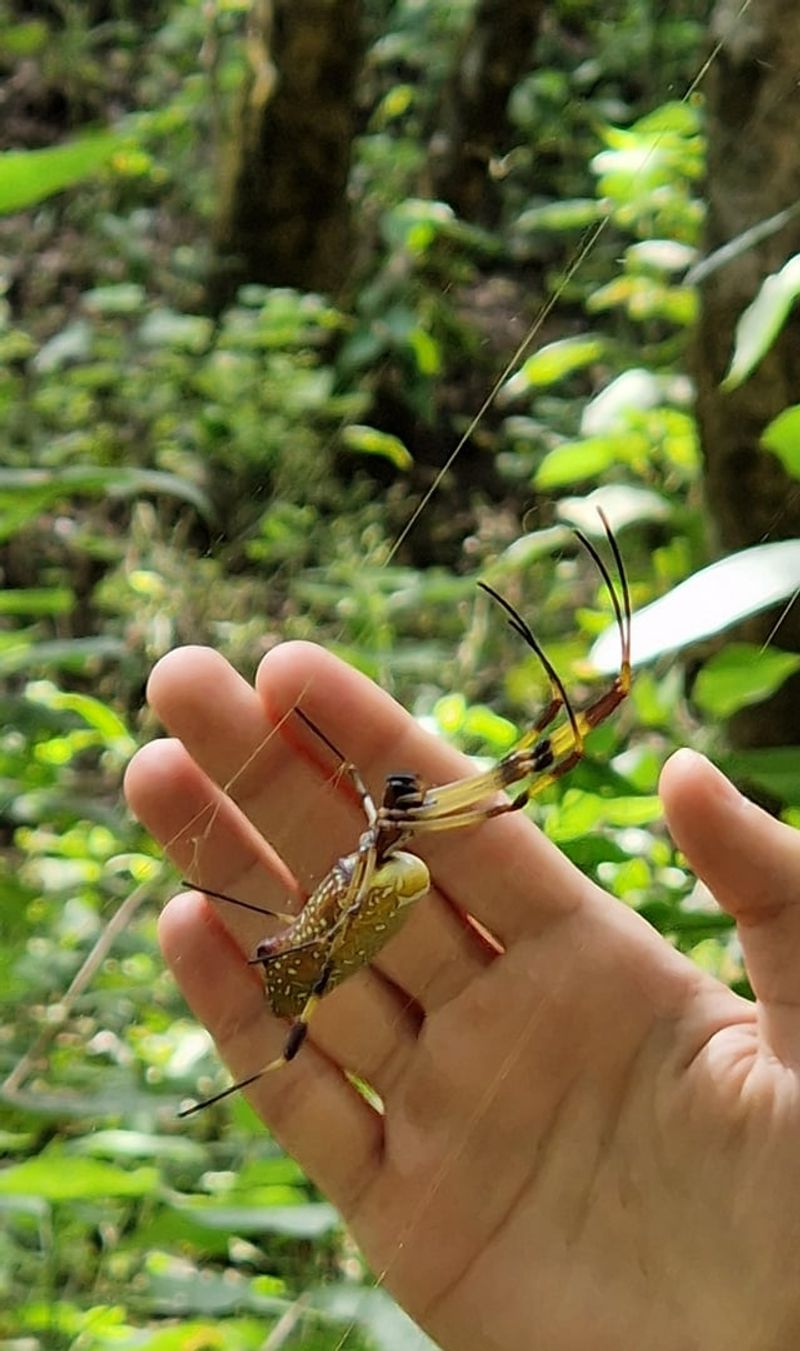
Size is the first thing most people notice when they meet an orb-weaver in autumn. These spiders look huge compared to the little ones you may have seen in spring.
All that growth comes from months of steady eating. Every mosquito, fly, and moth caught in the web helped fuel their journey from tiny hatchling to full-grown adult.
Females can grow especially large, sometimes with bodies as big as a grape. Their striped legs stretch wide, making the whole spider look even more impressive.
They shed their old skin many times as they grow, a process called molting. Each time, they emerge slightly bigger than before, until they reach their final adult form.
Your California Garden Changes Every Week. Your Plan Should Too.
Gardening in California changes quickly throughout the season. Every Friday you’ll receive a simple weekly plan showing exactly what to plant, prune, fertilize, harvest, and protect so you never miss the right timing.
The bigger body serves a real purpose. A large female needs room to store hundreds of eggs, so her size is tied to making the next generation.
Even though they look intimidating, their size does not make them dangerous. Bigger simply means older and ready to reproduce, not more harmful to people.
Next time one startles you, remember it worked hard all summer to get that big. That impressive spider is basically a full-grown adult finishing its life’s main job.
Their growth is a great reminder of how much can change in just a few short months.
Large Webs Catch More Flying Insects
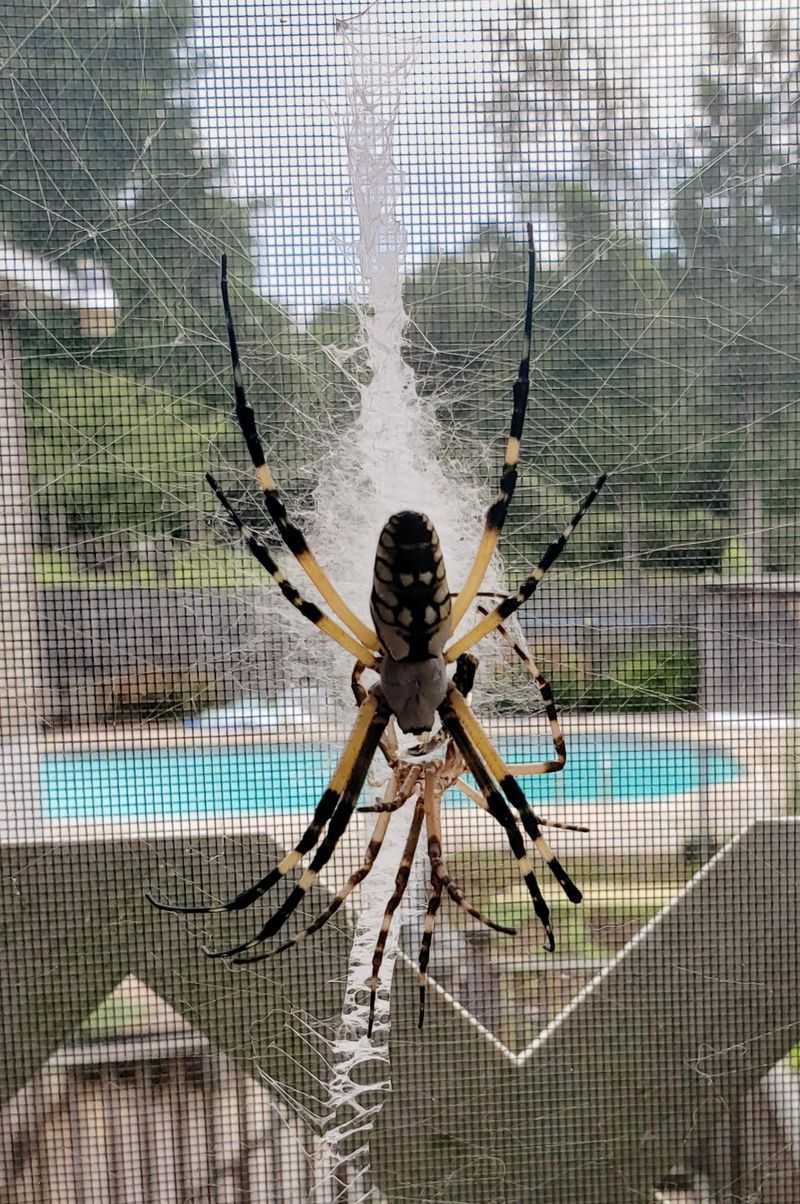
Bigger spiders need bigger meals, and that means building bigger traps. A wide, round web can cover a lot of open air where bugs like to fly.
The design is genius when you think about it. Each sticky spiral is spaced just right to snag insects that blunder into the invisible threads.
Adult orb-weavers spin webs that can stretch a couple of feet across. That large surface gives them more chances to catch dinner without moving much at all.
Flying insects are everywhere in late summer, so the timing works perfectly. More food floating through the air means the spiders can afford to build grand webs.
The silk itself is surprisingly strong and stretchy. It can hold a struggling bug without snapping, giving the spider time to rush over and wrap it up.
You might notice the webs placed in gaps between plants or across walkways. Those open spots are like busy highways for flying bugs, and the spider knows it.
By catching moths, flies, and mosquitoes, these weavers quietly reduce pests around your home. In a way, they are free pest control working the night shift.
So a giant web is not just for show. It is a carefully built tool meant to feed a hungry, growing spider all season long.
Warm Nights Keep Prey Active
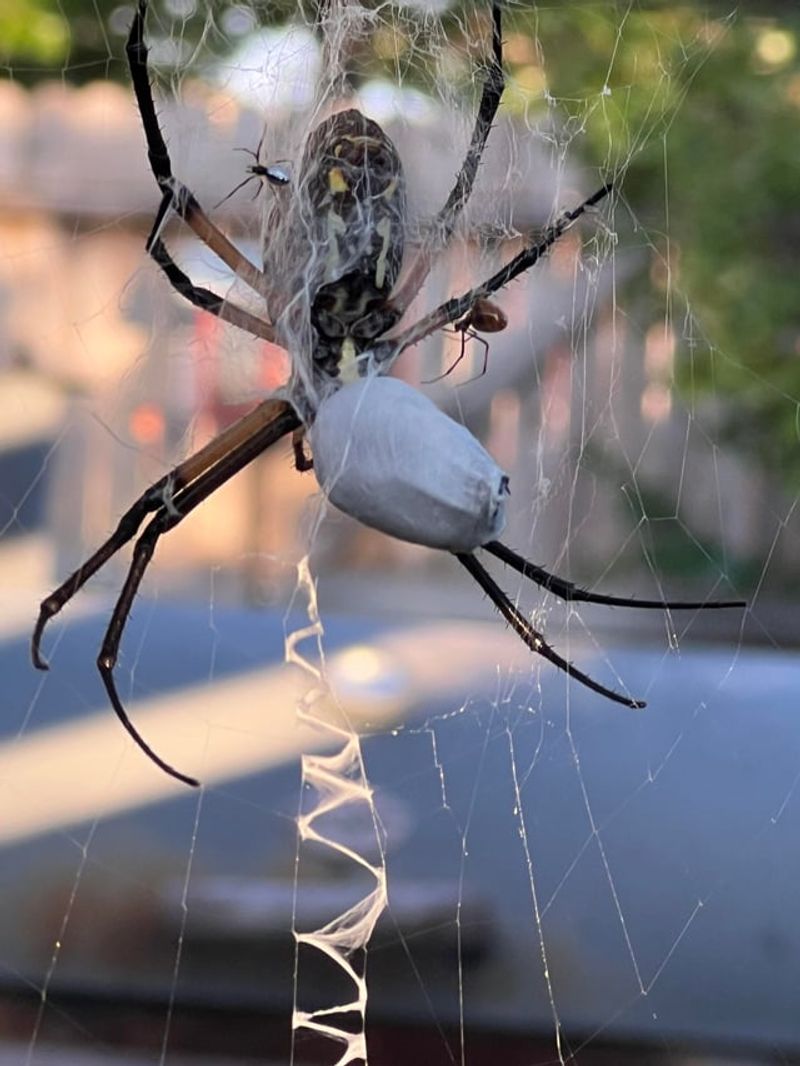
Weather plays a huge role in when these webs show up. Late summer evenings stay warm and pleasant, which is exactly what flying insects love.
When nights are mild, bugs stay busy long after sunset. Moths flutter, gnats swarm, and beetles buzz around, all offering easy targets for waiting spiders.
Orb-weavers are often most active after dark. They repair and hunt during cool, calm nights when the air is full of moving snacks.
If the temperature dropped sharply, insects would slow down and hide. Fewer bugs would mean fewer meals, so the spiders take advantage while the warmth lasts.
This is one reason the webs seem to appear right at the end of summer. The spiders time their biggest hunting effort to match the busiest bug nights.
Humidity helps too. A little dampness in the air keeps silk sticky and keeps prey flying, making warm, mild nights ideal for web building.
You may spot fresh dew on the webs each morning. That sparkle tells you the spider was hard at work during the comfortable overnight hours.
As fall cools down, the activity slowly fades. But while those warm nights hold on, the orb-weavers make the most of every single one.
It is a smart strategy, matching their effort to nature’s schedule for the best possible results.
Trees And Shrubs Make Good Anchors
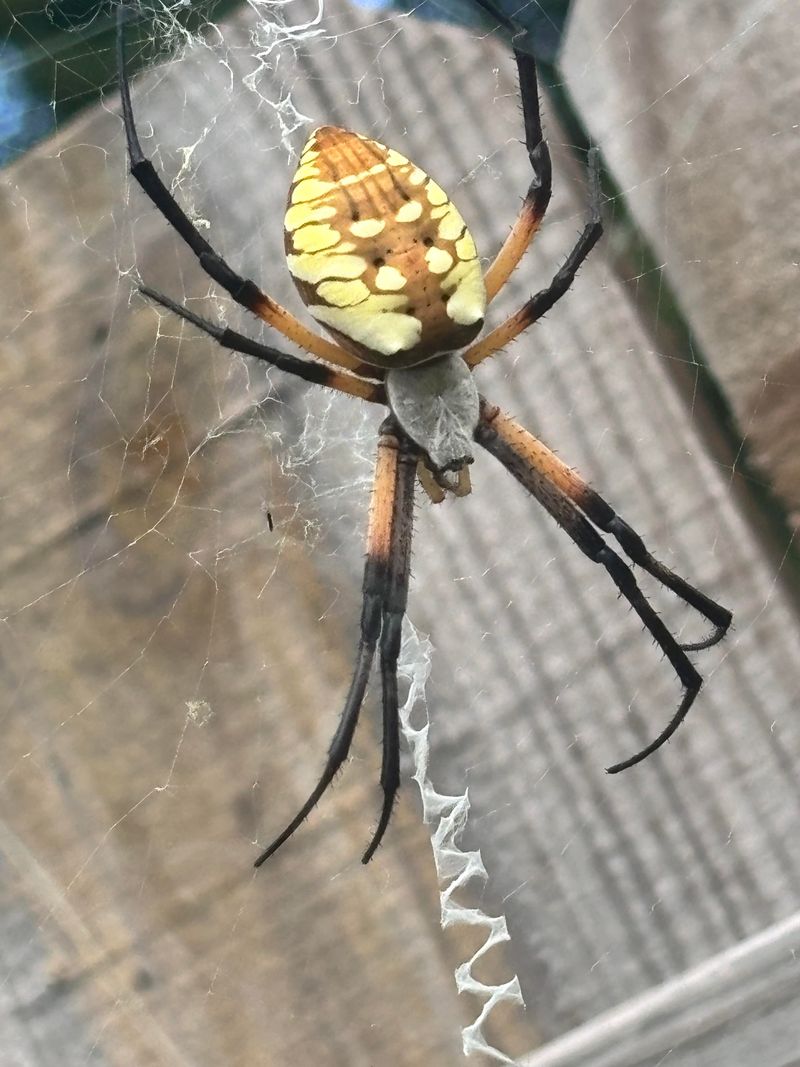
Building a giant web takes solid support, and yards offer plenty of options. Trees, bushes, and fences make perfect anchor points for those long silk lines.
The spider first sends out a single strand of silk. When it catches on a branch or leaf, that becomes the bridge for the entire structure.
From there, it adds spokes and spirals, using sturdy plants to hold everything in place. Strong anchors keep the web from collapsing in the wind.
Gardens are full of these handy supports. That is why webs so often stretch between two shrubs or across the corner of a porch.
Wider gaps between plants let the spider build a larger web. More space means a bigger trap, and a bigger trap means more food.
Plants also give the spider a place to hide nearby. A leaf or twig at the edge makes a cozy hideout during the daytime hours.
If you have leafy bushes or tall plants, you basically rolled out a welcome mat. The spiders see your yard as prime real estate for their homes.
Trimming plants can reduce webs if they bother you, but leaving a few helps these useful hunters thrive. Either way, understanding the setup makes the webs less mysterious and a lot more interesting to watch.
Many Rebuild Their Webs Daily
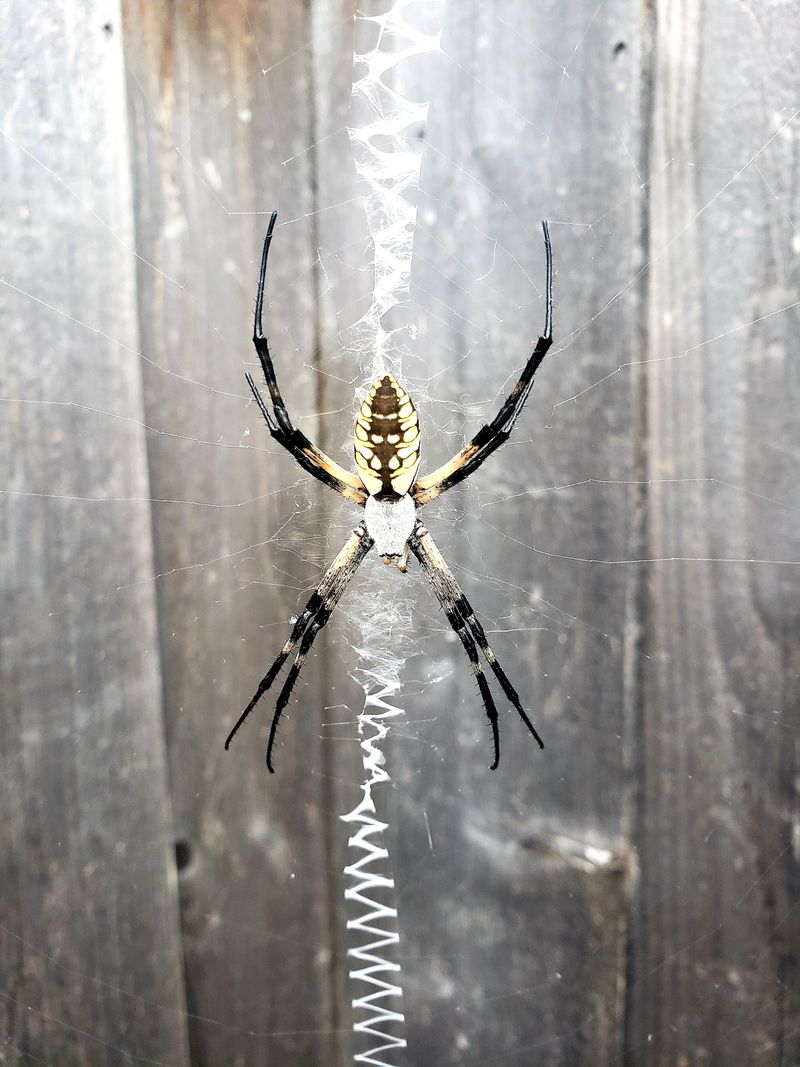
Here is something that surprises a lot of people. Many orb-weavers take down and rebuild their webs almost every single day.
A used web gets damaged fast. Wind, rain, and struggling bugs tear the delicate silk, leaving holes that make hunting harder for the spider.
Instead of patching every rip, the spider often eats its old web. The silk contains protein, so recycling it saves energy and materials.
Then, usually around dawn or dusk, it spins a brand new one. A fresh, sticky web works far better for catching the next round of prey.
This daily habit explains why a web can seem to vanish and reappear. You are actually seeing a whole new creation in the same handy spot.
Spinning a full web takes only about an hour for these skilled weavers. Their bodies produce silk quickly, making the daily rebuild possible.
The freshest webs shine brightest in the morning dew. That sparkle you see is often a web built just hours before sunrise.
Knowing this makes clearing a web feel less permanent. If you remove one, the spider may simply build again nearby the very next night.
It is a tireless routine, and it shows just how dedicated these little architects are to keeping their traps in perfect working order every day.
They Often Hide During The Day
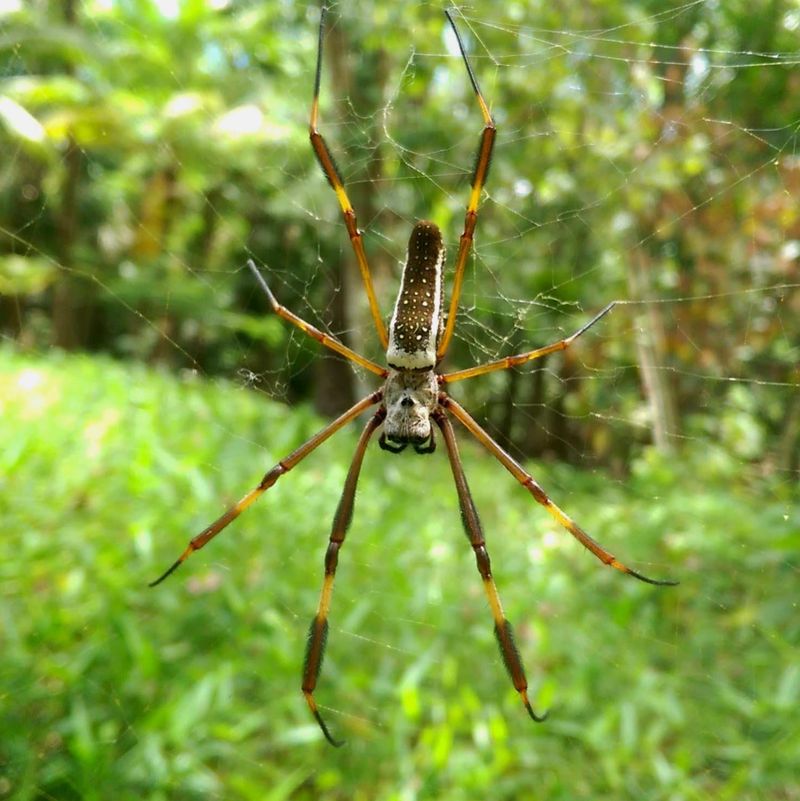
Ever notice a web with no spider in sight? Do not worry, the weaver is usually just resting nearby out of view.
Many orb-weavers spend daylight hours tucked away. They hide under a leaf, inside a curled twig, or in a shady corner close to the web.
Staying hidden keeps them safe. Birds and other hunters have a harder time spotting a spider that blends into the plants around it.
A single silk thread often connects the hideout to the web. When a bug hits the trap, the spider feels the vibration and rushes out.
This is why webs seem empty by day but busy by night. The spider prefers the cover of darkness for its main hunting.
During the daytime, the web still does its job. Even without the spider sitting in the center, sticky threads keep catching careless insects.
If you look closely at the edges, you might spot the hidden weaver waiting patiently. Its stillness helps it avoid becoming someone else’s snack.
Some species do sit in the middle all day, but many choose the shadows. It all depends on the exact kind of orb-weaver in your yard.
So an empty-looking web is not abandoned. The clever owner is simply lying low, ready to spring into action the moment dinner arrives.
Porch Lights Can Draw Them Closer
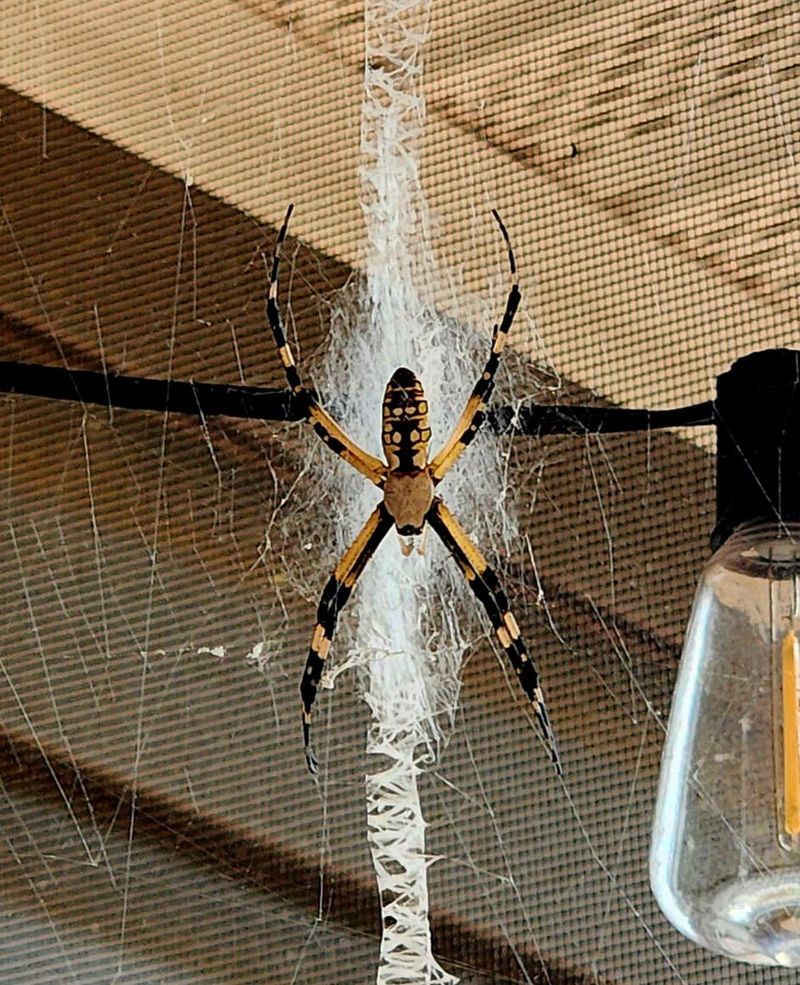
Your California porch light might be doing more than lighting the way. Bright bulbs attract clouds of moths, gnats, and other flying bugs after dark.
Spiders are smart shoppers, and they follow the food. A busy light becomes a magnet for insects, and the insects become a magnet for orb-weavers.
That is why webs often show up right near doorways, windows, and outdoor lamps. The spider set up shop where the buffet is busiest.
Building close to a light almost guarantees regular meals. Every glowing evening brings a fresh wave of bugs straight into the waiting web.
You can reduce webs by these spots with a simple trick. Switching to yellow bug lights attracts fewer insects, which gives spiders less reason to gather.
Turning off unused outdoor lights helps too. Fewer bugs floating around means the weavers may set up somewhere farther from your door.
Still, a few webs near lights are harmless and even helpful. They quietly trim down the swarm of pests buzzing at your entrance each night.
If a web sits in an inconvenient path, gently move it with a broom. The spider will likely relocate to another bright, buggy corner.
Understanding this connection puts you in control. A small change to your lighting can shift where these eight-legged neighbors decide to build.
The Webs Look Scarier Than They Are
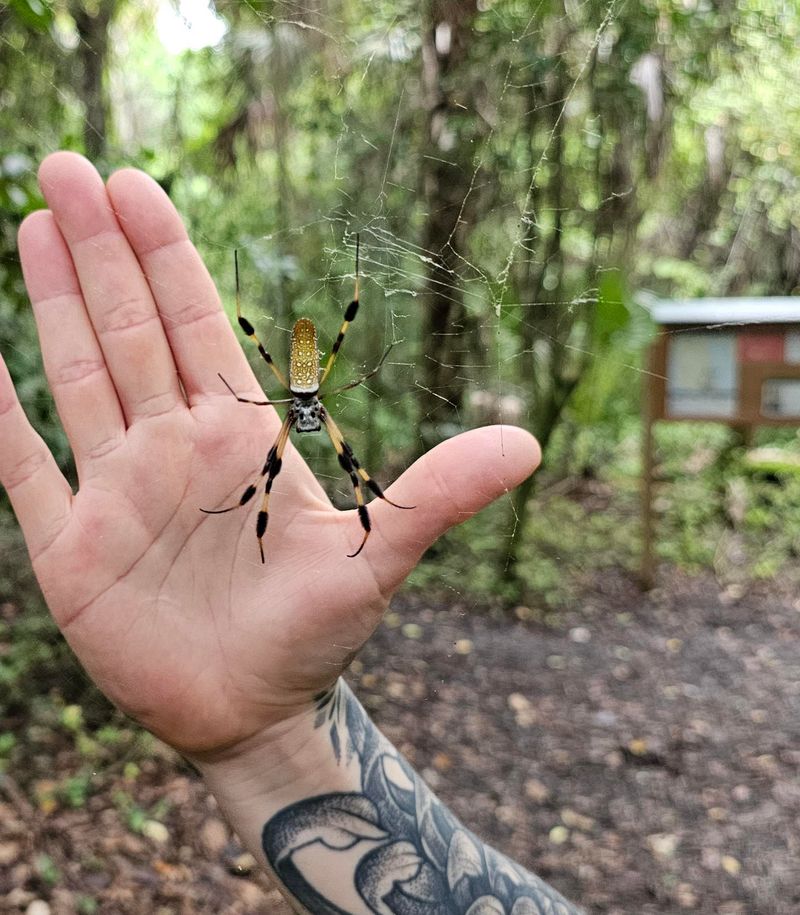
Let’s clear up the biggest fear right away. Despite their spooky size, orb-weavers are gentle and pose almost no threat to people.
These spiders are not aggressive. They would much rather flee than confront a human, and they only bite if squeezed or trapped against skin.
Even if one did nip, the effect is usually mild. Most people feel little more than a small pinch, similar to a tiny bug bite.
Their real interest is insects, not humans. You are far too big to be prey, so the spider sees no reason to bother you at all.
The scary look comes from their size and those big, patterned webs. Nature gave them that appearance to catch bugs, not to frighten California homeowners.
Instead of fearing them, many gardeners welcome these helpful hunters. Each web removes dozens of pests that would otherwise buzz around the yard.
If you would rather not share your space, simply relocate the web gently. There is no need for anything harsh toward such a useful creature.
Watching one work can even become a fun family activity. Kids often love seeing how neatly the spider wraps and stores its catch.
So take a deep breath the next time you meet one. That giant web is really just a peaceful pest-catcher doing its seasonal job.