Texas’s Weirdest Native Fruit Is Finally Ripening This September
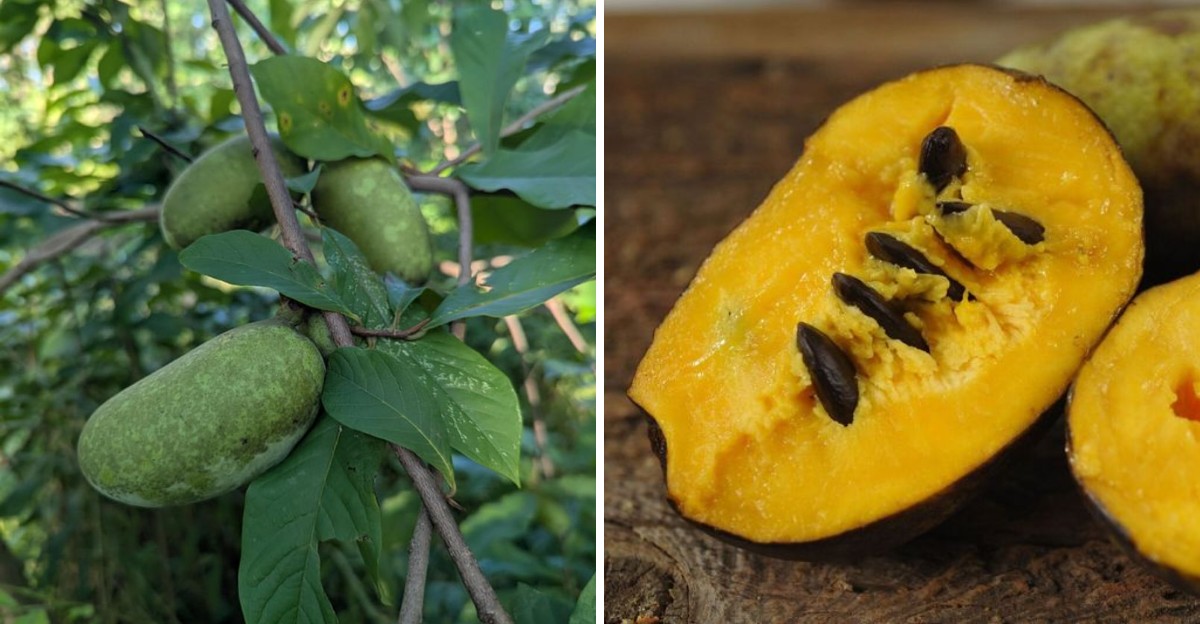
Many Texans have never tasted it and yet this native fruit has been ripening in Texas landscapes every September for thousands of years, long before anyone thought to cultivate it or give it a place in the modern fruit conversation.
It’s strange looking, tropical tasting, and nothing like anything you’d find at a grocery store. The flavor stops people the first time they try it, usually in a way that makes them immediately wonder why nobody told them about it sooner.
September is the window. It’s brief and it’s specific, and fruit that isn’t harvested at exactly the right moment either falls to wildlife or goes past peak before most people even know it was ready.
Texas has a native fruit worth knowing about, worth seeking out, and for the right gardener, absolutely worth growing. Here’s everything you need to know about it before this September’s window closes.
The Unusual Native Fruit Ripening In September
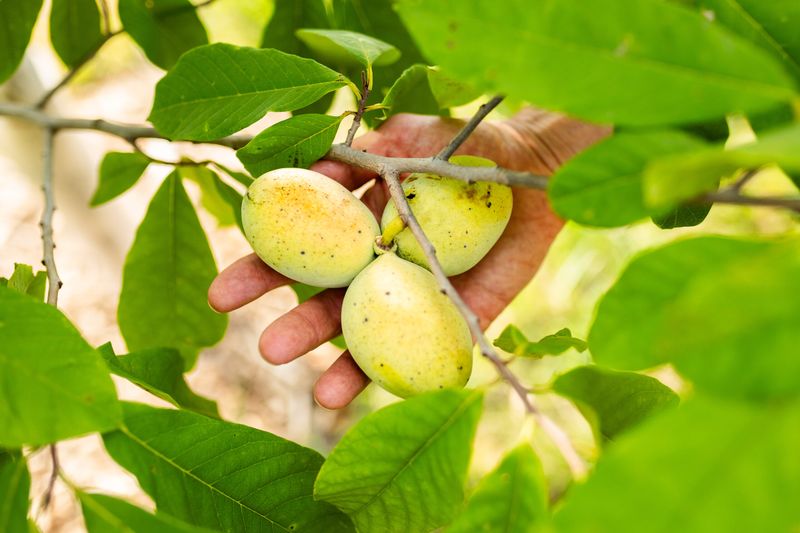
Picture biting into a fruit that tastes like a banana mixed with mango, yet it grows right here in North America. That is the pawpaw, and it surprises almost everyone who tries it for the first time.
The pawpaw is the largest fruit that grows naturally on this continent. It hangs from small trees that thrive in the woods, and its green skin hides a creamy, sweet inside.
In suitable parts of East Texas, pawpaw can handle local winters and summers when grown in moist, well-drained conditions.
People often expect something crunchy like an apple, but pawpaw is soft and custard-like. The pulp is smooth and rich, almost like pudding straight from the tree. Inside, you will find large brown seeds that are easy to spot and simple to remove.
What makes the pawpaw special is how rare it feels. Because pawpaws are highly perishable, they are rarely found in grocery stores, but you can grow them, find them in the wild, or occasionally buy them at farmers’ markets and specialty outlets.
September is the magic month for many pawpaw trees. The fruit slowly softens through late summer, and by early fall it reaches its peak flavor. This timing makes it a fun end-of-summer treat for anyone paying attention.
Native people and early settlers enjoyed pawpaws long ago, using them fresh or in simple dishes. Today, curious gardeners and food lovers are bringing this old favorite back into the spotlight. Once you taste one, you understand why this weird little fruit has such loyal fans.
Where Pawpaws Grow Naturally In Texas
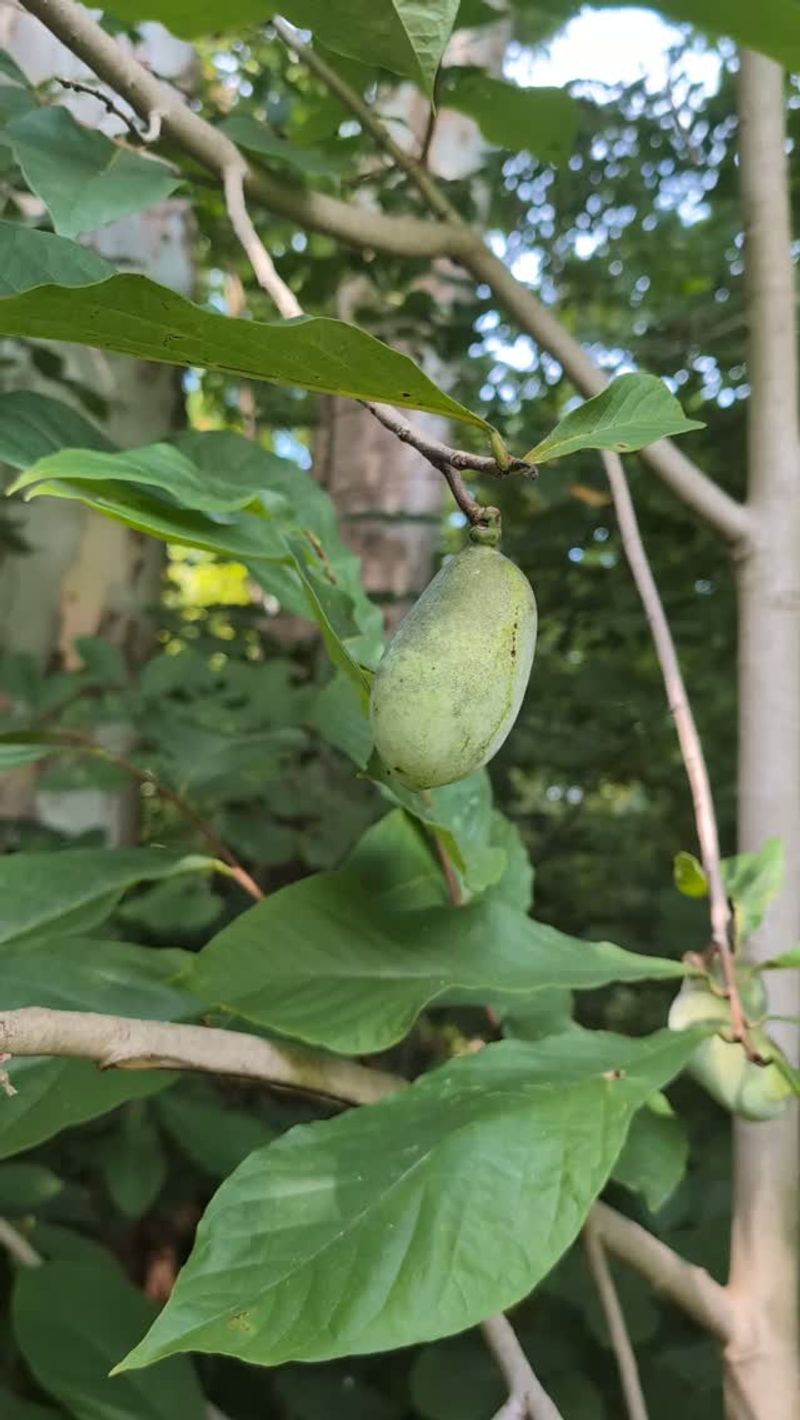
Head toward the eastern edge of Texas, and you enter pawpaw country. This part of the state has the moist, wooded land that these trees love most.
Pawpaws grow best in East Texas, especially near rivers, creeks, and bottomland forests. They enjoy soil that stays damp but not soggy, and they like plenty of shade when they are young.
You will often spot them tucked under taller trees where sunlight is soft and filtered. The Piney Woods region is a favorite home for pawpaws. Areas around the Sabine, Neches, and Trinity rivers give the trees the water and cool conditions they need.
Your Texas Garden Changes Every Week. Your Plan Should Too.
Gardening in Texas changes quickly throughout the season. Every Friday you’ll receive a simple weekly plan showing exactly what to plant, prune, fertilize, harvest, and protect so you never miss the right timing.
These low, shady spots feel almost like a green tunnel during summer. Young pawpaw trees actually need shade to survive their early years. As they grow taller and stronger, they can handle a bit more sun.
This is why you usually find them growing in clusters, protected by the forest around them. If you go looking for wild pawpaws, keep your eyes near stream banks and low forest floors. The trees have wide, droopy leaves that turn golden in fall.
Their shape and leaf pattern make them easier to notice once you know what to search for. Gardeners in other parts of Texas can grow pawpaws too, but they must copy those natural conditions. That means giving young trees shade, rich soil, and steady water.
With a little care, pawpaws can grow well outside their wild range. Knowing where they belong helps you find them faster. The moist eastern woods remain the true heartland for this quiet native fruit.
How To Tell When A Pawpaw Is Ripe
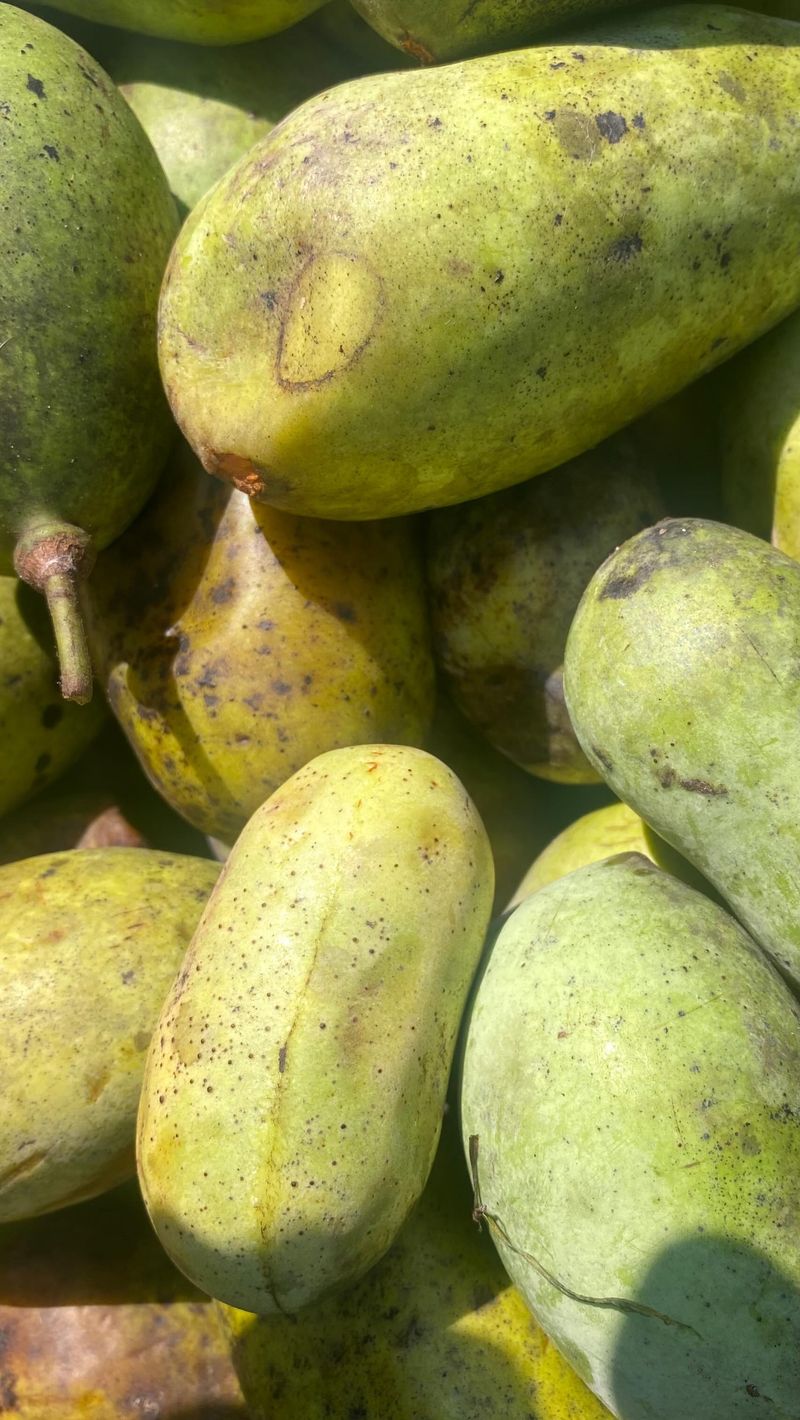
Timing is everything with pawpaws, and knowing the signs of ripeness saves you from a disappointing bite. A pawpaw picked too early will taste bland and firm.
The easiest clue is softness. Gently press the fruit with your fingers, and if it gives a little like a ripe peach, it is ready.
A hard pawpaw needs more time on the tree. Color also changes as the fruit ripens. Many pawpaws shift from a bright green to a paler, slightly yellow shade.
Some develop light brown spots on the skin, which is perfectly normal and not a sign of trouble.
Smell offers another helpful signal. Ripe pawpaws give off a sweet, fruity scent that reminds people of tropical fruit. If you catch that aroma near the tree, ripe fruit is likely close by.
Because ripe pawpaws are so soft, they bruise the moment you handle them roughly. Their tender skin cannot protect the creamy pulp inside like tougher fruits can. This is why grocery stores rarely carry them.
A gentle wiggle test works well too. Lightly hold the fruit and give it a small twist. If it separates from the branch easily, it has reached its peak and is ready to enjoy.
Keep in mind that pawpaws do not all ripen at once. On a single tree, some fruit may be ready while others still need days. Checking often during September helps you catch each one at its best.
Once you learn these signs, spotting a ripe pawpaw becomes second nature. A little patience rewards you with the sweetest possible taste.
What Pawpaw Fruit Tastes Like
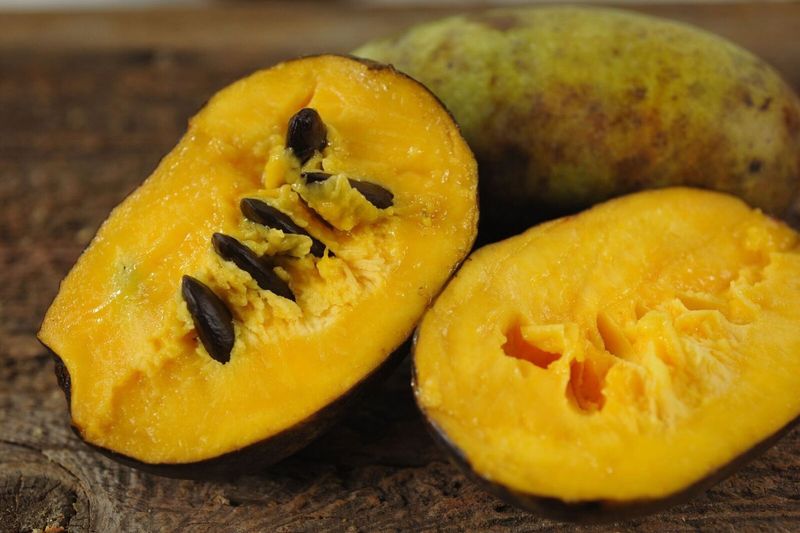
Imagine scooping soft custard from a fruit that grew in the woods. That is the closest way to describe biting into a ripe pawpaw for the first time.
The flavor is famously tropical. Most people taste a blend of banana and mango, with hints of pineapple or melon mixed in. It feels bright and sweet, almost like a dessert made by nature.
The texture surprises people just as much as the taste. Pawpaw flesh is smooth and creamy, more like pudding than a crisp fruit. You do not chew it so much as let it melt in your mouth.
Its color inside ranges from pale yellow to a soft orange. This creamy pulp surrounds several large, dark seeds that you simply spit out or set aside. The seeds are not for eating, so keep them out of recipes.
Some pawpaws taste richer than others, and flavor can change from tree to tree. A fully ripe one tends to be the sweetest and most fragrant. An underripe pawpaw may taste flat or slightly bitter.
Because the flavor is so strong and sweet, a little goes a long way. Many first-timers eat just half a fruit and feel satisfied. It works like a natural treat with no sugar added.
The tropical taste feels almost out of place for a fruit that grows in Texas woods. That surprise is part of the fun. People who love bananas or mangoes usually fall for pawpaws right away.
Once you experience that creamy, fruity flavor, you understand why fans get so excited every September.
Why Pawpaws Ripen In Late Summer And Early Fall
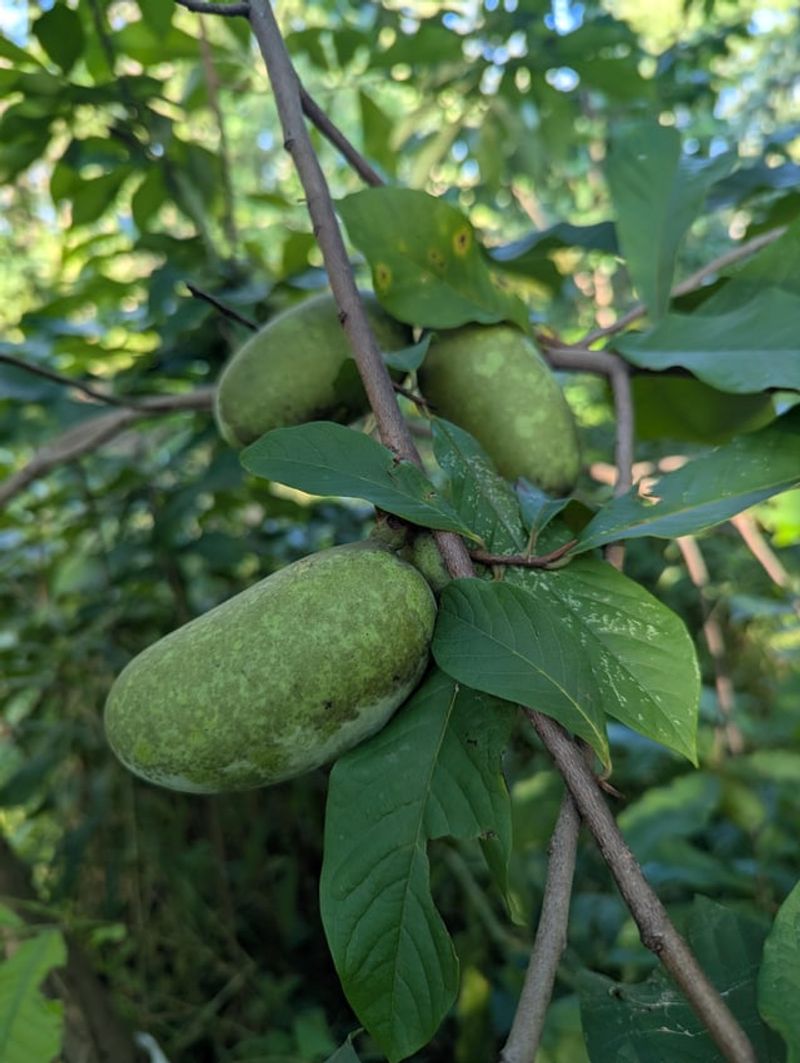
Nature follows a steady schedule, and pawpaws are no different. Their whole growing cycle points toward one goal, ripe fruit in early fall.
The journey starts in spring when the trees bloom with dark, unusual flowers. These blooms turn into small green fruits over the warm months. All summer long, the pawpaws slowly grow larger and store up sugar inside.
Heat and time work together to sweeten the fruit. As Texas summer warmth builds, the pawpaws keep developing their creamy pulp. By late summer, they have gathered enough energy to reach full size.
September becomes the sweet spot because the fruit finally softens and ripens. The long, warm days give pawpaws exactly what they need to finish the process. Cooler nights of early fall often help push them to peak flavor.
In suitable Texas locations, this timing lines up almost perfectly. Trees near water and shade tend to ripen right around this stretch. That is why September gets so much attention from pawpaw hunters.
Weather each year can shift the timing a little. A hot, dry summer might speed things up, while a cooler one may slow them down. Checking your local trees is the best way to know for sure.
The short ripening window makes pawpaws feel extra special. They arrive, they shine for a few weeks, and then the season fades. This quick appearance keeps fans watching closely every year.
Understanding the cycle helps you plan your visits and harvests. When September rolls in, it is time to start checking those trees for softness and that sweet, telltale scent.
How To Harvest Pawpaw Without Damaging The Fruit
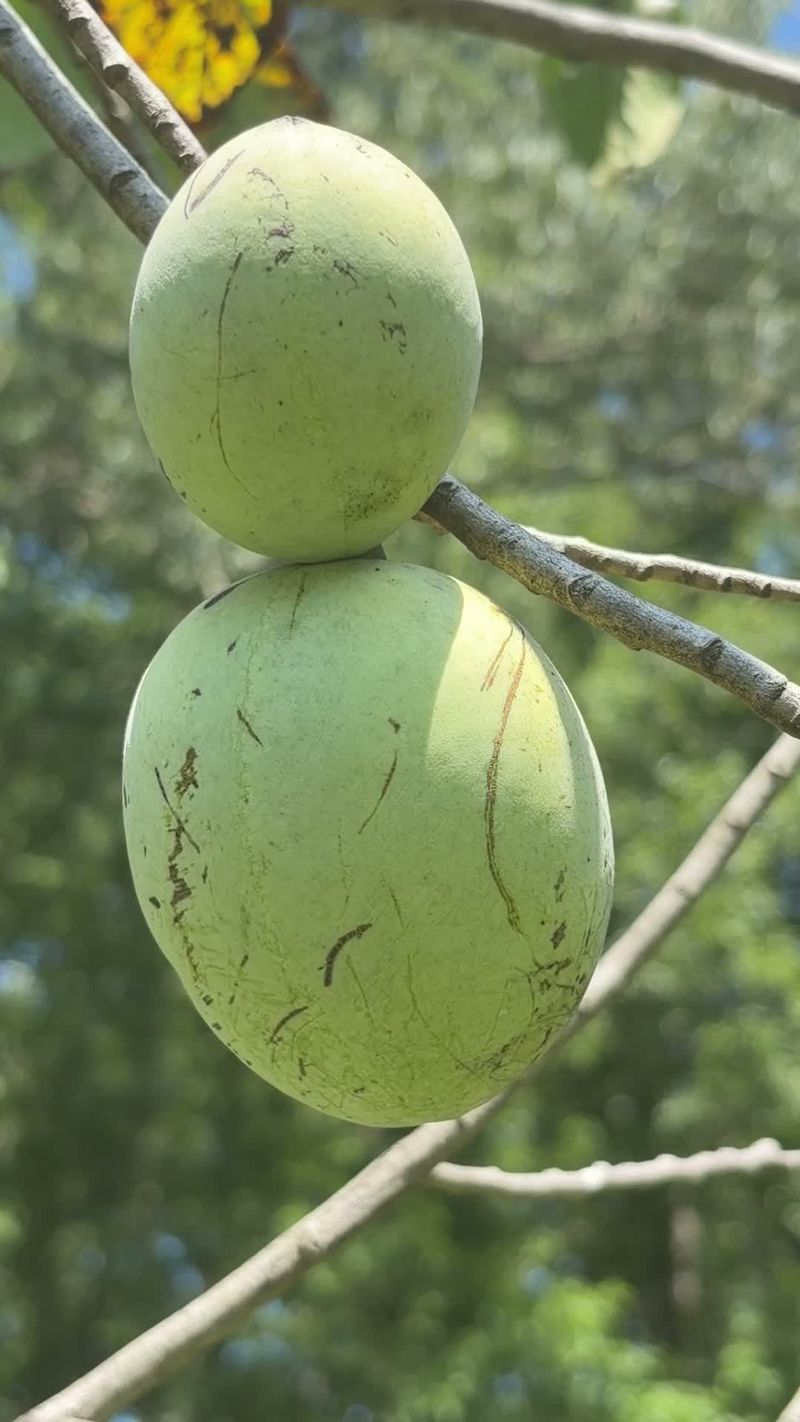
Handling pawpaws takes a soft touch, almost like carrying an egg. Their tender skin bruises the moment you squeeze too hard.
The best method is a gentle twist. Cup the ripe fruit in your hand and give it a light turn. If it is truly ready, it will release from the branch without any pulling or force.
Never yank a pawpaw off the tree. Rough tugging can tear the fruit or bruise the creamy pulp inside. Patience keeps your harvest smooth and clean.
Fallen fruit can be a helpful sign too. When ripe pawpaws drop to the ground, it often means the whole tree is reaching its peak. Check the ground beneath the branches for fresh, undamaged ones.
Carry your pawpaws in a soft basket or padded container. Piling them tightly or tossing them in a bag leads to bruising. Give each fruit a little space so they stay in good shape.
Because they are so delicate, pawpaws do not store for long. Plan to enjoy them within a few days of picking. If you need more time, you can chill them briefly to slow softening.
Gloves are not needed, but clean hands help since you will handle the fruit gently. Move slowly and treat each pawpaw with care as you go.
A pawpaw can be picked before it is fully ripe and allowed to ripen indoors, although fully softened fruit should be eaten promptly. Waiting for that soft, fragrant stage rewards you with the finest flavor.
With a calm, careful approach, you can gather a basket of pawpaws without a single bruise. Gentle hands make all the difference here.
What To Do With Fresh Pawpaw Fruit
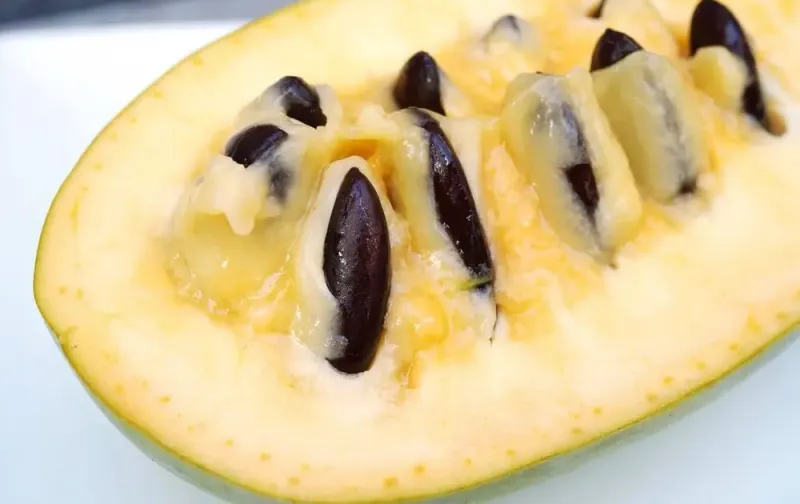
You have a ripe pawpaw in hand, so now comes the best part, eating it. The simplest way is also one of the tastiest.
Just slice the fruit in half and scoop out the soft pulp with a spoon. Eating it fresh lets you enjoy that creamy, tropical flavor at its purest. Remember to remove the large seeds before you take a bite.
Pawpaw pulp shines in desserts too. Many people blend it into ice cream, pudding, or custard for a rich, fruity twist. Its natural sweetness means you often need less added sugar.
Baking with pawpaw is another fun idea. The pulp works beautifully in quick breads, muffins, and cakes, much like mashed banana does. It adds moisture and a lovely tropical taste to your treats.
Smoothies are a quick and easy option. Toss a scoop of pulp into a blender with milk, yogurt, or juice. In seconds, you get a creamy drink that tastes like a tropical getaway.
You can also freeze extra pulp for later. Scoop it into a container and store it in the freezer for a few months. This lets you enjoy the flavor long after September ends.
Because pawpaws do not keep long fresh, using or freezing them quickly is smart. A little planning helps you make the most of every fruit you gather.
Try eating some fresh and saving the rest for recipes. That way you get the full experience of this rare native treat.
However you enjoy it, the pawpaw offers a taste of the tropics grown right in Texas soil. That surprise makes every bite worth the wait.