What To Do When California Container Plants Start Drying Out Faster Than Expected
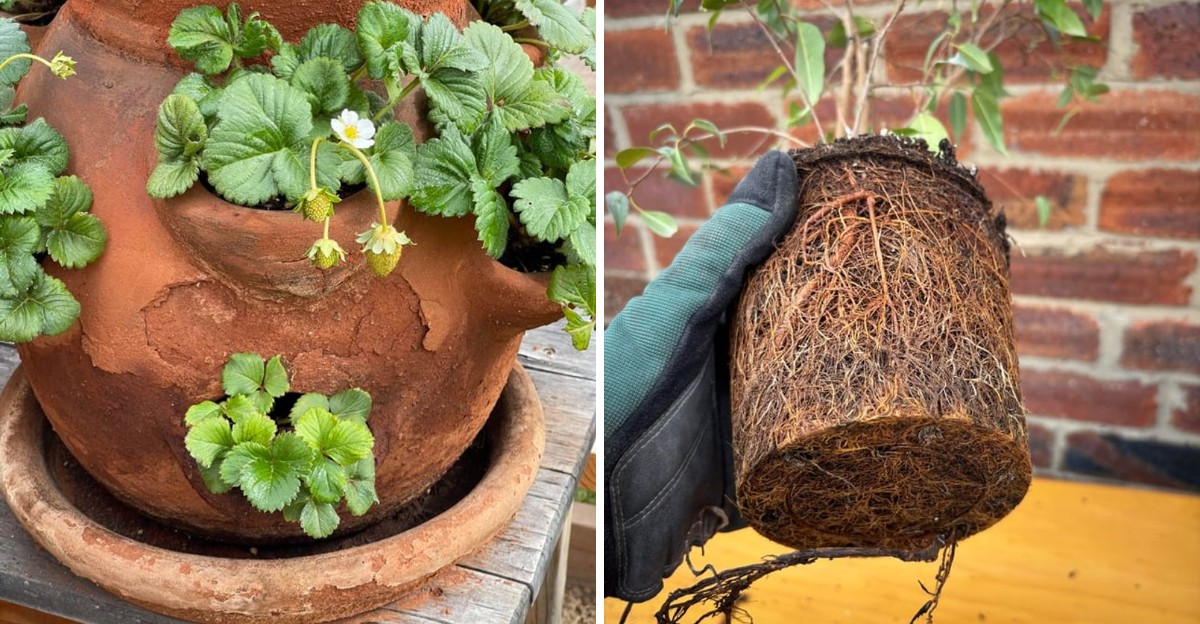
Day one: your potted plant looks perky and proud. Day two: a little slump by lunch. Day three: full dramatic collapse before dinner, like it just read a sad novel.
Sound familiar? You water. It bounces back. Then the whole routine starts again the next day.
Nothing about the weather seems different. Same sun. Same spot. Same you, with the same trusty hose.
So what gives?
Many gardeners blame themselves first. Maybe a missed day. Maybe not enough water. Maybe the plant just holds a grudge.
The real reason tends to hide somewhere less obvious. Sometimes it sits right under your nose. Sometimes it lurks where nobody bothers to look. And sometimes more than one sneaky factor teams up at once.
The good news is that thirsty pots leave clues. A few are easy to spot. Others take a little detective work and a curious pair of hands.
Ready to crack the case of the pot that cannot stay hydrated? Go grab that hose. It may finally get a break.
1. Check For Roots Filling The Entire Pot
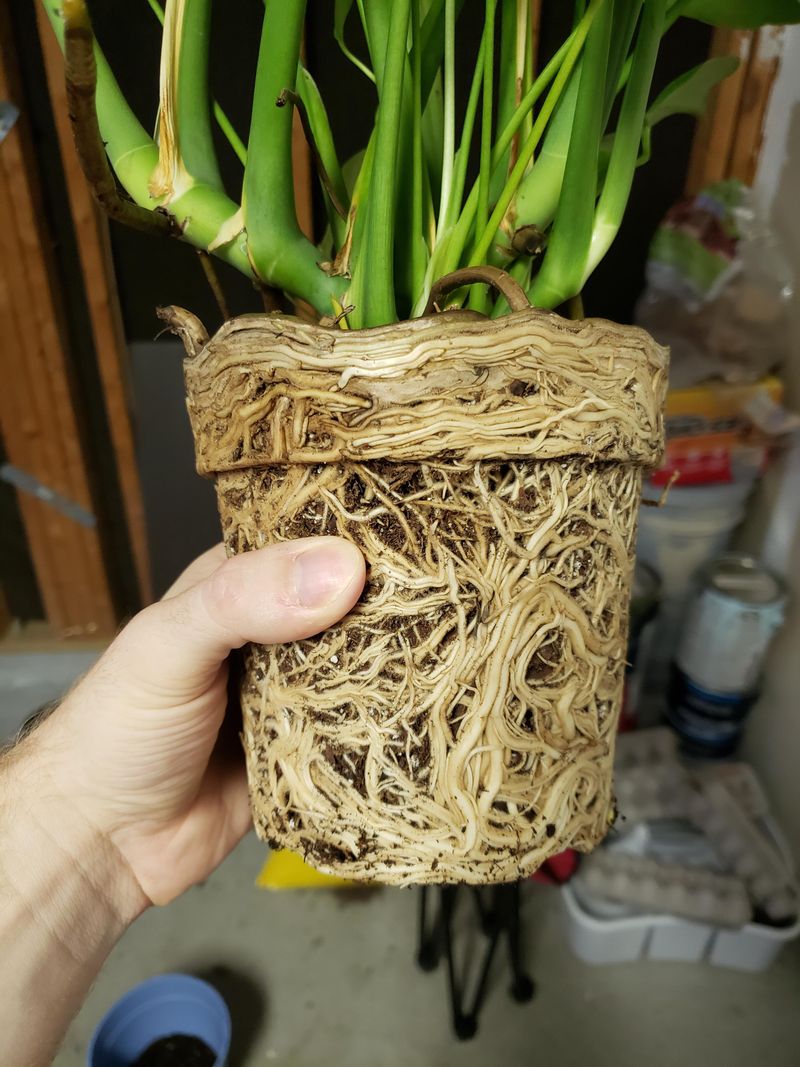
A suitcase stuffed with shoes has zero room for sweaters. A root-bound pot runs into the same problem, only with water.
Roots spread as a plant grows. Month by month, they claim more space inside the pot. Roots do not hold water the way soil does. So a pot packed with roots has less soil left to store moisture.
Plants that outgrow their pots often need water much more frequently.
The check itself is easy. Water the plant lightly and wait about an hour. Tip the pot on its side and gently slide the plant out.
Now comes the big reveal, so get ready for a little plant peekaboo. A thick mat of roots wrapped around the outside of the soil is a strong clue. Roots that poke out of the drainage holes point the same way.
Other signs back up the case. Water may rush through the pot and out the bottom in seconds. The soil may pull away from the sides and leave a gap where water escapes. Growth may slow down even with regular fertilizer.
A crowded pot can team up with other causes too. A plant can be cramped and stuck in a windy spot at the same time.
Still, a root check is quick, free, and often solves the mystery on the spot. Your plant is not being dramatic. It just needs a bigger apartment.
2. Wind Exposure Pulls Moisture Out Fast
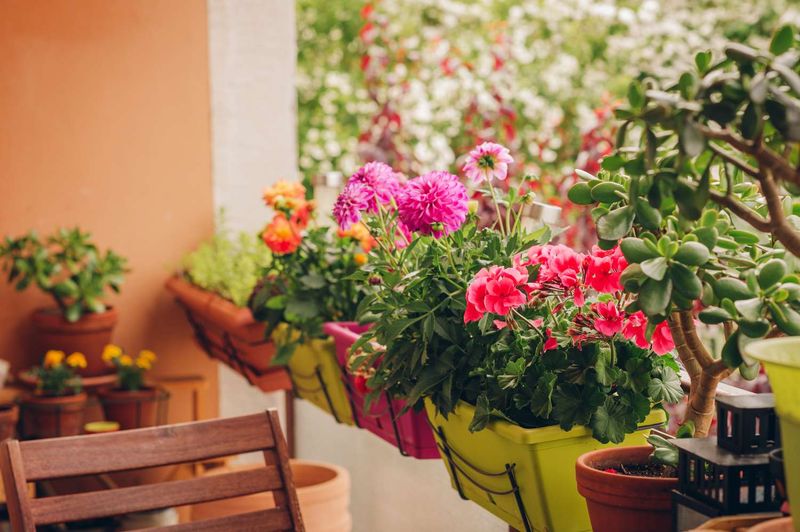
A wet towel dries faster on a breezy day than on a still one. Potted plants feel that same effect. Wind ranks among the sneakiest reasons a pot suddenly needs extra water.
Moving air carries moisture away from leaves and the soil surface. Plants also lose more water through their leaves in a breeze. That forces roots to pull harder from the pot. Heat and low humidity pile on even more loss.
California has some famous winds. Dry Santa Ana gusts sweep through Southern California. Strong coastal breezes roll in up north. Either one can dry a small pot in a single afternoon.
Your California Garden Changes Every Week. Your Plan Should Too.
Gardening in California changes quickly throughout the season. Every Friday you’ll receive a simple weekly plan showing exactly what to plant, prune, fertilize, harvest, and protect so you never miss the right timing.
Small changes around the yard can matter too. A new gap in a fence can do it. So can a freshly trimmed hedge or a move to an upper balcony.
This is where your neighborhood-watch skills come in handy. Look beyond the weather report and notice what changed near the plant. Check the leaves for crispy brown edges, especially on the side that faces the breeze.
Compare pots in sheltered corners with ones out in the open. Open pots that dry much faster give you the answer.
Scoot them next to a wall, behind a trellis, or behind larger plants. A simple screen can make a surprising difference.
Your plants will appreciate the windbreak. After all, nobody enjoys a bad hair day, not even a fern.
3. Porous Containers Lose Water Through Their Walls
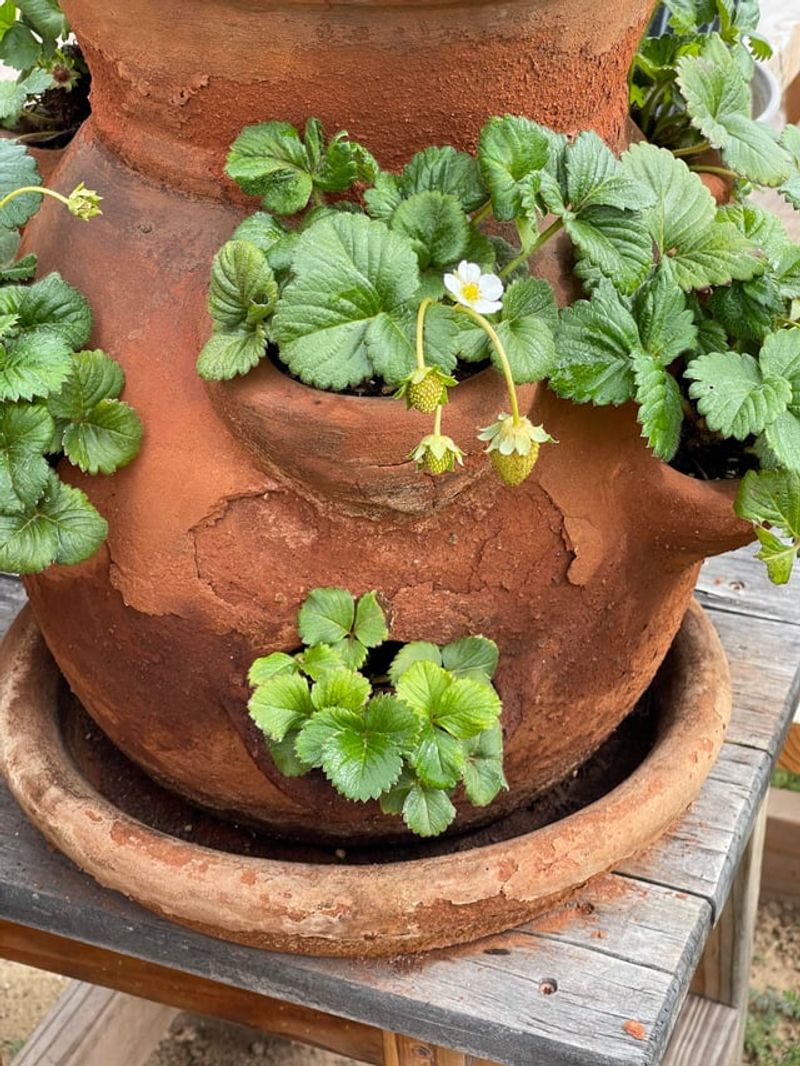
Terracotta pots look lovely. That warm orange color brings instant Mediterranean charm. Gardeners have trusted clay for thousands of years. Yet those pretty walls hide a secret habit. They breathe.
Unglazed clay is full of tiny holes too small to see. Water from the soil soaks into the clay and travels to the outside. Then it evaporates into the air. Your plant loses water through the sides of the pot, not just from the top.
A quick touch test tells you a lot. Feel the outside of the pot right after you water. A cool, darker surface means the clay is soaking up moisture. A white, crusty film is another clue, since minerals stay behind as water escapes.
Now, before you glare at your clay pots, give them some credit. Porous pots help prevent soggy roots. Succulents and herbs that like to dry out love them.
The trouble starts when a thirsty plant, like a fern or tomato, lives in clay through a hot inland summer.
Luckily, you have options. Move thirsty plants into glazed ceramic, plastic, or resin pots. Another trick is to slip a plastic nursery pot inside a clay one. You keep the look and slow the water loss.
Fabric grow bags behave a lot like clay, so give those a check too.
Clay pots mean well. They are just a little too generous with the plant’s water. Kind of like a friend who shares your fries without asking.
4. Old Potting Mix Holds Less Water Over Time
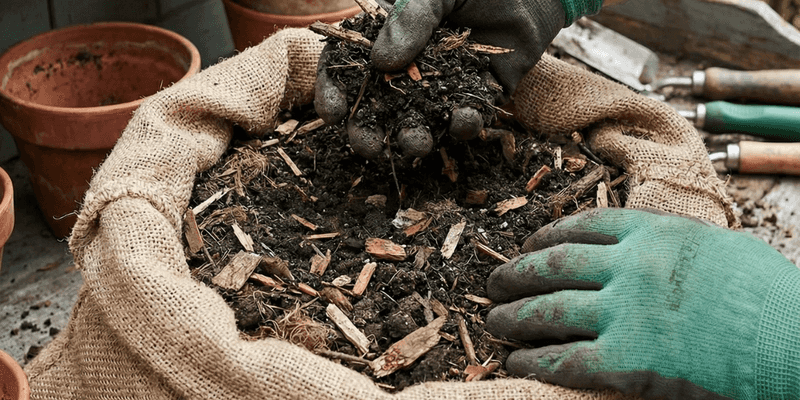
Container mix behaves a bit like bread. Fresh from the bag, it feels fluffy and springy. A few years later, it turns dense, crumbly, and a little sad.
Most mixes contain organic material like peat, coconut coir, or bark. Over time, tiny soil organisms break those materials down. The pieces shrink, the air pockets collapse, and the mix loses its structure. That structure once held water well.
Here comes the strange part. Old mix can drain poorly and still dry out fast. The surface may crust over, so water runs off before it soaks in.
Peat that dries out completely can even repel water. It beads up on top like rain on a freshly waxed car.
Time for a quick soil checkup, and you already have the right tools: your fingers and your eyes. The soil level sits well below the rim. The mix feels hard or powdery instead of spongy. Water pools on top or rushes down the edges and out the bottom.
A plant stuck in the same mix for two years or more raises extra suspicion.
The best fix is fresh, quality mix. For a quick rescue, soak the whole pot in a tub of water for about twenty minutes. That gives dry soil a chance to rehydrate.
Skip plain garden dirt, since it packs down hard in pots. Nobody likes to sleep on a stale mattress, and roots feel the same way.
5. Repotting Solves A Root Bound Problem
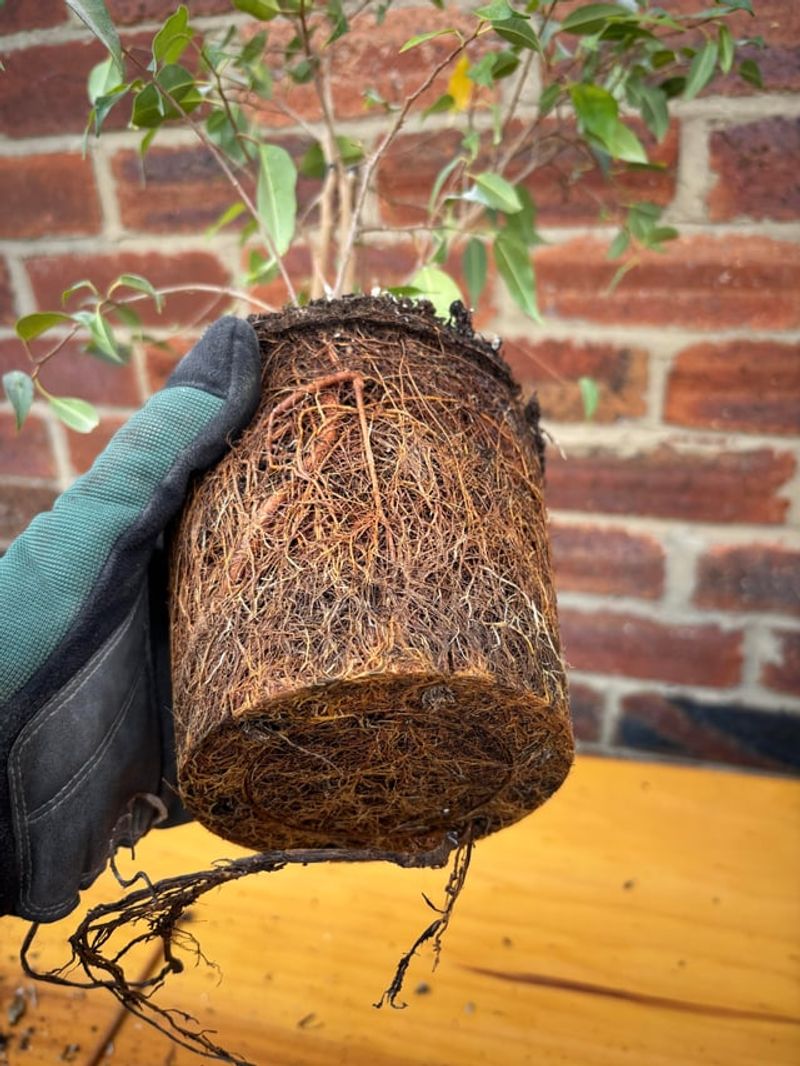
One California gardener watered her crowded lemon tree twice a day all summer. After one afternoon with a new pot, she was back to every few days. Sometimes the fix really is that simple.
Extra water will not help a pot jammed with roots. There is simply no room to hold it. More soil is the real answer.
Pick a container only slightly larger than the old one. About one to two inches wider usually works well.
A huge jump in size can backfire. Too much extra soil can stay soggy around small roots and lead to rot. A modest step up gives the plant room to grow and keeps moisture balanced.
Roll up your sleeves, because this part gets messy.
Water the plant the day before so the root ball slides out easily.
Gently loosen circling roots with your fingers. Very tight roots may need a few shallow cuts down the sides.
Set the plant in the new pot at the same depth. Fill around it with fresh mix, then water well.
Mild seasons suit this job best in California. Spring and fall put less stress on the plant.
Some plants are already too big to move up. In that case, trim some roots and replant in the same pot with fresh soil.
Your plant gets more elbow room, and you get your evenings back. That is a win for everyone, lemons included.
6. Grouping Pots Together Reduces Water Loss
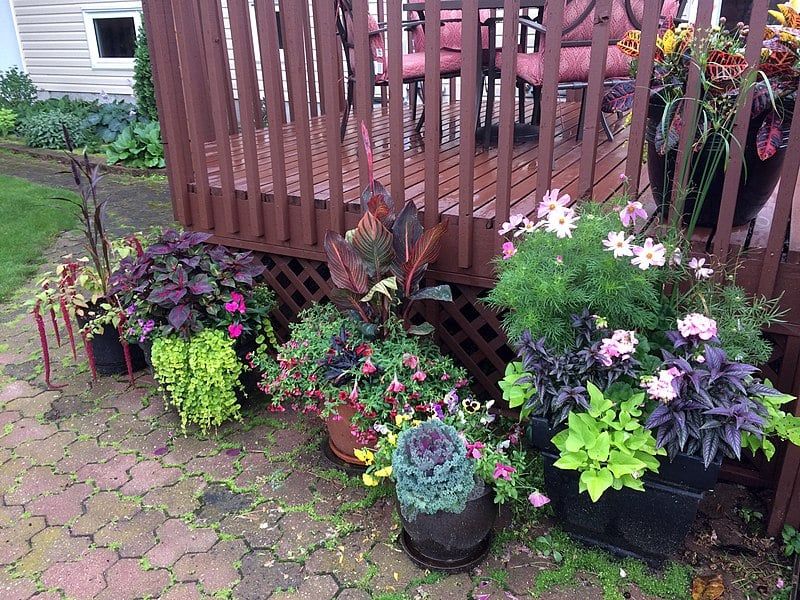
Plants may not throw parties, but they do enjoy a crowd. A cozy cluster of pots ranks among the easiest ways to slow down how fast they dry.
A lone pot takes sun and wind from every side. A group works differently. The pots shade each other and block some of the breeze. The leaves also release moisture, which nudges up the humidity between them.
Arrangement matters here. Place taller, tougher plants on the side that faces the wind or hot afternoon sun. Tuck smaller or thirstier plants behind them, where things stay calmer and cooler.
Leave a little room for air flow so leaves do not stay wet and invite disease.
This is where your inner interior designer finally gets to shine outdoors. A tight cluster also saves you steps. Pots that sit close together are easier to water with one hose trip or a small drip system.
You will also spot a problem pot sooner. One that dries faster than its neighbors can point back to a root or soil issue.
Hot pavement deserves attention too. Concrete and dark decks bounce heat up into pots, especially in inland valleys. A raised stand or a lighter surface keeps roots cooler.
Together, those small changes can stretch the time between drinks. Your pots get a support group, and honestly, some of them have been through a lot this summer.
7. Match Your Watering To The Real Cause
More water feels like the natural answer when a plant wilts. It works for a day, maybe two. Yet it rarely fixes the real issue.
This works like a doctor who treats a cough and skips the question of why you feel sick. Each cause needs its own solution. Crowded roots call for a bigger pot. Wind calls for shelter or a cluster. Clay pots may need a switch or a plastic liner. Worn-out mix needs a fresh batch.
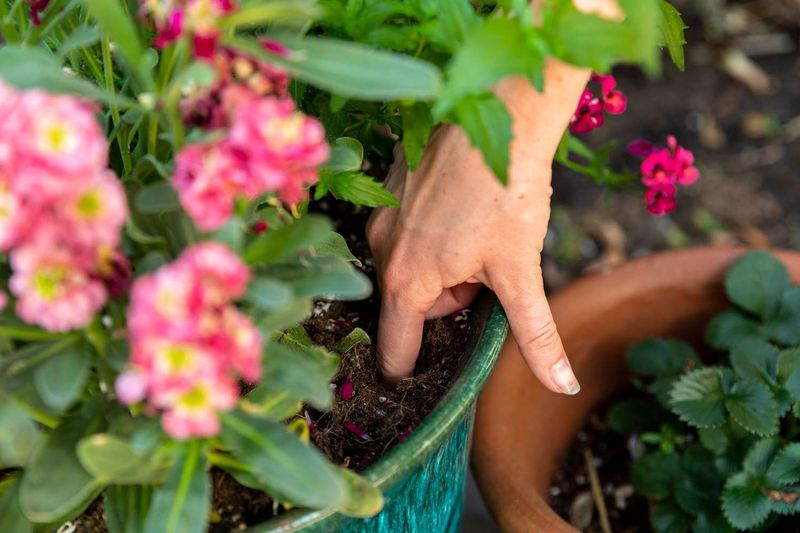
Now for a simple routine that turns you into the Sherlock of the patio. Push a finger two inches into the soil each morning. Note when it feels dry.
Jot down each pot’s material, its spot, and how long since it last moved to a new pot. Patterns show up quickly.
Plenty of pots juggle more than one problem at once. An old terracotta pot with tired soil on a windy balcony loses water three ways. One fix can help. All three can change the whole picture.
The way you water matters too. Pour slowly until water drains from the bottom, so the whole root zone gets wet. A layer of mulch on top slows evaporation as well.
California counts every drop, and smarter fixes save both water and plants. Your pots stay happier, your water bill shrinks, and your evenings finally belong to you again.
The hose can take a well-earned vacation. Somebody should send it a postcard.
8. Dark Pots Soak Up Extra Heat
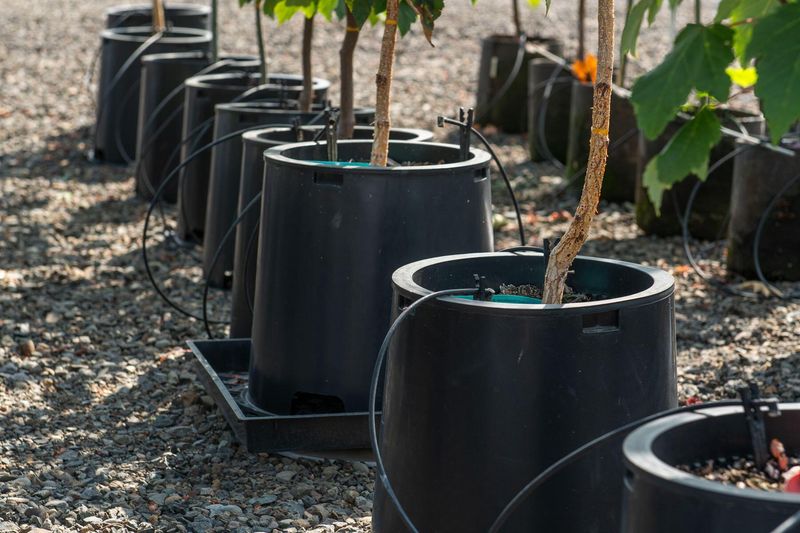
A black car in a sunny lot turns into a toaster by noon. Dark pots follow the same rule. They absorb sunlight and pass that heat straight into the soil.
Warm soil loses moisture faster. Roots near the sides of the pot feel the heat first. On a hot inland afternoon, the outer layer of mix can get surprisingly toasty. Stressed roots then struggle to take up water, even from damp soil.
That explains a puzzling scene. The plant wilts in the afternoon, yet the soil still feels a little moist. Heat, not thirst alone, may be the real troublemaker.
Now go give your pots a quick pat on a sunny afternoon. A pot that feels hot to the touch gives its roots a sauna session they did not book. Dark plastic and metal containers tend to heat up the most.
A few easy fixes can cool things down. Move heat-sensitive plants to a spot with afternoon shade. Swap dark pots for lighter colors that reflect sun.
Another trick is to slip a dark pot inside a larger, pale one. The air gap between them acts like insulation.
Shade cloth over a patio corner can help too. So can a cluster of pots, since the outer ones shield the inner ones.
Cooler roots drink more efficiently, so every splash goes further. Your plants may skip the sunscreen, but they will happily take a parasol.