What Georgia Dahlias Need As Temperatures Begin To Cool This Fall
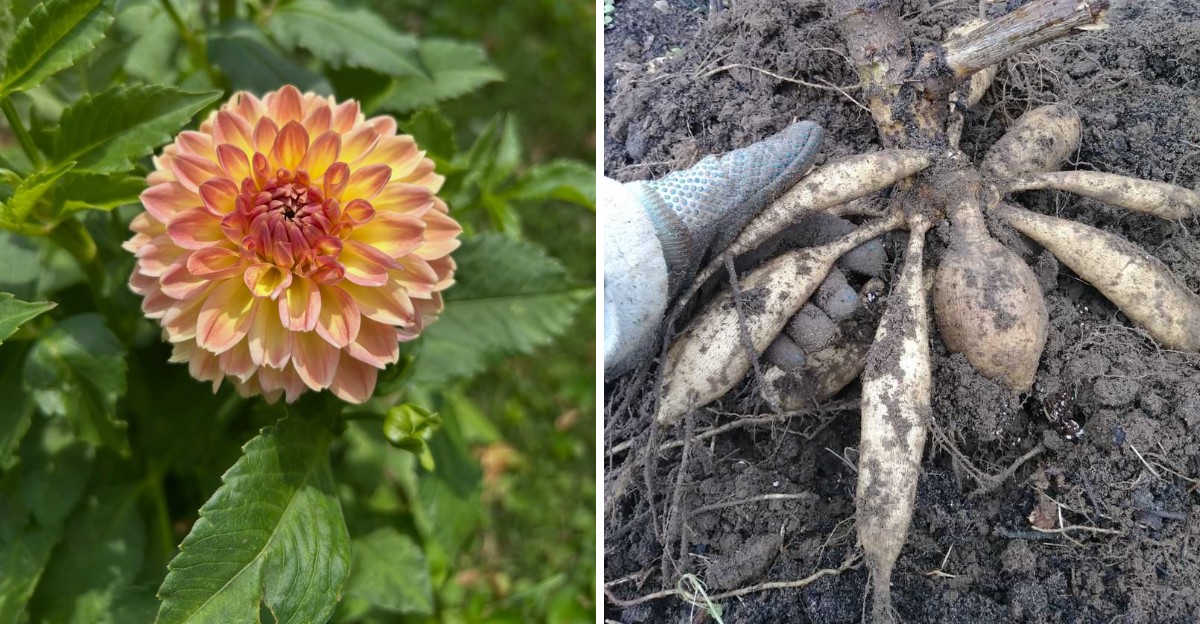
Dahlias can look impressive as cooler weather begins, but the change in temperature signals a turning point. What you do next should follow the plant, not impatience.
Those fading flowers and tired leaves can make an immediate cleanup feel like the obvious choice.
Yet dahlias are still moving through a seasonal transition that deserves time. In Georgia, chilly nights do not always mean every plant needs the same response.
So watch what happens above ground before deciding what should happen below it.
Your next steps depend on both the weather and how you plan to grow dahlias next year. Rushing this stage can make a simple fall task harder than necessary.
Let the season give you the signal, then handle your dahlias with their next growing season firmly in mind.
1. Cooler Days Can Bring Some Of The Best Dahlia Flowers
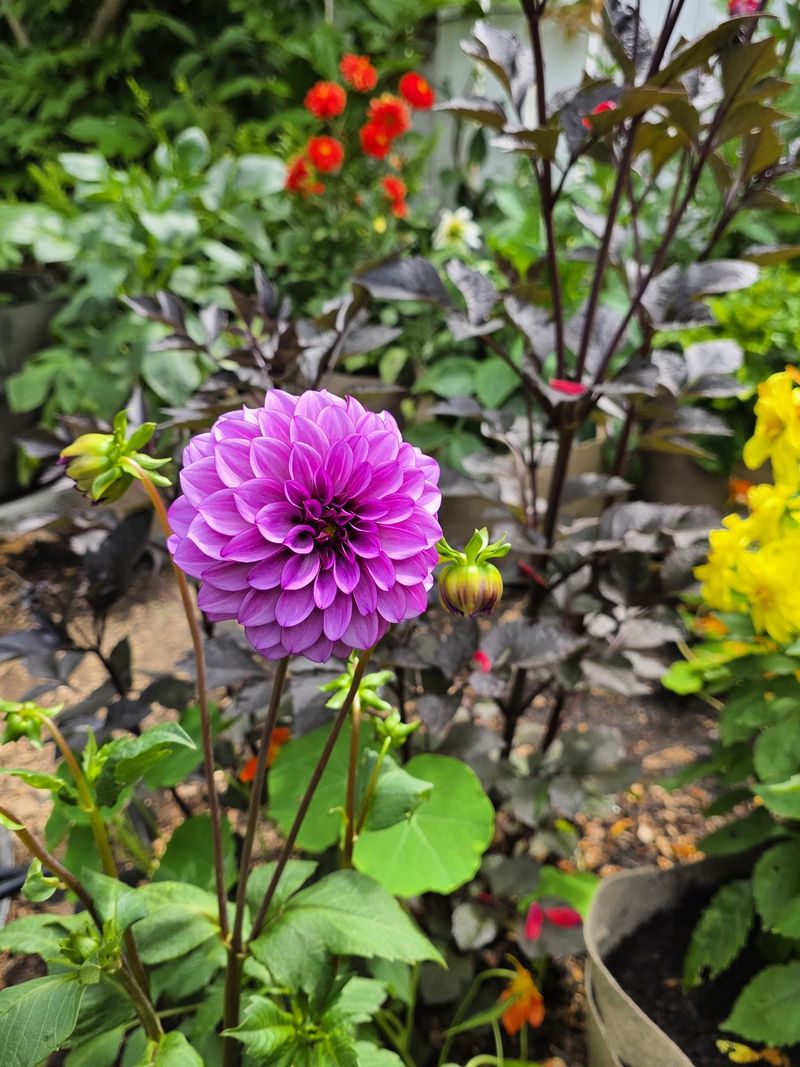
Dahlias tend to peak when the heat finally breaks. Summer in Georgia can be rough on them, and blooms often come out smaller or slightly faded during the hottest weeks.
Once nighttime temperatures settle into the 60s, flowers usually get larger and colors look richer. Petals also hold their shape longer without blazing afternoon sun beating them down.
That change is not magic, just less stress on the plant.
Dahlias grow best in moderate conditions, so cooler air lets them put energy into flowers instead of survival. Gardeners who kept plants alive through August often get their best show in September and October.
Keep taking cut flowers during this stretch.
Cutting encourages more buds, and fall stems tend to last well in a vase. Morning is the better time to cut, before the sun warms the blooms.
Watch for a few pests that linger into fall, like spider mites and thrips.
Cooler weather slows some insects down, though not all of them, so a quick look under leaves every few days helps. Catching a problem early is far easier than fixing it later.
Bloom quality still depends on sunlight, soil, and how the plant was treated earlier in the year.
Plants that struggled all summer may not bounce back much, but healthy ones often surprise you.
2. Keep Watering Deeply When Fall Weather Turns Dry
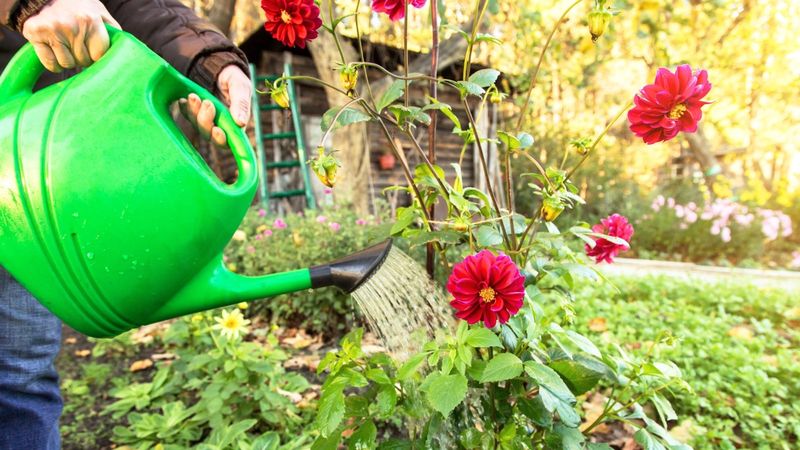
Cooler air fools a lot of people into watering less. Fall in this part of the South can be surprisingly dry, and dahlias still need steady moisture while they are blooming.
Their tuber systems sit fairly shallow, so a quick sprinkle rarely reaches where it matters. Slow, deep soakings work far better than daily light watering.
Aim for moist soil several inches down, not soggy mud.
Dahlias dislike standing water, especially as temperatures drop, since cool wet soil raises the risk of rot. Good drainage matters more in fall than it did in June.
Check the soil with your finger before dragging out the hose.
If the top inch feels dry but there is dampness underneath, you can usually wait another day. Container-grown dahlias dry out faster and often need attention more frequently.
Your Georgia Garden Changes Every Week. Your Plan Should Too.
Gardening in Georgia changes quickly throughout the season. Every Friday you’ll receive a simple weekly plan showing exactly what to plant, prune, fertilize, harvest, and protect so you never miss the right timing.
Water at the base rather than over the top of the plants.
Wet foliage sitting overnight in humid Georgia air can encourage powdery mildew, which shows up on a lot of dahlias late in the season. Morning watering gives leaves time to dry.
Mulch helps hold moisture steady through dry spells.
A couple of inches of pine straw or shredded leaves keeps the root zone from swinging between bone dry and drenched. Rainfall varies year to year, so adjust as conditions change.
3. Heavy Fall Blooms May Need Extra Support From Stakes
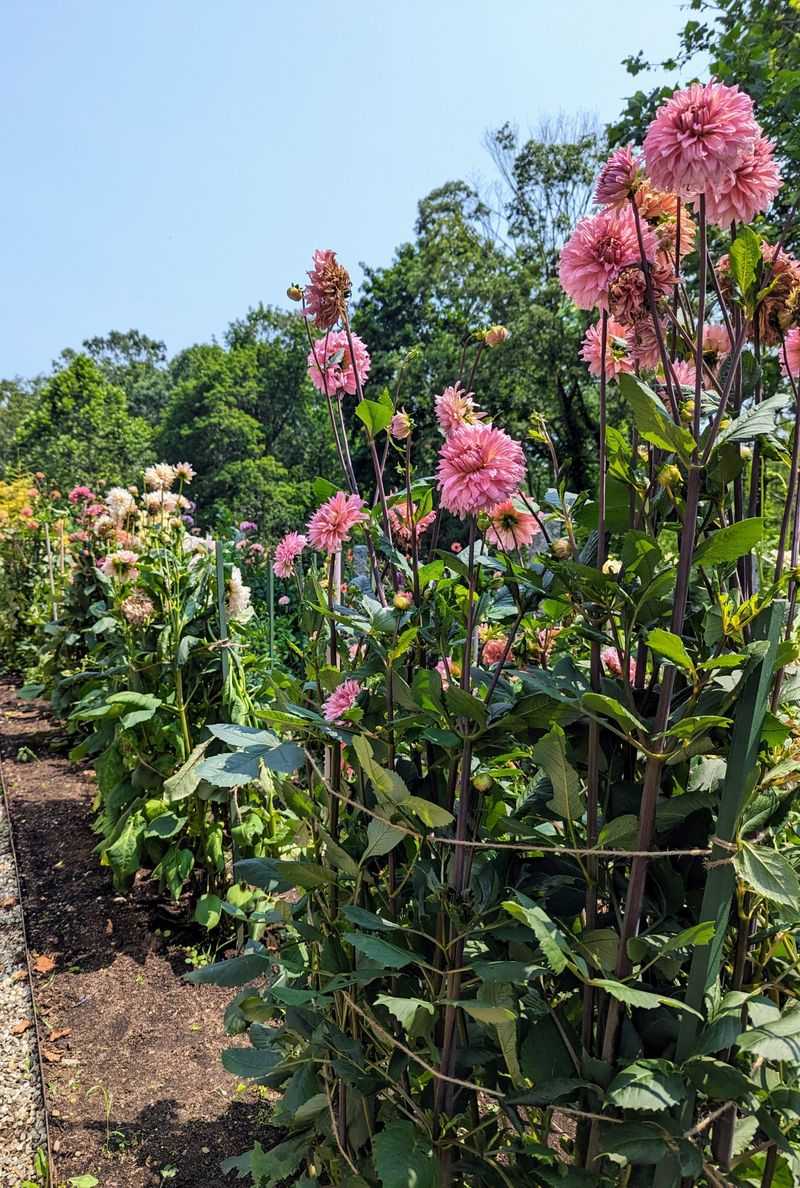
A single fall rainstorm can flatten a dahlia that stood tall all summer. Bigger blooms mean more weight, and hollow stems only hold up so much.
Staking early is easier than rescuing a plant after it topples. If you skipped it in spring, you can still add support carefully in fall.
Drive stakes at an angle away from the center of the clump.
Tubers sit close to the surface, and a stake punched straight down through the middle can damage them. Bamboo, rebar, or wooden tomato stakes all work fine.
Tie stems loosely with soft twine or strips of old fabric.
Snug ties cut into stems as they thicken, so leave a little room for movement. Figure-eight loops around the stake hold better than tight knots.
Dinnerplate varieties need the most help.
Those blooms can reach eight to ten inches across, and a wet flower head gets heavy fast. Smaller-flowered types often manage with a single stake or none at all.
Storms roll through Georgia gardens well into October, sometimes with strong wind.
Checking ties after heavy weather takes a minute and saves a lot of broken stems. Plants growing in loose or sandy soil may lean more, so extra support helps there.
4. Removing Faded Flowers Helps Keep New Blooms Coming
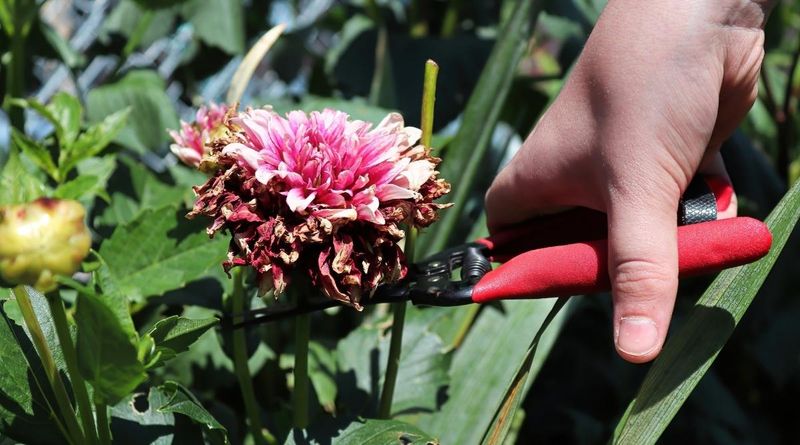
Snip the tired flowers and dahlias usually answer with more. Once a bloom starts fading, the plant shifts energy toward making seed instead of new buds.
Deadheading interrupts that process. It is probably the fastest way to stretch the flowering season a few more weeks.
Telling a spent bloom from a fresh bud takes a little practice.
Old flower heads feel firm and pointed, while unopened buds are rounder and softer. Cut the wrong one and you lose a flower you were waiting on.
Cut down the stem, not just below the flower.
Follow the stalk to the next set of leaves or a side branch, then make your cut there. Leaving short stubs looks messy and gives disease a place to settle.
Clean snips help more than people expect.
Wiping blades between plants reduces the chance of spreading problems, especially in humid weather. A quick pass with a disinfecting solution is plenty.
Plan on deadheading every few days through the fall.
Dahlias bloom heavily in Georgia autumns, so spent flowers pile up quickly. Toss the trimmings in the compost unless they show signs of mildew or rot.
Results still depend on plant health and how much sun the bed gets each day.
5. Leave Healthy Foliage In Place While Plants Are Still Growing
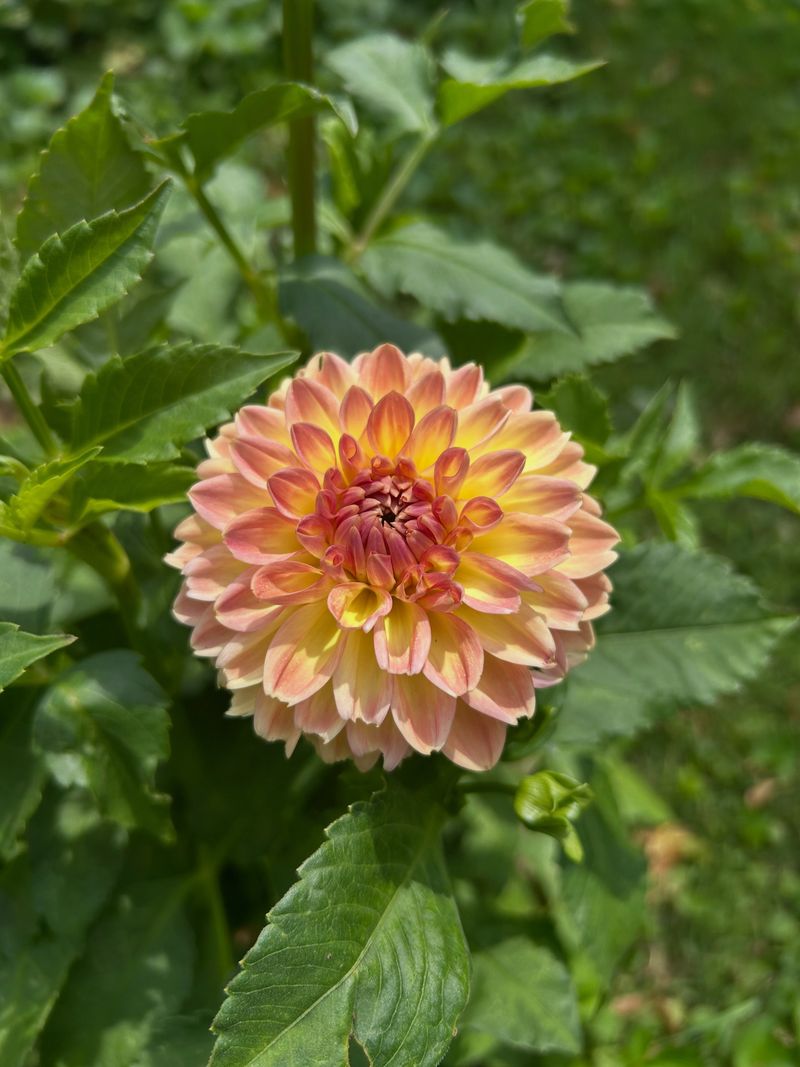
Resist the urge to tidy up too early. Green leaves are still feeding the tubers, and cutting them back in September works against next year’s plants.
Dahlias store energy underground during fall. Foliage does that job, so removing it early leaves smaller, weaker tubers.
Trim only what actually looks bad.
Yellowed lower leaves, mildew-covered stems, and anything touching wet soil can come off without hurting the plant. Everything green and upright should stay.
Airflow matters in our humid climate.
Thinning a few crowded leaves near the base helps the plant dry out after rain, which cuts down on fungal issues. Just avoid heavy pruning while blooms keep forming.
Skip nitrogen-heavy fertilizer this late.
Pushing leafy growth in fall does not help tuber development, and soft new shoots get hit hard by early cold. A low-nitrogen feed earlier in the season is more useful.
Some gardeners in the northern part of the state see foliage decline sooner than folks near the coast.
Elevation and frost timing across Georgia create real differences, so watch your own plants rather than following a strict calendar. Leaves will tell you when growth is winding down.
Once they fade naturally after frost, cleanup becomes the next step.
6. The First Frost Signals A Change In Dahlia Care
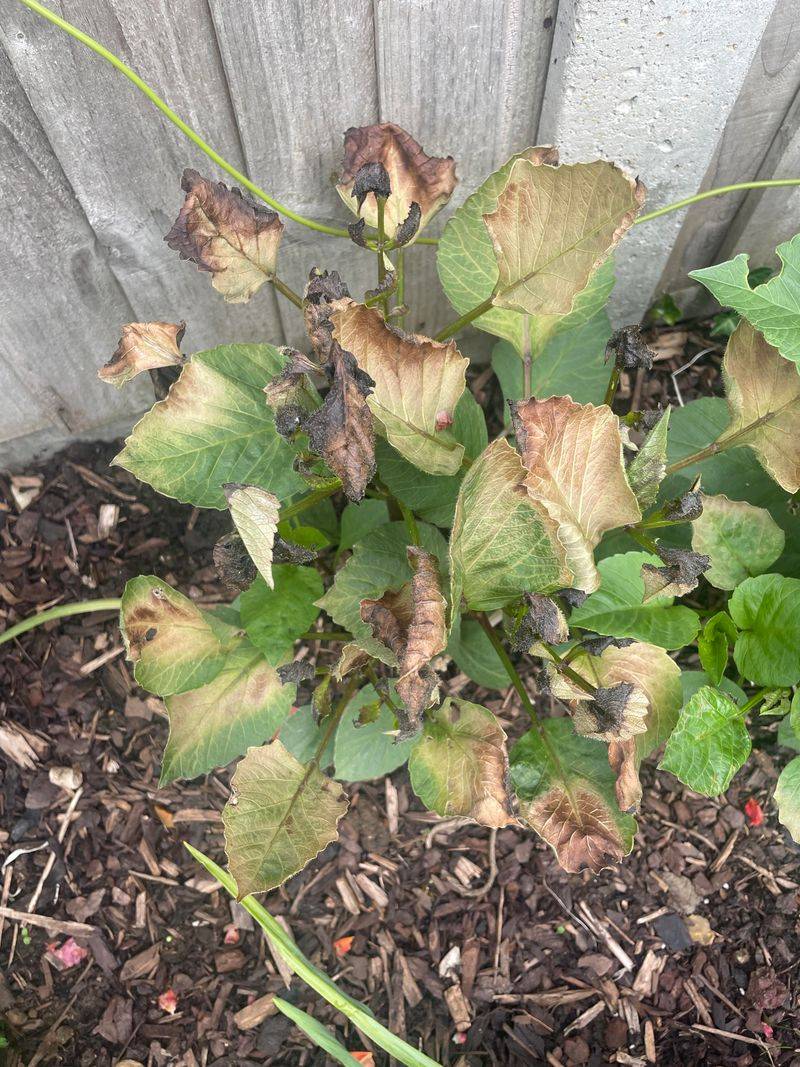
Frost ends the flower show, and there is no arguing with it. Dahlia foliage blackens within a day or two of a hard freeze, which looks alarming but is normal.
Tubers underground are usually fine after that first hit. Soil holds warmth longer than air, so a light frost rarely reaches them.
First frost timing varies widely here.
North Georgia gardens often see it in late October, while coastal areas sometimes wait until December or later. Local frost dates are worth looking up rather than guessing.
Watch the forecast once nights drop into the 30s.
A single early frost sometimes comes weeks before the real cold settles in, and covering plants with a sheet can buy you extra blooms. Remove the cover once the sun comes up.
After frost hits, cut the stems down.
Leaving four to six inches above the ground gives you something to grab later and marks where each clump sits. Long hollow stems can funnel water down into the crown.
Give the plants a week or two before digging.
That rest period helps tuber skins firm up, which improves how well they store. Cutting corners here often shows up as shriveled tubers in January.
7. Dig And Store The Tubers After The First Frost
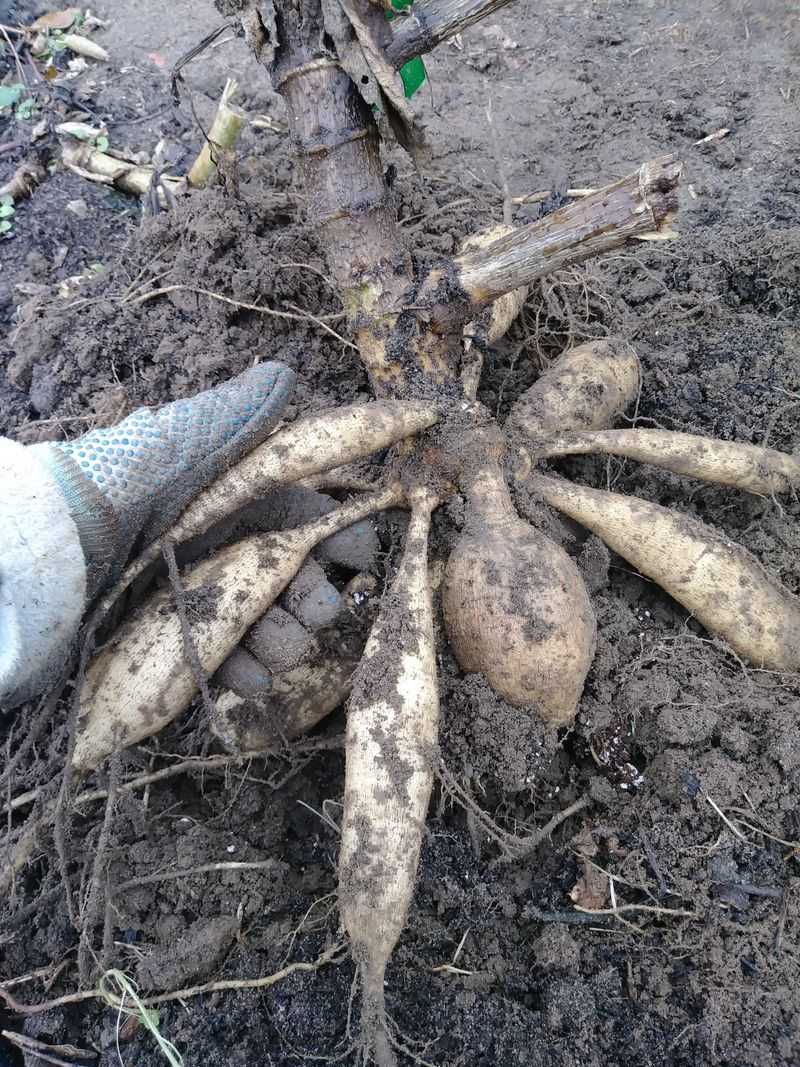
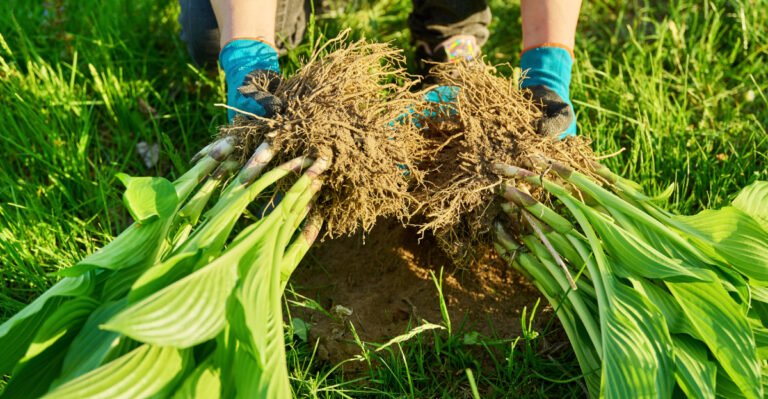
Digging tubers is the part most people dread and then find surprisingly satisfying. Start about a foot away from the stem with a garden fork, working inward slowly.
Tubers break easily, so prying is risky. Loosen the soil on all sides first, then lift the whole clump together.
Shake off loose dirt and rinse if you like.
Some gardeners wash clumps, others leave soil on for extra protection during storage. Both approaches work, though washed tubers need to dry thoroughly before packing.
Let them cure in a shaded, airy spot for several days.
Skins toughen during that time, which helps them handle months in storage. Avoid direct sun and freezing temperatures while curing.
Pack clumps in peat moss, vermiculite, or wood shavings.
Cardboard boxes or crates work well since they breathe, unlike sealed plastic bins. Store somewhere cool and dark, ideally between 40 and 50 degrees.
Unheated basements and garages usually fit the bill in most Georgia homes.
Check the containers once a month for shriveling or soft spots, and remove anything mushy before it spreads. A quick mist helps if tubers look dry.
Warmer coastal gardeners sometimes leave tubers in the ground under heavy mulch, though results vary with drainage and winter rain.