Common Mistakes North Carolina Gardeners Make When Planting Fall Spinach
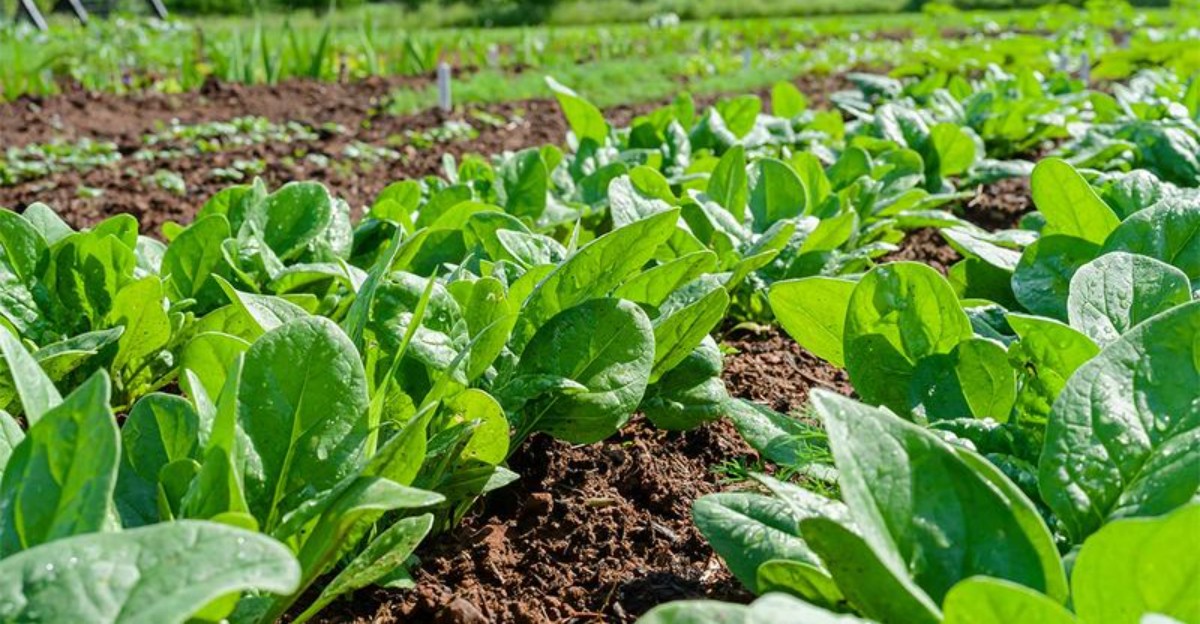
Fall is one of the best times to grow spinach in North Carolina, but a handful of common mistakes can keep this cool-season crop from reaching its full potential.
Planting too early while soil and air temperatures are still too warm, spacing seeds too closely, or watering inconsistently during germination can all lead to weak growth or poor germination rates.
Spinach is particularly sensitive to timing and moisture in its early stages, which makes these early missteps more costly than they might seem.
Fall spinach can be one of the easiest, most rewarding crops North Carolina gardeners grow, but a few sneaky habits often get in the way before it ever takes off.
Here’s a look at the mistakes worth catching now, before they cost you a full harvest of tender leaves this season.
1. Planting Spinach Too Late In The Fall
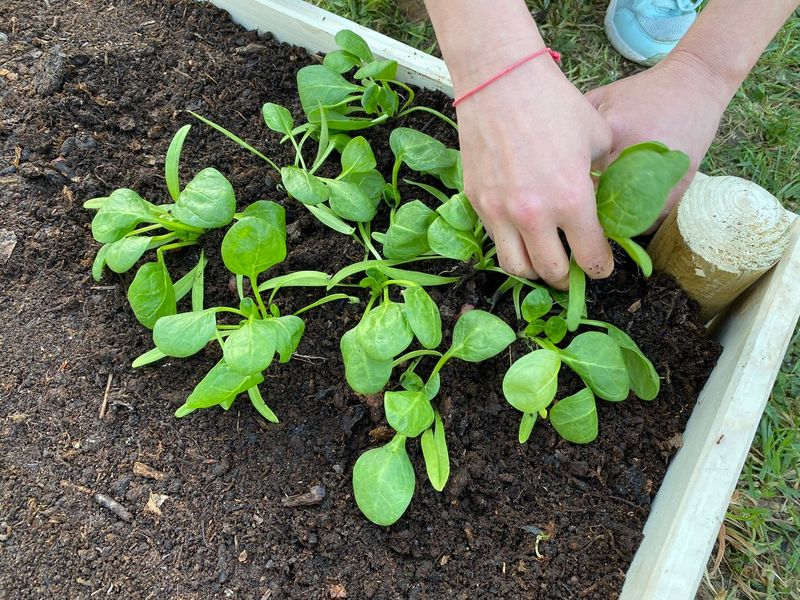
Timing matters more than most gardeners expect, and waiting too long to plant is one of the easiest ways to end up disappointed. Spinach needs several weeks of decent weather to grow strong roots and leaves before the chilly nights arrive.
In the mountains and higher spots of western North Carolina, cold weather shows up sooner than in the flatlands. If you drop your seeds in the ground in late October up there, the plants may barely sprout before growth slows to a crawl.
Cool air is fine for spinach, but very cold nights early on can stall young seedlings that have not had time to settle in.
A smart plan is to check your area’s average first frost date and count backward about six to eight weeks. That gives your spinach a solid head start while the soil is still warm enough to wake up the seeds.
For most Piedmont gardens, late August through September works well. In the mountains, aim a couple weeks earlier. Along the coast, you have more wiggle room and can plant a bit later.
If you missed the window, do not give up completely. A simple row cover or cold frame can trap warmth and stretch your season by several weeks. These little tricks protect tender leaves and let you keep picking fresh greens even when temperatures drop.
Planning ahead makes the whole process smoother and rewards you with sweeter, healthier spinach that thrives through the cooler months.
2. Sowing Seeds During Peak Summer Heat
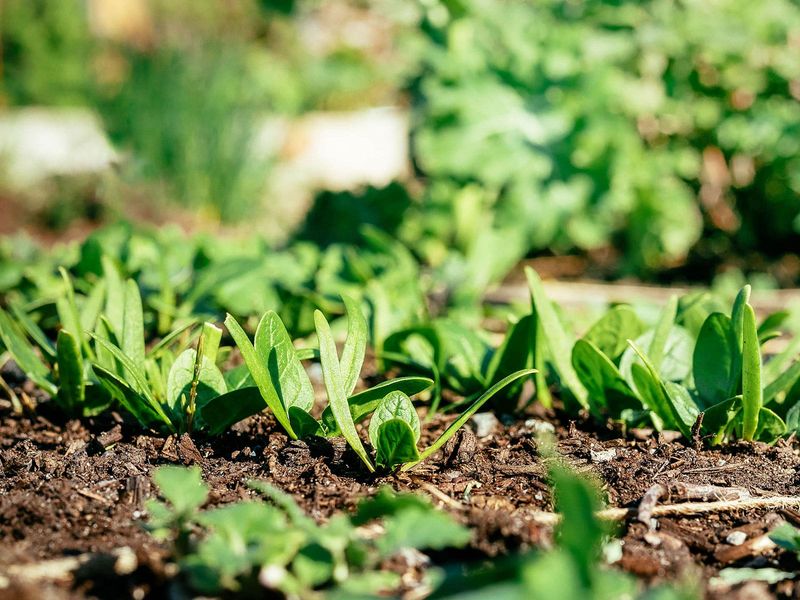
Spinach has a stubborn streak when it comes to heat, and this trips up plenty of eager gardeners. The seeds simply refuse to sprout well when the soil feels warm to the touch, which is common during late summer in North Carolina.
Once soil temperatures climb above the mid 70s, germination becomes patchy and slow. Some seeds may not wake up at all, leaving you with bare spots and thin rows.
High heat sends spinach into a kind of pause, telling it that conditions are not right for growing leafy greens.
You can outsmart the heat with a few easy moves. Try planting in the cooler part of the day and watering the soil to bring the temperature down before you sow.
Your North Carolina Garden Changes Every Week. Your Plan Should Too.
Gardening in North Carolina changes quickly throughout the season. Every Friday you’ll receive a simple weekly plan showing exactly what to plant, prune, fertilize, harvest, and protect so you never miss the right timing.
Some gardeners even chill their seeds in the refrigerator for a week before planting, which helps trick them into sprouting faster.
Shading the bed with a light cloth or board until seedlings appear also keeps the soil cooler and moister. Once the little sprouts pop up, remove the cover so they get plenty of light.
Patience pays off here. Waiting until nighttime temperatures start dropping into the 60s usually leads to much better results. If you rush the calendar, you may waste a whole packet of seeds and feel frustrated.
By working with the weather instead of against it, you set your spinach up for strong, even growth. A little timing wisdom turns a weak start into a lush, leafy patch you will be proud to harvest.
3. Skipping Soil Preparation
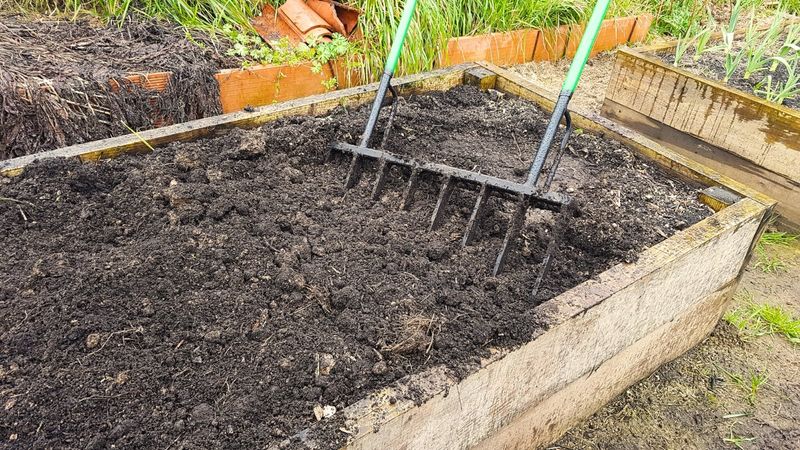
Great spinach starts long before the seeds go in, and the secret lies right beneath your feet. Loose, fertile soil gives roots room to spread and pull up the nutrients that fuel those glossy green leaves.
When beds are hard and packed down, roots struggle to push through. The plants stay small, and water tends to puddle on top instead of soaking in. Spinach really dislikes soggy, heavy ground because its roots can rot when they sit in standing water.
Before planting, take time to loosen the top several inches of soil with a fork or tiller. Mixing in compost or aged manure works wonders, adding both nutrients and better drainage.
This simple step transforms tired, crusty dirt into a soft, welcoming home for young roots. Many North Carolina soils lean heavy with clay, so drainage can be a real challenge.
Raised beds are a wonderful fix, letting extra water escape while keeping the root zone loose and airy.
Testing your soil is another smart move. A cheap test kit tells you the pH and what nutrients might be missing. Spinach prefers slightly sweet soil, so adding a bit of lime can help if your ground is too acidic.
Taking these steps might feel like extra work at first, but the payoff is huge. Healthy soil means faster growth, bigger leaves, and fewer problems down the road.
Think of it as building a strong foundation for a house. When the base is solid, everything above it grows better and stronger.
4. Letting Newly Seeded Beds Dry Out
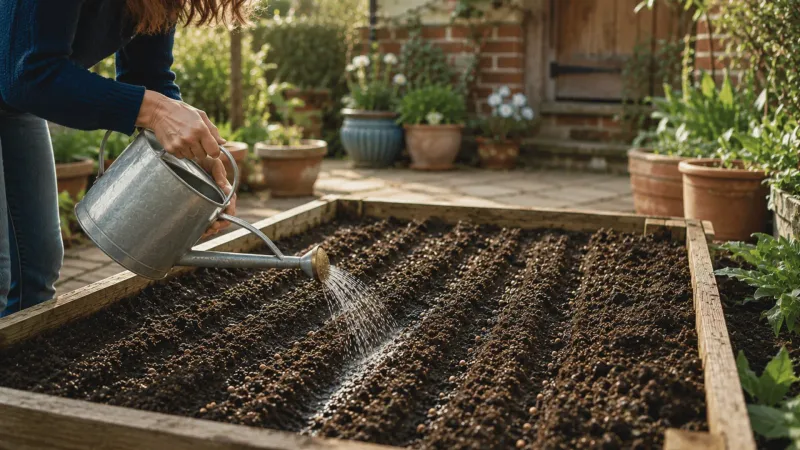
Water is the quiet hero of a good spinach patch, especially in those first crucial days. Fresh seeds need steady moisture to swell, crack open, and send up their first tiny shoots.
Trouble starts when the top layer of soil dries out between waterings. A seed that begins to sprout and then hits a dry spell can stall and never recover. That is why you often see gaps in a row where nothing came up, even though you planted evenly.
The trick is keeping the surface damp but not drowning. Light, frequent watering works better than one big soak that washes seeds around. A gentle sprinkle once or twice a day during warm weather usually keeps things just right.
North Carolina fall days can still turn hot and breezy, drying out the ground faster than you might expect. Checking your bed each morning helps you catch dryness before it becomes a problem.
A thin layer of straw or light mulch can lock in moisture and shade the soil surface. Just be sure to keep it loose so the little sprouts can push through easily.
Once your spinach is up and growing a couple inches tall, you can ease back on watering a bit. By then the roots reach deeper and handle short dry spells with more grace.
Paying attention to moisture in the beginning saves you from replanting later. A well watered start means a full, even bed bursting with tender leaves ready for your salad bowl in just a few weeks.
5. Planting Spinach In Too Much Shade
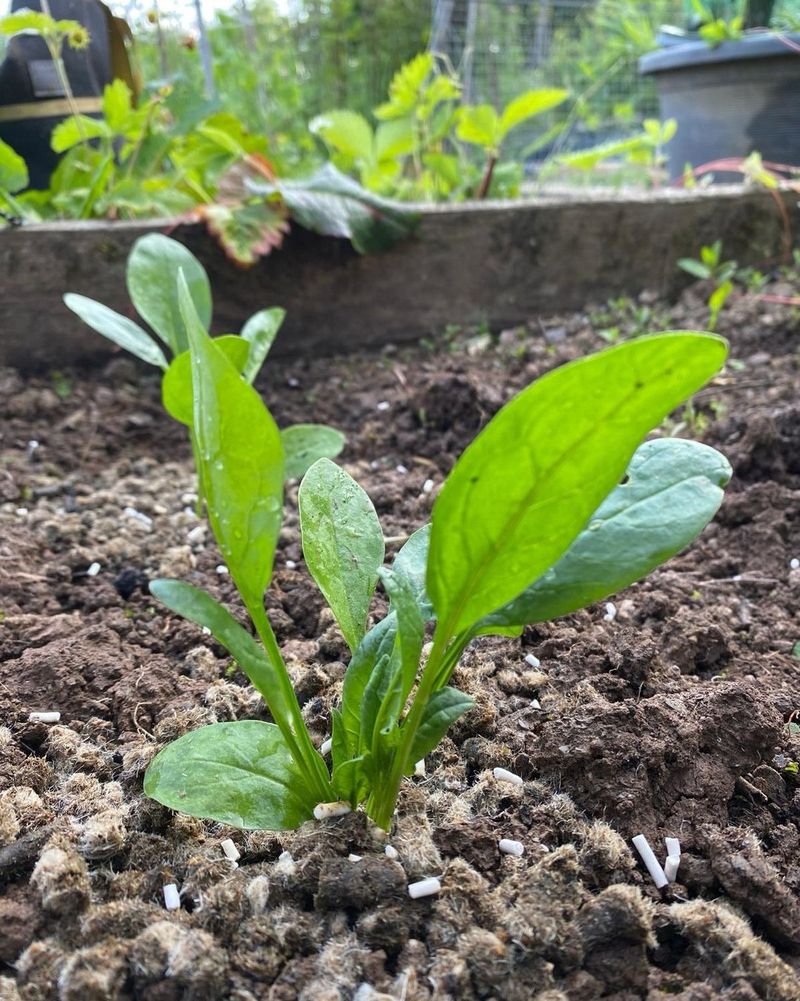
Sunlight is spinach fuel, and giving your plants too little of it holds them back more than folks realize. While spinach handles light shade better than many summer crops, it still craves plenty of bright light to grow full and strong.
Plants tucked into deep shade tend to grow leggy and thin. Their leaves stay small and pale, reaching toward any bit of light they can find. Instead of a lush, leafy harvest, you end up with a sad, stretched out patch.
The sweet spot for fall spinach is a location that gets several hours of direct sun each day. Morning sun with a little afternoon shade can actually be ideal, since it keeps the plants cool while still feeding them light.
Fall sun in North Carolina is gentler than the harsh summer glare, so you can safely give spinach more exposure than you might in July. Longer sunlight hours mean faster growth and fuller leaves.
Take a look at your garden throughout the day before choosing a planting spot. Watch how shadows from trees, fences, and buildings move across the ground. A spot that looks sunny in the morning might sit in shade by afternoon.
If your best bed is a bit shady, do not worry too much. Spinach will still grow there, just a little slower. But for the biggest, greenest harvest, pick a bright open space where the sun can work its magic all season long.
6. Overcrowding Seedlings

It feels wasteful to pull up perfectly good sprouts, but crowded spinach never reaches its full potential. When too many plants share a small space, they fight each other for everything they need to thrive.
Roots tangle and compete for water and nutrients, while leaves shade one another out. Air struggles to move through the thick tangle, and that trapped dampness invites mildew and other problems. The result is a bed of small, weak plants instead of big, healthy ones.
Thinning solves all of this. Once your seedlings reach a couple inches tall, gently remove the extras so the strongest ones have room to spread. Aim for about three inches between plants, giving each one space to stretch its roots and leaves.
Here is a bonus you will love. Those tiny thinned seedlings are completely edible. Toss them into a salad or sandwich for a fresh, tender treat while your main crop keeps growing.
Good spacing also makes harvesting easier later. You can reach each plant without stepping on others, and the improved airflow keeps foliage clean and healthy.
Sowing seeds a little more thinly from the start can save you thinning work, though spinach seeds do not always sprout evenly. Planting slightly extra and then thinning is a reliable way to get a full bed.
Giving your plants breathing room might seem counterintuitive when you want a big harvest. But fewer, healthier plants almost always beat a crowded patch of stunted ones. Space truly is a gift to your spinach.
7. Using Too Much Nitrogen Too Late
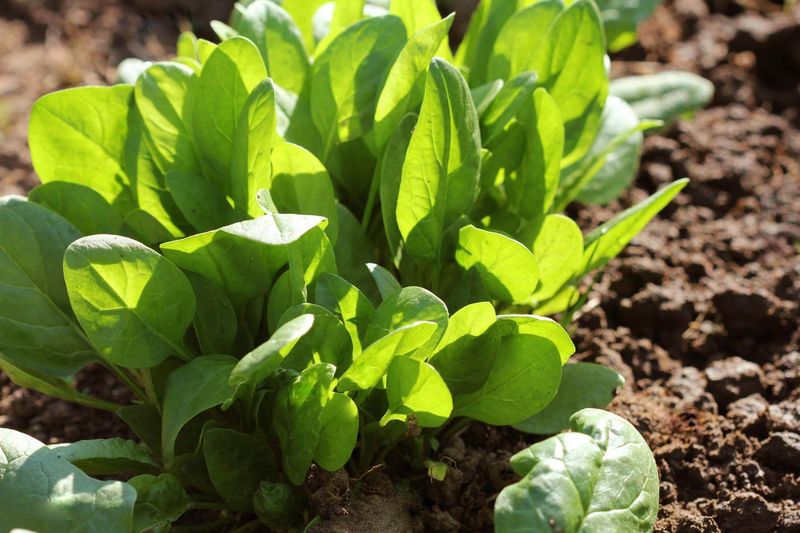
Fertilizer seems like an easy shortcut to bigger plants, but piling on nitrogen can backfire in surprising ways. Spinach does love nitrogen for building leaves, yet too much at the wrong time causes more harm than good.
Heavy nitrogen pushes plants to grow soft, floppy leaves fast. That tender growth attracts hungry aphids and other pests looking for an easy meal. Weak, sappy leaves also handle cold snaps poorly, wilting when a chill rolls in.
Late season feeding is especially risky. When you dump extra nitrogen on plants close to cold weather, they put energy into fragile new growth instead of toughening up. This soft foliage rarely survives the season well.
Balance beats excess every time. A soil test tells you what your garden actually needs, so you avoid guessing. Often the ground already holds enough nutrients, especially if you added compost during bed preparation.
A gentle, balanced feeding early in the plant’s life usually does the trick. After that, let steady, even growth carry your spinach through the season. Slow and sturdy plants taste better and hold up against weather and bugs.
If your leaves look yellow and growth stalls, a light dose of balanced fertilizer can help. But watch for the signs before reaching for the bag. More is not always better in the garden.
Feeding wisely rather than heavily gives you spinach that is firm, flavorful, and strong. Think of nutrients as seasoning for your soil. A little goes a long way, and overdoing it spoils the whole dish.
8. Forgetting About Fall Pests

Cooler weather does not mean the bugs pack up and leave. North Carolina fall spinach still draws its share of unwelcome visitors, and ignoring them can quietly wreck your harvest.
Aphids are among the most common troublemakers. These tiny insects cluster on leaves and suck out the juices, leaving foliage curled and sticky. Slugs love the damp fall soil and chew ragged holes in tender leaves overnight.
Caterpillars also munch away, sometimes stripping plants faster than you would think possible.
The best defense is a simple habit of looking closely. Flip leaves over and check the undersides where pests love to hide. Catching a small problem early makes it far easier to handle before it spreads across your whole bed.
Many pests can be knocked off with a strong spray of water or picked off by hand. For slugs, a shallow dish of beer or a scattering of crushed eggshells around plants can keep them away.
Row covers offer another easy shield, letting light and water through while blocking hungry bugs.
Keeping your garden tidy also helps a lot. Clearing away old leaves and weeds removes hiding spots and breeding grounds for pests. Healthy, well spaced plants with good airflow naturally resist trouble better than crowded, stressed ones.
A quick walk through your garden every few days pays off big. You spot problems while they are still small and easy to fix. With a watchful eye and a few gentle tricks, your fall spinach stays clean, green, and ready for the table.