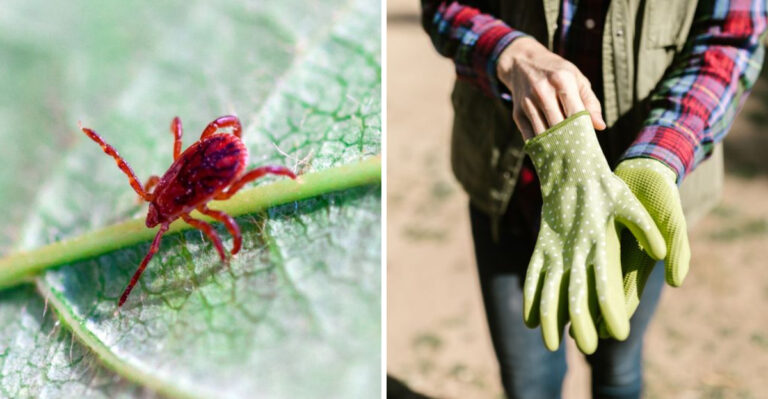
A Toxic Flatworm Nobody Asked For Is Creeping Across Tennessee Gardens
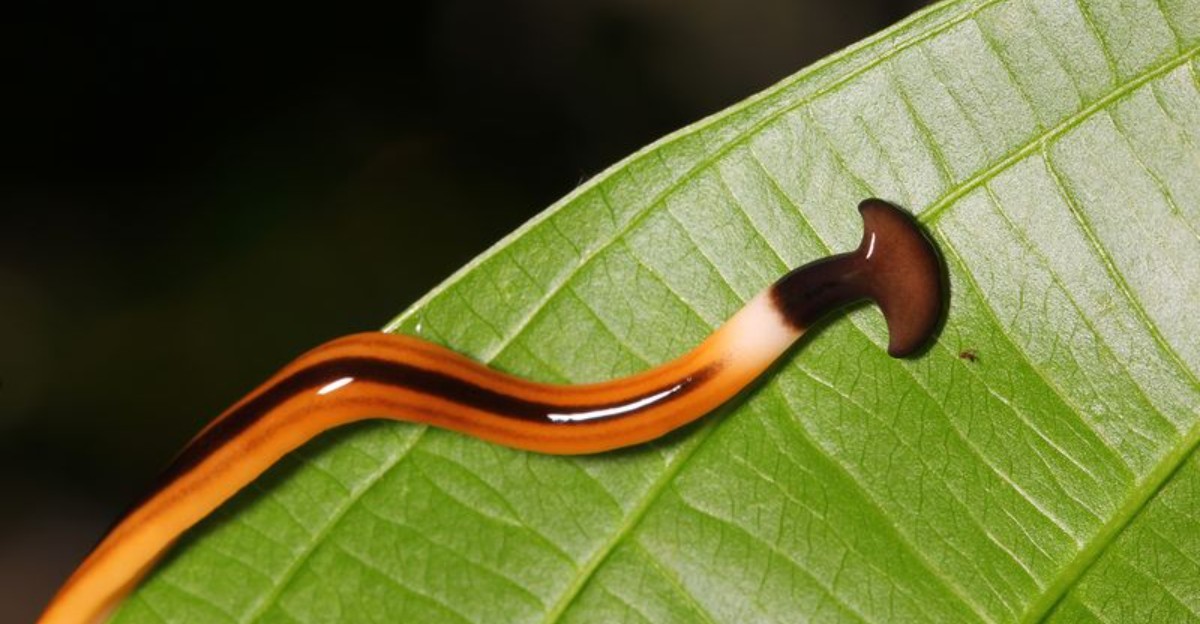
You spot something flat, slick, and disturbingly long beneath the flowerpot. Tennessee gardens now grow more than the tomatoes you planted. Your first instinct might be to step back fast.
This creature glides in a way your garden rarely shows. Its body carries a nerve toxin strong enough to surprise you. Gardeners across Tennessee know you may spot this shape.
Something under damp mulch and boards seems to be watching you. Earthworms disappear quietly wherever this predator finds you. Handling it barehanded is not something you want to risk carelessly.
Curiosity pulls you closer while sharp caution pulls you harder. Understanding this invader helps you protect your soil’s hidden workforce faster.
Farmers and growers like you report the same unusual find. Questions pile up faster than solid answers reach you.
Knowledge separates your calm response from an unprepared reaction. What you learn next changes how you treat future encounters.
Meet The Shovel-Headed Stranger In Your Mulch
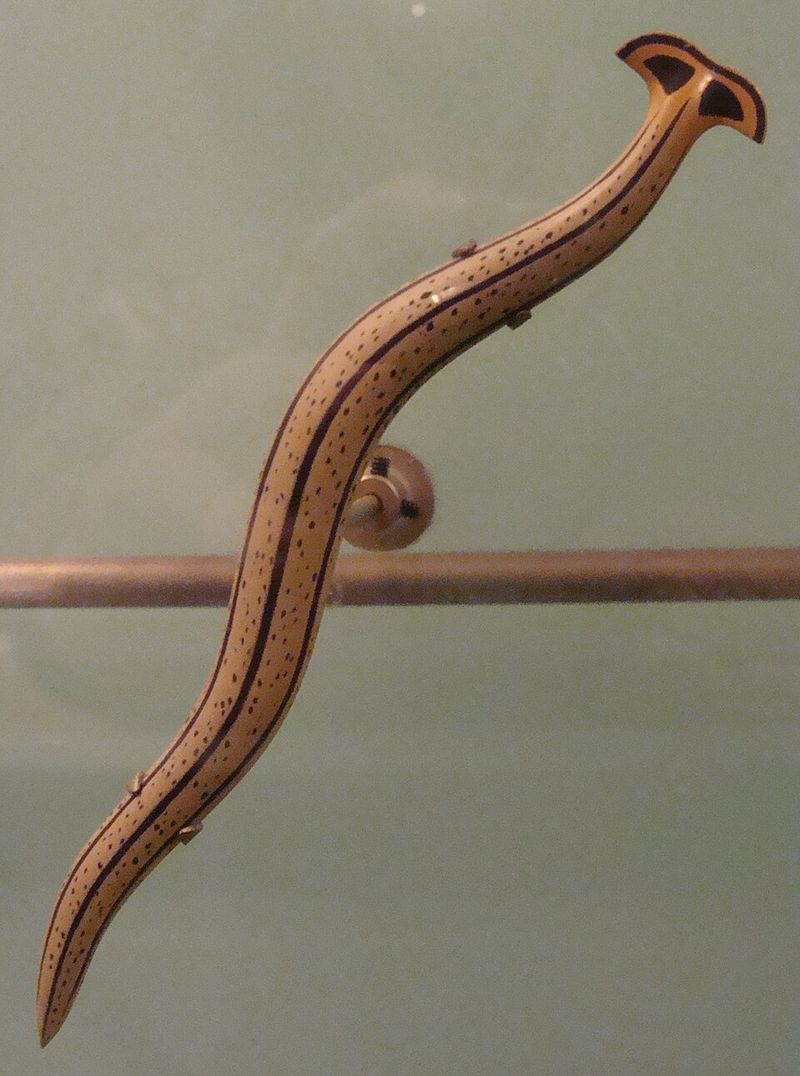
Picture a shoelace that learned to glide, topped with a head shaped like a garden spade. That odd silhouette belongs to the hammerhead worm, known to scientists as Bipalium.
Adults usually stretch between five and twelve inches, though a relaxed one can look startlingly longer. The body is flat as a ribbon, honey-brown or mustard-colored, and marked with one to five dark stripes running head to tail.
The fan-shaped head is the giveaway. No native Tennessee earthworm has anything close to it, so once you spot that half-moon crown, identification gets easy.
Texture matters too. Hammerheads feel slick and leave a faint slime trail, and they move with a smooth, gliding motion rather than the stretch-and-pull crawl of a nightcrawler.
They are not insects and not related to earthworms at all. They belong to a group called land planarians, distant cousins of the flatworms you may have studied in a science class.
Here is a quirky detail: their mouth sits in the middle of their underside, not on the head. Food goes in and waste comes out through that same opening, which is one of an unusual biological trait.
Because they dry out fast, you will rarely see one baking in the afternoon sun. Damp, shaded spots under pots, logs, stepping stones, and leaf piles are their preferred hangouts.
Learning the look now saves confusion later. Once you can name it on sight, the rest of the response gets much simpler.
How A Tropical Hitchhiker Ended Up In Tennessee Soil
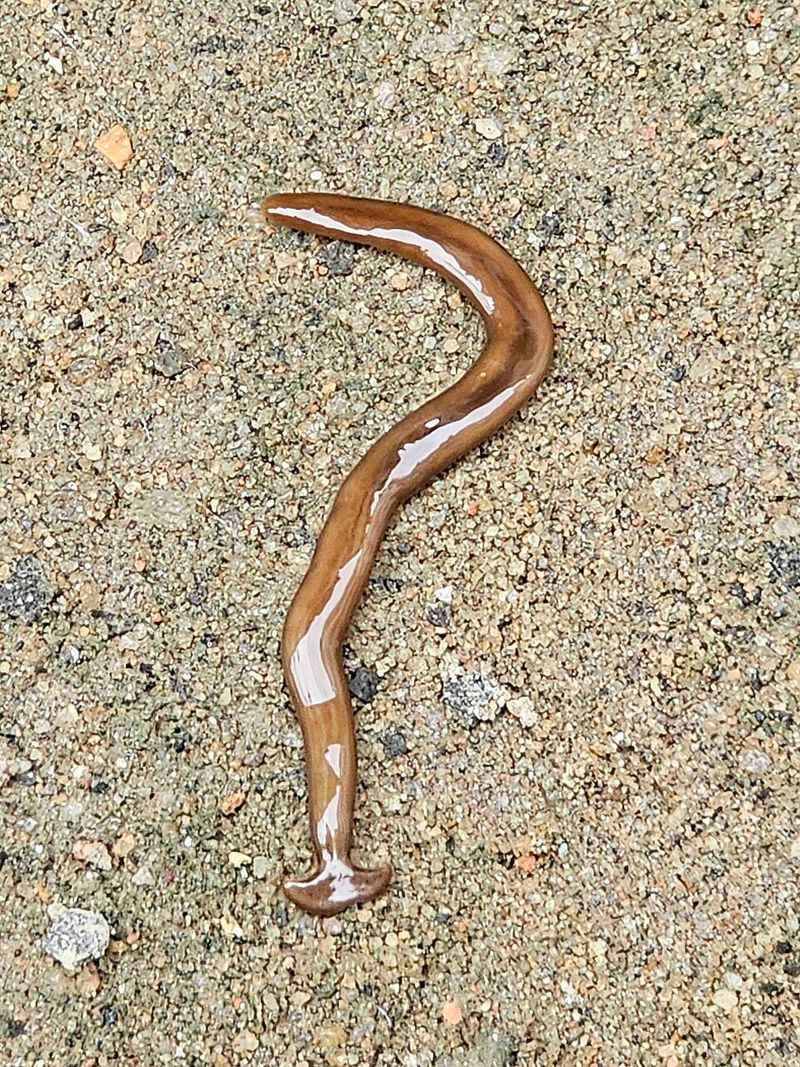
Nobody shipped these creatures here on purpose. They arrived the way plenty of unwanted travelers do, tucked in the root balls of imported plants.
Hammerhead worms trace back to warm, humid parts of Southeast Asia. Records of them in the United States date back to the early 1900s, with early sightings tied to greenhouses housing imported plants.
Potted plants make ideal transport. Moist soil, cool shade, and a steady supply of food let a stowaway ride from a nursery in one state to a porch in another without much trouble.
Your Tennessee Garden Changes Every Week. Your Plan Should Too.
Gardening in Tennessee changes quickly throughout the season. Every Friday you’ll receive a simple weekly plan showing exactly what to plant, prune, fertilize, harvest, and protect so you never miss the right timing.
Tennessee’s climate turned out to be surprisingly welcoming. Humid summers, mild winters in the western and middle regions, and heavily mulched suburban beds create pockets of habitat that feel close enough to home.
Anecdotal reports suggest increased sightings in recent years across parts of Tennessee, though comprehensive tracking data is limited.
Some of that increase reflects a real spread, and some reflects smartphone cameras plus social media groups where people finally started sharing photos.
Rainy stretches trigger the biggest wave of sightings. When soil gets saturated, the worms surface and travel across sidewalks, patios, and driveways where humans actually notice them.
Early autumn is prime spotting season. Cooling temperatures paired with September rain bring them out of hiding right when gardeners are cleaning up beds and dividing perennials.
Understanding the arrival route also points to prevention. Where plants travel, these worms often travel too, quietly and for free.
The Toxin Tucked Inside That Slimy Body
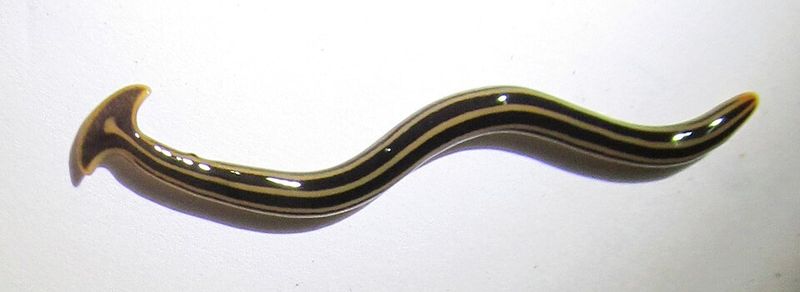
Here is the part that explains why the worm draws caution. Its skin and mucus contain tetrodotoxin, the same compound famously found in pufferfish.
The amount present is small, and there are no documented cases of humans becoming seriously ill from handling one, though direct research on this specific risk remains limited. Still, the compound is not something you want smeared on your fingers before lunch.
Skin contact can cause irritation, redness, or a mild burning feeling for sensitive people. Rubbing your eyes or nose afterward makes that worse, which is exactly what happens when someone handles one without thinking.
Pets deserve extra caution. A curious dog that mouths one may drool heavily, gag, or feel queasy, so it is smart to steer them away from a worm on the patio.
Gloves solve almost all of the risk. Disposable nitrile gloves, a stick, or long tongs let you deal with the situation without direct contact.
Wash hands with soap and warm water afterward anyway, even if you wore gloves. Slime is sticky and travels easily onto tool handles and pot rims.
The toxin serves a purpose in the worm’s world. It helps subdue prey and discourages birds and other animals from making a meal of something so defenseless-looking.
Fun bit of trivia: tetrodotoxin in these worms is thought to come partly from bacteria living on them. Nature outsources its chemistry more often than you would expect. Treat it like poison ivy. Respect it, cover your skin, and move on with your day.
How These Worms Affect Earthworm Populations
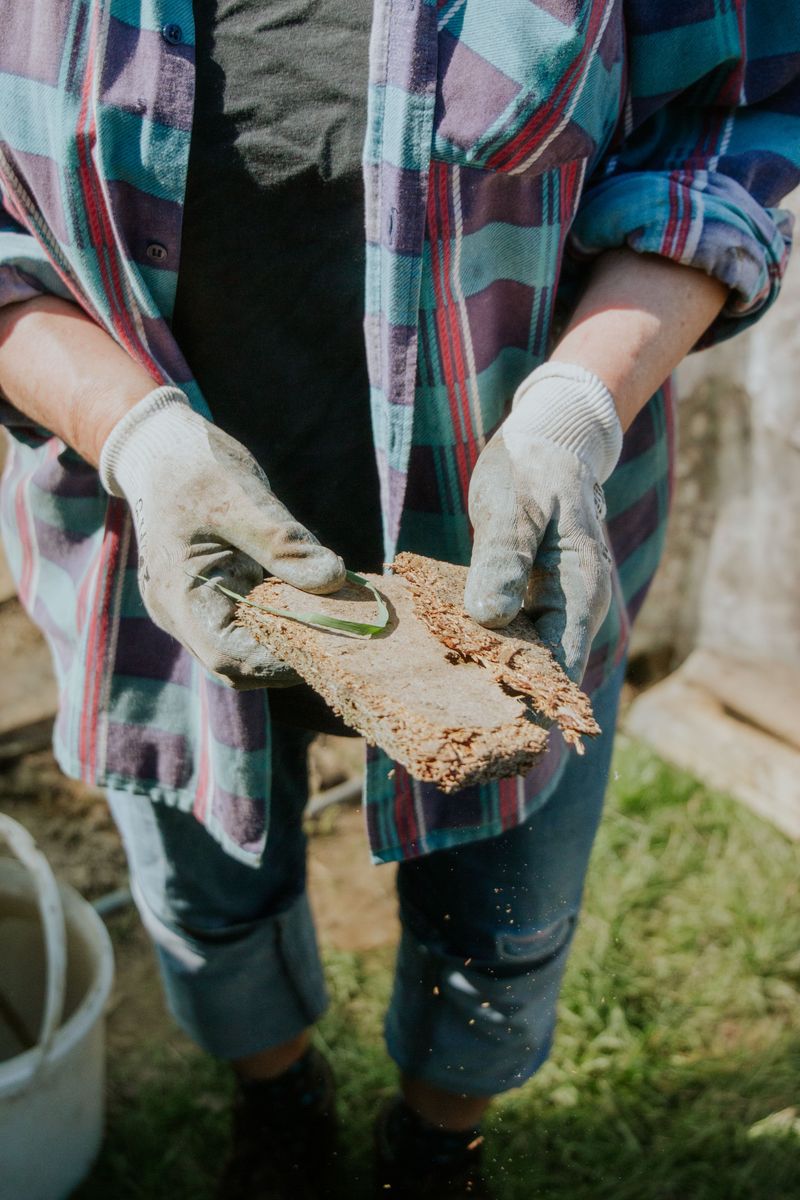
Earthworms are the unpaid staff of any decent garden. They tunnel, aerate, shred old leaves, and leave behind castings that plants love.
Hammerhead worms hunt those very earthworms. Slugs, snails, and other soft-bodied soil creatures land on the menu too.
The hunting method is genuinely bizarre. A hammerhead tracks slime trails, pins its prey with sticky mucus, then everts its throat onto the earthworm and digests it externally before absorbing the results.
One predator in a big yard will not empty your soil of helpers. A growing population in a small raised bed, though, can thin the earthworm crowd enough that you notice fewer castings and slower leaf breakdown.
Compost bins are worth checking. Worm bins and open compost piles concentrate earthworms in one moist spot, which is a concentrated food source.
Gardeners who keep vermicompost setups in Tennessee garages and basements should inspect new bedding and any outdoor material they add. A single hitchhiker can settle in and reduce your red wiggler numbers over a season.
Soil health shows up in your harvest. Fewer earthworms means denser, less crumbly soil, weaker drainage, and slower nutrient cycling for tomatoes, peppers, and fall greens.
The good news is that healthy gardens are resilient. Adding organic matter, keeping mulch layers going, and avoiding heavy soil compaction help earthworm populations bounce back.
Think of it as protecting your workforce. The more you support the underground crew, the less impact one hungry newcomer will have.
Why Chopping One In Half Doesn’t Work
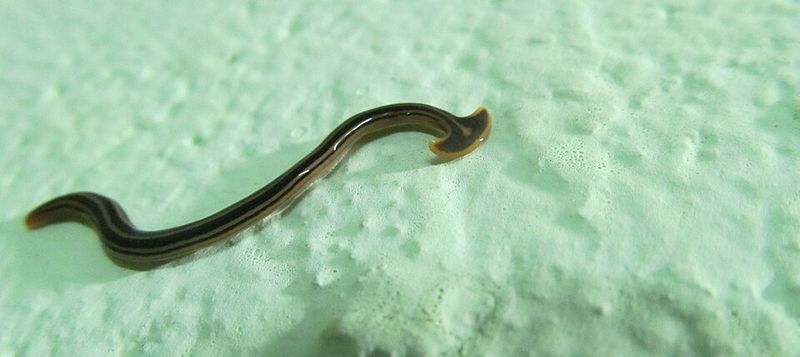
Instinct says grab a shovel and slice. With this particular creature, that instinct works against you.
Hammerhead worms are regeneration champions. Cut one into pieces and each fragment can grow into a whole new worm within a few weeks.
They also reproduce that way on their own. A worm may pinch off a small piece of its tail, which then wanders away and develops into a complete individual, no partner required.
That means a single worm in your flower bed has the potential to become several. It also means chopping is basically unintended reproduction of the population you were trying to reduce.
The recommended approach is far less dramatic. Wearing gloves, pick the worm up with a stick or tongs and drop it into a sealable plastic bag or jar.
Add salt, vinegar, or citrus oil to the bag, seal it tightly, and let it sit. Some folks place the sealed bag in a freezer for two days before disposing of it in the trash.
Skip the flick-into-the-neighbor’s-yard move. Relocating one simply moves the issue a few feet and gives it fresh hunting ground.
Also resist rinsing them down a storm drain. Moist drainage systems are exactly the kind of habitat where they thrive.
Snap a photo before disposal if you can. Some extension offices and citizen science platforms track sightings like these, so consider reporting yours if such a program is active in your area.
Smart Habits That Keep Your Beds Less Inviting
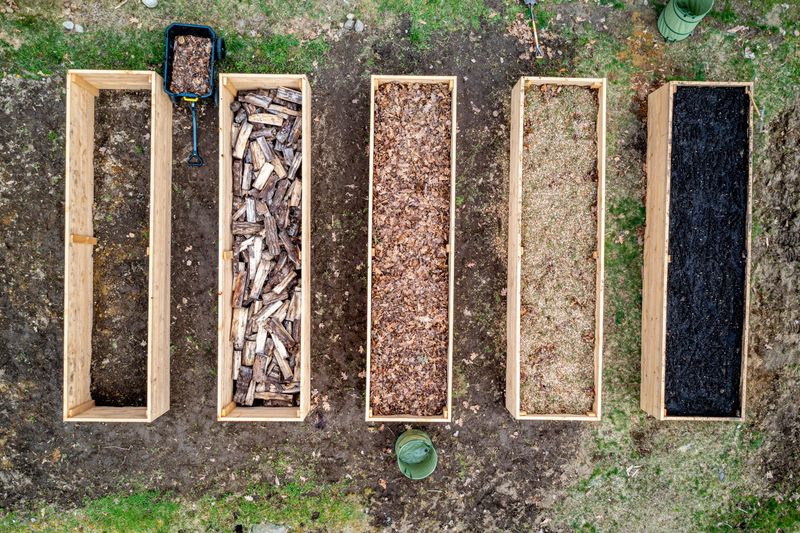
Prevention beats patrol, and most of it comes down to small habits. Start with the plants you bring home.
Inspect root balls before planting. Slide the plant out of its pot, look along the outside of the soil, and check under the rim where moisture collects.
Quarantining new arrivals for a week on a hard surface like a driveway or bench gives you a chance to spot anything unusual. It also keeps unknown soil away from your established beds.
Swapping plants with neighbors is a Tennessee tradition worth keeping, just with a quick inspection added. Shake off loose soil from divisions and rinse roots when practical.
Mulch smartly. Deep, permanently soggy layers of mulch pressed against foundations and pots create the damp shade these worms favor, so aim for two to three inches and let the surface dry between waterings.
Water in the morning rather than at dusk. Soil that dries slightly overnight is less appealing to moisture-loving crawlers.
Flip a few boards, pot saucers, and stepping stones once a week during rainy September stretches. A two-minute check catches newcomers before they settle in. Keep gloves, tongs, and a zip bag in your garden caddy so you are ready without a scramble.
Share what you learn with gardening friends and local plant swap groups. Awareness spreads faster than the worms do, and a neighborhood that knows what to look for handles the situation calmly and quickly.