The Native Ohio Tree That Gives You Fall Color Weeks Earlier Than Expected
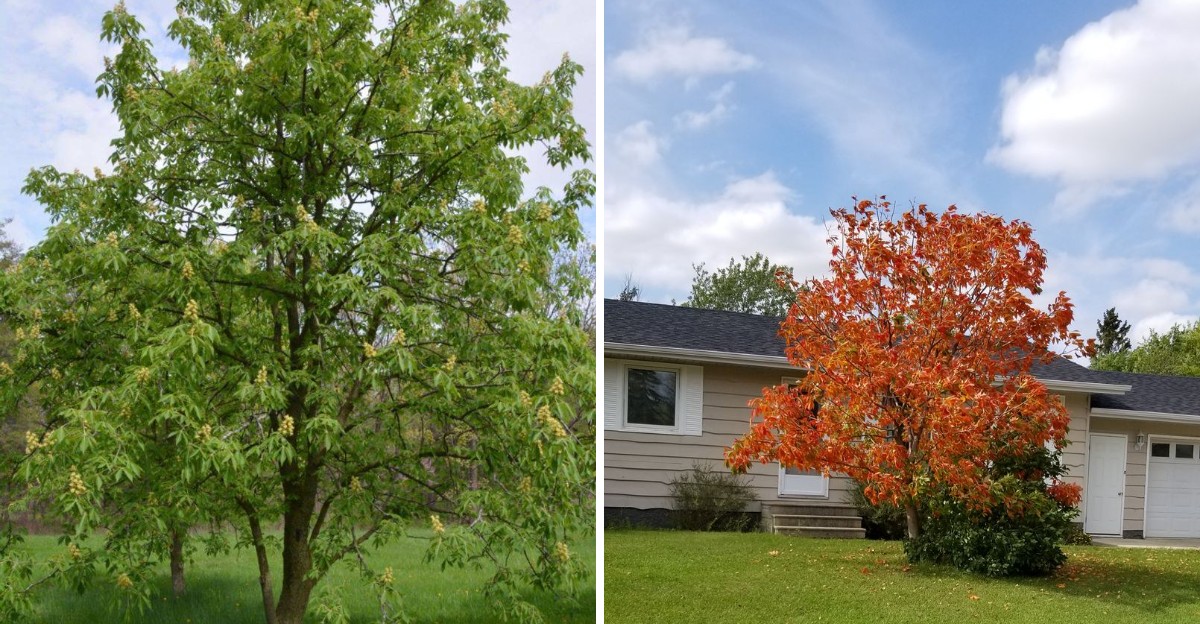
One particular tree along the fence line turns first every single year, and it’s not even close.
While the maples are still holding onto their green well into September, this one has already gone full gold, its leaves catching the afternoon light like something out of mid-October.
Neighbors walking by tend to slow down and stare, half convinced something’s wrong with a tree that’s clearly jumping the gun on autumn. Nothing’s wrong with it at all.
This particular species has always run on its own calendar, shifting color and dropping leaves weeks before most of the neighborhood catches on that fall has arrived.
It’s a native fixture across Ohio, and yet plenty of people who’ve lived near one their whole lives couldn’t name it if asked.
So what exactly is putting on this early show, and why does it insist on beating every other tree to the punch?
1. A Proud Native Of The American Heartland
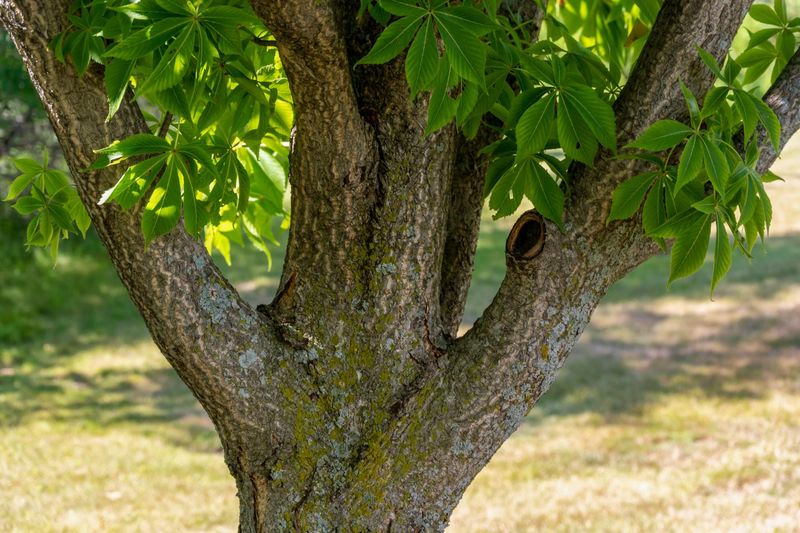
Long before neighborhoods and highways carved up the land, this tree was already thriving across the American Midwest. Its scientific name, Aesculus glabra, sounds fancy, but its roots are pure heartland.
You can find it stretching through the lower Great Plains and Midwestern states. It reaches southeast into Alabama and Mississippi, and a small pocket even pops up in extreme southwest Ontario, Canada.
Because it belongs here naturally, it fits right into the local web of birds, insects, and soil life. Native trees like this one tend to handle regional weather swings better than imported species that struggle to settle in.
Planting something native gives wildlife familiar food and shelter they already recognize. It also means less fuss for you, since the tree evolved to match the rainfall and seasons of the area.
If you enjoy the idea of supporting your local landscape, this tree makes a meaningful choice. It carries a sense of place that feels genuine and grounded.
Knowing where a plant comes from helps you understand how to care for it well.
2. The Official State Tree Of Ohio
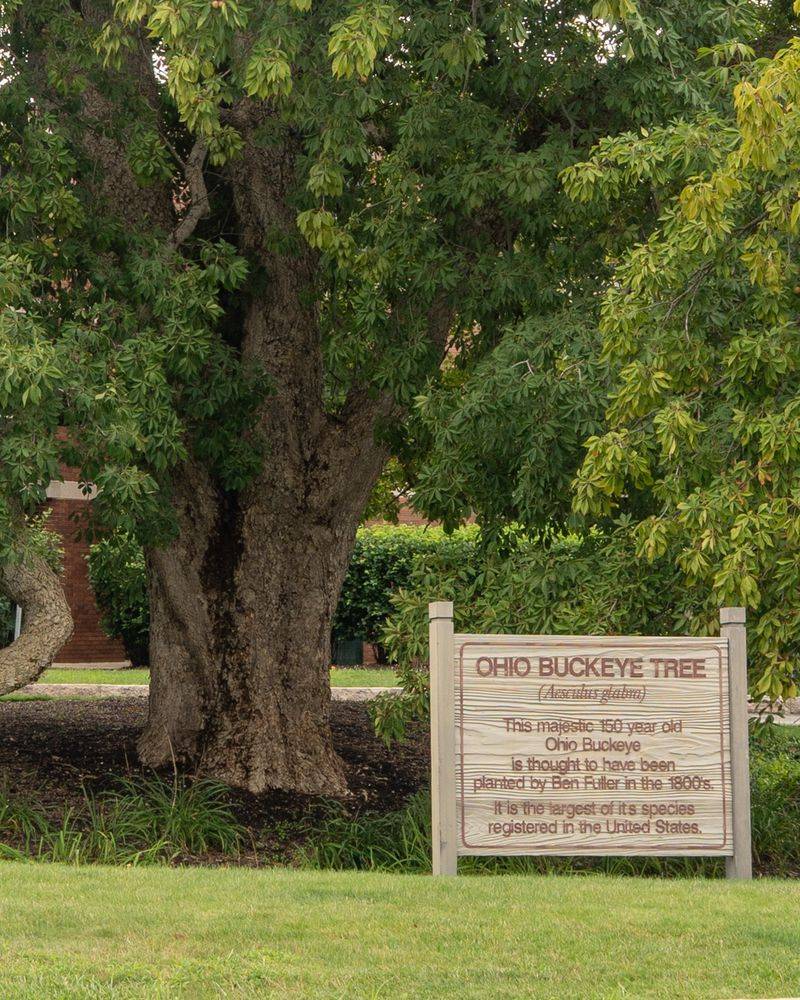
Ever wonder how a tree becomes a state symbol? This one earned that honor in Ohio, where it is celebrated so much that residents themselves are nicknamed Buckeyes.
That title is more than a fun label. It reflects how deeply the tree is woven into the region’s identity, from sports teams to local pride.
It often grows naturally in partial shade but can adapt to brighter locations if soil moisture remains adequate. Because of that, it prefers moist, well-drained soil and frequently shows up along river banks and stream edges.
If you want to grow one, try picking a spot with steady moisture and some afternoon shade. Soggy or bone-dry ground tends to stress it, while balanced soil keeps it comfortable.
Fun bit of trivia: the shiny brown seed with a pale spot reminded early settlers of a deer’s eye, which is exactly how the name came about.
Your Ohio Garden Changes Every Week. Your Plan Should Too.
Gardening in Ohio changes quickly throughout the season. Every Friday you’ll receive a simple weekly plan showing exactly what to plant, prune, fertilize, harvest, and protect so you never miss the right timing.
A tree with a nickname and a following is worth a spot in any thoughtful yard or garden.
3. Modest Height With A Rounded, Shady Crown
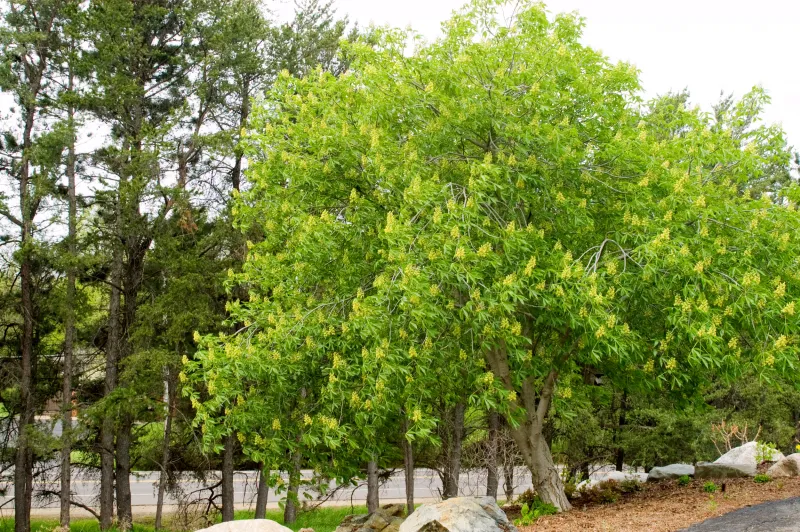
This tree keeps things reasonable when it comes to size, which many gardeners appreciate. Ohio buckeye commonly reaches a moderate size, often around 20 to 40 feet tall, though larger specimens can occur.
A few overachievers push taller, but you generally end up with a manageable tree rather than a towering giant. That makes it a friendly fit for medium yards and parks.
Its shape is one of its best features. The crown spreads into a broad, oval-rounded form that offers pleasant, dappled shade during warm months.
Because of that rounded canopy, it works nicely as a standalone feature tree where people can admire its full outline. Give it room to spread, and it rewards you with a balanced, natural silhouette.
When planning where to plant, imagine the tree at full width, not just its starting size. A little foresight keeps branches from crowding fences, walkways, or power lines later.
Its moderate size can make it easier to fit into residential landscapes than much larger canopy trees. You get shade and structure without the drama of an enormous tree.
For folks who want beauty in a sensible package, this size range hits a sweet spot.
4. Leaves Shaped Like An Open Hand
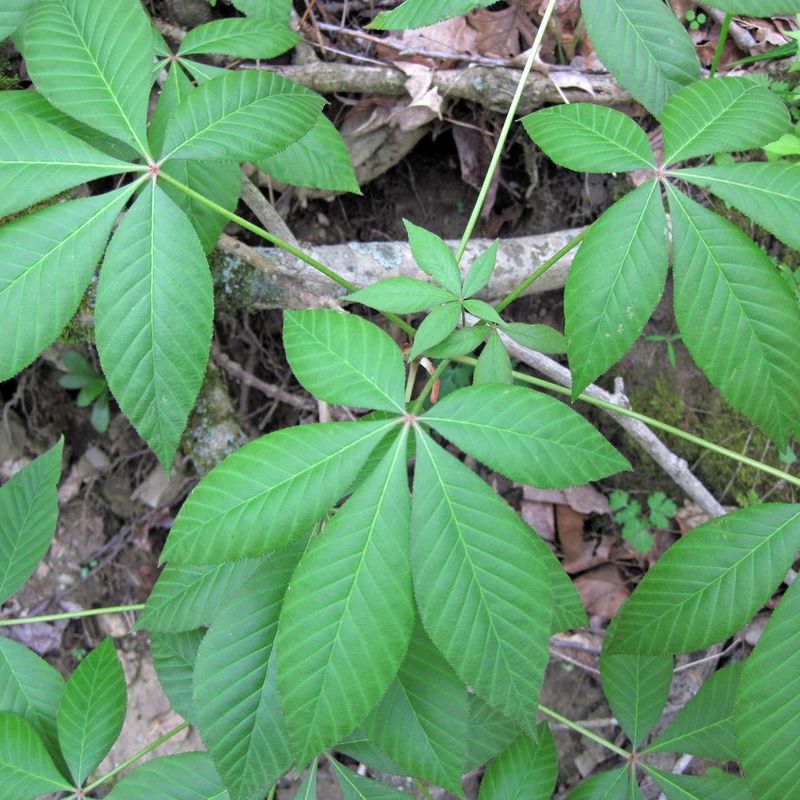
Take a close look at the foliage and something clever reveals itself. Each leaf is palmately compound, which is a fancy way of saying the leaflets fan out like fingers on an open hand.
Usually you will count five to seven leaflets joined at a single point. That distinctive layout makes this tree fairly easy to identify once you know the trick.
In spring, the leaves push out in a cheerful bright green. As the season warms, they deepen into a richer, darker green by summer.
This hand-shaped design is not just pretty. The spread of leaflets helps the tree gather sunlight efficiently, especially useful for a plant that often grows beneath a canopy.
If you are teaching kids about trees, this one makes a wonderful example. Have them press their palm against a leaf and count the matching fingers.
The leaves also feel slightly toothed along their edges, adding to their character. Little details like these turn a simple walk into a mini nature lesson.
Recognizing leaf shapes builds confidence, and this tree offers a memorable starting point for beginners.
5. An Early Start And An Early Goodbye
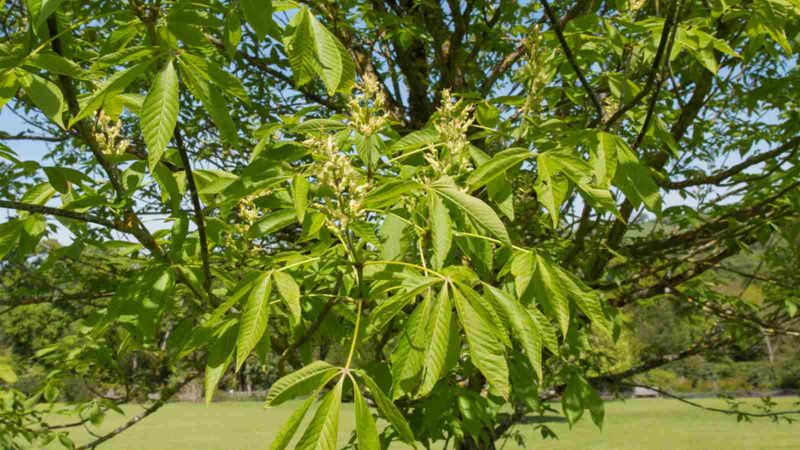
Here is where this tree really shows its personality. It is one of the earliest to leaf out in spring, unfurling green while other trees are still bare and sleepy.
That eagerness works both ways. Come late summer, it is also among the first to change color and drop its leaves, sometimes by late August or September.
So while your neighbors wait for October, your buckeye may already be putting on its autumn show. That head start is exactly what makes it such a treat for fall lovers.
If you plant one, do not panic when leaves begin falling early. This behavior is normal and part of what makes the tree special, not a sign of trouble.
Think of it as a tree that lives on its own schedule, marching to a rhythm all its own. It bookends the growing season with quiet confidence.
Gardeners who crave color as soon as possible will love this trait. You essentially get a preview of autumn weeks ahead of the crowd.
Timing like this gives the tree a truly unique place in the yearly landscape.
6. A Warm Palette Of Gold, Orange, And Bronze
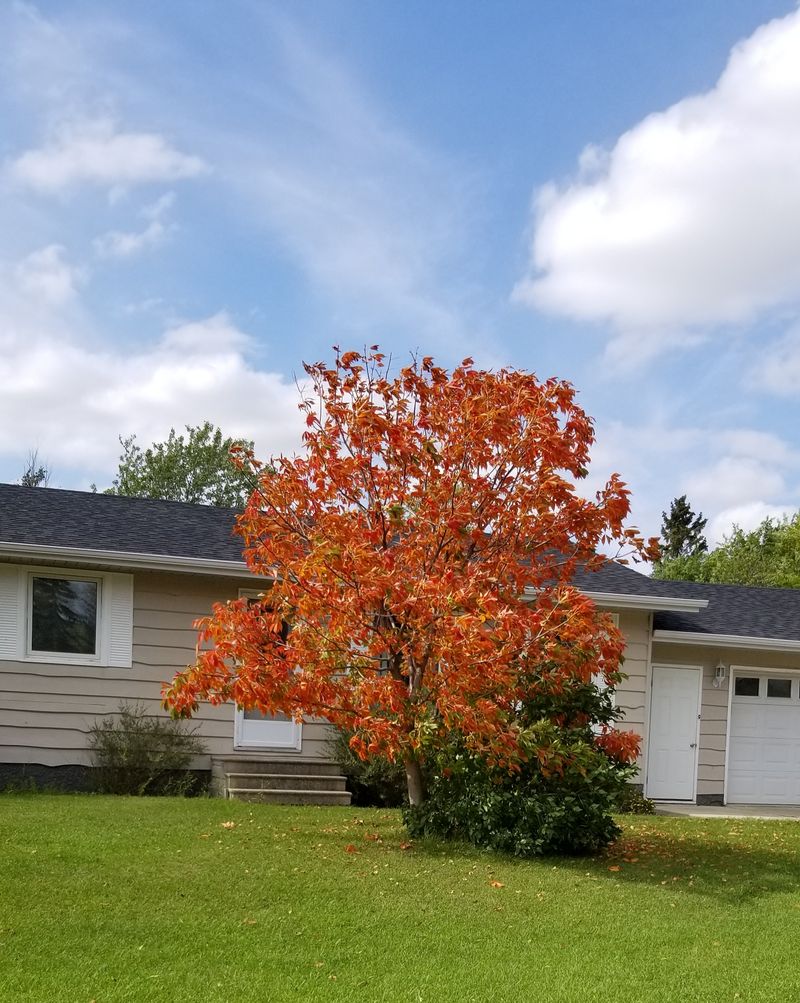
The real reward for its early timing is the color it puts on display. Its fall foliage sweeps through shades of gold, red-orange, and sometimes a striking coppery-bronze.
Those warm tones feel like autumn arriving early to your doorstep. Against a blue September sky, the effect can be genuinely eye-catching.
Because the colors appear ahead of most trees, this buckeye often stands out as the star of the neighborhood for a few glorious weeks. Everyone else is still green while yours glows.
The exact shade can shift a bit depending on the tree, the weather, and the soil. Cooler nights and bright days tend to bring out the boldest hues.
If photography is your thing, this tree offers early opportunities for stunning shots. Morning light through those coppery leaves is hard to beat.
Pairing it with later-changing trees creates a layered, extended autumn scene in your yard. You essentially stretch the fall color season across many weeks.
For anyone who counts the days until sweaters and warm drinks, this tree delivers the mood ahead of schedule and looks fantastic doing it.
7. An Ancient Strategy Behind The Early Drop
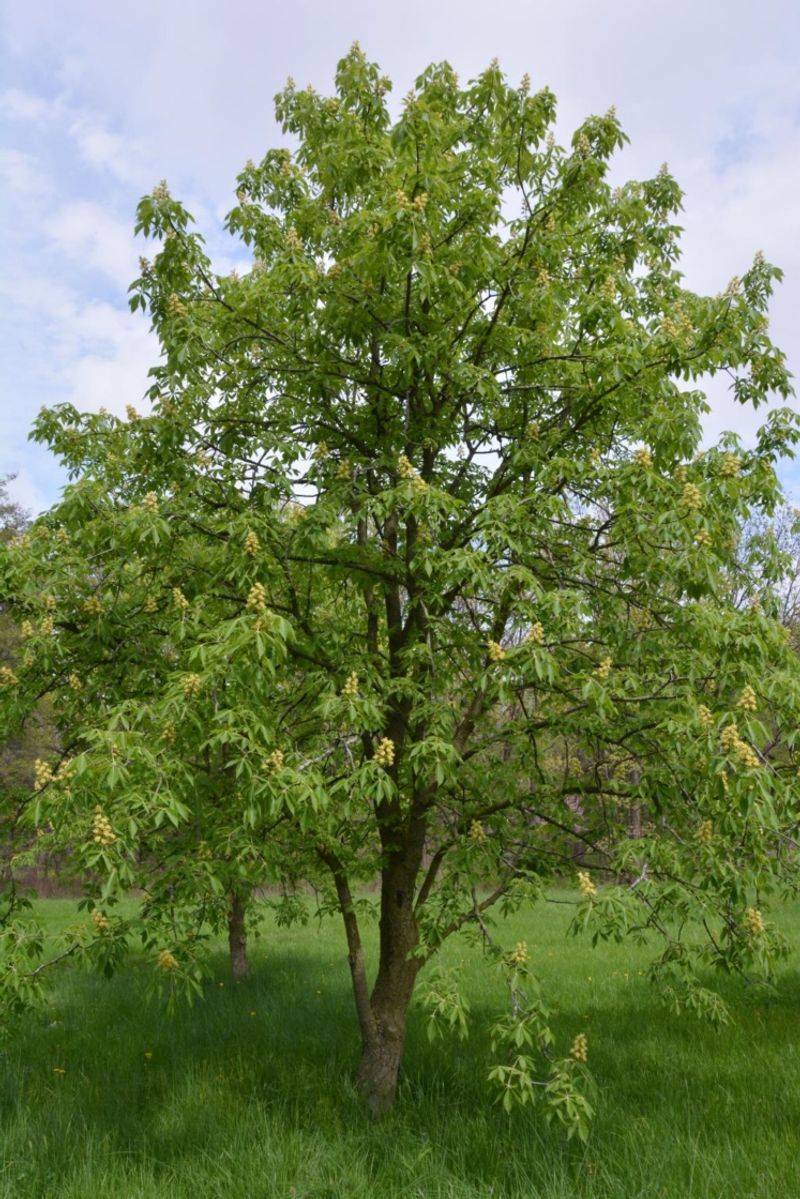
That habit of dropping leaves early is not random. Its early leaf drop likely reflects a combination of seasonal adaptation, environmental conditions, and the challenges of growing in woodland habitats.
As a tree that often grows in the understory, it likely learned to do its photosynthesis early in the season. By getting a jump on making food, it can take advantage of sunlight before taller trees fully block the light.
Once its busy work is done, letting go of leaves early may simply be part of that efficient rhythm. The tree wraps up its season and prepares for rest ahead of schedule.
This kind of adaptation shows how plants quietly solve problems around them. Competing for sunlight in a crowded forest calls for smart timing.
Understanding this helps you appreciate the early color instead of worrying about it. What looks unusual is actually the tree doing exactly what nature designed it to do.
Nature rarely wastes effort, and this buckeye is a tidy example of that. It gathers energy early, then bows out gracefully.
Learning the reason behind a behavior makes the Ohio buckeye tree feel even more fascinating and worth keeping around.
8. Sometimes The Early Drop Signals Leaf Trouble
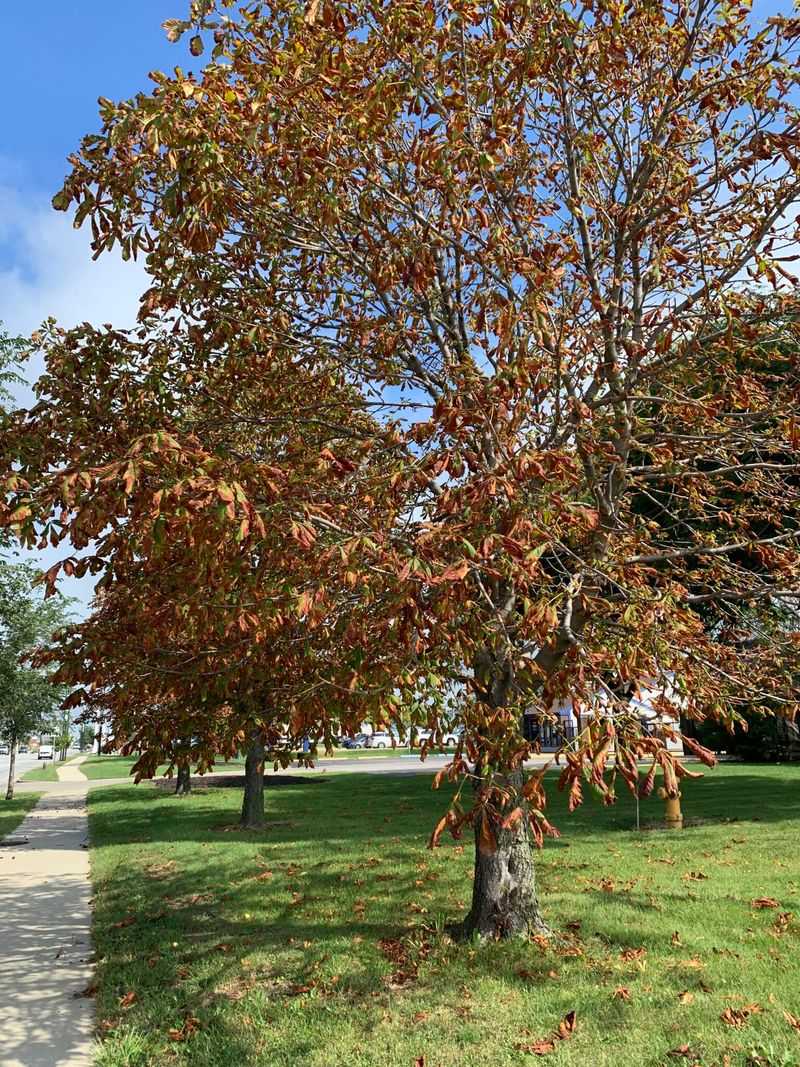
Not every early leaf drop is a happy adaptation, though. Sometimes it points to leaf troubles that stress the tree during summer.
Common issues include leaf blotches, scorch symptoms, and occasional fungal problems that can cause spotting or premature browning.
Trees planted in full sun or facing dry stretches tend to struggle more. Hot, harsh conditions make the leaves more likely to fade and fall ahead of time.
The good news is that these problems usually harm appearance more than the tree’s overall health. Your buckeye can bounce back the following spring.
To help it out, try planting in a spot with steady moisture and a little shade. Watering during dry spells and clearing away fallen leaves can reduce lingering spores.
Good air movement around the canopy also discourages mildew from settling in. Avoid crowding the tree against walls or other dense plants.
If you notice heavy spotting each year, a chat with a local extension office can point you toward simple fixes. A few small adjustments often keep the foliage looking its best through the season.
9. Beautiful But Best Left Uneaten
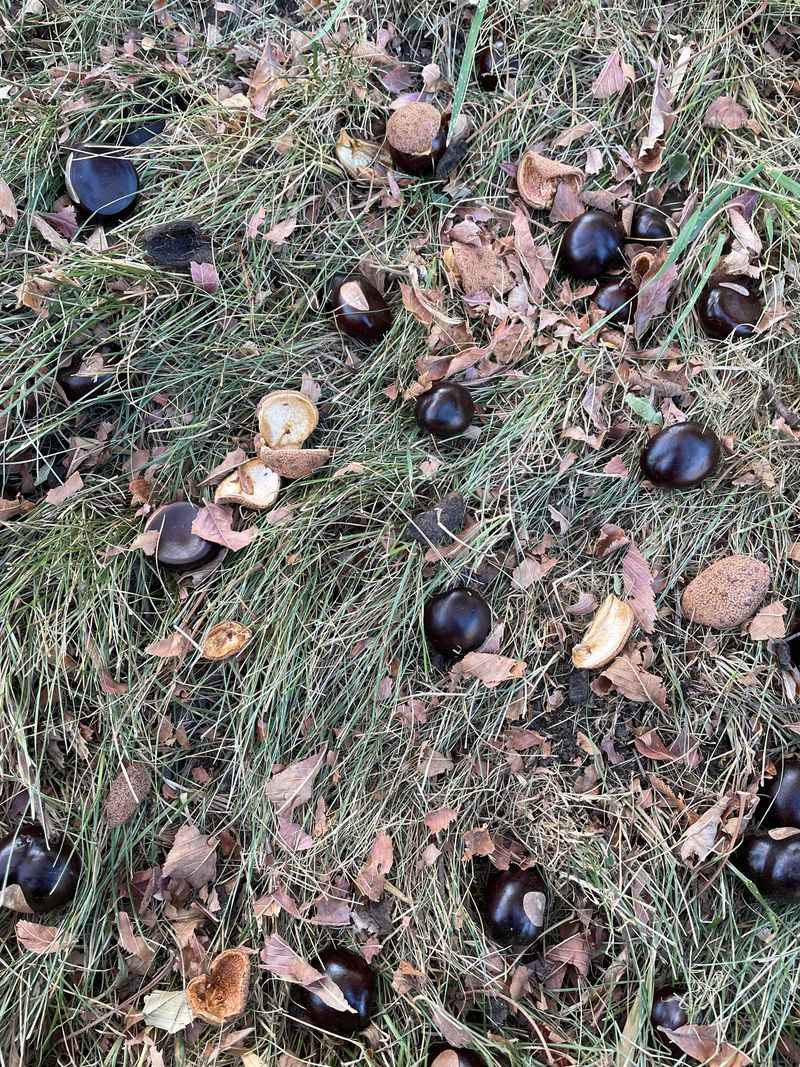
As tempting as those glossy seeds look, this is one tree you admire rather than snack on. Every part of it, including leaves, bark, and especially the shiny nuts, carries natural toxins.
The main troublemakers are compounds called aesculin and fraxin. These compounds can be harmful if eaten, especially by people or livestock that consume seeds or plant material.
That means the smooth brown seeds, however lucky-looking, are strictly hands-off for eating. Keep curious children and pets from popping them in their mouths.
Many folks still enjoy collecting the seeds as good-luck charms to carry in a pocket. Handling them is generally fine, so the fun tradition can continue safely with clean hands afterward.
If you keep animals, plant the tree where fallen nuts will not tempt grazing livestock. A little planning prevents accidental nibbling.
Some wildlife may still interact with the seeds, but they are not considered a food source for people or pets. Nature has its own built-in warning system.
Respecting Ohio buckeye tree’s toxic side lets you enjoy its early color, hand-shaped leaves, and rich history without worry. Beauty and caution can happily share the same yard.
Admire it, plant it, and simply keep the seeds off the menu.