This Georgia Native Bulb Is Worth Planting In Your Garden This Fall
Fall planting can feel like planning a surprise, especially when the reward stays hidden for months. One native bulb makes that wait especially worthwhile.
Its flowers bring a distinctive burst of color when the garden reaches a different point in the season.
That unusual timing is part of what makes this plant so memorable. For Georgia gardeners, choosing a native bulb also means working with a plant suited to regional conditions.
Finding the right place for it now can set the stage for a display you will appreciate later.
Before planting, learn what this bulb prefers and why its growth cycle differs from many familiar garden favorites. Those details make placement much easier for you.
Tuck it into the right spot this fall, then let the seasons handle the transformation.
1. Fall Is A Good Time To Add This Native Bulb
Cooler weather does more for bulbs than most gardeners expect.
Autumn planting gives roots several weeks of quiet growth before the soil turns cold. Rainfall usually picks up as well, so hand watering becomes less of a chore.
Atamasco lily suits that timing because it wakes up early, often before most perennials show any green.
Bulbs tucked in during October or November have time to anchor before spring arrives.
Fall work is simply more comfortable too, since digging in cool air beats fighting July humidity in Georgia. Beds also stay open at that point, which makes spacing easier to judge.
Nurseries and native plant sales often stock these bulbs in autumn, and supply can be limited.
Ordering early helps, because Atamasco lily is not carried by every garden center. Local native plant societies sometimes hold fall sales worth checking.
Keep in mind that results vary with soil, drainage, and the weather that follows planting.
A mild, damp winter usually favors strong spring growth, while a long dry stretch can slow things down.
Marking the spot with a small label saves confusion later, since the foliage disappears by midsummer. Plenty of gardeners have dug into a dormant clump by accident.
Planting now costs little effort and sets up a bloom you will not wait years to see.
2. Atamasco Lily Brings Soft White Flowers In Spring
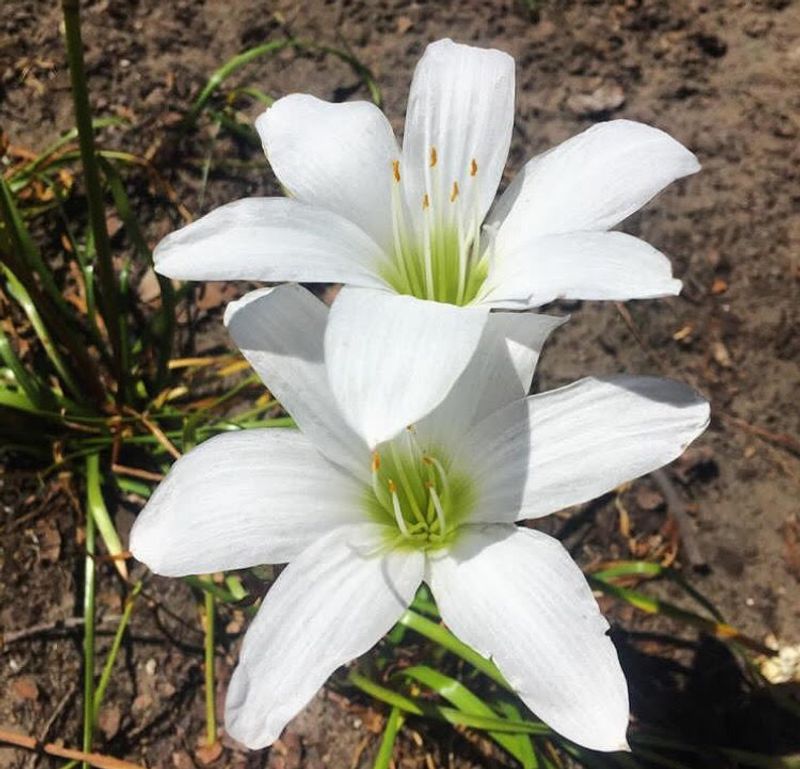
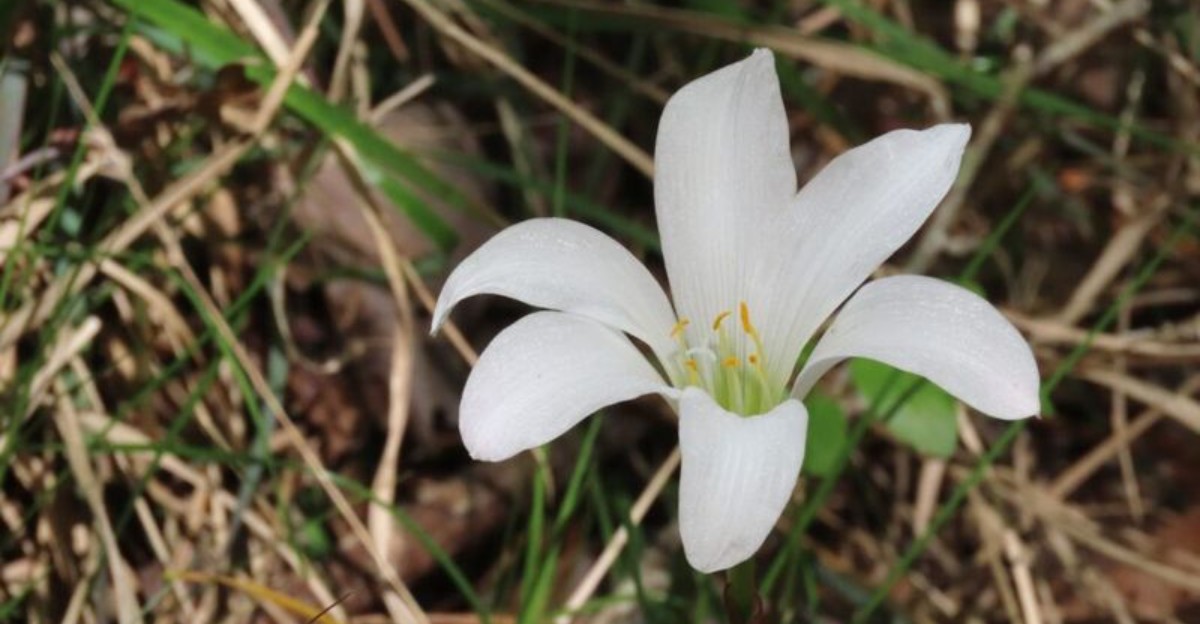
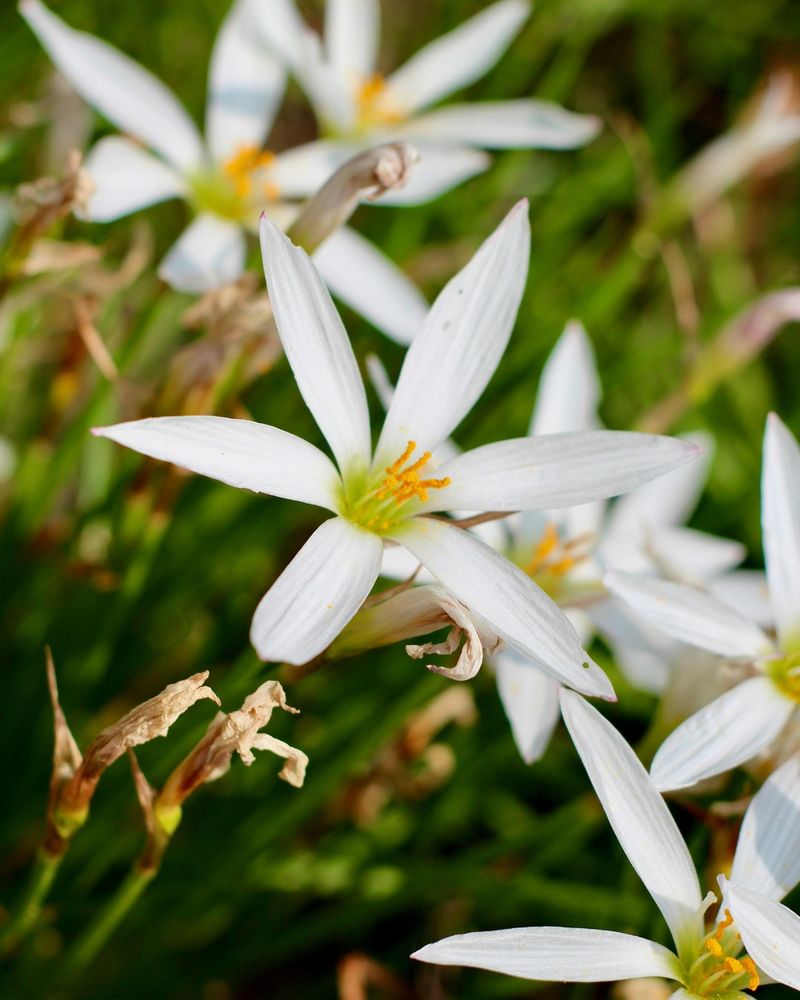
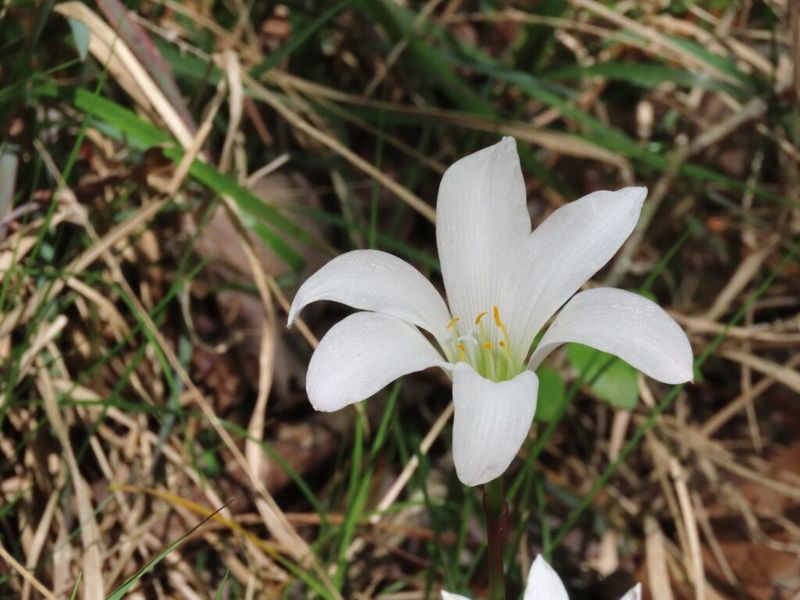
White, funnel-shaped blooms open on bare stems while much of the garden is still waking up.
Flowers usually stretch two to three inches across, with a soft pink blush on the outside of the petals. Stems stay short, generally six to twelve inches tall.
Bloom time in Georgia often lands somewhere between March and April, though a warm winter can nudge it earlier.
Narrow, grassy leaves come up alongside the flowers and stick around for a while afterward.
By early summer that foliage yellows and fades, and the plant slips into dormancy underground. Nothing has gone wrong when it happens, since that is the natural cycle.
Botanists know the species as Zephyranthes atamasca, and some gardeners call it a rain lily.
Blooms do not last for months, so treat them as a short, welcome moment instead of a long display. A clump of several bulbs stretches the show a bit longer.
Your Georgia Garden Changes Every Week. Your Plan Should Too.
Gardening in Georgia changes quickly throughout the season. Every Friday you’ll receive a simple weekly plan showing exactly what to plant, prune, fertilize, harvest, and protect so you never miss the right timing.
Early season pollinators, including bees, will work the open flowers.
Cut stems can be brought indoors, though they fade quickly in a vase.
Worth knowing: the plant is toxic if eaten, so skip it where livestock graze or pets chew greenery. Keeping it in ornamental beds avoids the concern entirely.
Little else in an early spring bed looks quite like it, and that is much of the appeal.
3. It Feels At Home In Partly Shaded Garden Beds
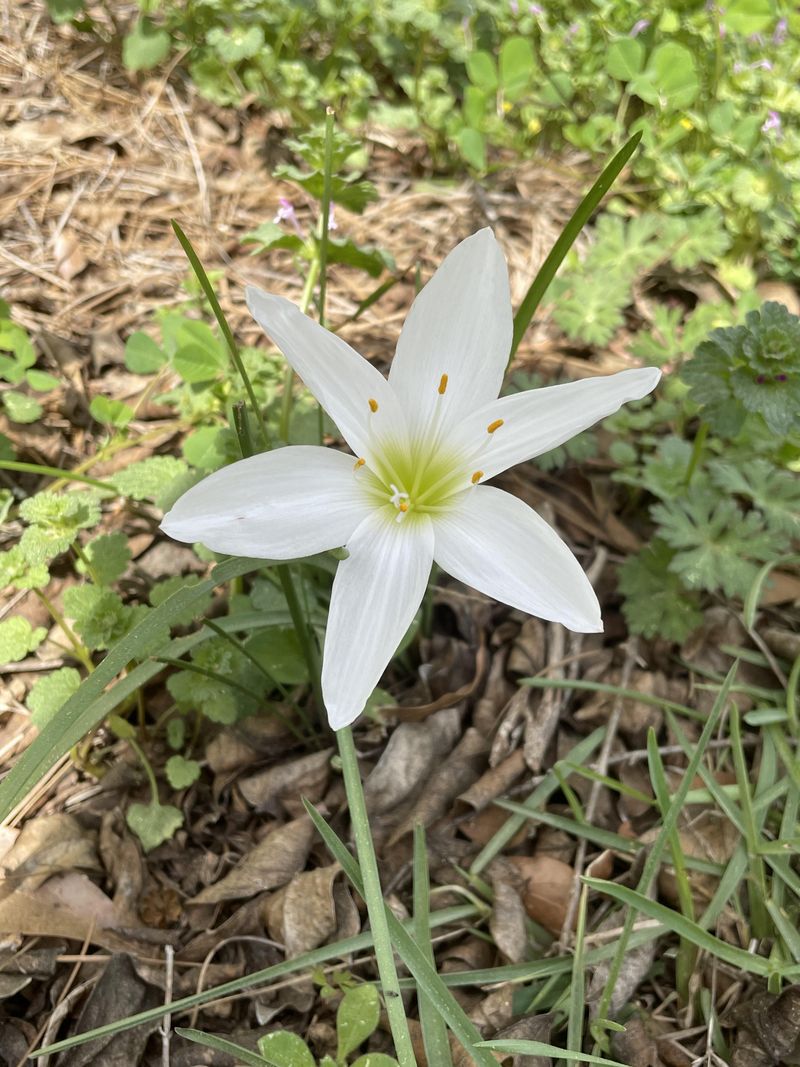
Dappled shade under hardwoods copies the habitat where these bulbs turn up naturally.
Out in the wild they grow in bottomlands, damp woods, and low pine flatwoods across the Coastal Plain. Shade in those places is filtered rather than deep.
Timing works in their favor, since flowers open before oaks and maples fully leaf out.
Early spring light reaches the ground, then the canopy closes and cools the soil for summer dormancy.
Woodland edges, north-facing beds, and the strip along a shady fence line usually work well. Full afternoon sun during a Georgia July can be rough unless the ground stays damp.
Tucked under a deck or against a wall that blocks all light, blooming may turn out weak.
Aim for roughly three to five hours of morning sun with shade later in the day. Even then, results depend on your soil and how much moisture the spot holds.
Pairing them with ferns, green and gold, or woodland phlox covers the gap left when the leaves fade.
Avoid planting right under thirsty, shallow-rooted trees when you can, since competition for water is stiff there.
Low spots that puddle after storms are usually fine, as long as water eventually drains away. Weeks of standing water is a different story and can rot bulbs.
Watch a spot through one season before committing a whole planting to it.
4. The Right Soil Helps The Bulbs Settle In
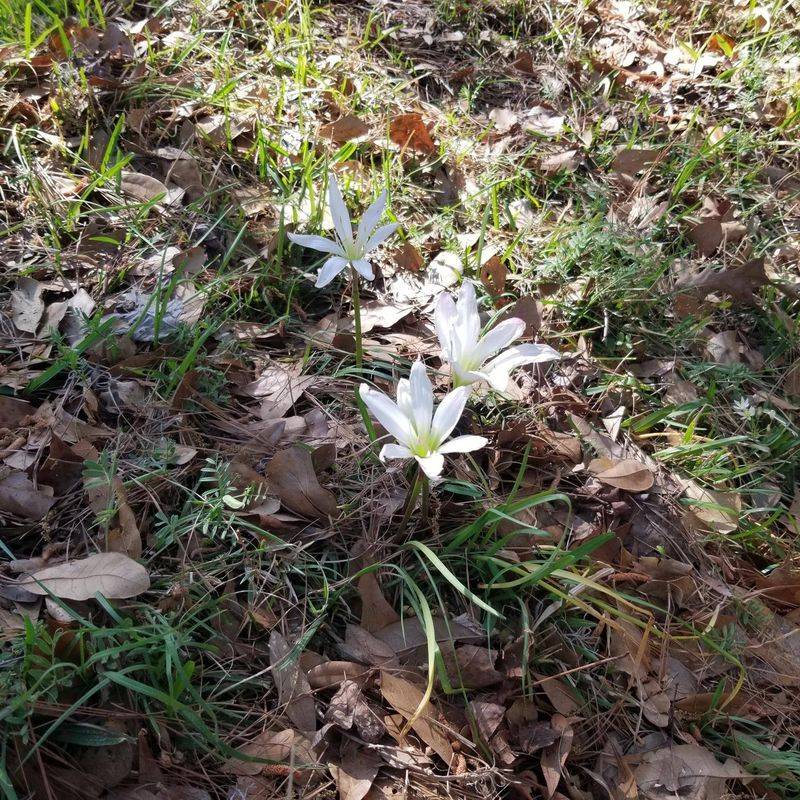
Soil that stays damp without staying soggy is the sweet spot for this plant.
Native stands grow in rich, spongy ground built up from years of fallen leaves. Copying that texture at home matters more than any fertilizer you could buy.
Mixing two or three inches of compost or leaf mold into the top layer helps a lot.
Heavy red clay across the Piedmont region of Georgia can work, provided it has not been packed hard by machinery or foot traffic. Loosening the bed a shovel deep before planting makes a real difference.
Sandy soil closer to the coast drains fast, so extra organic matter helps hold moisture.
Slightly acidic ground suits them, which is already common through much of the region.
Skip heavy lime unless a soil test says you need it. County extension offices run affordable tests and give straight answers.
Raised beds filled with fast-draining potting mix are usually a poor match here.
A shallow, low area that catches rain runoff tends to serve them better.
Mulch with shredded leaves or pine straw after planting, keeping the layer thin at an inch or two. Thick mulch can bury small shoots in spring.
Fertilizer is rarely needed, and a yearly topping of compost usually covers it.
Soil improves gradually, so expect the bed to get better each season rather than overnight.
5. Planting At The Right Depth Gives Them A Strong Start
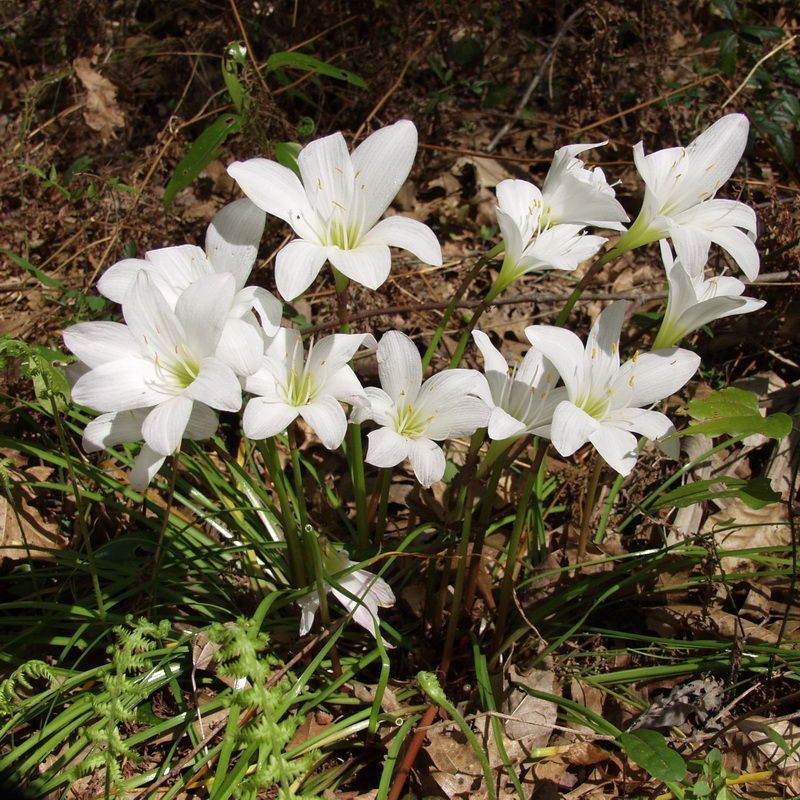
Depth is where bulb planting most often goes wrong.
Atamasco bulbs are small, roughly an inch across, and they do not want to sit deep. Two to three inches of soil over the top is a reasonable target.
Point the narrow end up and set the flat, rooty base down.
Spacing of three to six inches gives each bulb room while still reading as a group. Tighter spacing looks fuller sooner but may need dividing later on.
Firm the soil gently, then water once to settle everything and close air pockets.
Dry, packaged bulbs sometimes take a season to catch up, so a quiet first spring is not unusual.
Potted, actively growing plants from native nurseries tend to establish faster, though they cost more. Either route can work in a Georgia garden with patient handling.
Planting in groups of five to fifteen looks far more natural than a straight row.
Scatter the bulbs by hand and plant them where they land for a drifted, wild effect.
Label the area or drop a small stone at each end of the drift. Foliage vanishes by summer, and memory is not reliable in a busy yard.
Skip bone meal, which mostly draws digging animals without doing much good.
Where squirrels are a nuisance, chicken wire laid over the bed for a few weeks can help. Pull it off before spring growth pushes up.
6. Established Clumps Can Slowly Fill An Empty Garden Spot
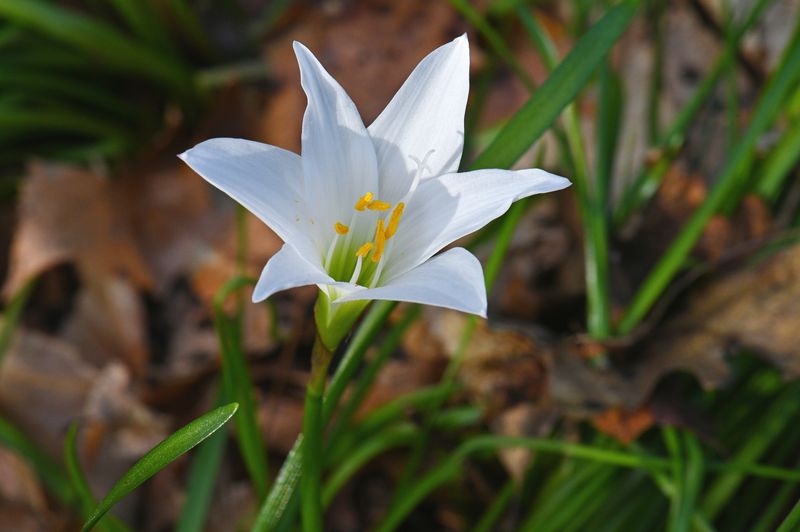
Spreading happens on its own schedule, and that schedule is unhurried.
Bulbs produce offsets over time, so a single planting slowly becomes a clump. Seed can also drop and sprout where the ground stays reliably damp.
Seedlings usually need a few years before they bloom.
Nobody would call this plant aggressive, which is good news for small beds. Spread stays gentle, unlike some non-native bulbs that take over a border.
Leaving seed capsules in place lets nature handle the multiplying for you.
Dividing a crowded clump is simple once you locate it during dormancy or right after flowering. Lift the cluster, pull the bulbs apart, and replant at the same depth.
Every three to five years is plenty often for that job.
Colonies filling a low, shaded corner give that neglected area real purpose in early spring.
Interplanting with something that leafs out later hides the summer gap. Hostas, ferns, or river oats will cover the ground once the lily rests.
Georgia yards with a damp swale or a seasonally wet strip are strong candidates for a slow colony.
Growth rate shifts with rainfall, shade, and soil richness, so no timeline is certain.
Some clumps double within a few years while others just creep along.
Keeping short notes each spring helps you track progress that is easy to forget year to year.
7. A Little Fall Care Helps Prepare Them For Spring
Autumn chores for this bulb are short, and most of them involve leaves and water.
Raking every fallen leaf off the bed is usually unnecessary, since a loose layer feeds the soil. Break up thick, matted piles so shoots can push through in spring.
Water new plantings during dry autumn stretches, roughly once a week without rain.
Established clumps rarely need help unless the season turns unusually dry.
Skip fall fertilizer and let compost do the work instead. A half inch spread over the bed is plenty.
Weeding matters more than people expect, because cool season weeds grab space while the bulbs sit quiet.
Chickweed and henbit spread fast during mild Georgia winters, so pulling them early saves effort. Hand weeding is safer than hoeing near shallow bulbs.
Mark the planting again if your first label has faded or wandered off.
Check the bed after heavy storms to see whether soil has washed away from the bulbs. A thin topping of compost or leaf mold fixes shallow spots quickly.
Hold off on cutting anything back, since there is nothing above ground to trim in fall.
Come spring, leave the foliage alone until it yellows on its own, which feeds next year’s flowers.
Weather still calls the shots, so a harsh or very dry winter may mean fewer blooms even with good care.