The Late Summer Mistake That Weakens Hydrangeas Before Winter
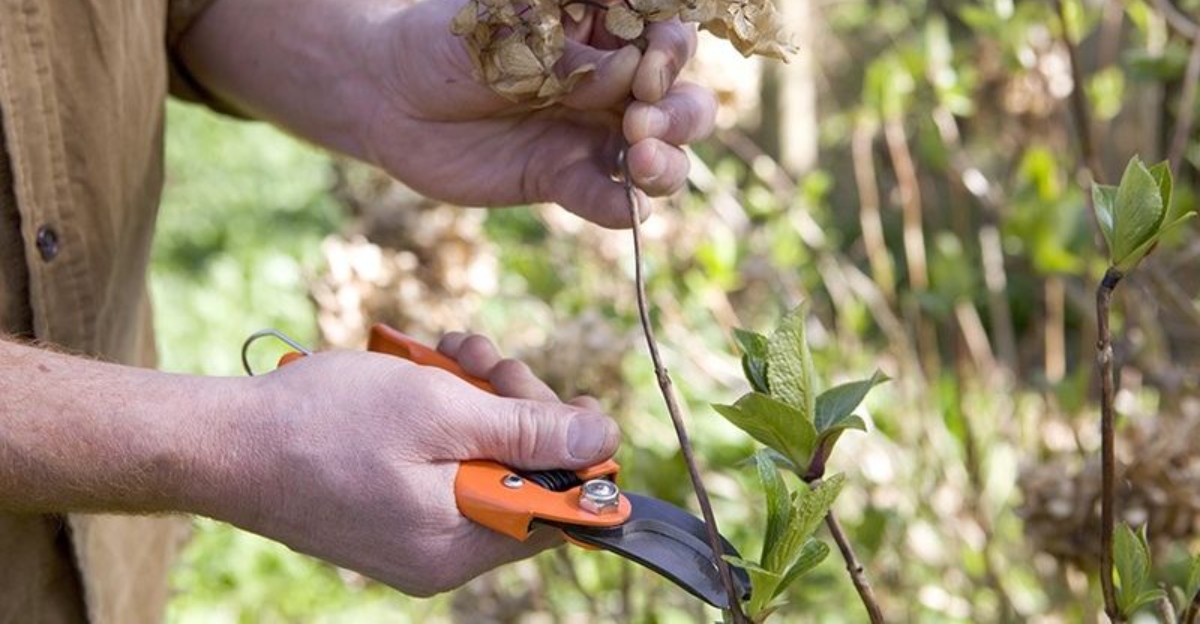
August has a way of making gardeners restless. The blooms look tired, the edges turn papery brown, and suddenly those pruning shears feel very tempting.
Here’s the twist: the tidiest-looking shrub in September is often the saddest one in June. What feels like helpful cleanup can quietly rob a plant of the very parts it needs to bloom again.
The damage doesn’t show up right away, which is exactly why so many people repeat it year after year. Spring arrives, leaves unfurl beautifully, and then… nothing. Just green.
Warm soil, shortening days, and a plant busy stocking its pantry for the cold months make late summer a delicate window. What happens during those weeks can change how your garden looks next season.
The Habit That Quietly Costs You Next Year’s Blooms
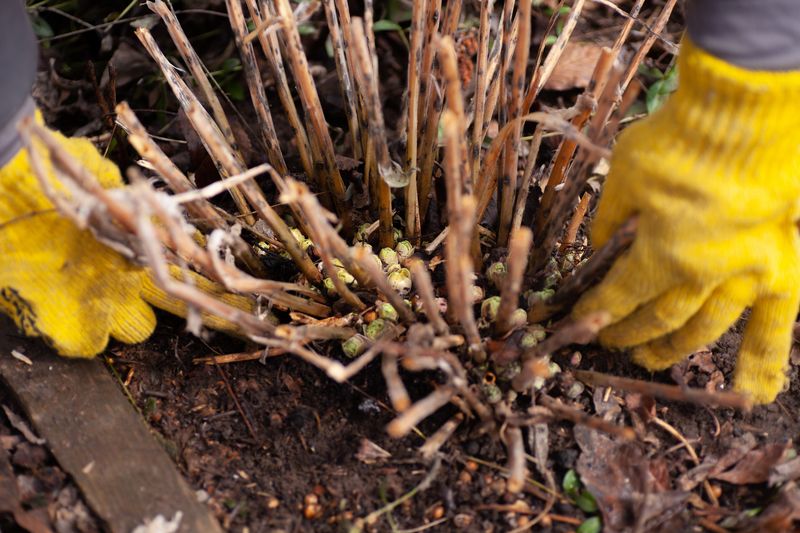
Late summer pruning is the culprit, and it looks so innocent. The blooms have faded to dusty tan, the stems flop sideways, and cutting them back feels like doing the shrub a favor.
The trouble is timing. Most bigleaf and oakleaf hydrangeas tuck next spring’s flower buds into this year’s stem tips during late summer and early fall, so snipping them off in August or September removes the flowers before they had a chance.
Gardeners often blame a cold winter or bad luck when spring brings nothing but foliage. In many cases the shears did it months earlier.
There’s a second problem too. Cutting stimulates fresh, tender growth that has no time to firm up before frost, so weak shoots go into winter and the shrub spends spring repairing itself instead of blooming.
So the fix is refreshingly lazy. Leave the shears in the shed from mid-July onward, and let the plant do its quiet bud-building work undisturbed.
If the spent flowers bother you, snip only the flower head itself, just below the bloom, without cutting into the leafy stem beneath. That satisfies the urge to tidy without touching the buds.
One season of restraint usually pays you back generously the following June.
Hydrangeas Set Their Buds Earlier Than You Think
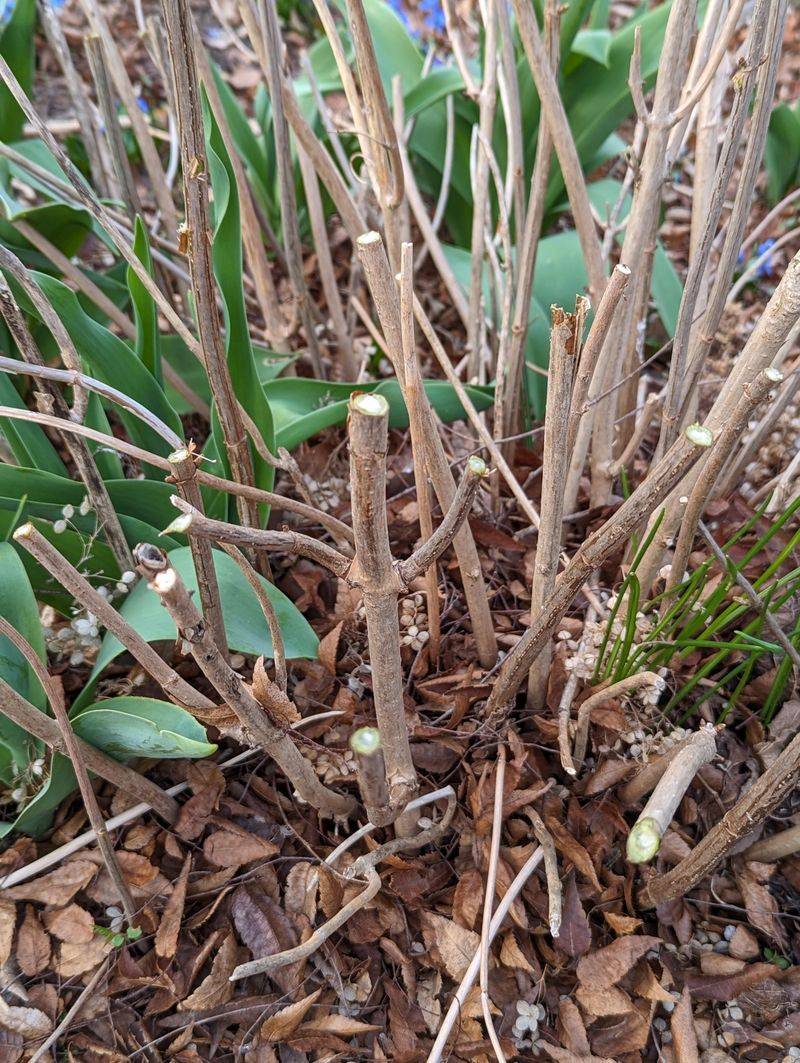
A hydrangea works ahead of schedule, setting next year’s buds while this year’s blooms are still open. While you are still watering and admiring the last blue mopheads, the plant has already moved on to next year.
As daylight shortens in late summer, bigleaf hydrangeas begin forming microscopic flower buds at the tips of this season’s stems, where they stay protected through winter.
Gardeners call this blooming on old wood. The wood that grew this summer becomes the old wood that flowers next summer.
Oakleaf hydrangeas follow a similar schedule, and so do climbing hydrangeas. Panicle and smooth types are the flexible ones, forming buds on new spring growth instead, which is why they tolerate a haircut without complaint.
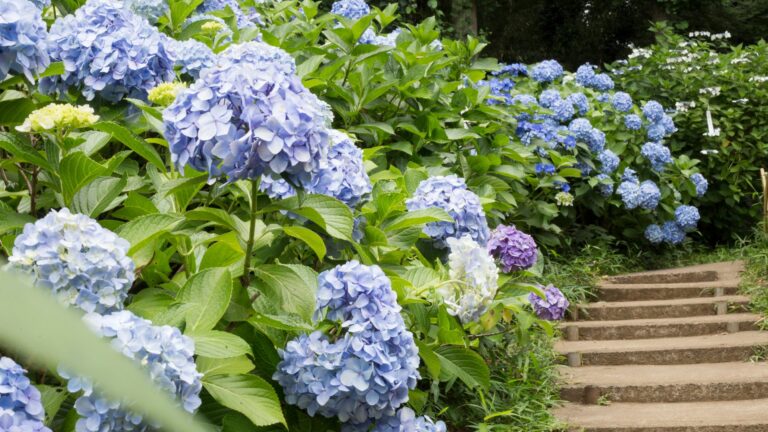
Rounded mophead/lacecap flowers in blue or pink mean bigleaf; cone-shaped white flowers fading to rose mean panicle; white snowball clusters on floppy stems mean smooth types like Annabelle.
Once you can name the shrub, the calendar becomes obvious. Old-wood bloomers get pruned right after flowering in early summer, if at all. New-wood bloomers can wait until late winter.
Guessing is what gets people into trouble. A quick plant tag check, or a photo comparison online, takes two minutes and protects a whole season of flowers.
Soft New Growth’s Path To Winter Damage
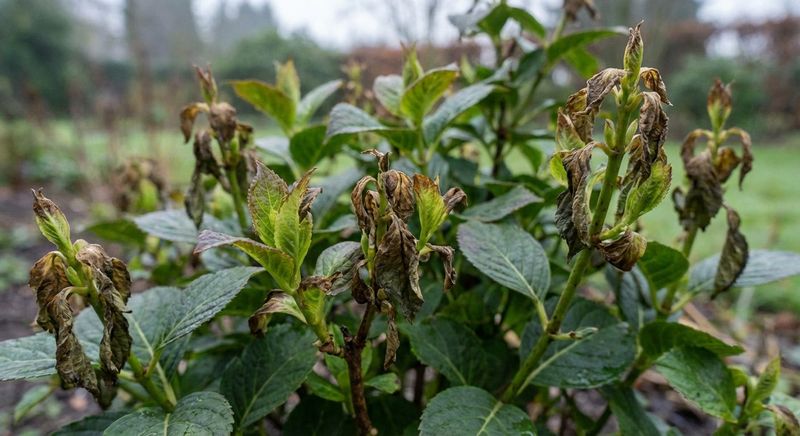
Anyone who has cut back a shrub in September has probably noticed the response. Within two weeks, pale green shoots pop out, looking eager and fresh.
That eagerness is the problem. Tender growth needs many weeks of warm weather to harden off, meaning the cell walls thicken and the tissue toughens up for cold.
Shoots pushed out in early autumn simply run out of runway. When the first hard frost lands, those soft tips collapse, and the damage often travels a little way down the stem.
Meanwhile, the plant spent energy producing that growth, energy it would otherwise have moved into roots and crown storage. Come spring, the shrub starts the season with a thinner savings account.
Fertilizer makes the same mistake in liquid form. A nitrogen feeding in August or September tells the plant to keep growing when it should be slowing down, so skip feeding after midsummer in most regions.
What helps instead is boring maintenance. Keep the soil evenly moist through early fall, since well-hydrated plants handle freezing far better than drought-stressed ones.
Add a few inches of shredded bark or leaf mulch once the ground cools, keeping it a couple inches away from the stems. Mulch steadies soil temperature and reduces the freeze-thaw cycles that heave roots around.
Left alone, stems thicken, bark firms up, and those tiny buds settle in safely. Patience in autumn really is a form of protection.
The Spent Bloom Question Almost Everyone Gets Wrong
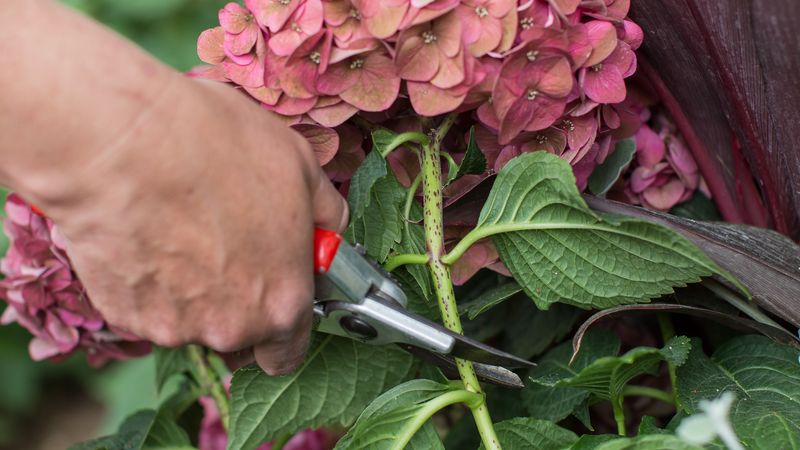
There’s a middle path between hacking and doing nothing at all, and it involves a very small snip.
Removing spent blooms is fine on hydrangeas as long as you stay shallow. Cut the flower head off just below the bloom cluster, right above the first set of leaves, and stop there.
Go deeper and you slice into the stem section where next year’s buds are forming. That single extra inch is often the difference between a June show and a green shrub.
Honestly, many experienced gardeners skip spent bloom removal entirely in fall. Dried hydrangea heads catch frost beautifully, hold snow like little cups, and give birds something to perch on during bleak weeks.
Those papery flowers also add a bit of extra protection. They sit above the bud-bearing stem tips and buffer them slightly from harsh wind and ice.
If neatness matters more than winter interest, harvest the blooms for indoor arrangements instead. Cut them with short stems in late summer when the petals feel papery, and they dry on their own in a vase with no water needed.
Save the real cleanup for spring. Once buds swell and you can see which stems woke up, trim back to the first pair of healthy green buds on each branch.
Spring pruning gives you information that autumn pruning simply can’t. You are cutting with evidence in front of you rather than guessing in the dark.
Reading Your Shrub Before You Reach For Shears
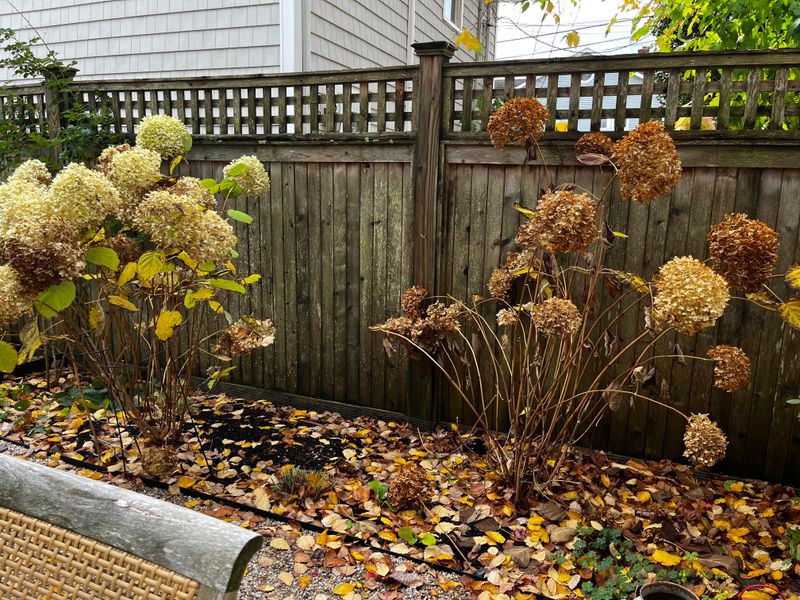
Identification sounds like homework, but it takes about as long as pouring a cup of coffee.
Start with the flower shape. Cone or triangle-shaped clusters mean panicle hydrangea, a new-wood bloomer that can handle a firm cut in late winter without losing flowers.
Rounded balls of blue, pink, or purple point to bigleaf hydrangea, the type most sensitive to fall pruning. Color shifts with soil acidity, which is a fun clue on its own.
Lobed leaves shaped a bit like oak leaves, with flowers in loose white cones, indicate oakleaf hydrangea. Treat it like bigleaf and keep the shears away in autumn.
Huge white snowballs on stems that flop after rain usually mean smooth hydrangea, often the cultivar Annabelle. Those bloom on new growth and forgive heavy trimming.
Reblooming varieties add a wrinkle. Types marketed as everblooming flower on both old and new wood, so a late cut costs you the earliest and best flush even though you may still get some blooms later.
Here’s a small trick if labels are long gone. Watch where flowers appear next June, hen note if they emerged from stems that were already woody or from soft shoots that rose from the base.
Write it down somewhere you will actually find it, like a note on your phone. One season of observation gives you a pruning schedule you can trust for years, and it removes the guesswork that leads to bloomless summers.
Better Ways To Spend Those Restless August Weeks
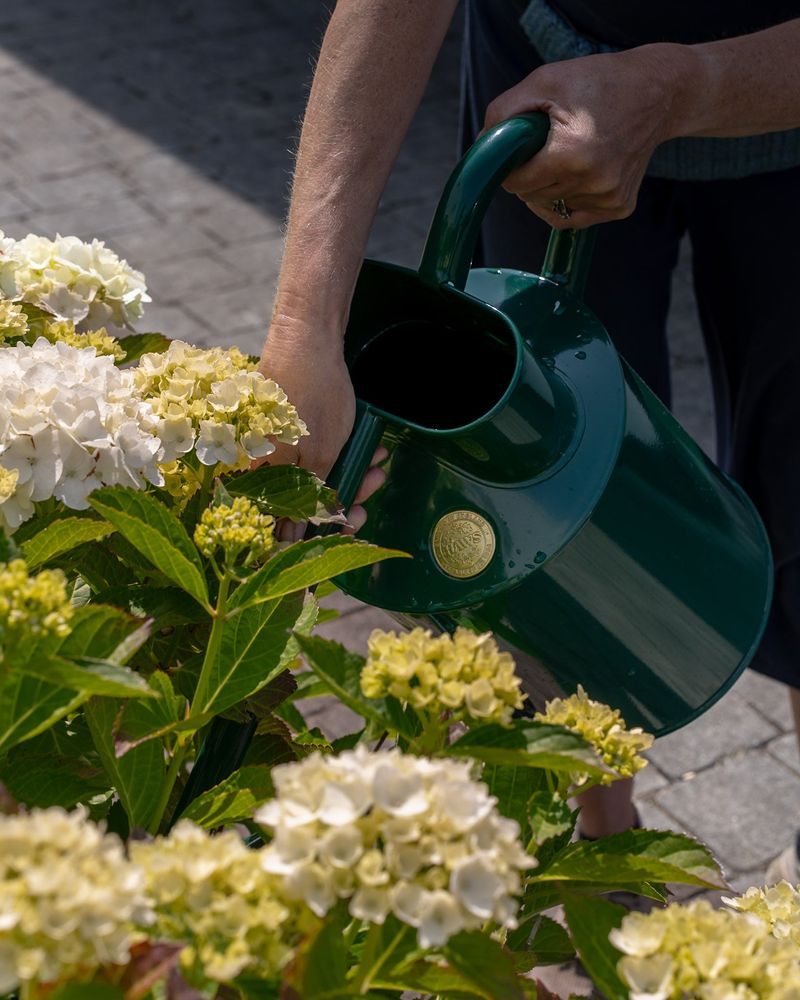
Idle hands cause most garden regrets, so give yours a better job in August.
Water deeply and consistently, aiming for soil that stays moist several inches down. Hydrangeas have shallow roots and thirsty leaves, and a stressed plant forms fewer flower buds.
Morning watering at the base works best. Wetting the foliage in the evening invites leaf spot, which spreads happily in humid late-summer air.
Pull weeds crowding the root zone, since they compete for the same moisture. A hand weeder and ten minutes usually settles it.
Check for wilting during heat waves, but look again in the evening before panicking. Midday droop that recovers by dusk is normal behavior, not a distress signal.
You can also tidy without pruning. Rake up fallen leaves and old petals from beneath the shrub to reduce fungal spores overwintering in the debris.
Take photos while blooms are still recognizable, noting flower shape and color. Future you, standing in the garden in March with shears in hand, will be grateful.
Hold off on fertilizer entirely. If soil seems poor, wait until early spring and use a slow-release product formulated for flowering shrubs.
Then step back and let the shrub look a little rumpled. Browning edges and slumping blooms in August are simply the plant winding down, not a problem asking to be fixed.
Resisting the cleanup impulse for six weeks is the single best thing you can offer a hydrangea heading into cold weather.