The Oregon Rose Cleanup Mistake That Carries Black Spot Into Next Spring
Autumn in Oregon starts quietly, cooler mornings, the first leaves letting go, gloves back in the shed. Within a few weeks the real rain moves in for good, the light goes soft, and most of us start thinking about putting the yard to bed.
That is when a very small habit quietly decides how your beds will look in May. It happens fast, it feels tidy, and it looks harmless from the kitchen window.
Most gardeners repeat it every single fall without a second thought. They are being neat, they are being efficient, and they are still handing trouble a warm place to wait out winter.
The fix itself takes maybe twenty extra minutes. See what is really sitting under those canes, and you cannot unsee it.
Fall Tidy-Up Leaves One Thing Behind
Here is the short answer: the cleanup itself is not the problem. The problem is what gets left behind and what gets moved around while you work.
Most Oregon gardeners cut back their bushes in late October or November, rake the paths, and call it finished. The canes look neat, the walkway looks sharp, and the bed underneath still holds a soggy mat of old foliage.
Those leaves are not just compostable clutter. In our climate, they stay damp from the first real rain until March, and damp organic matter is a hotel room with the heat left on.
Fungal spores overwinter in that layer. They also overwinter on cane tissue, in mulch crumbs, and in the crevices where old leaf stems clung before dropping.
Very little dries out here between November and April, so almost nothing gets sterilized by sun or frost the way it might in a colder, drier state.
The second half of the mistake is mechanical. Raking, blowing, and shuffling debris around the bed splashes and scatters spores onto clean soil, onto neighboring plants, and back up onto the lower canes you just pruned.
So the tidy garden of December becomes the speckled, yellowing garden of late May. It feels like bad luck or bad weather, but the timeline traces straight back to one afternoon of well-meaning fall work.
The rest of this article walks through exactly what is hiding down there and how to shut the door on it.
A Familiar Fungus Waits In The Leaves
Diplocarpon rosae is the fungus behind black spot, and it has been frustrating rose growers since at least the 1800s. In western Oregon, it is less of a visitor and more of a permanent resident.
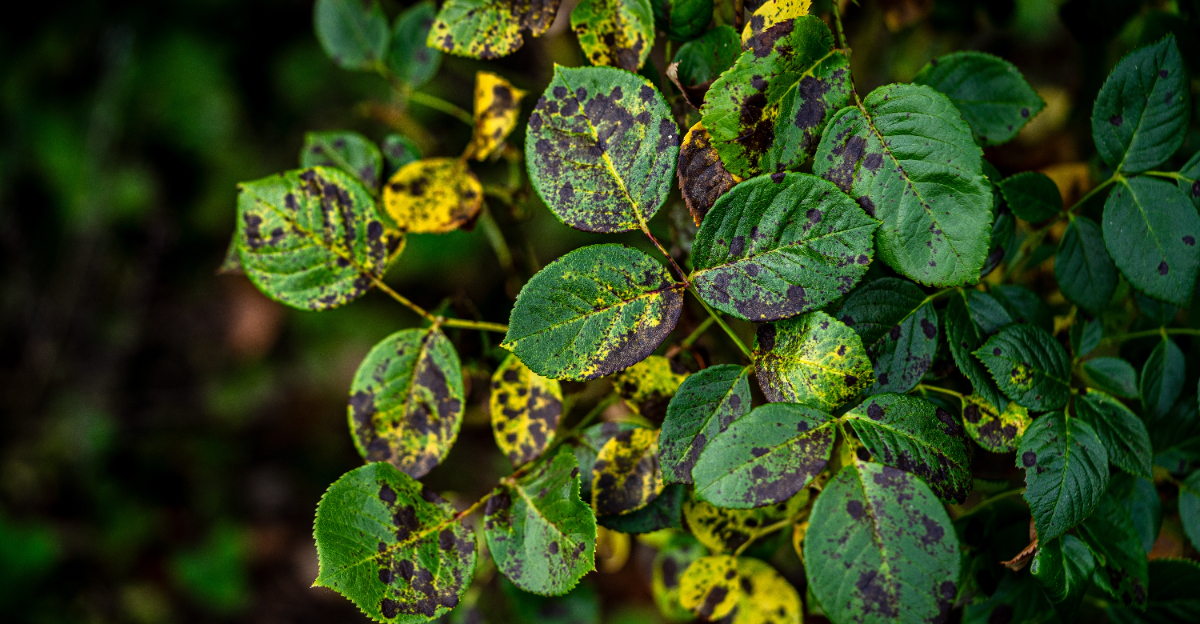
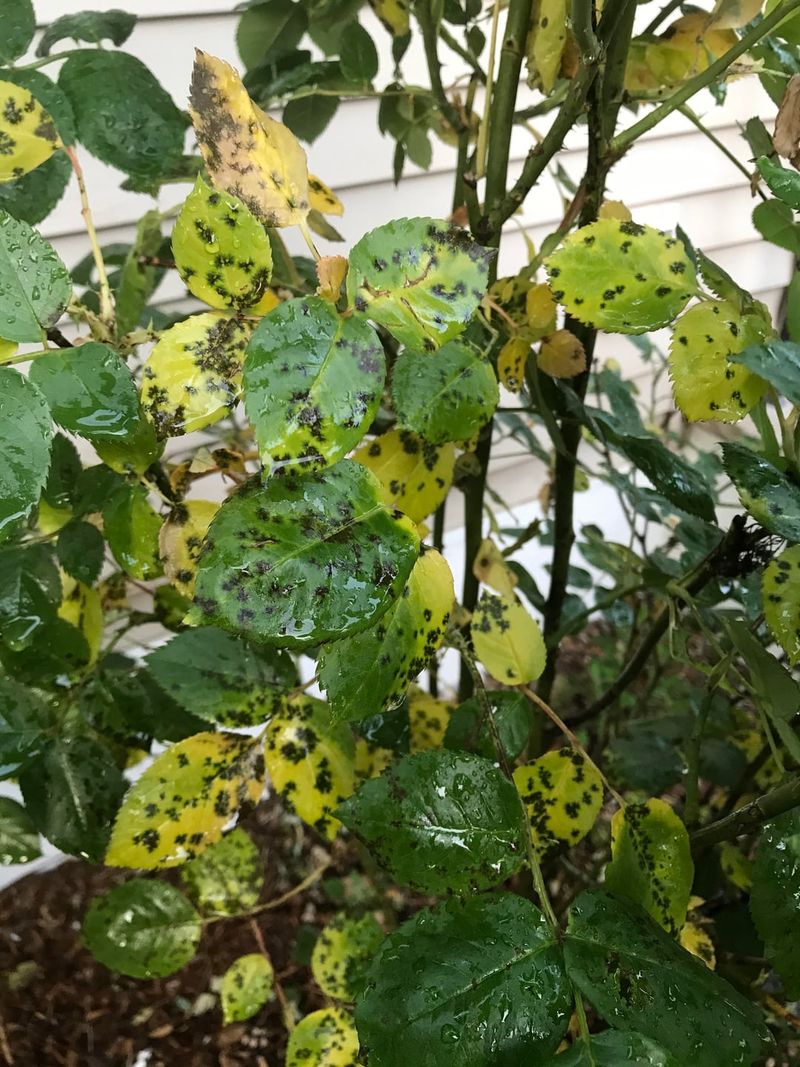
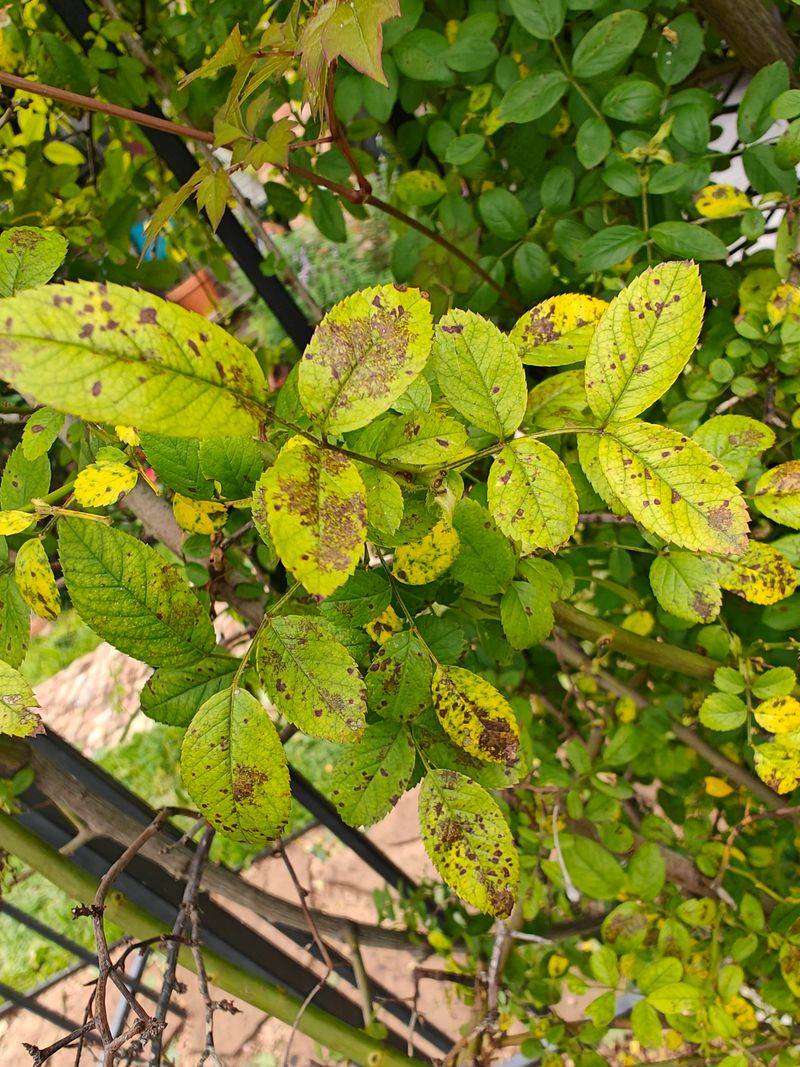
The signs are familiar to anyone who grows roses west of the Cascades. Round dark blotches with feathery, fringed edges appear on lower leaves, the tissue around them turns yellow, and the leaf drops long before autumn arrives.
What surprises people is where the fungus spends winter. It does not vanish with the last leaf.
Spores survive on fallen foliage sitting on the soil surface and inside small lesions on the canes themselves. Those cane lesions look like slightly raised purple or blackish patches, easy to mistake for normal bark texture.
Your Oregon Garden Changes Every Week. Your Plan Should Too.
Gardening in Oregon changes quickly throughout the season. Every Friday you’ll receive a simple weekly plan showing exactly what to plant, prune, fertilize, harvest, and protect so you never miss the right timing.
Come spring, the first warm rains splash spores upward onto brand new growth. The fungus needs about seven hours of continuous leaf wetness to infect, and Oregon springs hand it that on a silver platter, sometimes for days at a stretch.
Within ten days to two weeks, fresh spots appear. Each spot then produces more spores, and the cycle repeats through the whole growing season.
Here is the encouraging part. Every one of those spring infections traces back to material you can remove this November, while wearing a raincoat and standing in your own garden.
Understanding the source changes the whole approach. You stop treating black spot as a summer spray problem and start treating it as an autumn housekeeping problem.
Oregon Winters Give This Fungus Everything It Needs
Gardeners moving here from Colorado or Minnesota often expect winter to solve their fungus problems. It does not work that way in the Willamette Valley.
Portland averages around 40 inches of rain a year, and a big share of it falls between November and March. Temperatures hover in the 35 to 50 degree range for months, which is chilly for us but perfectly comfortable for fungal spores in dormancy.
Hard freezes that might reduce spore survival are brief and unreliable here. A cold snap arrives, lasts three days, and then the marine air rolls back in with more drizzle.
Add the moss, the low winter sun, and the tall firs shading half the yard, and you get soil that stays wet from Halloween through tax day. Leaf litter under a rose bush does not break down cleanly in those conditions, it just sits and stays soggy.
Coastal gardens have it even damper. East of the mountains, in Bend or Pendleton, the drier air and colder nights genuinely help, which is why black spot pressure drops noticeably over there.
Spring makes the setup complete. March and April bring warming temperatures alongside continued rain, exactly the combination the fungus needs to launch.
None of this means growing roses here is a lost cause. Plenty of gorgeous rose gardens thrive in Portland, including the famous test garden in Washington Park.
It simply means our autumn cleanup needs to be more thorough than the advice printed in a national gardening book.
The Compost Pile Trap Almost Everyone Falls Into
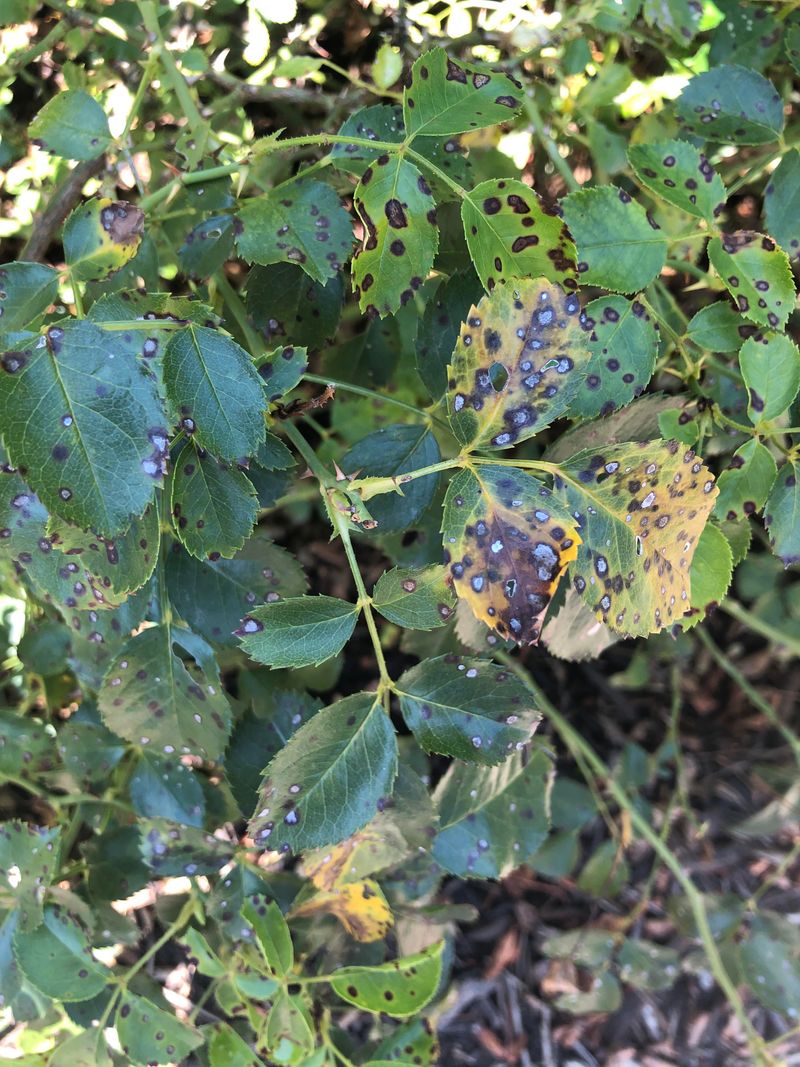
You raked up every last spotted leaf. Good work.
Then you tossed the whole pile into the backyard compost bin, and that is where the plan quietly unravels. Home compost piles rarely reach the temperatures needed to neutralize fungal spores.
You would need a sustained 130 to 150 degrees throughout the entire pile, turned regularly so the outer material rotates inward. Most backyard bins in Oregon are cool, wet, and slow.
They function more like a leaf storage unit than a sanitizing oven, especially in the rainy season when the pile rarely heats up. Spring arrives, you spread that lovely finished compost around the roses as a soil amendment, and you have just replanted the problem you spent an afternoon removing.
It is such a tidy, well-intentioned circle that hardly anyone notices they are doing it. Better options exist and they are easy.
Bag diseased foliage and send it out with your curbside yard debris cart, since municipal composting facilities in the Portland metro area do reach sanitizing temperatures. If you prefer to keep material on site, bury it deeply somewhere far from any rose, at least a foot down where spores cannot splash back up.
Another approach is to seal the debris in a black plastic bag and leave it in a sunny spot for several weeks, though our autumn sun is not exactly generous. Simplest of all, just keep rose foliage out of the home pile entirely.
A Cleanup Routine That Actually Breaks The Cycle
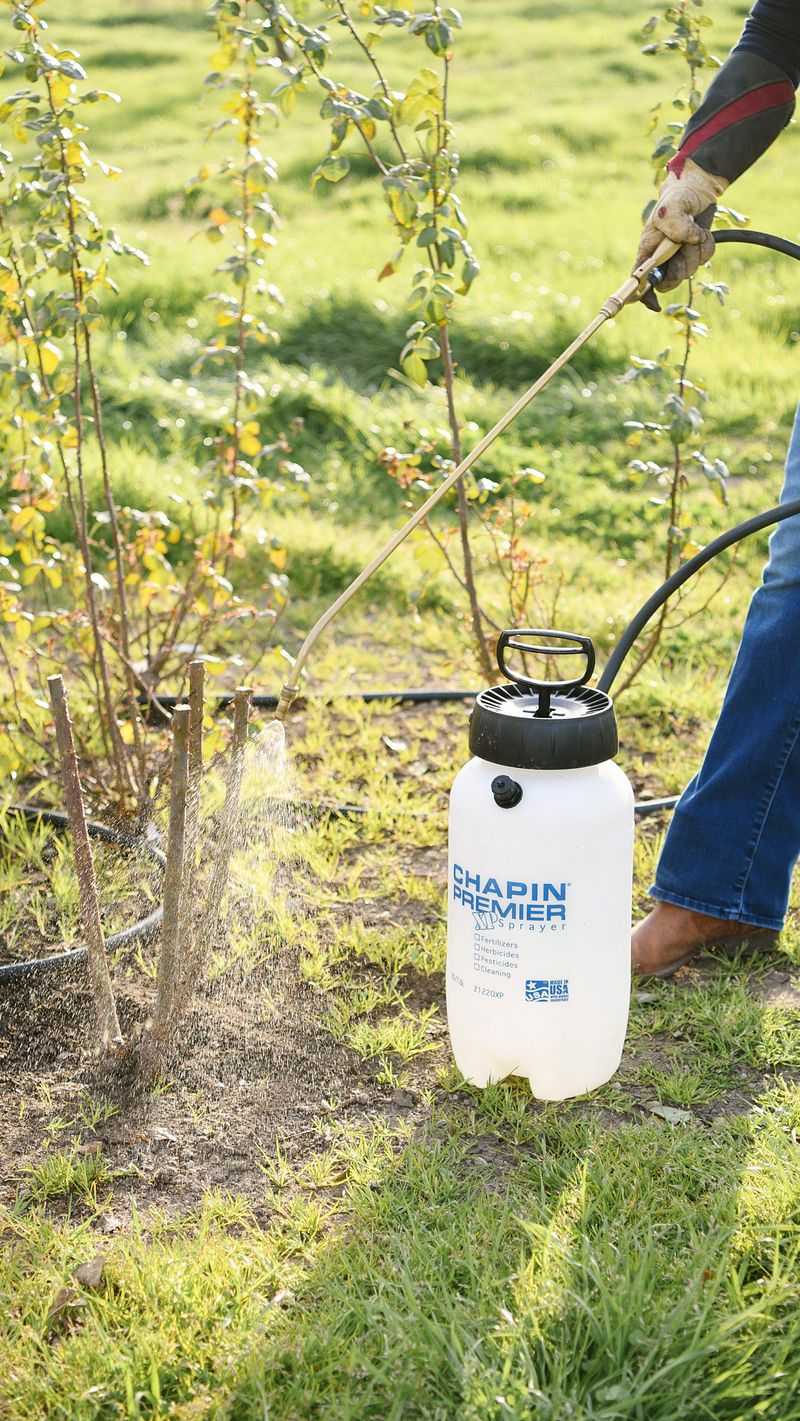
Timing matters more than effort here. Aim for late November into December, after the bushes have dropped most of their foliage but before the heaviest winter rains settle in for good.
Start by hand-picking rather than raking. Raking flings spores sideways, while gathering leaves by hand into a bucket keeps them contained.
Lay a tarp under the bush first if you want to make it faster. Pull the debris toward the center, fold the tarp up, and carry the whole thing away without a single leaf touching clean soil.
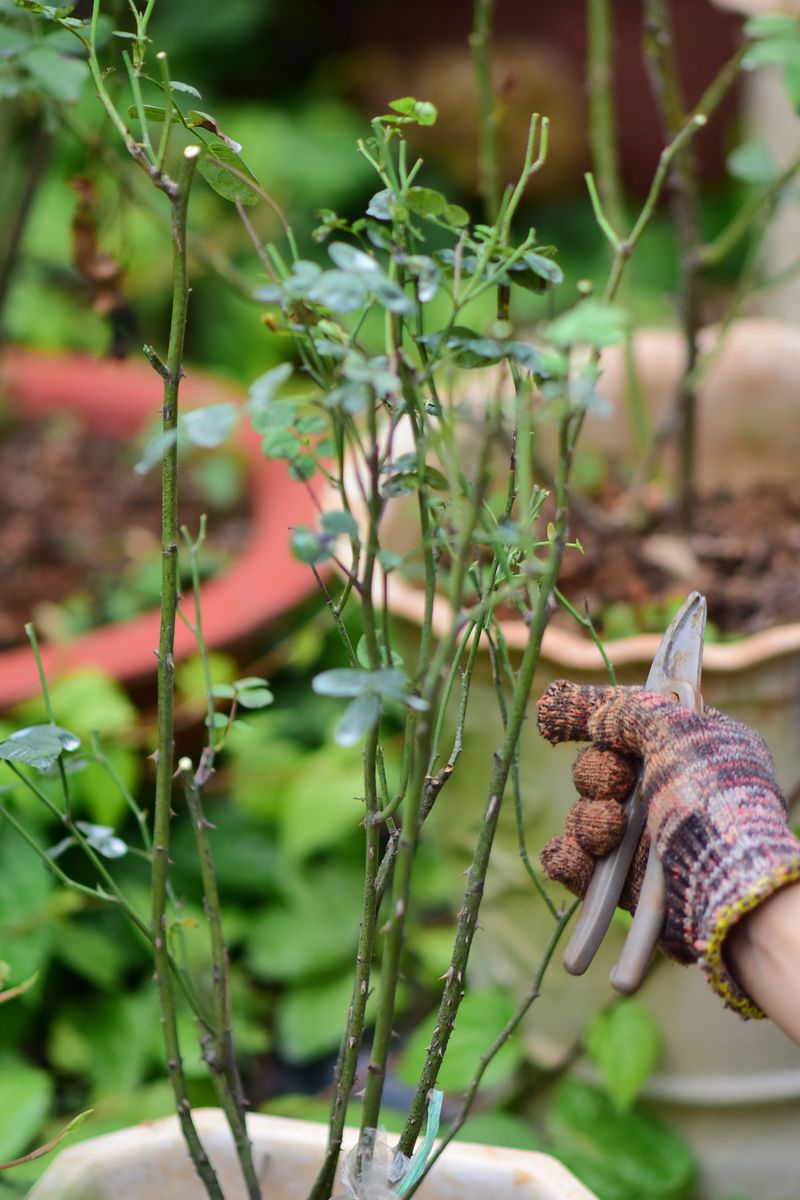
Next, look closely at the canes. Prune out any wood showing dark purple or blackish blotches, cutting back to healthy green tissue, and wipe your pruners with a disinfecting solution between cuts.
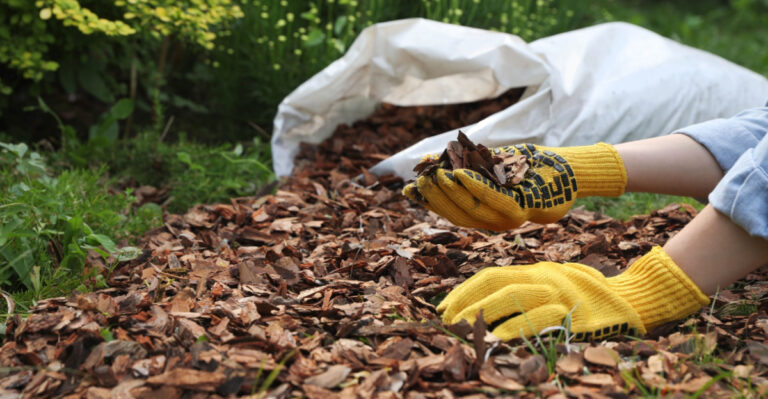
Then remove the top inch of old mulch from under each plant. Spores hide in that surface layer, and replacing it with fresh material creates a clean barrier between the soil and next season’s leaves.
A dormant spray finishes the job. Lime sulfur or a copper-based product applied to bare canes and the surrounding ground in December or January reduces overwintering spores considerably, and it is far more effective than trying to catch up in June.
Wait for a dry window of at least a day. Oregon gives you a few of those even in winter, usually right after a front passes through.
Total time for a small bed is under an hour. That hour buys you a genuinely different-looking garden come Memorial Day.
A Clean Bed Come May
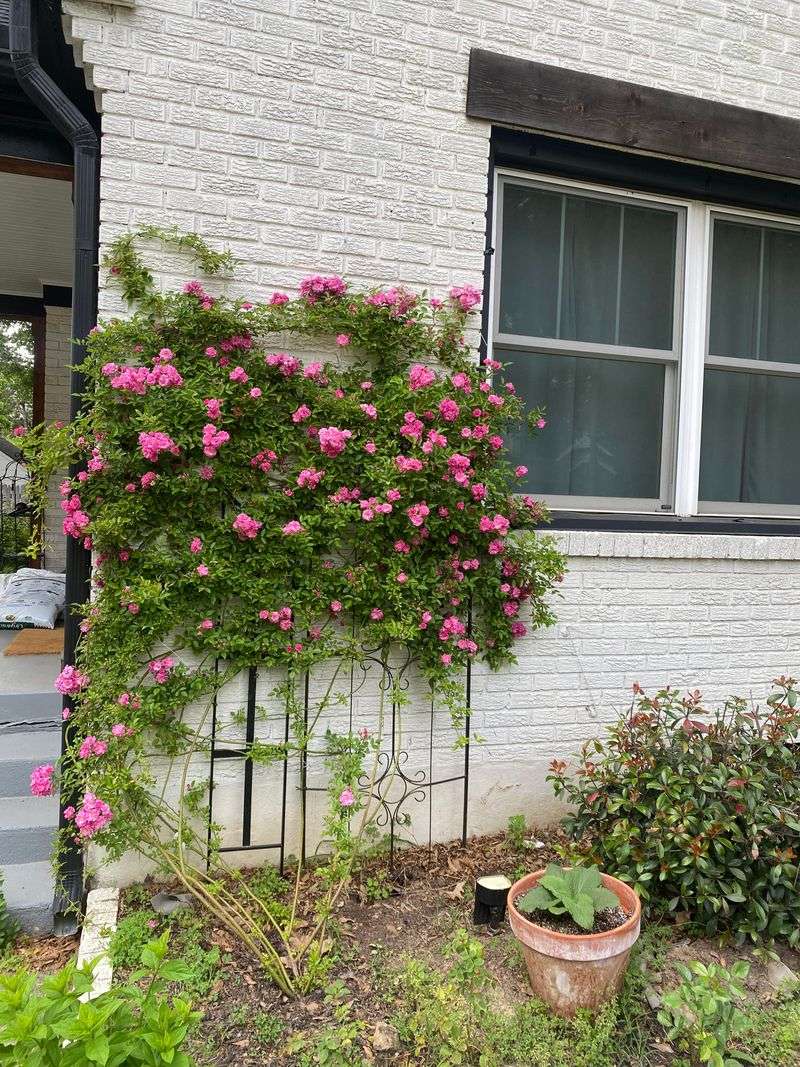
Picture the same bed six months later. The lower leaves are glossy and green instead of yellowing and speckled, and the plant still has foliage down to the base in July.
Gardeners who commit to thorough autumn cleanup typically report far fewer spots on new growth, and the spots that do appear show up later in the season. That delay matters enormously, because a plant that stays leafy through June builds the energy reserves for a strong second flush of blooms in September.
Spraying drops off too. Instead of a fungicide schedule every seven to fourteen days from April onward, many people find they can stretch intervals or skip treatments during dry stretches.
Less spraying means less money, less time, and friendlier conditions for the bees and ladybugs working your garden. The plants themselves grow noticeably sturdier.
A rose that keeps its leaves photosynthesizes all season, and that translates into thicker canes, better winter hardiness, and larger flowers. Realistic expectations help.
Black spot will not disappear entirely from an Oregon garden, since spores drift in from neighboring yards and the climate stays hospitable. What changes is the pressure.
You shift from constant damage control to occasional touch-ups, and that is a genuinely different gardening experience. Pairing good cleanup with resistant varieties makes it better still.
Look for Knock Out types, rugosas, or newer disease-resistant shrub rose series, and let good habits handle the rest. One damp November hour, redeemed every single spring.