This New Jersey Hotspot Is Seeing Thousands Of Butterflies Pass Through On Their Migration South
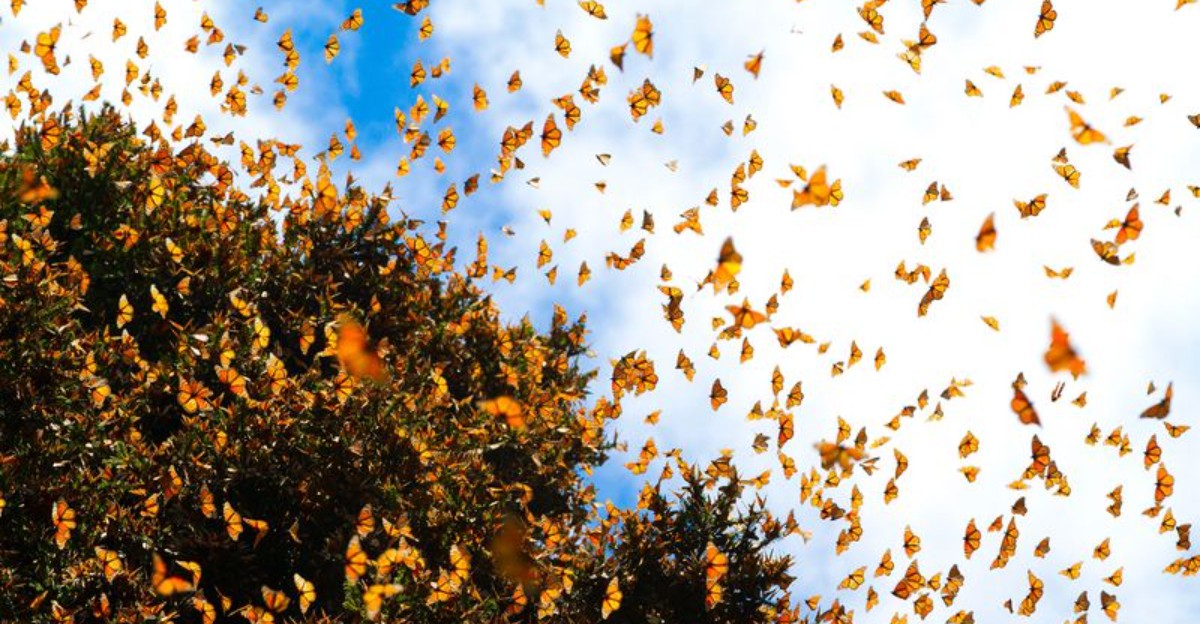
Orange flickers across the dunes, then changes direction. Blink and you might mistake it for a falling leaf. Southern New Jersey becomes a temporary runway for delicate long-distance travelers each September.
Wind out of the north carries them straight toward you. Monarchs stack up here, waiting for weather you can’t control. Goldenrod fields turn into fueling stations for exhausted wings. Fuel matters more than distance once open ocean lies ahead of tired wings.
Locals arrive early, chairs folded under their arms. Binoculars rise toward the sky, then drop toward the flowers beside you instead. You end up staring at petals more than wings.
Nobody minds the distraction out here. Patience becomes the only strategy you need out here. New Jersey holds a narrow, fragile window for your visit.
Timing separates witnesses from those who miss the peak by days. Get the timing wrong, and you will wait until next fall.
Cape May Point State Park The Front-Row Seat
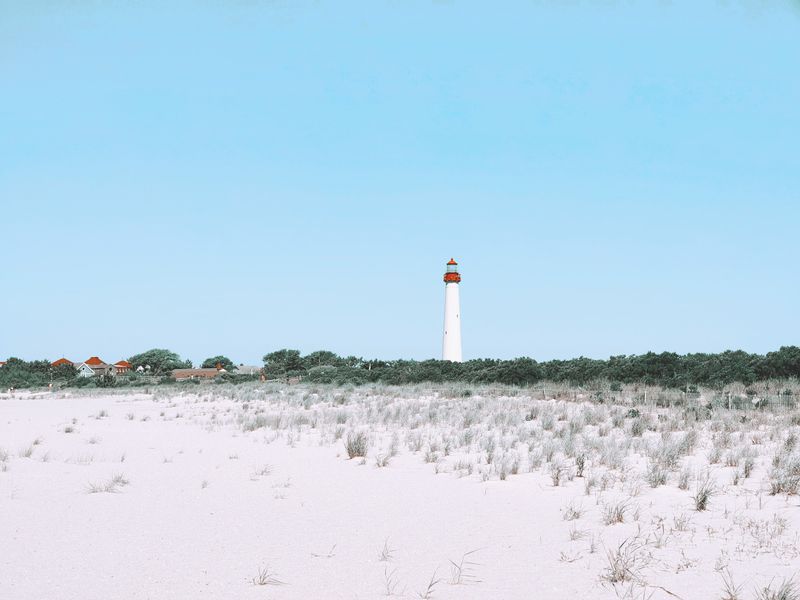
Picture a lighthouse, a boardwalk over marsh water, and orange wings sliding past your shoulder. That combination is what makes Cape May Point State Park the anchor of the whole butterfly season.
Geography does the heavy lifting here. New Jersey narrows to a point, and traveling insects moving south get funneled down the peninsula until land runs out at Delaware Bay.
Rather than crossing open water in rough conditions, they pause. Dunes, hedgerows, and flower beds around the park become a giant waiting room.
Trails are flat, short, and easy for families. The red trail loop takes about twenty minutes at a slow pace, which is exactly the speed you want for spotting wings resting on seaside goldenrod.
Parking is free but fills quickly on warm September weekends, so arriving before ten in the morning saves frustration. Restrooms and a small nature center sit near the lot, which helps with younger kids.
Staff and volunteers often set up spotting scopes on the hawk watch platform. Ask them what has been moving through, and you will usually get a friendly rundown of the past few days.
Bring water, a hat, and shoes that handle sand. Mosquito repellent earns its place in your bag by late afternoon near the ponds.
Fun bit of history: the concrete bunker sitting offshore was built during World War II. Now it makes an odd backdrop for one of the most delicate wildlife spectacles on the East Coast.
The Long-Distance Travelers Themselves
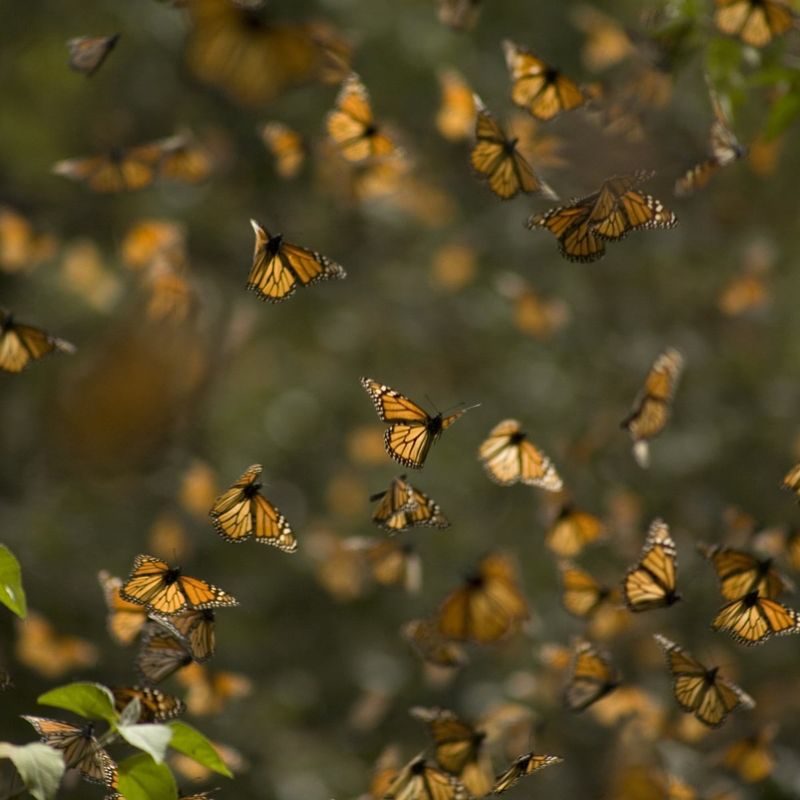
Weighing about as much as a paperclip, a monarch can travel more than two thousand miles, sometimes closer to three thousand. That fact never stops sounding unbelievable.
The ones passing through Cape May Point in September belong to a special generation. Instead of living a few short weeks like their parents, these individuals can last eight months or more.
Scientists sometimes call them the super generation. Their bodies delay reproduction, store fat, and focus entirely on the journey ahead.
Navigation is the strangest part. They use the position of the sun combined with an internal clock, plus a sensitivity to magnetic fields, to keep pointing southwest.
Your New Jersey Garden Changes Every Week. Your Plan Should Too.
Gardening in New Jersey changes quickly throughout the season. Every Friday you’ll receive a simple weekly plan showing exactly what to plant, prune, fertilize, harvest, and protect so you never miss the right timing.
No individual has made the trip before. The route lives in their biology, passed down without a single lesson.
Monarchs are not the only wings in the air, either. Painted ladies, question marks, common buckeyes, and clouded sulphurs join the parade, along with dragonflies riding the same winds.
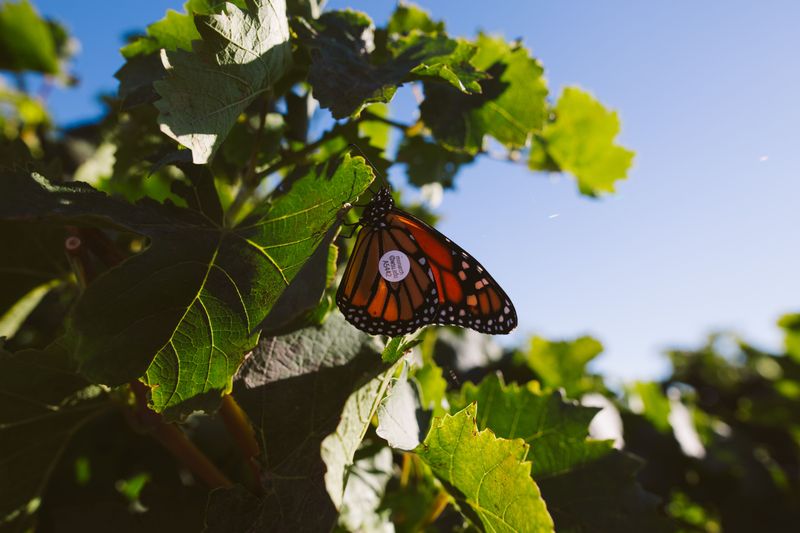
Look closely and you may spot small round stickers on a few wings. Those are research tags, each printed with a code that helps track where an individual started and where it was later found.
Numbers rise and fall year to year, which is why counts here matter so much to researchers. Habitat loss and rough weather along the route both play a role.
Watching one lift off the goldenrod and vanish over the bay gives you a small, humbling jolt of respect.
Timing Your Visit For Peak Wings
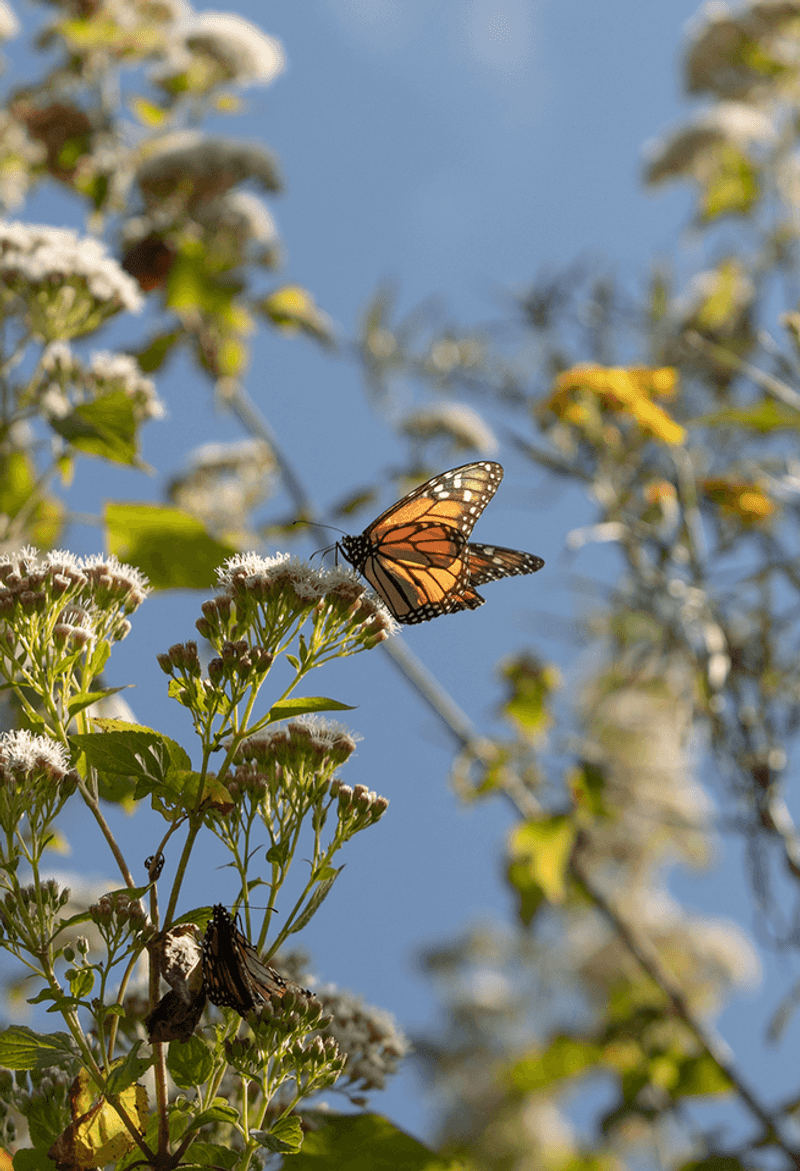
Ask any regular when to come and you will hear the same answer: watch the wind. A cold front sliding through with a northwest breeze is the trigger that sends big waves of butterflies down the peninsula.
Mid-September through mid-October usually holds the strongest movement. Late September often delivers the biggest single days, though weather shifts everything year to year.
Mornings after a chilly night can be magical. Butterflies cluster on cedar branches and shrubs, wings folded, waiting for sunlight to warm their flight muscles.
Once temperatures climb into the mid-to-upper sixties, the air fills. Bright, calm afternoons following a front are prime nectar-feeding hours around flower gardens.
Rainy or heavily windy days flip the switch off. Wings stay tucked in sheltered spots, and the sky looks empty even during peak season.
Checking a simple weather app the night before pays off. Look for a temperature drop plus a north or northwest wind direction.
Weekdays bring thinner crowds at the parking lot, which matters if you want quiet space near the dune paths. School groups often arrive midmorning on weekdays, so early birds still win.
Golden hour deserves a mention too. Low light through orange wings over the dunes makes photographers forget dinner plans entirely.
Plan a two-day trip if you can swing it. Conditions swing quickly here, and a slow first day can turn into an unforgettable second one.
The Monarch Monitoring Project
Since 1990, a small team has been driving the same roads in Cape May Point three times a day, counting orange wings from a slow-moving car. That long-running effort is the Monarch Monitoring Project.
Their census follows an identical route each time, which lets researchers compare one autumn to the next in a fair way. Decades of consistent data are rare and genuinely valuable.
Public demonstrations are the fun part for visitors. Naturalists carefully net a butterfly, show off the differences between males and females, and explain what happens next.
Then comes the tag. A tiny circular sticker with a unique code goes on the hindwing, light enough that flight stays normal.
If someone in Texas or Mexico later finds that code, the record connects two dots on a map thousands of miles apart. Kids in the crowd usually get to help with the release.
Holding a monarch on your fingertip for three seconds before it lifts away tends to stick in a child’s memory far longer than a museum exhibit would.
Programs are typically free and run on a posted schedule during autumn weekends. Checking the project’s social pages before you drive down saves guesswork.
Volunteers also answer questions patiently, including the ones adults are shy about asking. There are no silly questions when the subject is insect navigation.
Bring a notebook. Writing down the count numbers you hear makes the whole trip feel like fieldwork.
Goldenrod, Milkweed, And The Gardens That Fuel The Trip

Fuel stops matter more than distance records. Butterflies arriving at the point are running low on energy, and the flowers waiting here decide whether they can continue.
Seaside goldenrod is the star. Those tall yellow plumes bloom right when migration peaks, thriving in sandy soil where other flowers give up.
Asters, boneset, and butterfly bush add backup nectar. Local gardeners plant them on purpose, turning ordinary front yards into refueling stations.
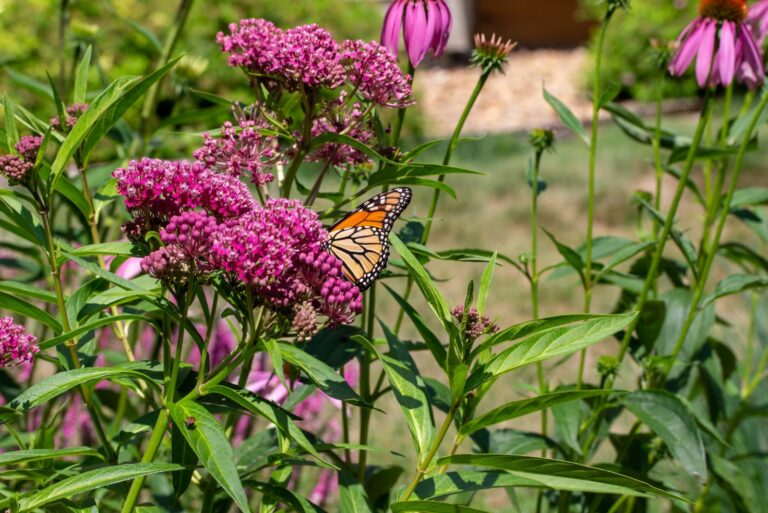
Milkweed plays a different role. Caterpillars feed on it exclusively, so it supports the generations that build up during summer rather than the travelers heading south.
Walk the residential streets near the lighthouse and you will notice how many yards skip the lawn look. Signs marking certified wildlife habitats pop up on fence posts.
The Cape May Point Science Center and several small preserves maintain demonstration gardens with labeled plants. Snap photos of the tags if you want to copy the design at home.
Anyone with a sunny patch of dirt can help. Three native perennials in a cluster beat a single fancy plant, since groupings are easier for insects to find.
Skipping pesticides in the yard makes a bigger difference than most people expect. Nectar laced with chemicals does not help a traveler with a long flight ahead.
A neighborhood stroll here doubles as a free gardening class. Bring a phone, take notes, and you will drive home with a planting list.
What Else To Do Nearby
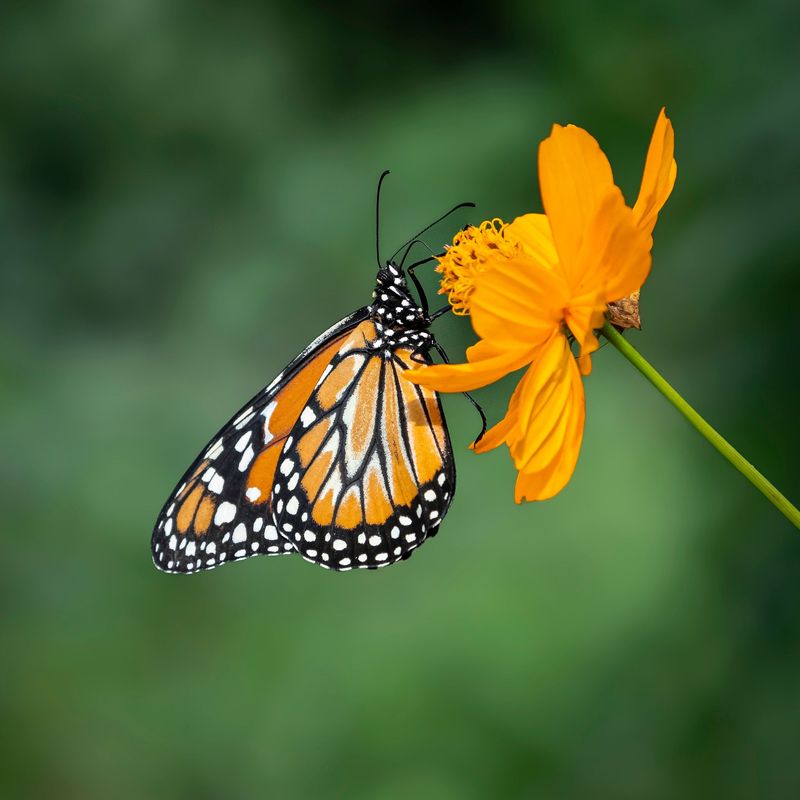
Butterflies may bring you here, but the rest of the peninsula refuses to be ignored. September is peak season for a whole lineup of migrations happening at once.
Hawks stream overhead from the same platform where butterfly watchers gather. Sharp-shinned hawks, kestrels, and merlins ride the same wind that pushes monarchs along.
Songbirds fill the hedgerows at dawn. Warblers, thrushes, and flycatchers drop in overnight and spend the morning restocking on insects.
Sunset Beach sits a short walk away, famous for smooth Cape May diamonds and the sunken concrete ship offshore. The nightly flag-lowering ceremony there draws a quiet crowd.
Higbee Beach and the Meadows preserve add more trails without much elevation. Both stay pleasantly uncrowded compared to the main beaches.
Downtown Cape May, a short drive away, offers Victorian architecture, ice cream, and dinner options once the light fades. Ferry rides across Delaware Bay run year-round for anyone wanting a longer day.
Lodging books up fast during autumn weekends because birders reserve months ahead. A midweek stay usually costs less and feels calmer.
Pack layers. Mornings near the water start chilly, then turn warm enough for shorts by lunchtime.
Give yourself an unscheduled hour somewhere along the way. The best moments here tend to happen when you stop trying to see everything and just sit near the goldenrod.