This September Hydrangea Mistake Can Cost Georgia Gardeners Next Year’s Blooms
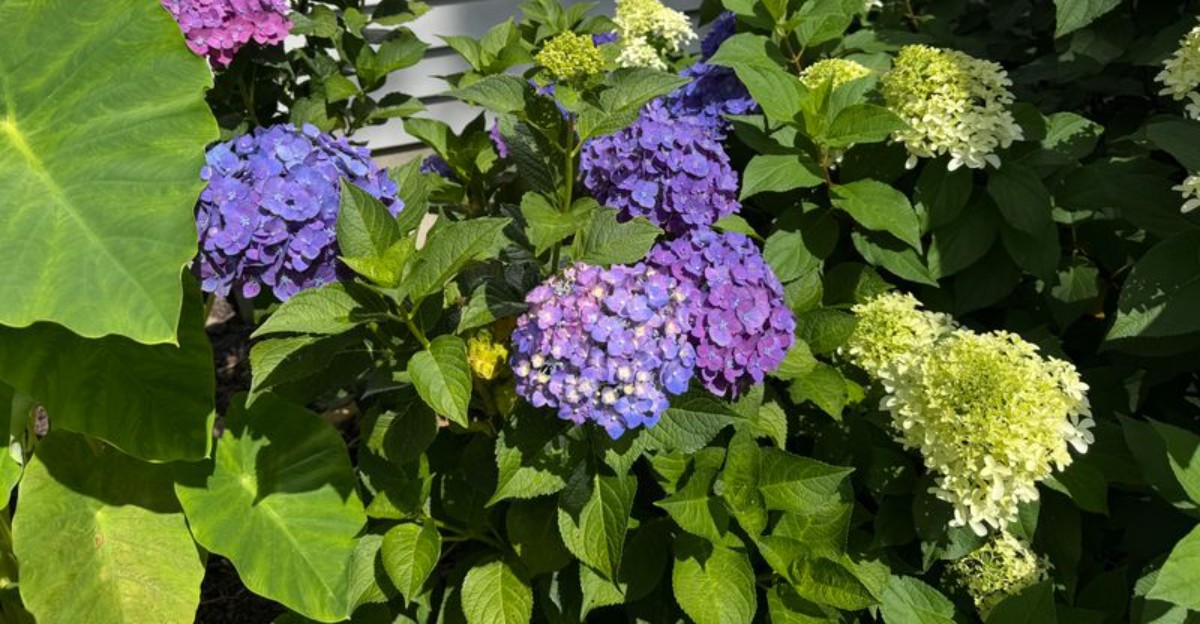
Hydrangeas can still look unruly in September, especially after months of vigorous growth and fading summer flowers. That messy appearance can make one garden task feel overdue.
Unfortunately, tidying the wrong hydrangea now may quietly remove something you were hoping to enjoy next year.
Some popular varieties form their future flower buds on older stems well before spring arrives. In Georgia, September pruning can therefore affect a display that is already taking shape.
Before reaching for your pruners, find out which type of hydrangea you actually grow.
That simple identification changes what should be trimmed now and what should remain untouched. It also takes the guesswork out of fall cleanup.
Leave the right stems alone this September, and you can protect the buds responsible for next year’s full beautiful flowers.
1. September Is A Sensitive Time For Many Hydrangeas
Late summer looks like an ending, but hydrangeas are already working on next year. While the blooms fade, several types are quietly forming tiny flower buds along their stems.
Those buds are small and easy to miss. A stem that looks spent can be carrying the entire show for next June.
Warm falls across Georgia stretch the growing season, which sometimes tricks gardeners into thinking there is still time for shaping. Growth may continue, but bud formation has usually started.
Cool nights in September signal the plant to slow down and store energy.
Pruning at that moment removes stored resources the shrub planned to use. It also pushes out soft new shoots that may not harden before the first cold snap.
Think of September as a holding pattern rather than a work window.
Watering during dry spells helps far more than trimming does, especially in sandy or compacted soil. Deep soaks once a week usually beat daily sprinkles.
Mulch can stay in place, refreshed lightly if it has thinned out.
Fertilizer is another thing worth skipping now, since it encourages tender growth at the wrong time. Feeding is better handled in spring once buds break.
Leave the shears in the shed and let the shrub finish its own schedule.
2. One Late Cut Can Remove Next Year’s Flower Buds
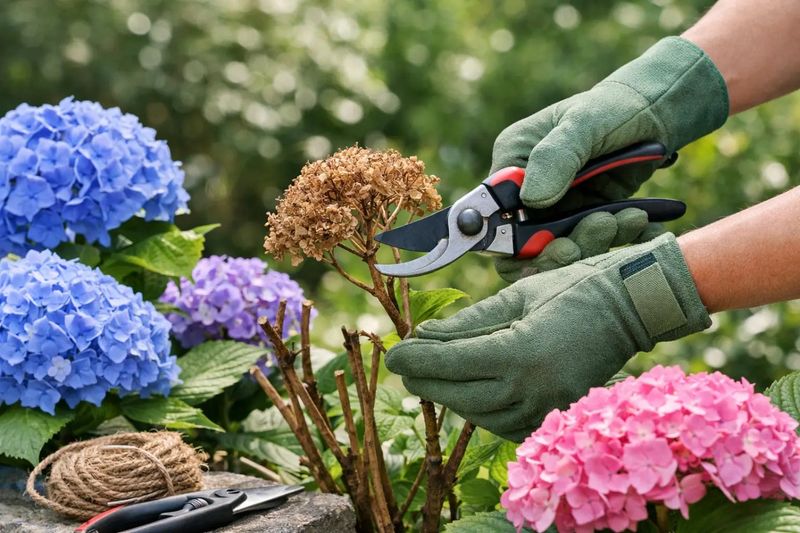
Snip a stem in September and you may be tossing next summer’s flowers into the yard waste bag. The damage is invisible at the time, which is what makes it so frustrating.
Buds forming near the stem tips are barely larger than a grain of rice.
Gardeners often report a beautiful, leafy shrub the following year with no color at all. Late pruning is one of the most common reasons behind that outcome.
Nothing looks wrong in the moment, and that is the trap.
Cleanup instincts are strong once tomatoes finish and the beds look rough. Redirect that energy toward weeding, edging, or dividing perennials instead.
Removing a broken or damaged branch is fine, since that is repair work rather than shaping.
Trouble starts when the whole plant gets rounded off for tidiness. Shearing takes the outer stems, and outer stems hold the most buds.
Your Georgia Garden Changes Every Week. Your Plan Should Too.
Gardening in Georgia changes quickly throughout the season. Every Friday you’ll receive a simple weekly plan showing exactly what to plant, prune, fertilize, harvest, and protect so you never miss the right timing.
Gardeners across Georgia often learn this the hard way after one disappointing summer.
Waiting until spring gives you real information, because live stems leaf out and dud stems stay bare. At that point you can cut with confidence.
Patience costs nothing, while a September haircut can cost an entire bloom season.
3. Bigleaf Types Set Their Buds On Older Stems
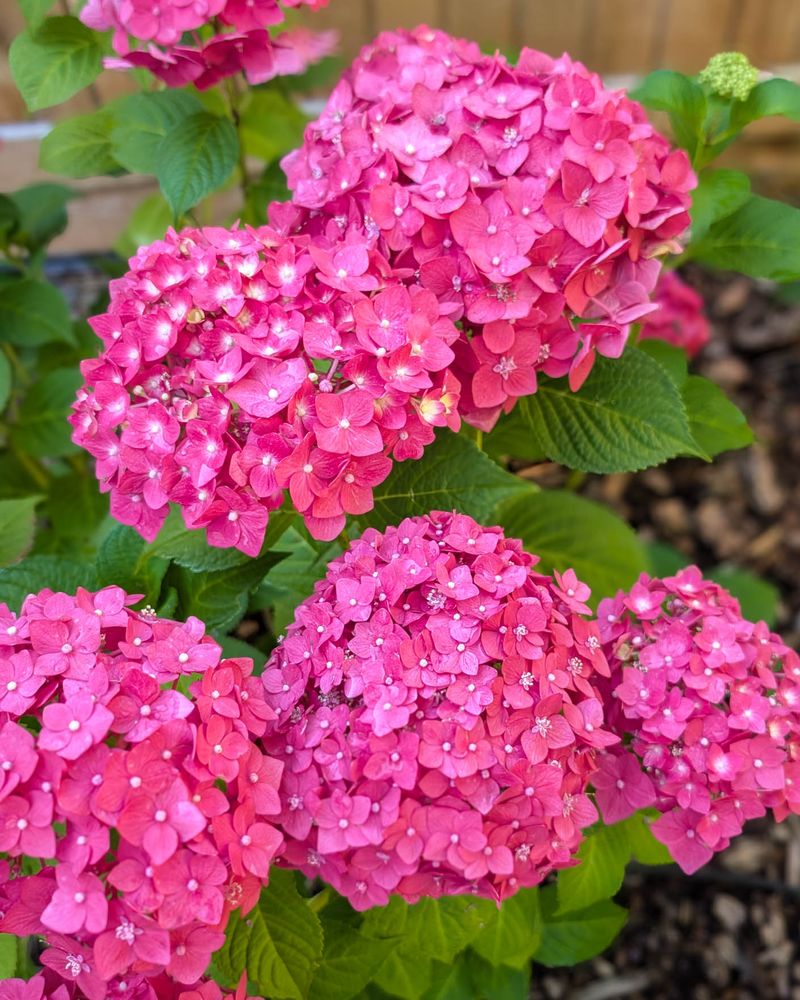
Bigleaf hydrangeas are the blue and pink mopheads everyone pictures, and they are the fussiest about timing. Their buds sit on wood that grew during the current season and then overwinters.
Old stems carry the flowers, so old stems need to stay put.
Lacecaps belong to the same group, with flat clusters instead of round heads. Both share the same pruning rules.
Cutting them back in fall or winter removes the flowering wood outright.
Some newer varieties are sold as reblooming, meaning they can flower on both old and new stems. Even those tend to bloom better when the older wood is left alone.
Winter cold can still damage exposed buds during a hard freeze.
A layer of mulch around the base helps buffer roots through temperature swings, which are common in north Georgia. Keep it a couple of inches away from the stems.
Planting location matters too, since morning sun with afternoon shade suits these shrubs well.
If a bigleaf hydrangea has grown too large, thin a few of the oldest stems right after it finishes blooming in summer. That timing gives the plant months to rebuild buds.
Shape it then, not now, and the flowers usually come back.
4. Not Every Hydrangea Follows The Same Bloom Cycle
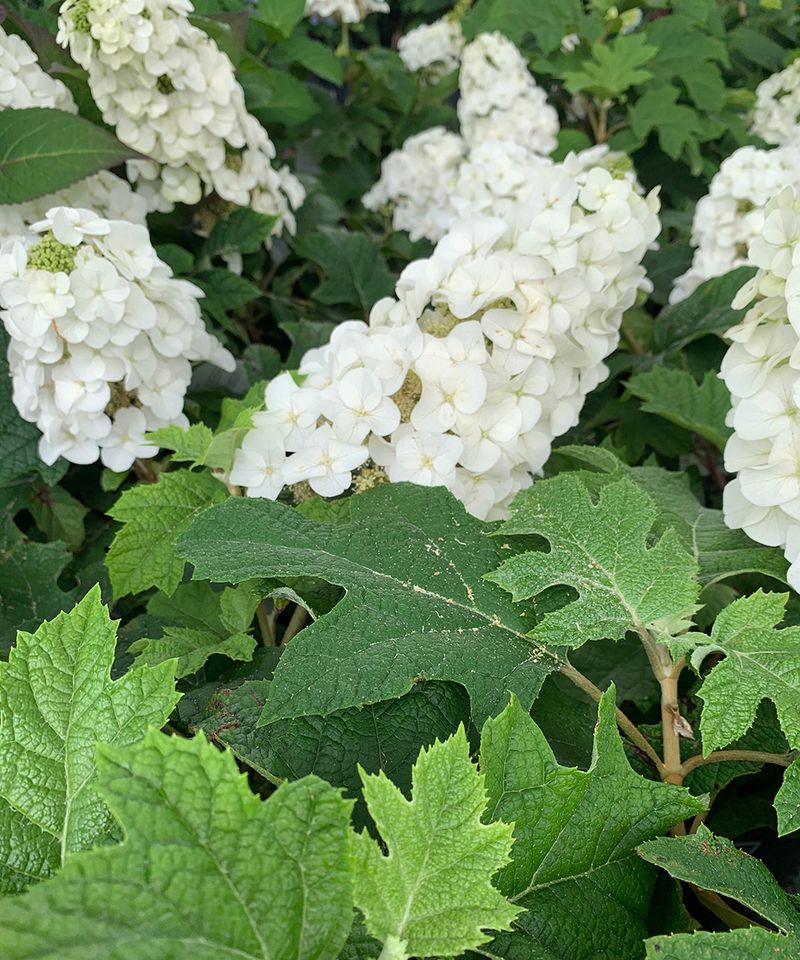
Here is where the confusion usually begins. Panicle and smooth hydrangeas play by completely different rules than the mopheads.
Both bloom on stems that grow fresh in spring.
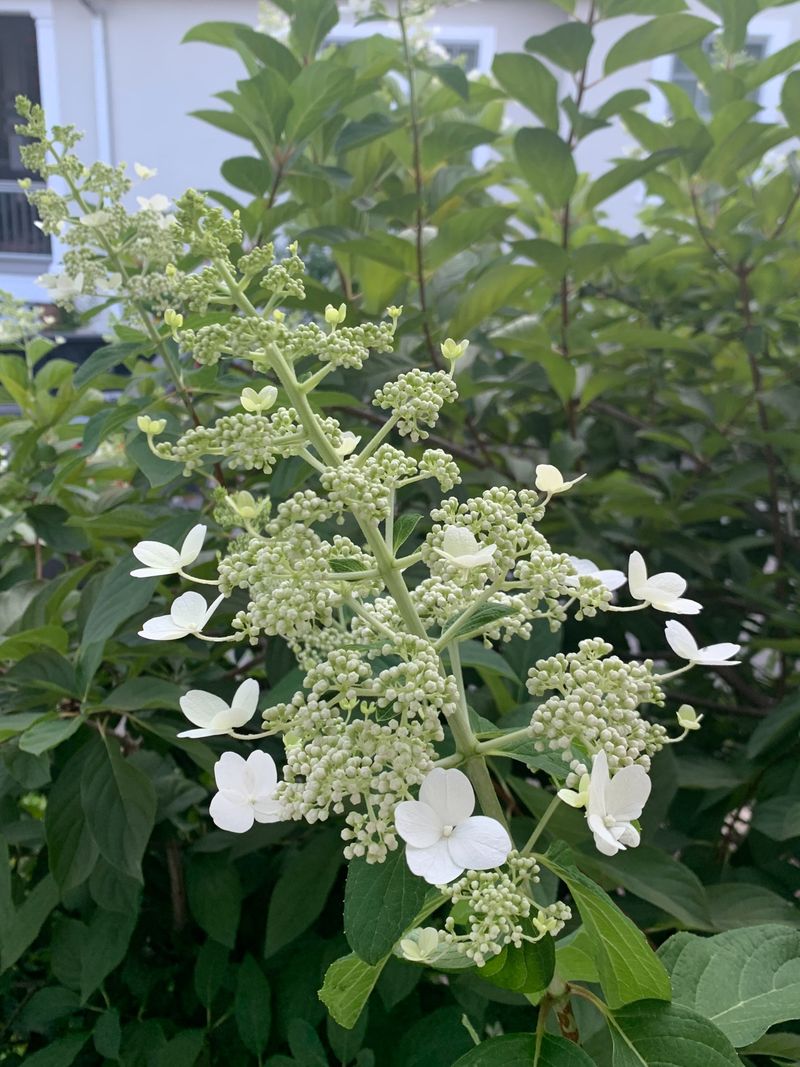
Panicle types produce cone shaped clusters that start white and often age to pink or rust. Limelight is one you have probably seen in front yards.
Smooth hydrangeas include Annabelle, with big rounded white heads on softer stems.
Because these flower on new growth, cutting them back is safe once they are dormant. Late winter or very early spring works well.
Even so, September remains a poor choice for the job.
Trimming now can push out tender shoots that get zapped by an early freeze. Dormancy has not fully set in yet across most of Georgia.
Oakleaf hydrangeas, native to the Southeast, sit back in the old wood camp.
Their peeling bark and burgundy fall leaves earn them a spot in the garden year round, so heavy pruning wastes their best feature. Light shaping right after flowering is plenty.
Mixed beds make things trickier when several types grow side by side.
Label plants when you buy them, or snap a photo of the tag. Future you will appreciate knowing exactly which shrub is which.
5. Faded Flowers Can Stay In Place Through Fall
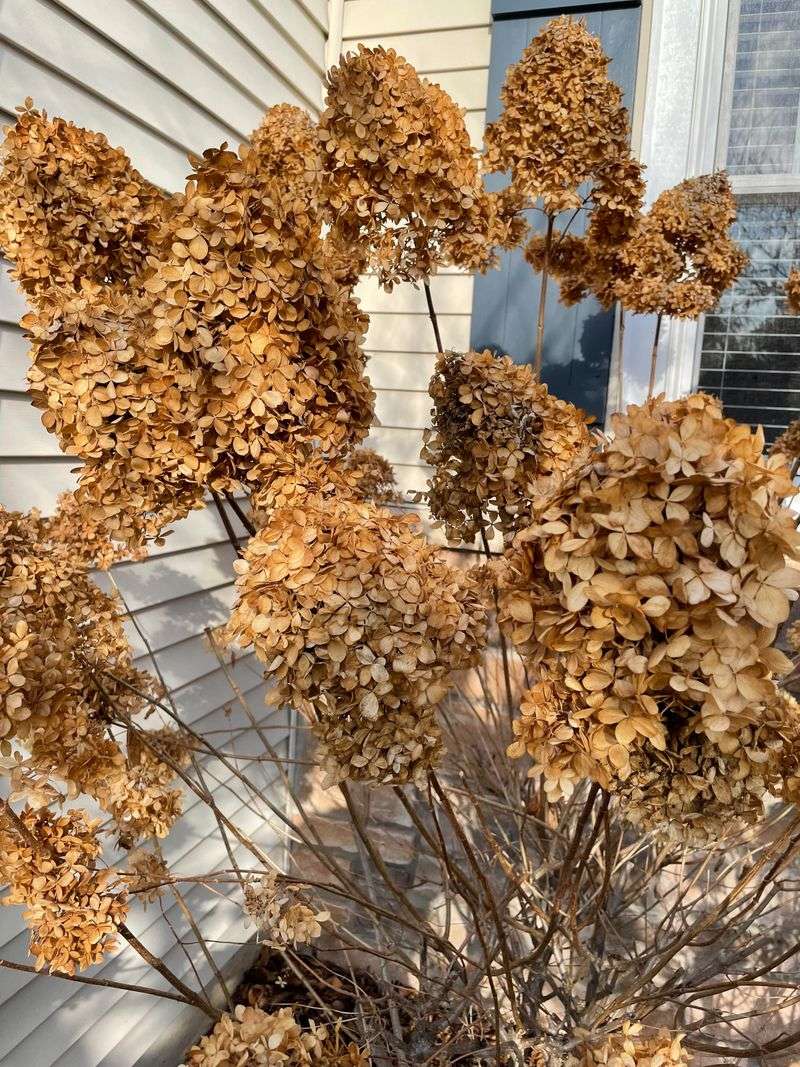
Those brown, papery flower heads are not a problem. Leaving them on the shrub through fall and winter is a perfectly reasonable choice.
Dried blooms add texture to a bare winter garden.
Snow and frost catch on them in a way that looks genuinely pretty, even in mild winters. They also give birds something to poke around in.
More practically, old heads offer a little protection to the buds tucked below them.
Deadheading a spent bloom is usually harmless if you cut just above the first set of healthy leaves. Trouble comes when the cut goes deeper than that.
Reaching down several inches often takes buds along with the flower.
Gardeners who love a tidy look can trim a few heads for arrangements instead. Dried hydrangeas hold up well indoors for months.
Waiting until early spring keeps the whole job simpler.
By then you can see swelling green buds and cut right above them with no guesswork. Stems that stay brown and brittle can go at the same time.
Homes across Georgia end up with fuller shrubs simply because nobody touched them in autumn.
Doing less really is the better strategy here.
6. Brown Leaves Are Not A Reason To Reach For Pruners
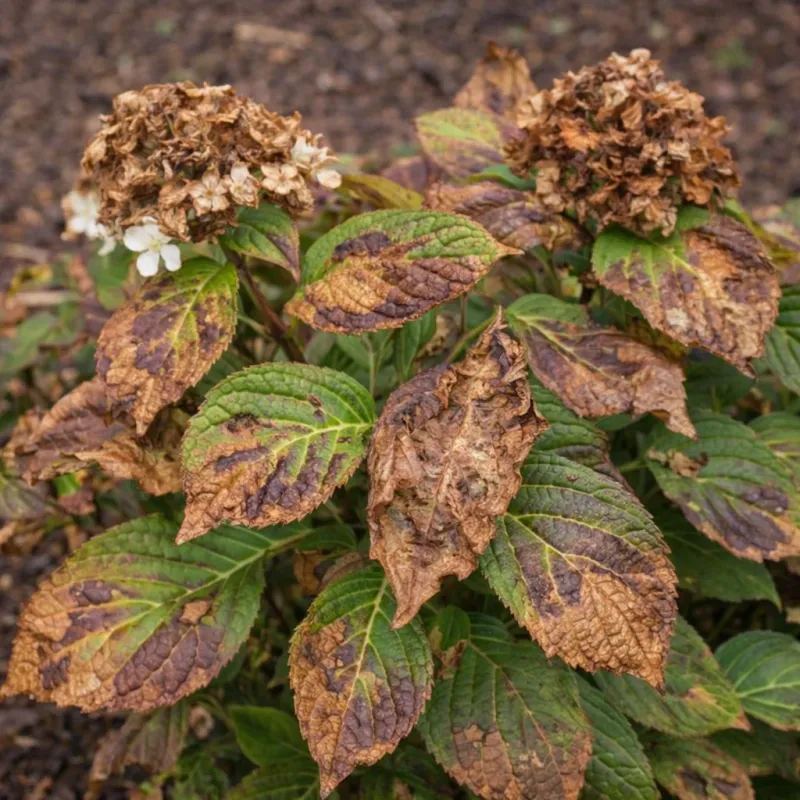
Crispy leaf edges in September usually mean the plant got thirsty, not that something is seriously wrong. Hydrangeas wilt dramatically and recover just as dramatically.
Big leaves lose water fast during hot, dry stretches.
Afternoon droop that disappears by morning is normal behavior. Persistent wilting even after watering points to a root or drainage issue worth checking.
Browning also shows up from too much direct sun in exposed spots.
Georgia summers push these shrubs hard, especially the ones planted on the west side of a house. Moving a struggling plant is best done in late fall or winter while it is dormant.
Cutting off damaged foliage does not fix any of that.
Leaves are on their way out anyway as the season turns, so removing them accomplishes nothing except stress. Let them drop naturally.
Water deeply during dry weeks rather than lightly every day, aiming for the root zone instead of the foliage.
A two to three inch mulch layer holds moisture and keeps soil temperatures steadier.
Some leaf spot fungus is common in humid conditions and rarely threatens the shrub. Raking up fallen leaves reduces spores for next season.
Rough looking foliage now says almost nothing about how the plant will bloom.
7. Knowing Your Variety Makes Fall Care Much Easier
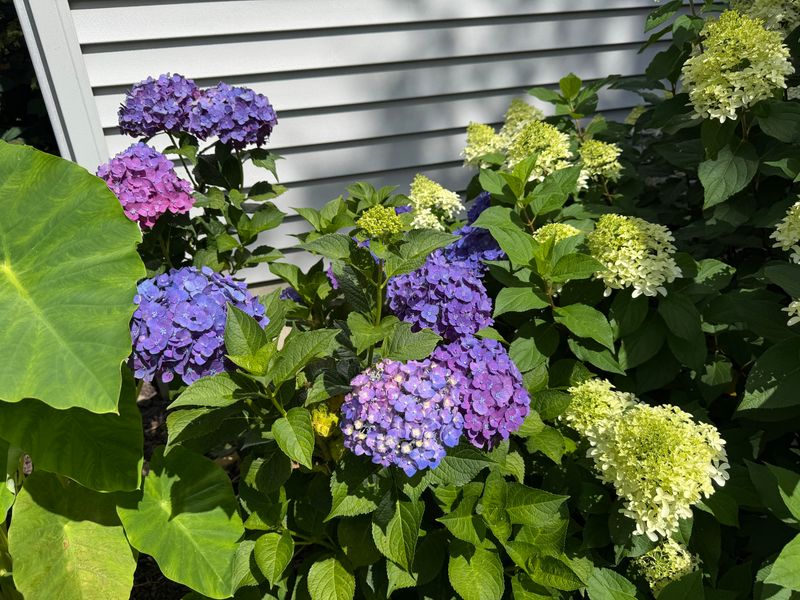
Identify the plant once and fall care stops being a guessing game. Every pruning decision flows from knowing which group you own.
Leaf shape gives the quickest clue.
Oakleaf hydrangeas have lobed leaves shaped like oak foliage, and they turn deep red in autumn. Bigleaf types have thick, glossy leaves with toothed edges.
Panicle hydrangeas show smaller, rougher leaves and woody stems that stand up on their own.
Flower shape helps confirm it. Cones point toward panicle, round mopheads point toward bigleaf, and loose white globes usually mean smooth hydrangea.
Bloom timing offers another hint worth noting.
Old wood bloomers flower in late spring and early summer, while new wood types often start later and run into fall. Write the dates down one year and you will have your answer.
County Extension offices throughout Georgia can identify a plant from clear photos.
Neighbors and local nurseries are helpful too, since the same varieties tend to circulate in an area.
Once you know what you have, mark it. A simple metal tag or a note in your phone saves the next person who prunes.
Ask anyone with reliably blue mopheads every June and the answer is usually the same. They stopped cutting in fall.