How To Attract Robins To Your Georgia Yard With Food And Shelter This Fall
Robins have a way of making even an ordinary backyard feel lively. You might notice one hopping across the lawn, stopping suddenly, and pulling something from the grass before moving on.
But getting these birds to visit regularly involves more than putting out a feeder.
American robins have particular feeding habits, and their preferences can change with the seasons. What attracts them during warmer months may not be what they’re searching for when fall arrives.
Georgia yards can provide valuable resources for robins during this time, especially when natural food becomes available.
The plants you grow and the way you maintain your yard can influence whether these birds spend time there.
You don’t need to redesign your entire landscape to make it more welcoming. A few thoughtful choices can help create the kind of space robins are likely to explore.
1. Fall Changes What Robins Look For In Your Yard
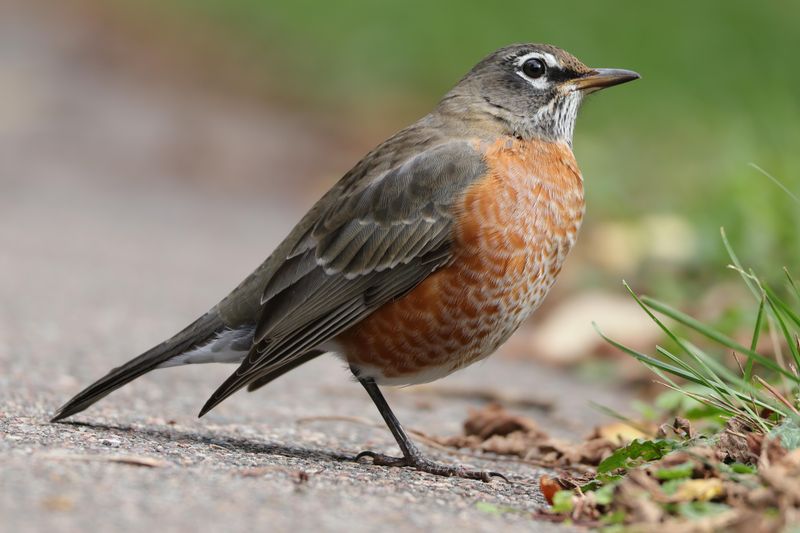
Spring robins and fall robins can act like two different birds. In warm months, you often see them hopping across lawns, pulling up worms and catching insects for their young.
Once nesting season ends, their focus starts to move toward fruit.
Robins still eat earthworms and insects in fall and winter when they can find them. Even so, berries and other fruit make up a much larger share of their diet during the colder months.
Their social life shifts too, since they gather in loose flocks and may roost together at night.
Georgia hosts both resident robins and migrants from farther north during winter. Because of that mix, you might notice more robins in late fall and winter than in summer, depending on your area.
Flocks also tend to wander as they track food. A tree full of berries may draw dozens of birds for a few days, then sit quiet once the fruit runs low.
So what does a fall-friendly yard need?
Fruiting plants, a reliable water source, and dense cover are the three big pieces. Lawn still helps on mild, damp days when worms come near the surface.
Keep your expectations flexible as you plan. Weather, local wild food, and nearby habitat all shape whether robins stop by, so a quiet week does not mean your efforts failed.
2. Native Berry Shrubs Provide Food As Insects Become Scarcer
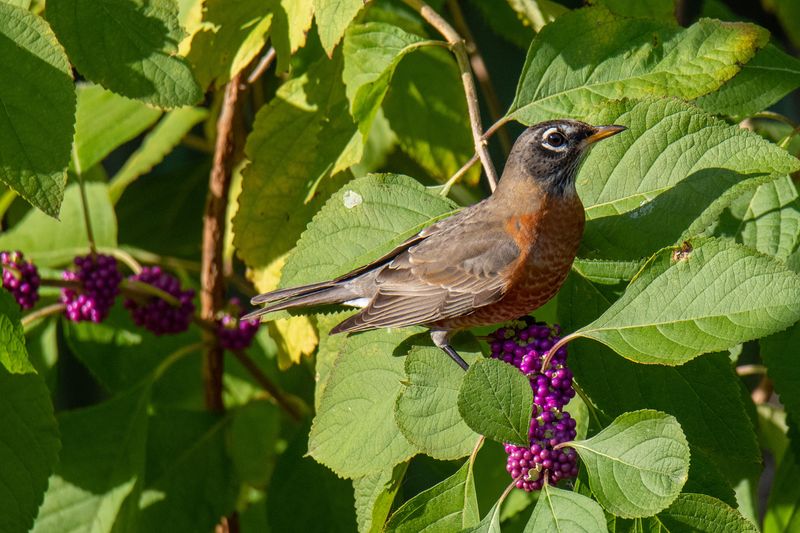
Berries are the fuel that keeps fall robins going. As cooler nights cut back insect activity, fruit becomes one of the easiest meals for them to find.
Native shrubs are a smart place to start because they fit local soils and wildlife.
American beautyberry is a favorite in many Georgia gardens. Its bright purple clusters ripen in late summer and fall, and birds, including robins, will eat them.
Flowering dogwood is another strong choice, though it is a small tree rather than a shrub. Its red fruits ripen in fall and are eaten by a range of birds.
Native viburnums, such as arrowwood and possumhaw, can also produce fruit that birds pick through.
Planting several kinds helps spread out the food supply. One shrub might be stripped in October while another holds fruit later, though timing shifts with weather and local conditions.
Your Georgia Garden Changes Every Week. Your Plan Should Too.
Gardening in Georgia changes quickly throughout the season. Every Friday you’ll receive a simple weekly plan showing exactly what to plant, prune, fertilize, harvest, and protect so you never miss the right timing.
Skip invasive fruiting plants like nandina, Chinese privet, and Bradford pear relatives. Nandina berries can be toxic to birds, and invasive plants spread into nearby woods.
Fall is often a good time to plant shrubs in much of the state. Cooler air and fall rain help roots settle before summer heat returns, but keep new plants watered during dry spells.
Expect a wait before big harvests show up. Young shrubs may produce only a little fruit in their first seasons, and yields depend on sun, soil, and care.
3. American Holly And Wax Myrtle Offer Fruit Into Winter
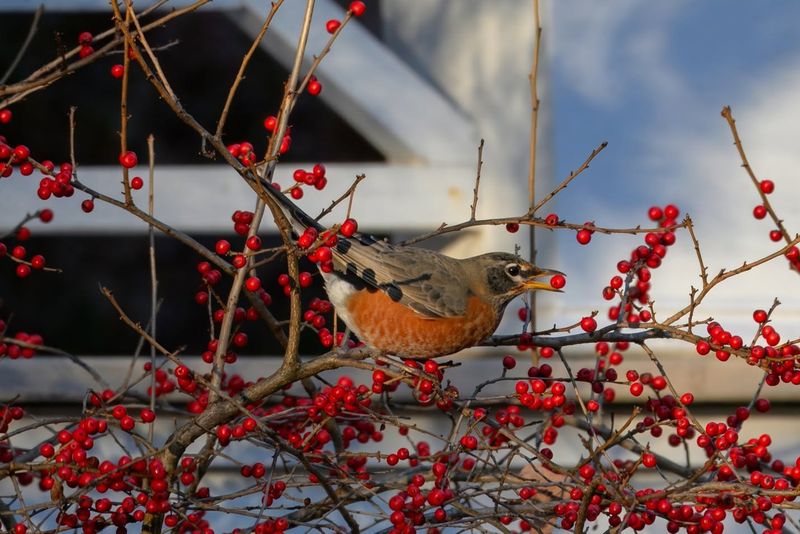
Late-season fruit can be the difference between a quick visit and a regular stop. American holly and wax myrtle are two native evergreens known for holding fruit after many other plants are bare.
Robins are well known for feeding on holly berries in winter.
American holly grows across much of Georgia, from the Piedmont to the coast. Its red berries ripen in fall and often stay on the branches well into winter.
There is one catch worth knowing before you buy. Holly plants are either male or female, and only females make berries, so you need a male growing somewhere nearby for pollination.
Wax myrtle, also called southern bayberry, fits a different spot in the yard.
It grows fast, handles a range of soils, and forms a thick evergreen screen. Female plants produce small, waxy, bluish-gray fruit that many birds eat during colder months.
Both plants pull double duty by offering food and year-round cover. That combination helps make your yard more useful to wintering flocks.
Give each plant enough room to reach its mature size. Holly grows slowly into a tall tree, while wax myrtle can spread wide, so check the tag before planting near walls or walkways.
Fruit loads change from year to year. Weather during bloom, plant age, and sunlight all play a part, so a light crop one winter is not unusual.
4. Fresh Water Can Attract Robins Even When Food Is Plentiful
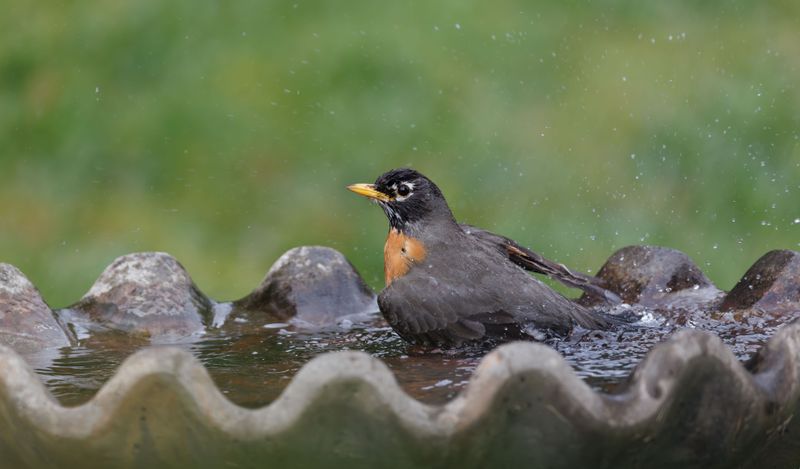
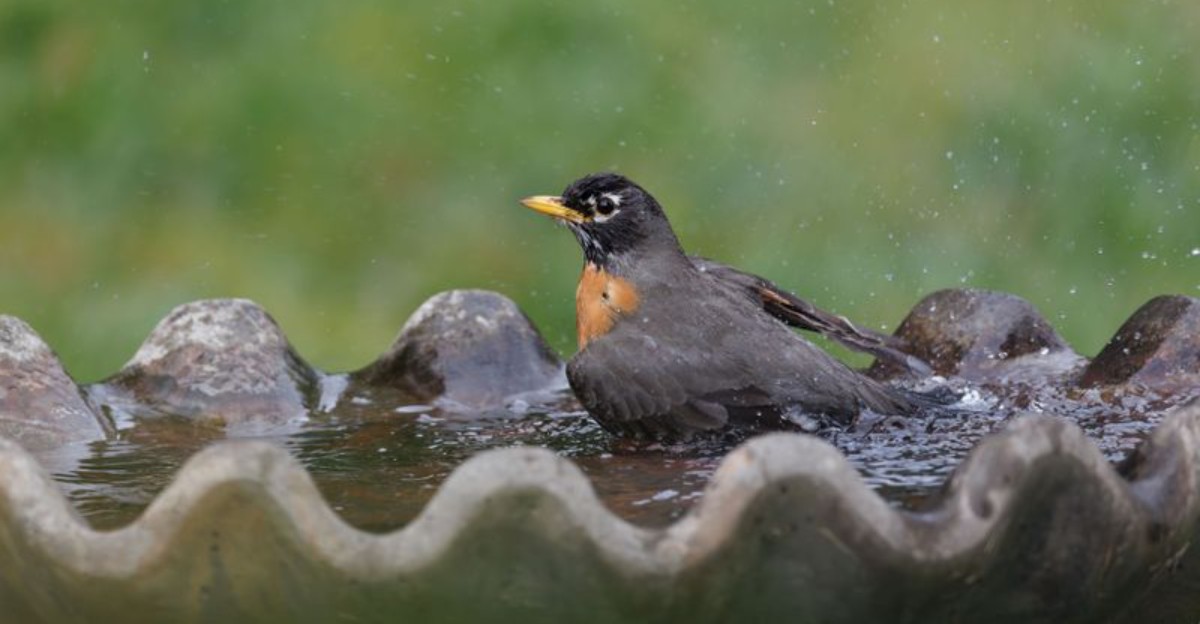
Never underestimate a simple birdbath. Robins drink and bathe often, and a clean, shallow dish can pull them in even when berries are abundant nearby.
A diet heavy in fruit does supply some moisture, but birds still visit water sources regularly.
Shallow water works best for robins. Aim for a basin with gently sloping sides and a depth of only an inch or two, so birds can stand and splash comfortably.
Placement matters as well.
Set the bath near shrubs or trees so birds can escape quickly if a hawk or cat appears. At the same time, leave a few feet of open space so predators cannot hide right beside it.
Fall in Georgia can bring long dry stretches, especially in some years. During those spells, a dependable water source may become even more valuable to visiting flocks.
Keep things clean with a quick scrub and fresh water every few days. Dirty water can spread disease among birds that gather in groups.
Freezing is uncommon for long periods in most of the state, but it does happen in north Georgia and during cold snaps elsewhere. A heated birdbath can help in colder areas, though plain water refilled each morning works fine for many homes.
Moving water, like a small dripper or bubbler, may catch their attention faster. Birds seem to notice the sound and sparkle.
5. Dense Trees And Shrubs Give Visiting Flocks Safe Shelter
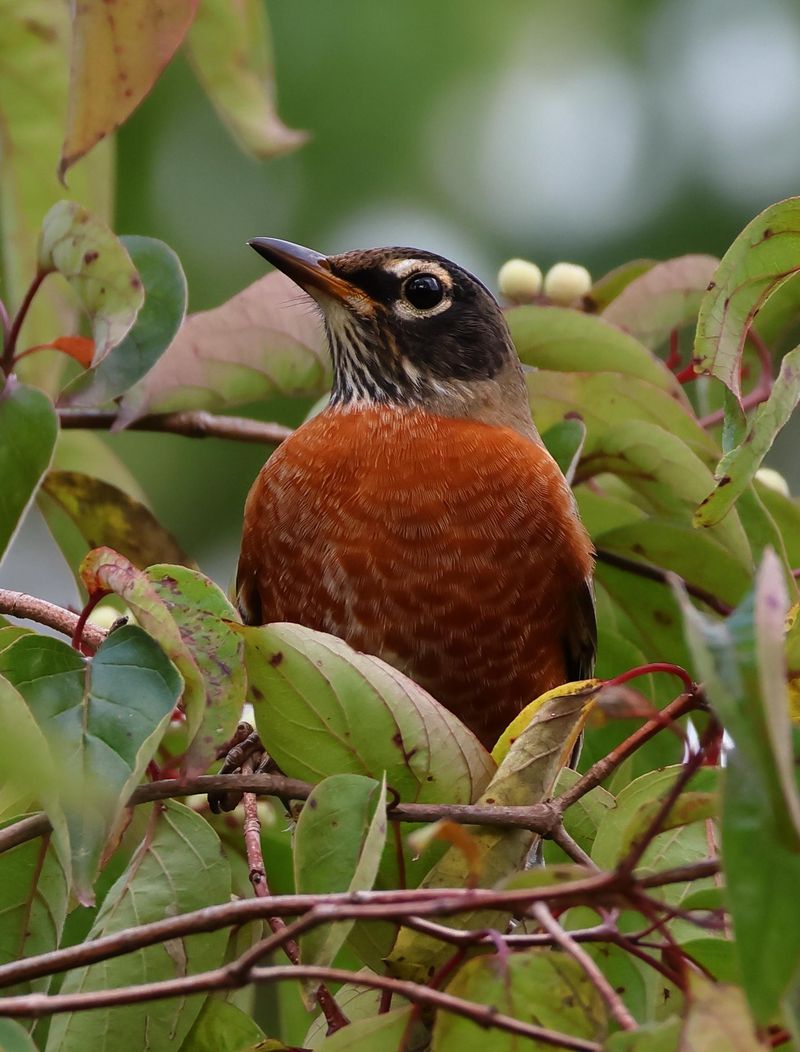
Food draws robins in, but cover keeps them comfortable. A bird eating out in the open is easy to spot from above, so robins favor yards with safe places to dart into.
Thick evergreen growth is especially useful once deciduous trees drop their leaves.
Eastern red cedar is a good native option for much of Georgia. It forms a dense shape, offers shelter from wind and rain, and female trees produce bluish berry-like cones that birds eat.
Southern magnolia and native hollies also create solid evergreen cover. Mixing a few of these with taller shade trees gives birds layers to move through.
Layers matter more than people expect.
Picture tall trees above, medium shrubs below, and lower plants near the ground. Birds can shift between those levels as they feed, rest, or watch for danger.
Robins in winter often roost together in sheltered spots at night. Your yard may or may not become a roost, since those sites depend on the wider landscape around you.
Grouping shrubs in clusters often works better than spacing them out singly. A cluster creates deeper pockets of protection than one lone bush in the middle of a lawn.
Hold off on heavy shearing in fall. Cutting shrubs into tight shapes can remove fruit and thin the cover birds rely on during colder weeks.
6. Leave Some Fallen Leaves Where Birds Can Forage
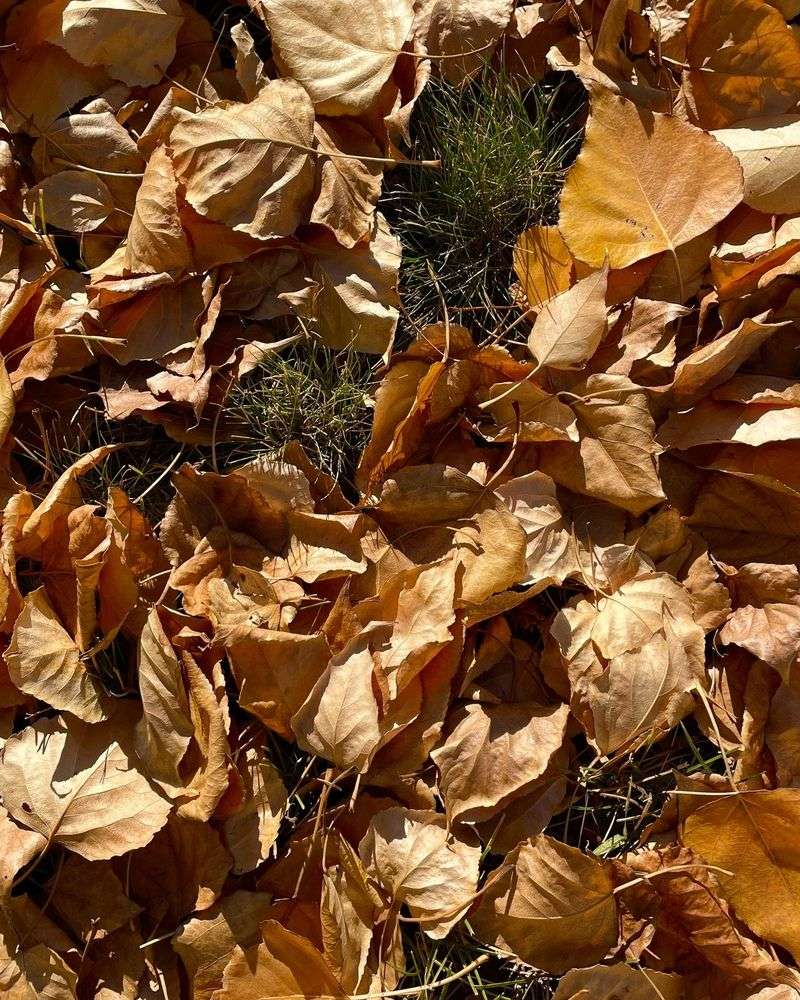
Raking every last leaf might be robbing your birds of a snack bar. Leaf litter shelters insects, spiders, worms, and other small creatures that robins and other birds hunt.
You do not need to give up on a neat yard to help.
Try leaving leaves in garden beds, under shrubs, or along the back edge of your property. Those spots often look natural, and they keep the lawn itself clear.
Robins forage on the ground by flipping or poking through debris. On mild, damp fall days, they may search leaf layers and moist soil for anything that moves.
A thin layer tends to work better than a deep pile on top of grass. Thick mats can smother turf, so move heavy drifts off the lawn and into nearby beds.
Shredding leaves with a mower is another middle path.
Chopped leaves break down faster, feed the soil, and still give some cover to small critters. Many Georgia homeowners find this keeps both the lawn and the garden happier.
Leaves in beds also act as a natural mulch. They help hold moisture and protect roots during cold snaps, though results vary with soil and weather.
How much a robin benefits will depend on what lives in your soil. Still, a patch of leaves costs nothing and supports a fuller food web over time.
7. Avoid Lawn Pesticides That Reduce Their Natural Food Supply
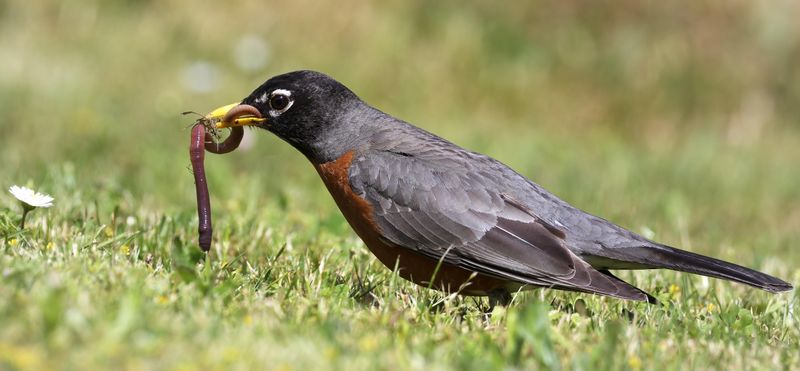
Earthworms and insects are still on the menu in fall. When lawns are treated heavily with insecticides, that food supply can shrink, leaving robins with fewer reasons to visit.
Some lawn chemicals can also harm birds directly if they eat treated insects or worms.
Robins are especially exposed because they feed so often on lawns. They probe soil and grab whatever crawls nearby, so the health of your grass and soil matters to them.
Cutting back on broad sprays is a practical first step. If you do have a pest problem, identify it first and treat only the affected area instead of the whole yard.
Your county Extension office in Georgia can help confirm what pest you have.
They may suggest options that are less harmful to wildlife, along with the right timing for treatment. Sometimes the problem turns out to be watering, mowing, or soil rather than bugs.
Fertilizers are a separate issue from insecticides. Even so, following label rates helps protect nearby streams and keeps your soil life in better balance.
A few weeds or a little clover rarely hurt anything. In fact, a less perfect lawn often supports more insects, which helps birds through the seasons.
Remember that pets, kids, and pollinators share the yard too. Lighter chemical use tends to make the space friendlier for everyone, not just the robins.