Native Georgia Plants That Handle Deer, Clay Soil, And Deep Shade All At Once
Clay soil, heavy shade, and deer pressure can make a Georgia yard feel impossible to work with, especially in spots where nothing seems to last.
Many plants struggle under that combination, leaving bare patches or weak growth that never fills in the way it should.
Still, some native options are built for exactly these conditions and hold up without constant attention. These plants come from Georgia landscapes that deal with the same challenges, so they adapt better than most.
Tough roots push through dense soil, foliage handles low light, and natural resistance helps reduce damage from browsing animals. That kind of resilience brings more stability to difficult areas that usually get ignored.
Strong plant choices can shift how those problem spots look over time.
Instead of fighting the conditions, working with them leads to healthier growth and a yard that feels more complete without extra effort.
1. Christmas Fern Handles Deep Shade And Clay Soil With Ease
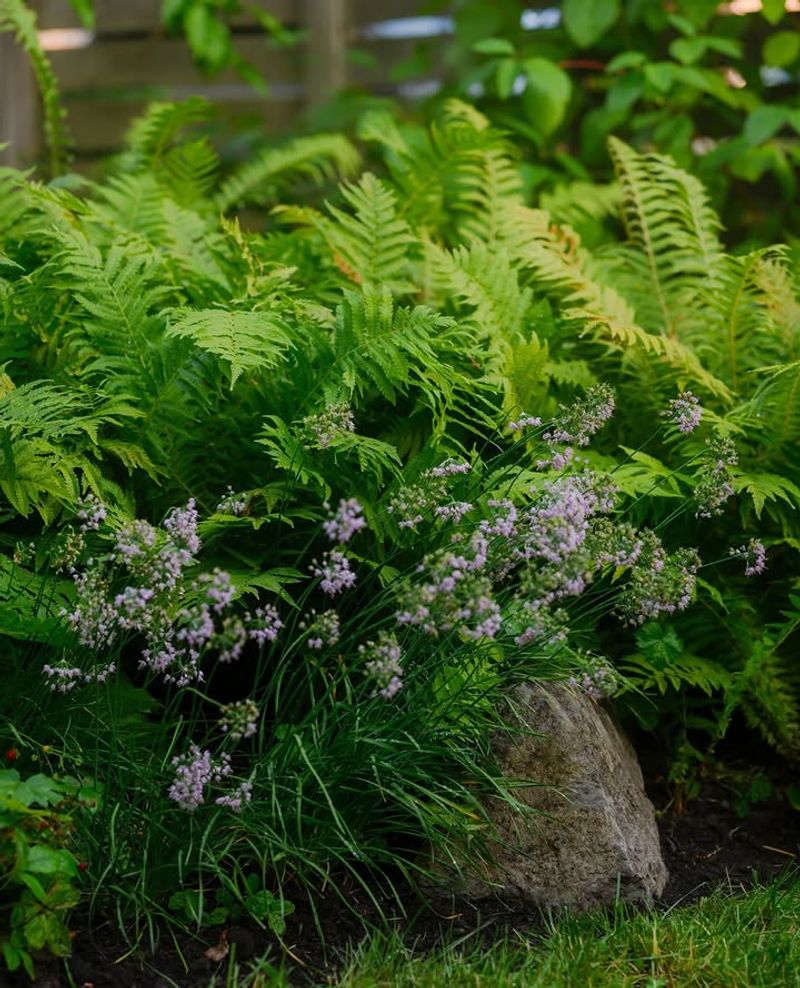
Walk into any shaded Georgia forest in the middle of winter, and chances are you will spot Christmas fern still holding its deep green color while everything else around it looks bare and tired.
That staying power is exactly what makes this plant so valuable for Georgia gardeners who are stuck with dark, wet, clay-heavy spots that nothing else seems to want to grow in.
Polystichum acrostichoides, which is the botanical name, is native throughout Georgia and much of the eastern United States.
It earned the name Christmas fern partly because its fronds stay green through the holiday season, and partly because each individual leaflet is shaped a bit like a Christmas stocking if you look closely enough.
Deer tend to leave it completely alone, which is a huge relief if you garden in areas where deer pressure is heavy.
Clay soil is actually not a dealbreaker for Christmas fern. It prefers moist, well-drained conditions, but it handles Georgia’s dense clay surprisingly well once it gets established, especially if you work in a little compost at planting time to give the roots a head start.
Established plants are quite drought-tolerant too, which matters during Georgia’s dry summer stretches.
Plant it under mature trees, along shaded slopes, or beside a north-facing foundation where almost nothing else grows well. Spacing plants about eighteen inches apart gives each one enough room to spread naturally over time without crowding.
It rarely needs dividing and asks for very little attention once settled.
2. Allegheny Spurge Spreads Well In Shaded Clay Areas
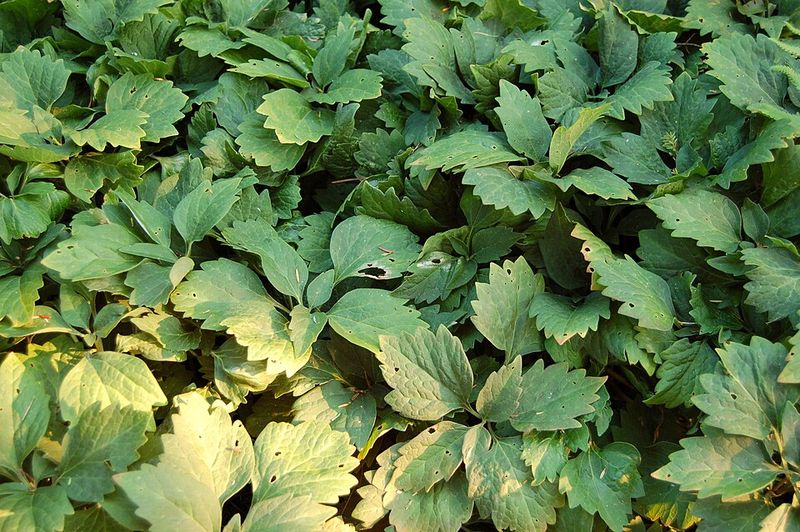
Not many groundcovers can handle deep shade, heavy clay, and deer pressure all at once, but Allegheny spurge pulls it off with a quiet confidence that earns it serious respect among Georgia native plant gardeners.
It is low-growing, semi-evergreen, and tough in ways that most ornamental groundcovers simply are not built to be.
Pachysandra procumbens is native to the southeastern United States, including Georgia, and it is actually the American cousin of the Japanese spurge that gets planted everywhere.
Your Georgia Garden Changes Every Week. Your Plan Should Too.
Gardening in Georgia changes quickly throughout the season. Every Friday you’ll receive a simple weekly plan showing exactly what to plant, prune, fertilize, harvest, and protect so you never miss the right timing.
The native version is far better suited to Georgia’s climate and soil, and it does not have the invasive tendencies that the Japanese variety is known for.
Deer almost never browse it, possibly because the foliage has a mild toxicity that makes it unappealing to them.
Clay soil does slow its spread a little compared to looser woodland soil, but it still fills in reliably over a few seasons. Amending your planting bed with leaf compost before getting started makes a real difference in how quickly it establishes.
Once it knits together into a mat, it shades out weeds effectively and reduces the need for mulching in those shaded spots.
Spring brings small, fragrant white flower spikes that pop up before the leaves fully emerge, which adds a subtle charm to shaded Georgia garden beds in March and April. Plant it in masses under oaks, hickories, or any large shade tree where grass refuses to grow.
It works beautifully along shaded pathways and naturalized woodland edges across the state.
Space plants about eight to twelve inches apart for quicker coverage, especially in heavier clay where spread is slower.
3. Foamflower Thrives In Shade And Adapts To Heavy Soil
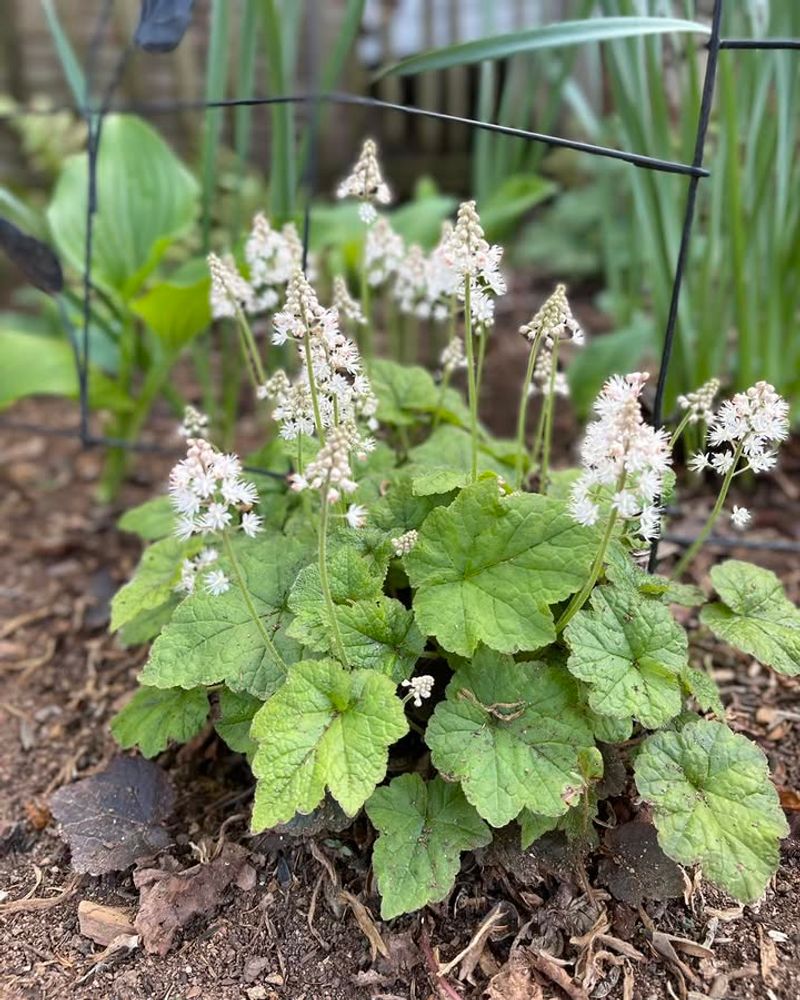
Few native plants put on a spring show as charming as foamflower, and the fact that it thrives in deep shade and tolerates clay soil makes it almost too good to be true for Georgia gardeners. It looks delicate, but do not let that fool you because Tiarella cordifolia is far tougher than it appears.
Native across the Appalachian region and into North Georgia, foamflower produces fluffy white or pinkish flower spikes in spring that hover above its maple-shaped leaves like little clouds.
The blooms are genuinely striking in a shaded bed, especially when planted in drifts where the flowers create a soft, frothy effect.
Deer consistently avoid it, which is a major advantage in suburban Georgia neighborhoods where deer populations have grown significantly in recent years.
Clay soil can be a challenge at first because foamflower prefers moist, humus-rich woodland conditions. Adding a generous layer of composted leaf litter to the planting area goes a long way toward helping it settle in.
Once established, it spreads slowly by stolons, forming a tidy groundcover that fills in shaded areas without becoming aggressive or weedy.
Foamflower stays semi-evergreen through Georgia winters, which means it provides some green coverage even in the coldest months. It pairs well with Christmas fern, wild ginger, and other native woodland plants to create a layered, naturalistic understory planting.
North-facing slopes and shaded stream banks are ideal spots, but it performs well under dense tree canopy anywhere across the state.
Water consistently during the first growing season to help roots establish, especially during dry spring stretches before summer rains settle in.
4. Green And Gold Grows Strong In Shaded Clay Conditions
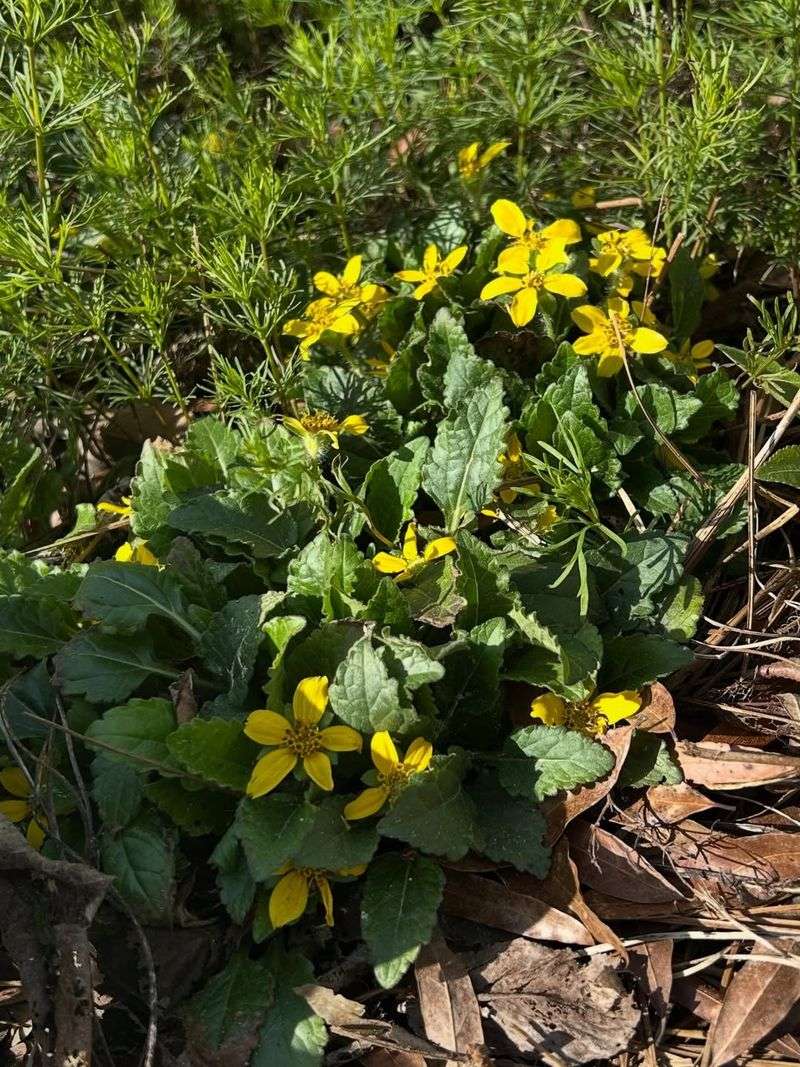
Bright yellow flowers in deep shade sound like something that should not exist, but green and gold pulls it off season after season without asking for much in return.
Chrysogonum virginianum is one of those rare native plants that genuinely earns its place in a Georgia garden by delivering color where almost nothing else will bloom.
Native to the eastern United States and well-suited to Georgia’s Piedmont and mountain regions, green and gold blooms heavily in spring and then continues producing scattered flowers through fall if conditions stay reasonably cool and moist.
It grows only about six to nine inches tall, spreading outward to form a dense, weed-suppressing mat that looks polished without requiring constant maintenance.
Deer largely ignore it, which makes it practical for Georgia properties where deer are a persistent problem.
Clay soil does not stop green and gold, though it does establish faster in amended beds. Working in compost before planting gives the roots a better start and helps the plant spread more quickly into surrounding areas.
Once it gets going, it handles Georgia’s summer heat with reasonable toughness, especially in spots that receive some afternoon shade or consistent moisture from nearby trees.
Spacing plants about a foot apart speeds up coverage in bare shaded areas. It works especially well along shaded walkways, under deciduous trees, and at the edges of naturalized woodland gardens.
Pairing it with taller ferns or native sedges creates a layered look that feels intentional and polished throughout the Georgia growing season.
5. Wild Ginger Performs Well In Dense Shade And Clay Soil
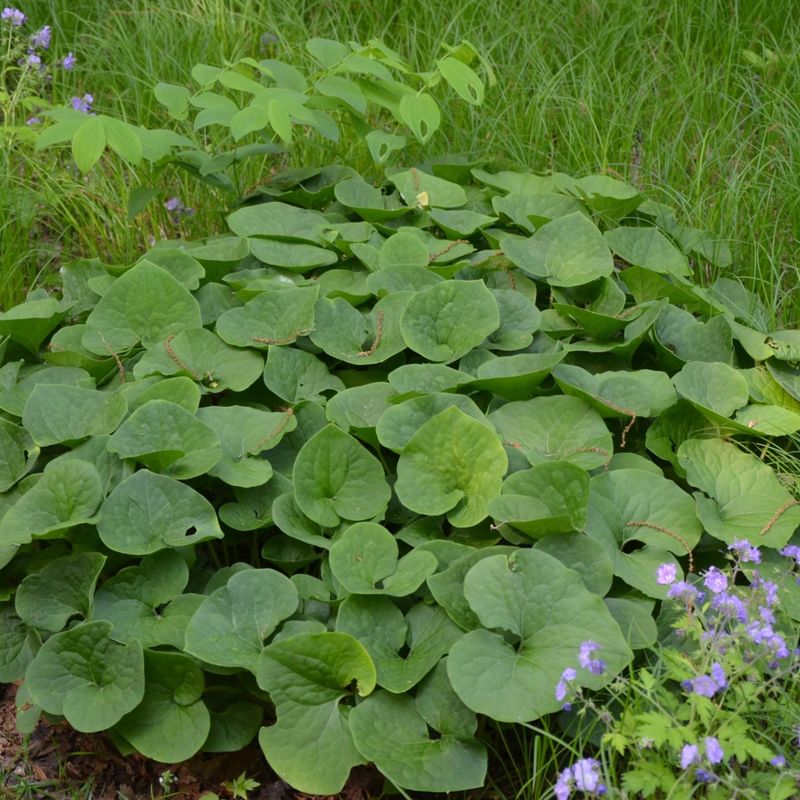
Wild ginger is the kind of plant that rewards patience. It does not rush, it does not show off, and it does not produce flashy blooms that catch your eye from across the yard.
What it does do is form a dense, weed-smothering carpet of large, heart-shaped leaves in spots where almost nothing else grows, and it does that job extremely well across Georgia’s shaded landscapes.
Asarum canadense is native to eastern North America and grows naturally in the rich, shaded soils of Georgia’s mountain and Piedmont regions. It produces small, hidden flowers right at the soil surface in early spring, which are pollinated by ground-level insects rather than bees or butterflies.
Deer pass it by consistently, likely because the foliage has a sharp, ginger-like scent that makes it unappealing as a food source.
Clay soil can actually work in wild ginger’s favor because it retains the moisture this plant loves. It does prefer soil that drains reasonably well and does not stay waterlogged for extended periods, so avoiding low spots that pool after heavy Georgia rainstorms is smart.
Amending the planting area with leaf compost helps the rhizomes spread more efficiently through heavy clay.
Growth is slow the first year or two, but established patches fill in reliably and require almost no upkeep. Wild ginger works beautifully under large oaks, magnolias, and other dense-canopy trees where the shade is so deep that even shade-tolerant grass fails completely.
It is a quiet, steady performer in Georgia’s toughest garden spots.
6. Solomon’s Seal Tolerates Shade And Heavy Soil Well
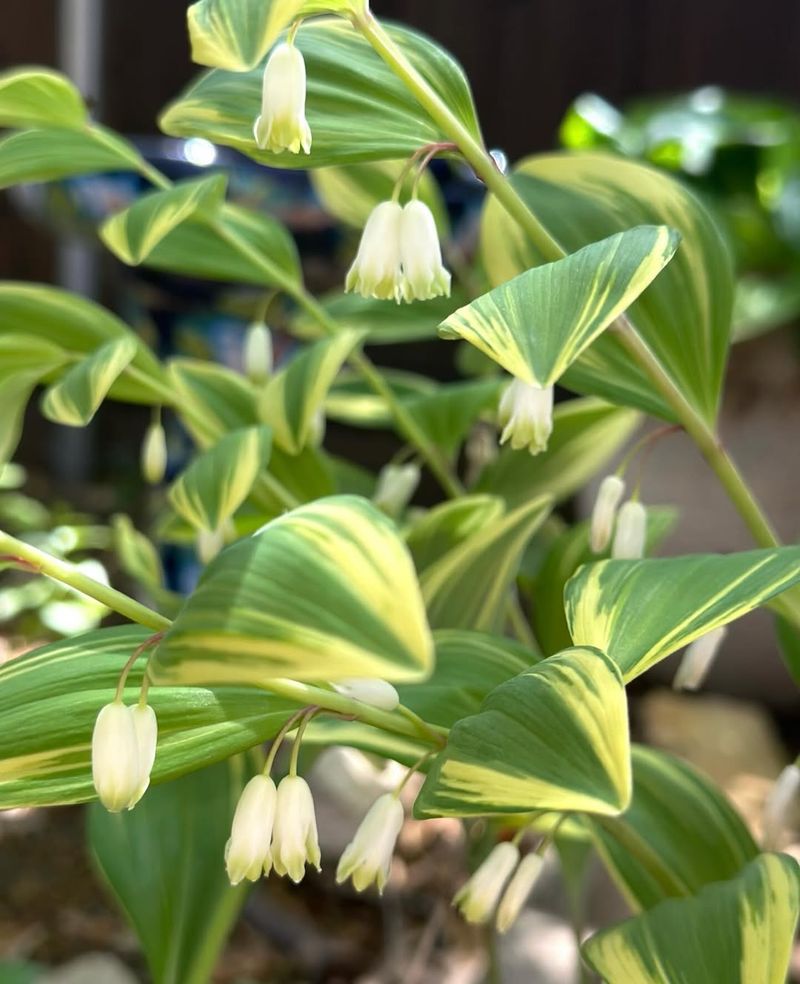
There is something almost architectural about Solomon’s seal. Those long, arching stems lined with paired leaves and dangling white bell-shaped flowers give a shaded Georgia garden a sense of structure and elegance that most groundcovers simply cannot provide.
It looks like someone planned it carefully, even when it is growing completely on its own.
Polygonatum biflorum is native across much of eastern North America, including Georgia, where it grows naturally along shaded stream banks, wooded slopes, and the edges of mature hardwood forests.
It spreads gradually through underground rhizomes, forming loose colonies over time without becoming invasive or aggressive.
Deer occasionally sample it, but it tends to bounce back well, and many Georgia gardeners report minimal deer damage compared to other shade perennials.
Heavy clay soil slows its spread somewhat, but Solomon’s seal is genuinely adaptable once established. It prefers moist, organically rich conditions, so mixing compost into your planting area before getting started makes a meaningful difference.
Consistent moisture during Georgia’s hot summers helps it perform better, though established plants show reasonable tolerance to short dry spells once their root systems are fully developed.
In fall, the foliage turns a warm golden yellow before the stems drop back to the ground, leaving small blue-black berries that birds appreciate. Plant it in masses beneath large trees, along shaded slopes, or beside naturalized pathways for the most dramatic effect.
It pairs well with ferns and wild ginger to create a rich, layered understory planting throughout Georgia’s shadiest garden zones.
Mulch with leaf litter each fall to protect the rhizomes and improve soil structure over time.
7. Partridgeberry Stays Low And Handles Shade And Clay
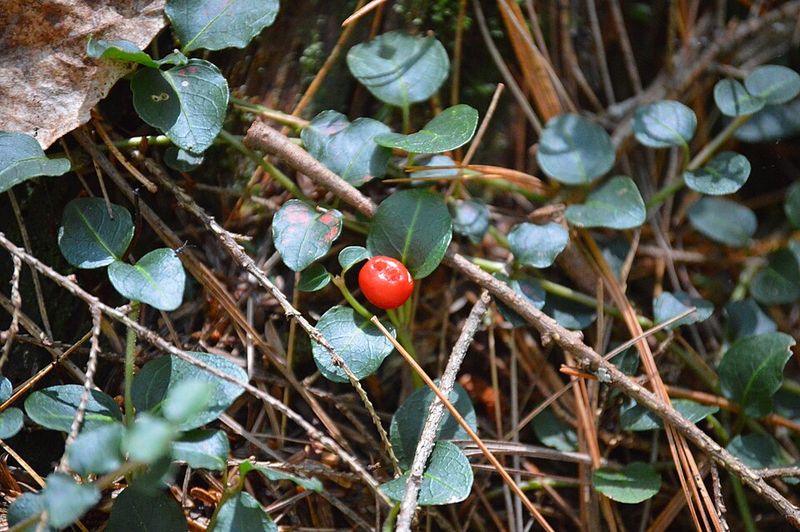
Partridgeberry might be the most underused native groundcover in Georgia, and that is honestly a shame because it solves problems that most gardeners struggle with for years.
Tiny, trailing, and evergreen, it hugs the ground so closely that it almost looks like a living carpet pressed flat against the soil surface.
Mitchella repens is native throughout the eastern United States and grows naturally in Georgia’s mountain and Piedmont forests, typically in the deep, permanent shade beneath hemlock, beech, and oak trees.
It produces small paired white flowers in late spring, followed by bright red berries that persist through winter and provide food for birds including grouse, wild turkey, and thrushes.
Deer largely ignore it, which makes it a reliable choice in Georgia areas where deer pressure makes growing other ornamentals frustrating.
Clay soil is workable for partridgeberry as long as it does not stay completely waterlogged. Adding organic matter like leaf mold or composted bark helps improve drainage and gives the shallow roots a better environment to spread through.
Growth is slow, so patience is genuinely required, but once established it fills in steadily and holds its territory without needing replanting or frequent attention.
It works best in spots with consistently deep shade and moderate moisture, such as north-facing slopes, shaded stream edges, or beneath dense evergreen trees.
Planting it alongside mosses and other low-growing native plants creates a naturalistic woodland floor effect that looks beautiful year-round in Georgia gardens.
It is small in scale but impressive in toughness.