Why Firefly Populations Are Declining (And How To Bring Them Back)
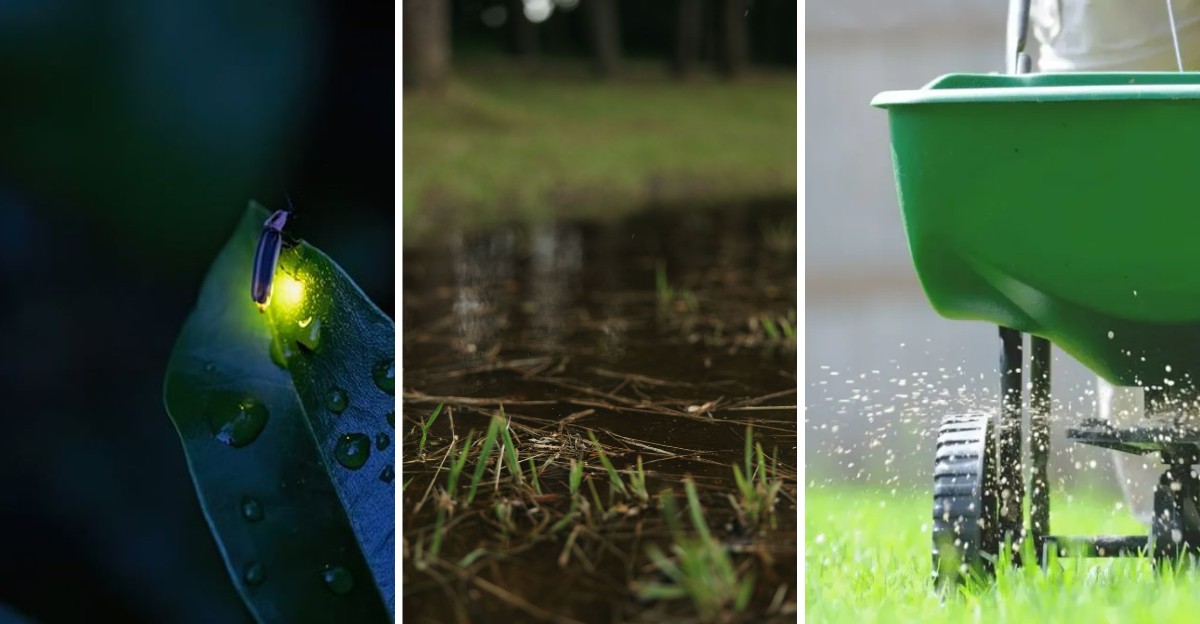
Fireflies once flickered through vast stretches of your childhood evenings, filling darkness with quiet gold. Now those lights flicker weaker, thinner, fewer than they used to.
Suburban yards hold clues nobody wants to admit out loud. Manicured lawns strip away the cover fireflies depend on for protection. Pesticides drift further than labels claim, reaching larvae resting underground.
Porch bulbs confuse mating signals meant only for fireflies, not humans. Grass cut too short removes shelter before larvae fully mature. Soil across gardens still holds next summer’s fireflies right now, waiting quietly.
Small shifts this month change what endures until June. Timing matters more than homeowners often realize, especially in early fall. Leaf litter becomes a nursery, not yard waste.
Outdoor lighting habits decide who blinks back come summer. You hold more control than you think over this outcome. What you do this week decides whether next summer glows or stays silent.
1. Porch Lights And Streetlamps Interfere With Their Signals
Fireflies talk with light. Males flash a pattern, females answer from the grass, and the whole conversation happens in a few seconds of darkness.
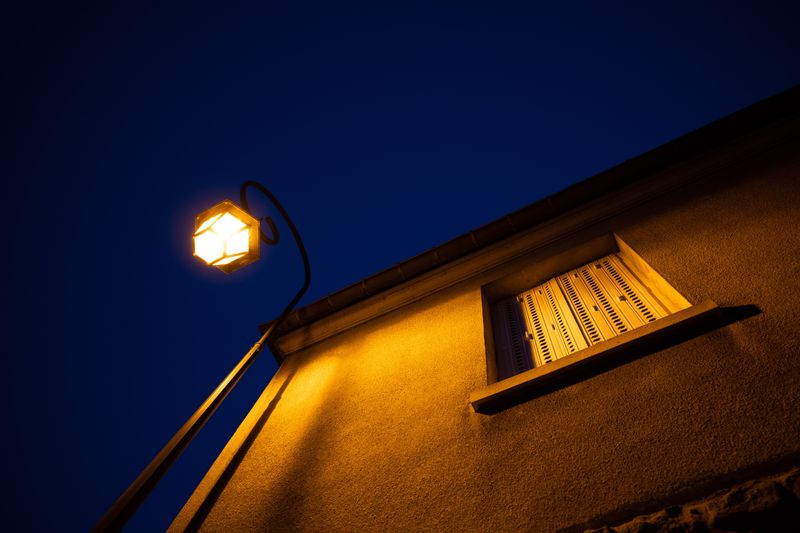
Now picture that conversation happening next to a floodlight. Researchers have found that artificial light at night makes it much harder for fireflies to spot each other’s signals, so fewer pairs ever meet.
Blue and white light appear to cause the biggest problem. Research suggests those wavelengths scatter widely and wash out the soft yellow-green glow fireflies rely on.
Streetlamps, security lights, string lights, and even a bright window can shrink the usable courting area of a yard down to a corner. Over several seasons, that shrinking space shows up as fewer flashes.
The fix is refreshingly cheap. Switch outdoor bulbs to warm amber or red tones, aim fixtures downward, and add shields so light lands on the path instead of the hedge.
Motion sensors and timers help too, because Many firefly species mainly perform in the first two hours after sunset, though timing varies by species. Giving them that window makes a real difference.
Curtains matter more than people expect. Pulling blinds after dark keeps indoor glow from spilling across the yard.
Try one experiment this week. Turn off the back light for three nights in a row and sit outside around 9 p.m.
Neighborhood cooperation multiplies the effect, so mention it to the folks next door. Darkness is one of the few habitat features you can restore in a single evening.
2. Lawn Chemicals Reach The Larvae Underground

Here is a fact that surprises almost everyone: fireflies spend up to two years underground as larvae, and only a few weeks as the blinking adults we notice.
Those larvae live in damp soil and leaf litter, hunting slugs, snails, and earthworms. They are basically tiny predators with a nightlight.
Broad-spectrum insecticides applied to turf soak straight into that nursery. Grub treatments, mosquito fogging, and general-purpose sprays reach larvae that were never the target.
Slug pellets create a second problem by removing the food supply. A larva with nothing to eat will not reach adulthood, even if it survives the chemical itself.
Mosquito barrier sprays deserve special attention. Applied to shrubs and fence lines, they coat the exact resting spots adult fireflies use during the day.
Cutting back is easier than it sounds. Spot-treat trouble areas instead of blanketing the whole yard, and choose targeted products over anything labeled for a wide range of insects.
For mosquitoes, dump standing water weekly and try a fan on the patio, since mosquitoes fly poorly in moving air. Bti dunks handle water features without harming beetles in the soil.
Give one section of lawn a full chemical break and watch it for two summers. Larvae need that long to complete their life cycle and show up as flashes.
Autumn applications matter most, because larvae are actively feeding near the surface right now before cold weather arrives.
3. Overly Tidy Yards Leave Nowhere To Hide
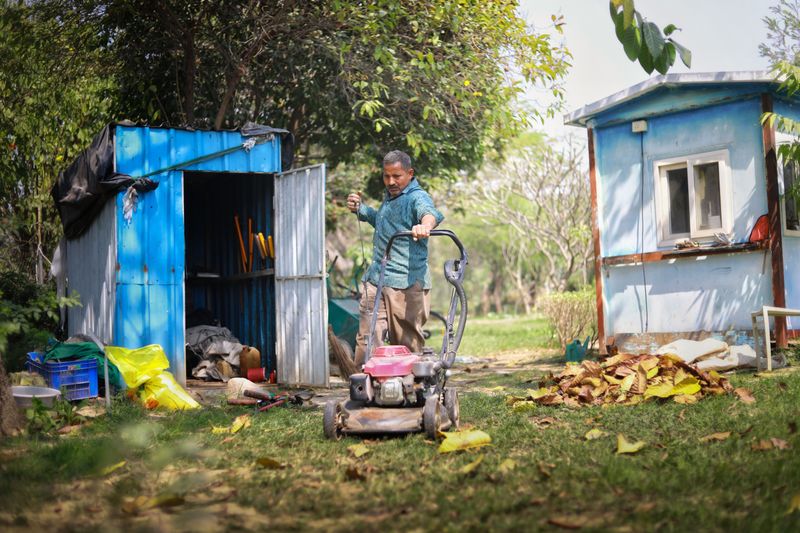
Perfect lawns look great in photos and terrible to a firefly. Short grass, bagged clippings, blown-out leaves, and bare mulch add up to a landscape with no cover.
Adult fireflies rest during daylight hours in tall grass, low shrubs, and shaded plant stems. Without those spots, they are exposed to heat and predation.
Leaf litter plays an even bigger role. Larvae shelter under decaying leaves where the soil stays cool and damp, and where their prey hangs out too.
Every fall cleanup that strips a yard bare removes an entire generation’s bedroom. It happens quietly, which is why nobody connects it to the missing lights in June. It removes an entire generation’s shelter.
Loosening up your standards pays off fast. Pick one back corner and let the grass grow to knee height, then leave it unmowed through the season.
Rake leaves into beds and under shrubs instead of hauling them to the curb. A layer two or three inches deep works beautifully and feeds the soil at the same time.
Logs, brush piles, and a few flat stones create damp microclimates that larvae seek out. Even a small pile in a shady spot counts.
Raise the mower deck to three or four inches everywhere else. Taller grass holds moisture, shades the ground, and gives adults a place to perch and flash. Your yard becomes a little wilder. Your summer evenings become a lot brighter.
4. Wet Ground Keeps Disappearing
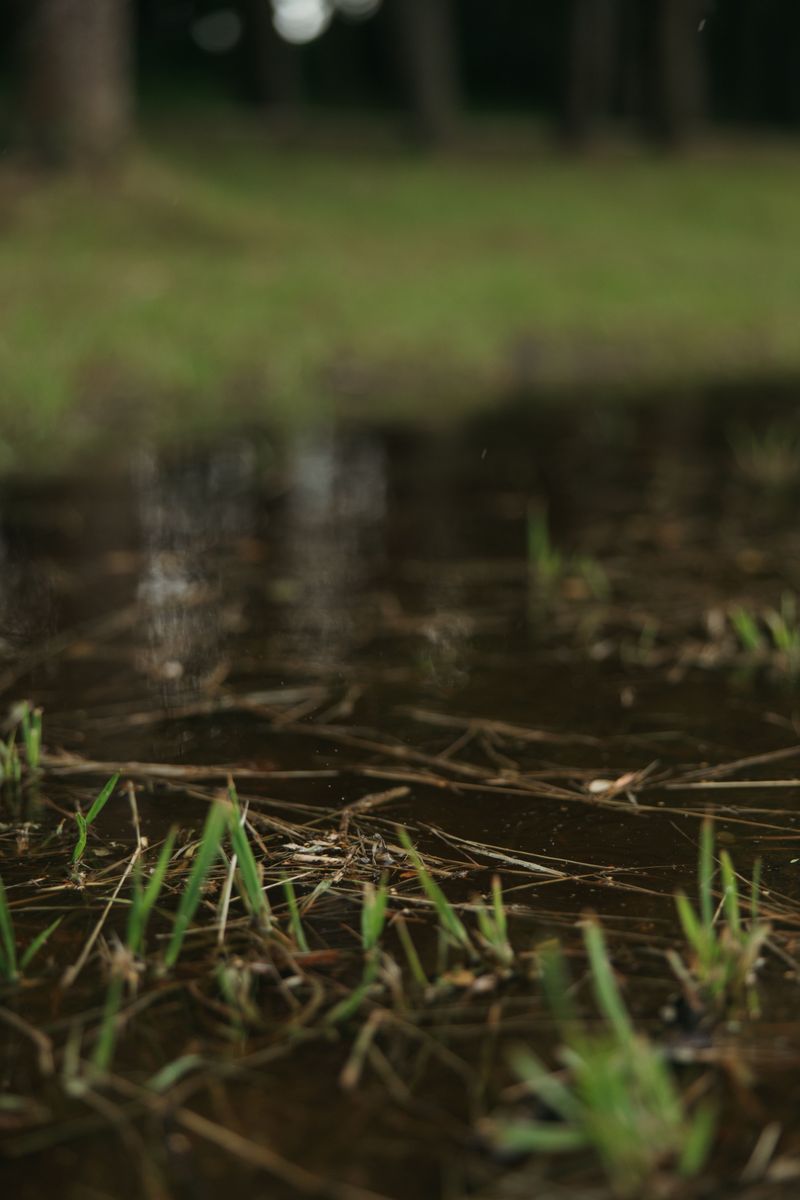
Follow fireflies to their favorite spots and you will end up with muddy shoes. Stream banks, pond edges, ditches, meadows, and soggy woodland hollows hold the highest numbers.
Moisture is not a preference for them, it is a requirement. Larvae dry out quickly and need consistently damp soil to survive their long underground stretch.
Development has drained an enormous amount of that ground. Wetlands get filled, streams get piped, and yards get graded so water rushes off instead of soaking in.
Drought years compress populations further. When soil dries and hardens, larvae move deeper or may not survive to spring.
Bringing moisture back to a property is doable at almost any size. A shallow rain garden at the bottom of a slope catches runoff and holds it long enough to soak in.
A small pond, even a buried tub with sloped edges and native plants, creates a damp zone that radiates outward. Consider skipping fish, since they may eat larvae that fall in.
Downspout extensions that empty into planted beds beat pavement runoff every time. Mulch and compost help soil sponge up water and hold it longer.
Native sedges, ferns, and moist-soil grasses shade the ground and slow evaporation. Their roots keep the soil structure loose and welcoming.
Fall planting works well for these species, so September is a practical month to get started while the soil is still warm.
5. Build A Dark Corner And Guard It
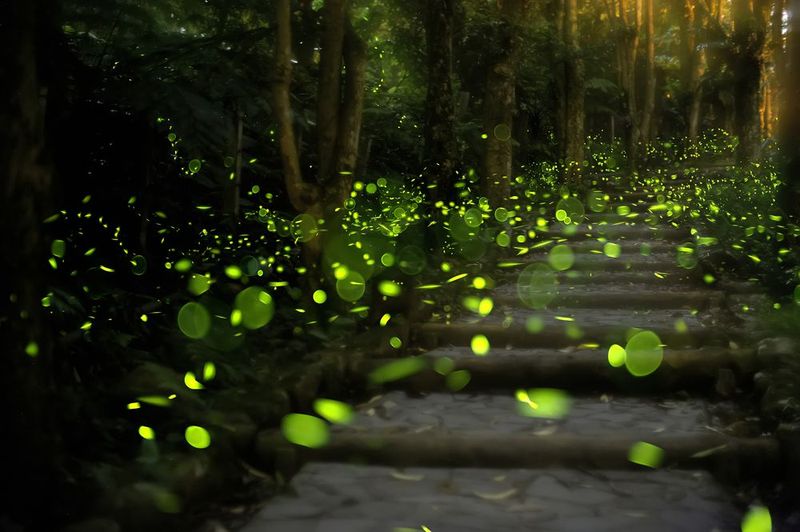
Think of it as a tiny sanctuary rather than a project. One corner of your property, kept dark, damp, and slightly messy, can host a surprising number of fireflies.
Choose the spot with the least light spill, ideally shaded by trees or a fence. North-facing areas hold moisture longer and warm up more slowly.
Stop mowing there entirely. Let grasses, sedges, and volunteer plants fill in, and resist the urge to neaten the edges.
Add a thick layer of leaves each autumn and let it break down on its own. Over three or four years, the soil becomes rich, crumbly, and full of the small creatures larvae eat.
Mark the boundary with a simple stone edge or a low log border. A visible line keeps the area from getting mowed by accident and signals intention to neighbors.
Skip fertilizer and skip sprays inside that zone. Once established, the area needs only light upkeep.
Watch what shows up. Slugs and snails might seem like bad news, but they are exactly what firefly larvae hunt.
Expect patience to be part of the deal. Populations tend to build slowly because of that long underground stage, so year three often looks better than year one.
Even a small sanctuary, as modest as a single yard corner, can make a measurable difference. When several neighbors on one street do the same thing, it may noticeably improve a block’s summer nights.
6. Plant Natives That Hold Moisture And Cover
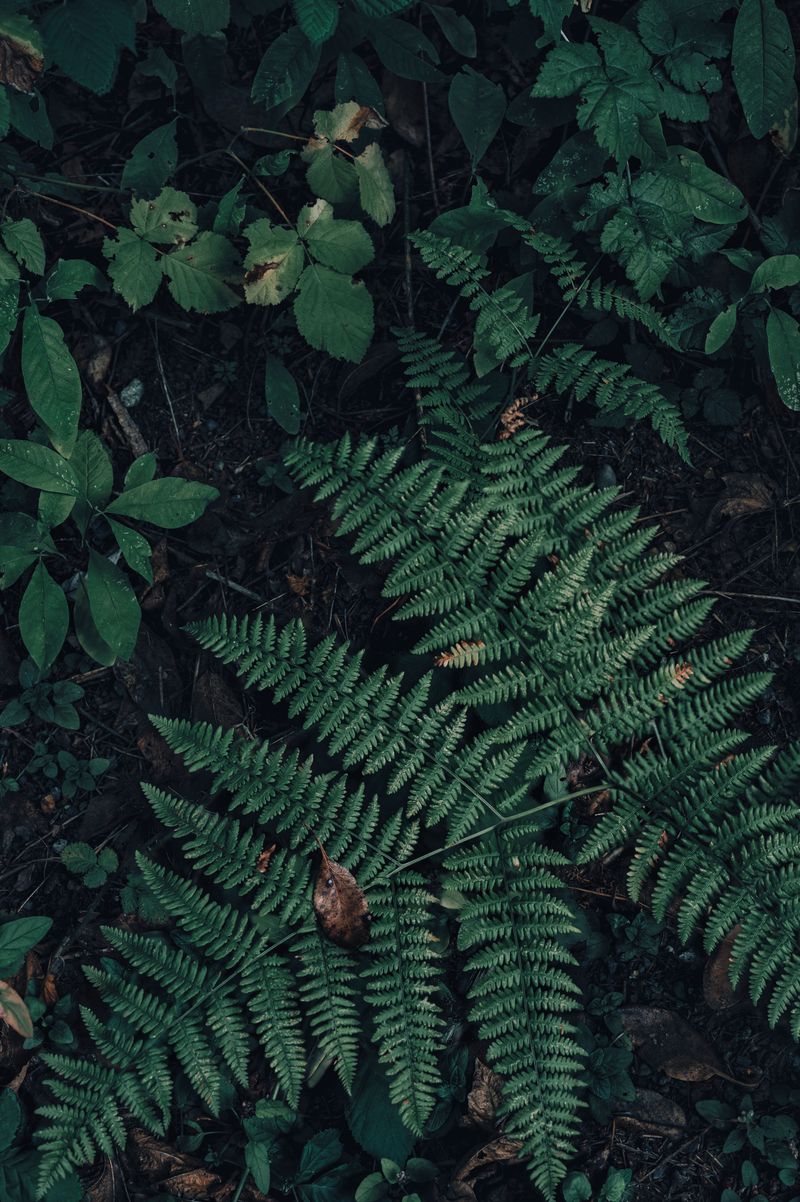
Plants do more here than decorate. The right ones shade soil, trap humidity, feed the food chain, and give adults somewhere to perch while they flash.
Native grasses lead the list. Switchgrass, little bluestem, and native sedges form dense clumps that stay cool underneath even during hot spells.
Ferns and low woodland plants work wonders in shady spots. Their overlapping fronds hold moisture at ground level far better than bare mulch does.
Trees and shrubs matter for a different reason. Their canopy blocks stray light, drops leaves that build litter, and keeps daytime temperatures down.
Goldenrod, asters, and other late bloomers support the broader insect community that firefly larvae depend on indirectly. A yard with more life overall supports more of everything.
Layering is the trick. Ground covers, mid-height perennials, shrubs, and a tree or two create the stacked structure that beetles use through their whole life cycle.
Choose species that grew in your region before the neighborhood existed. Local plant sales and native nurseries make this easier than it used to be.
Early September is prime planting time in many areas, with warm soil and cooler air helping roots settle before winter. Water new plantings well for the first several weeks.
One last suggestion: plant in groups of three or five rather than singles. Dense patches hold humidity, and humidity is what keeps the next generation alive.
7. Rethink How You Handle Water In The Yard

Water management sounds like a plumbing topic, but for fireflies it is essential for survival. Soil that stays evenly damp through summer supports larvae that would otherwise struggle.
Start by looking at where rain goes on your property. If it sheets off the driveway and disappears into the street, that moisture is doing you no favors.
Redirect downspouts into planted basins or shallow depressions. A dip just six inches deep, filled with tough native plants, can absorb hundreds of gallons over a season.
Compost is a valuable tool here. Adding an inch or two to beds each year raises how much water the soil can hold.
Mulch with shredded leaves or bark rather than leaving soil exposed. Bare ground loses moisture fast and heats up in ways larvae cannot handle.
Skip the plastic weed barrier under mulch. It blocks the movement of soil creatures and stops leaves from breaking down into the ground.
If you irrigate, water deeply and less often, early in the morning. Shallow daily sprinkling encourages weak roots and does little for the soil profile.
Consider a small seasonal wet spot rather than a permanent pond. Areas that hold water in spring and dry slowly in late summer suit many species well.
Check your damp zones after a rain this month. Those spots are where your first flashes will likely appear next June.
8. Count Flashes And Share What You See
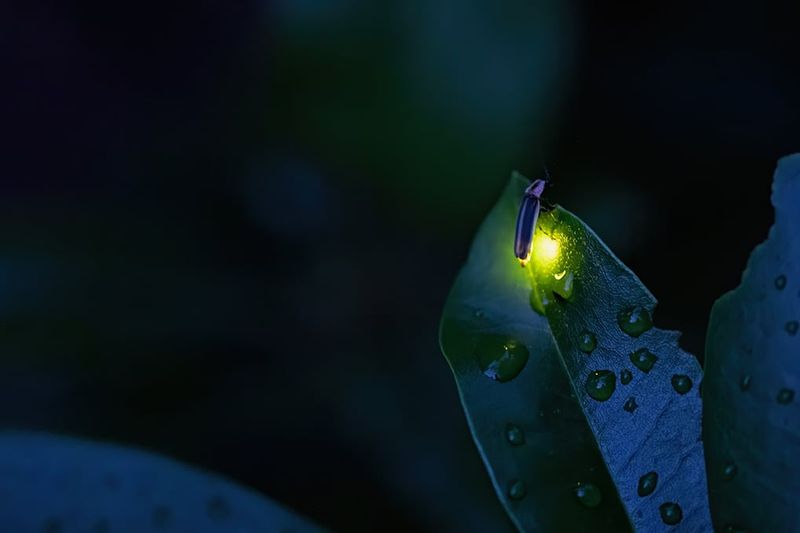
Researchers face a data gap when it comes to fireflies. There are thousands of yards, hundreds of species, and not enough researchers to watch them all.
Volunteers fill that gap. Citizen-science programs like Firefly Atlas, run by the Xerces Society, ask ordinary people to sit outside once a week and count flashes for ten minutes.
The method is simple enough for a kid to handle. Pick a spot, note the weather, count how many flashes you see in three ten-second windows, and log it online.
Data like that reveals patterns nobody could spot alone. Which species are shrinking, which regions are holding steady, and how habitat changes affect numbers over time.
Beyond the science, counting changes how you see your own yard. You start noticing flash patterns, timing, and which corners glow brightest.
Grab a red-filtered flashlight so your eyes stay adjusted to the dark. Regular white beams reset your night vision and interfere with the beetles.
Bring someone with you. Counting turns into a genuinely pleasant weekly ritual, and kids tend to become engaged advocates for the habitat afterward.
Photos help too, though flash photography is off the table. Long exposures on a tripod capture streaks of light and make lovely records of a season.
Sign up for a citizen-science tracking project now, so you’re ready when the first flashes appear next year. Between then and now, your yard has plenty of time to get comfortable.