9 Yard Features That Attract Snakes In Fall
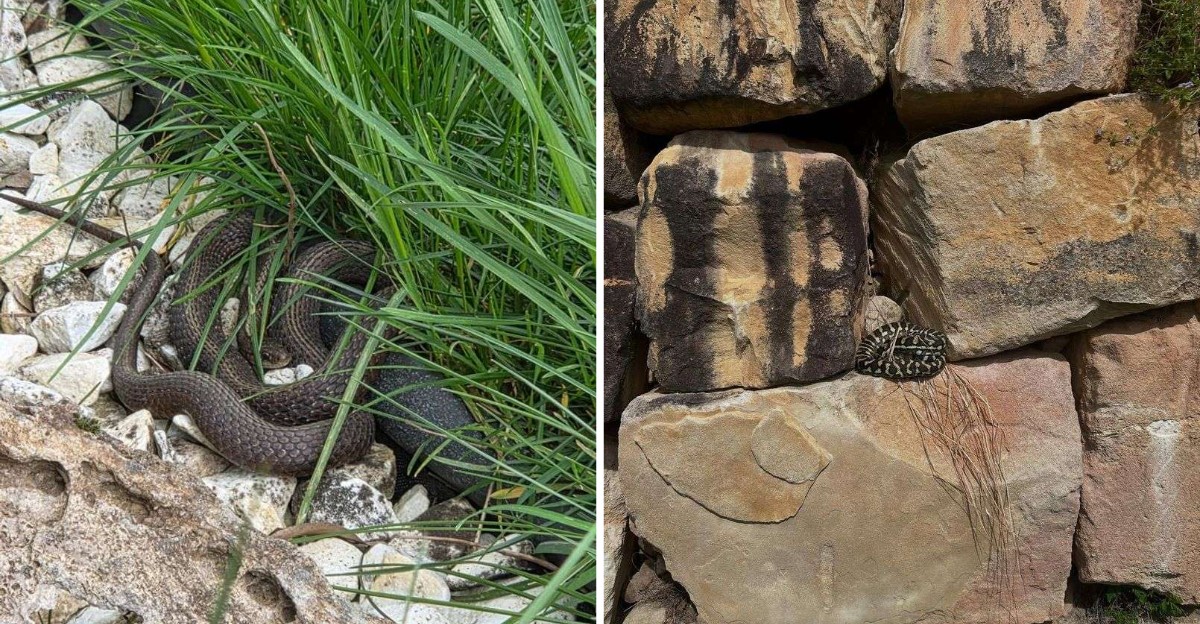
September air smells like crunchy leaves, chimney smoke, and somebody’s wildly ambitious pumpkin spice candle. Your yard glows gold in the late afternoon sun, looking cozy, quiet, and just a little bit sleepy.
Somebody else has noticed that cozy vibe too, and trust me, they did not show up carrying a casserole. They’re already scouting real estate, checking out every warm crack and quiet corner like it’s an open house.
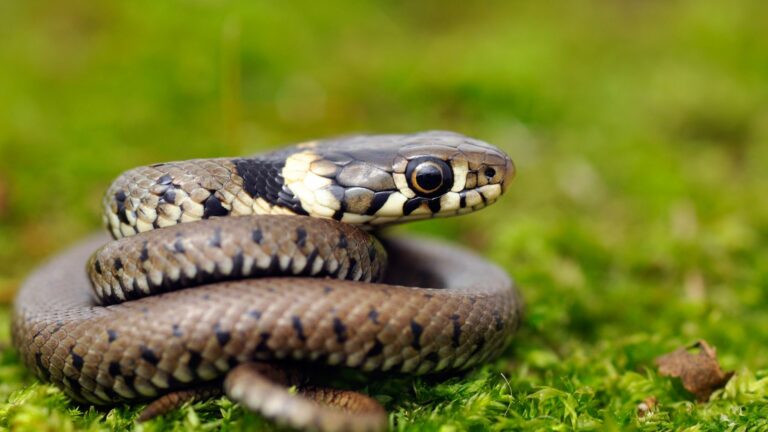
As the nights turn chilly, a few quiet, scaly neighbors start house hunting with serious focus. They want warm hideouts, easy snacks, and a spot where nobody bothers them until spring.
Your garden might be posting a giant vacancy sign right now, and you would not even know it. The listing practically writes itself: cozy, quiet, close to snacks, no landlord in sight.
A few smart tweaks can shut down that rental listing faster than you can rake a leaf. Keep the pumpkin spice candle burning, but the free housing offer for cold-blooded guests is officially canceled.
1. Woodpiles Near Structures
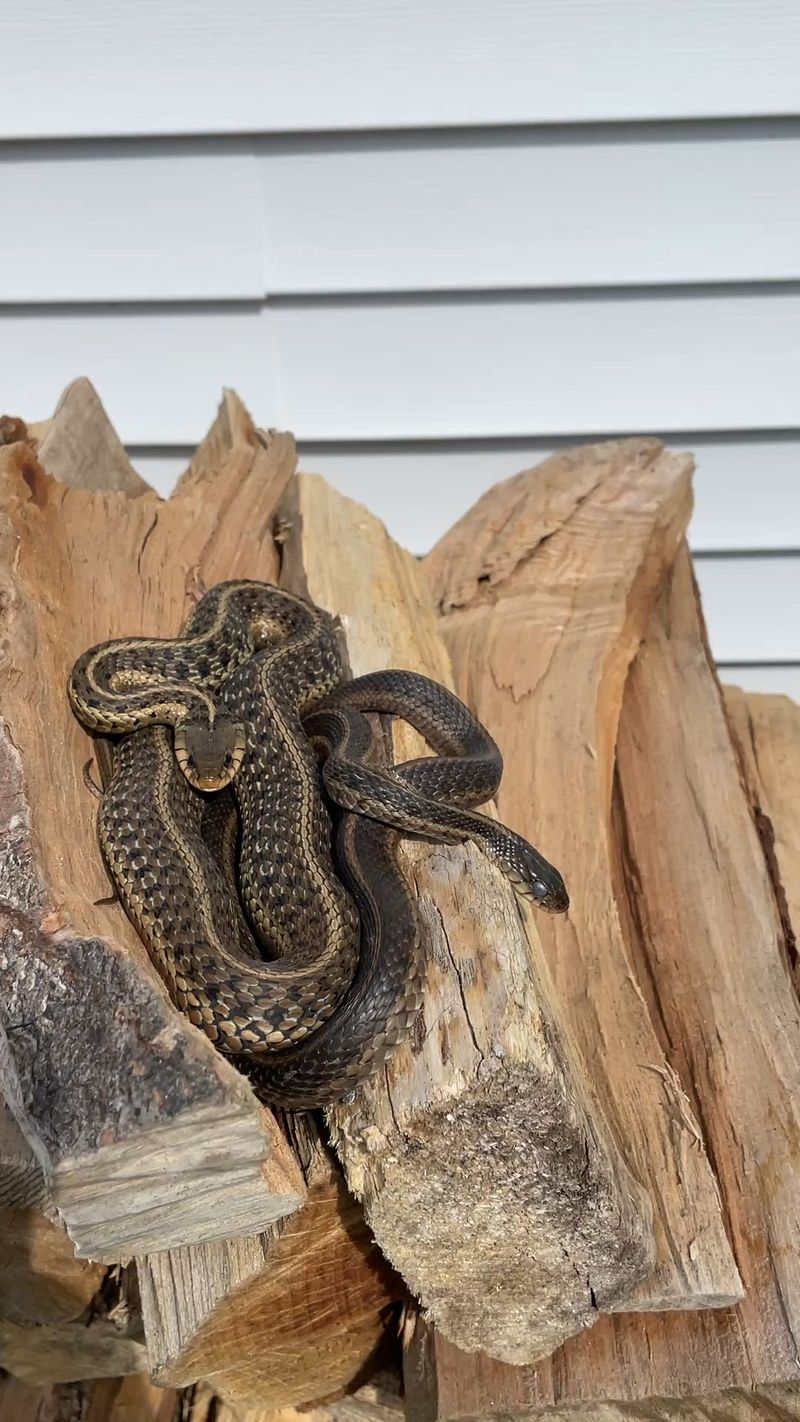
Stacking firewood against the garage feels smart in September, since winter is coming and nobody likes hauling logs through snow. Unfortunately, that tidy stack doubles as a luxury hotel for critters looking to escape the cold.
Woodpiles are packed with narrow gaps that stay warmer than the open air at night. Snakes slip into those spaces to rest, hide from hawks, and soak up leftover daytime heat.
There is also a second draw hiding inside the logs, and it has whiskers. Mice and chipmunks love woodpiles, which means snakes get a cozy bed and a snack bar together.
When the pile leans right against your house, those visitors are only a few feet from your foundation. Small cracks near the ground can then become an easy doorway into basements or crawl spaces.
The fix is simple and does not require giving up your cozy fireplace nights. Move the stack at least 20 feet from your home, shed, or deck.
Raise the wood on a metal rack about 18 inches off the ground so air flows underneath. That gap makes the pile less inviting and also helps the logs dry out faster.
Did you know some snakes return to the same winter hideout year after year? Breaking up that habit now means fewer uninvited guests next autumn too.
Wear thick gloves whenever you grab logs, especially from the bottom rows. A quick look before reaching in can save you from a very startling surprise this fall.
2. Loose Stone Retaining Walls
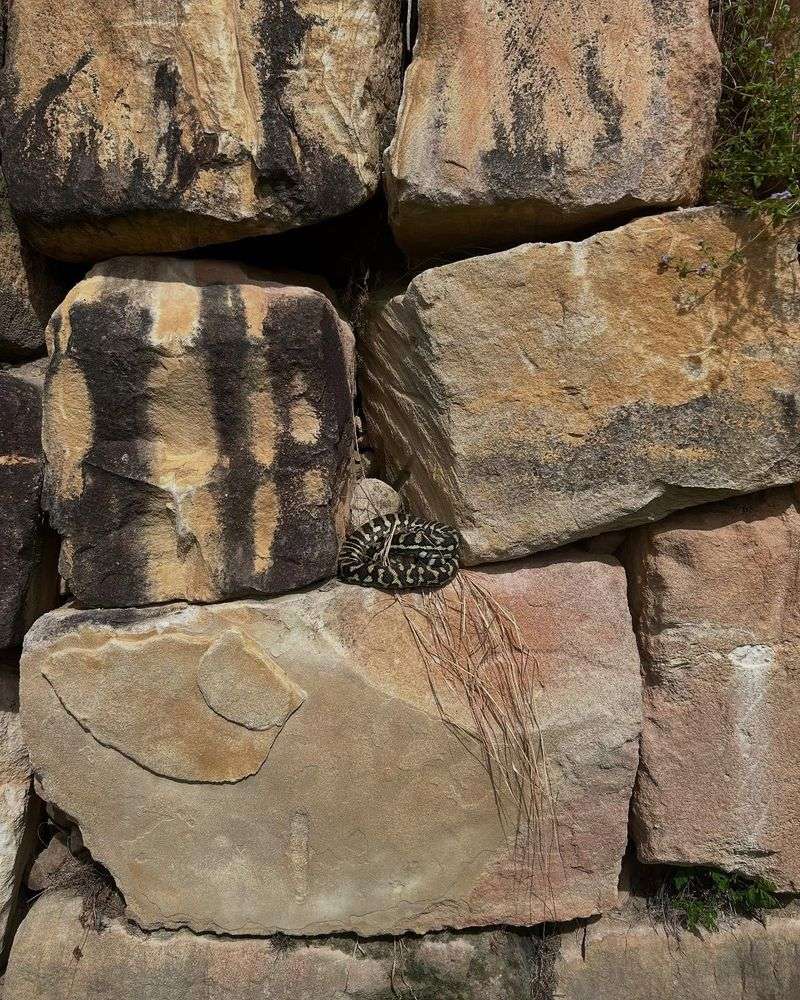
Picture a charming stone wall lining your garden, the kind that looks straight out of a storybook cottage. Now picture a dozen hidden hallways running between every single rock.
Dry-stacked walls without mortar are full of cracks and pockets that snakes find irresistible. Stones soak up sunshine all afternoon and release that warmth slowly after the sun goes down.
For a cold-blooded animal, that is like having a heated blanket on a crisp September evening. Rock walls also shelter lizards, insects, and small rodents, so food is close by.
Some species even use deep gaps behind walls as winter dens, called hibernacula. Garter snakes sometimes pile up by the dozens in one spot to stay warm together.
You do not need to tear the wall down to make it less welcoming. Start by walking along it and noting any wide gaps, loose stones, or crumbling sections.
Fill larger openings with small stones, gravel, or outdoor mortar where it makes sense. Reset wobbly rocks so they sit snug and tight, leaving fewer tunnels to explore.
Trim plants that drape over the top, since leafy cover makes the wall feel safer for hiding. Clear a strip of bare ground along the base so nothing can sneak up unseen.
Keep kids from poking fingers into the cracks, especially on sunny fall afternoons. Your stone wall can stay beautiful while quietly telling visitors to find another address.
3. Dense Overgrown Vegetation
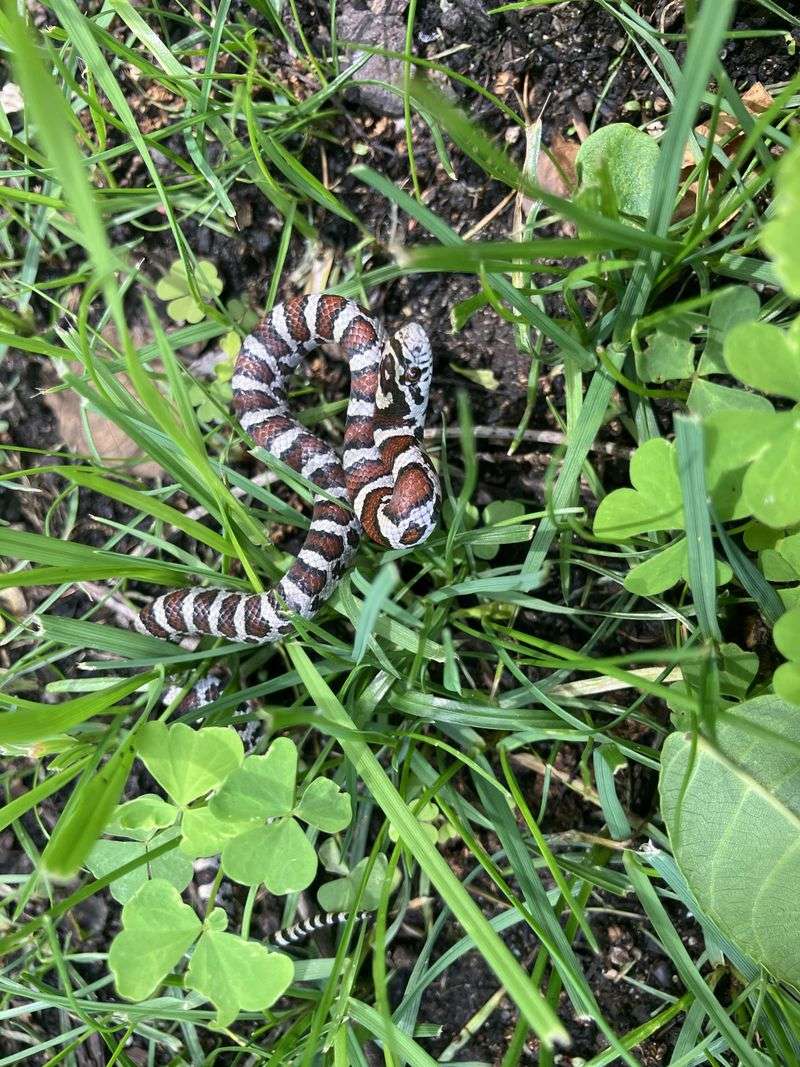
Every yard has that one corner where the shrubs took over and nobody wants to deal with it. Maybe it started as a cute hedge and slowly turned into a mini jungle.
To a snake, that tangled patch is basically a private hideout with a doorman. Thick branches block hawks and owls, while the shady ground below stays moist and sheltered.
Overgrown bushes, ivy, and vines also attract frogs, toads, and mice looking for shelter. Where the menu goes, hungry snakes tend to follow right behind.
Early fall is actually a great time to tackle the mess before cold weather sets in. Most shrubs handle light trimming well now, and the cooler air makes yard work more pleasant.
Start by cutting back branches that touch the ground, since low limbs create the best hiding spots. Aim for about a foot of open space between the soil and the lowest leaves.
Pull out thick ground covers like ivy near doors, patios, and walkways where people walk often. Keep shrubs trimmed away from the house so nothing creates a leafy bridge to your foundation.
Wear long pants, boots, and gloves while you work, and poke around with a rake first. Most snakes will slither away quickly once they sense you coming.
Your yard does not need to look like a golf course to stay safe. A little breathing room under the greenery goes a surprisingly long way.
4. Uncovered Compost Bins
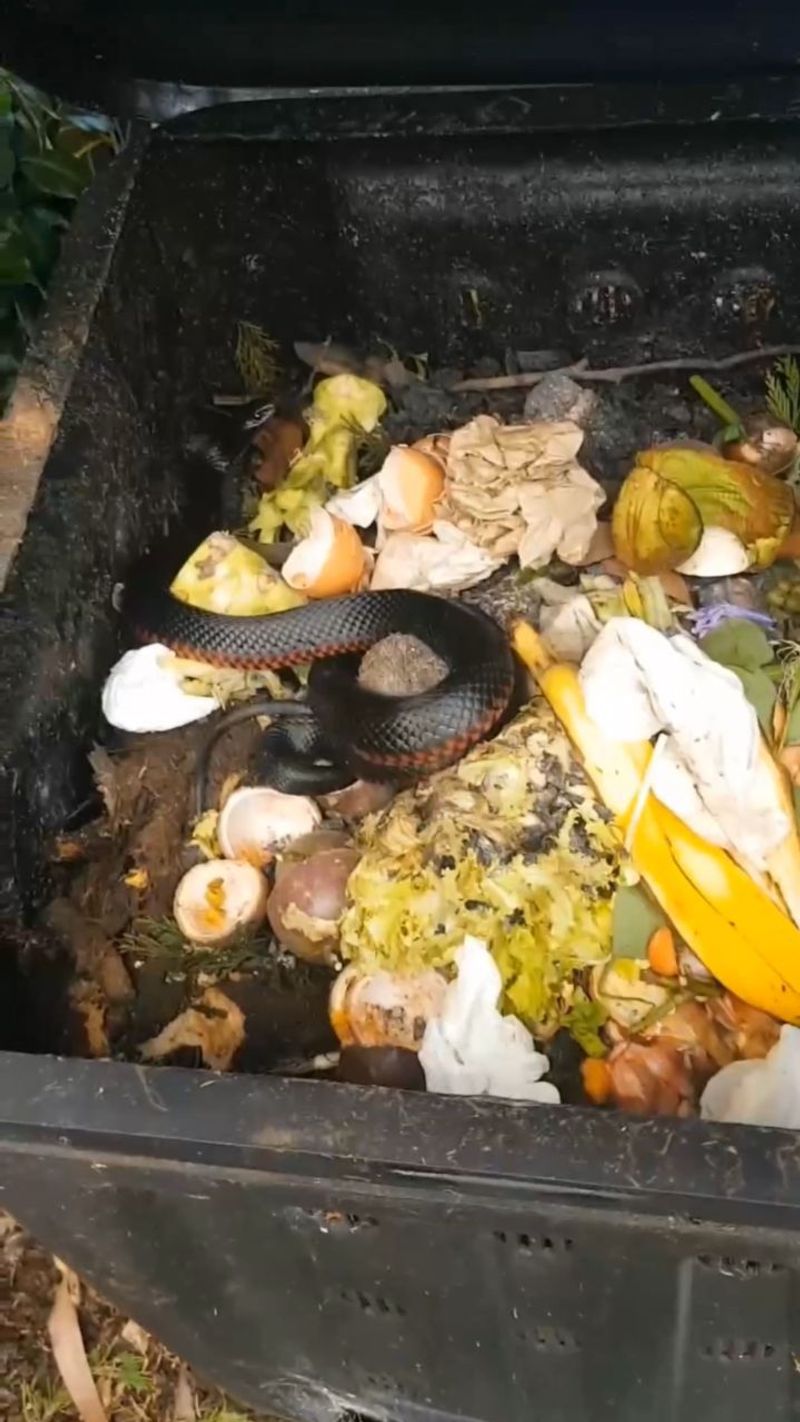
Composting is one of the best things you can do for your garden, and your worms agree. The trouble starts when that pile of banana peels becomes the hottest spot in the neighborhood.
Hottest is not an exaggeration here, since active compost can reach 130 to 160 degrees inside. On a chilly fall night, the warm outer edges feel amazing to a cold-blooded visitor.
Food scraps also draw in rats, mice, slugs, and insects hunting for an easy meal. So an open bin offers warmth, moisture, and a buffet all in one handy location.
Rat snakes and king snakes sometimes lay eggs in compost because the warmth works like a natural incubator. Finding one while turning your pile is a surprise nobody wants before breakfast.
The easiest fix is switching to a closed bin with a tight lid and a solid bottom. Tumbler-style composters work great because they sit off the ground and spin shut.
If you love your open pile, line the base with hardware cloth to block burrowing rodents. Skip meat, dairy, and greasy leftovers, since those smells pull in the most pests.
Place your compost far from the house, patio, and play areas whenever possible. Turn it with a pitchfork instead of your hands, and give it a gentle tap first.
Fall leaves make fantastic compost material, so this is the perfect season to upgrade your setup. Your garden gets rich soil, and the neighborhood wildlife gets a polite rejection letter.
5. Bird Feeder Spillage
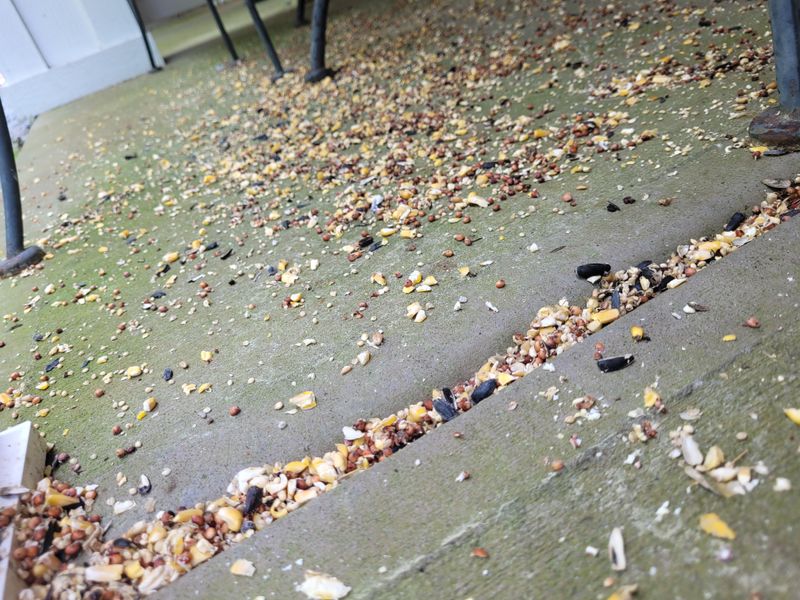
Watching cardinals and chickadees at the feeder is one of fall’s sweetest little joys. What happens underneath that feeder, though, is a whole different story.
Birds are messy eaters, flicking seeds and shells onto the ground with every peck. That growing carpet of sunflower seeds is a free lunch for mice, rats, voles, and squirrels.
Here is where the real chain reaction kicks in, and it happens fast. Rodents show up for the seeds, and hungry snakes show up for the rodents.
In fall, snakes are eating extra to build up energy before their long winter rest. It all plays out right outside your kitchen window, like a nature documentary nobody asked for.
Luckily, you can keep feeding your feathered friends without hosting the whole food web. Add a seed tray or catcher beneath the feeder to trap falling bits before they hit the ground.
Switch to no-mess seed blends, like hulled sunflower hearts, which leave behind far fewer shells. Rake or sweep up spilled seed every few days, especially after windy afternoons.
Move feeders away from the house and away from shrubs where critters can hide while they eat. Bring seed containers indoors or store them in metal bins with locking lids.
Fun fact: a single chickadee may hide thousands of seeds each fall to eat later in winter. Your cleanup routine simply keeps the spilled leftovers from feeding a much sneakier crowd.
6. Unmowed Tall Grass
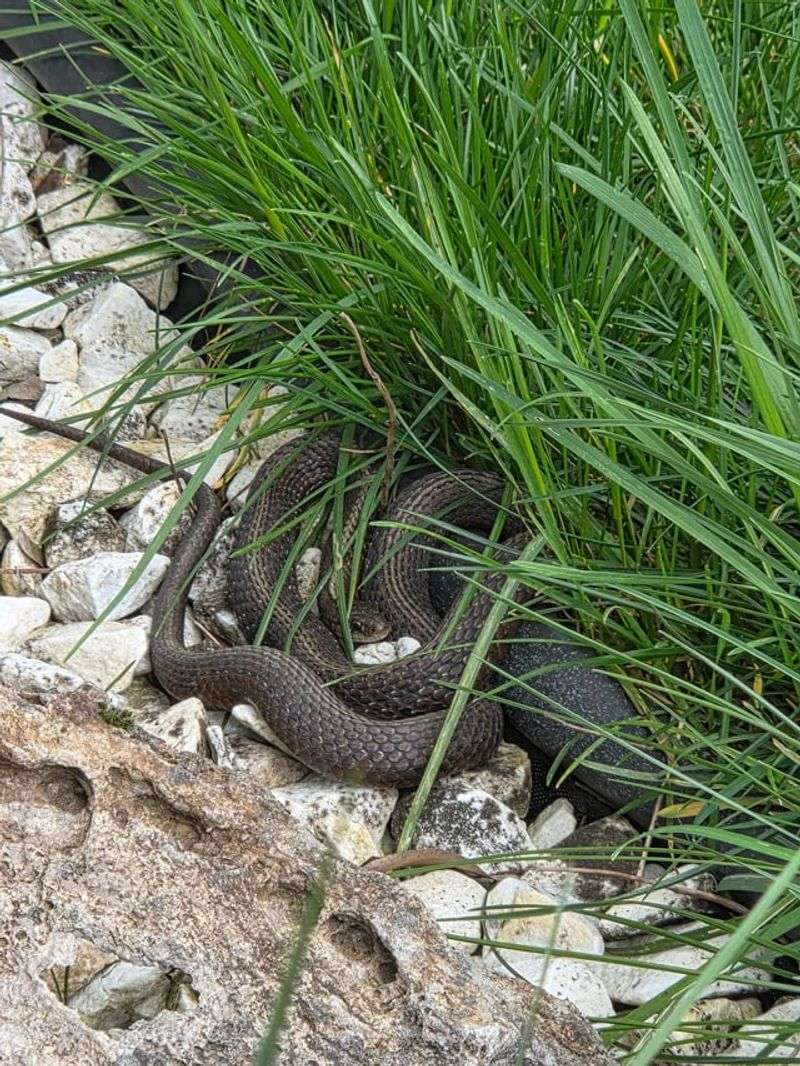
Ever notice how tempting it is to skip mowing once September rolls around? The grass grows slower, schedules get busier, and the mower starts collecting cobwebs in the shed.
Tall grass might look relaxed and natural, but it creates a hidden highway for snakes. They can move from spot to spot without being seen by birds, pets, or people.
Shaggy lawns also hold moisture and shelter crickets, grasshoppers, and field mice. Those are all tasty snacks for snakes busy stocking up before cold weather arrives.
Another risk is simply not seeing what is right in front of you. A snake stretched across short grass is easy to spot, but tall blades hide it well.
Keep your lawn trimmed to around three inches tall through the fall season. That height keeps grass healthy while still giving snakes very little cover to work with.
Pay special attention to edges along fences, sheds, and garden beds where the mower misses. A string trimmer can clean up those shaggy borders in just a few minutes.
Before mowing, walk the lawn quickly to scare off anything resting in the grass. Snakes feel vibrations through the ground, so heavy footsteps give them time to move along.
Keep mowing until the grass stops growing, which in many areas is late October or November. Your final cut of the year should leave a neat, tidy lawn heading into winter.
7. Standing Water Sources
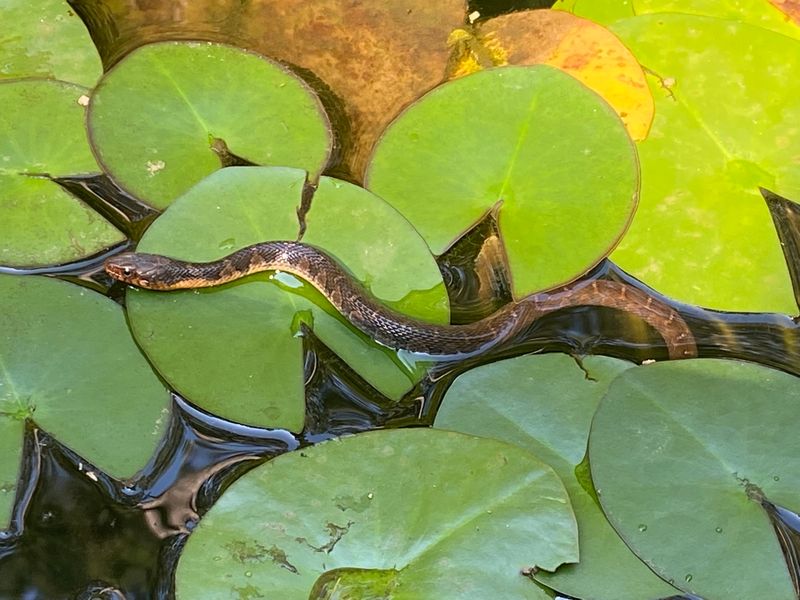
Snakes need more than food and shelter, since a cool drink matters to them too. After a dry summer, any puddle, pond, or leaky spigot can become a popular watering hole.
Water also brings frogs, toads, and insects, which are favorite meals for many snake species. Garter snakes and water snakes especially love hunting near soggy, muddy edges.
Common culprits include clogged gutters, leaky hoses, birdbaths, kiddie pools, and low spots that collect rain. Even an old bucket tipped on its side can hold enough water to attract attention.
Fall rainstorms and falling leaves make this problem worse, since leaves clog drains and gutters fast. Soggy ground near your foundation is especially risky because it pulls critters close to the house.
Start by cleaning gutters and making sure downspouts send water at least a few feet away. Fix dripping outdoor faucets and hoses, which often create hidden mud puddles nobody notices.
Empty kiddie pools, buckets, and plant saucers after each rain, then flip them upside down. Fill low spots in the lawn with topsoil so rainwater drains instead of pooling.
Birdbaths can stay, but refresh the water every couple of days and place them away from the house. Ponds are trickier, so keep the edges trimmed and free of tall plants.
Bonus: getting rid of standing water also cuts down on mosquitoes buzzing around your ankles. That is a double win for anyone who enjoys sitting outside on cool autumn evenings.
8. Damp Mulch Beds
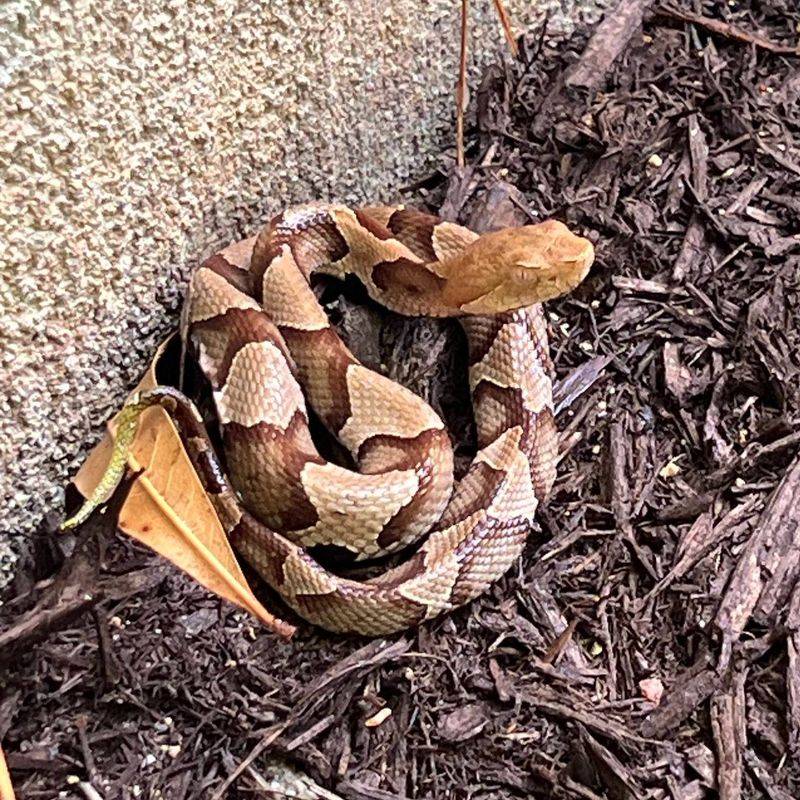
Fresh mulch makes a flower bed look polished, like a freshly made bed with crisp sheets. Many gardeners add a new layer in fall to protect roots from the coming frost.
Snakes appreciate that cozy blanket just as much as your perennials do. Thick, damp mulch holds warmth and moisture, creating a soft hideout that is easy to burrow into.
Worms, slugs, and beetles thrive in moist mulch, and those critters attract toads and small rodents. Before long, your flower bed turns into a busy little food court for snakes.
Mulch piled against your house is the biggest concern, since it invites visitors right up to the siding. It can also trap moisture that attracts termites, which is a whole separate headache.
Keep mulch layers around two to three inches deep instead of piling on more every year. Rake old mulch aside before adding new, so it does not build into a thick, soggy mattress.
Leave a gap of about a foot between the mulch and your foundation. Gravel or river rock works well in that strip because it dries fast and offers little shelter.
Try using finer mulches, like shredded bark, instead of large chunky nuggets with big air pockets. Fluff the bed with a rake now and then to help it dry out between rains.
Wear gloves when weeding, and use a hand tool to move mulch before reaching in. Your plants stay snug for winter, and your fingers stay happily surprise-free.
9. Leaf Debris Piles
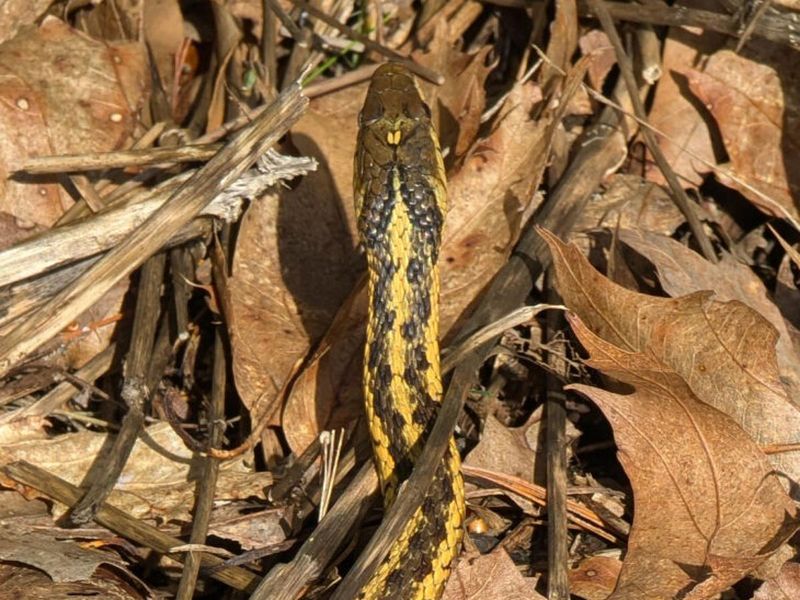
Remember cannonballing into a giant pile of crunchy leaves as a kid? That same pile, left sitting for weeks, might have a scaly tenant tucked inside by now.
Leaf piles trap heat and moisture, especially near the bottom where leaves start to break down. Snakes burrow in to stay warm on frosty mornings and hide from hungry predators overhead.
Brush piles, fallen branches, and heaps of garden clippings create the same inviting setup. Insects, worms, and mice move in first, and snakes follow the dinner bell.
Small snakes like brown snakes and ring-necked snakes are especially fond of leaf litter. They are harmless, but most people would still rather not grab one by accident.
The key is not letting piles sit around for days or weeks at a time. Rake leaves and bag them, compost them, or haul them away the same day whenever you can.
Mulching leaves with your lawn mower is another smart trick that feeds the grass as a bonus. Chopped leaves break down quickly and do not form the thick layers snakes love.
If you keep a brush pile for wildlife, place it far from the house and play areas. Use a rake or pitchfork to move old piles, and remind kids to jump only into fresh piles.
Fall cleanup does not have to steal every weekend from September to December. A few quick rake sessions keep the fun pile fresh and the sneaky squatters guessing.