A Bat That Has No Business Being In Colorado Just Turned Up In Someone’s Backyard
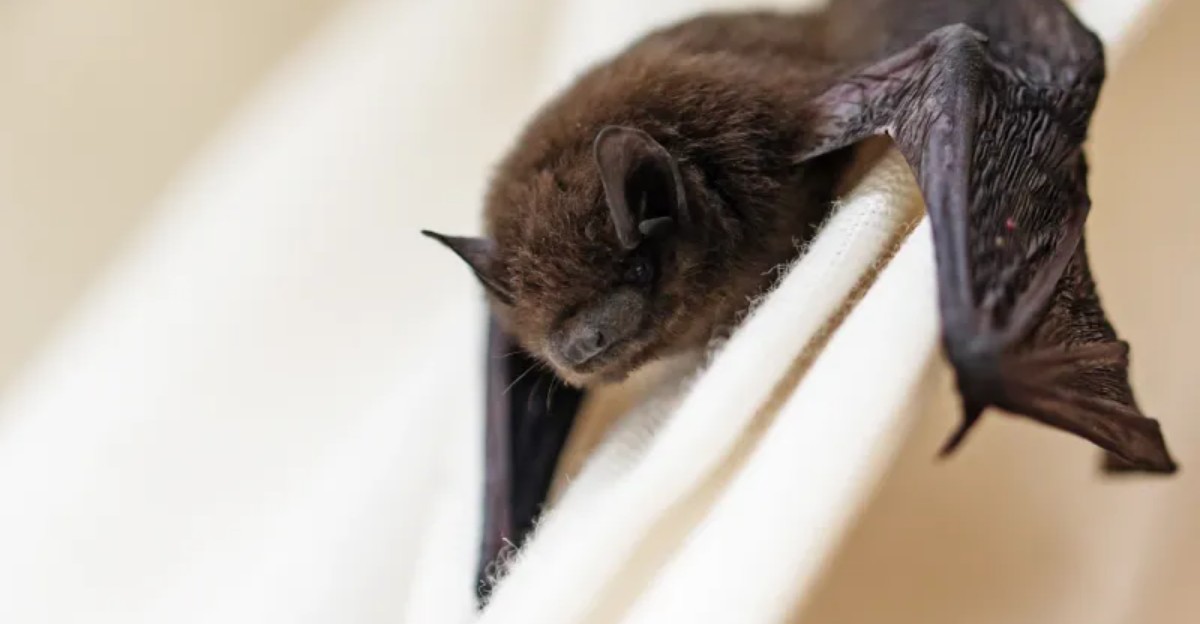
You caught a stranger gripping your fence rail last night. Its fur didn’t match what you expected to see. Nobody around recognized this flier drifting near your grill.
Biologists confirmed it belongs hundreds of miles east, in swampy country. Distance like that should make you pause immediately. Wings this shape rarely cross Colorado skies. Confusion spreads fast when look-alikes fool your eyes.
Curiosity only gets you halfway toward an answer. Details separate a harmless guest from a similar-looking species.
Knowledge changes how you react on your porch. Recognizing the signs matters more than you’d guess. Fence posts and porch lights attract travelers to you.
Timing plays a role, since late summer and fall push migration hard. Patience helps, but quick action helps you more. Guests like this rarely find you. Ignore the clues, and you may miss an unusually rare guest for your porch.
The Evening Bat Is A Southeastern Regular Far From Home
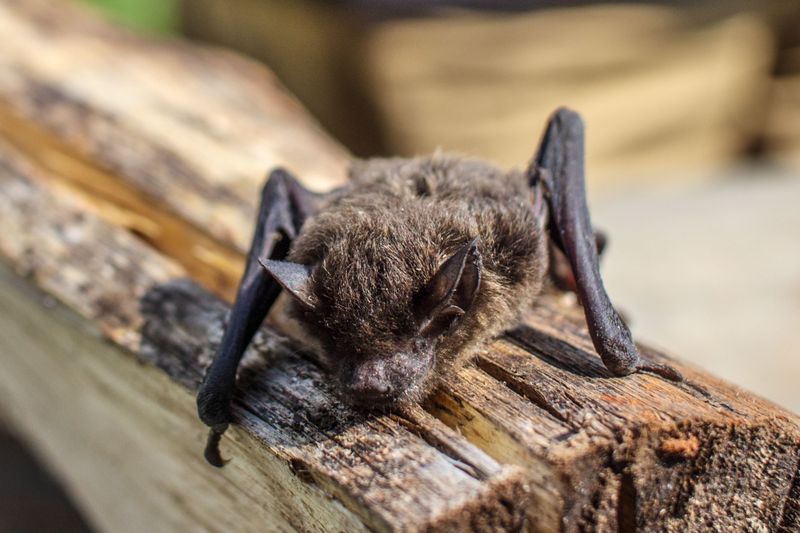
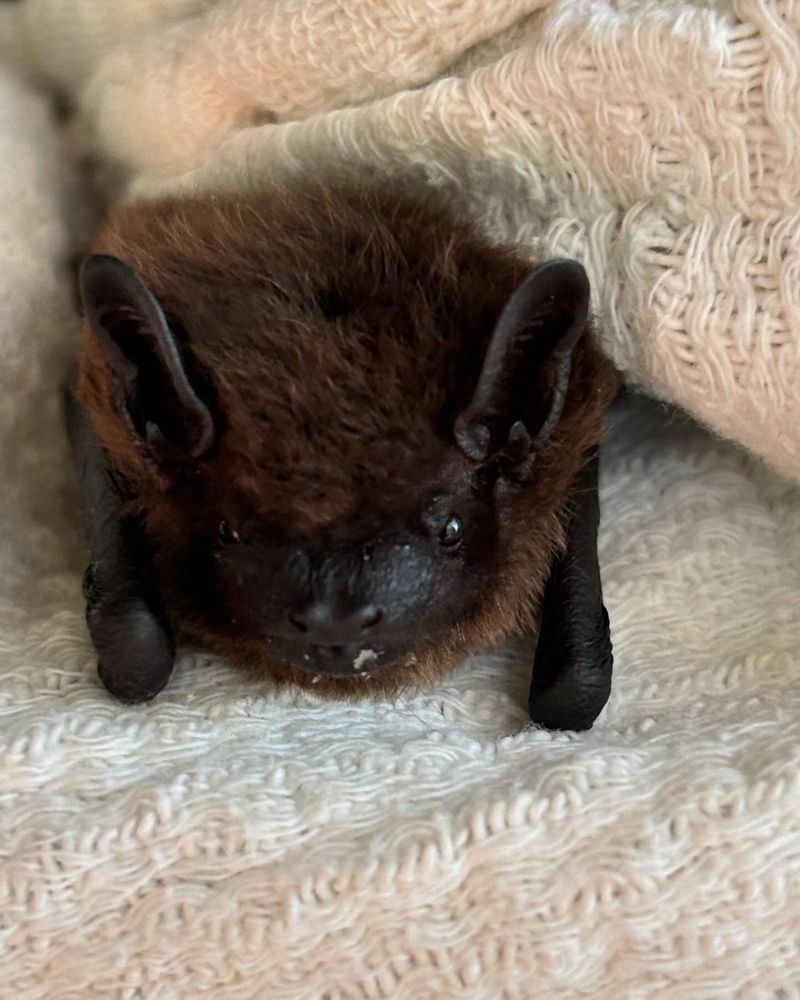
Picture a small brown bat about the length of a playing card, with a blunt face and short, velvety fur. That is the evening bat, a species that usually spends its life in the humid Southeast.
Scientists call it Nycticeius humeralis, and its home turf stretches from Texas and Florida up through the Ohio River valley. It favors bottomland forests, cypress stands, and old barns with warm attic spaces.
Females gather in small maternity groups during summer, tucking behind loose bark or inside tree cavities. They typically raise twins, which is a bit unusual among North American bats.
Evening bats hunt early, often slipping out while the sky still glows orange. Beetles make up a big share of their menu, along with moths, leafhoppers, and flying ants.
Their teeth are sturdy for their size, which helps them crunch through hard beetle shells. Farmers in the South benefit from that appetite, since plenty of those beetles nibble crops.
Fun fact: the species name humeralis likely refers to markings near the shoulder, a detail early naturalists may have noted on museum specimens. Their wings are relatively narrow, giving them a steady, direct flight instead of the loopy zigzag some cousins prefer.
So when one shows up hundreds of miles west of its usual haunts, resting in a Colorado backyard, bat watchers pay close attention. It is the kind of record that gets photographed, measured, documented, and discussed for years afterward.
How A Backyard Sighting Turned Into A Documented Discovery
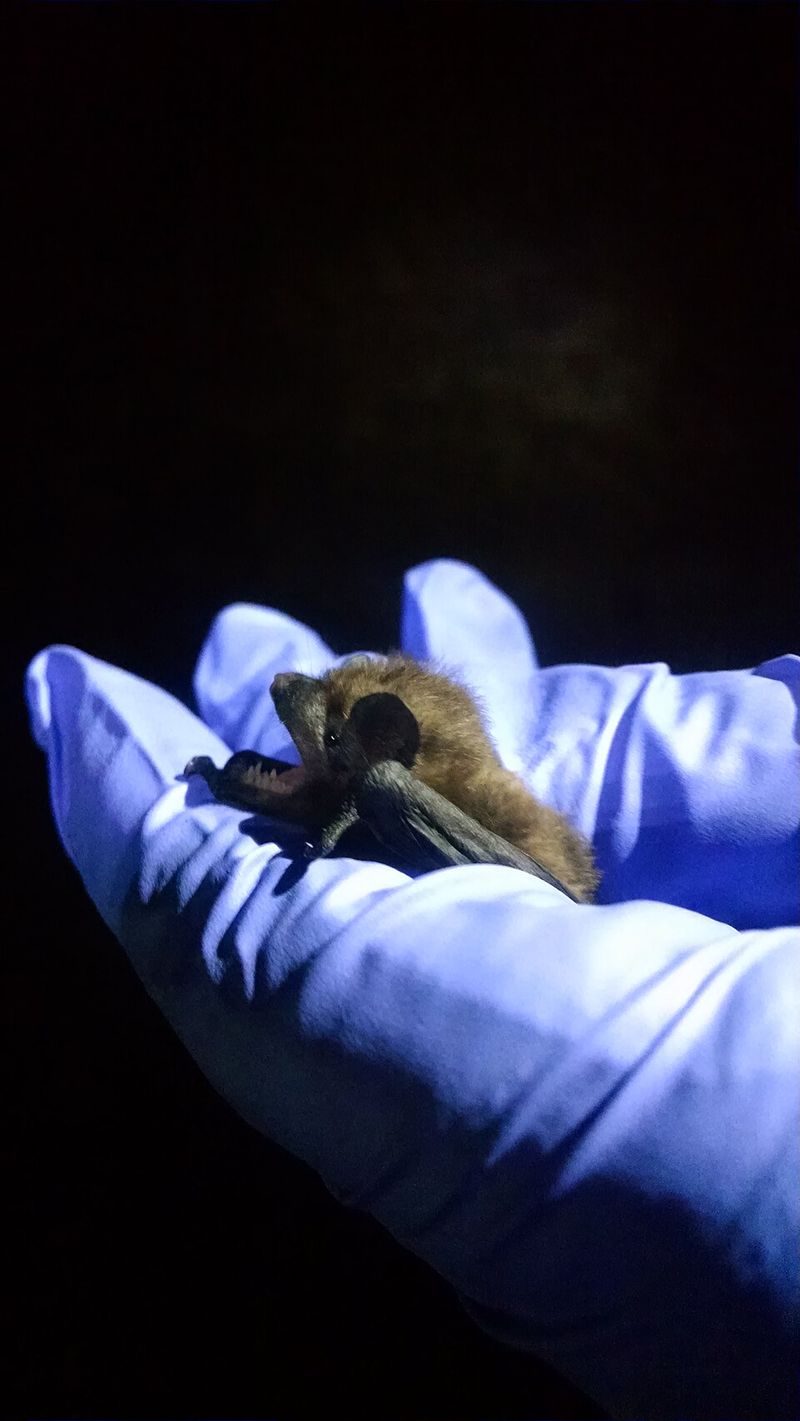
Word of an odd bat rarely arrives through official channels first. In this case, it started with a resident of Wellington, Colorado, who found the bat resting on the ground in their backyard.
The resident brought the animal to the Northern Colorado Wildlife Center, initially assuming it was a common local species. During a routine evaluation, staff noticed subtle physical characteristics that didn’t align with typical Colorado bats.
To confirm the identification, the center worked with bat biologists from Colorado State University and the Denver Museum of Nature & Science.
Your Colorado Garden Changes Every Week. Your Plan Should Too.
Gardening in Colorado changes quickly throughout the season. Every Friday you’ll receive a simple weekly plan showing exactly what to plant, prune, fertilize, harvest, and protect so you never miss the right timing.
Together they determined the animal was an evening bat, only the fourth ever recorded in Colorado, and the first confirmed in the northern part of the state.
That discovery, made earlier this year, is a reminder that surprise sightings can happen in any season, including the late-summer stretch when young bats disperse widely.
Confirming a first state record is a careful process. Experts compare images with museum specimens, review acoustic recordings, and sometimes request genetic samples before anyone writes it down as official.
The backyard setting matters too. Yards near creeks, cottonwoods, and irrigated fields attract insects, and insects attract hungry travelers hunting for an easy meal.
For homeowners, the takeaway is simple and useful: your camera is a research tool. A steady photo of the face, ears, and wings can turn a weird afternoon into a documented scientific record.
Citizen photos can contribute to range-map updates, though confirmation still requires expert verification. Plenty of discoveries begin with somebody who decided to look twice. Biologists welcome those messages, even the slightly blurry ones.
Spotting The Difference From Colorado’s Usual Fliers
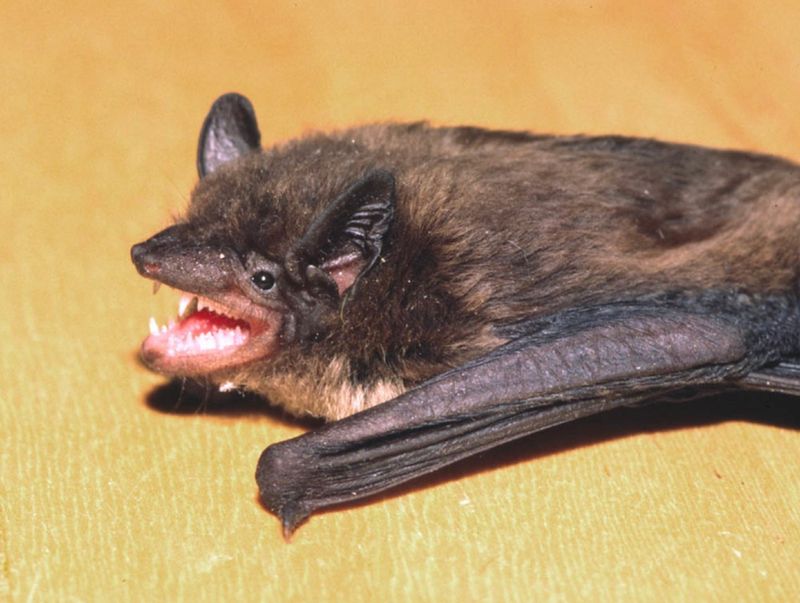
Colorado hosts close to twenty bat species, so telling one small brown flier from another takes patience.
Big brown bats are the usual suspects around porches, and they run noticeably larger, with broader wings and a chunkier build. An evening bat looks like a scaled-down version, with a forearm under about forty millimeters.
Silver-haired bats show frosted tips on dark fur, and hoary bats look like somebody dusted them with snow. Neither wears the plain, warm brown coat of the visitor in question.
Ear shape helps as well. Evening bats have short, rounded ears and a blunt muzzle, while Brazilian free-tailed bats show a tail extending well past the tail membrane.
Teeth are the clincher for specialists, since the species carries fewer upper incisors than its lookalikes, a detail visible in sharp close-up photos. Biologists also weigh membrane color and the shape of the tragus, that little flap inside the ear.
Echo detectors add another layer, because calls fall into recognizable frequency ranges. Recording gear parked near a pond can flag a stranger before anybody sees it.
For backyard observers, the practical version is easier. Note size compared to a sparrow, fur color, ear length, and flight style, then photograph rather than handle.
Hold your phone steady, use zoom instead of stepping closer, and try to get the head from the side. Those few frames give experts what they need, and they keep you safely out of reach.
Wind, Weather, And Wandering
Range maps look tidy, but wildlife rarely reads them. Bats wander, especially in late summer when young animals strike out on their own.
Strong southerly winds ahead of storm systems can push light-bodied fliers hundreds of miles off course. A bat weighing about as much as four pennies has limited say in a forty-mile-per-hour gust.
Hitchhiking counts too. Bats have turned up inside truck trailers, camper awnings, patio umbrellas, and shipping crates, waking up in a state they did not choose.
Then there is genuine range expansion. Warmer nights, longer insect seasons, and irrigated farmland along the Platte and Arkansas rivers create green corridors reaching west from the plains.
Cottonwood galleries along those rivers offer loose bark and cavities that resemble southeastern roosts. Add stock ponds and streetlights swarming with beetles, and a traveler has both food and shelter.
Some regional wildlife surveys suggest evening bat sightings may be gradually shifting westward, though this trend requires further verification.
One animal does not prove a population, though. Researchers look for repeat detections, breeding females, and acoustic hits across several seasons before redrawing a boundary.
Storm-tossed strays and slow range shifts can look identical at first glance, which is exactly why documentation matters.
Late summer and early fall are prime time for surprises, since migration and dispersal overlap with cooling nights. Keep an eye on your yard during these months, because odd visitors often appear while the weather is shifting.
What To Do When One Lands On Your Porch
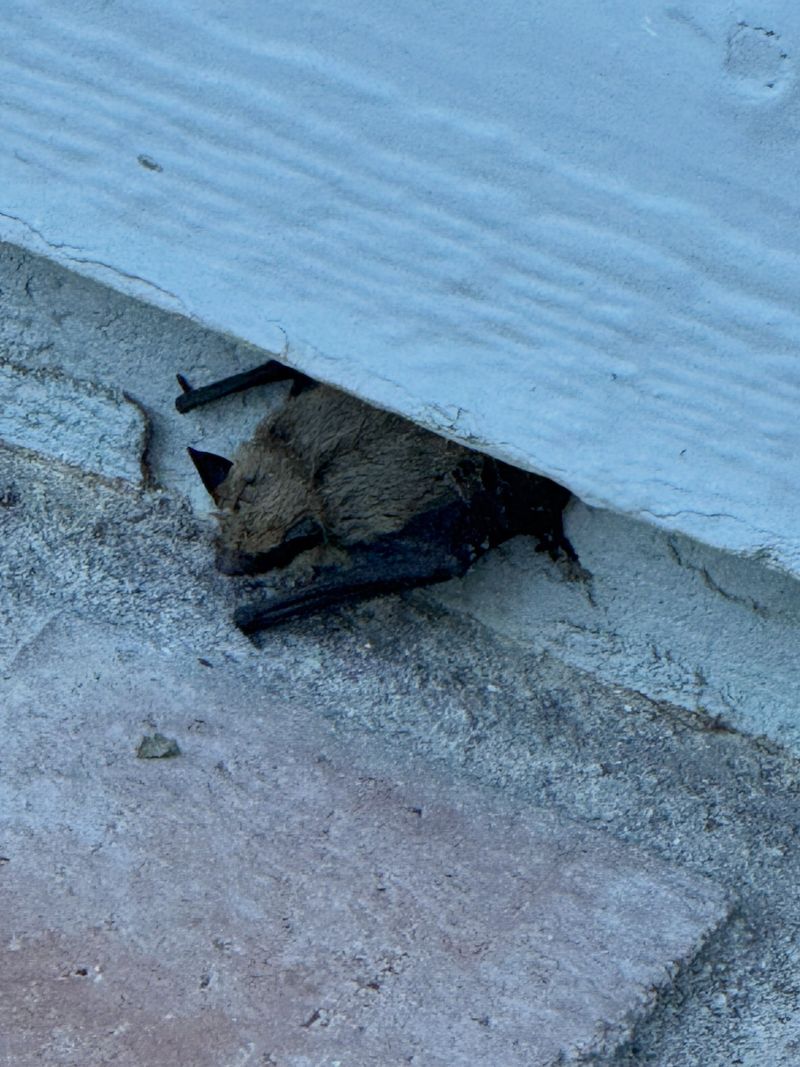
Grab gloves before curiosity, not after. Any bat found on the ground or resting in the open deserves space rather than a poke.
Bats can carry rabies, and even a small scratch counts as an exposure that needs medical advice. Handling with bare hands may turn an interesting sighting into a medical visit.
If the animal sits in a risky spot, place a box or bucket over it, slide stiff cardboard underneath, and set the container somewhere shaded and quiet. Then call Colorado Parks and Wildlife or your county health department for guidance.
Bring pets indoors while you wait, and keep rabies vaccinations current for cats and dogs. Curious pets can be exposed to risk this way.
Should a bat get inside your house, open a window, dim the lights, close interior doors, and let it find its own exit. If someone was sleeping in the room or a child was alone with it, phone a health professional even without an obvious bite.
Skip the broom and skip the hose. Stress makes bats defensive, and rough handling can harm wings that tear easily.
Wildlife rehabilitators are the right call for a bat that appears hurt or grounded for hours. They can also collect data that makes a rare record count. Write down the date, time, and exact spot while the details are fresh.
Respect and distance work in your favor here. You get a great story, and the neighborhood keeps its beetle patrol on duty.
Turn Your Surprise Guest Into Real Science
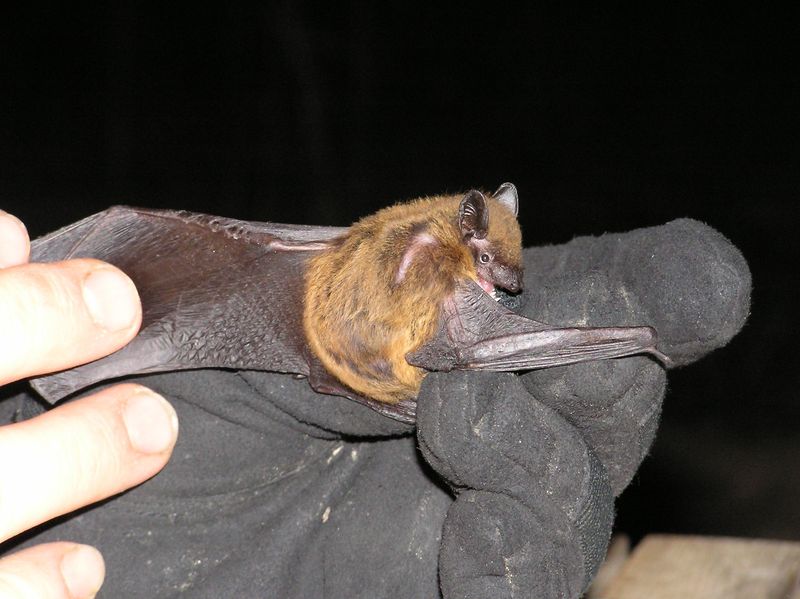
A single photo can remain useful long after the sighting. Museum records, field notes, and citizen uploads form the backbone of range maps.
Upload clear images to iNaturalist with the date and location, and identifiers around the country will weigh in. Colorado Parks and Wildlife accepts unusual wildlife reports, and university mammal collections welcome solid documentation.
Details researchers appreciate: time of day, weather, nearby water, what the bat was clinging to, and whether it flew off on its own. Those notes help separate a storm-blown stray from a possible new resident.
Acoustic monitors have changed the game as well. Small recorders costing less than a fancy pair of binoculars can log calls all night while you sleep.
Backyard bat houses, mounted high on a pole with morning sun exposure, sometimes attract roosting groups worth watching. Placement beats price, so read local guidelines before you mount one.
Volunteers who count bats at bridges, culverts, and irrigation structures feed data straight into state surveys. Training sessions are usually free and friendlier than you might expect.
Research suggests insect-eating bats provide substantial economic value to agriculture by reducing crop pests, though exact figures vary by study. Shifting ranges also hint at broader changes in climate and habitat.
So rethink your porch light habits, plant native flowers that draw night insects, and skip broad-spectrum yard sprays. Then watch the sky at dusk during these transition months with a phone in your pocket. The next unexpected visitor might pick your backyard.