Don’t Make This Hydrangea Mistake Before Winter Arrives
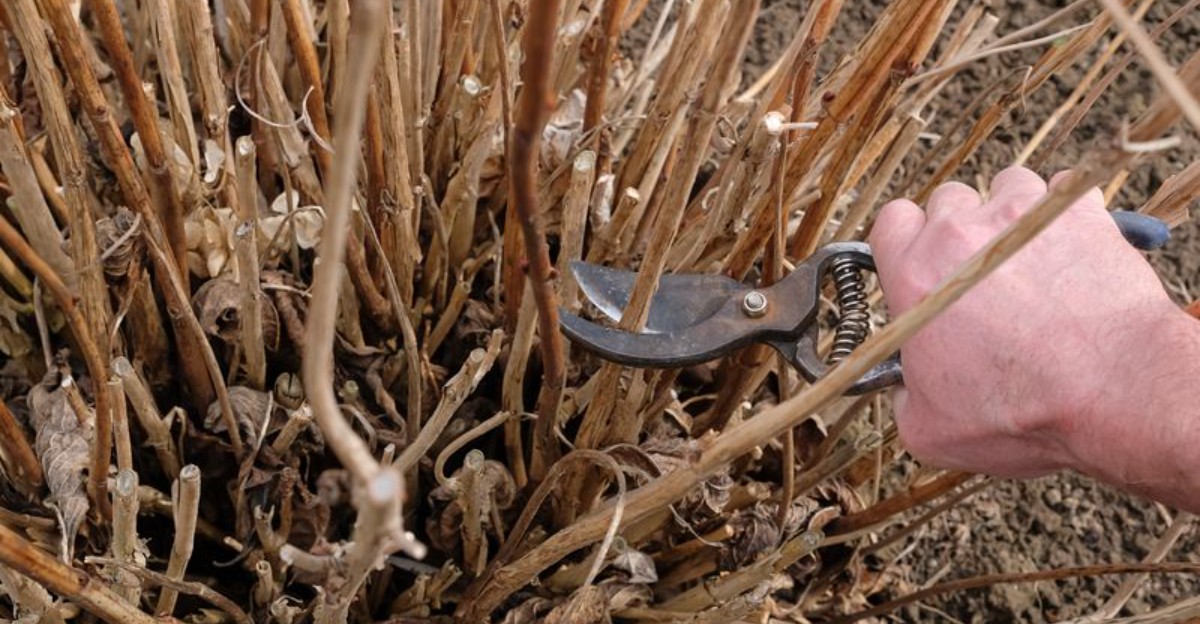
The garden smells like wet leaves and cold soil, and the coffee in your hand is already going lukewarm. Somewhere in the yard, the pruning shears are waiting where you left them last weekend.
Autumn has a way of making us feel productive. We tidy, we trim, we haul bags of clippings to the curb and feel very responsible about it.
But tidiness and gardening are not the same skill. One of them looks great in October and quietly costs you something in June.
My neighbor spent last September trimming her shrubs into tidy little mounds, proud of how clean the yard looked. By June, she was asking me what she’d done wrong.
The Autumn Cleanup Cut That Costs You Next Summer’s Flowers
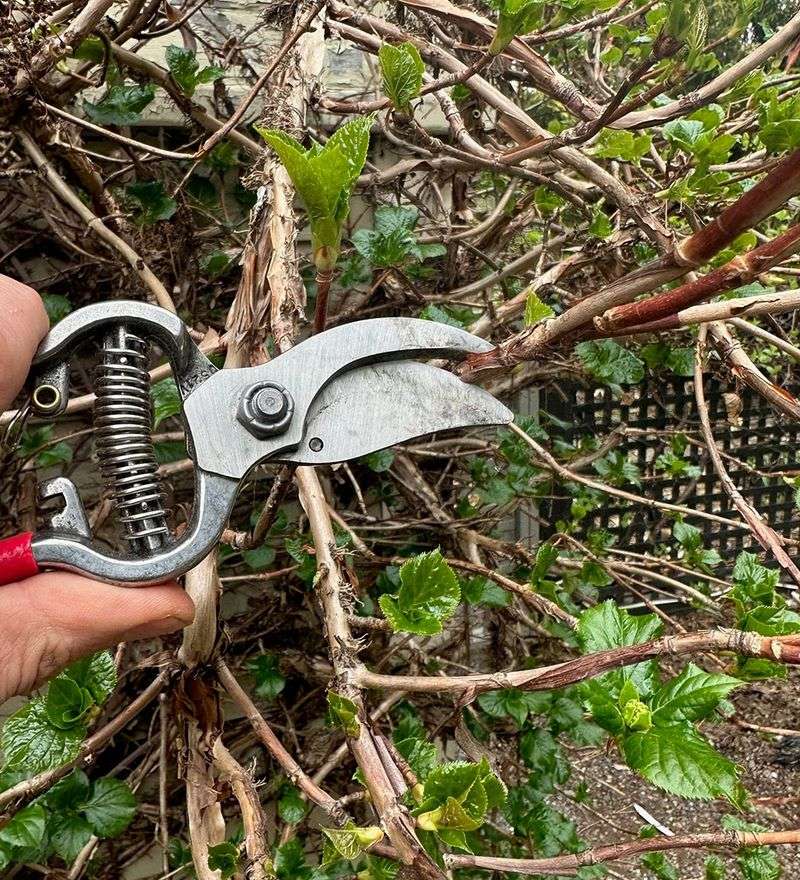
Here is the short answer: cutting your hydrangea back to a neat little mound in fall is the misstep that steals your blooms. Many popular varieties form their flower buds on stems that grew during the previous summer.
Those buds are already formed by October, sealed inside the stems from the previous summer’s growth.
Gardeners call this old wood blooming, and bigleaf and oakleaf types both do it. Mountain hydrangeas and most climbing hydrangeas follow the same rule.
So the shrub itself will be fine. It will leaf out, look green and healthy, and produce almost nothing in the way of flowers.
That gap is what confuses people the following June. The plant looks robust, so the blame usually lands on fertilizer, soil, or the weather.
Meanwhile the real culprit was a tidy afternoon with sharp shears seven months earlier. Nobody connects the two events because the consequence arrives so late.
The fix is refreshingly lazy. Leave the stems standing through winter, faded blooms and all, and let them do their job.
Those dried flower heads even help a little, catching snow and shielding the buds just below them. They also look surprisingly pretty when frost outlines every petal.
Come spring, once buds start swelling, you can see exactly which stems have life in them. That is the moment to trim, with far better information than autumn ever gives you.
Old Wood And New Wood Explained In Plain Language
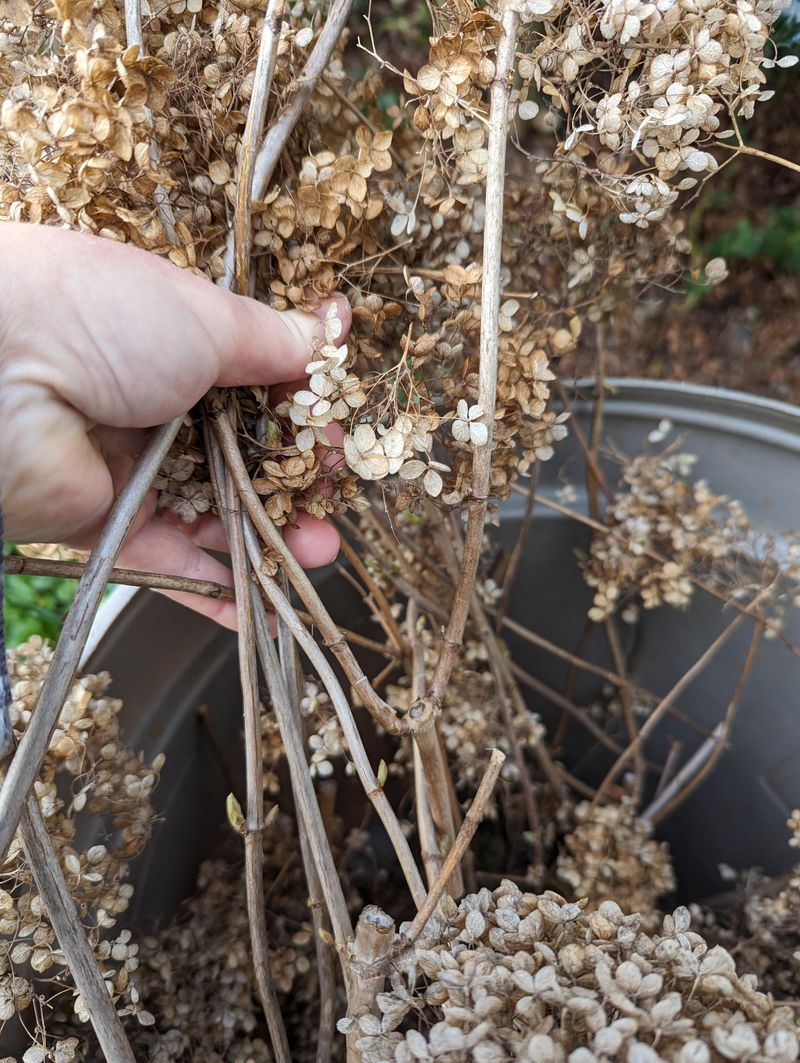
Think of hydrangea stems as having two different birthdays. Old wood grew last year and has already hardened into tan, woody canes.
New wood is this season’s fresh growth, still greenish and flexible. Which type your shrub flowers on decides everything about your pruning calendar.
Bigleaf hydrangeas, the ones with big blue or pink mopheads, bloom on old wood. Oakleaf and mountain types do the same thing.
Panicle hydrangeas and smooth hydrangeas play by opposite rules. They build their flowers on brand new stems each spring, so a late trim does not cost them anything.
That single difference explains why gardening advice seems to contradict itself constantly. Two neighbors can give opposite instructions and both be telling the truth about their own plants.
Reblooming varieties muddy the water further by flowering on both kinds of wood. They still perform better when their old stems are left alone through the cold months.
If you have no idea which type you own, look at the flower shape. Cone shaped clusters usually mean panicle, while rounded balls point toward bigleaf or smooth.
You can also check the bloom timing you remember from last year. Old wood bloomers open early, often by June, while new wood types tend to arrive midsummer.
When you truly cannot tell, treat the shrub as an old wood bloomer. Skipping a fall haircut costs you nothing, and guessing wrong in the other direction costs you a whole season of flowers.
The Right Window For Trimming Without Regret
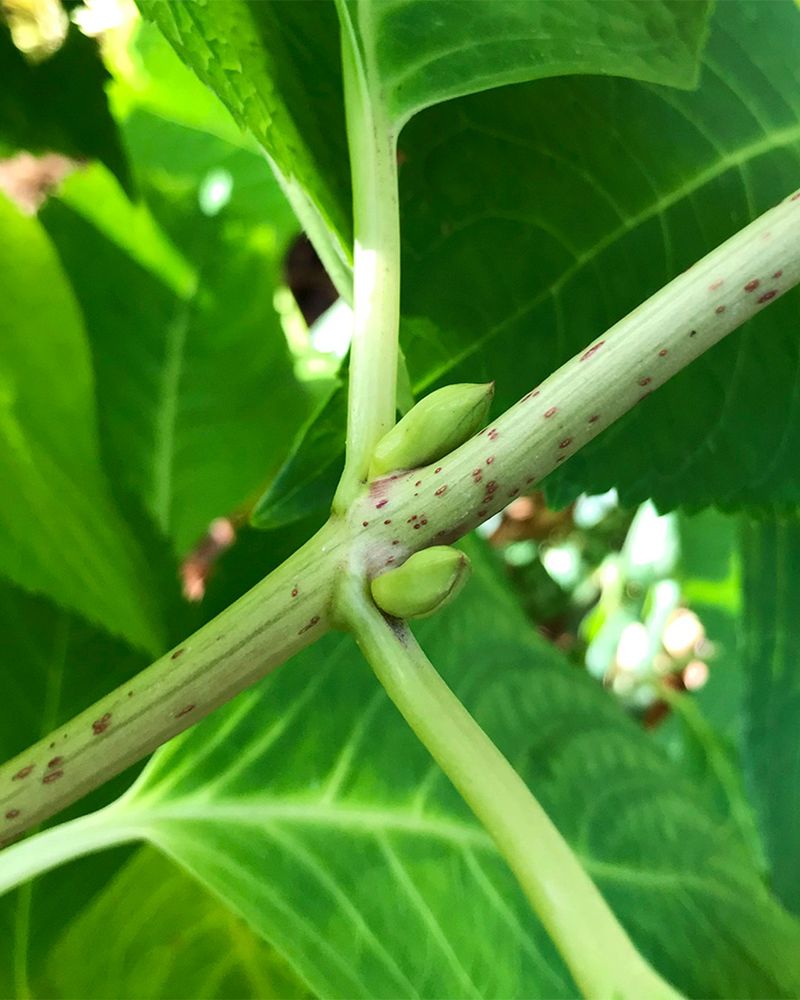
Timing matters more than technique with these shrubs. There is a window that works beautifully, and it is not in autumn.
For old wood bloomers, wait until early spring when buds begin to swell along the stems. At that point the plant tells you where its energy is going.
Look for plump green bumps up and down each cane. Cut back only to the point where those bumps stop, removing the bare tips above them.
Anything that snaps like a dry pencil and shows brown inside can go. Stems that bend slightly and reveal pale green centers are keepers.
Some gardeners prefer trimming right after the flowers fade in midsummer instead. That works too, since the shrub then has weeks to build fresh buds before cold weather.
The trap is trimming in September or October, which feels like the natural cleanup season. By then the buds are set and every cut removes future flowers.
Panicle and smooth hydrangeas are far more forgiving. Late winter is their ideal moment, and hard trimming actually produces sturdier stems and bigger clusters.
Write your variety on a small tag and tie it to the plant. Future you will appreciate not having to guess in February.
Keep your blades clean and sharp whenever you do cut. Ragged wounds heal slowly, and rough tears invite problems the plant would rather avoid.
Patience is the whole trick here. The shrub is not waiting on your schedule, it is waiting on the seasons.
Faded Blooms Are Better Left Standing Through Winter
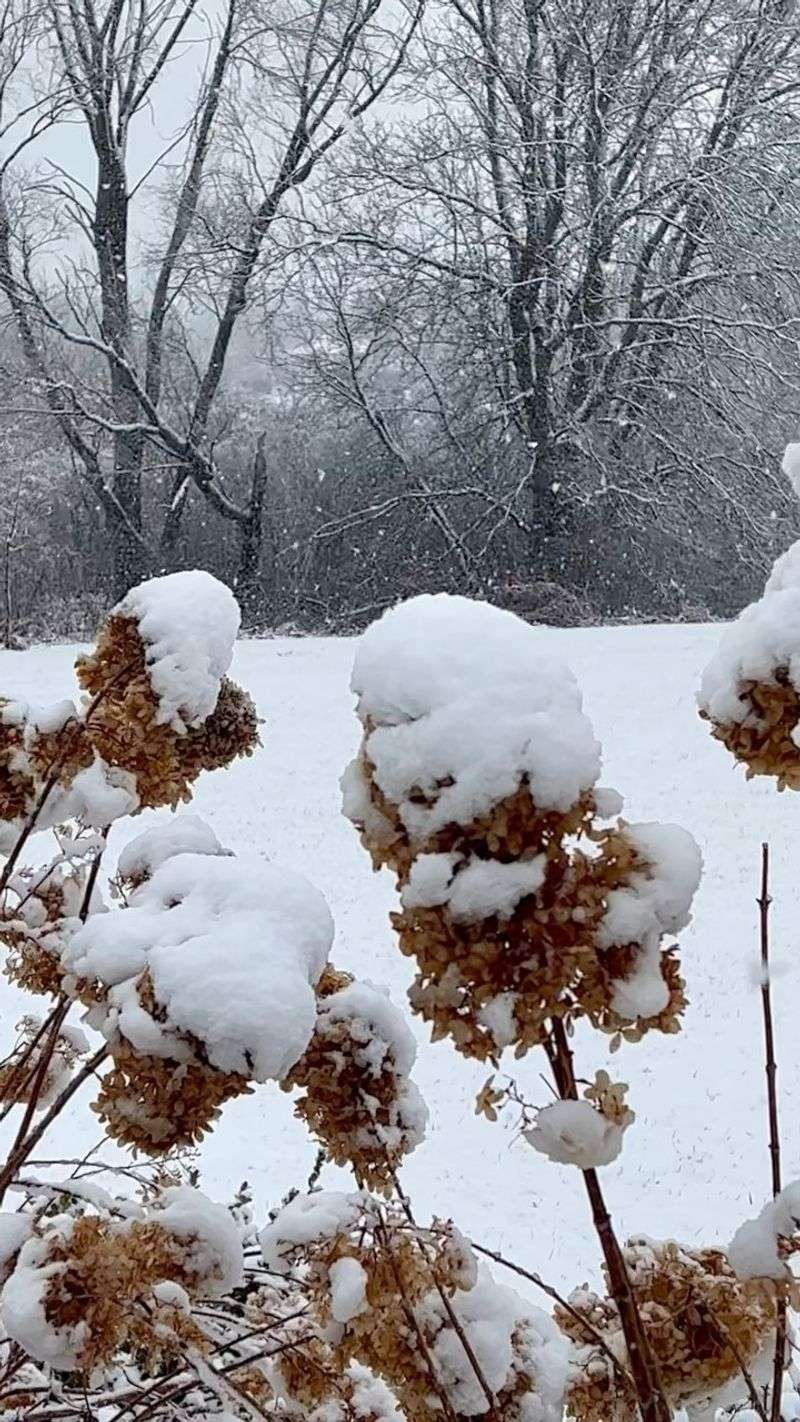
Those crispy brown flower heads look like something you should sweep up. Resist the urge and you will be rewarded.
Each spent bloom sits directly above a pair of buds on the stem. The dried cluster acts like a small umbrella, buffering those buds from wind and freezing rain.
Snow collects in the papery petals too, which sounds like a burden but works as insulation. A blanket of snow keeps temperatures around the stems steadier than open air does.
There is a visual payoff as well. Frosted hydrangea heads catch low winter sunlight and give a bare garden something to look at.
Birds occasionally pick through the stems for shelter and insects. A garden left slightly untidy tends to be a livelier one.
If the sight genuinely bothers you, there is a compromise. Snip just the flower head off at the very top, leaving the stem and its buds untouched below.
Do that on a mild, dry day rather than during a hard freeze. Stems handle cutting better when they are not brittle with cold.
Avoid stripping the whole plant bare in the name of neatness. Every stem you remove is a potential bloom you will miss.
Dried heads also make wonderful indoor arrangements, so cutting a few for a vase is fair game. Just take them from the outer edges rather than shearing the entire shrub.
By March, those old blooms will look scruffy and you can clear them without guilt. Spring is when the tidying pays off.
Mulch, Wraps, And Simple Cold Weather Cover
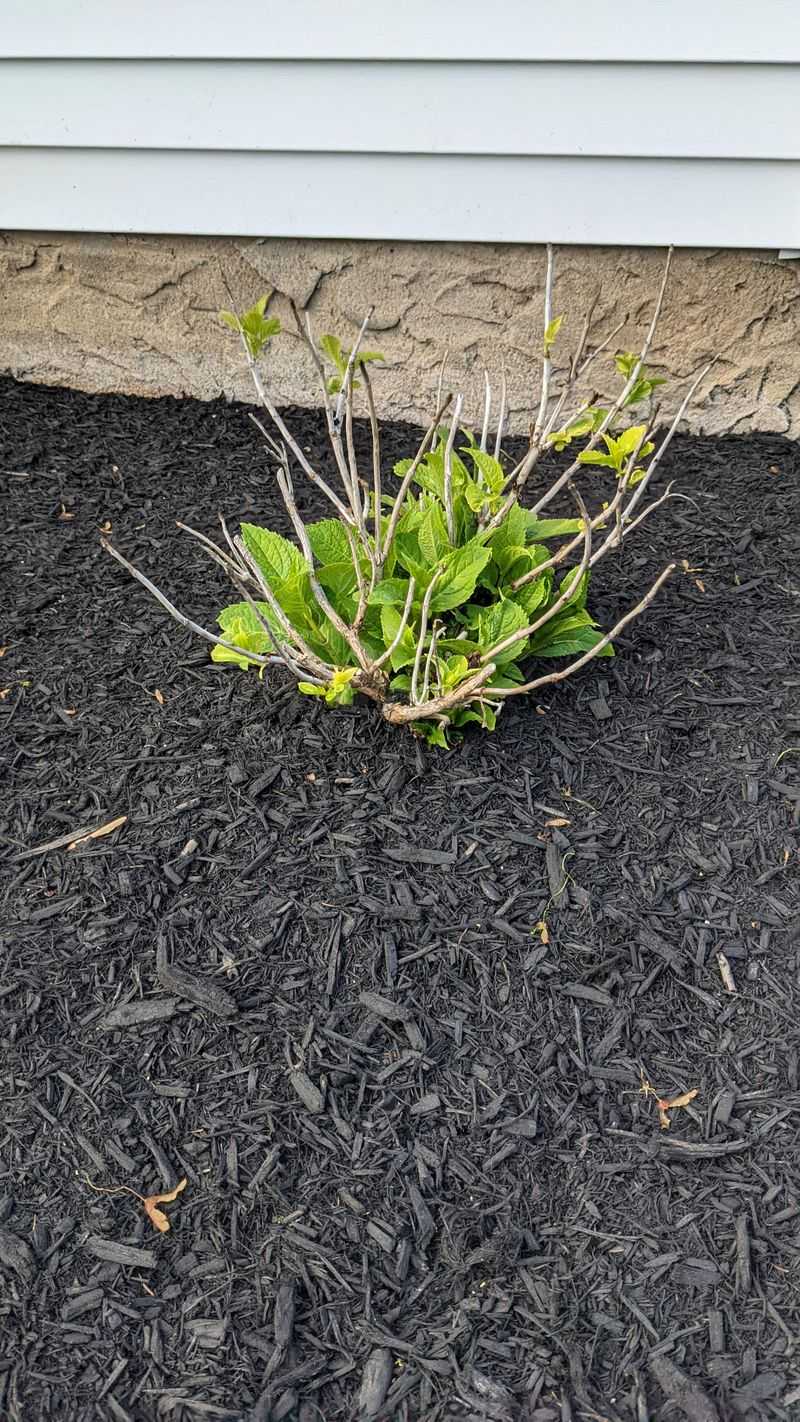
Protecting a hydrangea is mostly about keeping the temperature boring. Wild swings between thaw and freeze cause more trouble than steady cold does.
Start with mulch once the ground has chilled but before it hardens. A layer of shredded bark or chopped leaves several inches deep around the base does the heavy lifting.
Keep the mulch pulled back an inch or two from the main stems. Piling it directly against the wood traps moisture where you do not want it.
In colder regions, bigleaf varieties appreciate extra help. A ring of chicken wire around the shrub, loosely filled with dry leaves, shields the buds nicely.
Burlap wrapped around stakes works as a windbreak for exposed spots. Leave the top open so air moves and moisture escapes.
Skip plastic sheeting entirely. It traps heat on sunny days and condensation at night, which stresses the stems more than the cold ever would.
Water deeply once in late autumn if rainfall has been thin. Hydrated roots handle freezing far better than parched ones.
Container hydrangeas need the most attention since their roots have nowhere to hide. Tuck the pot into an unheated garage or bury it in a sheltered bed.
Remove wraps gradually in early spring rather than all at once. A sudden change from cozy to exposed can shock tender new growth.
None of this takes long. An hour of preparation in November buys you a much better show in June.
Signals Your Shrub Sends After A Bad Trim
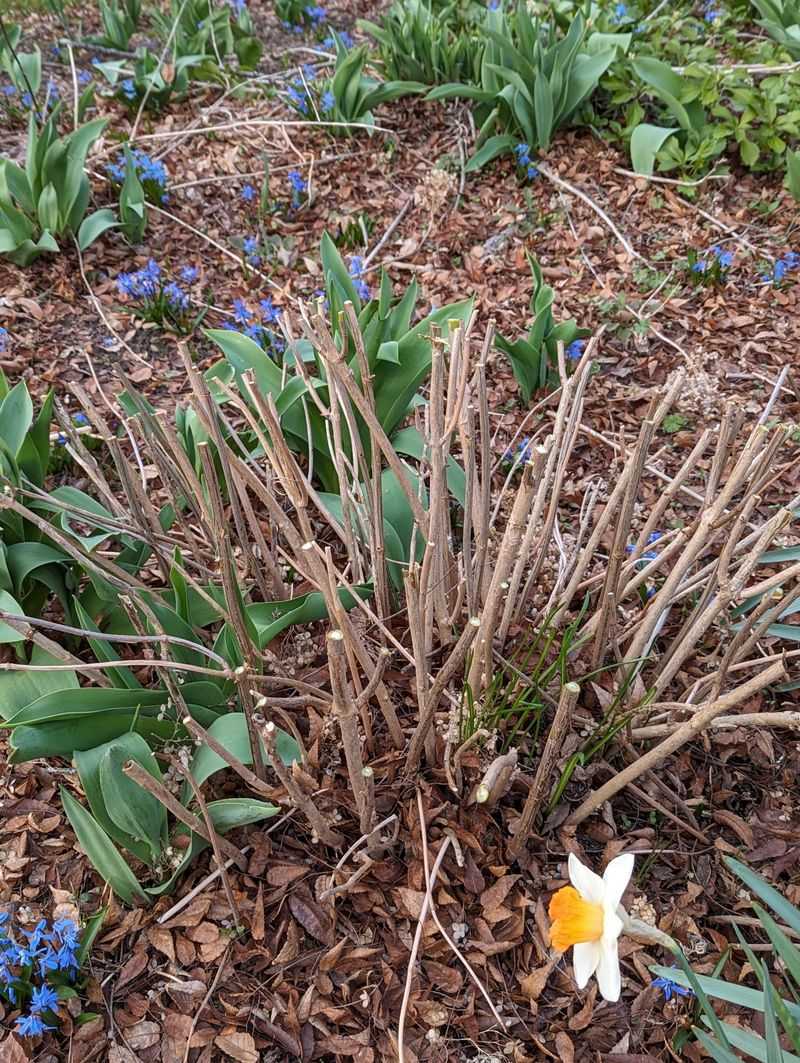
A hydrangea that lost its buds does not complain loudly. It simply shows up in spring looking green, glossy, and entirely flowerless.
That combination is the giveaway. Lush leaves plus empty stems usually points backward to a poorly timed cut rather than any current problem.
Compare it to a struggling plant, which looks different. Genuine trouble shows as yellowing leaves, wilting, or thin growth, not vigorous foliage.
Sometimes you will see flowers only on the lowest stems. Those were the branches short enough to escape the shears.
Another clue is a shrub that blooms heavily one year and skips the next. Alternating results often trace back to alternating pruning habits.
Cold damage produces a similar pattern, so weather can be the real cause. Either way, the response is the same: leave the stems alone next autumn and see what happens.
Resist the temptation to fix things with fertilizer. Extra nitrogen pushes even more leafy growth and does nothing for missing buds.
Give the plant a full season to reset. Water steadily, mulch the base, and let it rebuild stems without interference.
By the following June, most shrubs bounce back with a proper display, buds and all. Hydrangeas recover reliably once given a full season without interference.
Keep notes on what you did and when, even a phone reminder. Gardeners forget details across seasons, and a two line record beats memory every time.
Once you connect the cause and the outcome, the mistake rarely repeats.