The September Task That Decides If Your North Carolina Daffodils Come Back Strong Next Spring
September in North Carolina smells like warm pine straw and the first cool breath sliding down off the mountains. The tomato vines look tired, and the lawn has finally stopped growing an inch a night.
Most gardeners read all that as permission to put the tools away and relax. The truth is that the quietest month in the yard is doing some very loud work underground.
Something is happening below the mulch right now, no matter what you do above it. A couple of hours of attention this month can change what your front beds look like long after the holidays are over.
So grab the old kneeling pad, a cup of coffee, and that fork with the bent tine. Clay is softer than it looks two days after a September rain.
A Single September Chore With A Spring Payoff
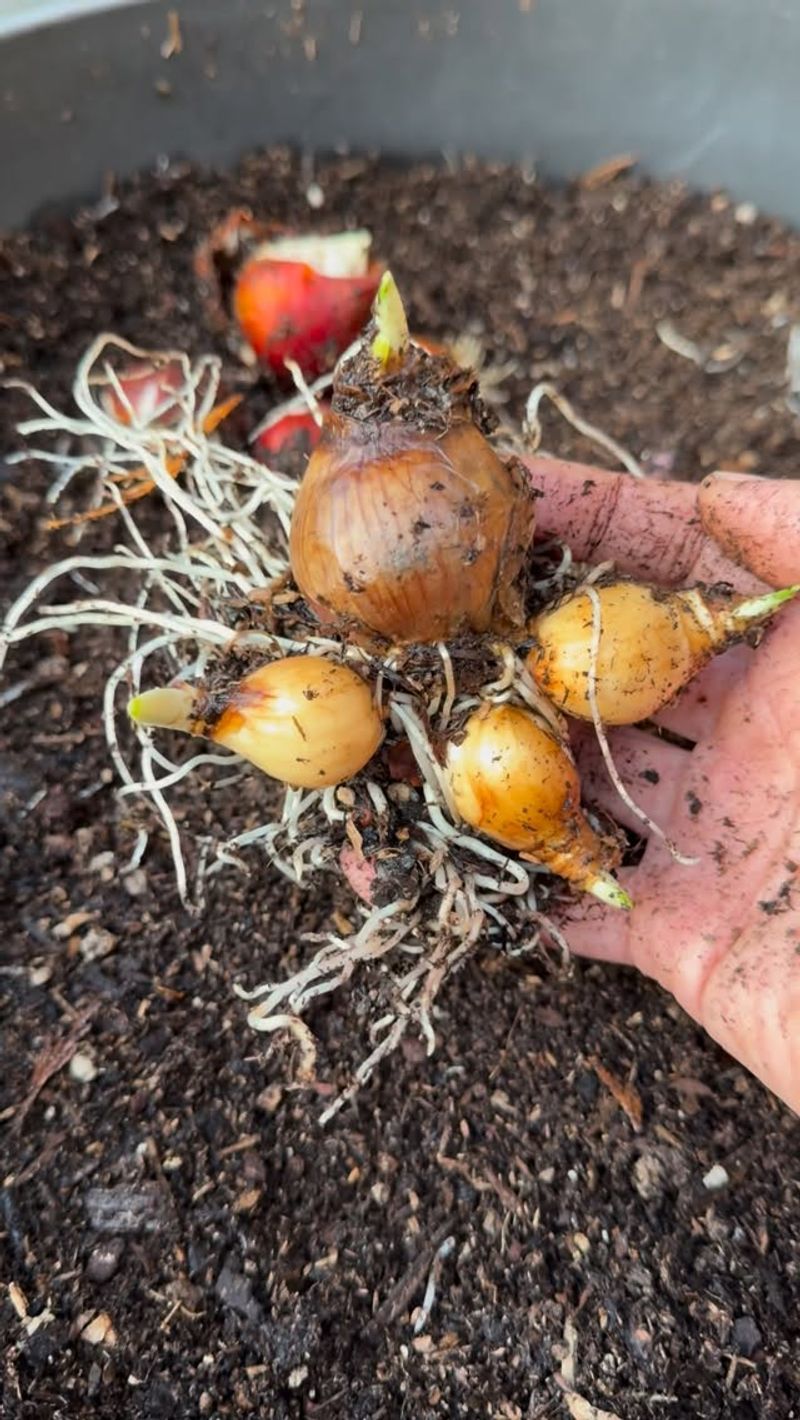
Here is the short answer, and it catches most people off guard. Late September is the window for lifting crowded bulb clumps, splitting them apart, and resetting them into loosened soil.
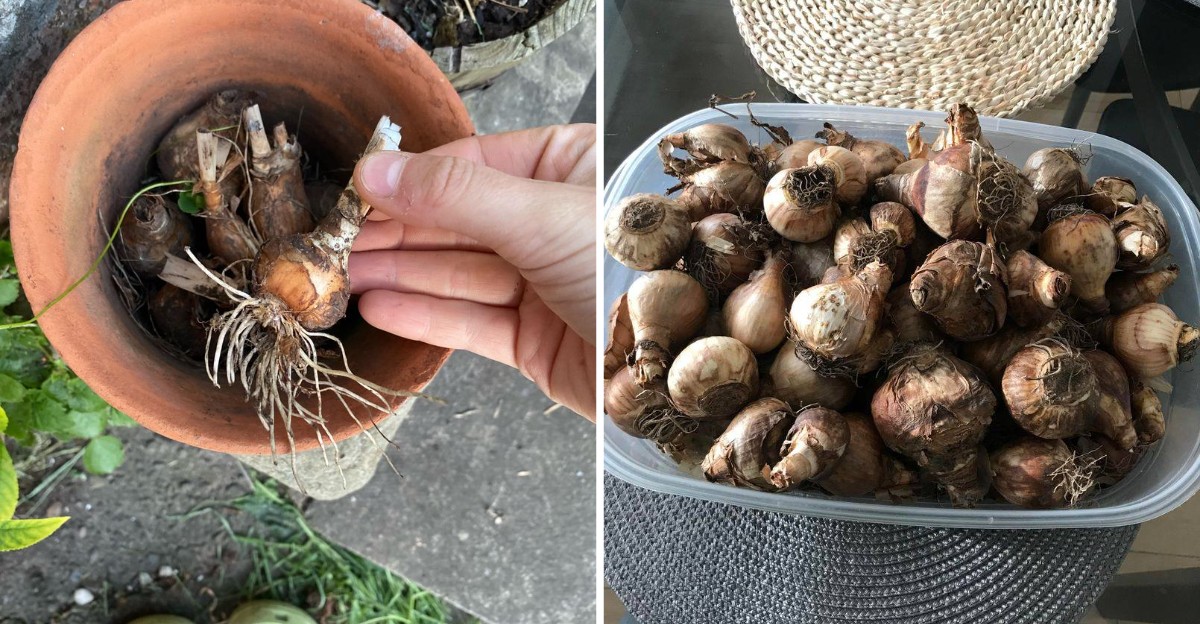
Those clumps look harmless above ground. Underneath, one bulb planted eight years ago may have multiplied into fifteen crammed offsets fighting over the same handful of nutrients and moisture.
Roots begin their real work in autumn, not spring. Cool soil and shorter days tell each bulb to push new white roots downward before winter settles in.
Doing the job in September gives those roots eight to ten weeks of warm, moist soil. Wait until December and the bulb enters winter half-anchored and short on stored energy.
North Carolina makes the timing tricky. Piedmont clay holds water, coastal sand drains fast, and mountain gardens cool off weeks ahead of Charlotte or Raleigh.
The task itself fits into a single Saturday morning. Dig wide, tease the bulbs apart by hand, improve the soil, then replant everything at the right depth.
Skipping it does not ruin the bed overnight. Blooms simply shrink season after season until you are left with thick green leaves and two sad flowers on short stems.
Gardeners who divide every three to five years rarely watch that slide happen. Their spring beds keep the same generous, full look they had the very first year.
Think of September as a reset button with a long delay built in. You press it now, and the results arrive when the yard needs color most.
Crowded Clumps And The Slow Fade Of Blooms

Plenty of gardeners have gone a decade or more without touching a bulb bed, only to end up with a lush green carpet and almost no flowers at all.
Each mature bulb makes small offsets around its base every single season. Those babies stay attached, grow leaves of their own, and crowd the space where roots once spread freely.
Twenty bulbs in a spot meant for four creates a nutrient traffic jam. Only so much phosphorus, potassium, and water exists in one square foot of Carolina clay.
Bulbs respond to that squeeze by staying small. A bulb under an inch and a half across usually skips flowering and pours everything into foliage instead.
Your North Carolina Garden Changes Every Week. Your Plan Should Too.
Gardening in North Carolina changes quickly throughout the season. Every Friday you’ll receive a simple weekly plan showing exactly what to plant, prune, fertilize, harvest, and protect so you never miss the right timing.
You can spot the pattern from the porch steps. Leaves look thick and healthy, stems come up shorter, and blooms cluster around the outer rim of the clump.
Edge bulbs still reach open soil, so they flower fine. Center bulbs are boxed in on every side and quietly go on strike.
Heavy Piedmont ground speeds the whole process along. Compacted clay gives roots less room to start with, so crowding shows up sooner than it would in loose loam.
Shade creeping in from maturing oaks and maples adds to the pressure. Bulbs that once soaked up six hours of sun may now get three, which shrinks stored energy.
Dividing treats the actual cause instead of the symptom. Fertilizer alone will not fix a space problem, no matter how carefully you sprinkle it around.
Timing The Job By Soil Temperature And Rainfall
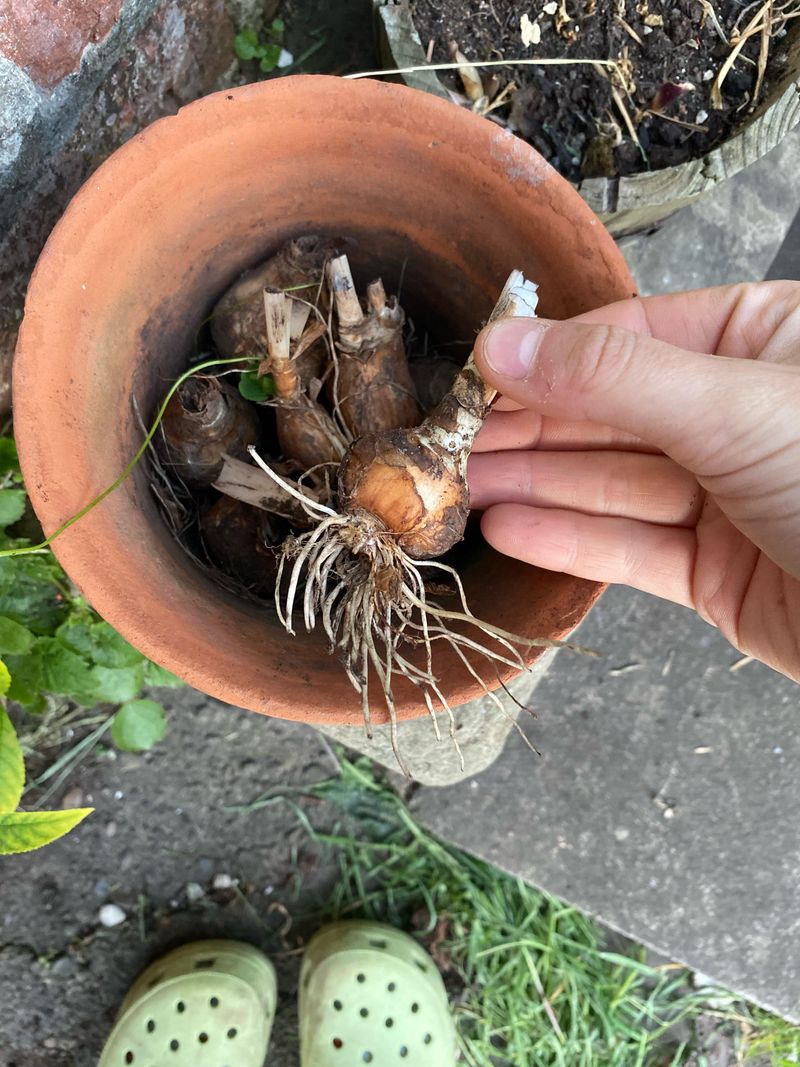
Calendars lie a little in North Carolina, since one state holds three different planting climates. Boone cools off in early September while Wilmington is still running full summer weather.
Bulbs pay attention to soil temperature, not the date on the wall. Roots grow best once the top six inches of soil cool to around 60 degrees or below.
Mountain gardeners can start dividing during the first half of September. Piedmont beds usually hit the sweet spot from mid September into the first week of October.
Coastal Plain and Sandhills gardeners get the latest window of all. Warm sand there often holds above 70 degrees until the second half of October.
A cheap compost thermometer takes the guessing out of it. Push it four to six inches into the bed at the same hour for three mornings.
Rain matters as much as temperature does. Digging bone-dry clay turns into chiseling, while soaked clay smears into bricks around every bulb you touch.
The ideal day lands two or three days after a decent soaking rain. Soil crumbles in your palm instead of gluing itself to the shovel blade.
Working too early carries a cost. Bulbs lifted during August heat can start rooting, then stall when a late heat wave bakes the bed.
Going too late carries one as well. Bulbs planted in December root slowly, bloom behind schedule, and often come up on short, floppy stems.
Lifting And Splitting Bulbs Without Bruising Them
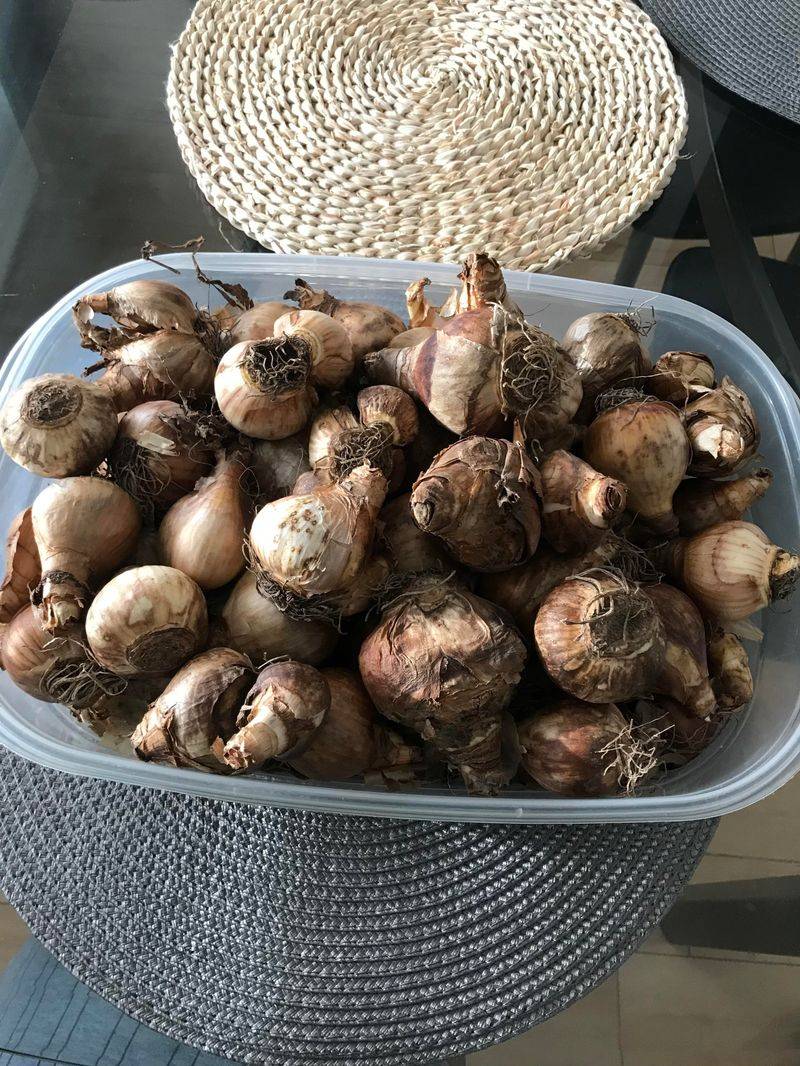
Think of the whole thing as gentle surgery performed with a garden fork. Speed works against you here, and a sliced bulb rarely blooms well for a season or two.
Start ten inches out from the clump instead of right on top of it. Push the fork straight down, then lever the entire mass up like a scoop of ice cream.
Shake the loose soil off with your fingers. A hose on a soft spray handles stubborn clay, though letting bulbs air-dry a few hours afterward helps a lot.
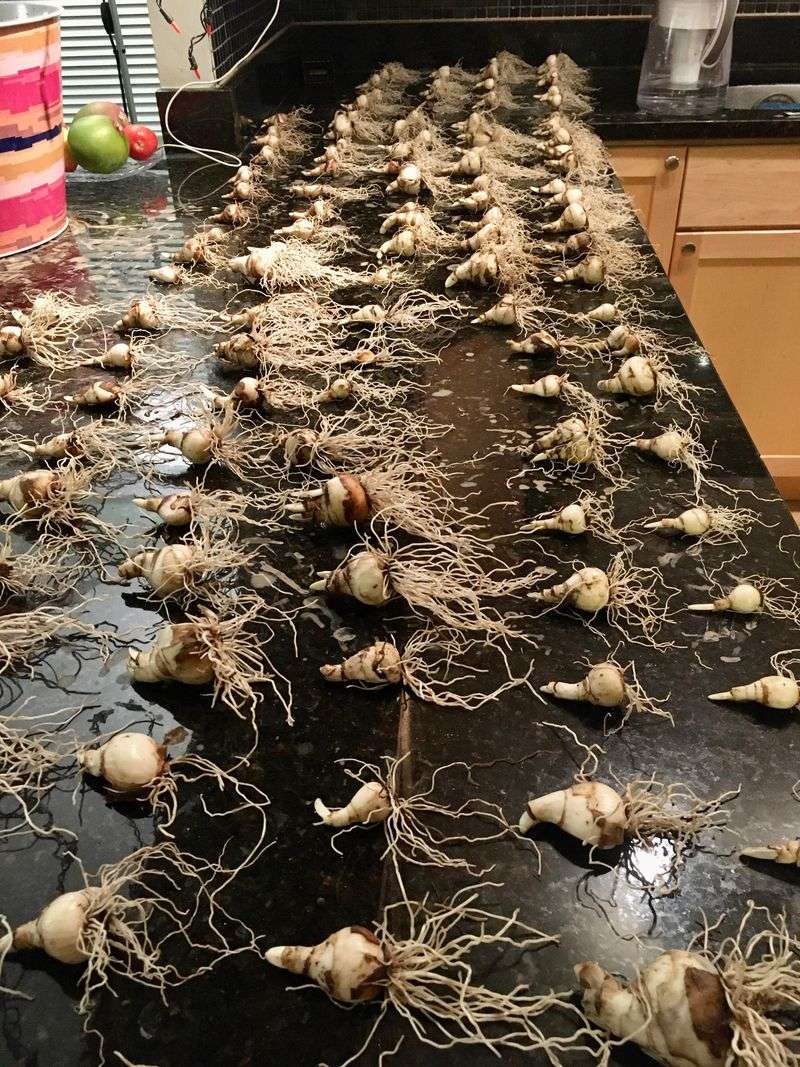
Separation comes down to thumb pressure more than tools. Offsets that have finished maturing pop free with a small twist and a click you can actually feel.
Leave stubborn pairs joined together. Two bulbs still sharing one base plate will part on their own next year, and forcing them apart can damage the base plate.
Sort everything by size while you work. Firm bulbs bigger than a golf ball will flower next spring, and pea-sized offsets need two or three growing seasons.
Give each bulb a light squeeze before it goes back in the ground. Mushy necks, soft spots, or a sour vinegar smell mean that one belongs in the trash bag.
Replant the same day whenever your schedule allows. Bulbs sitting in a bucket lose moisture quickly, and dry roots start next spring at a real disadvantage.
If you have to wait, spread them out in a single layer. A shaded porch with good airflow keeps them firm for a week or two.
Planting Depth, Spacing, And Soil Amendments
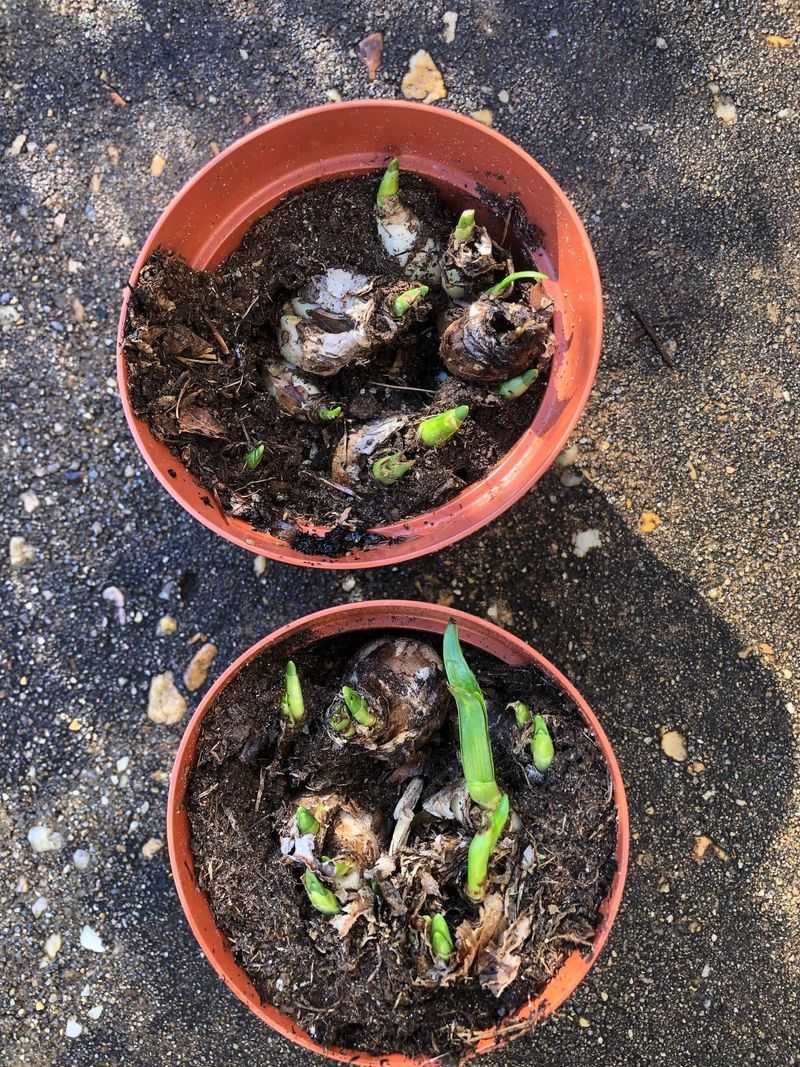
Depth is where good intentions usually go sideways. The old rule of three times the bulb height works in loose soil and misleads people in heavy ground.
In Piedmont clay, six inches down to the base of the bulb is plenty. In Sandhills or coastal sand, eight inches keeps bulbs cooler and steadier through summer heat.
Space bulbs four to six inches apart from each other. Tight spacing looks fantastic the first spring and lands you back in the dividing chair within three years.
Bed prep pays for itself many times over. Loosen the soil a full twelve inches deep and mix in two or three inches of compost or pine bark fines.
Drainage decides winter health more than any other factor in clay country. Bulbs sitting in soggy pockets rot, so raise beds several inches if water stands after storms.
Skip the fresh manure and the automatic scoop of bone meal. A balanced slow-release fertilizer that is low in nitrogen, worked into the backfill, covers what roots need.
Set each bulb nose up, roots down, and firm soil around the sides. Air pockets dry roots out and slow the anchoring you are working so hard for.
Water the bed thoroughly one time, then let autumn rain handle the rest. That first soaking settles the soil and signals every bulb to begin rooting.
Finish with two inches of pine straw or shredded leaves. Mulch steadies soil temperature and holds moisture through a dry Carolina October.
Common Missteps That Set Bulbs Back
Most bulb trouble in this state traces back to a short list of habits. Each one feels perfectly reasonable in the moment, which is exactly what makes it sneaky.
Braiding or shearing foliage in May sits at the top. Leaves feed the bulb for six weeks after blooming, and cutting them early shrinks next year’s flower.
Heavy nitrogen fertilizer runs a close second. Lawn feed drifting into bulb beds grows floppy leaves and soft bulbs that struggle through a wet winter.
Dividing during bloom season feels tempting because you can finally see the clumps. Spring digging interrupts feeding and leaves bulbs underpowered for the following year.
Storing lifted bulbs in a sealed plastic bag causes trouble fast. Trapped moisture invites mold, and a hot garage speeds the whole mess along.
Dropping divided bulbs back into the same unimproved hole misses half the point. Crowding was only one issue, and tired soil will limit the new spacing too.
Summer watering is an underrated blunder around here. Bulbs prefer a dry rest, so irrigation zones and thirsty annuals planted overhead work against them.
Marking the beds is the step almost everybody skips. Without a stake or a label, that fork goes straight through a clump next September.
Keep a note in your phone with dates, bulb counts, and bed locations. Three years from now that note tells you exactly which patch is due.