The One Thing You Must Do To North Carolina Asparagus Beds Before September Ends
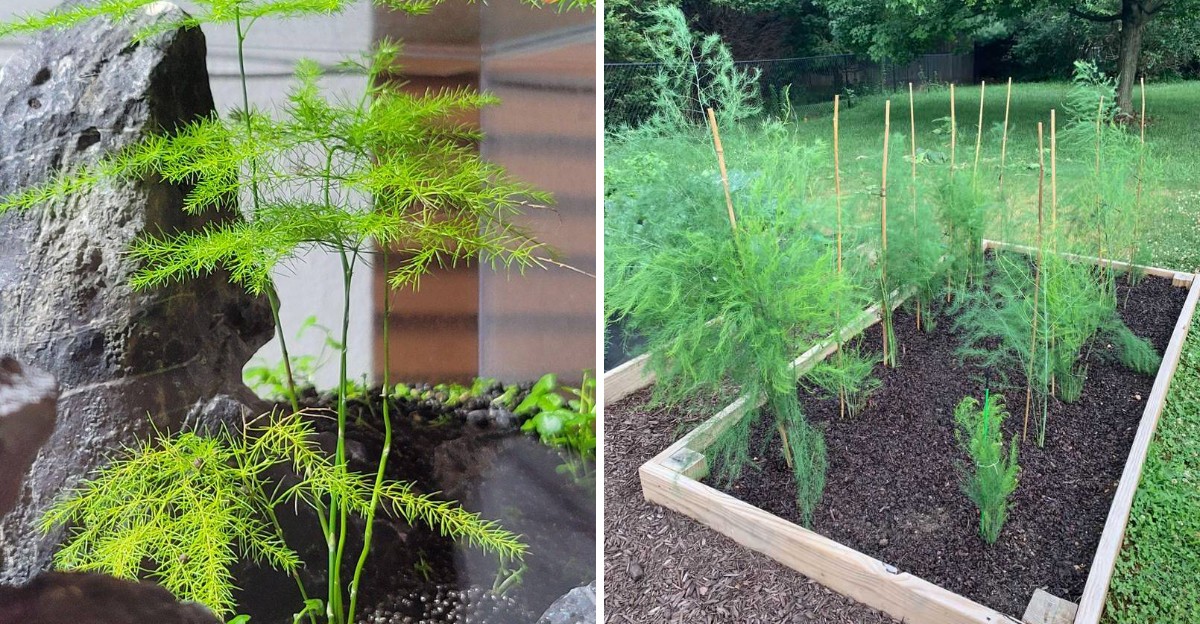
It happens every September in North Carolina gardens.
You walk past the asparagus bed, see a shaggy six-foot wall of ferny green swaying over everything else, and your hands start itching for the pruners immediately.
The bed looks unruly, the tomatoes are finished for the season, and cutting it all down feels like the responsible thing to do right now.
That single decision, made a couple of months too early, is the fastest way to shrink next spring’s spear harvest without ever meaning to.
Here is what that ferny growth is actually doing right now, and why leaving it alone is the smartest move you can make this September.
Let The Ferny Foliage Keep Growing
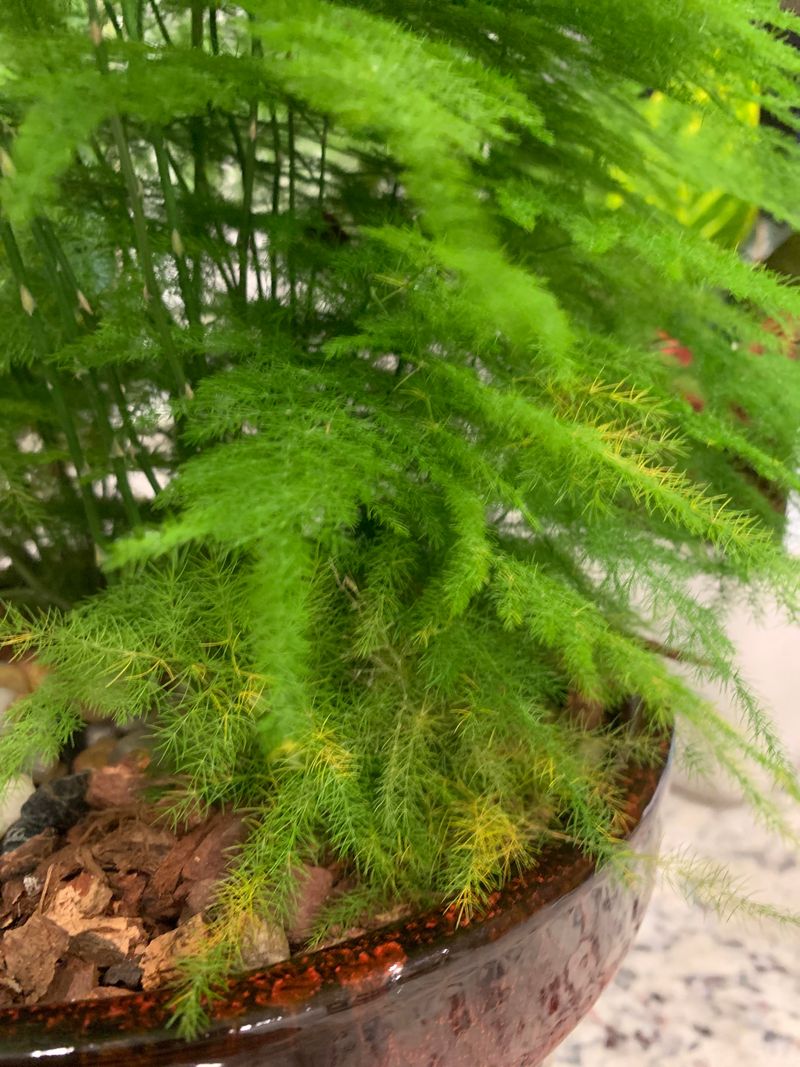
The temptation. That six-foot tangle of feathery green looks messy next to your tidy fall garden, and the pruners are sitting right there in the shed.
Resist that urge. In North Carolina, September is far too early to cut asparagus ferns down.
Those wispy stalks are not leftovers waiting to be tidied up. They are solar panels doing genuine work every single day.
Every warm day, the fern catches sunlight and sends sugars down into the crown, the underground bud cluster that pushes up next spring’s spears.
NC State Extension guidance is clear that this foliage should stay in place until it yellows and fades back naturally, usually sometime after frost arrives.
Cut early, and you interrupt that transfer completely. That means smaller, fewer, thinner spears next April, right when you were hoping for a strong harvest.
Gardeners who repeat this mistake year after year can weaken a bed for seasons at a time, sometimes without realizing why yields keep dropping.
Watch the color instead of the calendar here. When the ferns turn golden, then brown and brittle after a hard freeze, the energy has already moved underground where it belongs.
At that point, you can shear the stalks to an inch or two above the soil. Removing those dry tops then also clears out spots where asparagus beetles overwinter through the cold months.
Meanwhile, keep pulling weeds around the bed. They compete for the same water and nutrients the asparagus needs, and they are far easier to handle now than during the spring rush later on.
Cutting Early Costs You More Than One Season
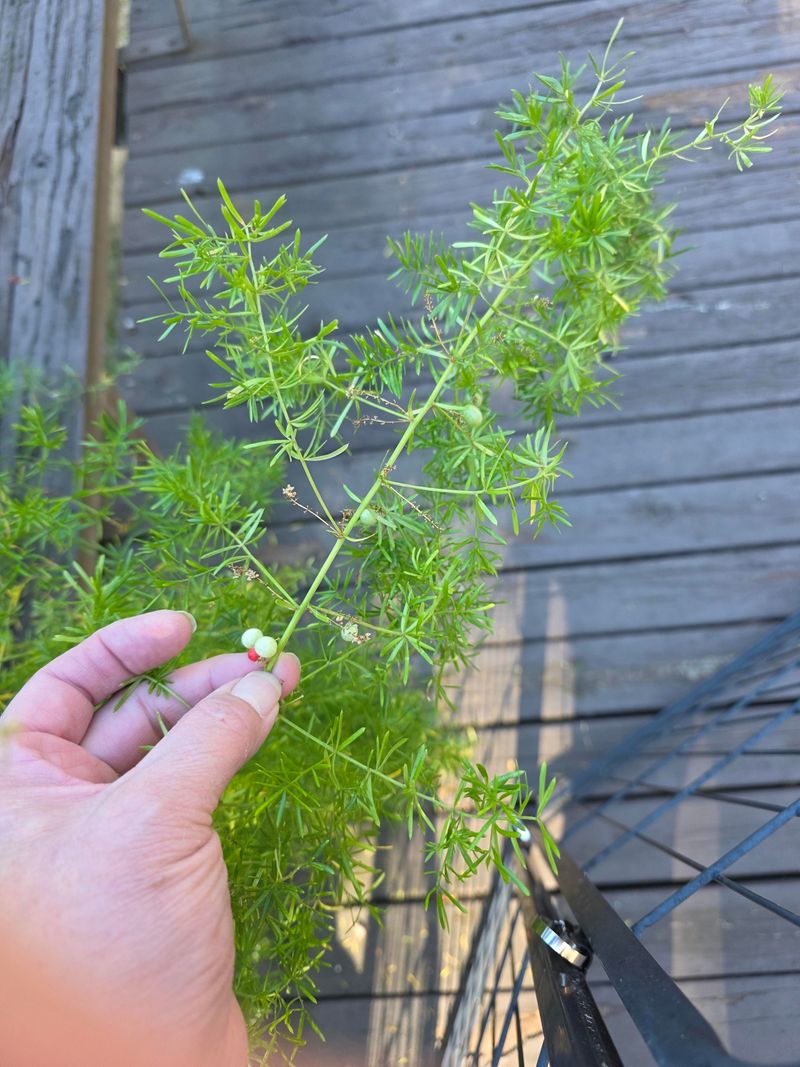
A single early cut might not seem like a big deal in the moment. The bed looks neat, and spring feels far enough away that consequences seem unlikely.
Asparagus crowns do not work on a one-year cycle though. They store energy across multiple seasons, building up reserves slowly through years of undisturbed fern growth each fall.
Cut that foliage short in September, and the crown enters winter with less stored energy than it would have banked otherwise. That shortfall carries forward into spring emergence.
The following year’s spears often come up thinner and fewer in number, and the bed may take another full season just to recover what it lost.
Repeat the mistake for two or three years running, and an established bed can decline noticeably, producing a fraction of what it once did reliably every spring.
Your North Carolina Garden Changes Every Week. Your Plan Should Too.
Gardening in North Carolina changes quickly throughout the season. Every Friday you’ll receive a simple weekly plan showing exactly what to plant, prune, fertilize, harvest, and protect so you never miss the right timing.
This is part of why asparagus has a reputation for being slow to establish and easy to ruin through impatience. The plant rewards restraint and punishes rushed cleanup habits.
Gardeners who inherit a struggling, neglected asparagus bed often trace the problem back to exactly this pattern. Someone kept cutting the ferns down too soon, year after year, without realizing the damage building underground.
Breaking that cycle takes nothing more than waiting. Let the ferns run their full course each fall, and the crown rebuilds its reserves the way it was always meant to.
Yellow Foliage Signals The Real Cutback Window
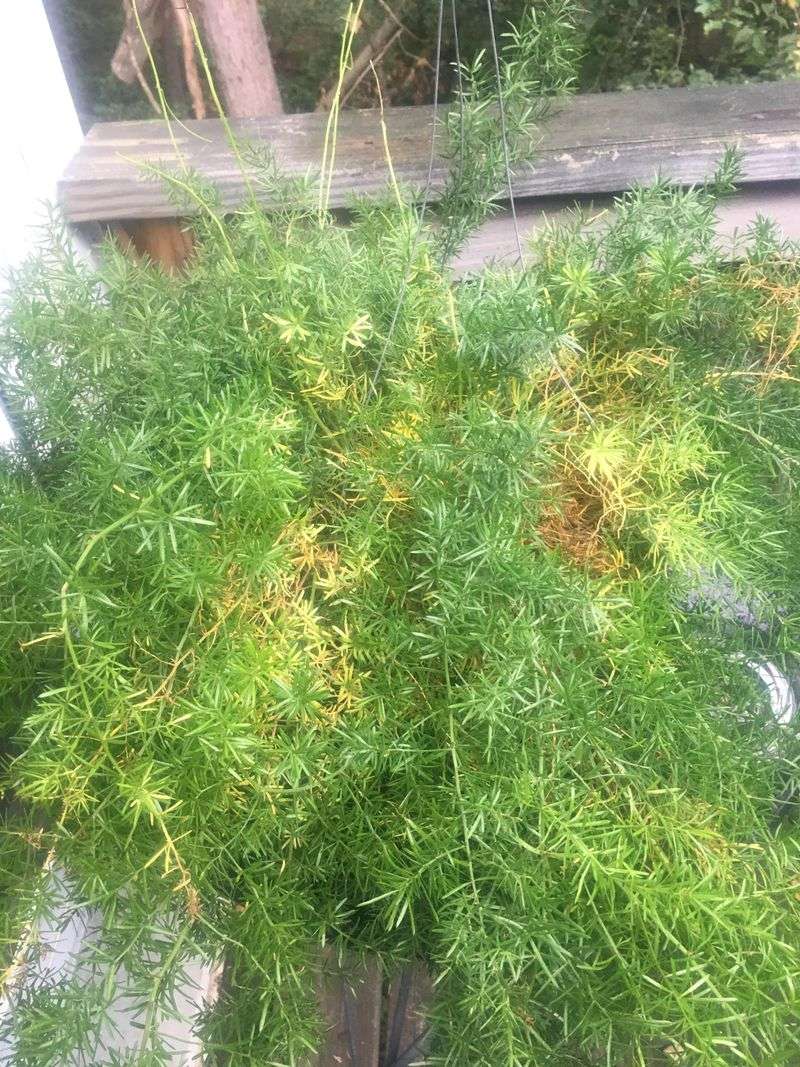
Color is the clearest signal an asparagus bed gives you, far more reliable than any date circled on a calendar in advance.
Healthy ferns hold a rich green color through most of September and often into October, depending on how mild the fall weather stays that particular year.
As temperatures drop and sunlight decreases, that green slowly fades toward yellow, then tan, then a brittle brown once a real frost finally moves through the area.
That color shift is not decline. It is the plant visibly finishing its job, converting the last usable chlorophyll into stored sugars before letting the top growth go dormant for winter.
Cutting while ferns are still green, even if they look a bit ragged or lean sideways under their own weight, stops that process partway through and wastes whatever energy transfer was still underway.
Waiting for full yellowing, or ideally full browning after frost, means the crown has captured essentially everything the fern had left to give that season.
In much of North Carolina, that point typically arrives sometime between late October and mid-November, though mountain gardens may see it earlier and coastal gardens later.
There is no harm in letting brown, fully dormant ferns sit through much of the winter either, if you would rather handle cleanup during a milder day later on.
The only real deadline is doing it before new spring growth begins pushing up, since cutting through emerging spears by accident causes its own separate set of problems.
A Messy September Bed Is Doing Exactly What It Should
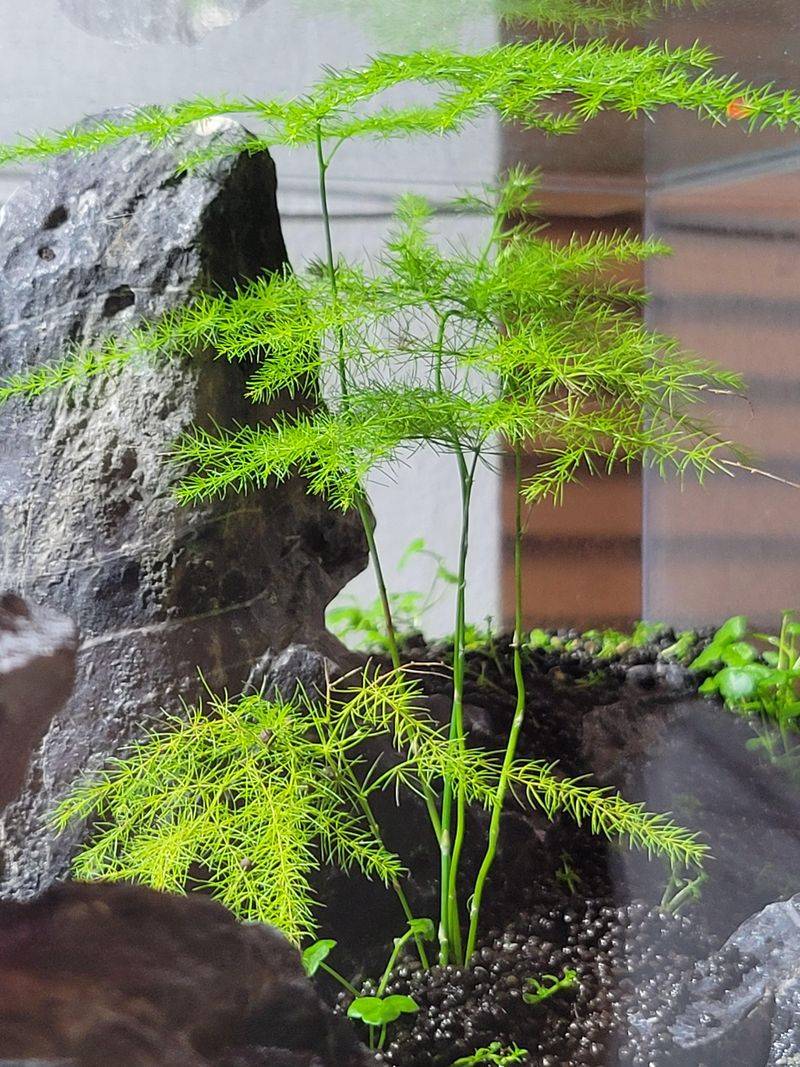
There is a strange kind of discomfort in looking at an overgrown asparagus bed and choosing to do nothing about it, especially when everything else in the garden is getting tidied up for fall.
Neighbors trimming their own beds, garden magazines showing pristine fall cleanup photos, and years of habit all push toward reaching for the pruners early.
Asparagus simply does not follow that same tidy fall schedule the way many other plants do, and forcing it into that mold works against the plant rather than helping it.
The shaggy, leaning, sometimes flopped-over look of a September asparagus patch is not a sign of neglect. It is a sign the plant is doing exactly what four thousand years of cultivation history says it should be doing at this point.
Wild asparagus relatives growing along riverbanks and in open meadows follow this same rhythm without any gardener involved at all, dying back on their own timeline once cold weather settles in for good.
Bringing pruners into that process early is a purely human impulse, driven by tidiness rather than by anything the plant actually needs from you right now.
Reframing that shaggy fall look as productive rather than messy makes the waiting considerably easier for most gardeners once they understand what is actually happening underground.
Some gardeners even tuck ferny asparagus behind a taller planting or along a back fence specifically so the September look bothers them less during the weeks of patient waiting ahead.
Either way, the ferns are working hard exactly when they look their worst, which is a strange but genuinely useful thing to remember every fall.
Staking Or Netting Prevents Wind Damage To Tall Ferns
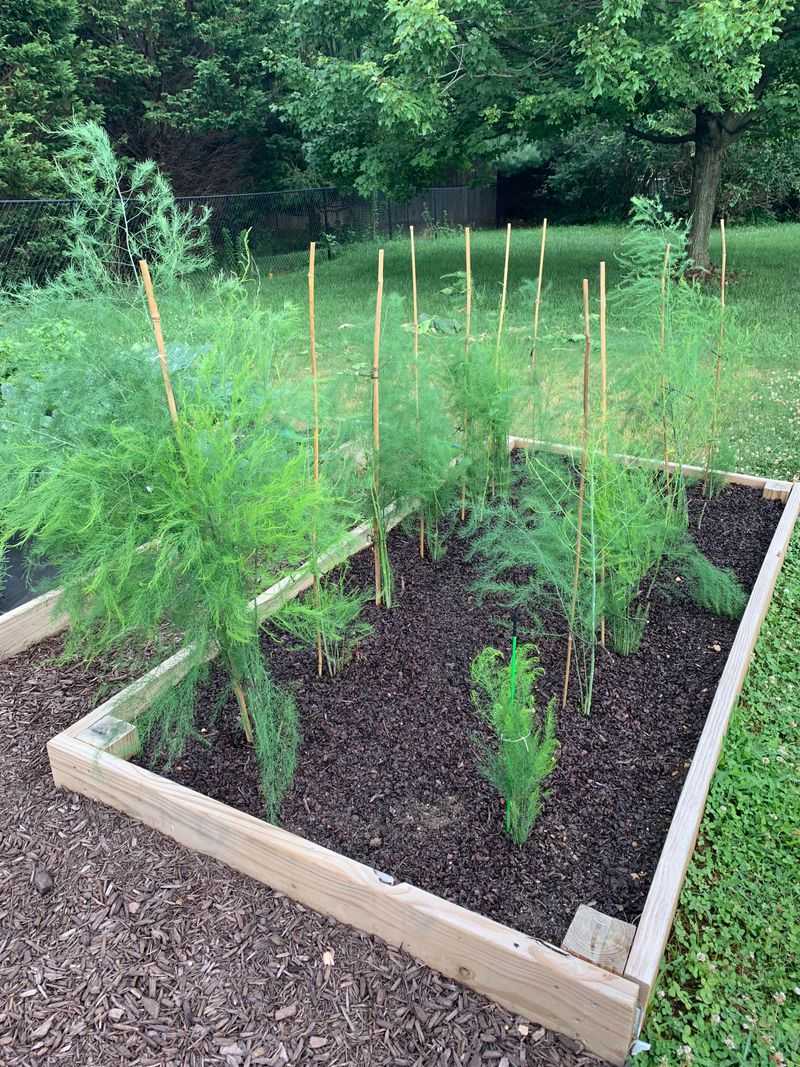
Mature asparagus ferns can reach five or six feet tall by September, and that height creates a real vulnerability heading into North Carolina’s fall storm season.
A strong wind gust or a heavy fall rain can flatten an entire row of ferns overnight, snapping stalks near the base or bending them low enough to smother nearby growth.
Broken stalks stop functioning as solar panels immediately, cutting off that sugar transfer to the crown well before the plant intended to finish the job naturally.
A simple string trellis, run along stakes on either side of the row, gives top-heavy ferns something to lean against rather than collapsing under their own weight during a storm.
Set stakes every four to six feet along the row, then run garden twine or soft nylon string between them at two or three heights as the ferns grow taller through summer.
This setup takes maybe twenty minutes to build and can save an entire season’s worth of stored energy if a fall storm rolls through before the ferns naturally finish their cycle.
Established beds in more sheltered spots, tucked against a fence or building, often need less support since wind exposure stays lower in those particular locations.
Checking the row after any significant storm is worth the short walk, since a few broken stalks caught early can sometimes be propped back up before real damage sets in.
This small bit of September maintenance protects the investment you are already making by leaving the ferns alone in the first place.
Mulching Now Sets Up An Easier Spring
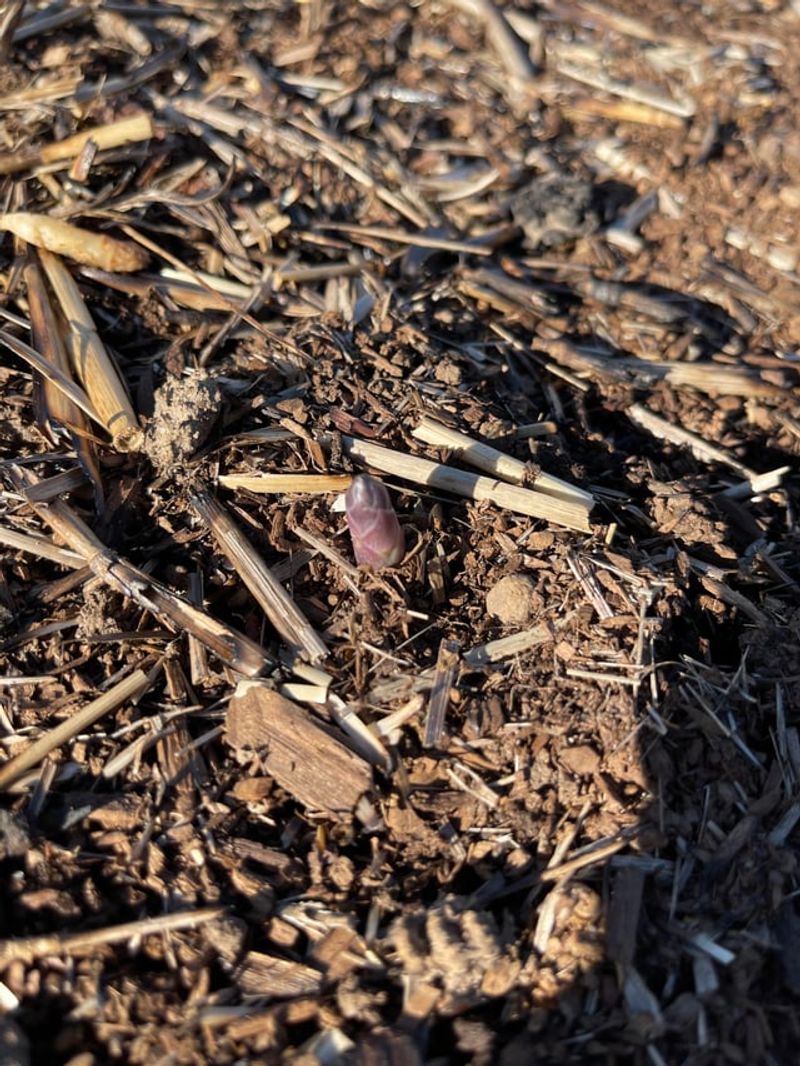
September works well as a window for refreshing mulch around an asparagus bed, even while the ferns overhead are still doing their job undisturbed.
A two to three inch layer of straw, shredded leaves, or compost spread around the base helps regulate soil temperature as the weather starts shifting toward cooler nights and shorter days.
That layer also suppresses the weed seeds that would otherwise germinate over a mild fall and get a head start competing with the crown before spring even arrives.
Applying mulch now, rather than waiting until after the ferns get cut back later, means less trampling and disturbance around the base while stalks are still tall and somewhat fragile.
Keep the mulch pulled back an inch or two from where stalks emerge from the soil, since piling material directly against the base can trap excess moisture and invite crown rot over a wet winter.
Fallen leaves from nearby trees work perfectly for this job and cost nothing beyond the raking, making September a convenient time to solve two chores with one afternoon of work.
By the time cutback finally happens after frost, that mulch layer will already be settled in and doing its job, rather than being something else to manage during the colder, less pleasant days of late fall.
Come spring, the same mulch helps hold moisture around emerging spears and keeps soil temperatures steadier during those unpredictable early-season swings between warm days and lingering frost.
A little mulch work in September, done alongside patience rather than pruning, rounds out the full list of things this bed actually needs before the season turns.